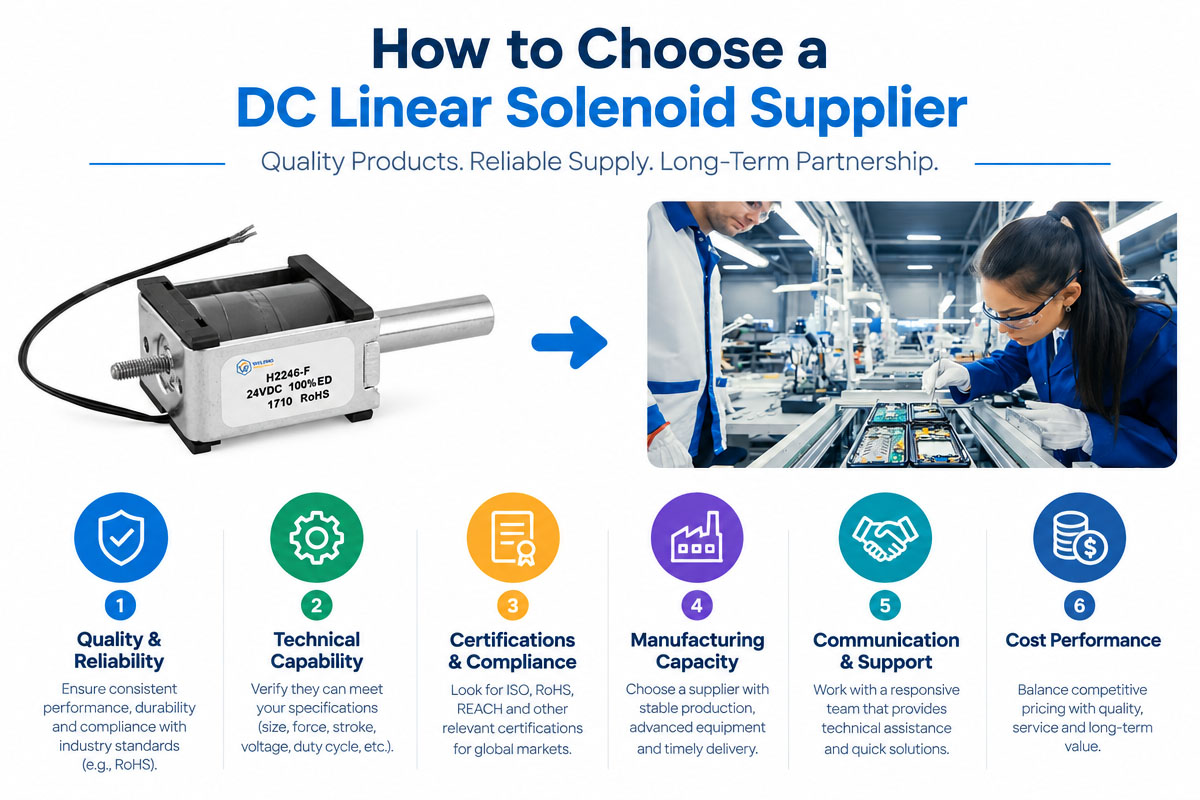
Introduction to DC Linear Solenoid Supplier
Choosing a DC linear solenoid supplier is more than simply finding a vendor who can offer a solenoid with proper voltage and size.
The DC linear solenoid is an essential electromechanical component for OEM buyers and engineers. The apparatus is used for operating a lock, actuating a mechanism, releasing a latch, controlling a valve, triggering a dispenser, or delivering accurate linear motion in medical, industrial, automotive, or automation equipment.
A wrong solenoid choice can lead to lack of force, overheating, too much noise, uneven stroke, reduced service life, or even product failure. “The selection of a good supplier is as important as the choice of the solenoid itself.”
The competent linear solenoid supplier should be able to understand the mechanical, electrical, thermal, environmental, and lifetime demands of your application and help you express them in a proper solenoid design.
Now, when you choose, here are the important points to consider.
1. Begin with your application’s requirements
What is the solenoid expected to do before contacting the provider?
If you ask for a “12V DC linear solenoid,” you haven’t provided the supplier with enough information to select the right part.
The best thing will be that the engineers specify the following specifications:
Operating voltages
Required stroke
Force needed
Operation: push or pull
operating cycle
Time to charge
Operating Frequency
Available installation area
Environment temperature
Life span
Noise specifications
Environmental settings
Electrical connection
Method of Installation
Another important parameter to consider is the relationship between the force and the stroke.
The solenoid force may change over the stroke. The available electromagnetic force is usually a function of the position of the plunger in relation to the coil and the magnetic circuit.
If your machine needs a force of 10 N, then this statement is incomplete without knowing at what position of the stroke this force is needed on the supplier’s side.
A capable linear solenoid vendor will not only recommend a component by force but will also ask for the force demand at the proper position of the stroke.
2. DC Linear Solenoid Supplier’s engineering capability
Having a professional engineering team in place is absolutely critical, especially if it’s an OEM product.
The professional provider should be able to evaluate factors such as
Force & stroke Does the solenoid have enough force to travel the required distance?
Design of coil. Is the winding regulated according to the voltage, current, power, and duration of operation of the coil?
Thermal performance: Is the coil temperature acceptable in practice?
Magnetic Circuit: Proper Design of the Plunger, Frame, Core, Air Gap, and Magnetic Materials?
Mechanical integration: Will the solenoid fit in the available installation space and interface properly with the customer’s mechanism?
Life expectancy: Do the moving parts and materials meet the required number of operating cycles?
The supplier with the most variety is not always the best one. For an OEM application, the engineering capability may be far more valuable than hundreds of standard models.
3. Load test at the real stroke
Force is one of the most misunderstood linear solenoid specifications.
Let’s say your application requires:
12 VDC input
Total travel: 8 mm
12 N force starting at
Duty cycle: 25%
The catalog may say that a solenoid is “12 N,” but that can be done with a much shorter stroke.
If your mechanism needs 12 N at 8 mm, then forget the catalog model.
When you are selecting a linear solenoid supplier, ask for a force vs. stroke chart or force test data for your actual stroke range.
Also, engineers should keep in mind the mechanical load during the movement. The actual force requirement may be dependent on the springs, friction, gravity, linkage geometry, seals, and acceleration.
It usually gives a more reliable selection, as it gives the supplier more information about the mechanism.
4. Verify linear solenoid voltage, current, and power requirements.
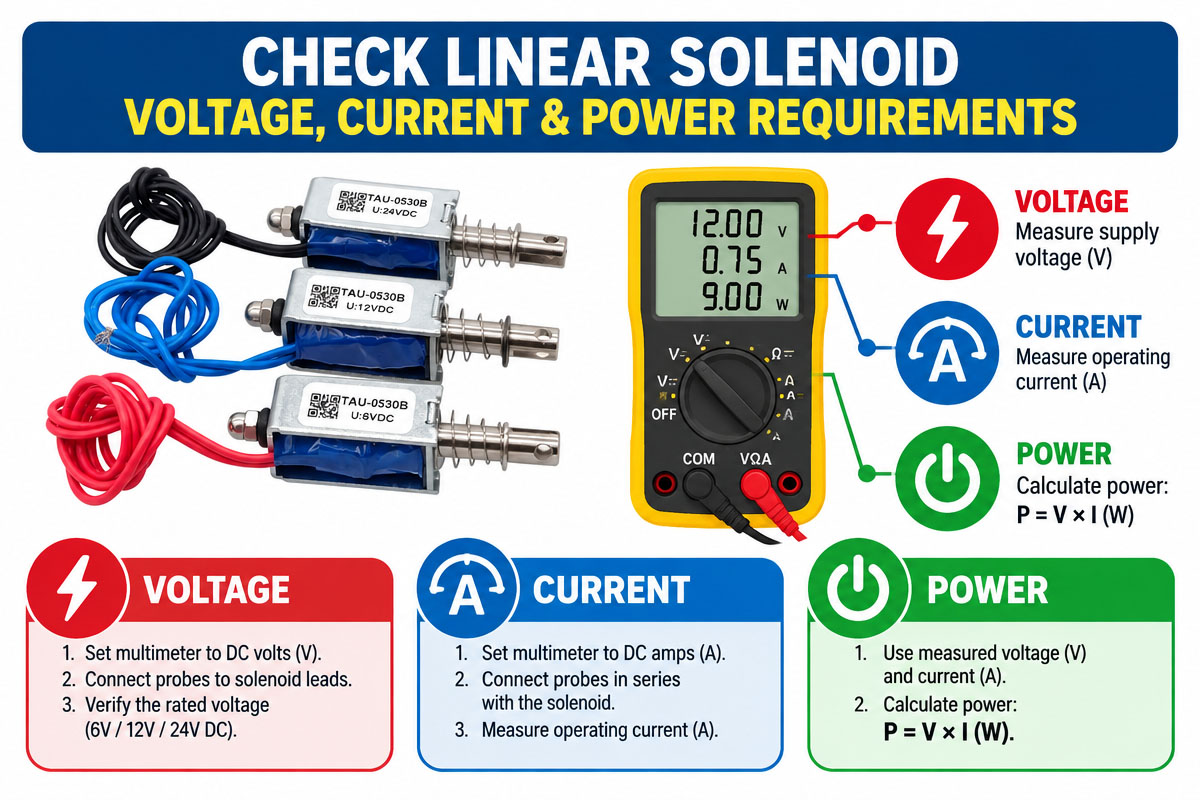
DC linear solenoids are usually rated for 5 VDC, 6 VDC, 12 VDC, 24 VDC, or other application-specific voltages.
However, voltage is not the only parameter that defines the suitability of the solenoid.
Engineers should also assess the following parameters:
Resistance of coil
Ongoing operations
Energy use
Supplied power supply
Voltage tolerances
Time to get energized.
Change by technique
Power consumption may be of particular importance in the case of battery-operated and portable equipment.
If your product has some current consumption constraints, inform the supplier at the early stage of development. The capable supplier may optimize the coil winding and magnetic structure to provide the desired mechanical output at the available electrical power.
5. Pay attention to the duty cycle
Solenoid performance and temperature are very duty cycle dependent.
The thermal requirements of the continuous energizing solenoid are several orders of magnitude different from those of the solenoid, which is energized for 0.5 sec out of every 10 sec.
The supplier should have knowledge of:
Intermittent duty: The solenoid is energized for short periods of time with enough time for cooling between operations.
Continuous duty—The coil can be energized for extended periods of time or continuously.
Continuous running will cause it to overheat. The same design will develop more force with more electrical power applied to it, but only for a short time.
When requesting a quotation, please provide the actual ON and OFF times, and not simply “intermittent use.”
For instance:
ON time: 2 sec
OFF time: 8 sec
Cycle: 10 sec
Duty Cycle: 20%
This gives the solenoid engineer a lot more useful information.
6. Inquiry about temperature increase and thermal tests
The reliability of solenoids is mainly determined by heat.
The coil’s resistance is a function of temperature, and the current through the coil produces heat. Overheat insulation. Decrease life. Affect surrounding components or change performance.
Ask your linear solenoid supplier how he tests the thermal performance of the product.
The significant questions are as follows:
What will be the temperature rise in the coil?
Ambient temperature at which the solenoid was tested.
Duty cycle used?
Insulation class?
Maximum recommended use temperature?
Was the testing done in an enclosure or in open air?
Especially important in compact equipment where the solenoid is installed and there is little air flow.
7. Considerations on the linear solenoid’s lifespan
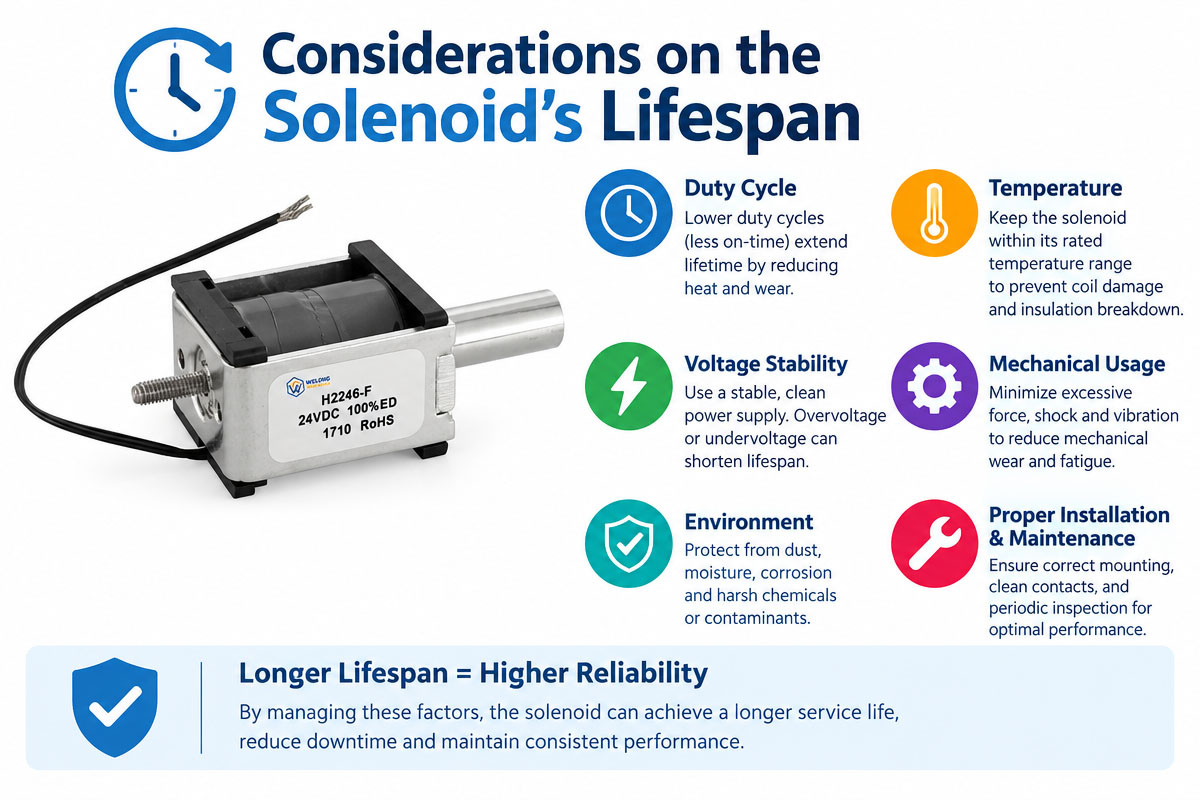
A prototype that works well for 100 cycles does not guarantee it will work well for a million cycles.
If you are considering high-frequency or long-life applications, you should discuss the life requirements of your product right from the beginning.
The manufacturer may need to optimize the following:
Plunger Stuff
Guide Layout
Surface treatment
Return of spring
Mechanical limits
Lubricating
Impact management
The coil temperature
Manufacturing tolerances
Ask the supplier if they can do accelerated or application-specific life tests.
Don’t be satisfied with general statements like “long life” when making your choice of supplier. Ask for lifetime test results under real-life load, stroke, voltage, frequency, and environmental conditions.
8. Noise requirement estimation
Solenoid noise may not be a problem in industrial machinery, but it is a critical problem for medical devices, office equipment, consumer products, and equipment working close to patients.
There are many causes of noise, such as plunger impact, mechanical clearance, vibrations, spring movement, or the solenoid working against the customer’s mechanism.
If you require quiet operation, please advise the supplier of this requirement.
The possible ways of solving the problem are the optimization of plunger movement, the reduction of impact speed, the change of mechanical stops, improving guidance, using cushioning materials, and the change of drive strategy.
The application dictates how to solve the problem.
9. Selecting between Standard and Custom Solenoids
If the specifications are suitable for the application, then the standard DC linear solenoid could be an excellent choice for you.
Below are the usual benefits of the standard products:
Samples are available faster.
Development cost: reduction
Validated Construction
Ease of initial assessment
However, there are many OEM products that cannot be fully met with standard products.
If you need something special, maybe a custom solenoid is what you need:
Stroke
Power
Electric potential
Resistance of coil
House size
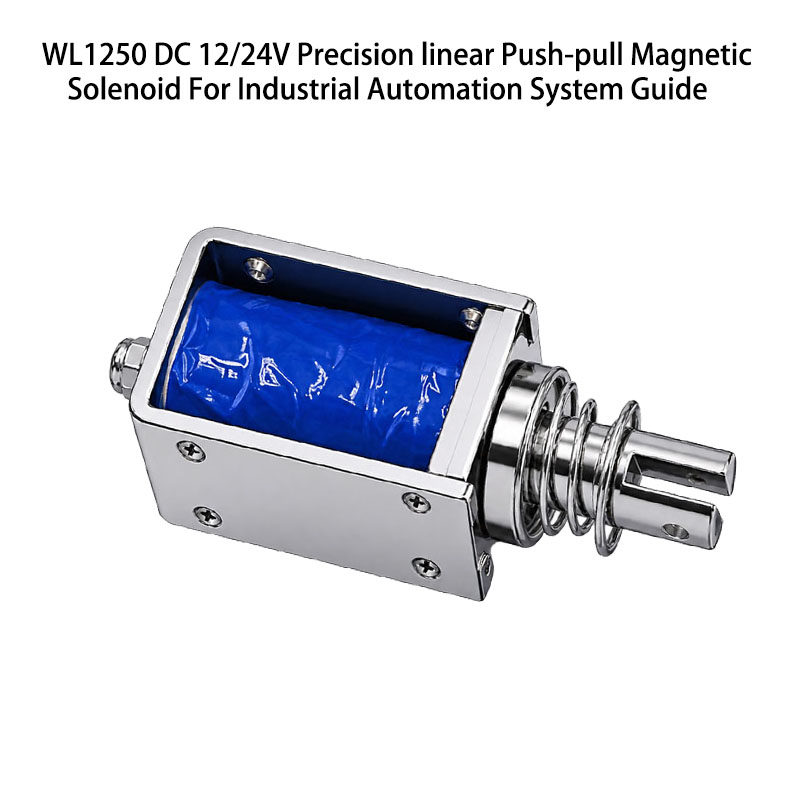
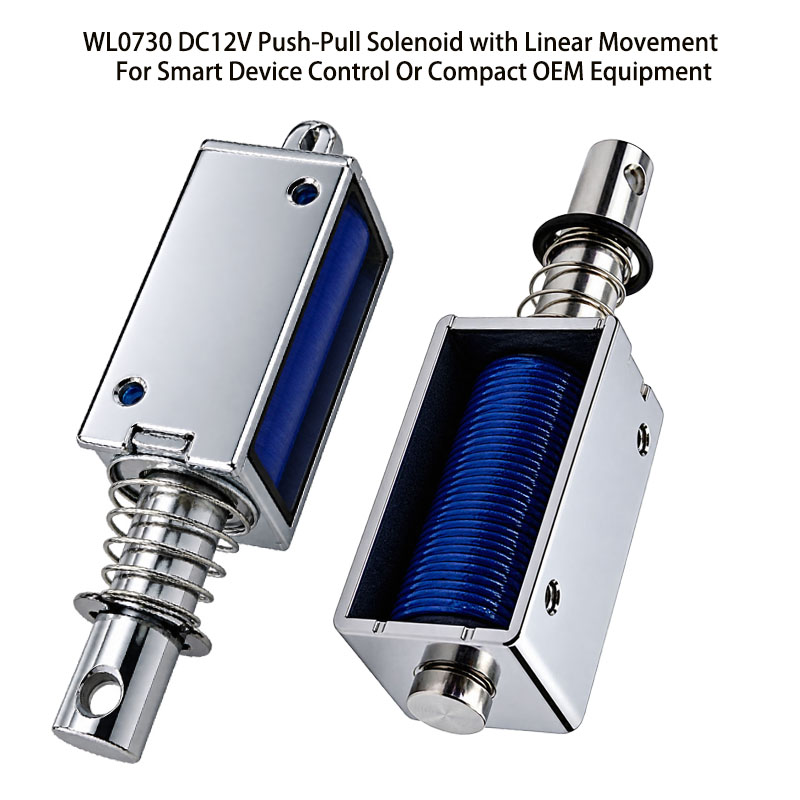
Shape of the plunger (see Fig. 2)
Shaft/linkage
Spring force
Bracket mounting
Linker
wire length
Noise level 2
Working cycle 2
Environmental preservation
When choosing a linear solenoid supplier, find out if customization is part of the company’s engineering capability.
10. Evaluation of Manufacturing and Quality Control
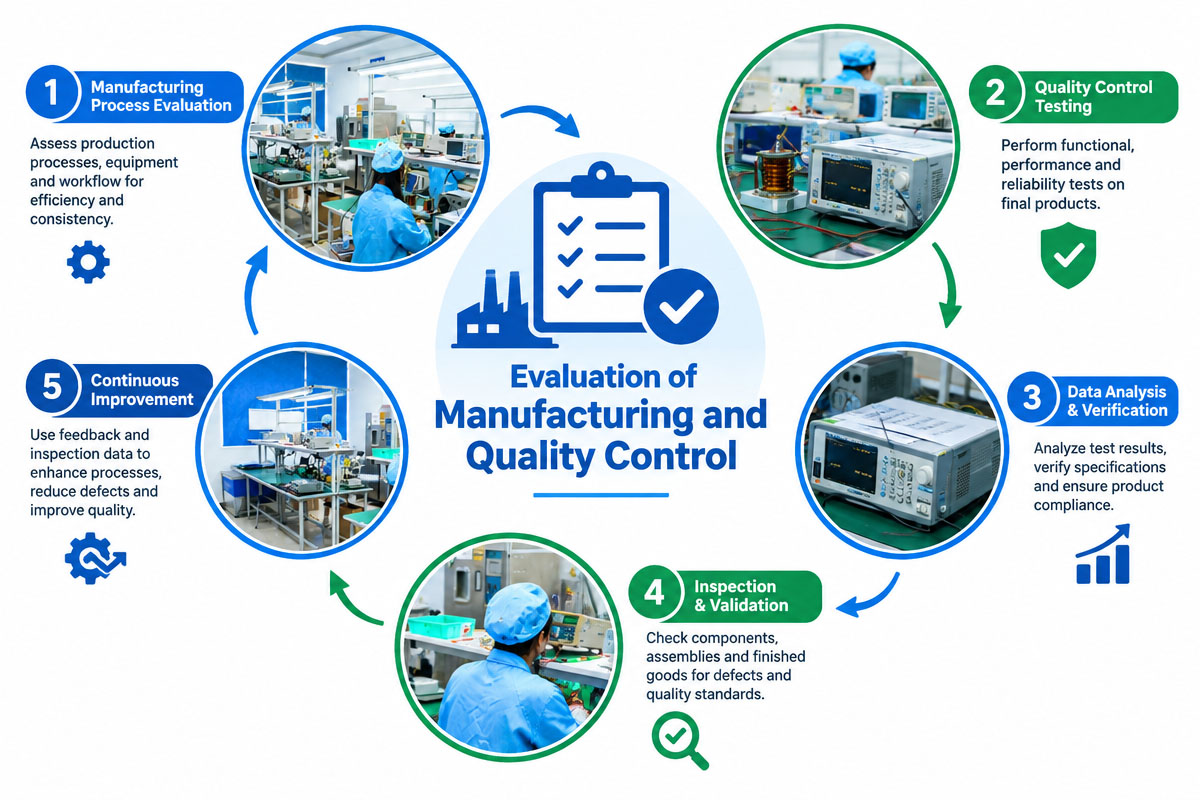
“The engineering of success is reliable manufacturing, especially when moving up from prototype samples in thousands or even hundreds of thousands.
10.1 Ask the vendor about key characteristic controls
- Resistance of the coil
- uniformity of the coil
- coercivity;
- myocardial infarction
- measurement
- sequestration
- electrical safety
- travel of plunger
- quality of assembly
10.2 Functional performance
Depending on the application, the suppliers could use the following checks: Material inspection, process inspection, final electrical testing, force testing, dimensional inspection, and life testing.
The buyer needs to know how the supplier manages the changes during manufacturing. Even if the part number stays the same, the change in material or process could become the issue.
11. Evaluation of Prototyping and Development Assistance
The price of the first piece does not matter as much as the ability to prototype a new product.
An experienced supplier will be responsive, discuss with you regarding your application, advise on an existing part in case of applicability, conduct the risk analysis, and propose necessary changes in case no existing solution is applicable.
A typical OEM development process looks as follows: Application requirements → preselection → engineering evaluation → sample → test → design change → validation → pilot production → production.
This team approach saves the troubles in case of problems in force, temperature, noise, or lifetime revealed after tools and design are made.
12. Use total cost comparison, not unit price.
Sure, the buyer teams will compare shops and compare the prices, but a low unit price does not guarantee a low total cost of the project.
Think of the cost of
reengineering ·
- delay in sample
- high failure rates,
- field back in action,
- assembling problems,
- unexpected supplier changes;
- high power consumption,
- produced inconsistent,
- short product life cycle.
An expensive but effective solenoid can help avoid post-launch reliability issues in an OEM product caused by the cheaper part.
A good sourcing approach takes into account the price, technical capability, quality, availability, and engineering assistance.
13. Look for the hands-on experience
The experience with similar applications may be a time-saving factor in the development.
Many devices include the DC linear solenoids, including
Industrial Automation…
Smart locks
Entry Control Devices (ECDs)
Devices for Healthcare
Laboratory Equipment
Vending machines
packaging machinery
- household appliances
- vehicle systems
- fluid control devices
- Safety Devices.
- robotics.
A good vendor should be aware of common problems of force, temperature, noise, power consumption, size, or lifetime of solenoids.
Engineering verification should compliment the application experience, not replace it.
Each mechanism has unique operational and loading conditions.
14. How to Avoid Common Pitfalls When Selecting a Linear Solenoid Supplier
When selecting a linear solenoid supplier, one needs to consider several factors. The right supplier provides high-quality, reliable products with competitive pricing. Unfortunately, there are some mistakes that may occur in the selection process. To select the best linear solenoid supplier, it is necessary to be aware of the most common mistakes made in this process.
One of the common mistakes made by many businesses is a focus on the cost factor. In other words, many people tend to choose the cheapest supplier because it is more profitable. It is true that the price matters, but it is better to evaluate the total cost of ownership, which includes costs of maintaining, replacing, and repairing the product, rather than just looking at the quotations.
The technical capability of a supplier is another aspect that requires attention. There are different kinds of linear solenoids, and each of them differs in terms of force output, stroke length, voltage requirement, duty cycle, and environmental resistance. A good supplier should have high engineering capability and the ability to develop customized products.
Moreover, many people forget about quality certifications and manufacturing standards, which are the key characteristics of a professional supplier. A good linear solenoid supplier has to have effective quality management systems and testing of products.
There are some other aspects that should be considered, such as communication and customer support. Many buyers pay attention only to the availability of the product, but they face difficulties in getting technical support, timely delivery, etc.
It is better to avoid choosing a supplier without thinking of future needs. It means that the chosen supplier has to be ready for growing the volume of cooperation, developing new products, etc.
Taking into consideration all of the above-mentioned mistakes, it is possible to say that a good linear solenoid supplier is selected based on several criteria.
15. Provide a complete RFQ to your linear solenoid supplier
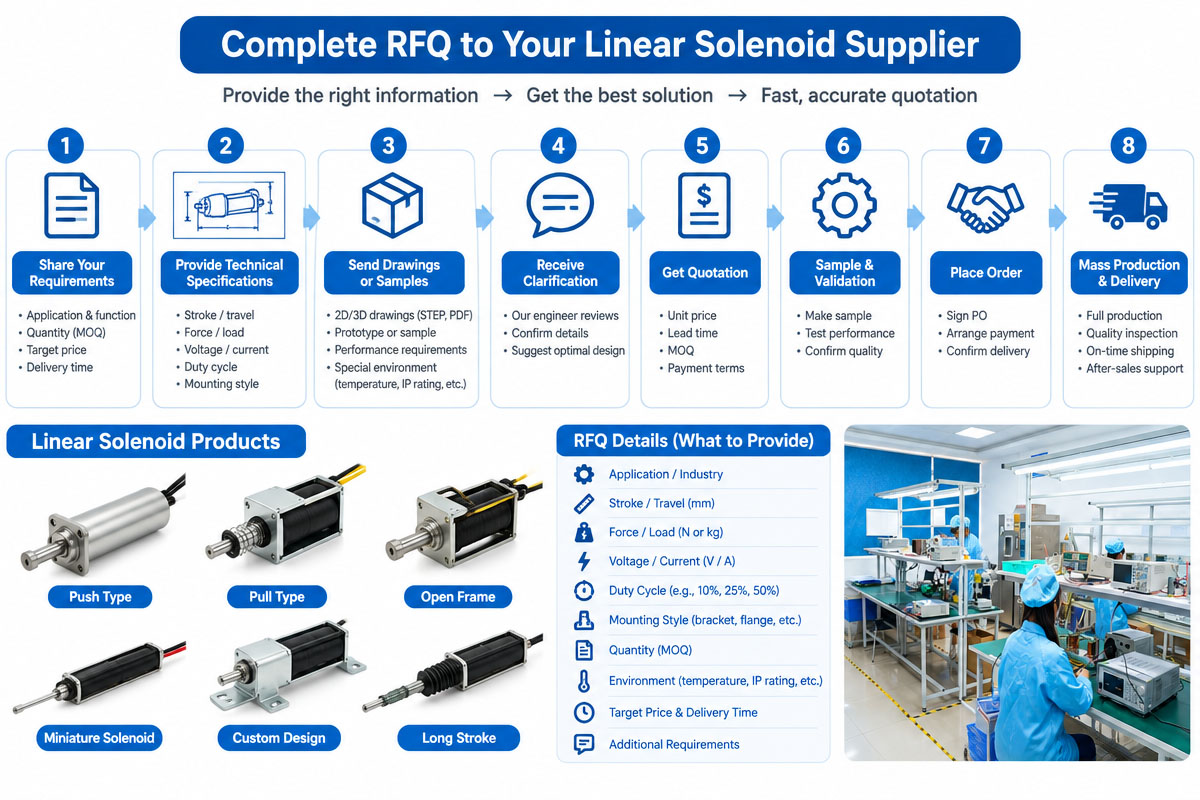
The complete RFQ makes it possible for the supplier to select the appropriate solution faster.
Do not use a vague request like “Please quote the solenoid 12V.”
Submit the RFQ, for instance, like this one:
Product: DC Linear Solenoid
pull-type operation
DC Voltage: 12V
Stroke: 8 mm.
FORCE REQUIREMENT: 12N @ 8MM
ON TIME 1s. OFF TIME: 4 sec.
Cycle rate: 12 cycles/minutes
Operating temperature: 0°C – 50°C
lifetime requirement: 500000 strokes
Low noise is desired.
Space available: 30x25x45 mm
Yearly quantity of production: 50 000 pc.
Application: SELF-LOCKING MECHANISM
Such information is a better engineering basis for the selection.
Also, the drawings, CAD file, photos, videos, load curves, and mating mechanism could be helpful for development.
16. Conclusions on Selection of Linear Solenoid Supplier
The choice of a DC linear solenoid should be both an engineering decision and a purchasing decision.
The right supplier of DC linear solenoids should be able to take into account the entire application and not just offer the part with the desired voltage.
Before selecting the supplier, ensure he is ready to assist with the selection of the right force and stroke, coil design, thermal management, cycle, lifetime, customization, and manufacturing consistent scale.
In the majority of situations, the fastest and most affordable way is using the existing linear solenoid. Design of the OEM equipment gives an opportunity to provide better force, lower power consumption, lower noise level, increased lifetime, or reduced installation envelope.
The best vendor relationships start with engineering communication and technical requirements.
17. FAQs on How to Choose a Linear Solenoid Supplier
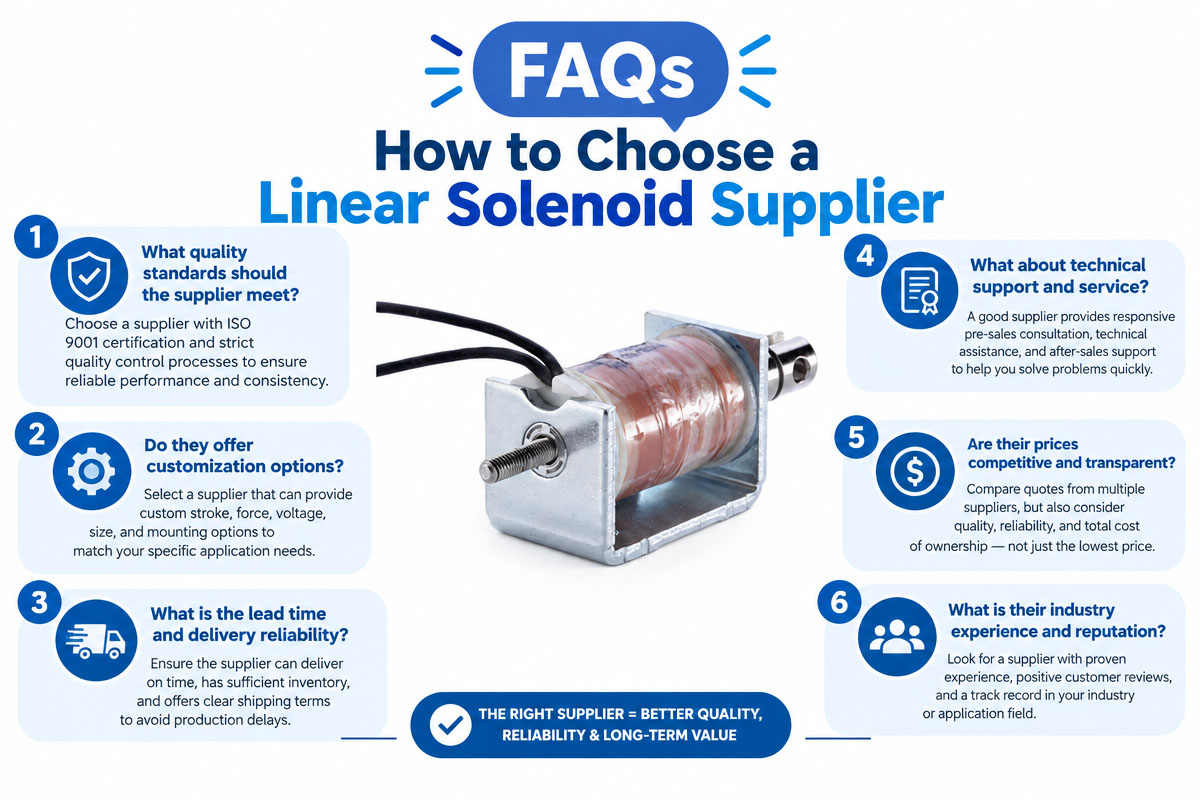
1. What information should I provide to my linear solenoid vendor?
Provide your operating voltage, stroke, required force at the working position, duty cycle, ON/OFF time, available dimensions, operating temperature, expected lifetime, mounting requirements, and yearly quantity of the production. The drawing of the application and CAD data would help in the accurate selection.
2. How to pick the right force of the DC linear solenoid?
Calculate the mechanical load at each major point of stroke. Don’t give your supplier maximum force. Give him the force vs. stroke curve.
3. Push and Pull. What is the difference between a linear solenoid and
A pull-type linear solenoid creates the useful movement as a result of attracting the plunger into the electromagnetic coil assembly. The resulting pulling motion creates the opposite pushing movement. The push-type design relies on the mechanism and the available space.
4. Is a linear solenoid DC rated for continuous duty?
Some solenoids are designed for continuous-duty operations, and some for intermittent duty only. Continuous duty considerations for the solenoid are the following: coil power, resistance, heat dissipation, ambient temperature, and insulating properties.
Yes, a linear solenoid manufacturer can customize voltage and stroke.
Usually a good manufacturer would be able to customize voltage, stroke, force, coil resistance, geometry of the plunger, spring characteristics, mounting, connection, and other mechanical or electrical parameters. Depending on the required performance and production quantity, customization is possible.
5. Why does the force of a solenoid depend on the stroke?
Due to plunger movement, the magnetic circuit and air gap in it change. This means that electromagnetic force varies with the stroke position. Engineers should evaluate the force vs. stroke curve in the working range.
6. Why does the DC linear solenoid become hot?
Overvoltage, excessive ON time, lack of sufficient cooling, inappropriate duty cycle, high ambient temperature, and inappropriate coil design could cause such a problem.
7. How to Compare Linear Solenoid Suppliers as a Buyer?
Not just the unit price, but the lead time and total cost too. Manufacturing capacities. Speed of prototyping. Quality checking. Testing methods. Customization features. Consistency of the product. Technical capabilities as an engineer.
8. Standard or custom linear solenoid? Which do I need?
Choose the standard part if the force, stroke, voltage, dimensions, and duty cycle meet the application requirements. In case special size, force, power, mounting, noise level, lifetime, or electrical connections are needed, a custom solenoid should be selected.