Automotive Solenoid Feature and application

Automotive Solenoid Guide: Types, Working & Uses

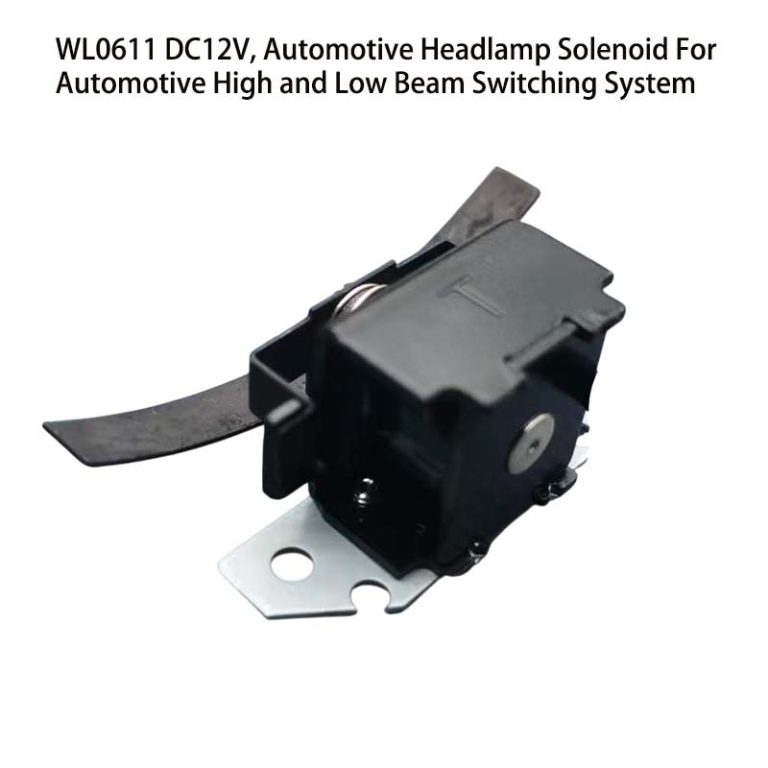
Automotive Headlamp Solenoid for Vehicle Lighting Systems
Precision Gearbox Oil Control Valve System
Transmission Gear Shift Solenoid Info
Durable SCR Solenoid for Diesel Exhaust System
Automotive SCR Solenoid for Diesel Systems Pro
SCR Solenoid Valve-Function, Design & Benefits
Universal Car Door Actuator Features Guide
Car Door Actuator Guide- Function & Benefits
12V Car Headlight Solenoid Valve
Automotive Solenoid Feature and Application

Introduction

A solenoid for cars is an electromagnetic switch or actuator made just for cars. It uses a low-power signal to control mechanical movement or high-current electrical circuits. Automotive solenoids change electrical energy into linear or rotary motion or work as electrically controlled switches. This makes numerous car systems work accurately and reliably.

Automotive solenoids are made to last a long time, respond quickly, and work well in tough conditions including vibration, extreme temperatures, dampness, grease, and dust.

Chapter 1: What Is an Automotive Solenoid?

An automobile solenoid is an electromagnetic device that works in cars and trucks.
When powered, it uses a coil and a magnetic core to create force.
Controls movement, locking, fluid flow, or electrical connections
Works with regular car voltages (12V or 24V DC)
They are important parts of:
Managing the engine
Systems for transmission
Electronics for the body
Systems for safety

Chapter 2: How Automotive Solenoids Work

The solenoid coil lets electricity flow through it.
A field of magnetism is created.
The magnetic field moves a plunger (armature) or closes electrical connections.

There is either mechanical motion or circuit switching.
A spring or magnetic force brings the solenoid back to its original state when power is turned off.

Result: ECUs can control mechanical and electrical activities with great accuracy.

Chapter 3: Different Types of Automotive Solenoids

Starter Solenoid: This connects the starter motor to the engine flywheel.
Fuel Injector Solenoid: Controls the timing and amount of fuel that is injected.
Transmission Solenoid: Controls the flow of hydraulic fluid in automated gearboxes.
Valve Control Solenoid: This part is used in EGR, turbo, and EVAP systems to control air or fluid.
Door Lock and Body Control Solenoids: These control the locks on the doors, the trunk release, and the seat adjustments.

Chapter 4: What makes automotive solenoids unique

Very durable: can handle vibrations and severe temperatures.
Quick Response: Works in milliseconds for accurate procedures.
Compact Design: It’s small, light, and easy to add to.
Electromagnetic Compliance: Meets EMI/EMC standards.

Chapter 5: How to Use Automotive Solenoids

Systems for starting engines
Systems for injecting fuel
Control of automatic transmission
Control of HVAC
Door locks and trunk systems
Adjustments for the seat and mirror
Systems for controlling emissions
Power steering that runs on electricity

Chapter 6: Advantages of Automotive Solenoids

Quick and accurate activation
Works well in bad weather
Allows for simple on/off or PWM control
Simple to connect to ECUs
Cheaper than motors in terms of cost

Chapter 7: Automotive Solenoid Datasheet Overview

Operating Voltage: 12V / 24V DC
Response Time: 5โ€“50 ms
Temperature Range: -40ยฐC to +125ยฐC
Operating Environment: Vibration, dust, oil, moisture
Lifespan: Millions of cycles
Compliance: ISO, IATF 16949, OEM standards

Chapter 8: A Guide to Choosing Automotive Solenoids

When you pick a solenoid:
Make that the voltage and current ratings match the vehicle system.
Make sure the stroke length and force suit the mechanical needs.
Check the response time for apps that need to be fast.
Think about how well it can handle vibration, dampness, and temperature.
Look at the load type to see if it should run continuously or only sometimes.
For battery-powered systems, choose self-locking solenoids to save electricity.

Chapter 9: The End

Automotive solenoids are very important for a car’s mechanical and electrical systems. They start the engine, manage the fuel, doors, and emissions systems, and more. They make sure that vehicles run safely, accurately, and with less energy.


Common Questions About Automotive Solenoids

Q1๏ผšWhat is an automobile solenoid valve?

In cars, a solenoid valve changes electrical energy into linear or rotational motion that can be used to lock, switch, position, or control fluids.

Q2: Where do cars employ solenoid valves?

Motors for starting

Transmission systems

Control systems for engines and fuel

Locks for doors and trunks

Leveling the headlights

Adjustments to the seat

Q3: What kinds of solenoid valves are there?

Push-pull (linear action)

Self-locking (low power, permanent magnet)

Solenoids that turn (angular motion)

Q4: What kind of voltage do you use?

12V DC for automobiles with people in them

24V DC for trucks and buses

Q5: What is the difference between a continuous solenoid and an intermittent solenoid?

Constant power, no overheating: Continuous

Intermittent: short activation, needs to cool down

Q6: What do solenoids need to be able to handle?

Temperatures from -40ยฐC to +125ยฐC

Shocks and vibrations from machines

Oil, fuel, dust, and moisture

Lifespan of millions of cycles

Q7: What does it mean for a solenoid to lock itself?

Holds its place using a permanent magnet and only needs electricity when it changes, which saves energy and keeps things cooler.

Q8: How quickly do solenoids respond?

It can take anything from a few milliseconds to tens of milliseconds, depending on the design of the coil, the voltage, the spring force, and the stroke.

Scroll to Top

Get A Free Quote Now !

Contact Form
If you have any questions, please do not hesitate to contact us.
Weilong Solenoid Company Culture
