

Hydraulic Valves: Working Principle & Applications


Introduction
In hydraulic systems, hydraulic valves play a vital role as a mechanical or electro-hydraulic device used for controlling the flow rate, pressure, and direction of hydraulic oil in a hydraulic system.
Hydraulic valves help you precisely control the speed, force, and direction of hydraulic devices like motors or cylinders by precisely controlling the flow of hydraulic oil. Hydraulic valves are used a lot in different machines because they can precisely control hydraulic systems’ motion with a lot of power.
Chapter 1: What is a Valve that Works with Water?
A hydraulic valve is a mechanical or electro-hydraulic device used for controlling the flow rate, pressure, and direction of hydraulic oil in a hydraulic system.
A hydraulic valve helps you precisely control the speed, force, and direction of hydraulic devices like motors or cylinders by precisely controlling the flow of hydraulic oil. Hydraulic valves play a vital role in systems where a lot of power is required along with precise motion control.
Chapter 2: How Hydraulic Valves Work
A hydraulic valve works by controlling, redirecting, or limiting the flow of hydraulic oil through internal valve parts like a spool valve or a poppet valve or a needle valve.
- Control of Direction
A hydraulic valve controls the direction in which a hydraulic actuator must move.
The spool or valve stem is moved in a hydraulic valve, and this causes hydraulic oil to be directed to different ports. As a result, a hydraulic cylinder or motor will move forward or backward or extend or retract.
- Control of Pressure
A hydraulic valve controls or limits the pressure in a hydraulic system.
A hydraulic valve can be used as a pressure relief valve, which opens when the hydraulic oil pressure goes above a certain level in a hydraulic system so that it does not fail.
- Control of Flow
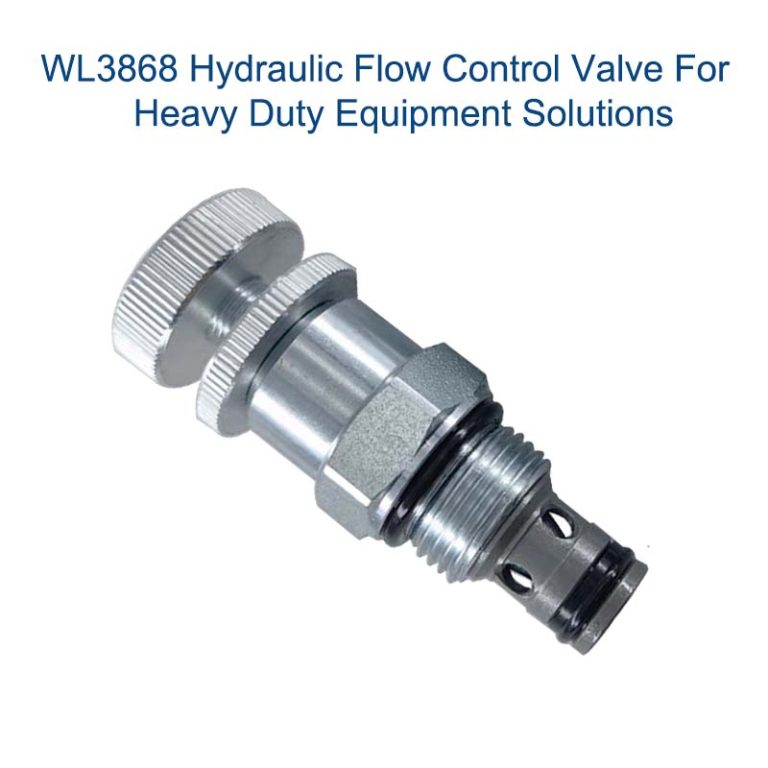
Flow control valves are the ones that control the speed of the hydraulic fluids. The speed of the actuators is then controlled.
- Control by Proportion or Servo
Modern hydraulic valves use electrical signals to control the position of the spool at all times. This allows automated systems to control force, speed, and position very accurately.
Chapter 3: Different kinds of hydraulic valves
There are three main kinds of hydraulic valves:
- Valves for Controlling Direction
These kinds of valves control the direction in which the fluids are allowed to flow.
Some of the common kinds are:
2/2 valve
3/2 valve
4/2 valve
4/3 valve
These are commonly found in hydraulic cylinders and motor control systems.
- Valves for Controlling Pressure
These valves are the ones that control the pressure in the hydraulic system and ensure the hydraulic devices are safe.
Some examples are:
Valves for the release of pressure
Valves for the lowering of pressure
Valves in order
Valves for counterbalance
- Valves for Controlling Flow
These kinds of valves control the speed of the actuators in the hydraulic systems.
Some examples are:
Valves with needles
Throttle controls
Flow valves and pressure
Chapter 4: How Hydraulic Valves Are Built
Hydraulic valves are composed of several important parts. They are designed in such a way that they can withstand high pressure at all times.
Structure of the Directional Control Valve
The main parts are:
Body of the valve
Spool (the core part of the valve)
Springs
Actuator (it can be manual, hydraulic, pneumatic, and solenoid)
O-rings and seals
Materials used are:
Valve body: It is made of iron or steel, which can bend.
Spool: It is made of a hardened steel alloy.
Nitrile rubber (NBR) or fluorocarbon (FKM) is used for the seals.
The Structure of the Pressure Valve
Most pressure valves have:
Valve seat
Core of steel valve
Screw for adjustment
Spring (steel with chromium and silicon)
Structure of the Flow Control Valve
Most flow control valves have:
Needle valve
Orifice
Spool for compensator
Throttle system
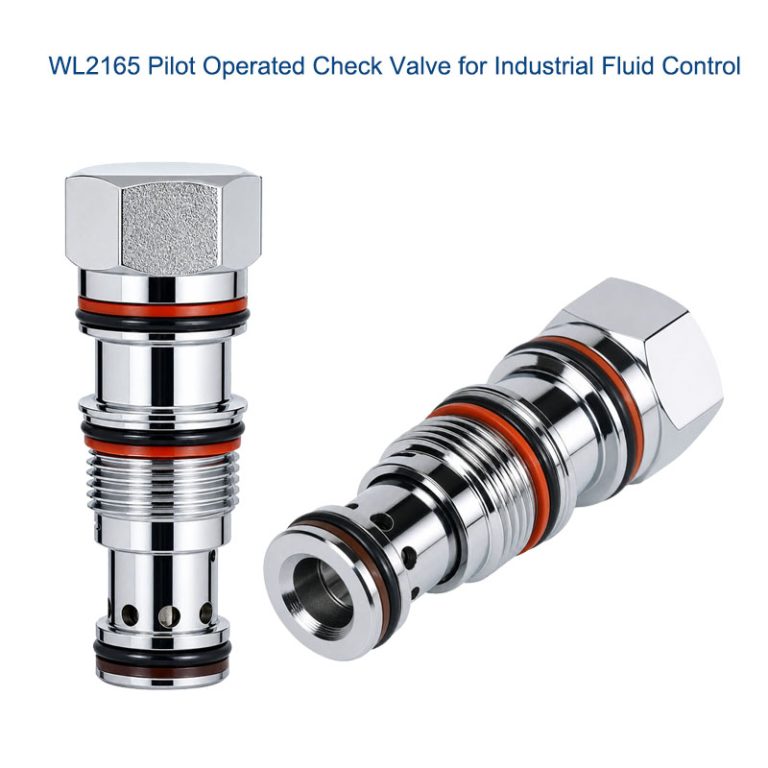
Structure of the cartridge valve
Most cartridge valves have:
Sleeve for valve
Core of valve
Pilot stage
Cover for control
They are often assembled in a manifold for space-saving.
Chapter 5: Common Ways of Setting up Hydraulic Valves
Different types of hydraulic valves are designed for different types of systems.
Valves for Spools
Spool valves are the most commonly used directional control valves.
Rotary Valves
They are often used for choosing different types of hydraulic functions.
Poppet or Lift Valves
They are often used in pressure control and check valve applications.
Valves that can be put together
They can be assembled in a way that allows small hydraulic systems to perform more than one function.
Valves for Cartridges
They are threaded and are designed for assembly in manifold blocks.
There are different ways of setting up the ports of the valve:
2-way
3-way
4-way
Most of the ports are between 1/8 and 2 inches wide (NPT, BSPP, SAE).
Chapter 6: Why More and More People Are Using Hydraulic Valves
Many industries are starting to make use of hydraulic valves since they have many benefits:
- High Power Density
Hydraulic valves can apply great force in small spaces.
- Control of Motion with Precision
Hydraulic valves can be used to control the force, speed, and direction of movement with great accuracy.
- Very Reliable
Hydraulic valves can be used since they are designed to work in very harsh conditions.
- Works with Automation
Hydraulic valves can be used with automation.
- System Design That Works for Many Things
Hydraulic valves can be set up in many ways so that they can be used with complex devices.
Chapter 7: The Benefits of Hydraulic Valves
The benefits that can be derived from the usage of hydraulic valves include the following:
- The ability to handle heavy loads
- Control of motion with precision
- Strong and durable
- Design of a flexible system
- Long life with proper care
Chapter 8: The Bad Things About Hydraulic Valves
Hydraulic valves have some good qualities, but they also have some bad qualities that can be seen as follows:
- Possible leaks
- Sensitive to contaminates
- Throttling generates heat
- High pressure generates noise and vibrations
- Regular maintenance is required
Chapter 9: Uses for Hydraulic Valves
Hydraulic valves have many uses in many industries.
- Machines used in industry
- Machines that mold by injection
- Tools that can be used with machines
- Pressing machines
- Machines that mold by pressing
- Tools that can be used with building
- Excavators
- Cranes
- Loaders
- Farm Equipment Tractors
- People that harvest
- Systems that can be used with lifting
- Systems that can be used with cars
- Power steering
- Braking systems
- Suspension systems
- Moving and Automating Materials
Lifts that use Hydraulic Power
Systems for Lifting Things
Chapter 10: Hydraulic Valve Datasheet (Typical Specifications)
Typical hydraulic valve specifications include:
Operating pressure: 70 – 350 bar
Flow rate: 5 – 600 L/min
Operating temperature: -20°C to 120°C
Fluid type: Hydraulic oil (ISO VG32–VG68)
Response time: 20 – 100 ms
Port size: 1/8” – 2”
Mounting type: Inline, manifold, modular
Control type: Manual, hydraulic, pneumatic, solenoid
Common hydraulic valve problems and solutions include:
Problem: Valve not responding
Possible Cause: Electrical or actuator failure
Solution: Check power supply or actuator
Problem: Slow actuator movement
Possible Cause: Flow restriction or clogging
Solution: Clean valve or check filters
Problem: Pressure instability
Possible Cause: Faulty pressure valve
Solution: Adjust or replace relief valve
Problem: Fluid leakage
Possible Cause: Damaged seals
Solution: Replace seals
Problem: Excessive noise
Possible Cause: Air in system
Solution: Bleed hydraulic system
Regular maintenance and clean hydraulic oil help prevent most valve failures.
Chapter 12: How to Pick the Right Hydraulic Valve for Robotics
When choosing the right hydraulic valve for your robot, you need to take some things into consideration:
- Pressure in the System
Make sure that the pressure rating of your valve is higher than the highest pressure in your system.
- Rate of Flow
Make sure to pick a valve that will be able to handle your flow rate requirements, measured in L/min or GPM.
- Type of Valve
Depending on your requirements, you may need to pick between directional, pressure, or flow control valves.
- How to Control
You have these options:
Control by Hand
Control by Pilot using Hydraulic
Control by Solenoid
Proportional or Servo Control
- How to Install
You may need to pick between:
Types of mounting commonly used:
Mounting Inline
Mounting Subplate
Mounting Cartridge
Stacking in Modules
- The Environment it Will be Used in
You may need to take these things into consideration:
Vibration
Temperature
Dust or Dirt
Corrosive Environment
Chapter 13: Final Thoughts
Hydraulic valves are very important components of a hydraulic system since they provide the ability to use fluid power in a safe, efficient, and accurate manner. Hydraulic valves are very vital in modern machines since they are capable of handling high pressure, high loads, and harsh working environments.
Therefore, it is very vital to select the right kind of hydraulic valve for your requirements since it will improve your system’s performance, increase its lifespan, and improve efficiency.
In a Hydraulic System, Hydraulic Valves are used to regulate the flow rate of the fluid, its pressure, and its direction.
Hydraulic valves are for liquids under high pressure, and pneumatic valves are for gas or air under compression.
Contamination of the fluid, seals, incorrect pressure setting, and overheating are common.
Many kinds of hydraulic valves use solenoid or electro-hydraulic controls.
You need to consider pressure rating, flow rate, type of valve, how to control it, and how to install it.
You need to know the maximum flow rate and acceptable pressure drop, which are normally found on flow curve charts provided by the manufacturer.
