How to Select the Coil Bobbin?
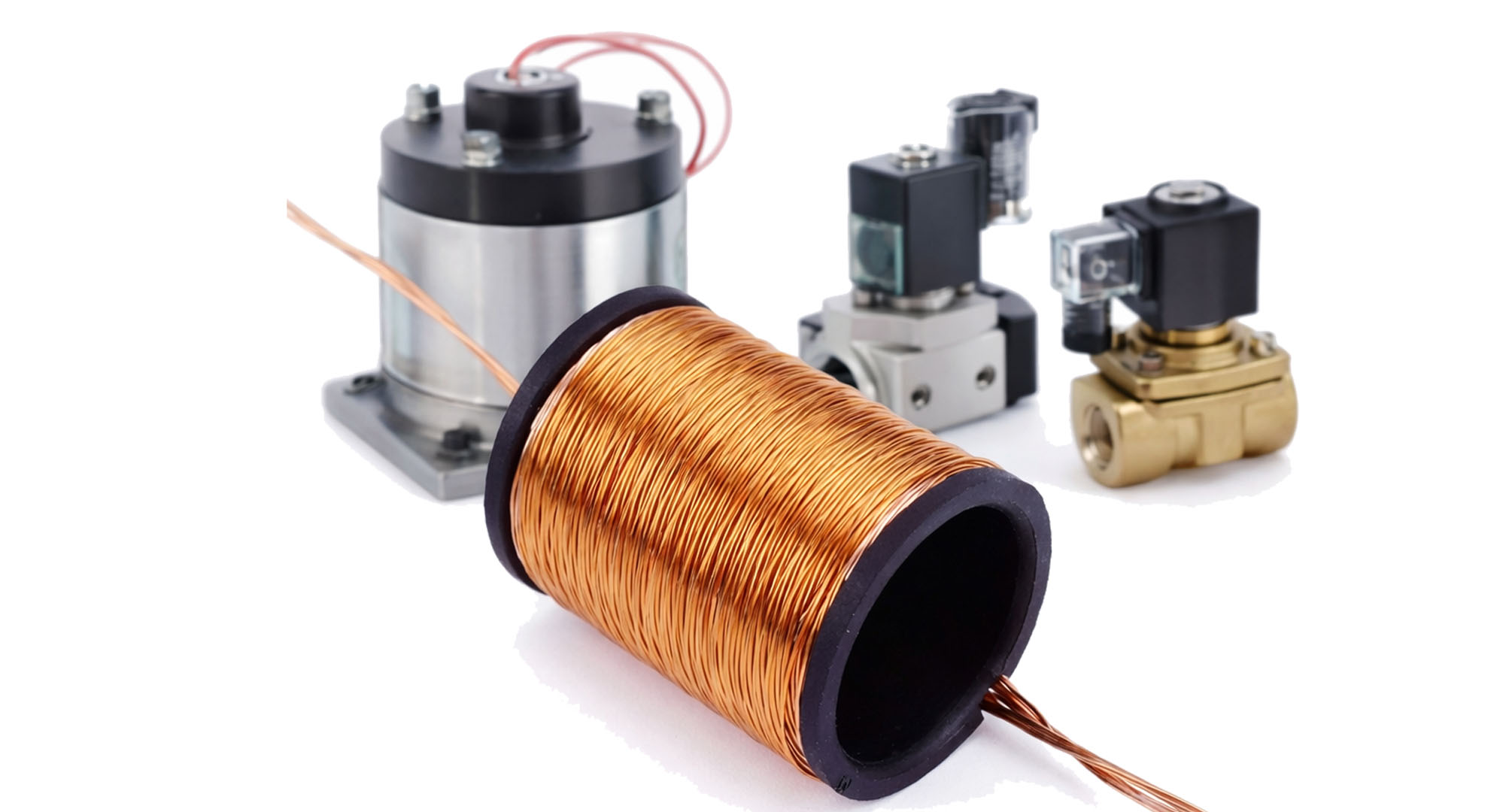
The selection of the right coil bobbin involves a thorough analysis of various electrical, mechanical, and environmental factors. The first factor to consider involves the determination of the coil parameters, which includes wire size, turns, and magnetic force required. These factors determine the diameter of the bobbin’s core, space, and height of the flange. Inadequate space may result in excessive temperatures or poor performance. The next factor to consider involves temperature. In this case, you may use PA66 for moderate temperatures or PPS for temperatures exceeding 180 degrees Celsius. The insulation level must match your voltage level. In high-voltage applications, it is important to ensure that you maintain appropriate distances to avoid electrical breakdowns. The next factor to consider involves mechanical strength. If you are working on applications that involve vibration or industrial applications, you may use reinforced engineering plastics that offer high impact resistance. In compact applications, you may also consider optimizing the bobbin structure to reduce space without compromising performance. The next factor to consider involves the terminals. The use of metal pins ensures efficient performance by making it easier to assemble and maintain electrical connections. The quality of metal must also be considered to avoid corrosion. The final consideration involves ensuring that you comply with various safety standards, including UL Flame Rating and RoHS export regulations. Finally, you must also consider choosing a manufacturer that has good capabilities in injection molding and mold development. In addition, you may also request prototypes to test your device before mass production.