Skip image slider
Compact Proportional Valve for Efficient Fluid Control
Compact Proportional Valve for Reliable Flow Control
Compact Proportional Valve for Fluid Management
Compact Proportional Valve for Electronic Regulation
Compact Proportional Valve for Medical Equipment
Compact Proportional Valve for Hydraulic Equipment

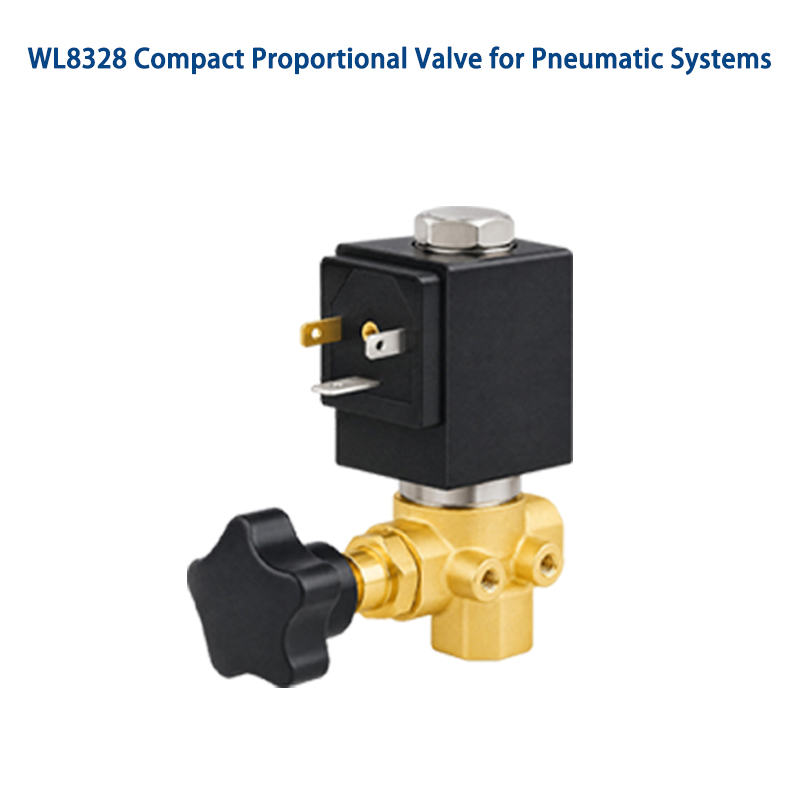
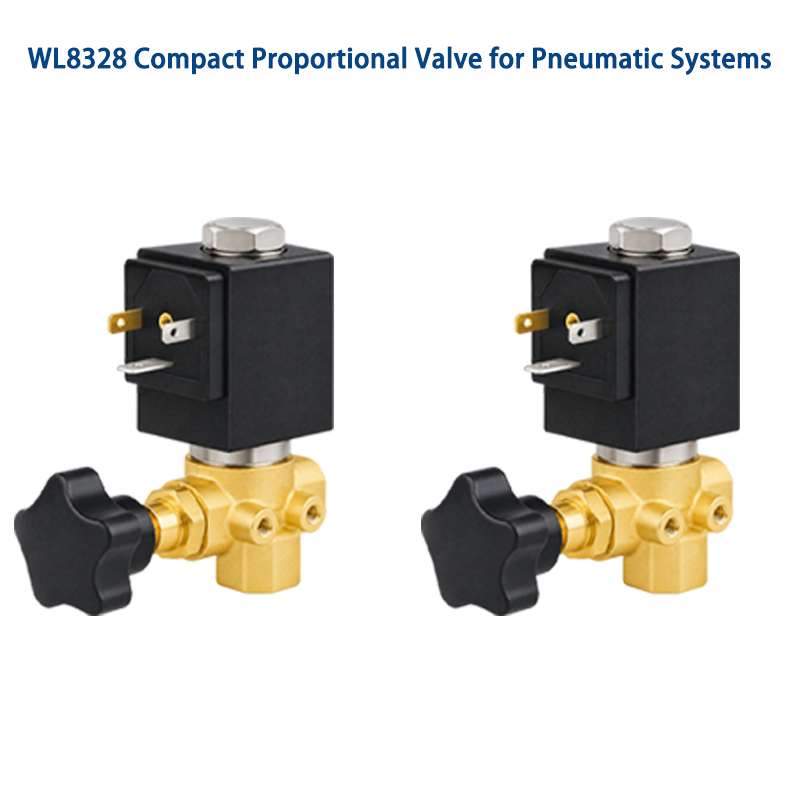
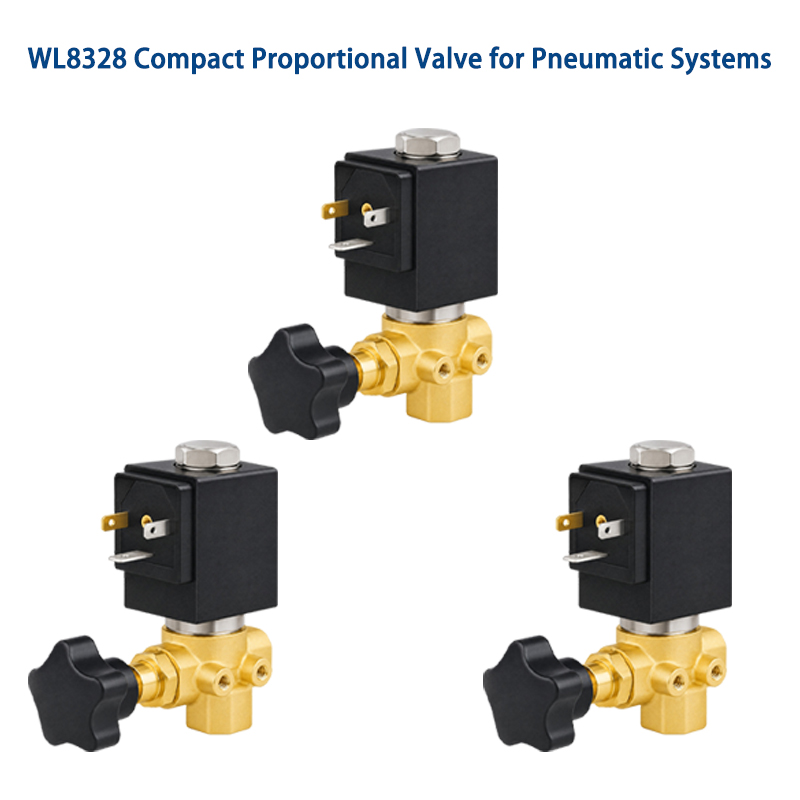
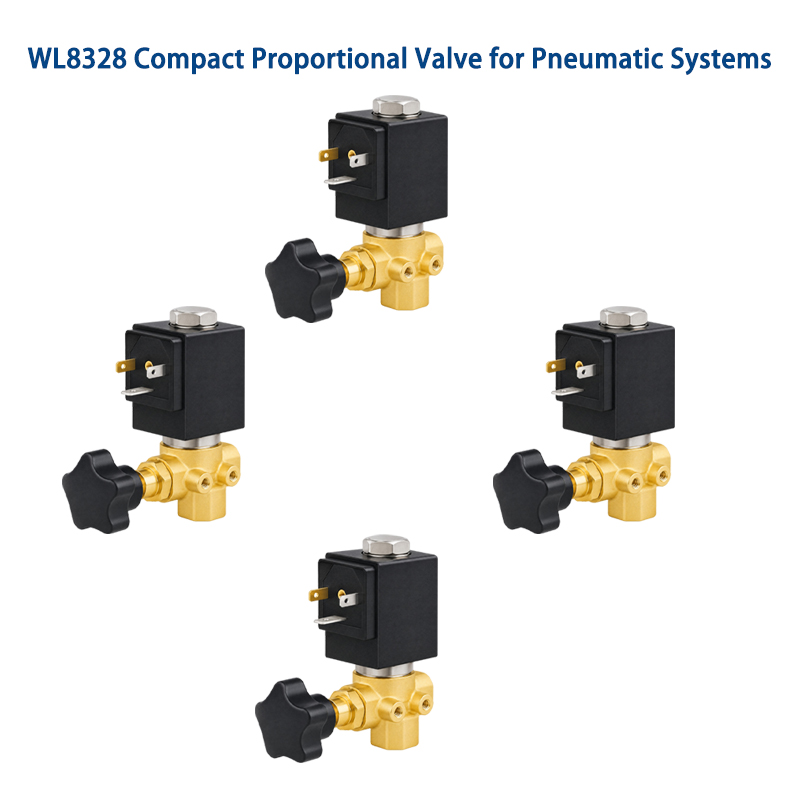
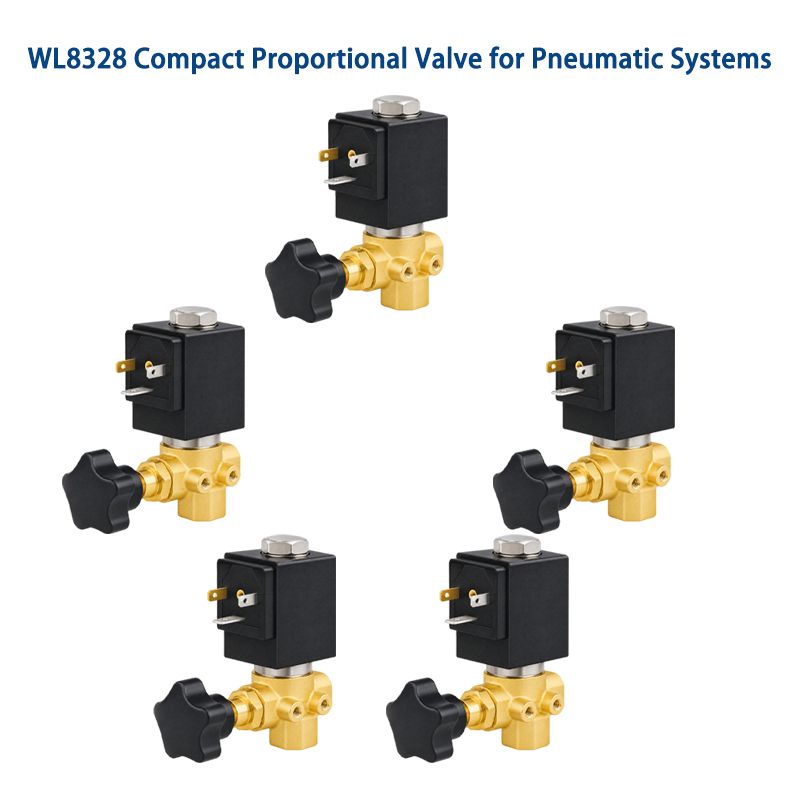
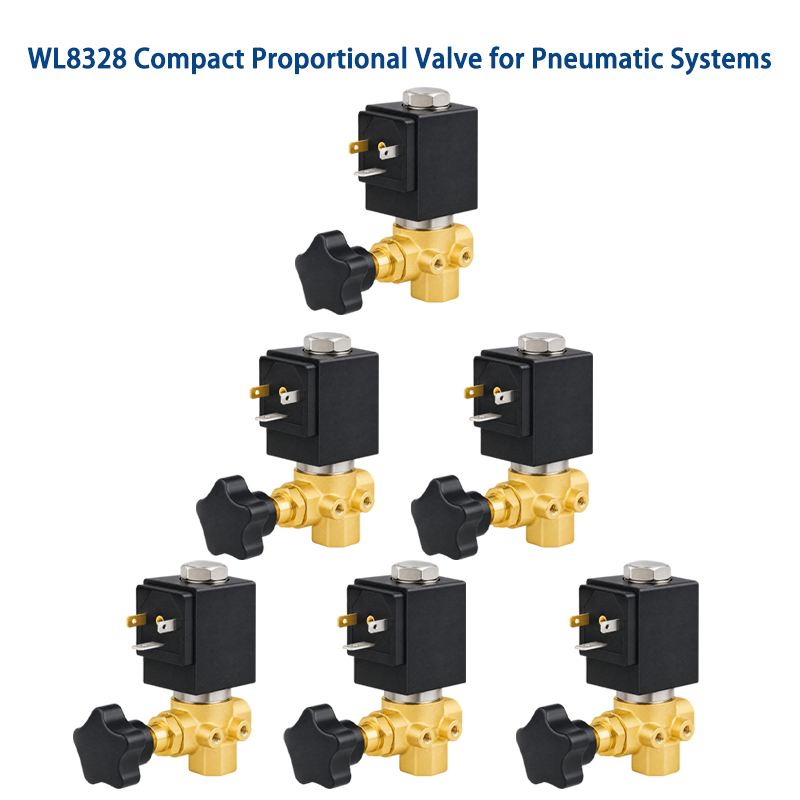
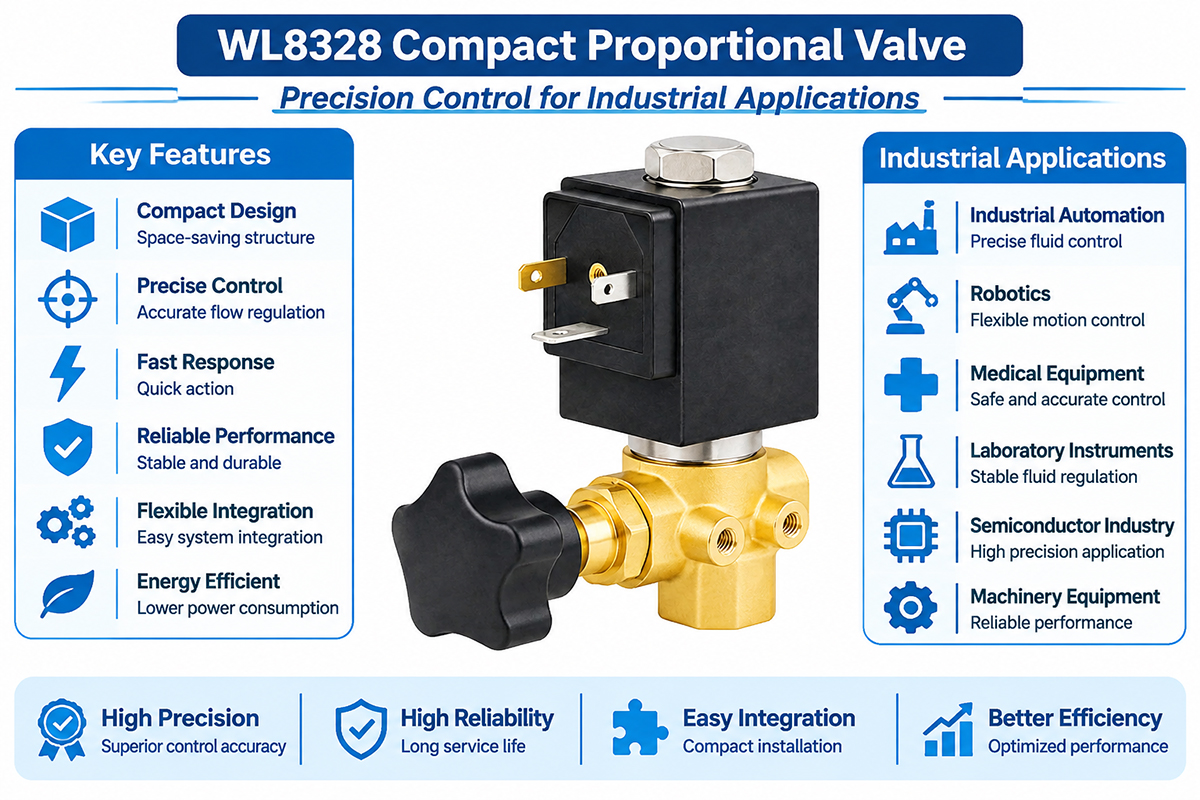
WL8328 Compact Proportional Valve for Pneumatic Flow Control

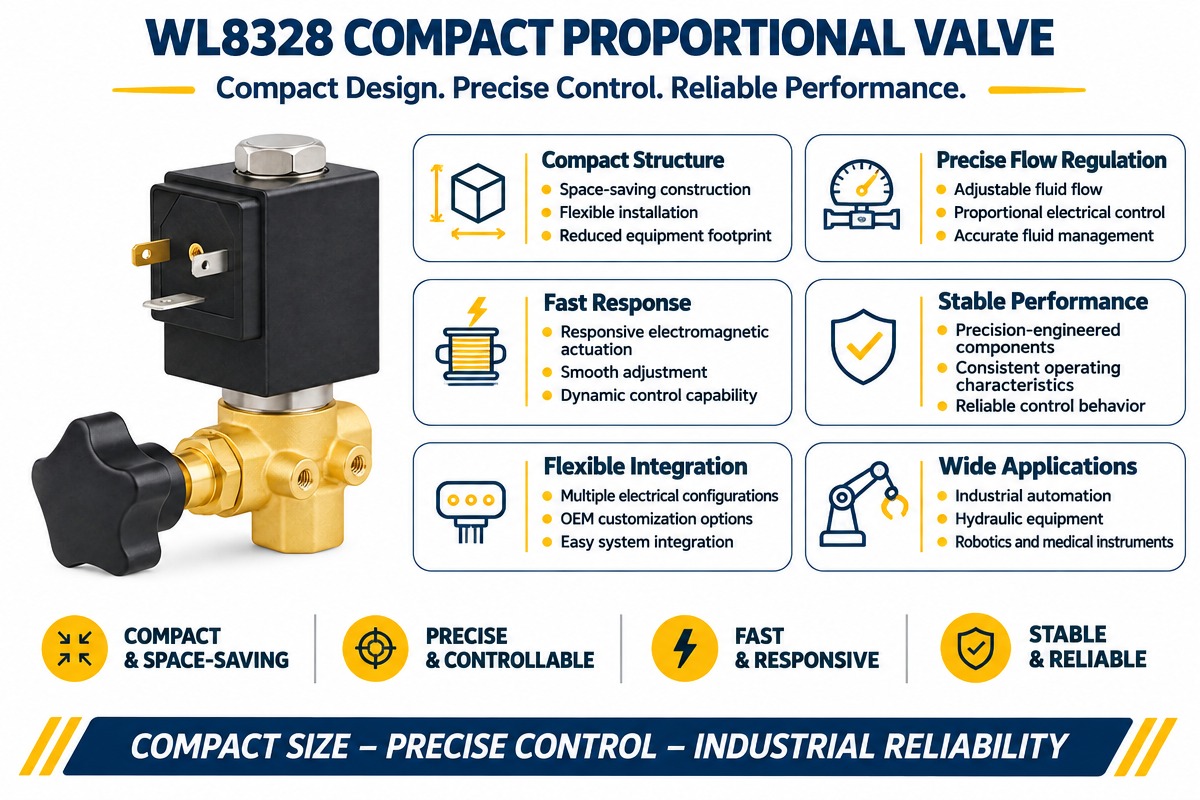
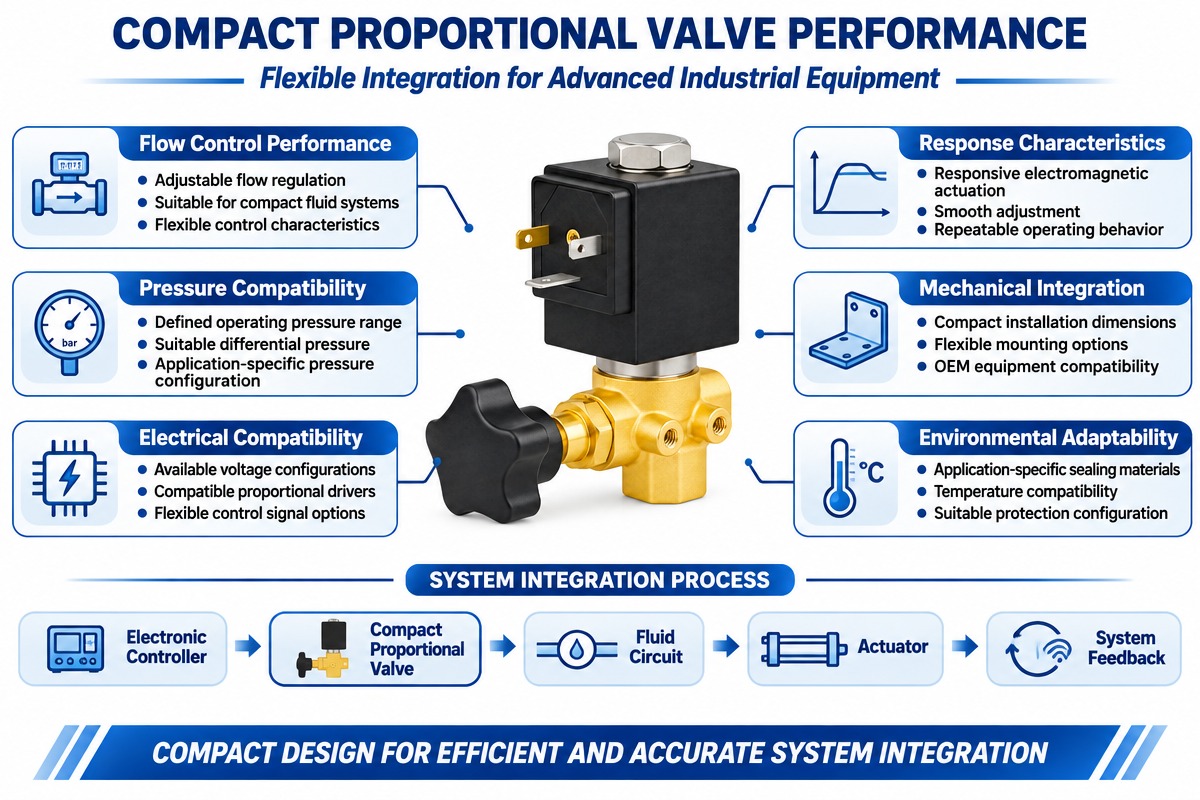
A compact proportional valve is a high-tech fluid control valve that responds to an electrical input signal by controlling flow rate or pressure. Its compact design is especially useful for industrial equipment with limited installation space and precise fluid control requirements. Unlike the normal on-off valve, the compact proportional valve is adjustable and thus allows for smooth operation and flexibility. They can be used for the control of hydraulic, pneumatic or other special fluids according to the design. They are used in industrial automation, robotics, medical equipment, laboratory equipment, mobile machinery and precision manufacturing equipment. The compact proportional valves are characterized by electromagnetic actuation, responsive performance and easy integration in the equipment.

Compact Proportional Valve Description

What is compact proportional valve?

Compact Proportional Valve A compact proportional valve is a fluid control valve that controls the flow rate or pressure in response to an electrical input signal. It incorporates proportional control technology and compact design making it suitable for equipment with limited installation space and requiring accurate control. Unlike the normal solenoid valves that mainly perform on-off control, the compact proportional valves make it possible to vary the fluid output. They can control hydraulic oil, compressed air or other fluids according to the design. Their typical uses include industrial automation, robotics, laboratory equipment, medical equipment and mobile machines.

How Does a Compact Proportional Valve Function?

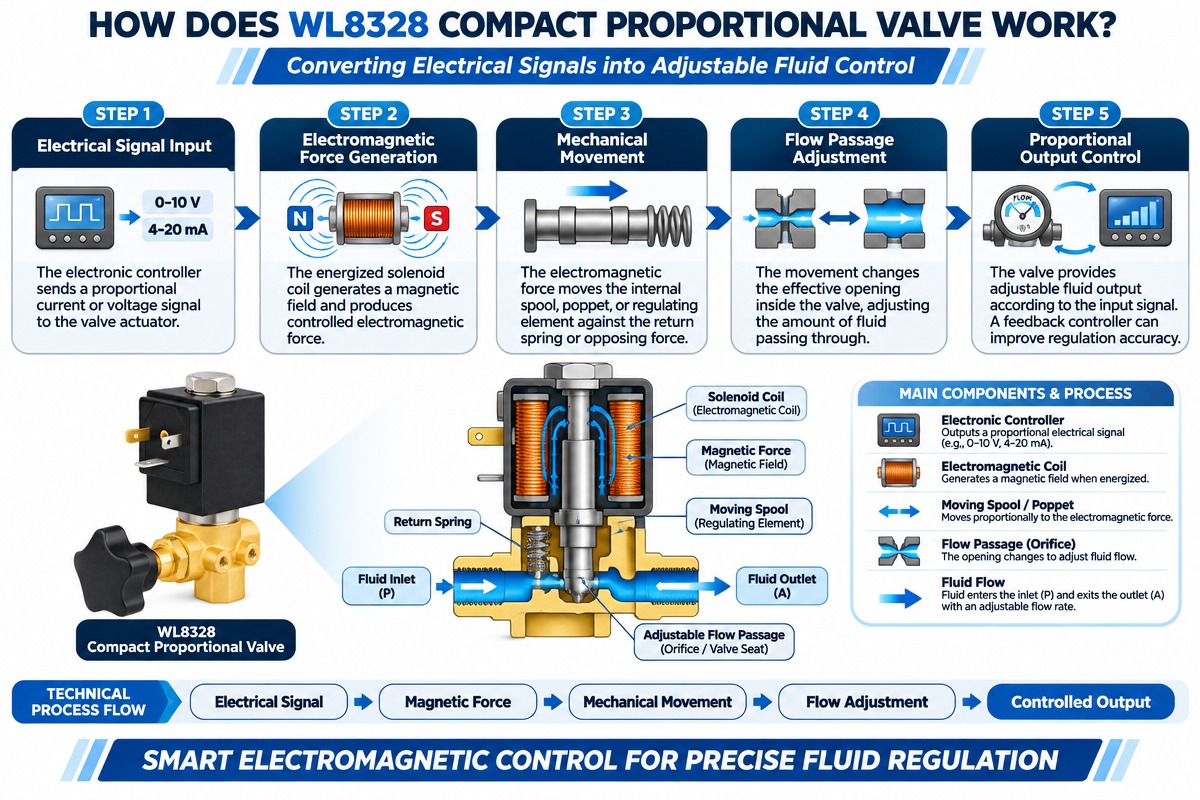
A compact proportional valve changes an electrical control signal to mechanical movement proportional to the signal to control flow or pressure of fluid.

The basic operating principle involves the following:

1.Electrical Signal Input

An electrical signal is sent to the actuator of the valve. The signal specifies the desired position or output.

2.Electromagnetic Force Generation

When energized, a solenoid coil produces a magnetic field. An internal actuator is moved by electromagnetic force.

3.Mechanical Movement

The electromagnetic force moves the spool, poppet or other controlling elements against a return spring or the fluid force.

4.Change in Flow Passage

The change in position of the valve changes the opening of the valve. Larger opening allows for more flow and smaller opening less flow.

5.Variable Fluid Control

The valve controls the output of the fluid according to the electrical input signal.

6.Correction and Feedback

For closed loop applications, pressure or flow sensors measure the actual performance of the system. The controller compares the actual value with the target value and modifies the electrical input signal if necessary.

This enables compact proportional valves to provide flexible fluid regulation in modern industrial equipment.

Compact Proportional Valve Video

Compact Proportional Valve Detail Display

Compact Proportional Valve Technical

Brand Weilong Model Number WL 8328
Rated Voltage (V) DC12V or 24V Rated Power (W) 15W
Work Mode Air Control Valve Working Pressure (MPa) 1 MPa
Airflow Rate 0 L/minute Reset Time(s) 1 S On, 1S Off
Service Life 200 Thousand Times Certification CE, ROHS, ISO0
Material Superior Magnet Iron Lead Wire Length (mm) 83 MM
Install Style Screw Tolerance of Dimension ยฑ 0.1 MM
Water-proof None Insulation Class B
Hi-Pot Test AC 750V 50/60Hz 2s Non-excitation Holding Force 0
Working Temperature -20ยฐC-120ยฐC Duty Cycle 1-100%
Thread Depth (mm) / Payment Term TT, or LC at Sight
Sample Order Yes. Warranty 1 Year
MOQ 1000 pcs Supply Ability 5000 pcs per week
Delivery Time 30 Days Port of Loading Shenzhen

Why Is the Compact Proportional Valve So Popular?

Requirements for smaller size, higher precision of control and higher level of automation capabilities are making compact proportional valves become popular in modern industry.

1.Increased demand for compact equipment

Manufacturers tend to make equipment more compact and add more functions. Thus, compact proportional valve provides the solution for fluid control with the limited installation space.

2.More Precise Fluid Regulation

Instead of the normal on-off valve, proportional valve allows for a variable adjustment of flow or pressure. This way, equipment manufacturers can get more precise control conditions.

3.Growth of Industrial Automation

Automated production lines require responsive and adjustable fluid control. With the help of electronic control systems, compact proportional valves provide flexibility of the manufacturing process.

4.Growth of Robotics Applications

With compact fluid control components, the robotic equipment is becoming popular for use in pneumatic actuators, grippers and specialized movement systems.

5.Improved Energy Management

With proper selection of the proportional valves, the system can deliver the fluid only where and when it is needed resulting in reduced energy consumption.

6.Technological Advancements

Advancements in electromagnetic materials, precision machining, electronic controllers and manufacturing technologies increase the performance of compact valves.

7.OEM Flexibility

The manufacturers can design the valve of different dimensions, electrical configuration, pressure rating and connection type.

As automation in industry continues its development, compact proportional valves will remain crucial elements of complex fluid control systems.

Compact Proportional Valve Applications

Compact Proportional Valve for Robotics Applications

Compact proportional valves are widely used in industry applications requiring precise fluid control, flexible automation and compact designs of the equipment.

1.Industrial Automation

Compact proportional valves are used in automated production equipment to control hydraulic or pneumatic flow. This allows precise operation of the equipment and flexible control of the process.

2.Robotics

Compact proportional valves are incorporated into robotic systems for pneumatic grippers, compact actuators and specialized movement systems that require adjustable fluid output.

3.Medical Instruments

Compact proportional valves can be used in respiratory equipment, diagnostic systems and specialized medical equipment for regulation of compatible gasses or fluids according to applicable safety requirements.

4.Laboratory Equipment

Valves are used in analytical equipment and laboratory automation systems for regulation of small amounts of fluid.

5.Semiconductor Manufacturing

Depending on cleanliness and material compatibility requirements, compact proportional valves can be found in specialized semiconductor equipment for precise fluid delivery and automated process management.

6.Machinery Mobile

Proportional control components can be used in compact construction and agricultural machinery for hydraulic regulation.

7.Test & Measurement Equipment

Industrial test stands and measurement systems use proportional valves for regulation of pressure and flow in the controlled test process.

8.Precision Manufacturing

Compact proportional valves are used in specialized manufacturing equipment to improve fluid control and process repeatability.

In these industries, the proper valve selection will improve the system efficiency, installation flexibility and reliability.

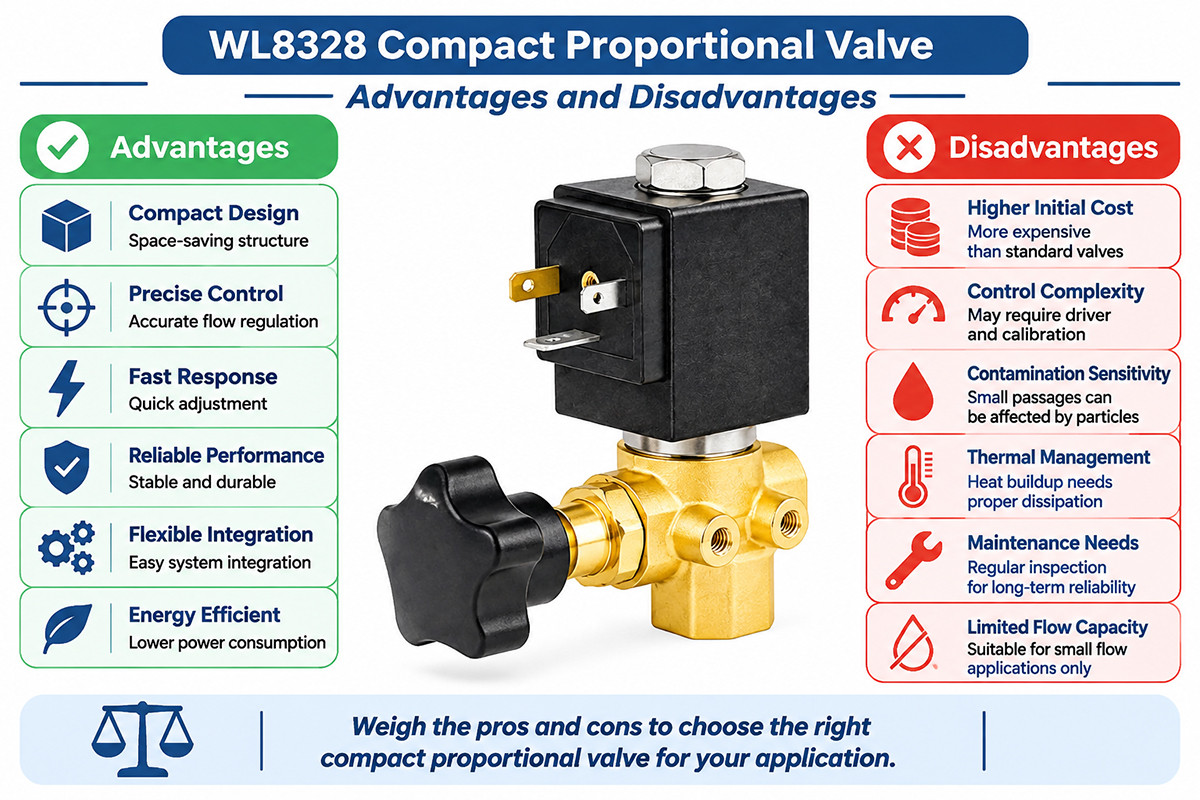
Compact Proportional Valve Adv. & Disadv

Compact Proportional Valve for Accurate Flow Control

Compact Proportional Valve Pros and Cons

Compact proportional valves play an important role in modern fluid control systems and provide many advantages, however buyers should be aware of the limitations.

Pros

1.Compact Design

Their small size allows for installation in the equipment with limited installation space.

2.Fluid Control (Adjustable)

They provide the adjustment of pressure or flow rate in response to electrical input signals.

3.Flexible Automation Integration

They can work with electronic controllers, sensors and automatic equipment.

4.More Precise Control

Proportional valves provide more precise fluid control than conventional on-off valves.

5.Light Weight

Compact design allows for reducing the size and weight of the equipment.

6.Flexible OEM Solutions

The flexible configuration of electrical, mechanical and material aspects can be provided.

Cons

1.Higher Initial Cost

Precision components and electromechanical control systems can be more expensive than conventional on-off valves.

2.More Sophisticated Control Requirements

Some models require special drivers, calibration and feedback systems.

3.Sensitivity to Contamination

Particles and deposits can affect small internal passages.

4.Lower Flow Rate

The small size restricts the maximum flow rate compared to large industrial valves.

5.Thermal Management Requirements

Continuous energization of the coil results in heat that should be managed.

6.Maintenance Requirements

Precision components require correct filtration, installation and inspection.

Thus, compact proportional valves have their own advantages, which should justify the cost and technical requirements.

Compact Proportional Valve for Industrial Precision

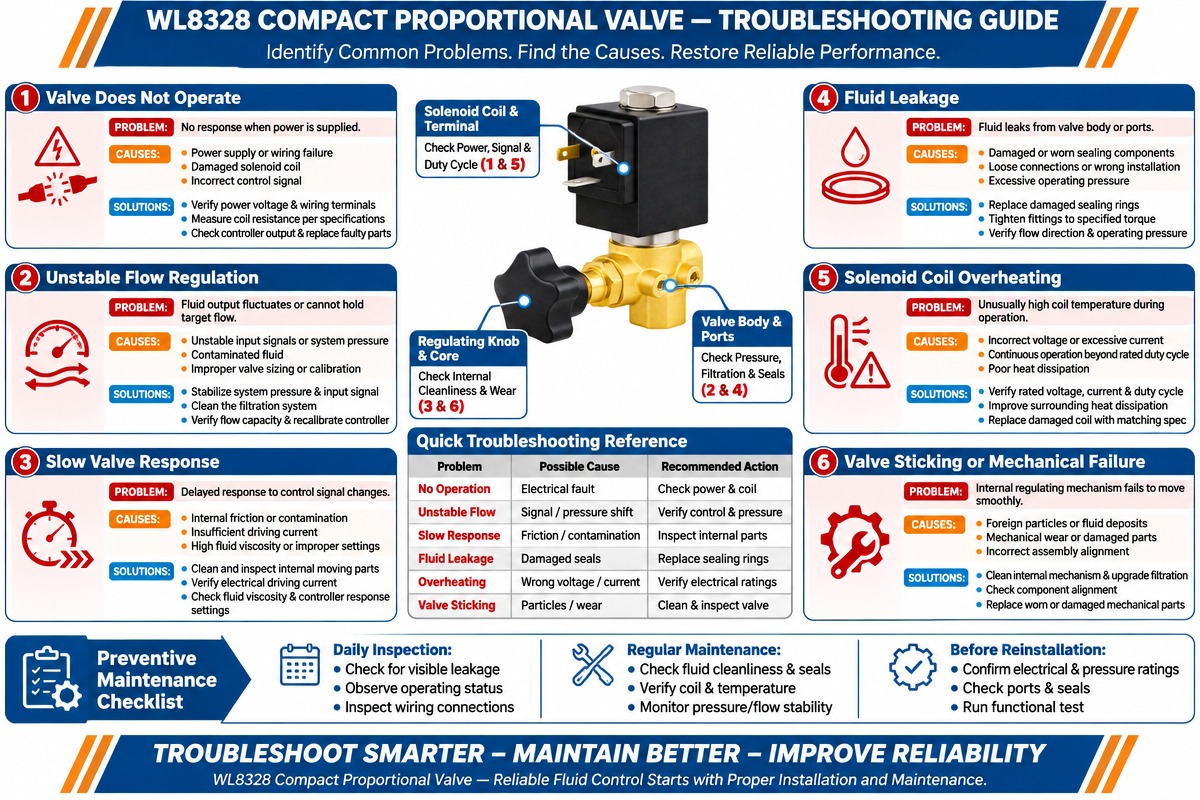
Troubleshooting Compact Proportional Valves

Faults like electrical malfunctions, contamination, wear, pressure variations or wrong control signals can arise in compact proportional valves. Troubleshooting will help to maintain the reliability of the valve.

1.Valve does not work

Possible causes : Power outage , coil damage , loose wiring or wrong control signals .

Solution: Check power supply, electrical connections, coil resistance and output of controller.

2.Unstable Flow Control

Pressure variations, contamination, wrong sizing or wrong control signals can cause this fault.

Solution: Verify the system pressure, contamination and controller settings.

3.Response Delay

Mechanical friction or wrong viscosity of the fluid . Lack of sufficient current to drive the valve . Contamination.

Inspect moving components and inspect electrical and fluid systems operating conditions.

4.Leak, internal or external

Possible causes are damaged seals, worn out valve components, excessive pressure or wrong installation.

Solution: Check sealing components and replace any damaged components with appropriate materials.

5.High Coil Temperature

Causes include overvoltage, overcurrent, continuous operation outside of rated conditions and poor heat dissipation.

Solution: Check the electrical specifications and operating duty cycle.

6.Sticking Valves

Causes are particles, deposits, incompatible fluids or mechanical wear.

Solution: Inspect and clean the valve according to manufacturer’s instructions and improve fluid filtration.

7.Wrong Control

Causes include wrong calibration, sensor fault or wrong control parameters.

Solution: Check the feedback signals and recalibrate control system.

Always turn off electrical power and relieve system pressure safely prior to maintenance. Inspect or replace the internal components according to manufacturer’s instructions.

FAQ

1. What is proportional valve compact?

Compact Proportional Valve is a hydraulic device. This is a valve that is controlled by an electric signal, thus controlling fluid flow rate or pressure. The compact size and flexibility of control functions allow it to be used in robotic and automation applications, as well as precision fluidics.

2. What is a compact proportional valve?

Compact Proportional Valve is a hydraulic valve that uses electromagnetism to convert an electric signal into a mechanical movement that changes flow opening inside the valve and, consequently, the fluid flow or pressure level depending on the control signal.

3. What is the difference between a compact proportional valve and a regular solenoid valve?

Whereas a standard solenoid valve will provide you with on/off control, a compact proportional valve will allow you to control the fluid flow or pressure precisely.

4. In what industries do compact proportional valves get used?

Compact proportional valves are used in automation and robotics, medical devices and instruments, semiconductor industry, laboratory instrumentation, special mobile equipment, precision manufacturing and special hydraulic systems.

5. How to choose the right compact proportional valve?

When choosing a compact proportional valve, consider flow capacity, operating pressure, fluid compatibility, electrical voltage, control signal, response time, physical dimensions, operating temperature and connections type. The chosen valve should comply with the technical requirements of your equipment.

6. Can a compact proportional valve control flow and pressure?

Some compact proportional valves have flow control capability only, whereas others โ€“ pressure regulation. Depending on the design and usage conditions, compact proportional valve can control either flow or pressure. For precise closed loop control, additional sensors and control electronics are required.

7. What factors affect the service life of a compact proportional valve?

Service life of a compact proportional valve depends on operating pressure, fluid cleanliness, temperature, coil condition, material compatibility, operating frequency and mechanical wear. To increase its service life, use proper filtration, installation and maintenance procedures.

8. Are compact proportional valves customizable for OEM applications?

Yes, compact proportional valves can be designed in terms of physical dimensions, flow capacity, pressure rating, coil voltage, electrical connections, seal materials, mounting arrangements and control features, depending on the capabilities of the manufacturer. Also, OEM customization allows manufacturers to incorporate valves into special equipment designs.

How to Select a Small Proportional Valve

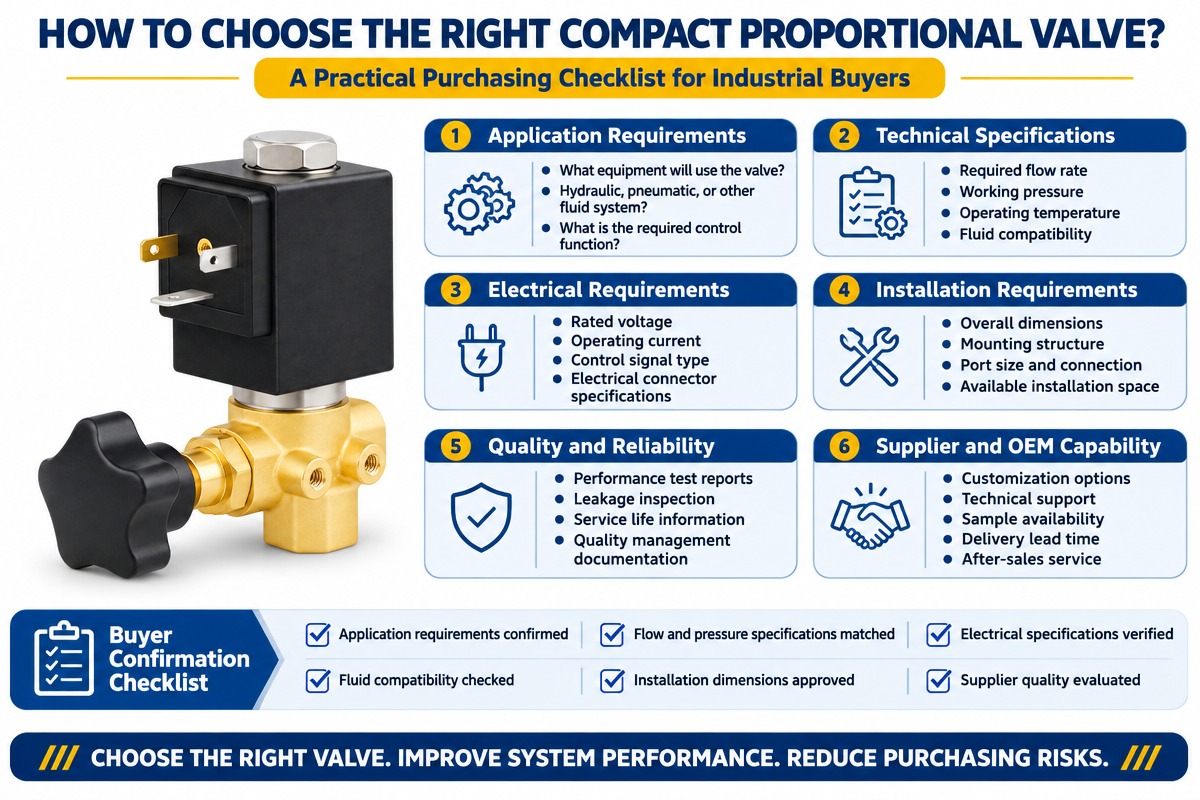
Selecting the suitable compact proportional valve is essential for achieving precise fluid control, reliable performance and efficient integration with equipment. The buyer should consider the following things when purchasing.

1.Determine the Application

Determine the valve’s application in hydraulic, pneumatic or special fluid systems. Determine the control function, operating conditions and equipment requirements.

2.Verify Flow Capacity

Determine the required flow rate and select the right valve capacity. Oversized valve can limit the control resolution while undersized valve can limit the system performance.

3.Check the operating pressure

Determine the minimum and maximum operating pressure, differential pressure and pressure rating. Ensure that the selected valve operates within the limits.

4.Fluids Compatibility Check

Determine the working medium: hydraulic oil, compressed air, water or others. Test the valve body materials, sealing materials, corrosion resistance and working temperature.

5.Check Electrical Specifications

Determine the rated voltage, operating current, power consumption, connector type and control signal. Ensure that it matches the existing controller and electrical supply.

6.Accuracy of control

Evaluate response time, hysteresis, repeatability, linearity and flow control performance for precision applications.

7.Check Installation Dimensions

Determine the overall dimensions, port sizes, installation positions and connections. Measure the available installation space.

8.Operating Environment Assessment

Consider requirements for vibration, humidity, dust, temperature and protection. Choose appropriate materials and enclosure design.

9.Evaluate Supplier Capabilities

Choose the supplier that offers technical information, product testing, customization, quality control and after-sale services.

10.Compare Total Cost of Ownership

Consider the purchase price, power consumption, maintenance frequency, service life and replacement.

Well-selected compact proportional valve is the key to improve the system performance, the equipment integration and to reduce unnecessary operating costs.

Tips to Avoid Common Compact Proportional Valve Design Mistakes

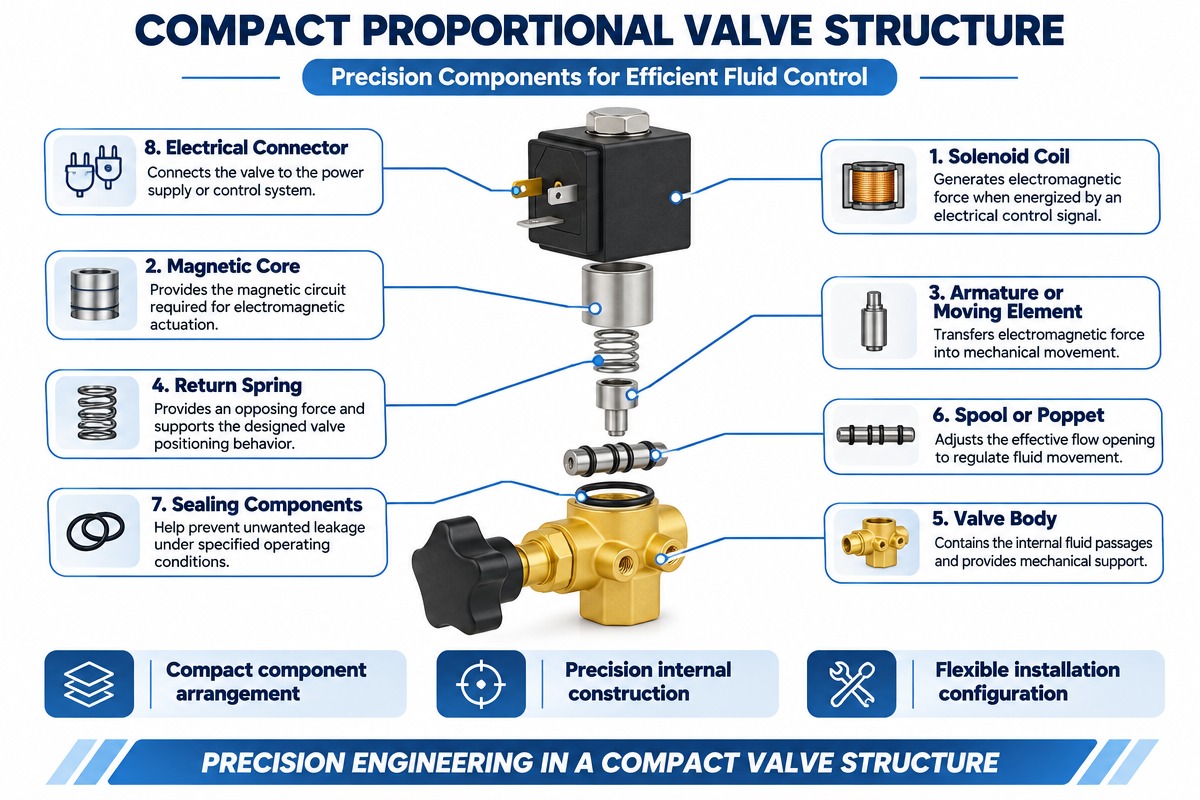
Compact proportional valve design requires interaction between electromagnetic properties, mechanical design, fluid dynamics and electronic control. Mistakes in the design that should be avoided for the reliability and better performance of the product.

1.Ignore the Requirements for Real Flow

Improper sizing can result in lack of fluid delivery or instability in regulation. Determine the required flow rate before selecting the internal passage dimensions.

2.Use Incompatible Materials

Use of incorrectly matched valve body or sealing materials can result in corrosion, swelling, leakage or premature failure. Ensure fluid and temperature compatibility always.

3.Underrate Electromagnetic Force

The actuator must be able to produce the required electromagnetic force across the entire operating range. Consider the coil data, magnetic circuit design and counteracting spring force.

4.Mechanical Friction: Ignore

Excessive friction and uneven tolerances can lead to sticking, hysteresis and poor repeatability. Apply proper machining tolerances and surface finish.

5.Ignore Heat Dissipation

Temperature can increase due to continuous coil energization. Pay attention to thermal management, insulation ratings and power consumption.

6.Ignore Fluid Contamination

Particles and deposits can be sensitive to small internal passages. Design the system according to applicable filtration requirements.

7.Forget about Controller Compatibility

The malfunctions can be caused by inappropriate electrical signals or driver configuration. Review the specifications of the controller and the valve.

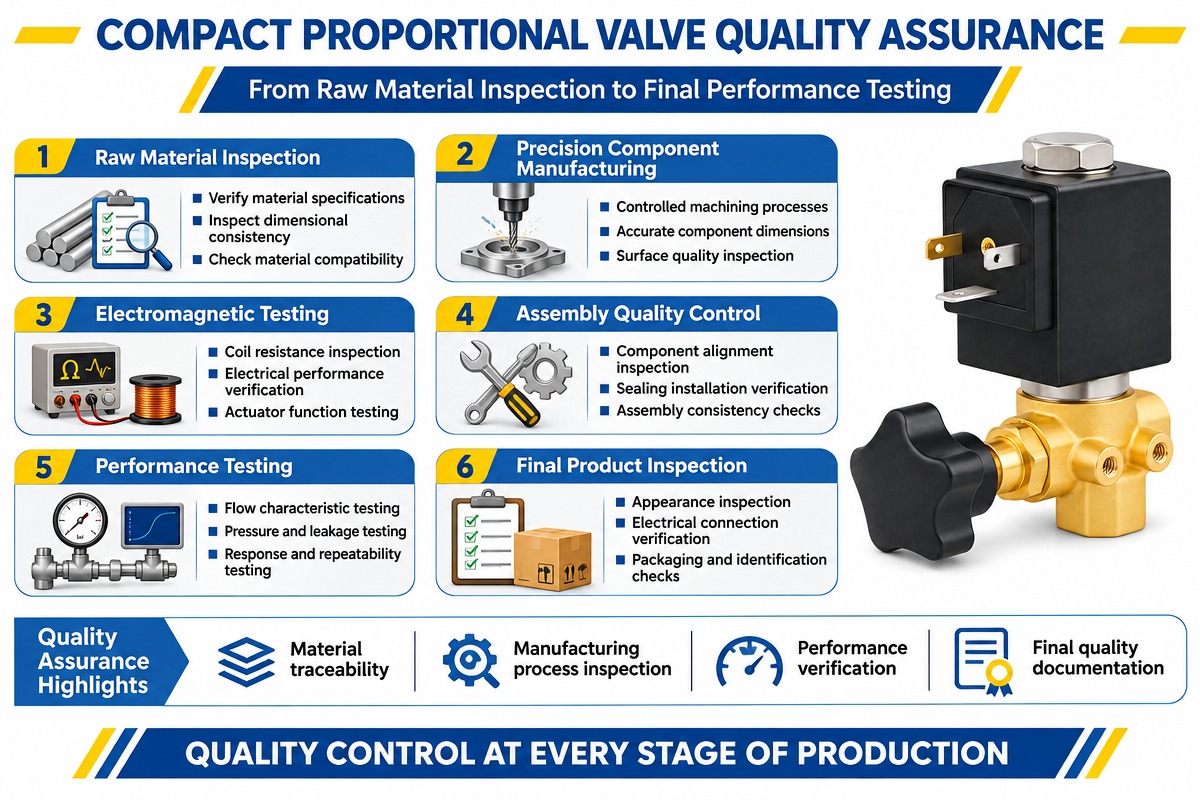
8.Inadequate Performance Testing

Test the flow, pressure, leak, response, temperature and endurance under real operating conditions.

9.Poor Installation Design

Poor installation space and improper port connections increase maintenance difficulties and decrease the efficiency of the system.

10.Lack of Long-Term Reliability Evaluation

Test the valve under repetitive operation to find wear, performance change and possible failures prior to mass production.
Get A Free Quote Now

Contact Form

Related Products

Related News

Scroll to Top

Get A Free Quote Now !

Contact Form
If you have any questions, please do not hesitate to contact us.
Weilong Solenoid Company Culture