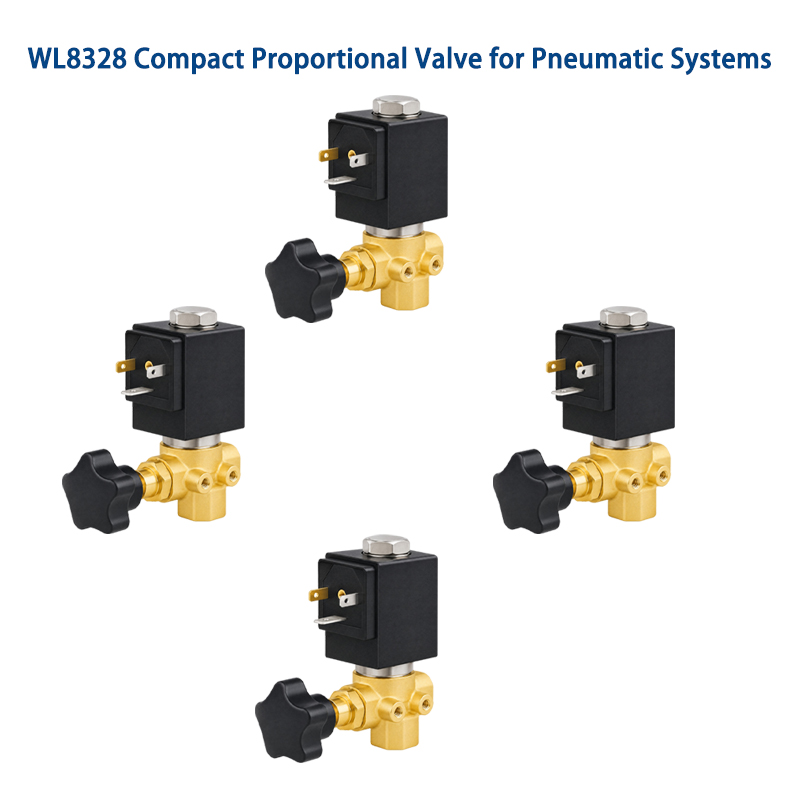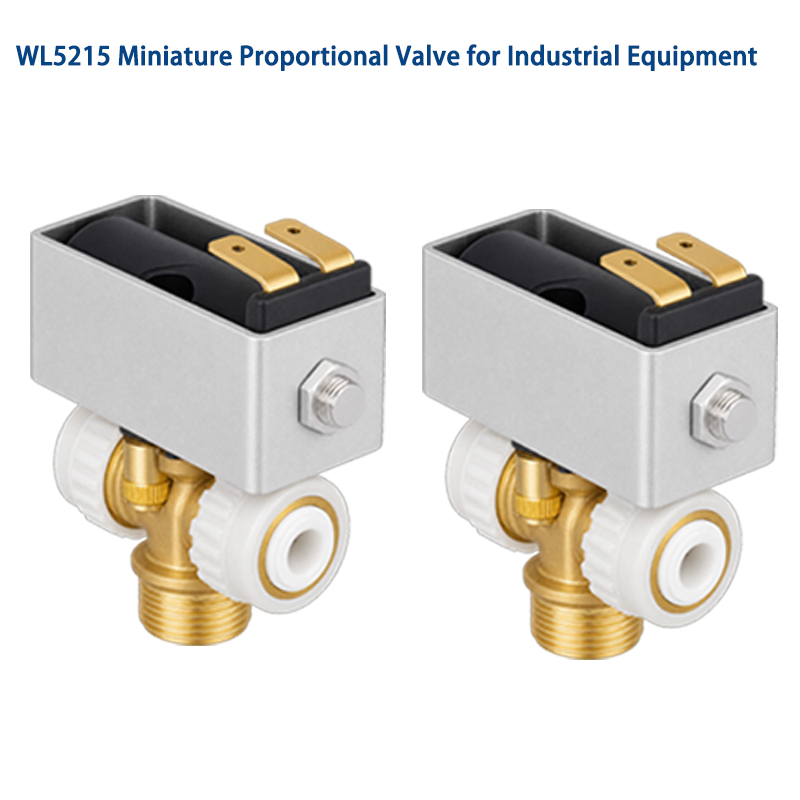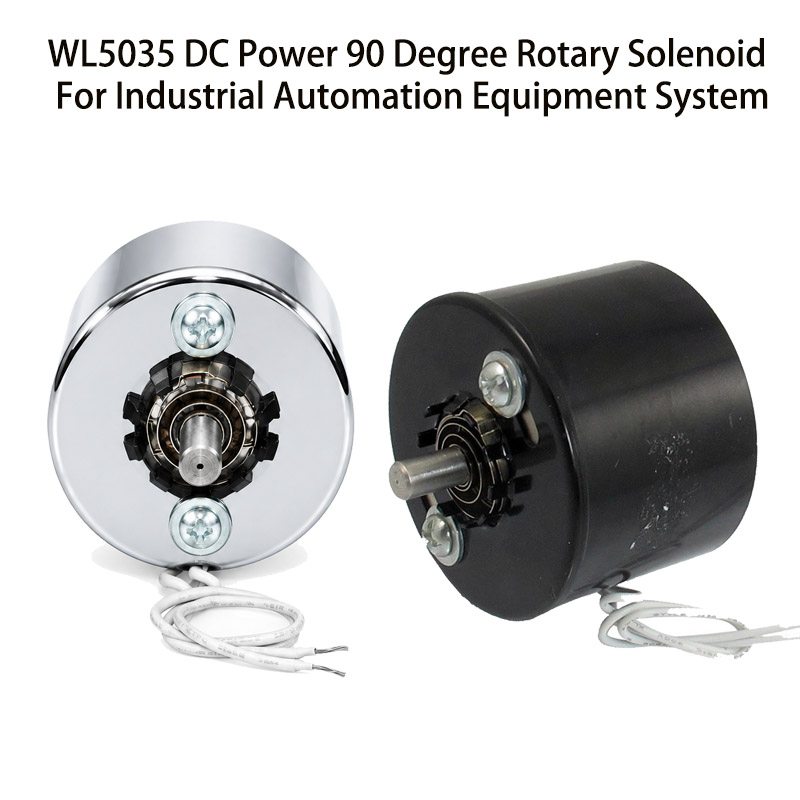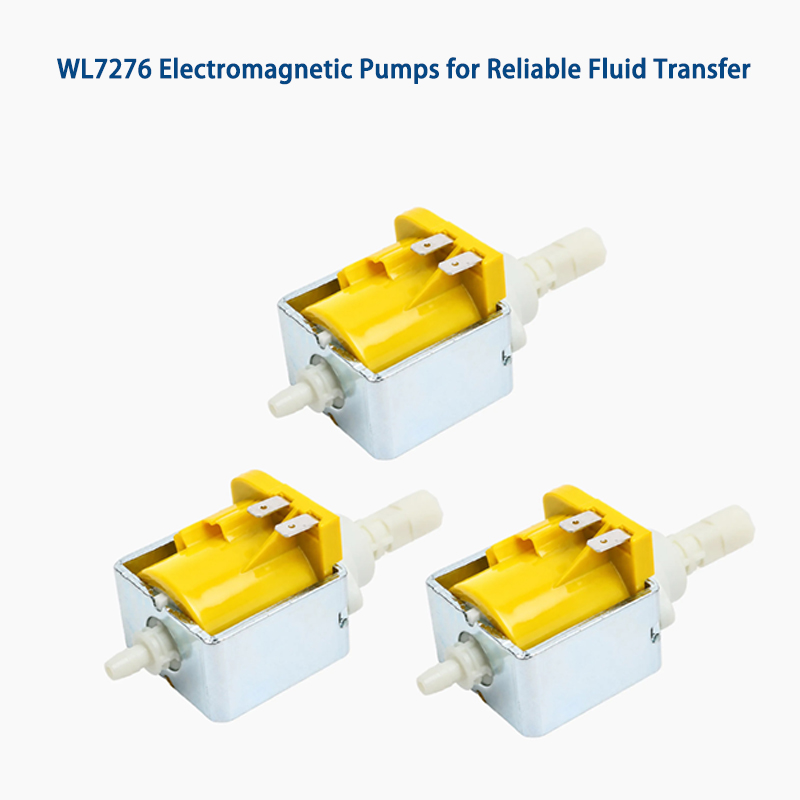
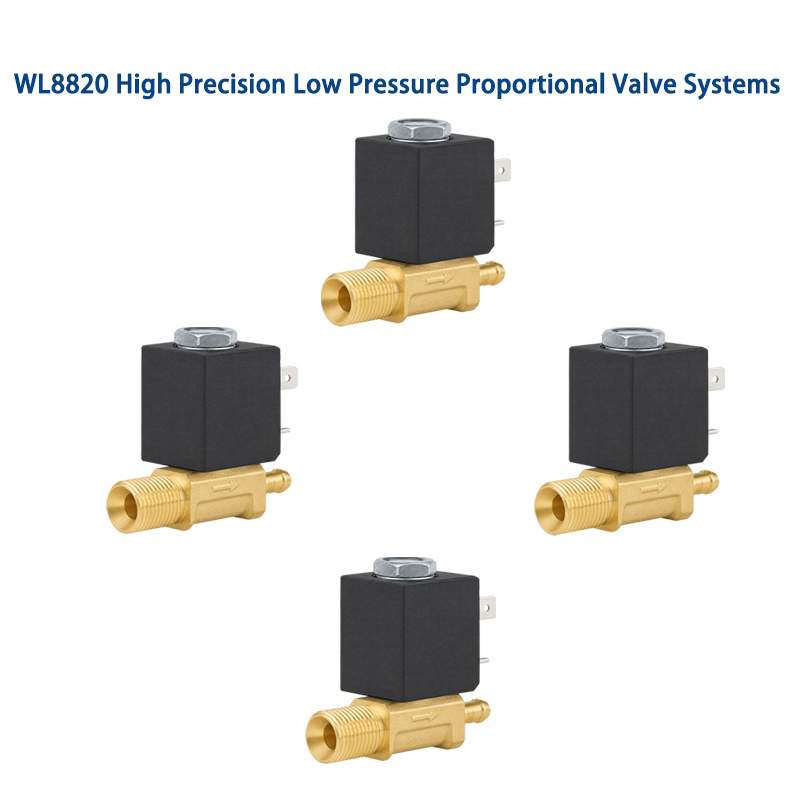
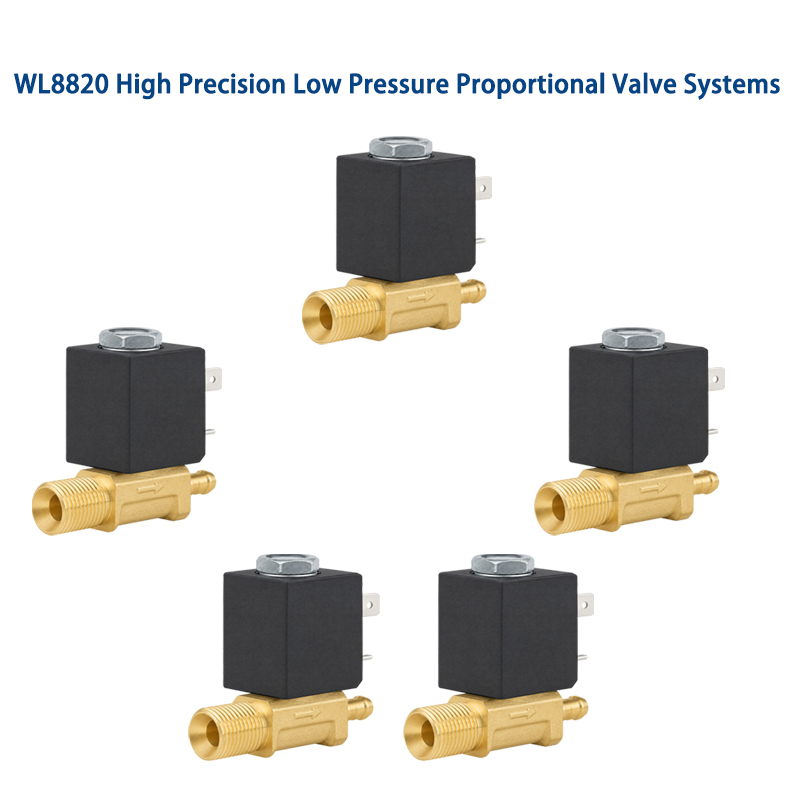
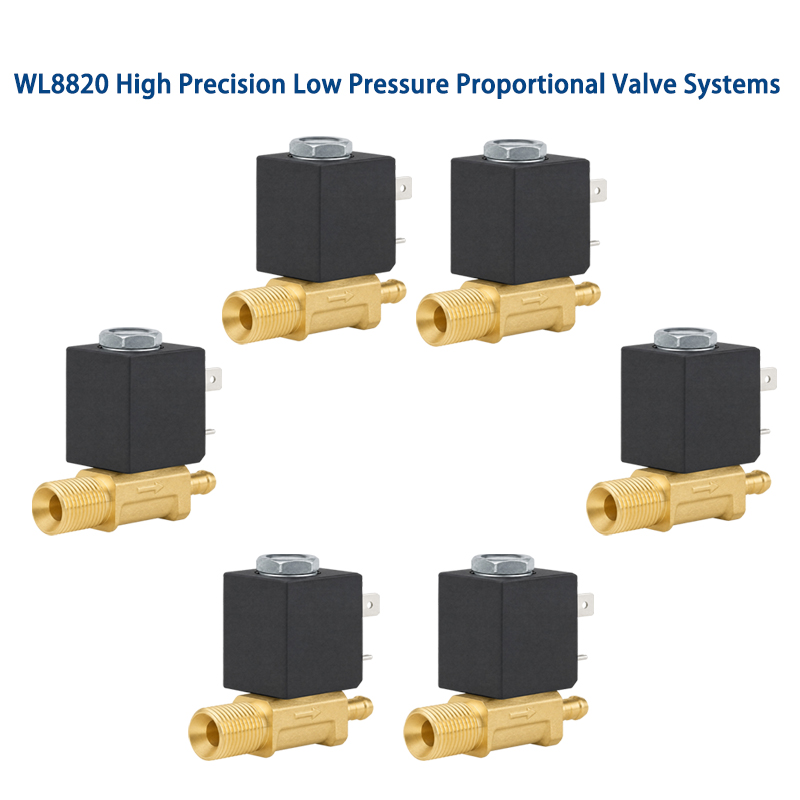
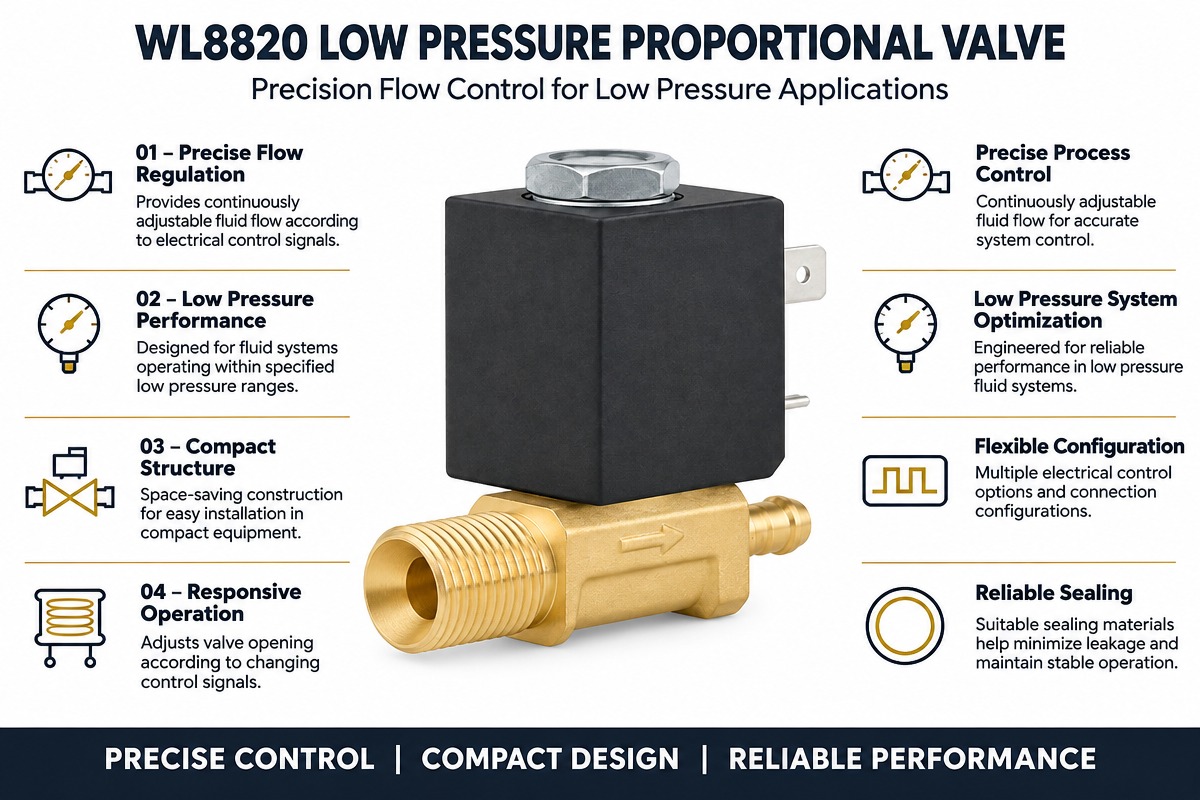
How to Choose a Low Pressure Proportional Valve
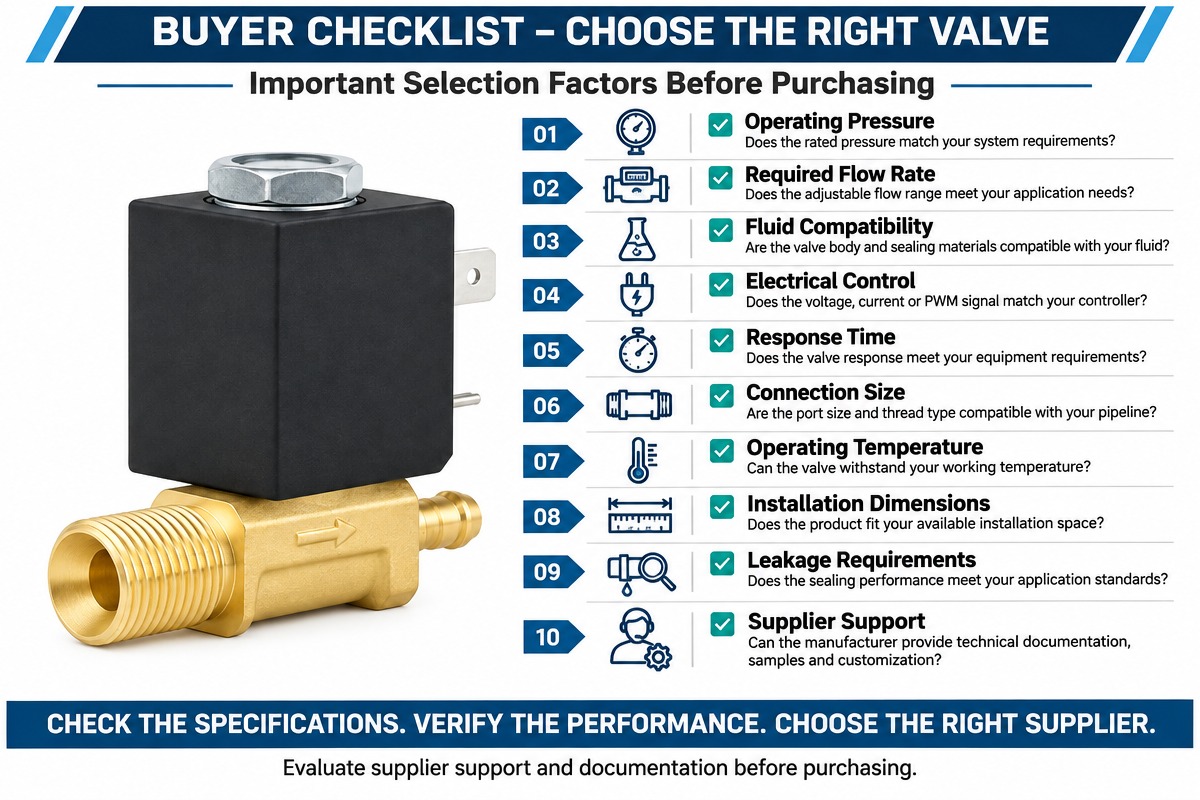
The selection of a suitable low pressure proportional valve depends on the operating conditions, the control requirements and the compatibility of the equipment. Otherwise, you can experience unstable flow, insufficient output or premature component failure.
1.Check the operating pressure
Determine the minimum, normal and maximum working pressure of the system. Find out the rated operating pressure and differential pressure of the valve. In case of low pressure applications, the proportional valve has to operate in the specified pressure range.
2.Calculate Flow Rate Required
Determine the maximum and minimum flow rates to be supplied by the equipment. Choose the valve with proper flow coefficient and adjustability range. The valve that is too large will be difficult to adjust the flow rate, and the valve that is too small can restrict the performance of the system.
3.Verify compatibility of fluids
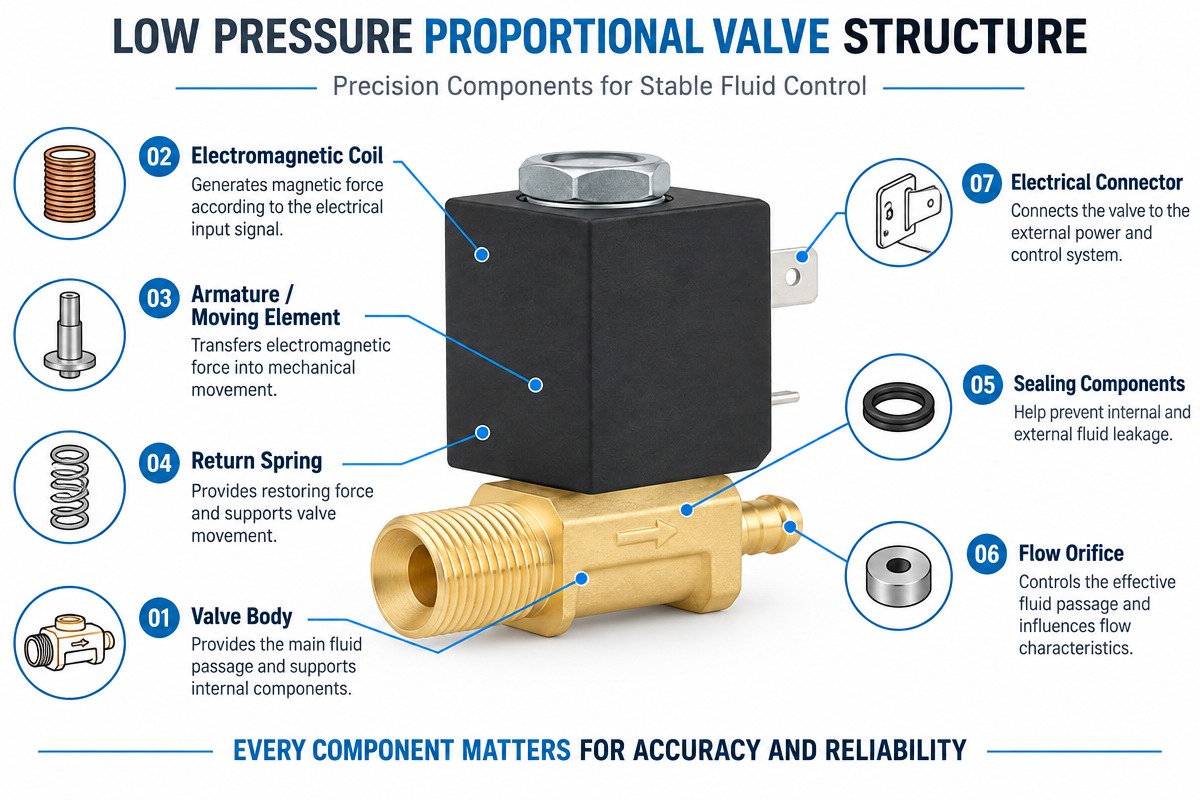
Determine the type of fluid: water, air, oil, chemicals or other fluids. Determine the composition material and sealing of the valve body. There are different chemical resistance and mechanical properties of stainless steel, brass, engineering plastics and various elastomers.
4.Control Signal Evaluation
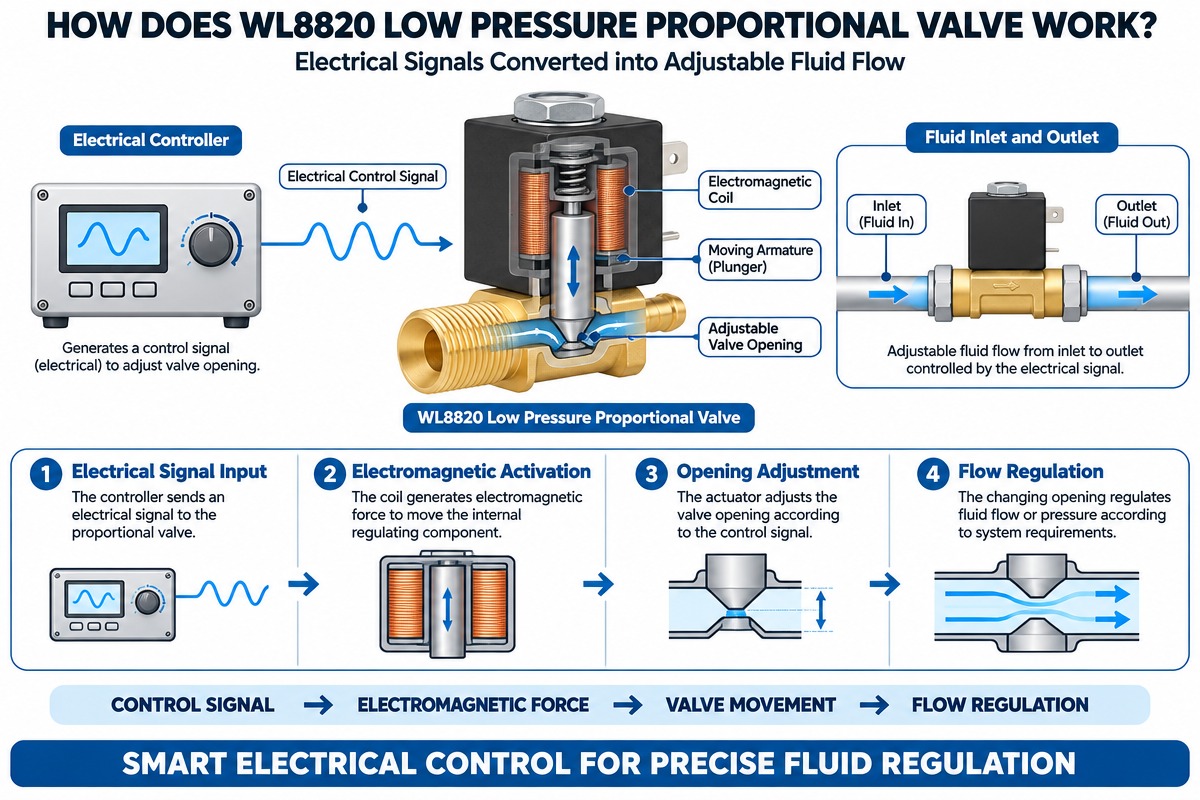
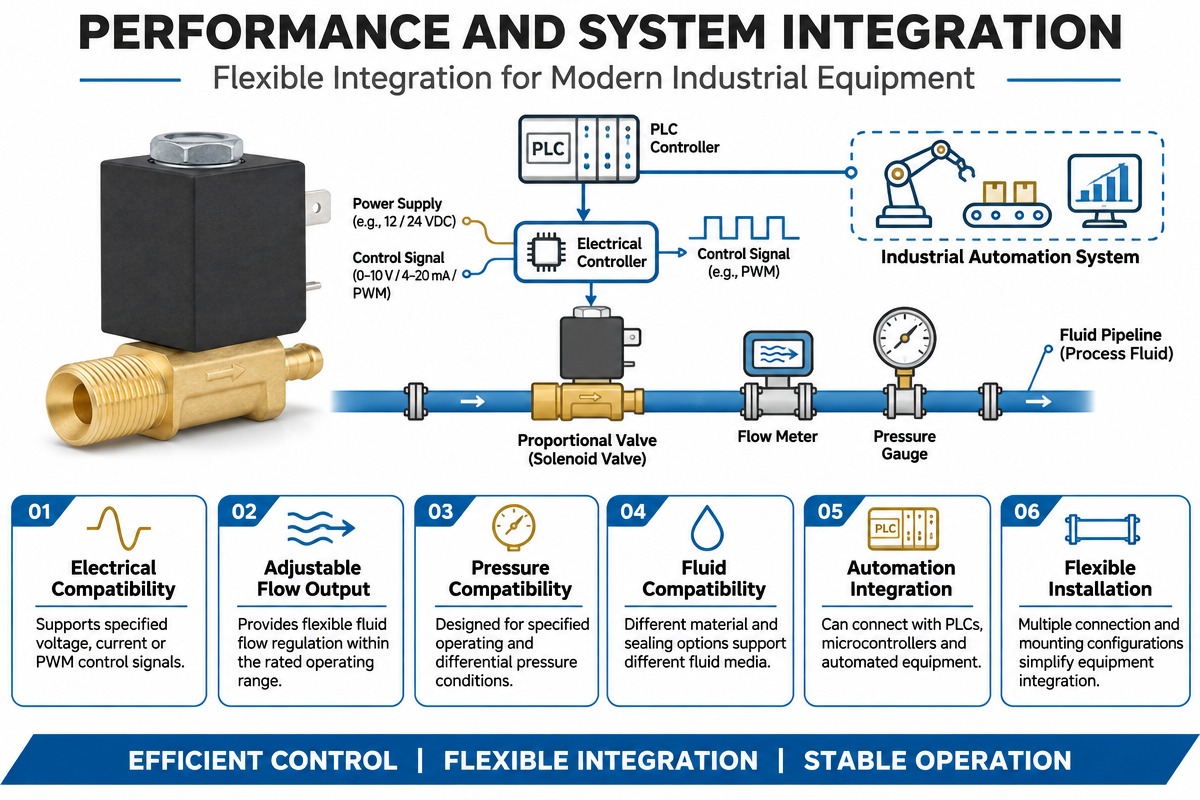
Check the electrical input requirements. The typical examples include 0 to 10 V, 4 to 20 mA, PWM and other proprietary signals. Make sure the valve is compatible with the controller and power supply.
5.Consider Response and Accuracy
In case of applications with frequent adjustment requirements, consider response time, hysteresis, repeatability and accuracy of flow regulation. For applications requiring higher precision, closed-loop control will be required.
6.Verify the installation dimensions
Find out the size of the port, thread type, installation direction and electrical connector specifications. Determine the available installation space. For integrated equipment, the compact design is preferred.
7.Assessing Environmental Conditions
Consider ambient temperature, fluid temperature, humidity, vibration and possible contamination. Select appropriate construction materials and protection ratings.
8.Review of the Manufacturer Support
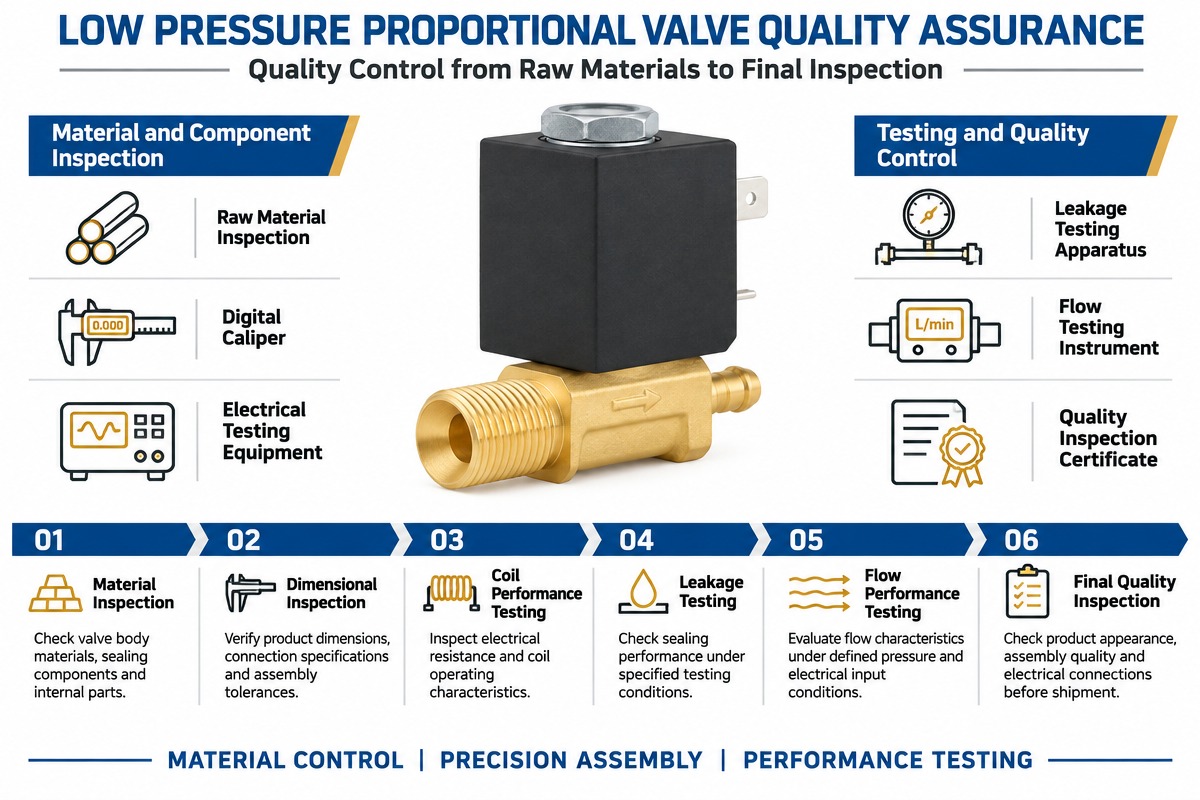
Finally, compare the quality of the product, documentation, customization ability, testing standards and after-sales service. Ask for the performance curves and samples, if required.
The proper selection of the low pressure proportional valve can provide you with improved stability of the flow, simplified automation and enhanced reliability of the fluid control equipment.
Tips to Avoid Common Mistakes in the Design of a Low Pressure Proportional Valve
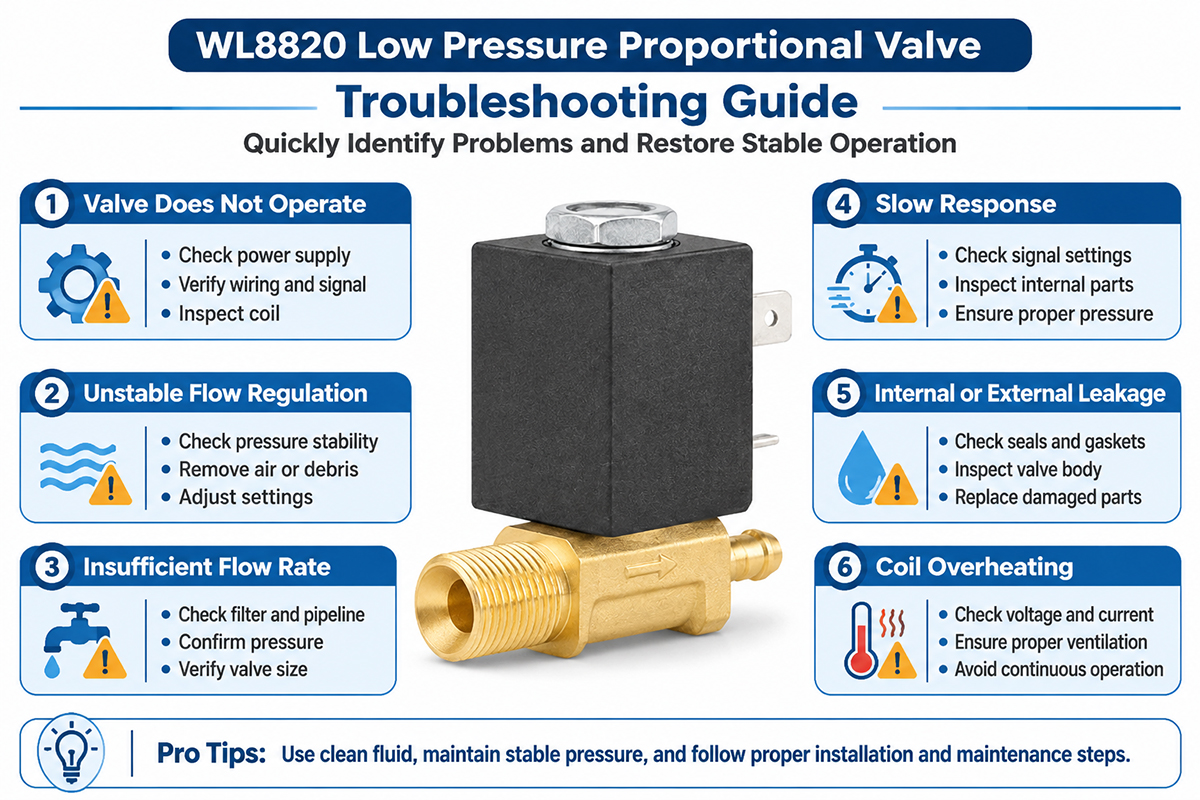
The design of the low pressure proportional valve requires consideration of fluid dynamics, mechanical construction, electrical control and material compatibility. There are several common design mistakes that can negatively affect performance and reliability.
1.Minimum Operating Pressure: Ignored
Some proportional valves require a minimum differential pressure to operate properly. If it is not taken into account in the design, the valve will not be able to provide proper regulation or flow.
2.Choosing the Wrong Flow Range
If the valve is too large, it will be difficult to tune small flows. If the valve is too small, it will restrict the required output. It is necessary to calculate the actual flow requirements before selecting the internal orifice.
3.Incompatible Materials Used
The valve body, seals and internal components have to be compatible with the working fluid. Otherwise, it can corrode, swell, leak or wear out prematurely.
4.Electrical Compatibility Ignored
The valve coil and controller have to be compatible with the voltage, current and signal. Otherwise, it may lead to overheating or erratic valve movements.
5.Spring and Actuator Design Ignored
The spring force and the electromagnetic force have to be properly balanced. Otherwise, it can result in hysteresis, insufficient movement or unstable positioning.
6.Contamination Controls Ignored
The particles can damage tiny internal flow passages. The proper filtration requirements have to be determined and considered the fluid system cleanliness.
7.No Testing Under Real Conditions
The lab tests have to include a variety of pressures, temperatures, flow rates and electrical inputs. Testing at a single operating point may fail to discover the important performance issues.