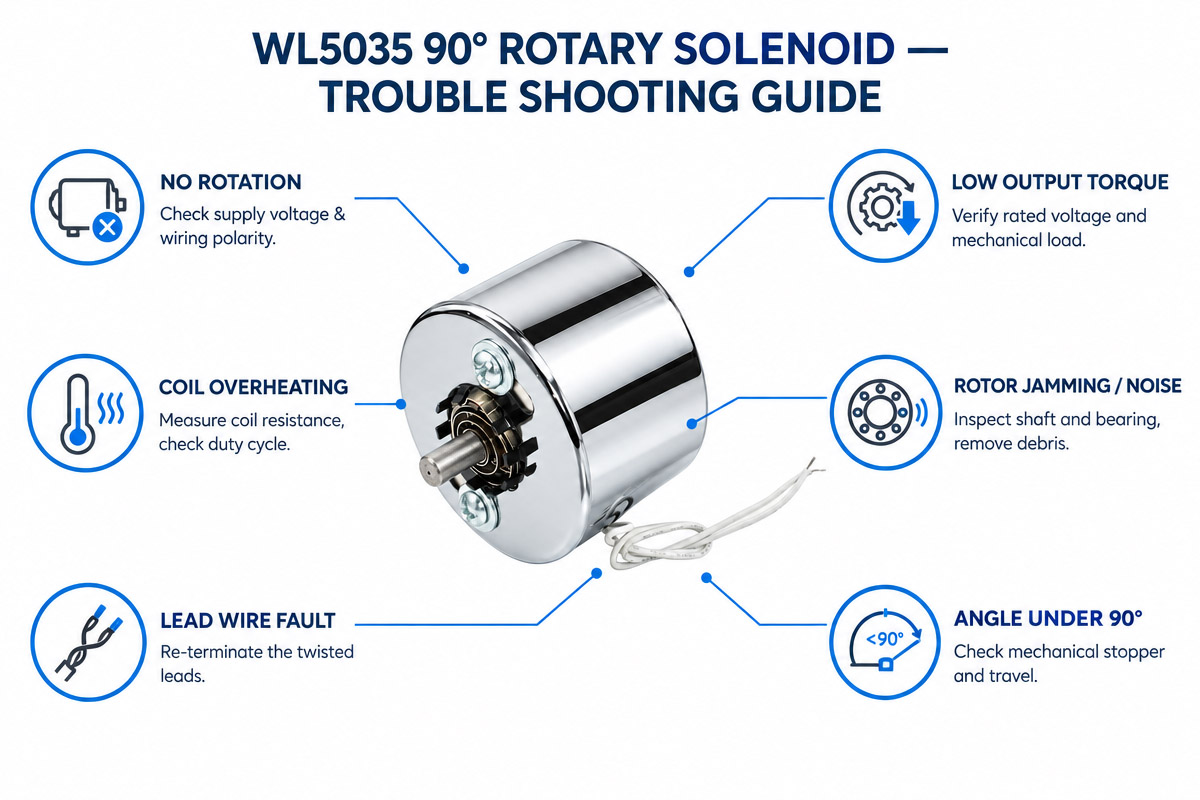
How to Choose a 90 Degree Rotary Solenoid?
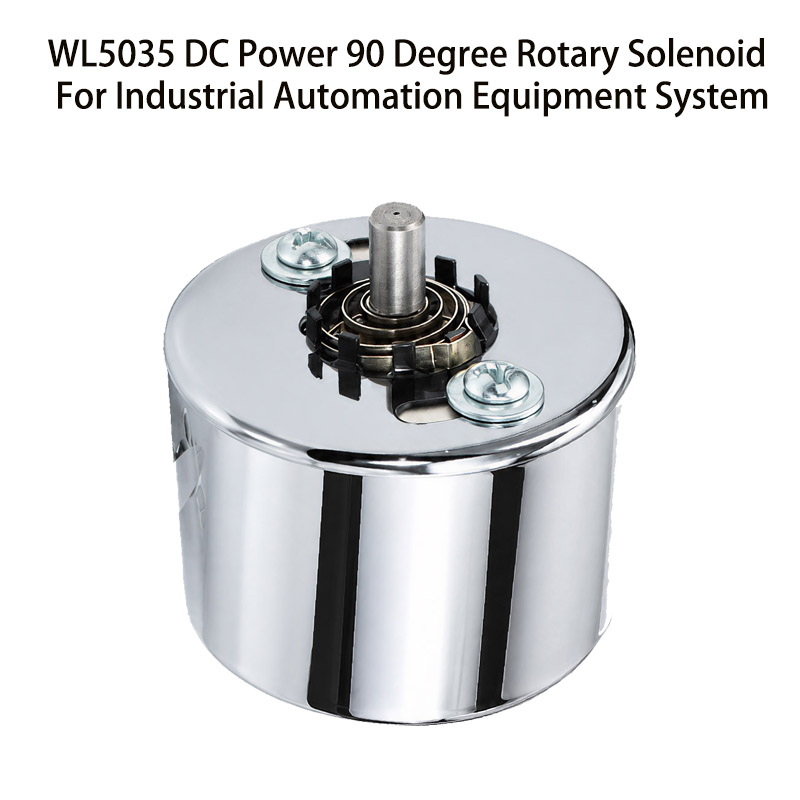
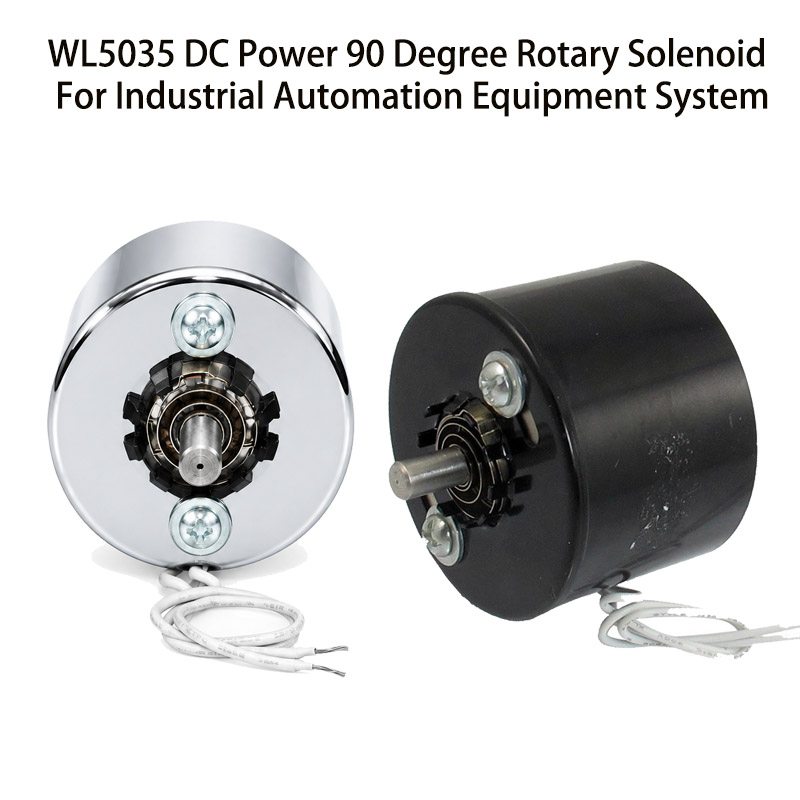
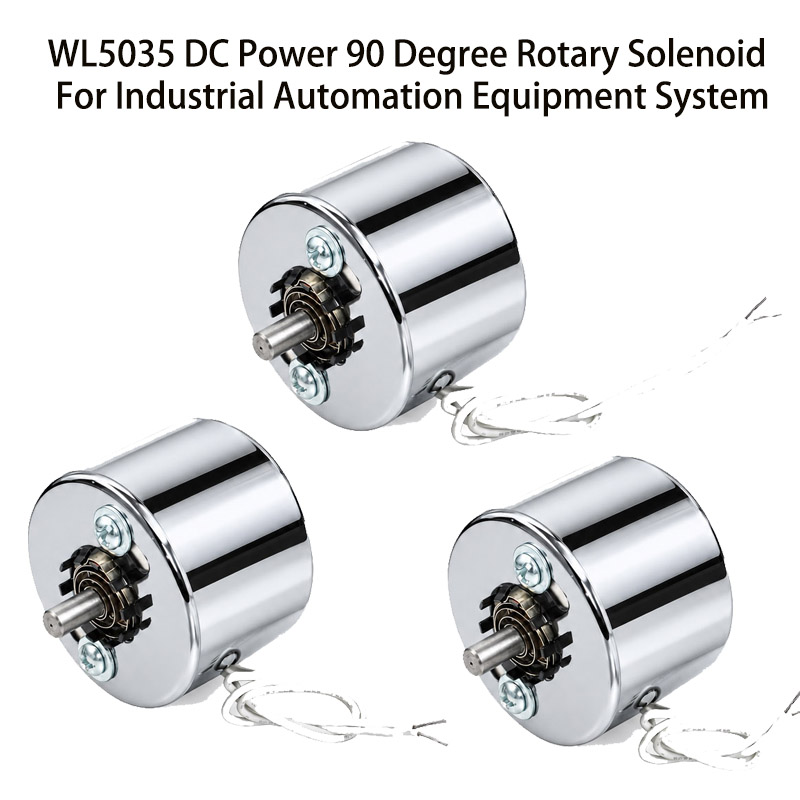
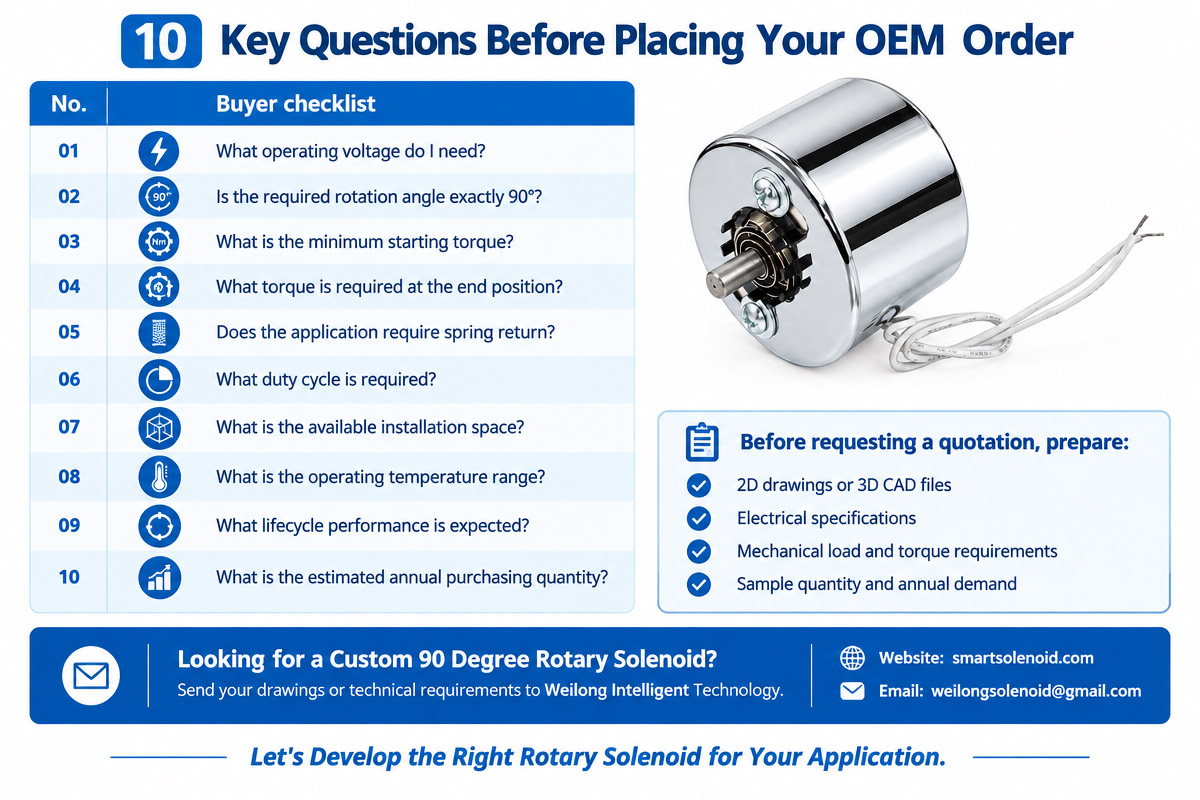
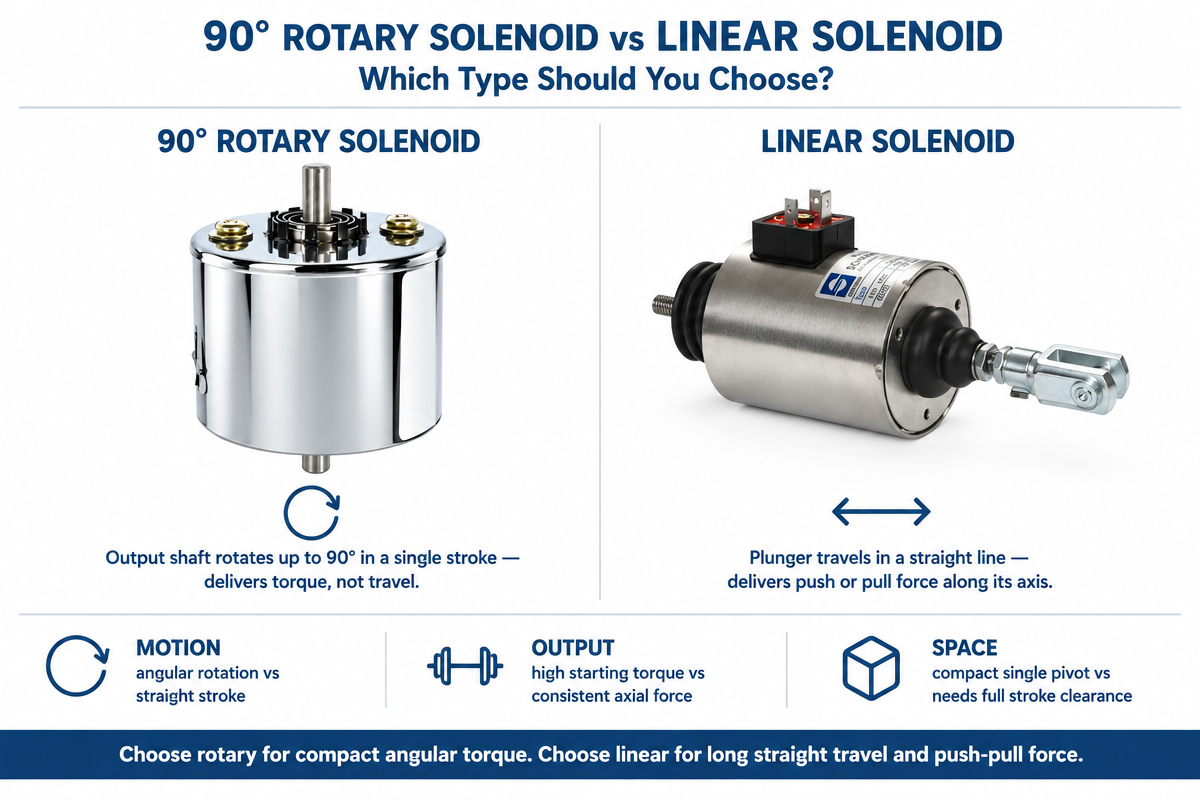
Selection of the right 90-degree rotary solenoid is very important since it affects the reliability of operation, mechanical and electrical compatibility, and long-term performance of the equipment. Below are some examples of the factors that must be considered for choosing a rotary solenoid.
1. Angle of rotation needed
Please specify if the application requires 90 degrees of rotation or if any angular tolerance is acceptable.
It is necessary to define the start position, final position, mechanical stops, and possible deviation from the angle.
2. Torque
Torque is the main parameter for the selection. It is needed to calculate the torque necessary to turn the connected device. Mechanical load will include such factors as friction, return spring resistance, and gravity.
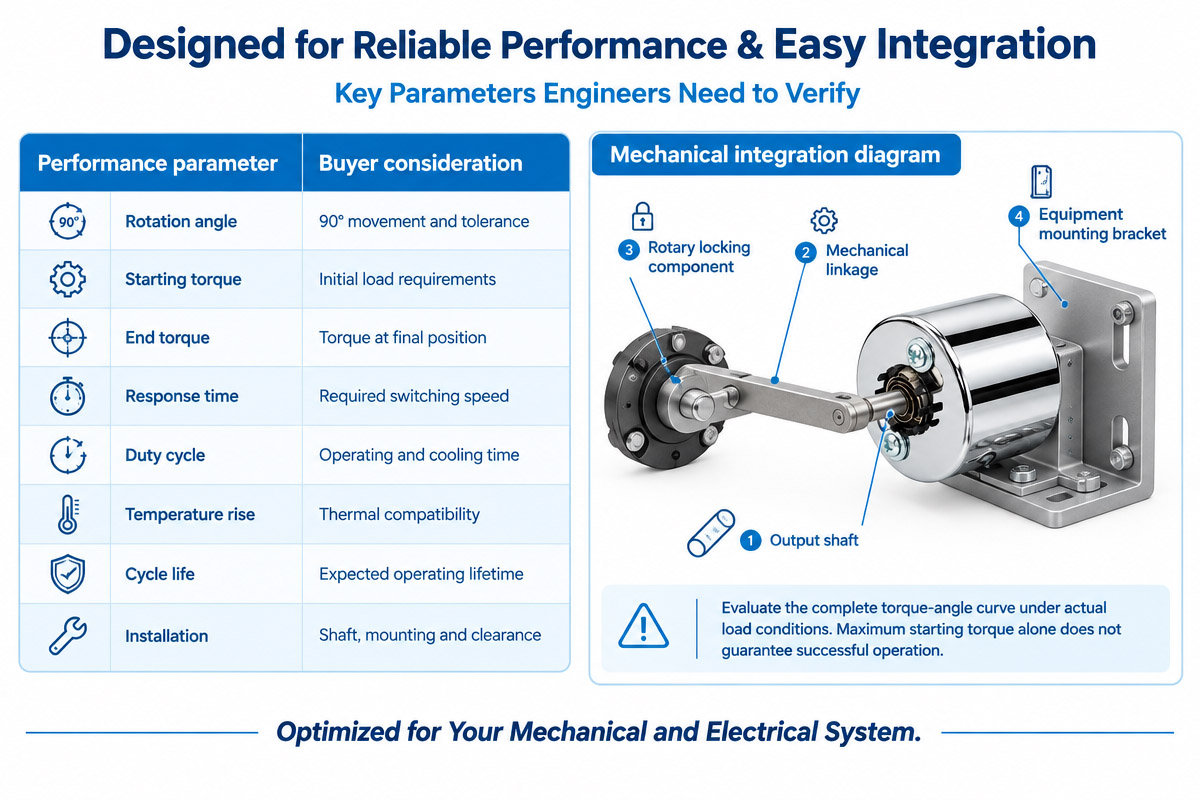
It is important to remember that the selected actuator must be able to produce enough torque during full rotation, not only at the beginning of movement.
3. Working voltage and current
It is necessary to determine if the system uses 12 V DC, 24 V DC, or another type of voltage. It is important to check the coil resistance, the current rating, and the power supply capability.
4. Duty cycle
It is necessary to remember that duty cycle is the proportion of time when the solenoid can be energized during its operation cycle.
Continuous operation can be performed using intermittent duty actuators. But the continuous application needs proper thermal design. Do not rely on the fact that the rotary solenoid can be operated continuously without checking the rated temperature rise and coil characteristics.
5. Rückführungsmechanismus
It is necessary to choose the mechanism of returning (spring return or bidirectional or any other configuration). The return spring must be strong enough, but the increase of the electromagnetic torque must be avoided.
6. Mounting dimensions
It is important to specify the available mounting space, the shaft diameter, shaft length, fixation holes, connector location, and any surrounding mechanical parts.
7. Operating environment
It is necessary to take into account the environmental conditions like temperature, vibration, humidity, dust, and corrosive conditions. Special protection will be added where required.
8. Switching frequency and life
It is needed to estimate the expected number of switching cycles. The manufacturer should check the mechanical wear, return spring performance, coil temperature, and mechanical integrity.
9. Testing of prototype
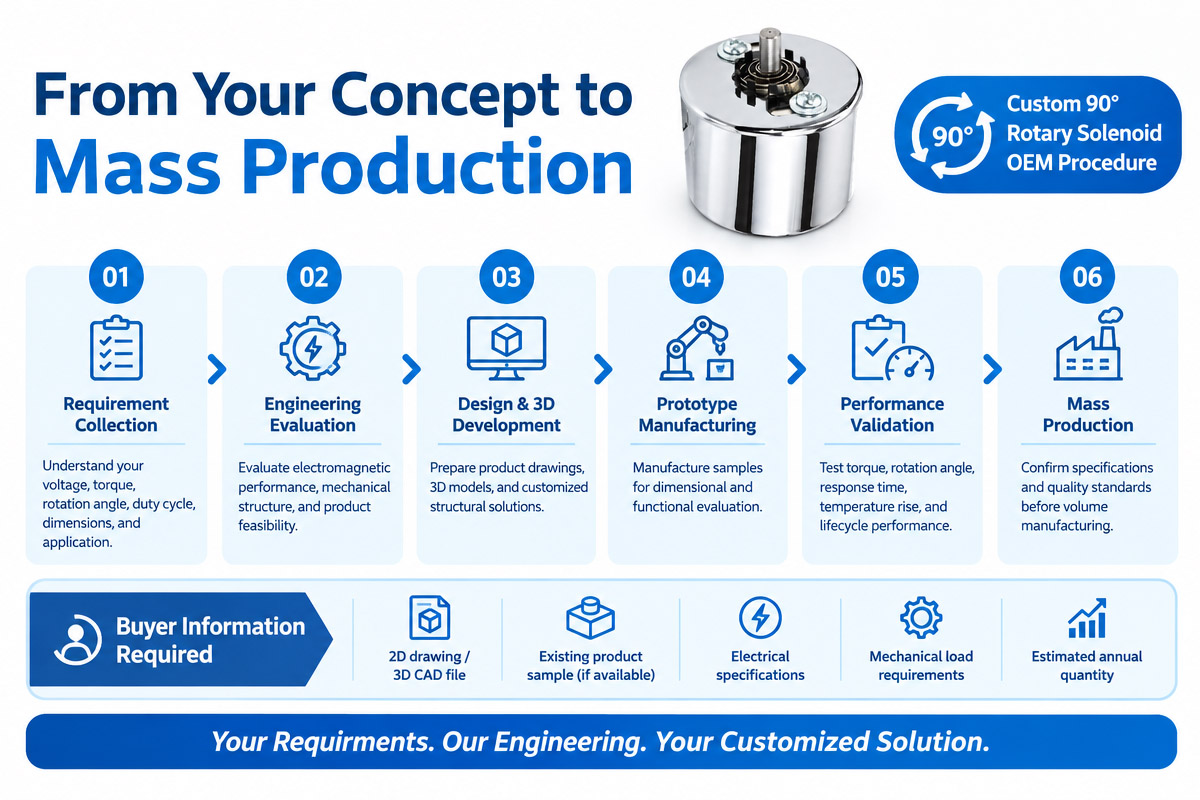
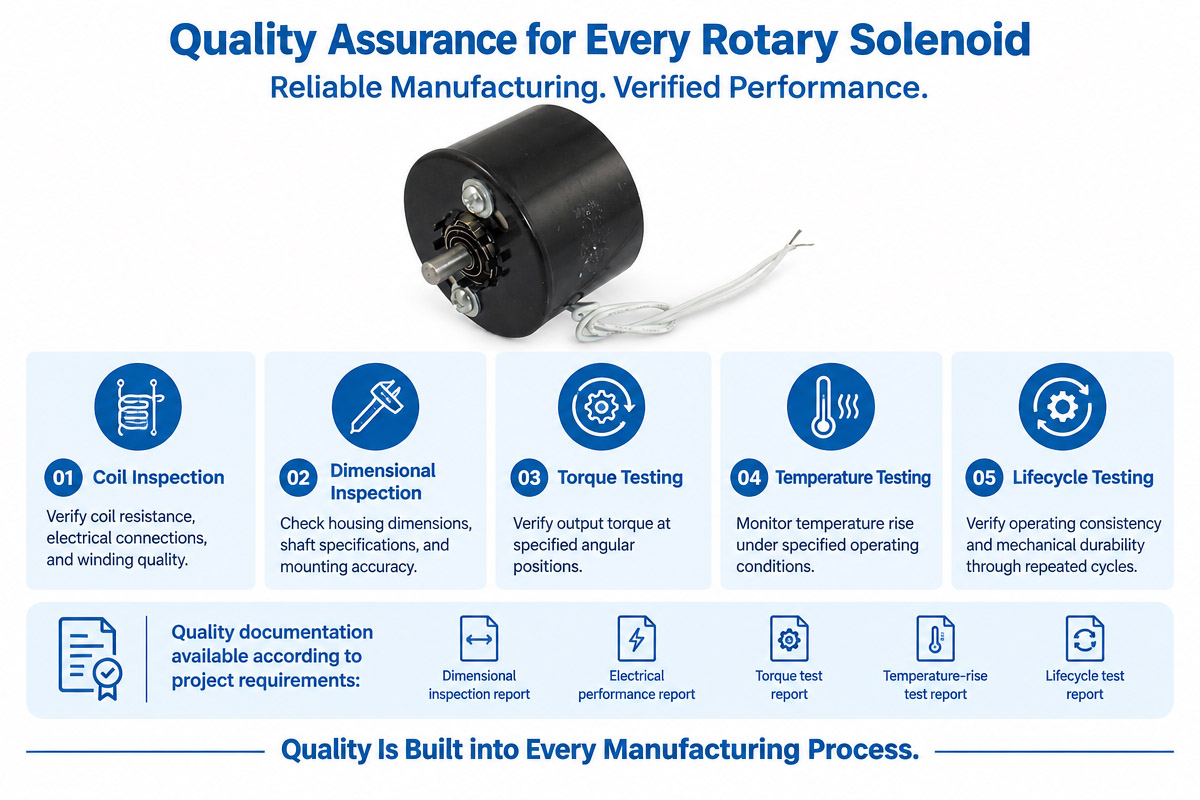
Samples must be tested in real conditions before going into mass production. It is important to check the torque at the angle of rotation, speed of response, return performance, temperature, and durability.
Collaboration with the professional manufacturer ensures that the chosen 90-degree rotary solenoid will be able to meet all the application needs, not only the rated voltage and angle of rotation.
Common design mistakes to avoid when designing a 90-degree rotary solenoid
Design of a 90-degree rotary solenoid requires taking into account the electromagnetic characteristics and the ability of mechanical integration. The following mistakes can cause an incorrect torque, overheating, improper motion, or failure.
1. Selection of actuator based on the maximal torque alone
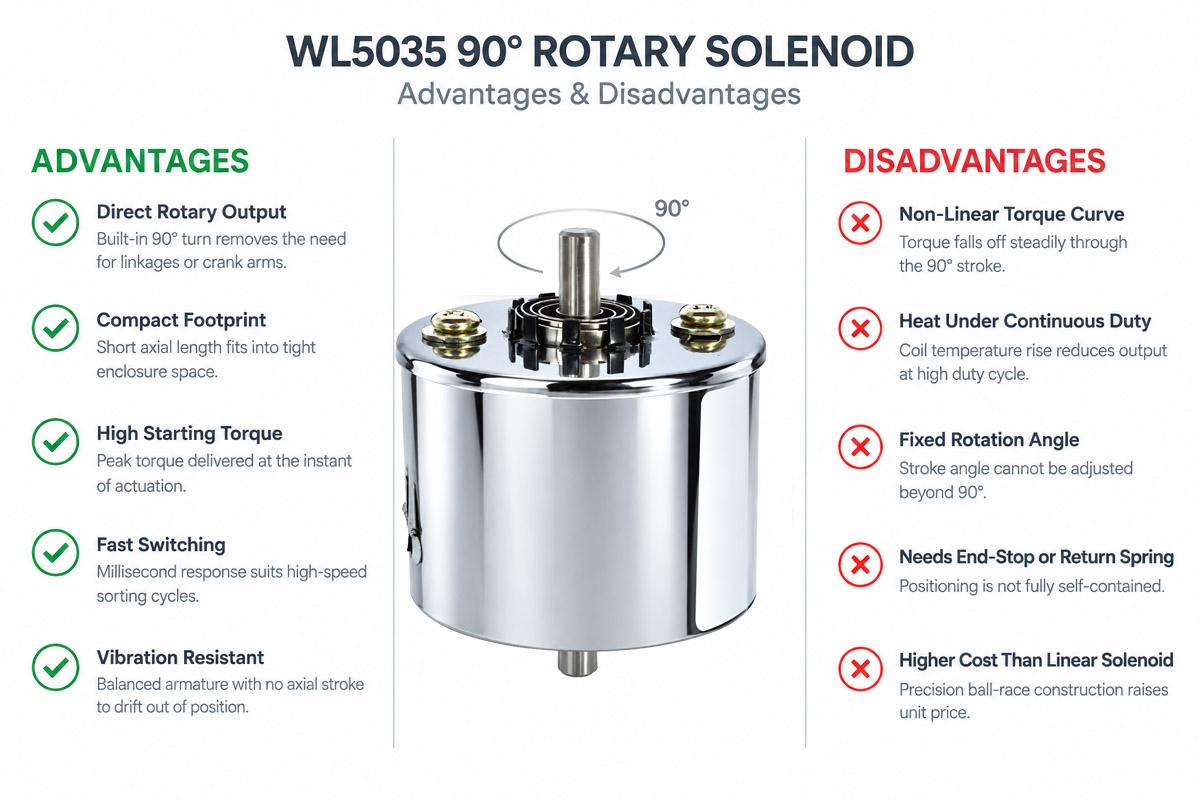
The maximal starting torque is not the same as the torque that will be available during full rotation. It is necessary to look at the full torque-angle diagram.
2. Ignoring return spring resistance
Return spring applies resisting load during the actuation process. Very strong spring may prevent the actuator from executing its motion.
3. ignoring duty cycle
Use of an intermittent duty coil for the continuous duty application results in overheating and deterioration of insulation.
4. Choosing wrong operating voltage
Wrong electrical specifications and voltage variation can affect the response time, coil temperature, and actuation.
5. Ignoring mechanical tolerances
Not proper alignment of the shaft of the actuator with the mechanism that it is connected with will introduce the extra load and decrease the service life.
6. “Design without sufficient installation clearance
Limited installation space for the shaft, housing, and electrical connections can cause difficulties during assembly and maintenance.
7. Ignoring operating environment
Such conditions as dust, moisture, vibration, and corrosion can impact the long-term operation if the right materials and protection level are not chosen.
8. Ignoring the prototype testing
Testing of the sample of the actuator assembly must be done before the approval of mass production.