Skip image slider
Miniature Proportional Valve for Hydraulic Systems
Miniature Proportional Valve for Industrial Precision
Miniature Proportional Valve for Medical Equipment
Miniature Proportional Valve for Automated Machinery
Miniature Proportional Valve for Variable Flow Rates
Miniature Proportional Valve for Precise Regulation

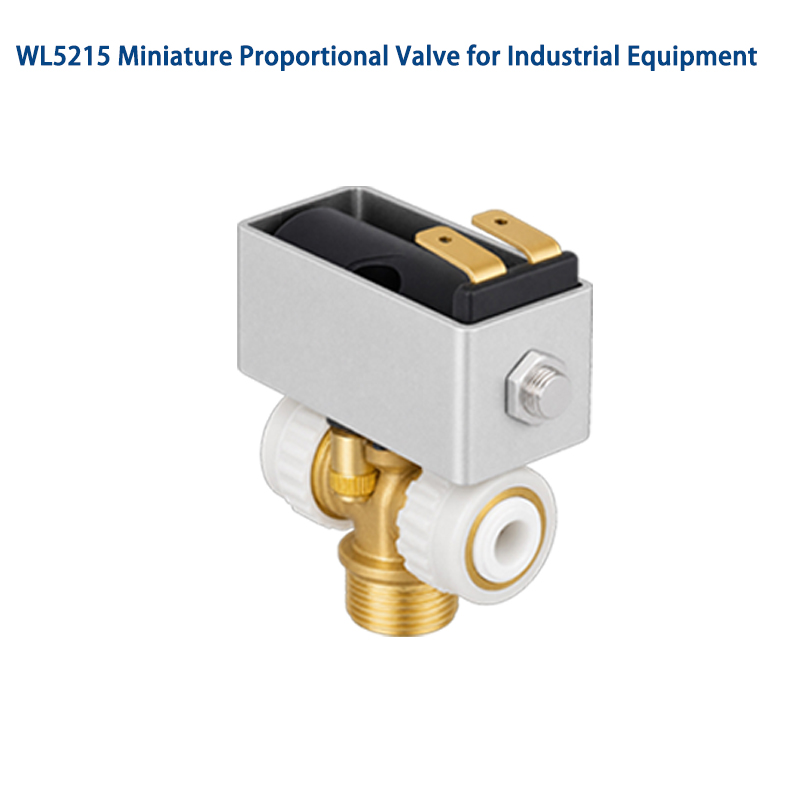
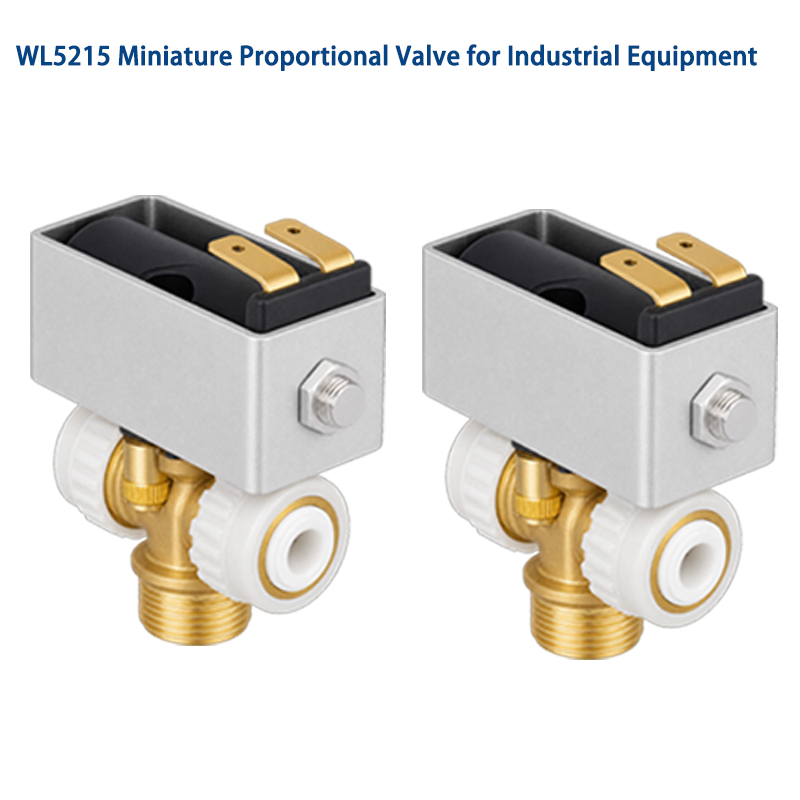
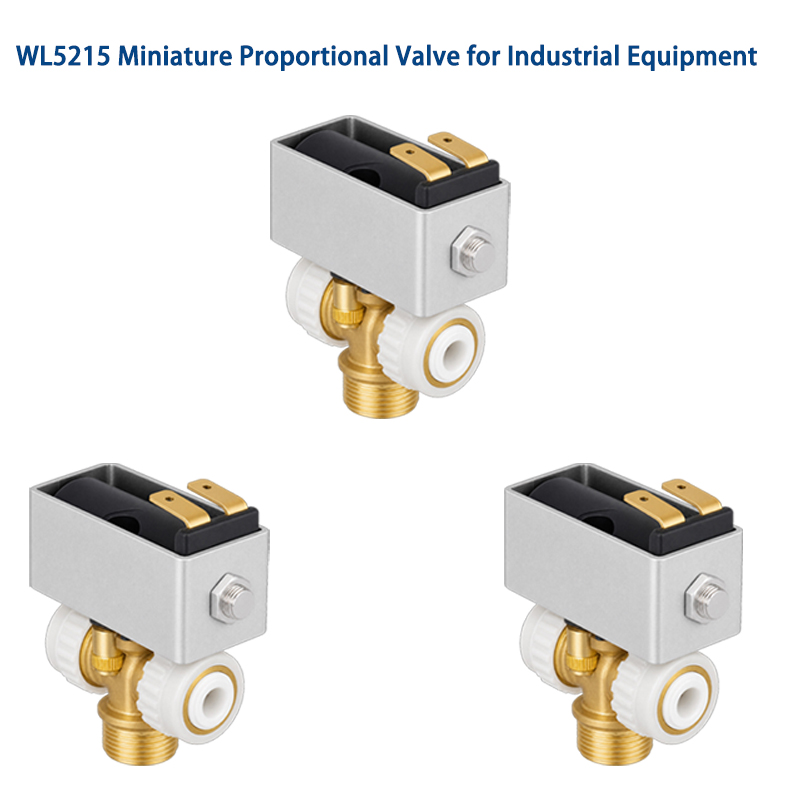
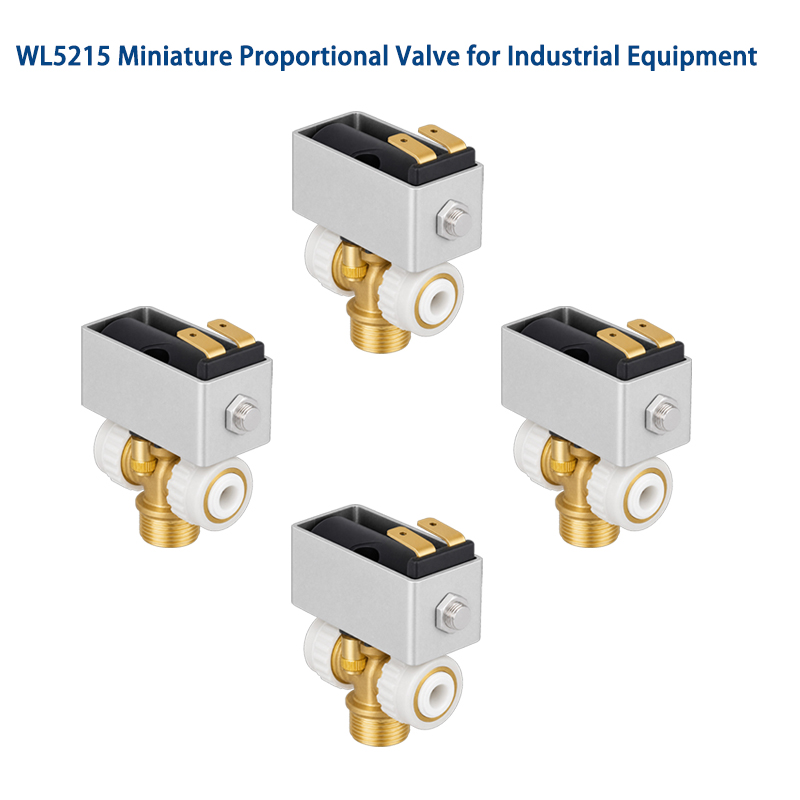
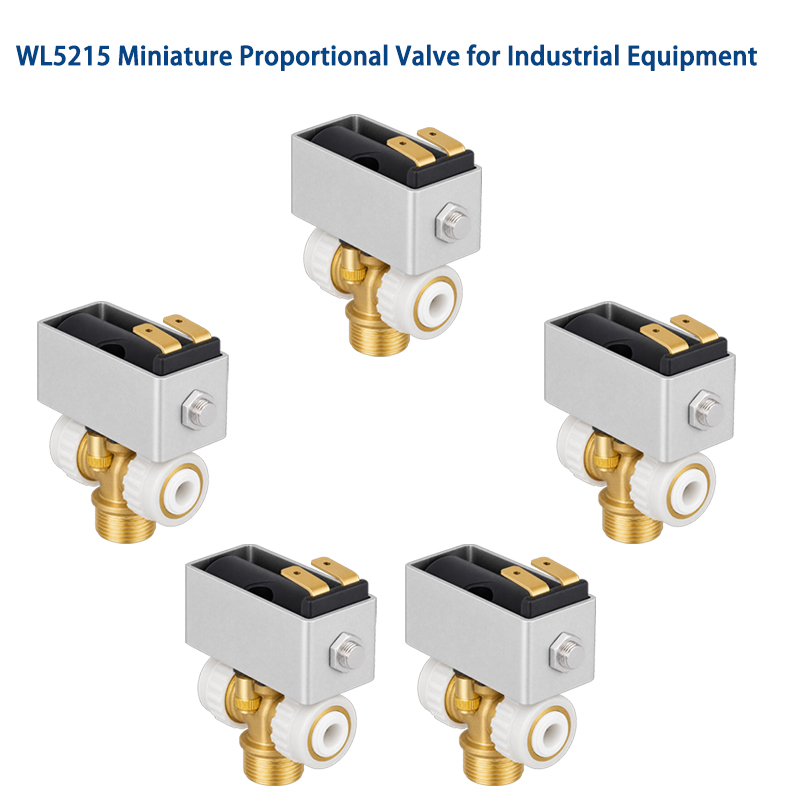
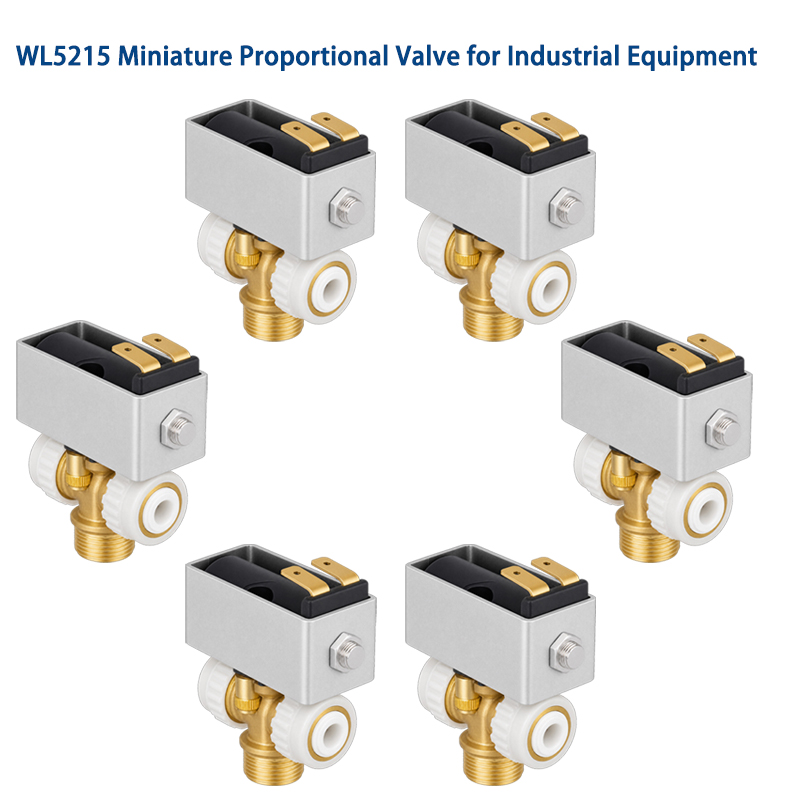
WL5215 Miniature Proportional Valve for Industrial Equipment

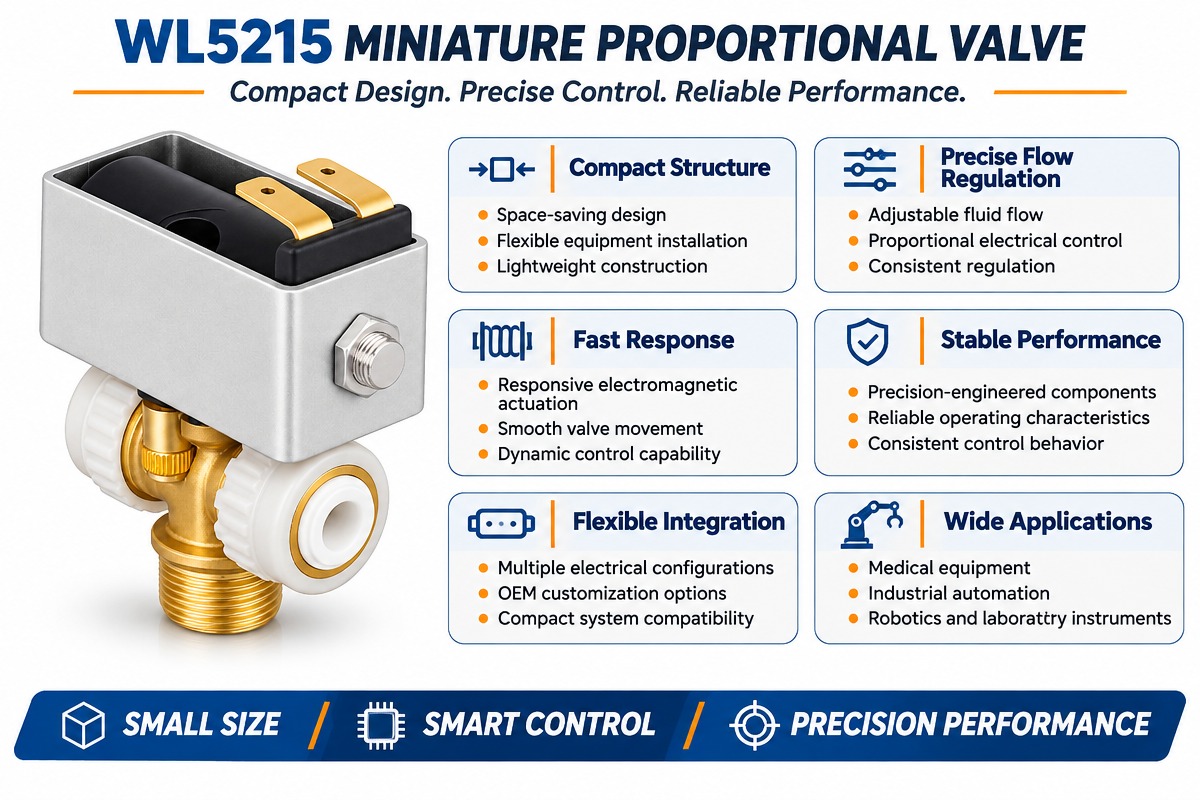
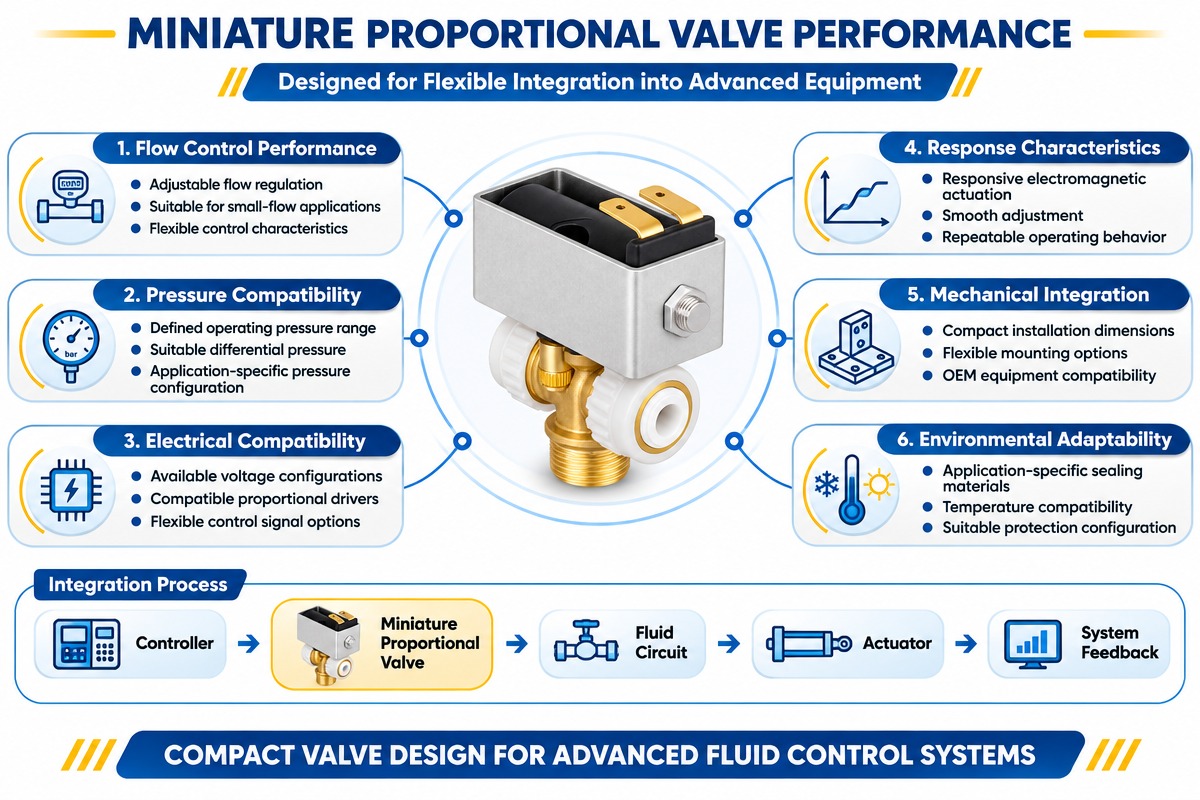
A compact valve that uses an electrical input signal to control the flow rate or pressure, the miniature proportional valve gives manufacturers the capability to control the fluid precisely. It provides variable flow or pressure control, unlike the on-off valves of regular designs. Moreover, thanks to its compactness, it can be installed in limited spaces and allows precise operation. Miniature proportional valves can be integrated into a hydraulic, pneumatic or other fluid control systems depending on the specific design. They are commonly used in medical equipment, lab equipment, robots, analysis instruments, portable devices and industrial automation systems. They provide responsive electromechanical actuation, stable regulation and control options to help increase equipment efficiency and its accuracy of operation. The choice of the appropriate valve depends on such parameters as operating pressure, flow capacity, fluid compatibility, electrical requirements, response time and installation. The system integration of miniature proportional valve is made compact and reliable with the right choice.

Miniature Proportional Valve Description

What is a Small Proportional Valve?

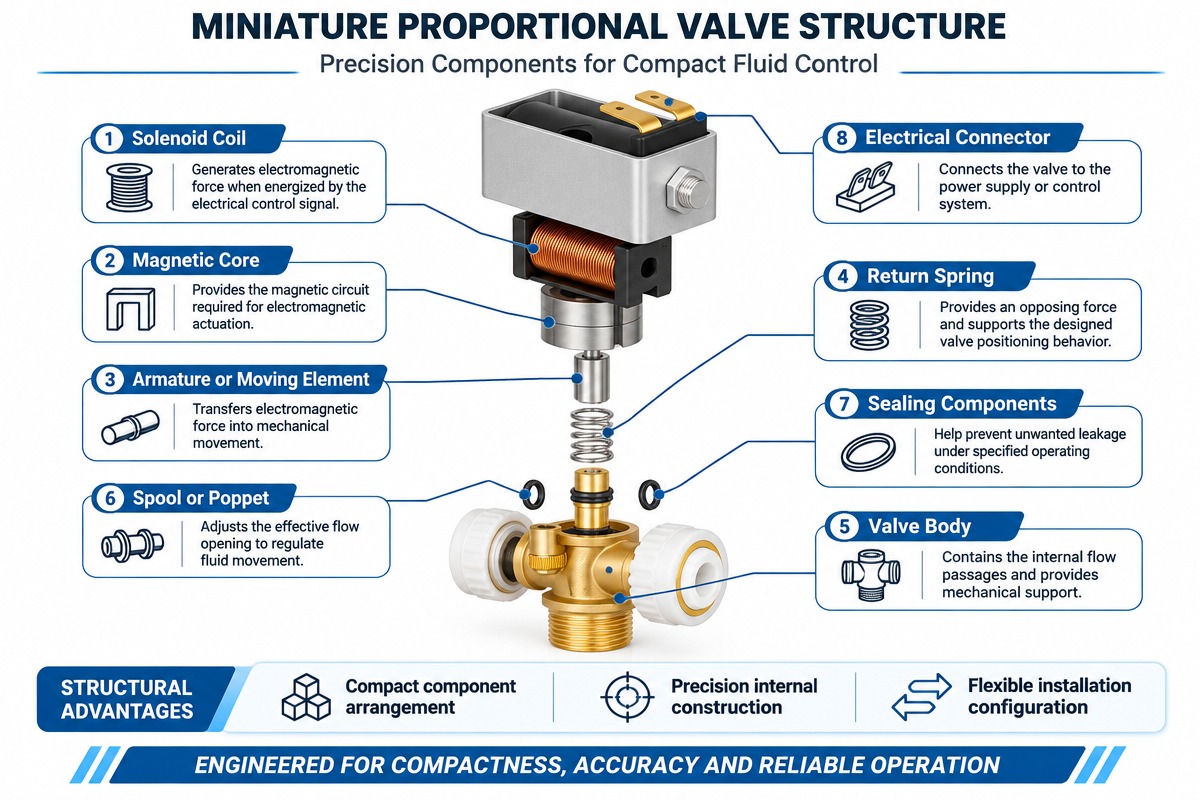
Miniature proportional valve is a compact fluidic component whose flow or pressure changes proportionally to an electrical input signal. While regular valves are just on-off, proportional valves can provide variable regulation for more precise fluid control. Thanks to their compact design, they can be used in equipment where there is limited space and precise requirements. They can be used in hydraulic or pneumatic systems depending on the design. Regular components include the electromagnetic actuator, valve body, spool or poppet, spring and control electronics. They are commonly used in robotics, medical equipment, laboratory equipment and automation systems.

How Does a Mini Proportional Valve Work?

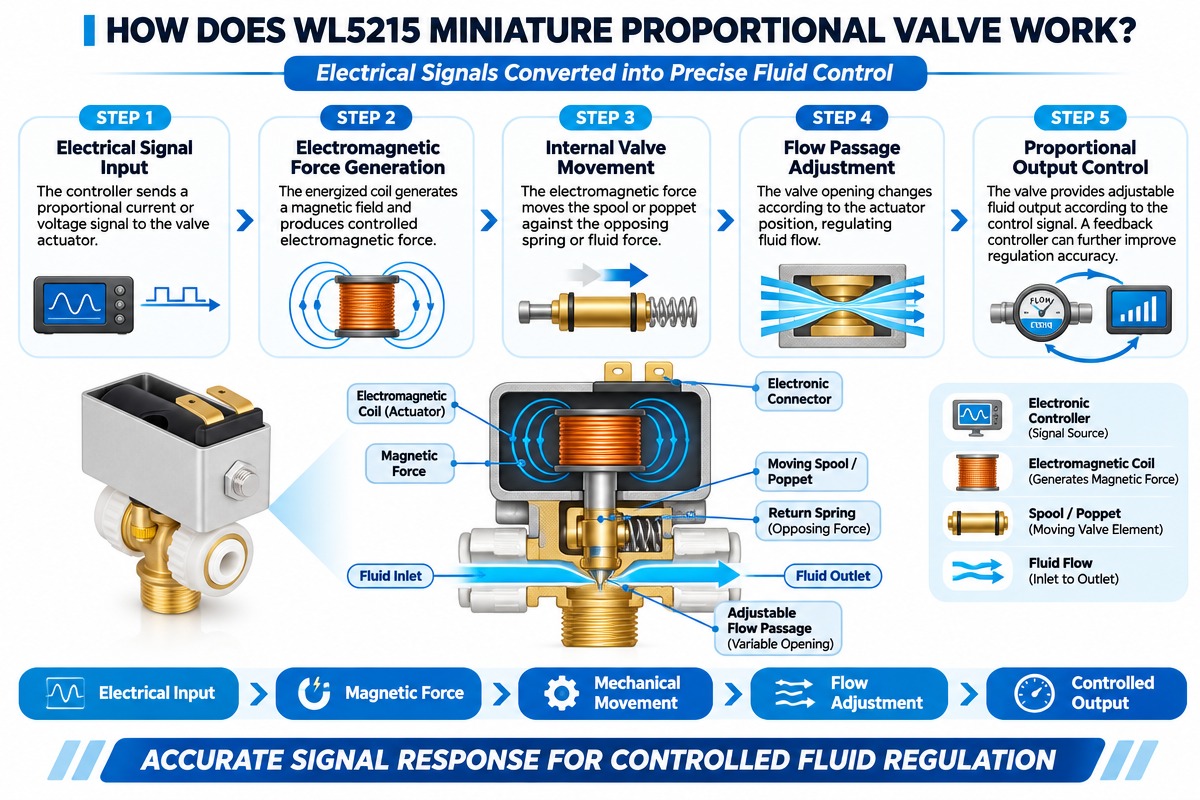
A proportional valve is a compact valve that transforms an electrical input signal into the mechanical movement that controls the flow rate or pressure of the fluid.

The process of operation includes the following steps:

1.Electrical Signal Input: An electrical control signal is sent by the controller to the valve actuator.

2.Generation of Electromagnetic Force: When energized, the solenoid generates the magnetic field and produces a controlled electromagnetic force.

3.Movement of the valve component: due to the magnetic field, the valve spool, poppet or other moving part moves against the return spring or another opposite force.

4.Flow Modification: due to the change of position, the flow opening in the valve changes allowing various flow rates of the fluid to pass through.

5.Proportional regulation: the valve opening changes in proportion to the input signal producing a flow or pressure control.

6.System feedback: sensors detect the working condition and give the information to the controller to increase the accuracy of control.

The result is compact and precise control of the fluid.

Miniature Proportion Valve Video

Miniature Proportional Valve Detail Display

Miniature Proportional Valve Data Sheet

Brand Weilong Model Number WL 5215
Rated Voltage (V) DC12V or 24V Rated Power (W) 6W
Work Mode Air Control Valve Working Pressure (MPa) 1 MPa
Airflow Rate 0 L/minute Reset Time(s) 1 S On, 1S Off
Service Life 200 Thousand Times Certification CE, ROHS, ISO0
Material Superior Magnet Iron Lead Wire Length (mm) 52 MM
Install Style Screw Tolerance of Dimension ยฑ 0.1 MM
Water-proof None Insulation Class B
Hi-Pot Test AC 750V 50/60Hz 2s Non-excitation Holding Force 0
Working Temperature -20ยฐC-120ยฐC Duty Cycle 1-100%
Thread Depth (mm) / Payment Term TT, or LC at Sight
Sample Order Yes. Warranty 1 Year
MOQ 1000 pcs Supply Ability 5000 pcs per week
Delivery Time 30 Days Port of Loading Shenzhen

Why Is the Proportional Valve Miniature So Popular?

Due to the necessity to use smaller components, increased precision and more flexible control capabilities in modern industrial equipment, miniature proportional valves have become very popular.

One of the reasons is growing requirements to automation equipment in compact form. The manufacturers reduce the equipment dimensions while increasing its functions. Miniature proportional valves allow the variable control of the fluid without the demands for the space in case of using conventional valves.

Increased precision is another reason. On-off valves do not provide the continuously adjustable control like proportional valves. Miniature proportional valves provide engineers with the capability to control the flow rate or pressure to meet the changing operating requirements.

The popularity of the valves increased due to the development of robots, medical equipment, laboratory automation and portable equipment. They often require precise control of the fluid in compact dimensions.

One should also take into account energy efficiency. With the right selection of the valves, systems can deliver the fluid flow without the need to operate at full power all the time.

Moreover, the development of electromagnetic materials, precision machining, electronic controllers, and manufacturing technologies has helped to design more compact and sophisticated valve designs.

Due to the development of industrial automation, miniature proportional valves can remain the key component in fluid control systems.

Miniature Proportional Valve Applications

Miniature Proportional Valve for Smart Applications

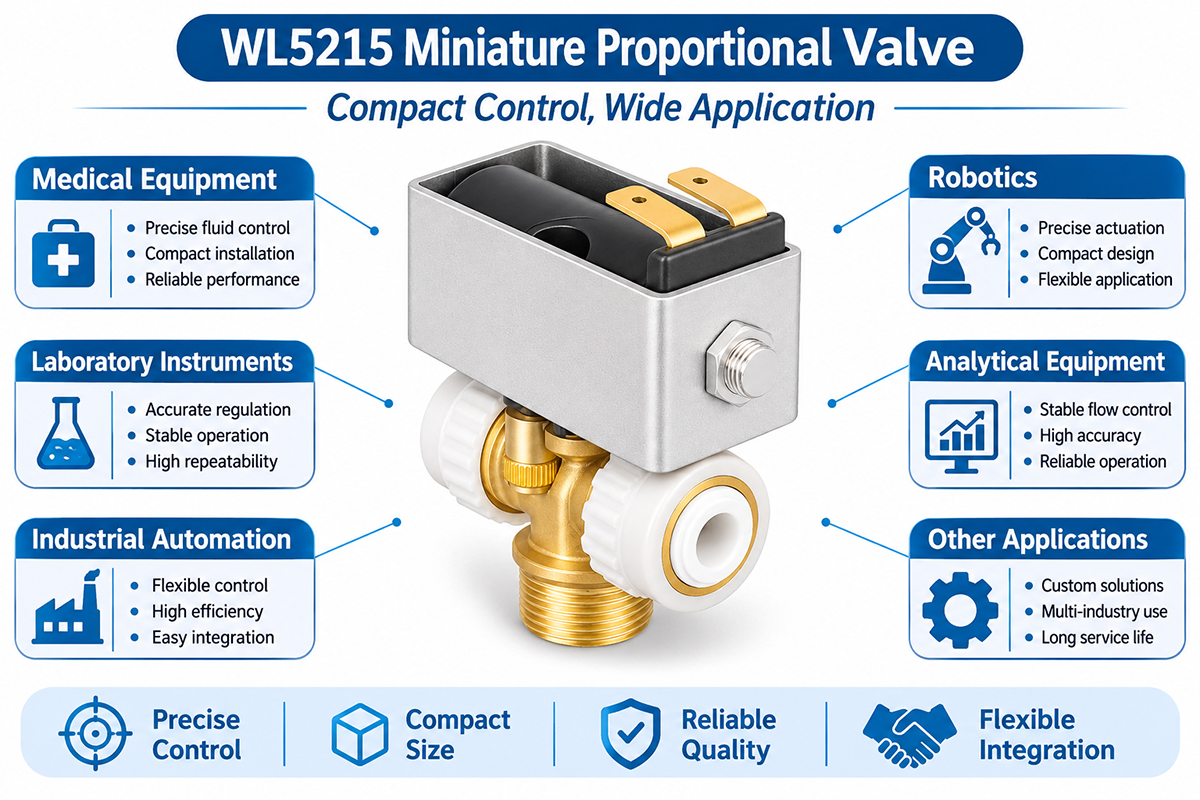
Miniature proportional valves are used where the space is limited and precise control of fluids is needed. This type of valve can adjust its control where conventional on-off valves do not provide enough precision.

1.Medical Devices

Control of air, oxygen-compatible gasses and other specified fluids in the medical equipment with the help of miniature proportional valves. Miniature proportional valves can be used for respiratory equipment, diagnostic instruments and specialized medical systems, subject to applicable safety and regulatory requirements.

2.Lab Equipment

Miniature proportional valves can be used in analytical instruments and laboratory automation systems to control small amounts of fluid and to keep constant operating conditions.

3.Industrial Automation

The use of proportional valves in automated production equipment to control pneumatic or hydraulic functions to increase process consistency and flexible machine operation.

4.Robotics

Use in robotic systems for controlling the pneumatic grippers, compact actuators and other fluid-powered mechanisms.

5.Semiconductor Equipment

Depending on the requirements for cleanliness and materials, miniature valves can be used in manufacturing equipment for controlled fluid delivery and process automation.

6.Mobile Equipment

Small valves with flexible mounting possibilities are advantageous for compact machines and mobile devices.

7.Measuring and Testing Systems

The proportional valves are used in test benches and measuring instruments to regulate flow and pressure in the controlled experiments.

Selection of the right valve for these applications will increase the accuracy, flexibility and reliability of the system.

Miniature Proportional Valve Adv. & Disadv

Miniature Proportional Valve for Hydraulic Precision

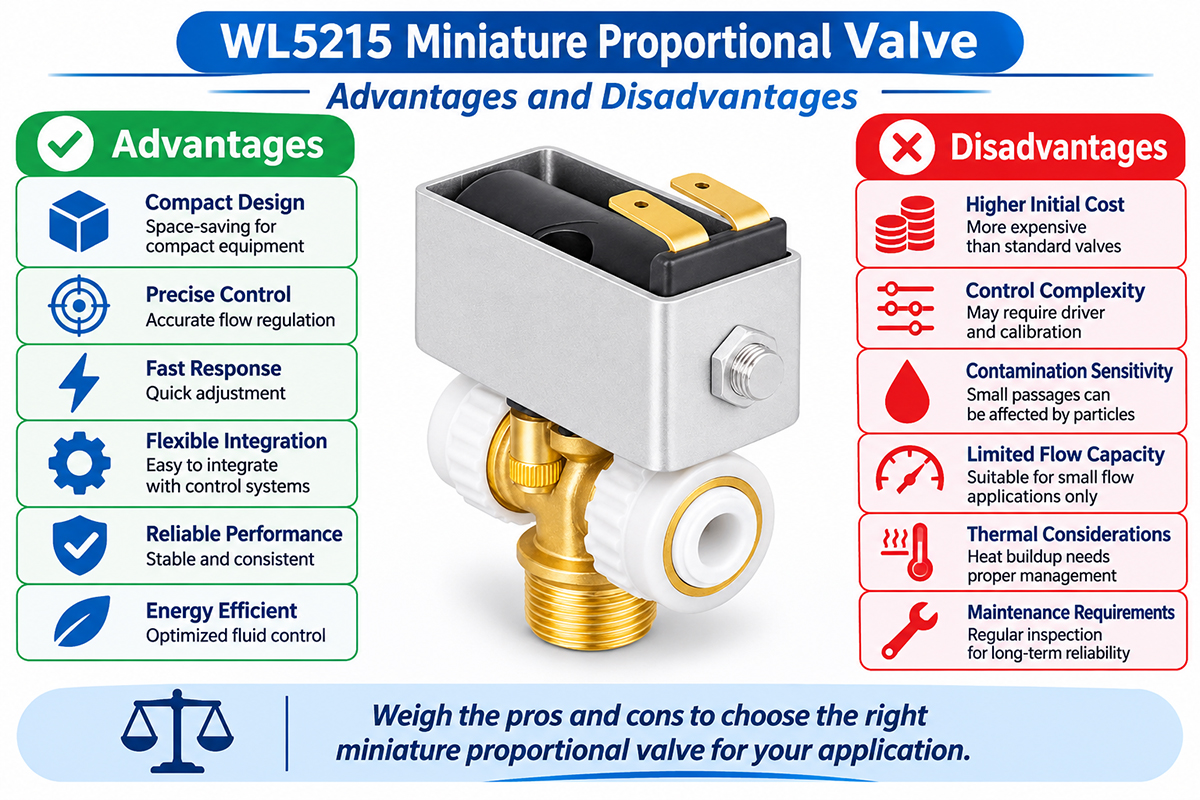
Advantages and Disadvantages of Miniature Proportional Valve

Miniature proportional valves have some advantages for modern fluid control systems, but it is necessary to consider their limitations prior to the selection.

Advantages

1.Compact Design: The small size helps to install the valve into the equipment with the limited space.

2.Variable Control: They allow variable flow or pressure control as a function of the electrical input signal.

3.High Control Flexibility: The engineers can adjust operating parameters according to equipment needs.

4.Automation Capability: They can be used together with electronic controllers, sensors and control systems.

5.Light Weight Construction: Their small size helps to reduce the size and weight of the equipment.

6.Precision Applications: Suitable for systems with precise fluid delivery and repeatability.

Disadvantages

1.Higher Cost: They can be more expensive than regular on-off valves due to the precision construction and electrical control systems.

2.Increased Complexity: Some models need special drivers, calibration or feedback systems.

3.Contamination Sensitive: The small internal passages can be invaded by particles and/or wrong fluids.

4.Limited Flow Capacity: Due to the small size, they can have less flow capacity than regular industrial valves.

5.Thermal Issues: Running of coils continuously can produce heat that should be considered.

6.Maintenance Needs: It is necessary to follow proper installation, filtration and operating conditions for precise components.

To conclude, miniature proportional valves are useful in providing control benefits.

Miniature Proportional Valve for Compact Equipment

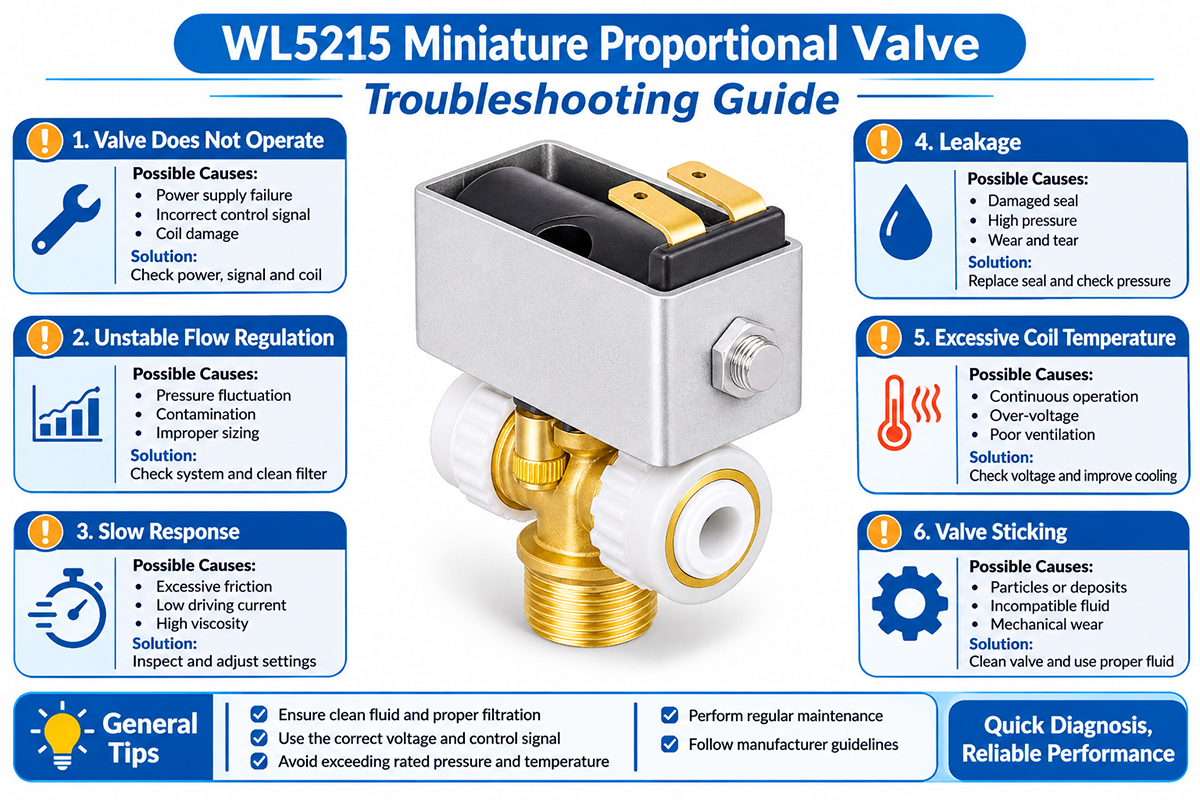
Troubleshooting of Miniature Proportional Valve

Electrical failures, contamination, wear, improper pressure and unsuitable control signals can cause trouble in the operation of miniature proportional valves. Proper troubleshooting will restore performance and reduce equipment downtime.

1.Valve does not work

Power supply failure, broken coil, loose connections or wrong control signals can cause this problem. It is necessary to check the voltage, electrical connections, coil resistance and controller output.

2.Unstable Flow Regulation

The flow regulation becomes unstable because of the inconsistent input signal, wrong pressure, contaminated or improperly sized valve. It is necessary to check the controller, system pressure and fluid filtration.

3.Slow Response

Slow operation is caused by excessive friction, incorrect fluid viscosity, insufficient driving current or contamination. The actuator and valve internals should be checked.

4.Internal or External Leakage

The cause can be damaged seals, worn valve internals, wrong installation or excessive operating pressure. Sealing surfaces should be checked and replaced parts.

5.High Temperature of the Coil

The temperature of the coil becomes too high due to wrong voltage, excessive current, continuous operation exceeding rated conditions or poor heat dissipation. Electrical specifications and duty cycle of operation should be checked.

6.Valve Sticking

Particles, deposits or wear can cause stuck movement of the valve. It is necessary to check valve internals and upgrade filtration.

7.Lack of Control

Calibration errors, sensor failures or unsuitable control parameters reduce the accuracy. It is necessary to monitor feedback signals and recalibrate according to manufacturer specifications.

Power supply should be isolated and the system should be depressurized before maintenance. Following manufacturer technical instructions when checking or replacing parts.

8 FAQ for Miniature Proportional Valve

1.What is a miniature proportional valve?

Definition of Miniature Proportional Valve A miniature proportional valve is a compact fluid control valve which regulates the flow rate or the pressure depending on an electric input signal. Variable control enables the use of the device in precision applications and machines where space is limited.

2. What does a miniature proportional valve do?

Inside the miniature proportional valve, the electric signal is converted into a mechanical motion by an electromagnetic actuator. The actuator moves the position of a spool/poppet inside the valve, changing its flow passage to control the flow/pressure of the fluid.

3. What is the difference between a proportional valve and a standard solenoid valve?

The standard solenoid valve can be opened or closed while a miniature proportional valve provides variable control. The valve can adjust the flow rate/pressure depending on the input signal.

4. What are the applications for miniature proportional valves?

Miniature proportional valves find wide use in medical devices, laboratory equipment, automation, robotics, semiconductors industry, analytical equipment, portable devices and many other precision fluid control devices.

5. Choosing the right miniature proportional valve

Operating pressure, Flow capacity, Fluid compatibility, Electrical voltage, Control signal, Response time, Installation dimensions, Temperature range and Connection type should be considered before choosing the right valve for your machine.

6. Can a miniature proportional valve control flow and pressure simultaneously?

Dependent on internal design and system configuration, the miniature proportional valve can control the flow rate or the pressure. The models for flow rate control are different from models for pressure control. The precise closed loop control requires the suitable sensors and controllers.

7. What are the factors affecting the service life of a miniature proportional valve?

Service life of the valve depends on operating pressure, fluid purity, temperature, coil conditions, materials compatibility, switching frequency and mechanical wear. The proper filtration, installation and regular maintenance can prolong the service life of the valve.

8. Can you customize miniature proportional valves for OEM applications?

Yes. Customization can be carried out depending on the valve size, flow range, pressure rating, coil voltage, electrical connectors, seals, mounting arrangements and control properties. OEM customization allows integrating the valve into specific devices.

How to Select a Miniature Proportional Valve

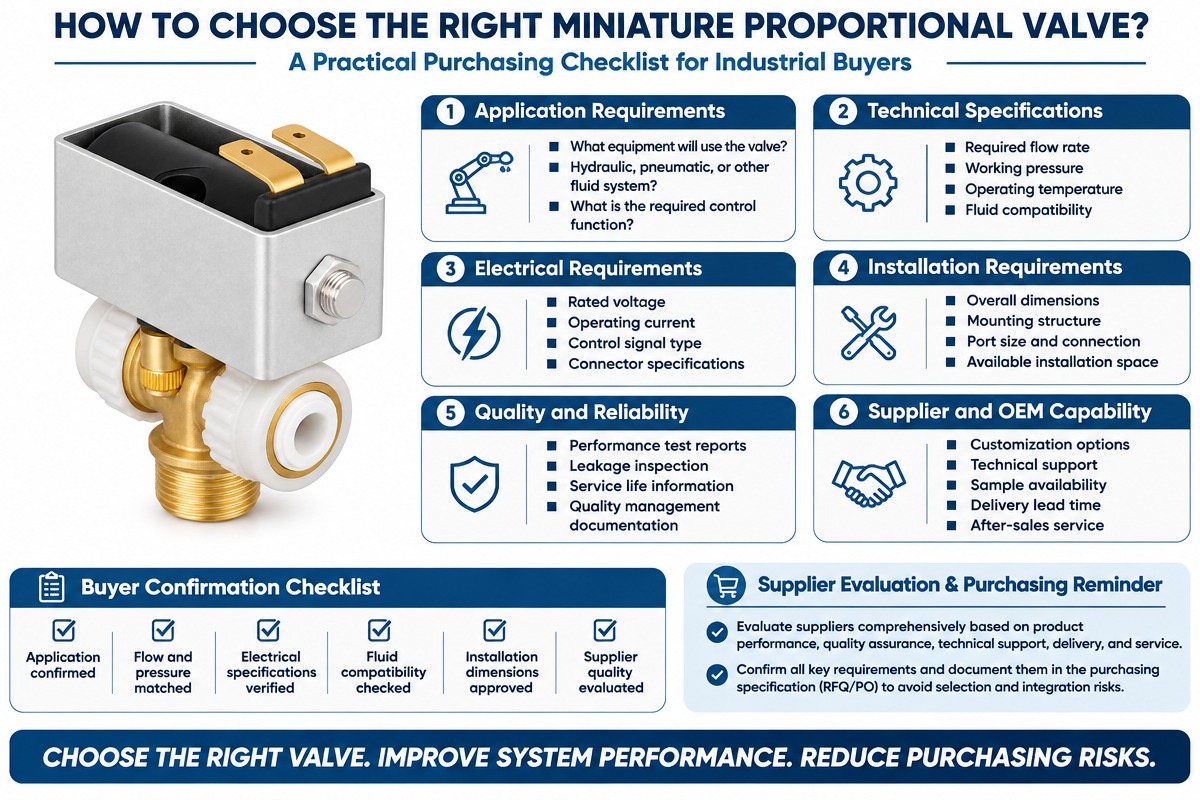
Selection of the appropriate miniature proportional valve is important for precise fluid control, reliable performance and easy integration of the valve with the equipment. There are a number of factors that should be considered by industrial buyers or engineers before purchase.

1.Identifying the Application Requirements

First, it is necessary to determine what system (hydraulic, pneumatic or specialized fluid system) the valve will work with. It is also necessary to consider the required control function, the operating environment, the installation space and the equipment operating conditions.

2.Checking Flow Capacity

Flow capacity is important for the system performance. Select the valve with flow range that meets the required conditions. The valve can be either too big (limits the control resolution) or too small (limits the system performance).

3.Evaluating the Working Pressure

It is necessary to check minimum and maximum operating pressure, differential pressure and the pressure range. The valve should meet all the actual operating requirements but should not exceed the rated values.

4.Checking the Fluid Compatibility

The valve body and seal are made of different materials depending on the fluid. Check the compatibility with hydraulic oil, compressed air, water, chemicals and other service media. Check also the temperature, viscosity, seal performance and corrosion resistance.

5.Reviewing Electrical Parameters

Check the voltage, current, power consumption, the type of the connector and the control signal. Ensure that the valve is compatible with the equipment controller and power supply.

6.Considering the Response Time and Accuracy

The response time and regulation accuracy are especially important for robots, laboratory equipment and automation. Hysteresis, repeatability, linearity and control stability should be checked.

7.Checking the Installation Dimensions

Check the overall dimensions, mounting locations, port dimensions, connection type and the access for maintenance. The valve should fit the available installation space and not to restrict the piping.

8.Taking into Account the Environmental Conditions

It is necessary to consider the enclosure protection requirements, exposure to dust, moisture, vibration and ambient temperature. Select the right construction for the real operating environment.

9.Evaluating the Manufacturer’s Capabilities

Select the manufacturer who will provide documentation, performance testing, quality control, customization and after-sales support.

10.Considering the Total Operating Cost

Compare the purchase cost, energy consumption, maintenance needs, service life and availability of replacements.

The right selection of miniature proportional valve increases performance, simplifies the integration and ensures the reliable equipment operation.

Design of Miniature Proportional Valves: Avoiding Common Mistakes

The designing of the miniature proportional valves requires taking into account the mechanical construction, electromagnetic performance, fluid dynamics and control accuracy. Otherwise, reliability and operating efficiency may be reduced.

1.Overlooking Flow Requirements

Incorrect flow capacity will mean either too much or insufficient fluid delivery or poor regulation. First, it is necessary to calculate the required flow rate and then choose the valve orifice and internals.

2.Selecting the Incorrect Material

Wrong materials for the valve body or seals can lead to corrosion, swelling, leakage or early breakdown. Always keep in mind the fluid compatibility and operating temperature.

3.Underestimating the Electromagnetic Performance

The solenoid should be capable of generating sufficient force in the working range. Engineers should take into account such parameters as the coil resistance, magnetic circuit design, heating and operating current.

4.Forgetting about Friction and Mechanical Tolerances

Too much friction and tolerance can cause hysteresis, sticking and unstable movement. Precision machining and surface finishing are very important.

5.Forgetting about Thermal Management

Heating due to continuous energizing can lead to insulation degradation and performance instability.

6.Not Designing the Valve for Contamination

Small passages of the valve are easily clogged by particles and debris. Proper filtration and contamination control protect the valve components.

7.Overlooking Control Compatibility

The valve design should be compatible with the control signals, controller characteristics and feedback requirements.

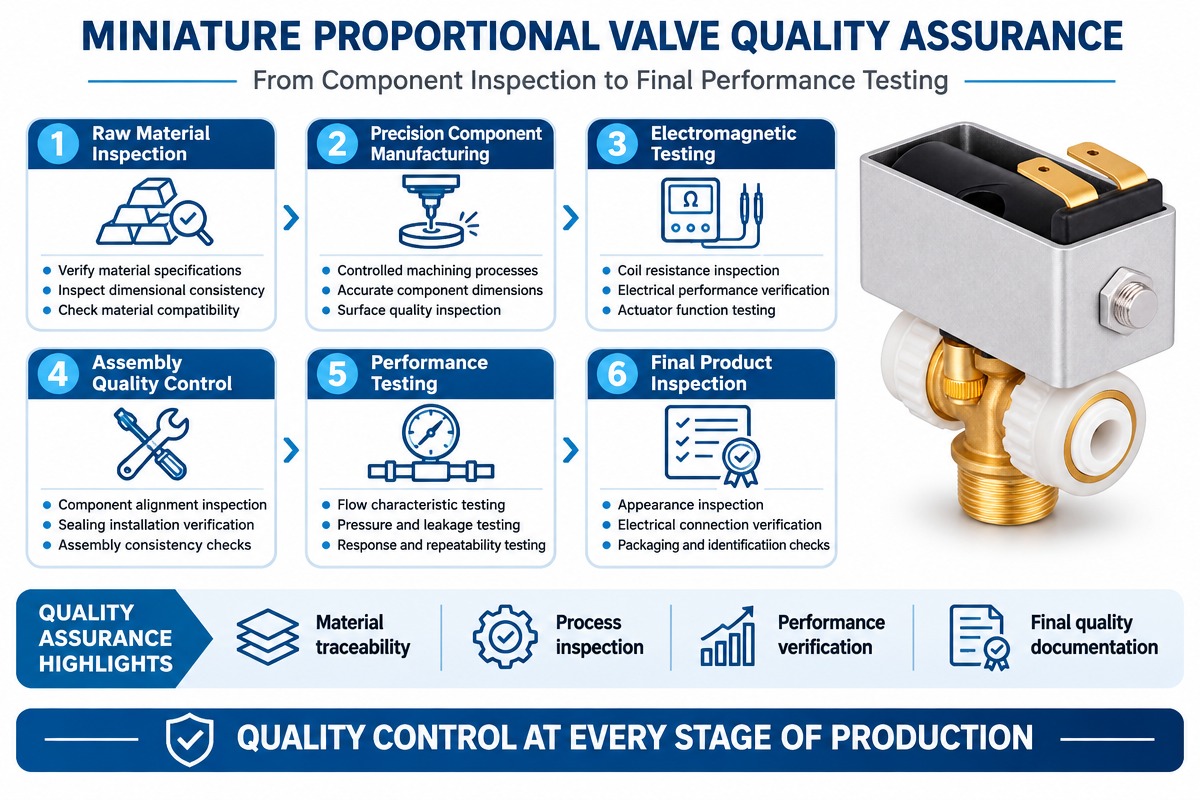
8.Insufficient Testing

It is necessary to test for flow, pressure, leakage, response, endurance and temperature under the representative conditions.
Get A Free Quote Now

Contact Form

Related Products

Related News

Scroll to Top

Get A Free Quote Now !

Contact Form
If you have any questions, please do not hesitate to contact us.
Weilong Solenoid Company Culture