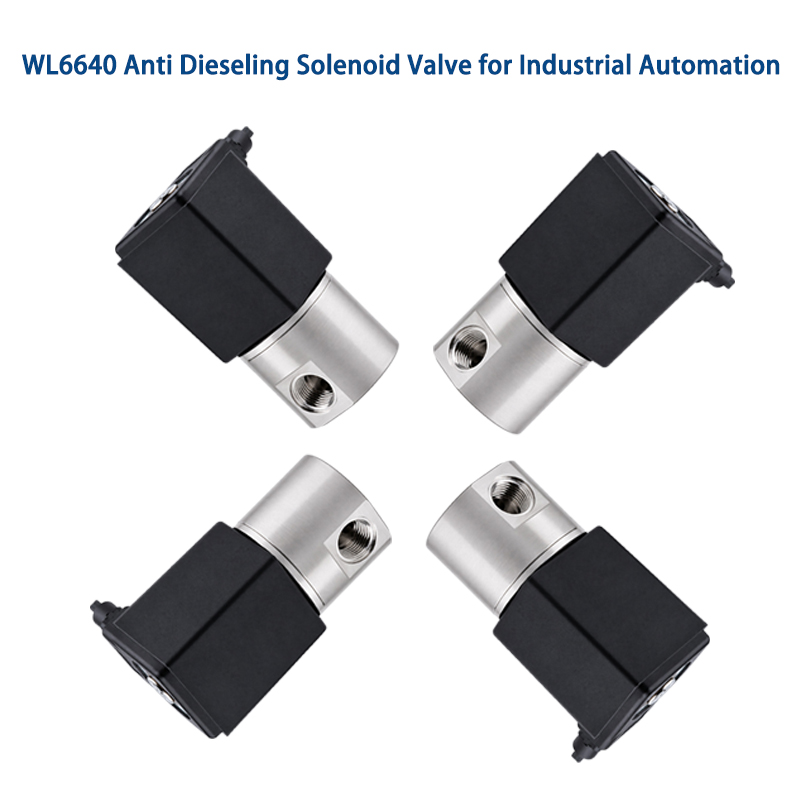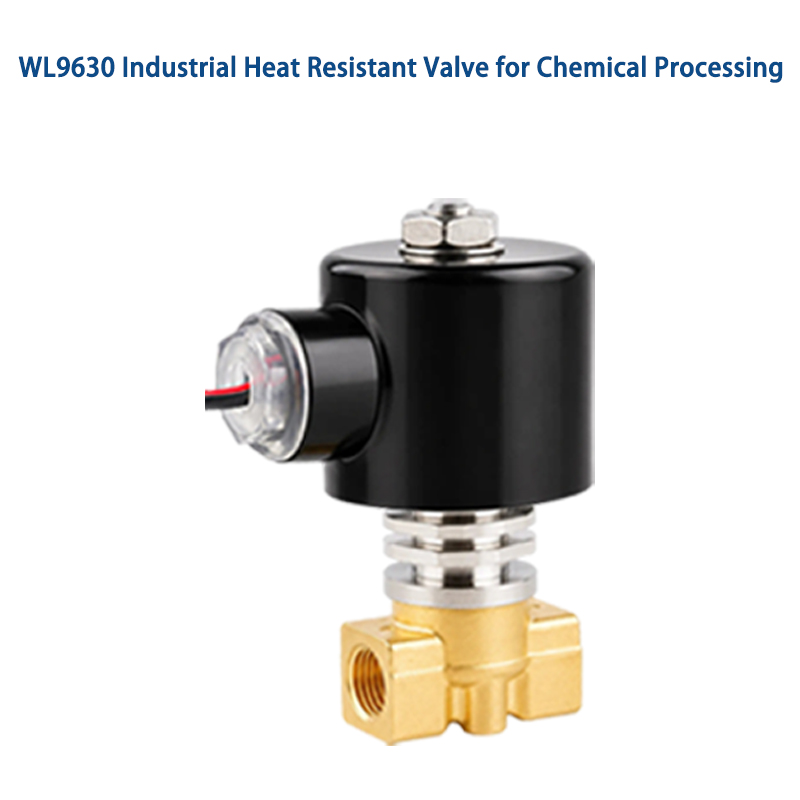
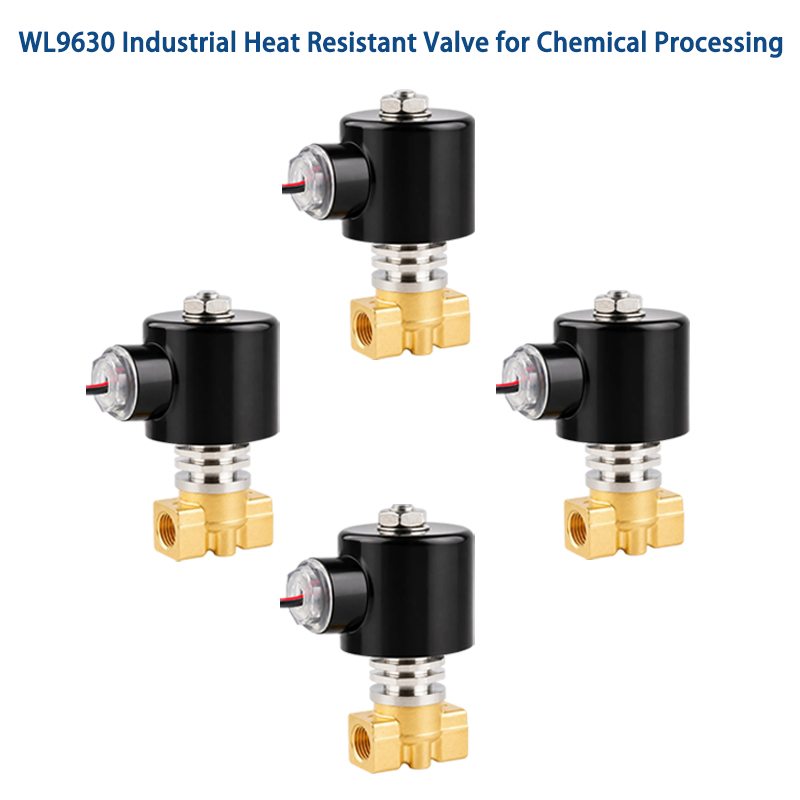
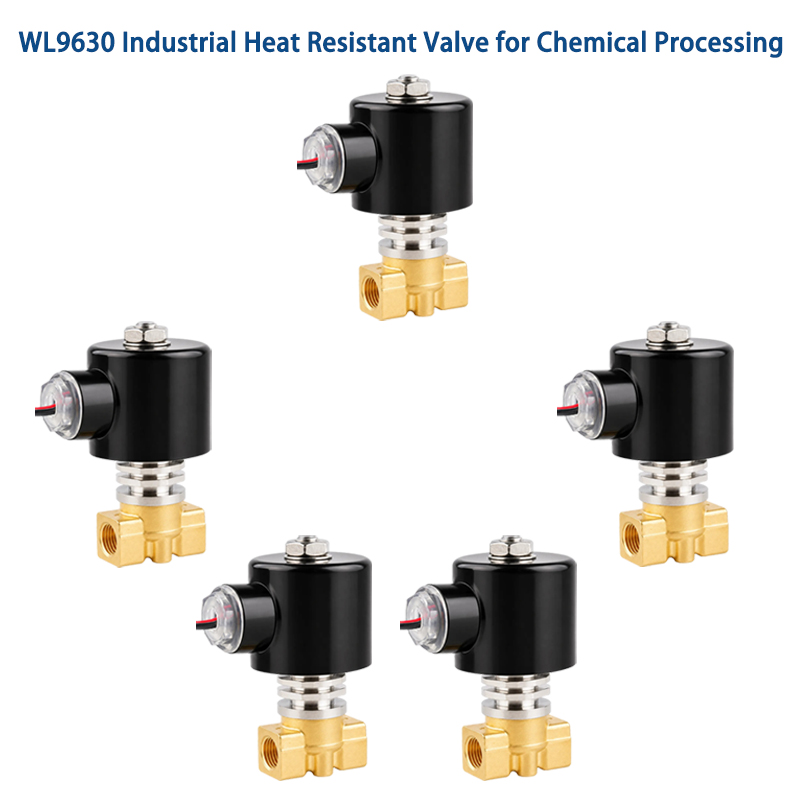
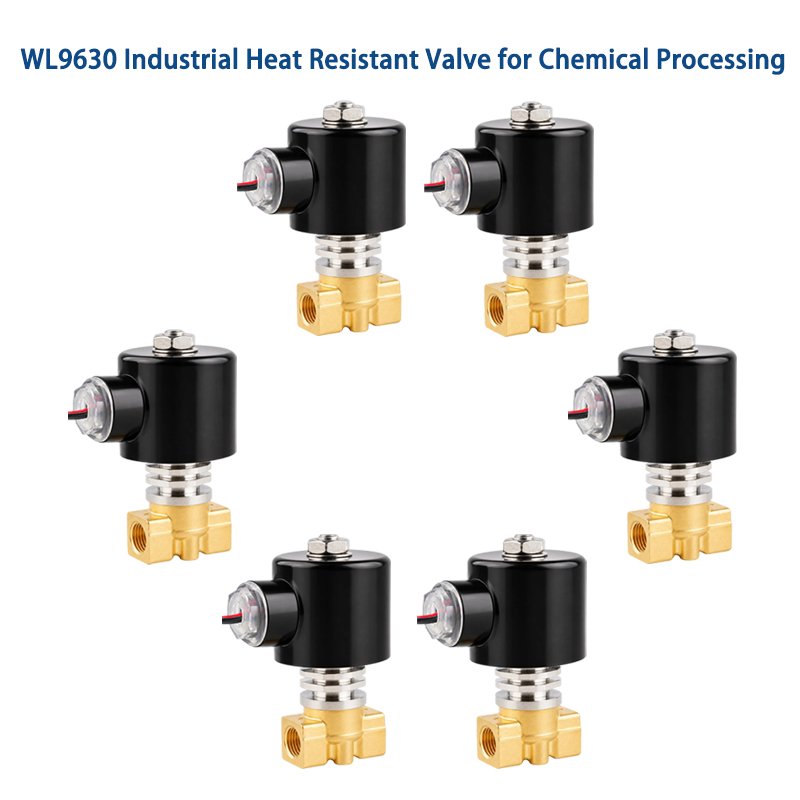
Choosing a Valve That Can Withstand Heat
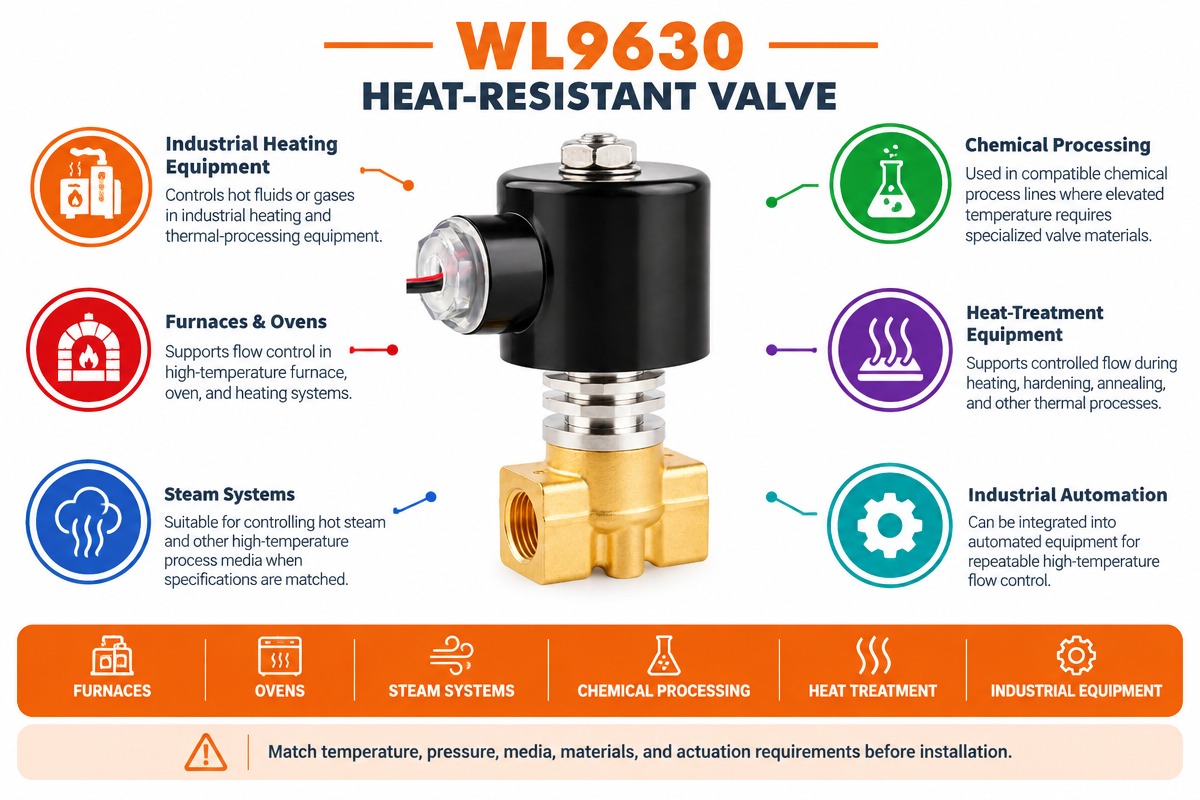
Selection of the proper heat resistant valve is not only the selection of max temperature. The valve should be selected with regard to the whole operating environment.
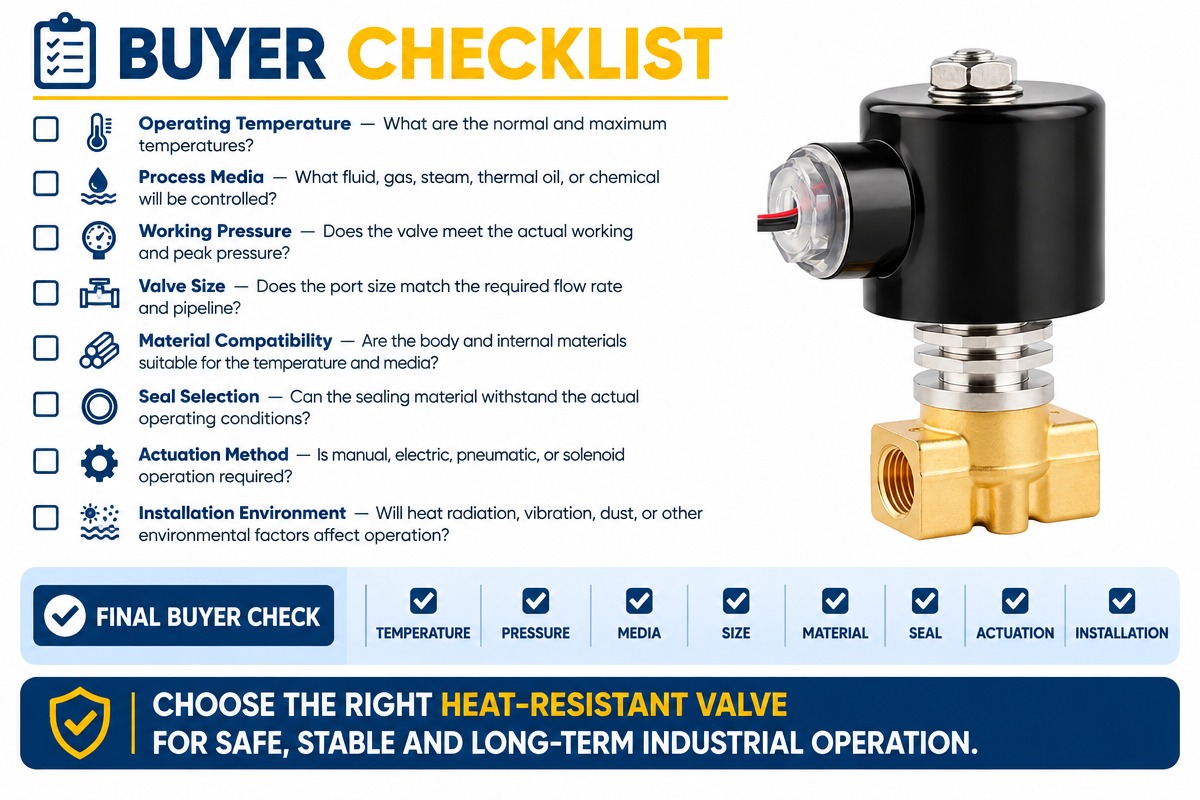
1.Determination of the Working Temperature
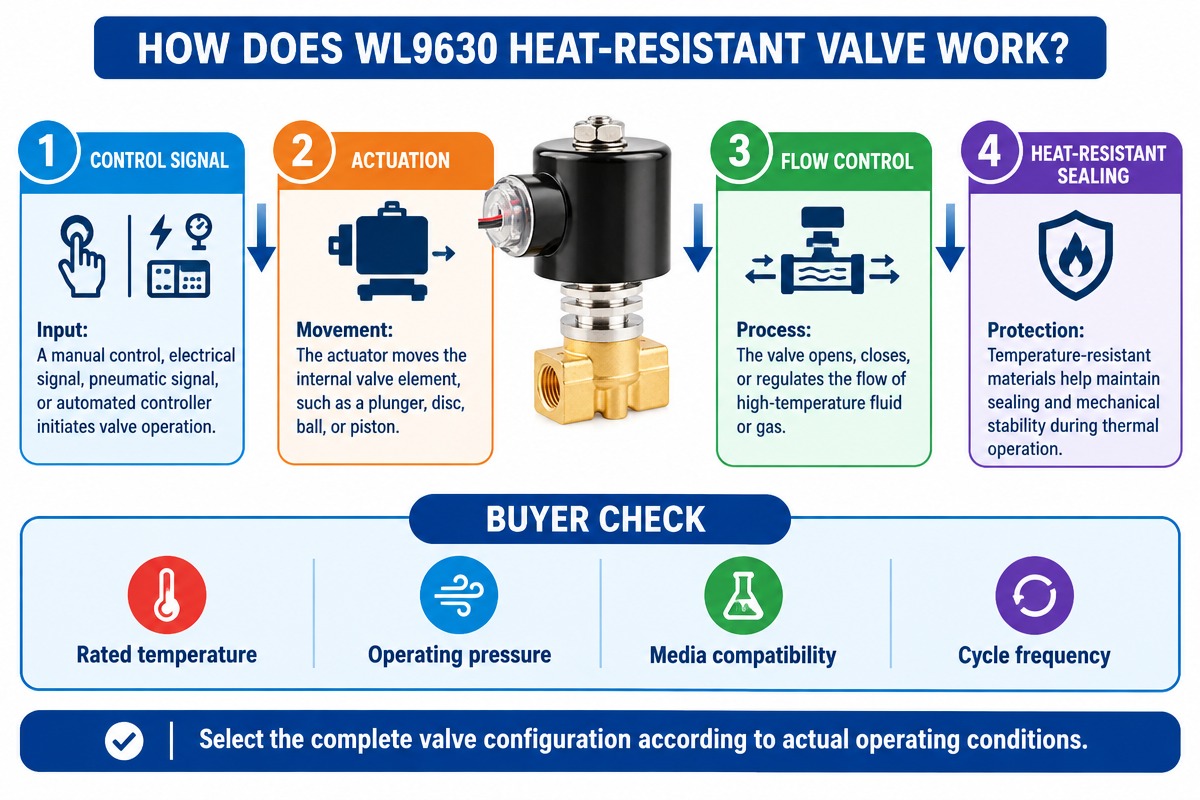
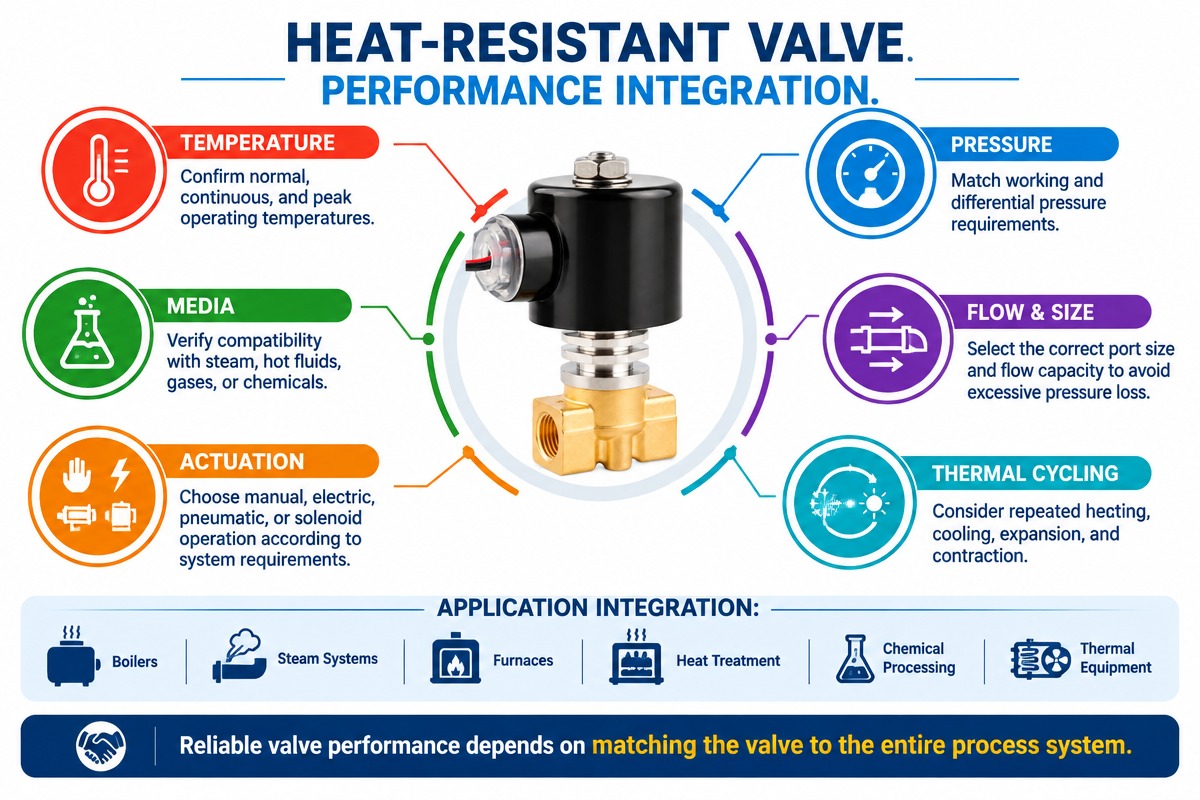
Determine the normal, operational and maximum temperatures. Take into account temperature cycling and temperature spikes. Instead of selecting valve with suitable temperature rating, choose the valve that has suitable temperature rating.
2.Process Media Check
Check the compatibility of valve with steam, hot water, thermal oil, gas, chemicals or other media. Ensure compatibility of media with valve body, internal components, seals and coatings.
3.Pressure Specifications Evaluation
Determine inlet pressure, outlet pressure, pressure difference and potential pressure surges. The pressure rating of the valve should be sufficient for actual service conditions.
4.Selection of the Valve Type
Select the operation principle according to the application. Depending on the flow control requirements, solenoid, pneumatic, electric, manual, ball, globe or other valves may be suitable.
5.Flow Capacity Selection
Choose the proper port size and flow capacity. Valve that is too large can provide insufficient control. Valve that is too small can result in excessive pressure loss and limit performance.
6.Evaluation of Materials
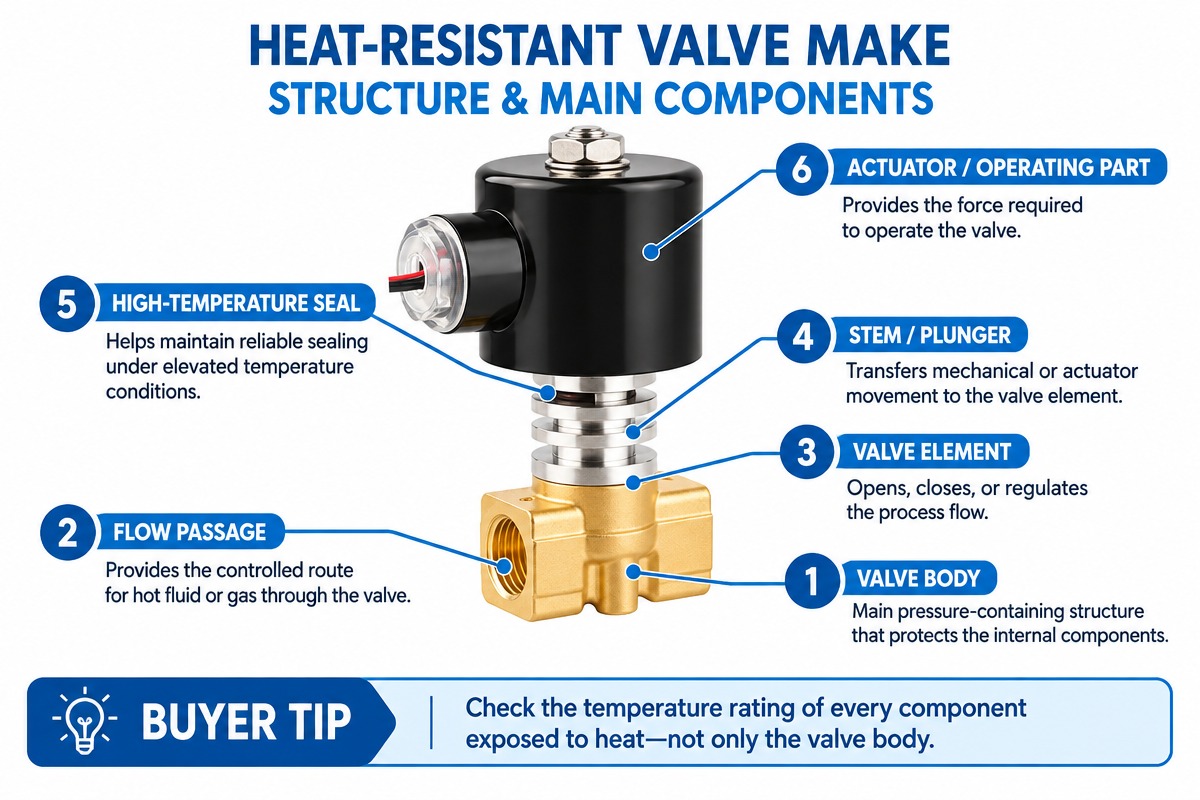
Depending on temperature, pressure, corrosion exposure and media compatibility select stainless steel, brass, alloys or other materials.
7.Seals Evaluation
The seals are especially important in high temperature applications. Ensure that the selected seal material is suitable for actual temperature and media.
8.Installation Consideration
Check connection type, mounting orientation, installation space, electrical requirements and accessibility for maintenance.
9.Speed of Operation Evaluation
For the automated systems, the frequency of the valve operation should be considered. Proper actuator and seals durability are required for high-cycle applications.
10.Information about the Valve
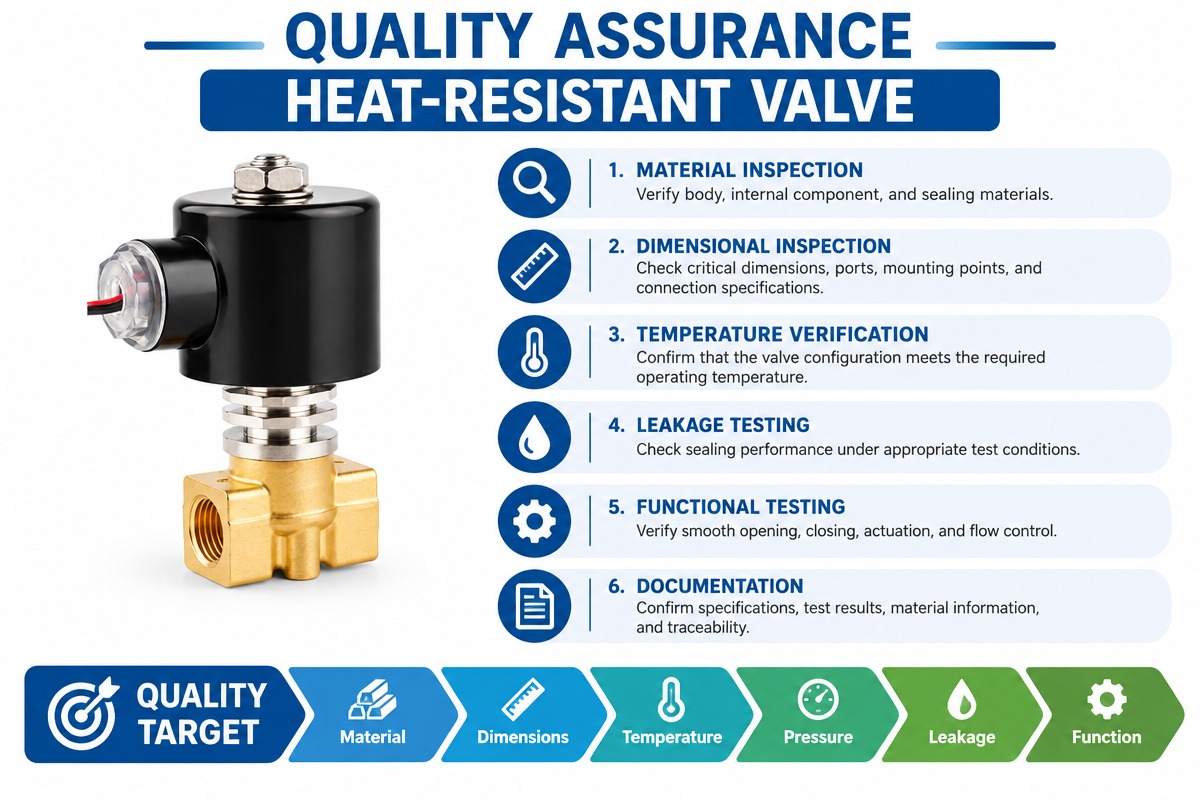
Before purchasing, check temperature ratings, pressure specifications, materials, dimensions, test data and related standards.
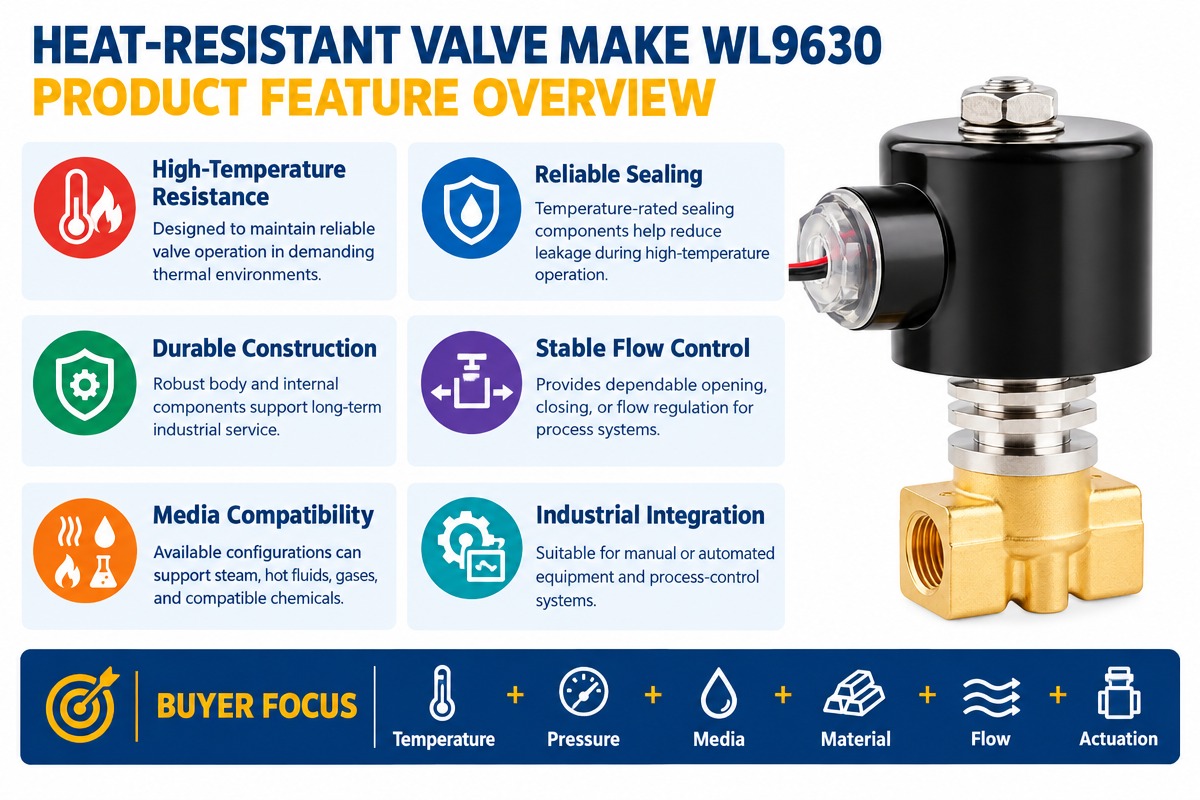
A properly selected valve should satisfy temperature + pressure + media + flow + materials + actuation + mounting requirements.
Tips for Avoiding Common Mistakes in Designing Heat-Resistant Valves
1. Choose for More Than Temperature
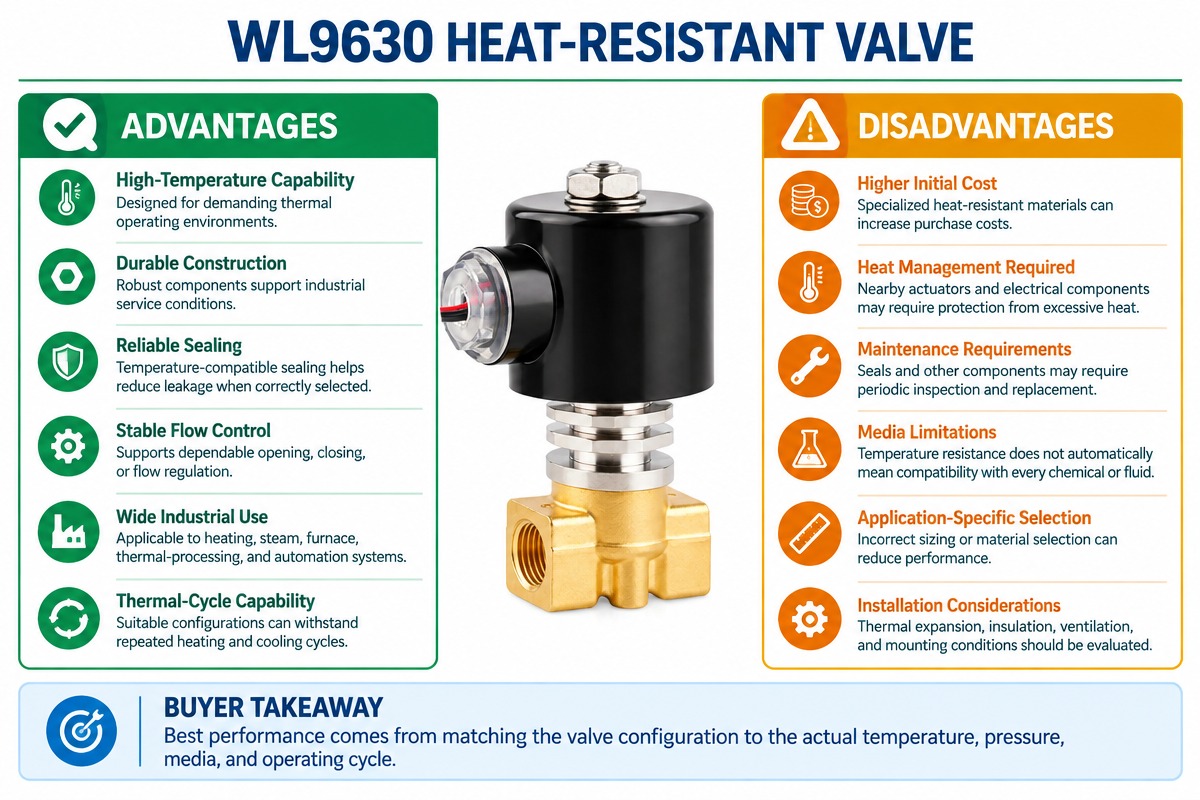
Even though a valve can withstand the temperature, it can fail due to unsuitable pressure, media or seals.
2. Do Not Choose the Wrong Seal
The seal material should be compatible with the temperature and the process media.
3. Don’t Forget Thermal Expansion
Repeated heating and cooling can cause expansion, contraction, deformation and connection stress.
4. Do Not Under Size
If a valve is too small, the flow will be too small and pressure loss will be too high.
5. Don’t Go Overboard
Poor flow control and extra costs are the results of an oversized valve.
6. Consider Heat Transfer
Heat can be transferred from the valve body to actuator or electrical components. Protect heat sensitive components when necessary.
7. Check the Media Compatibility
Do not assume that a temperature resistant material is suitable for all chemicals and process fluids.
8. Maintenance Considerations
Ensure that seals, coils, actuators and other maintenance parts are accessible for inspection and replacement.
9. Check the Whole System
Consider the valve and the whole system including pipes, fittings, pumps, actuators, insulation and control systems.
10. Test Before Full Production
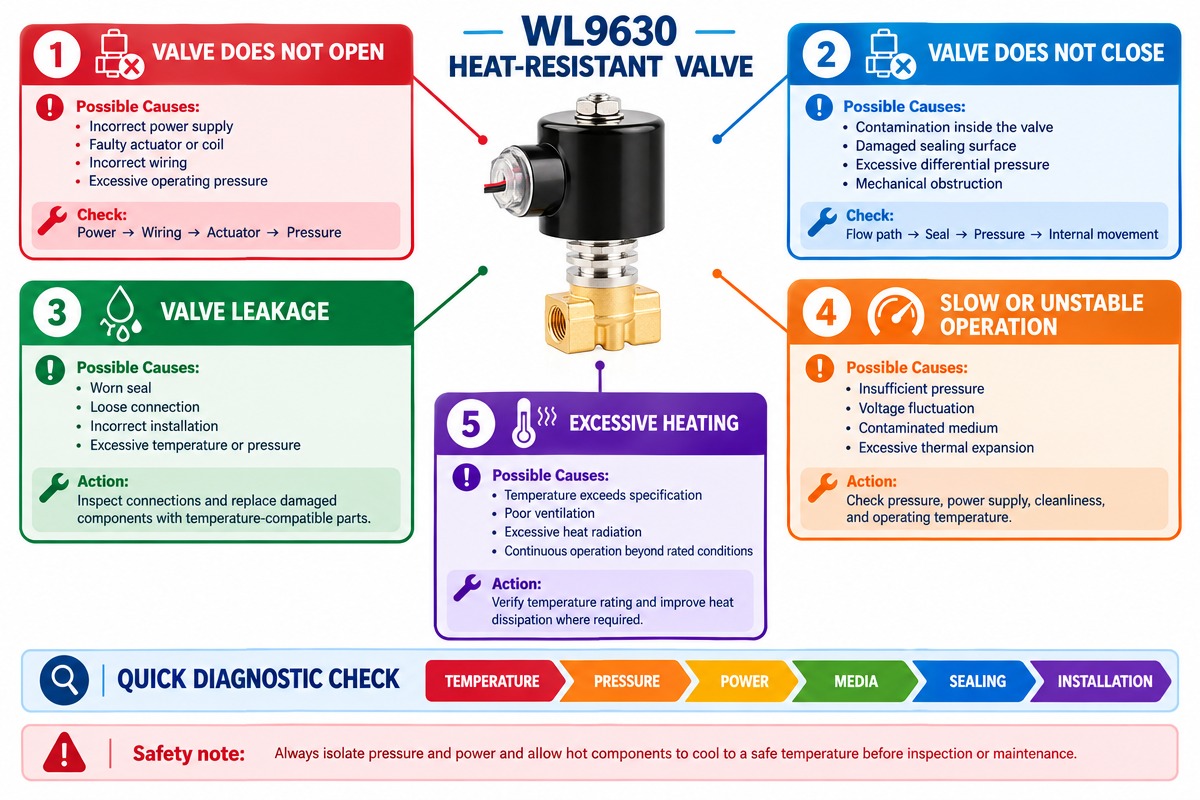
When conditions are harsh, perform a test of the valve under the conditions similar to actual temperature, pressure, media and cycling.