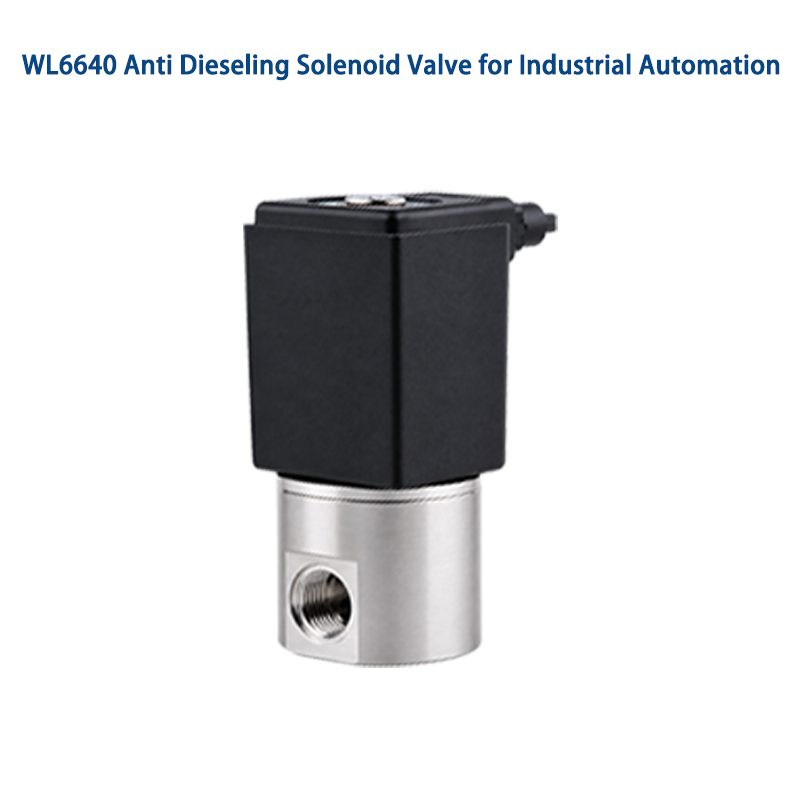
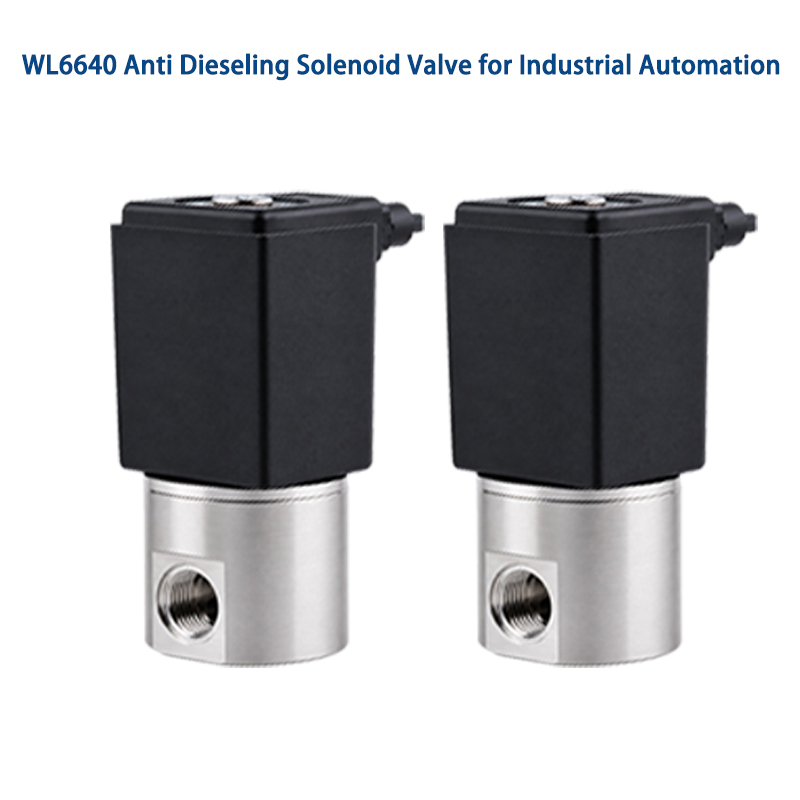
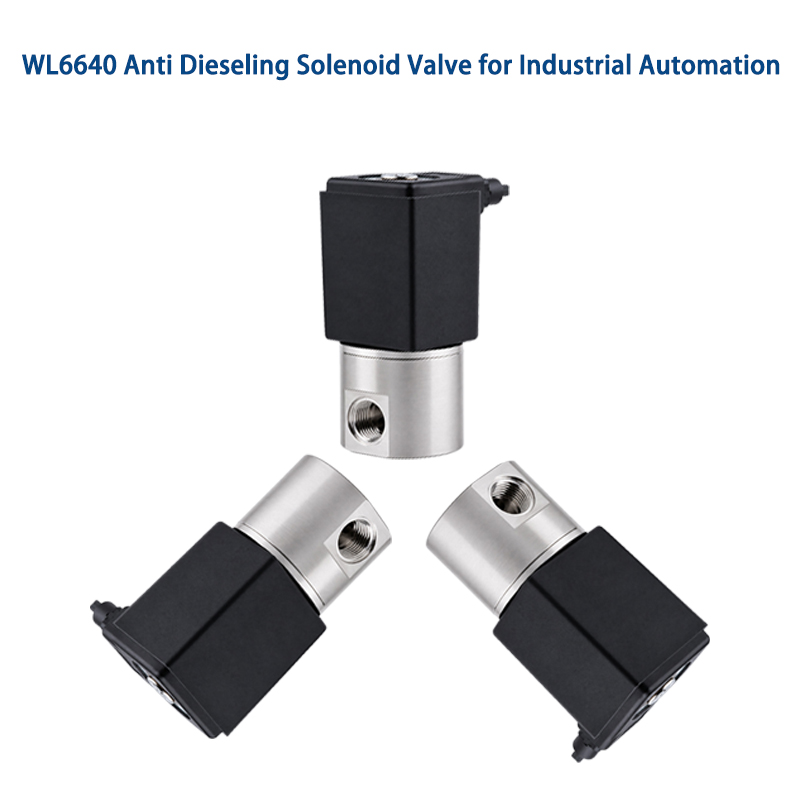
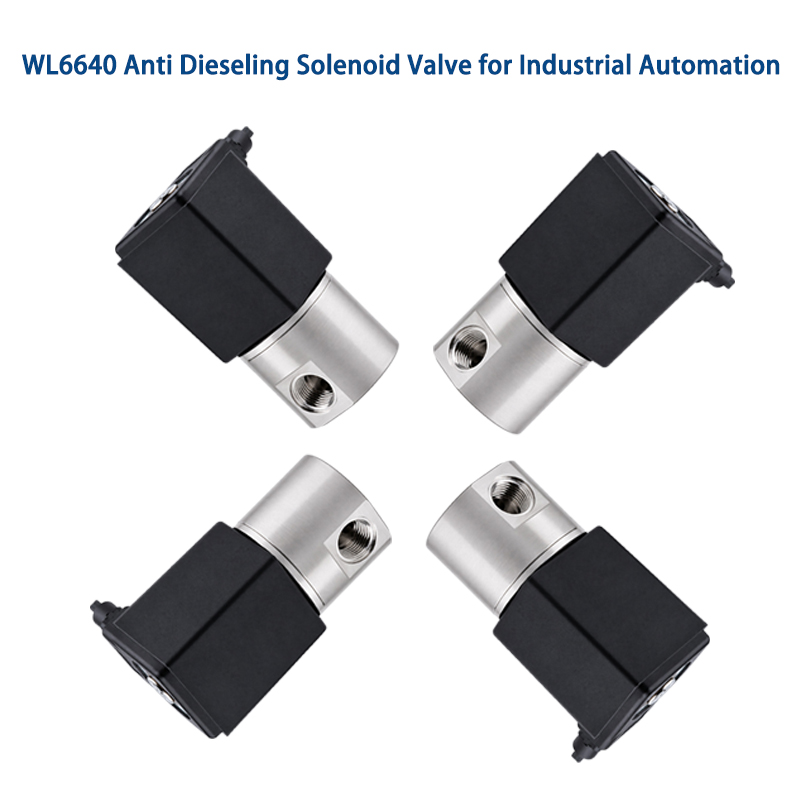
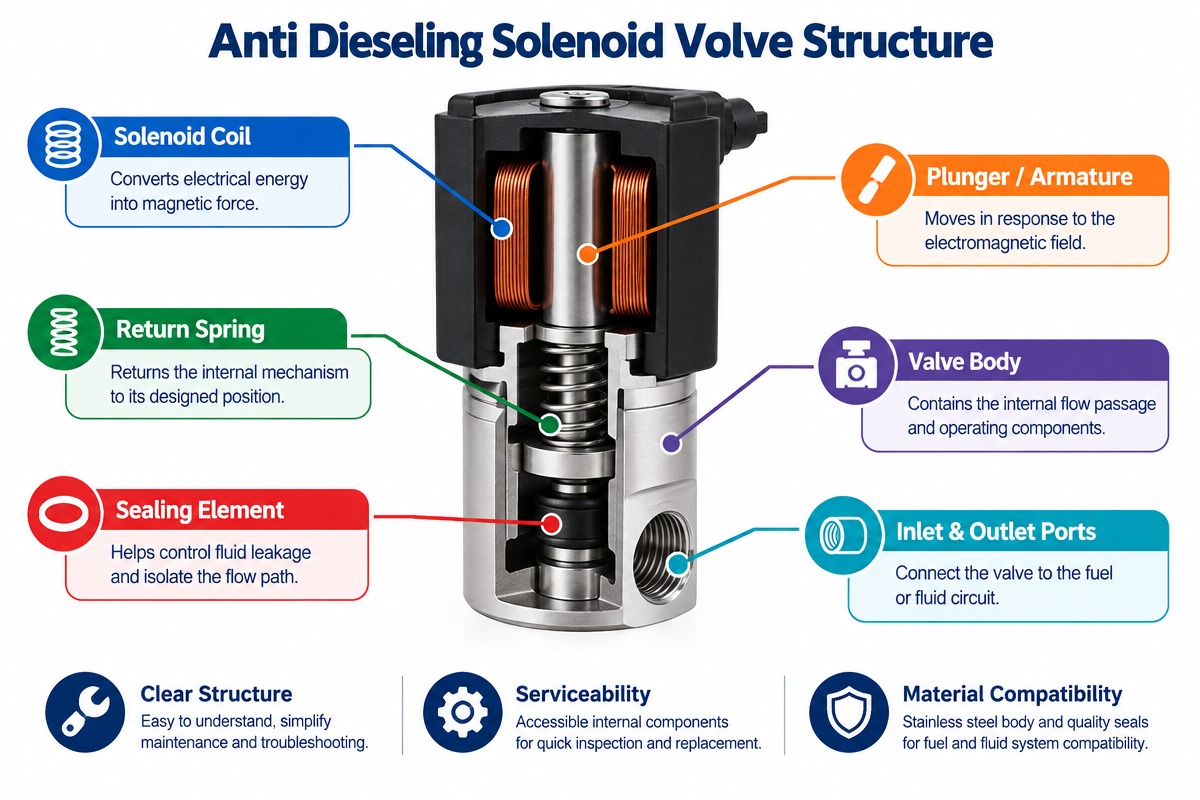
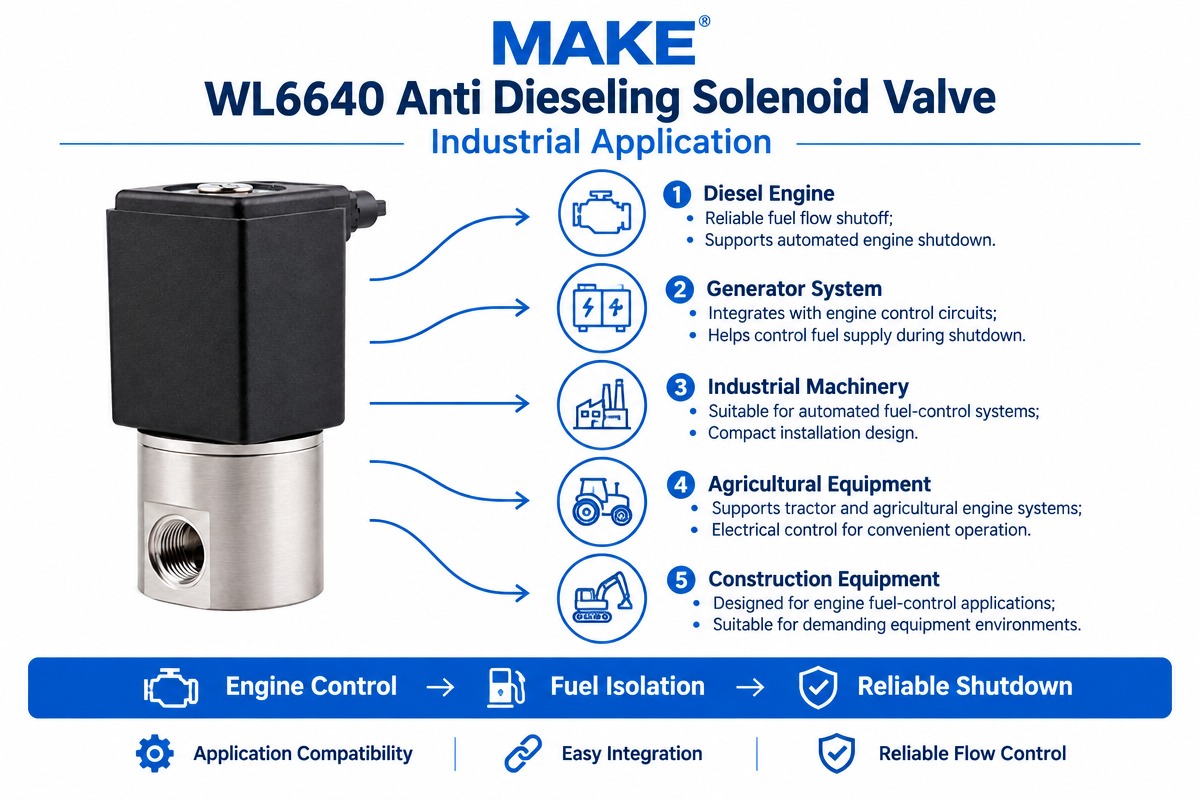
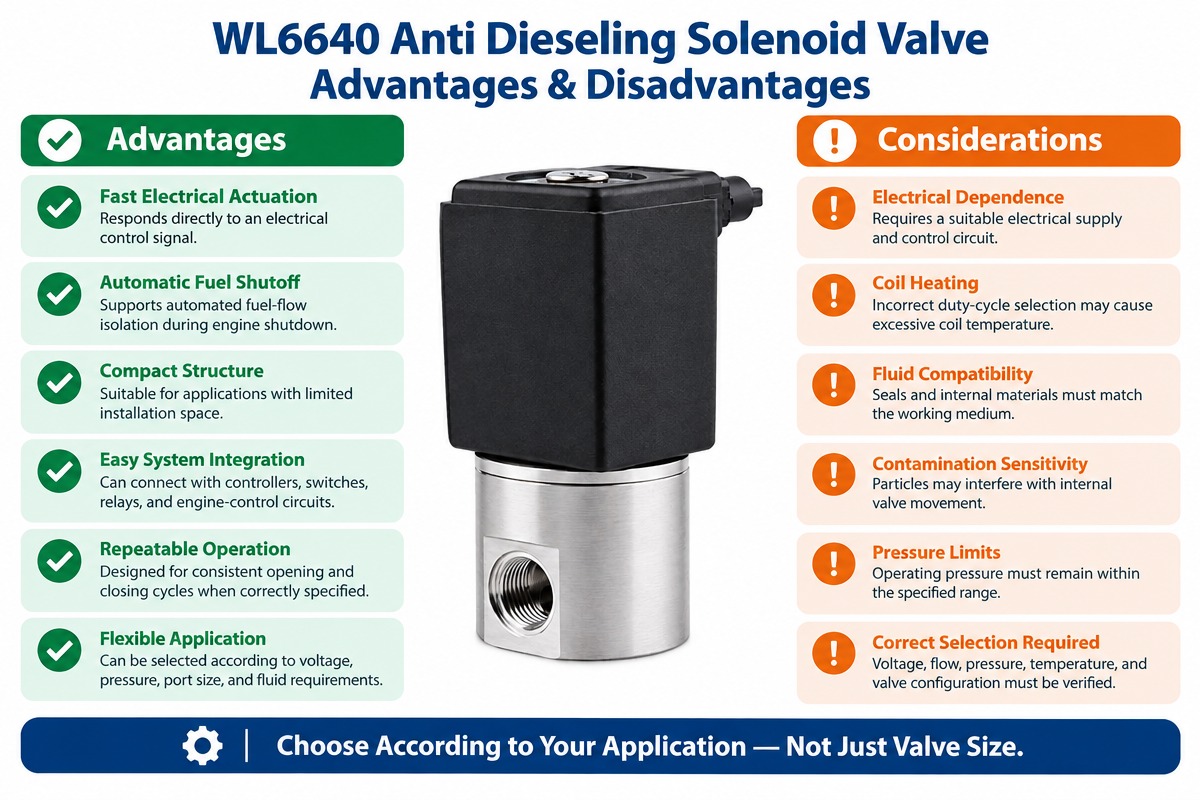
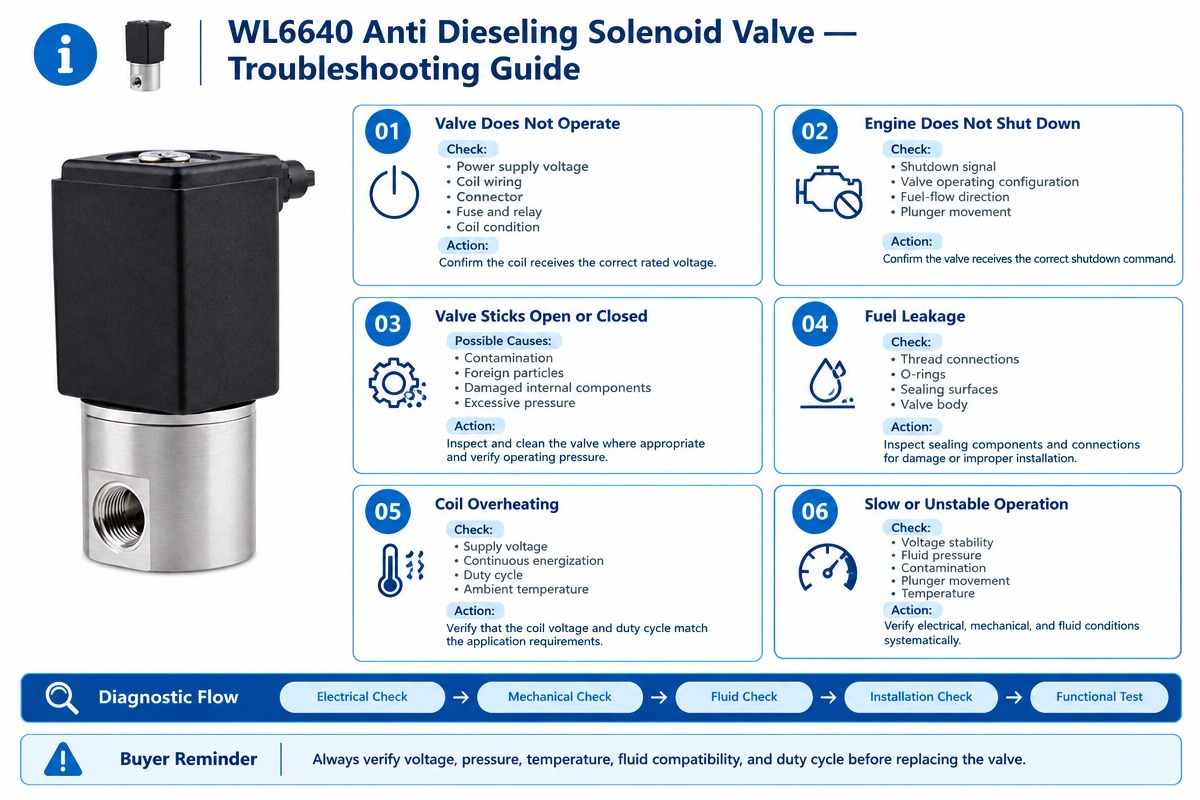
Selection of the Anti Dieseling Solenoid Valve
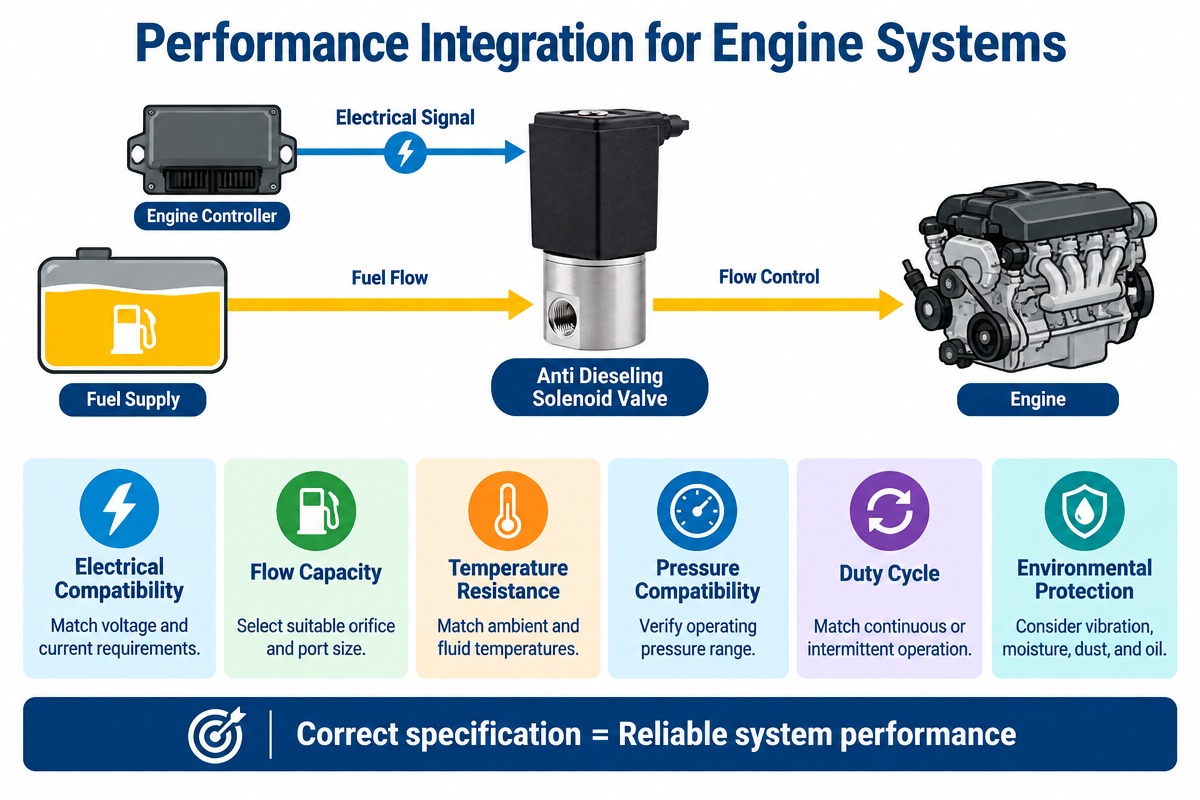
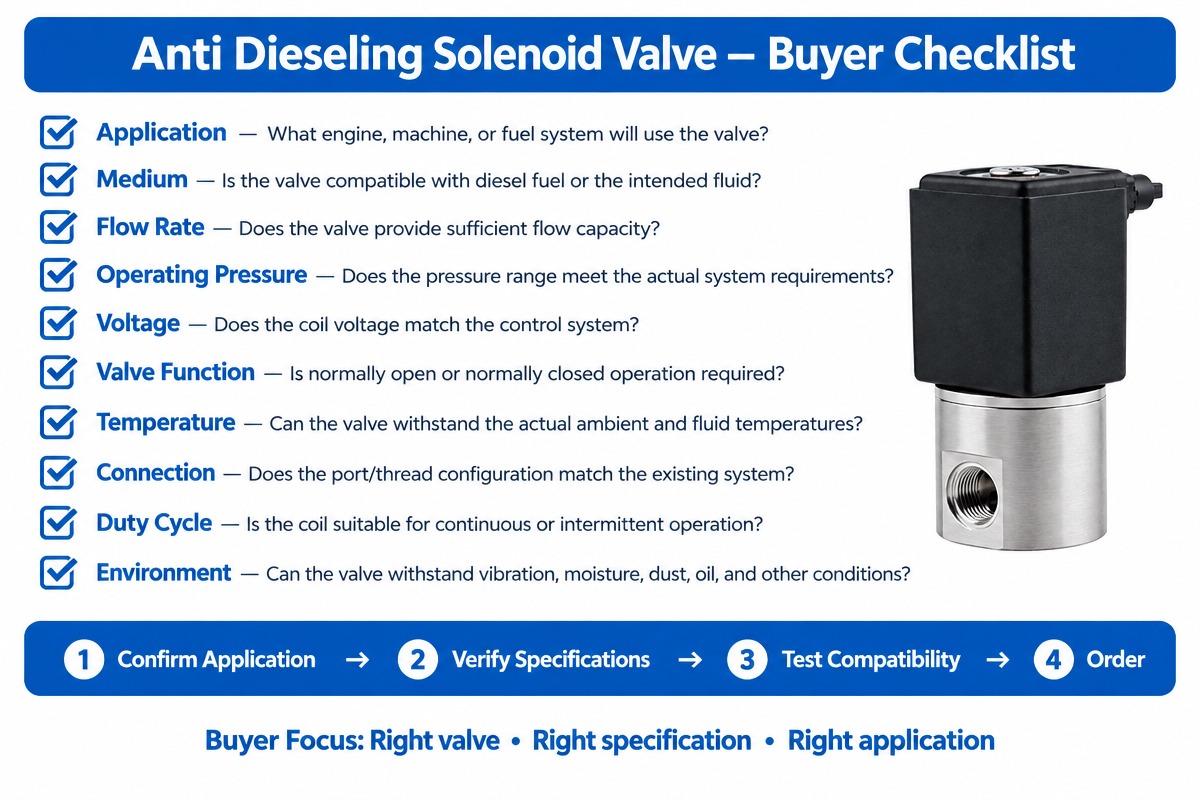
It is necessary to perform the correct selection of the anti-dieseling solenoid valve, taking into account mechanical, electrical, and environmental parameters.
1. Select a Medium
First, it is necessary to identify which medium the valve will work with. Diesel fuel, gasoline, lubricating oil, air, water, and chemicals are subjected to different compatibility requirements. The compatibility of the body and seals with the actual medium should be verified.
2. Define Flow Rate Requirements
The required flow rate should be determined, the appropriate valve port size selected, and the valve orifice selected. An undersized valve can restrict the fuel flow, while an oversized valve increases the cost and provides unnecessary capacity.
3. Identify Working Pressure
It is necessary to identify the minimum and maximum system pressure. The valve pressure range should cover all operating conditions, including start-up and shutdown pressure.
4. Specify Electrical Specifications
Available control voltages, such as 12 VDC, 24 VDC, etc., should be identified. Other electrical specifications include current draw, coil power consumption, wiring configuration, and connector type.
5. Select Valve Function
It is necessary to determine the valve function, such as normally closed, normally opened, or some other function. The valve position without power should be defined.
6. Consider Temperature
The ambient temperature and the temperature of the fluid around the valve should be measured. The appropriate coil insulation, body material, and seals that can work in the actual temperature range should be selected.
7. Evaluate Environmental Conditions
Vibration, dust, moisture, oil exposure, and outdoor conditions influence the life of valves in engines and machinery. Suitable valve enclosure and protection levels should be selected.
8. Confirm Installation Requirements
Thread type, flange configuration, valve orientation, installation space, and flow direction should be confirmed before ordering.
9. Consider Duty Cycle
The valve duty cycle should be verified: whether the valve is momentarily operated at shut-down or energized continuously. The coil capable of operating under the actual duty cycle should be chosen.
10. Safety Requirements Validation
Finally, it is necessary to consider the required fail position, manual override, response time, and compatibility with the engine shutdown circuit. Testing of the entire valve-engine system prior to production will help to guarantee the reliable operation.
Tips to Avoid Common Design Mistakes
Do not rely only on port size. Also, flow rate and pressure drop should be considered.
Media compatibility check. Seal materials that work with water may not be compatible with the diesel fuel or chemical.
Voltage match. Incorrect voltage can lead to overheating, weak actuation, or coil failure.
Fail position selection. Whether the valve opens or closes without the power should be determined.
Operating temperature verification. The engine compartment can expose the valve and coil to the higher temperature.
Vibration consideration. Automotive and industrial engines require proper mechanical construction and mounting.
Correct flow direction. Follow the indicated flow direction if it is provided by the manufacturer.
Consider the duty cycle. A coil that is meant for intermittent operation can be overheated under continuous energization.
Wiring protection. Wiring should be protected against vibration, heat, oil, and mechanical damage.
Shutdown test. The valve operation during shut-down should be verified.
Pressure transients. Start-up and shut-down conditions can be much different than normal operation.
Suitable filtration. Contamination can cause the plunger sticking and incomplete closure.