Skip image slider
Acid Resistant Solenoid Valve Industrial Fluid Transfer
Acid Resistant Solenoid Valve Industrial Control Safety
Acid Resistant Solenoid Valve Industrial Process Piping
Acid Resistant Solenoid Valve Industrial Corrosion Flow
Acid Resistant Solenoid Valve Industrial Plant Handling
Acid Resistant Solenoid Valve Industrial Treatment Flow

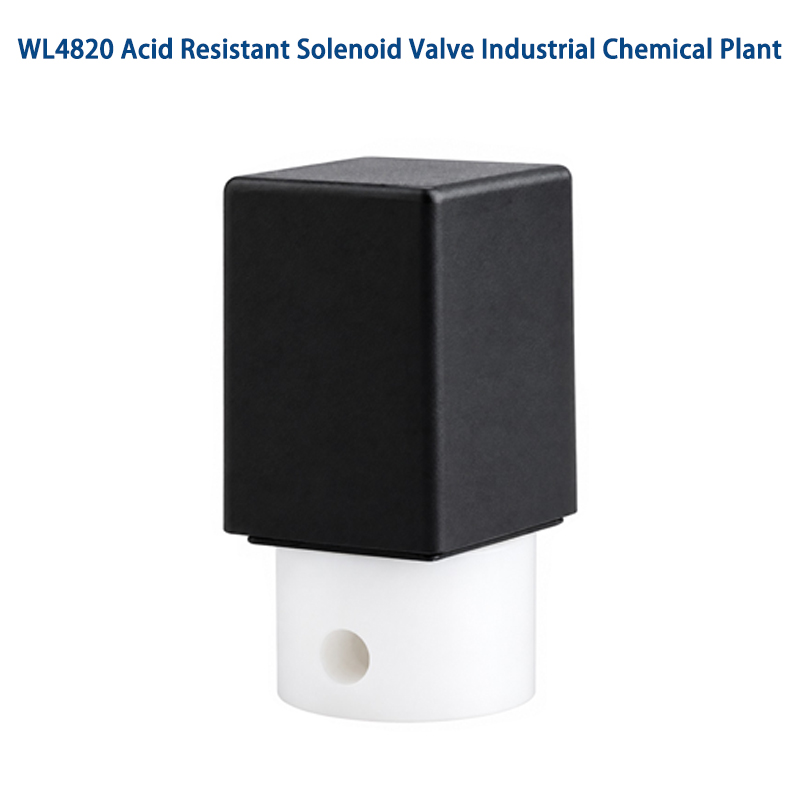
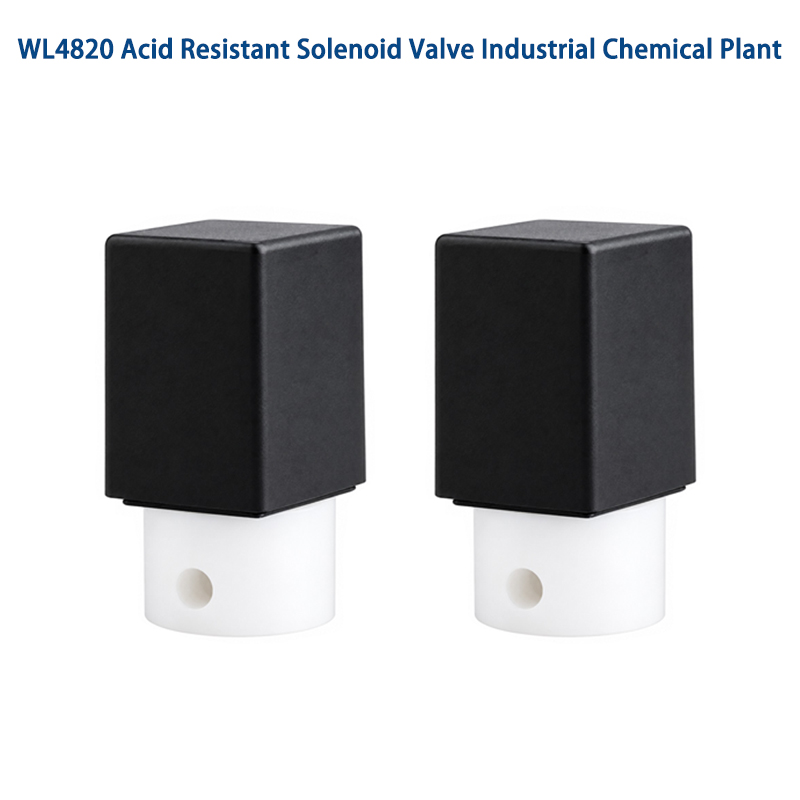
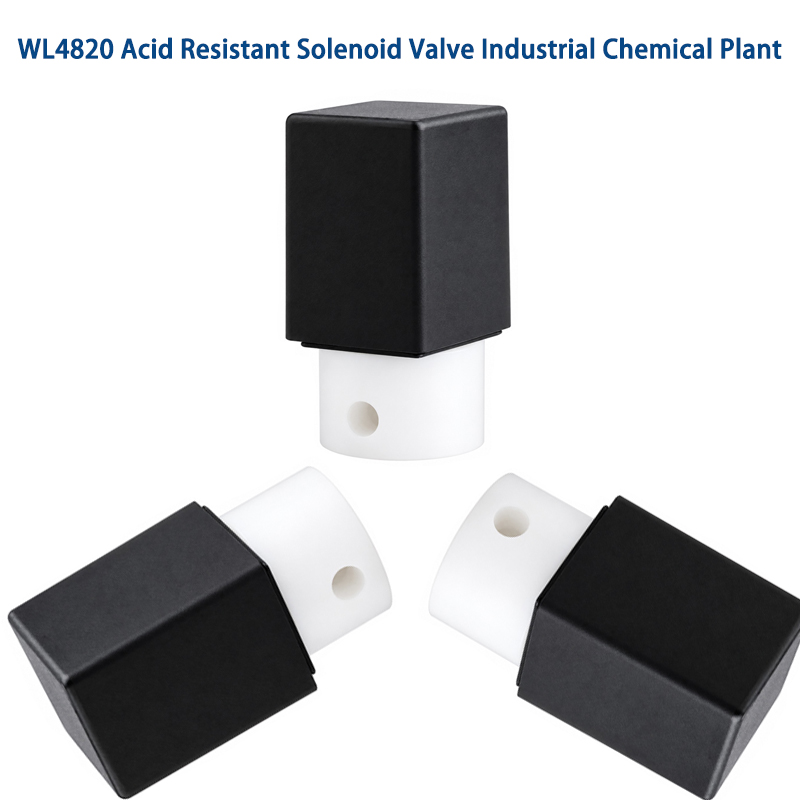
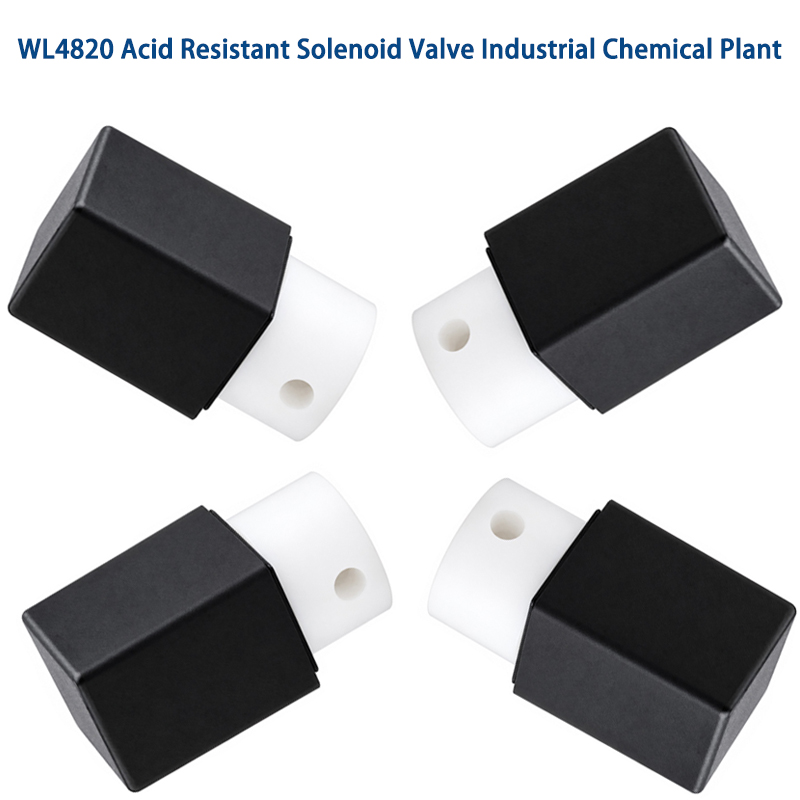
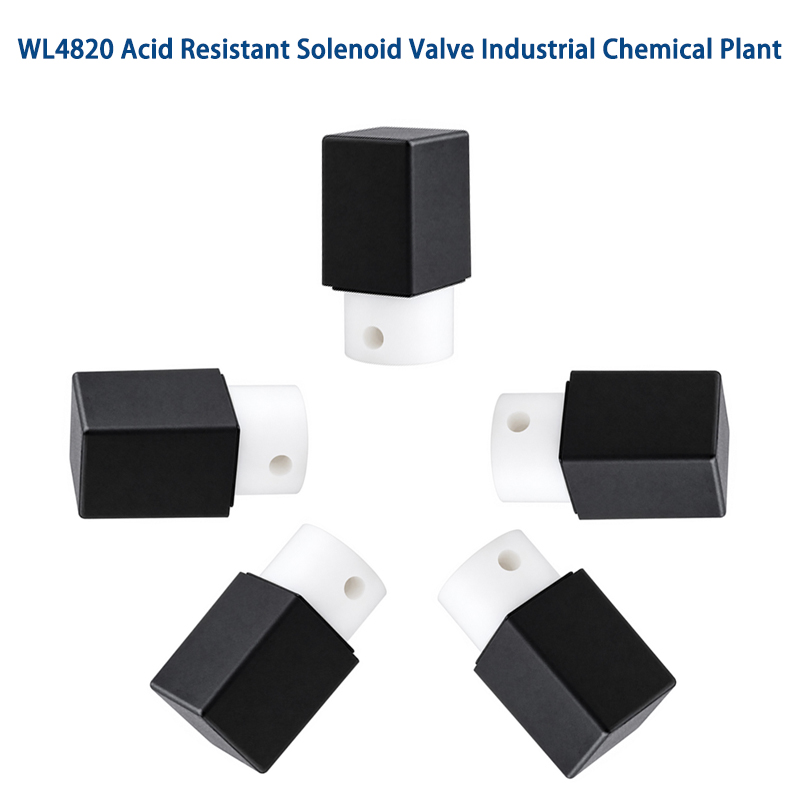
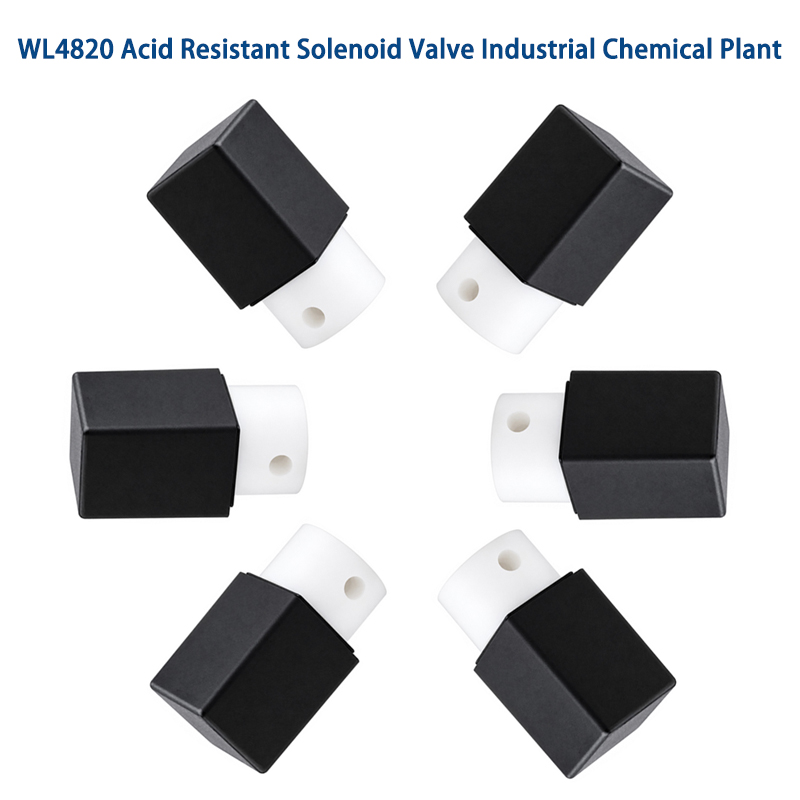
WL4820 Acid Resistant Solenoid Valve Industrial Chemical Plant

Acid Resistant Solenoid Valve is an electronically operated valve to control acids and corrosive or chemically aggressive fluids in industrial systems. A chemically resistant construction and sealing materials ensure protection of critical internal valve components when handling acids and other arduous media. This way the valve either opens or closes the fluid passage according to the electrical control signal . With the help of electromagnetic coil, the process becomes automated. Depending on the application, the valve body, seals and wetted parts can be manufactured from PTFE, reinforced plastics, stainless steel and other chemically compatible materials. Acid Resistant Solenoid Valves are utilized in chemical processing, water and wastewater treatment, laboratory equipment, plating systems, dosing equipment, semiconductor manufacturing and industrial cleaning systems. Proper choice of materials, pressure ratings, temperature ratings, flow capacity and chemical compatibility is very important for the reliable performance of these valves.

Acid Resistant Solenoid Valve Description

What is Acid Resistant Solenoid Valve?

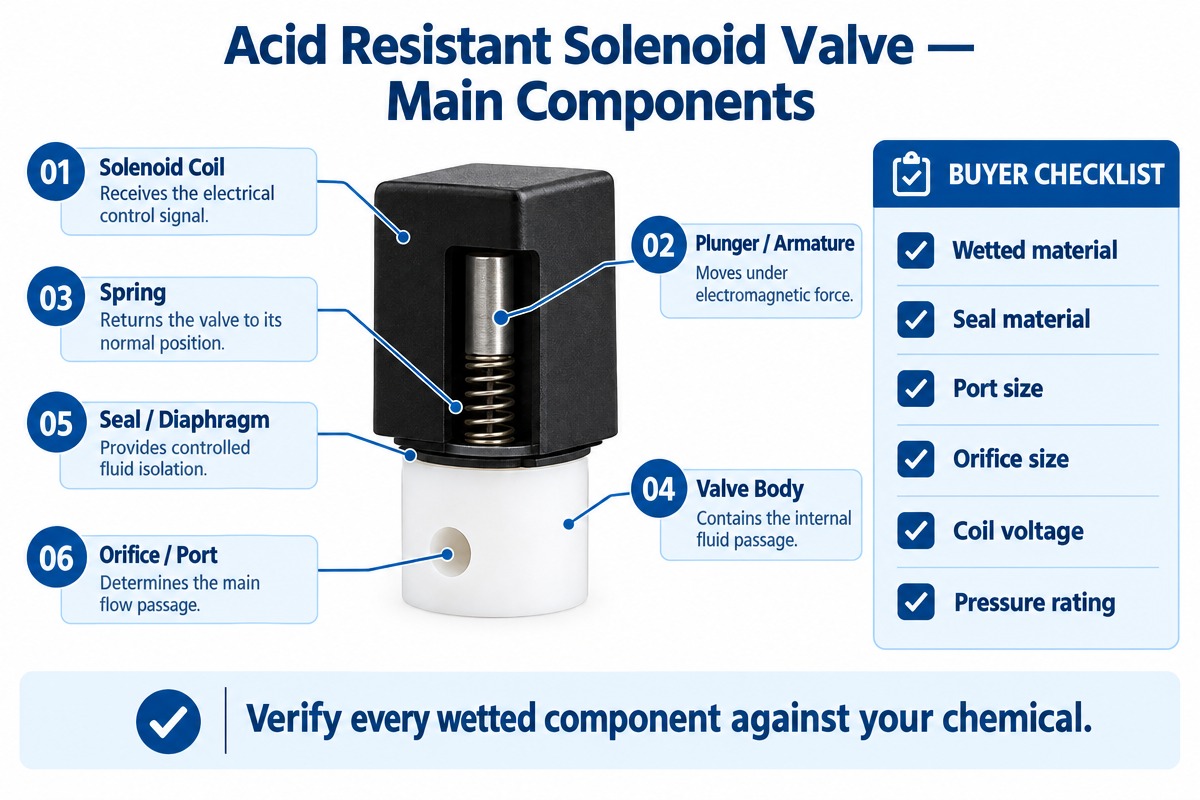
Acid resistant solenoid valve is an electronically operated valve for the control of acids and other chemically aggressive fluids. In contrast to regular valves, it incorporates chemically resistant materials and sealing elements. The valve usually consists of the electromagnetic coil, plunger, spring, valve body, orifice and seals. When electrical power is applied, the magnetic field moves the plunger and changes the state of the fluid passage from open to closed. Depending on the construction type, the valve is either direct acting or pilot operated. Acid Resistant Solenoid Valves are used in chemical processing, water treatment, plating, dosing and cleaning equipment.

How Does Acid Resistant Solenoid Valve Work

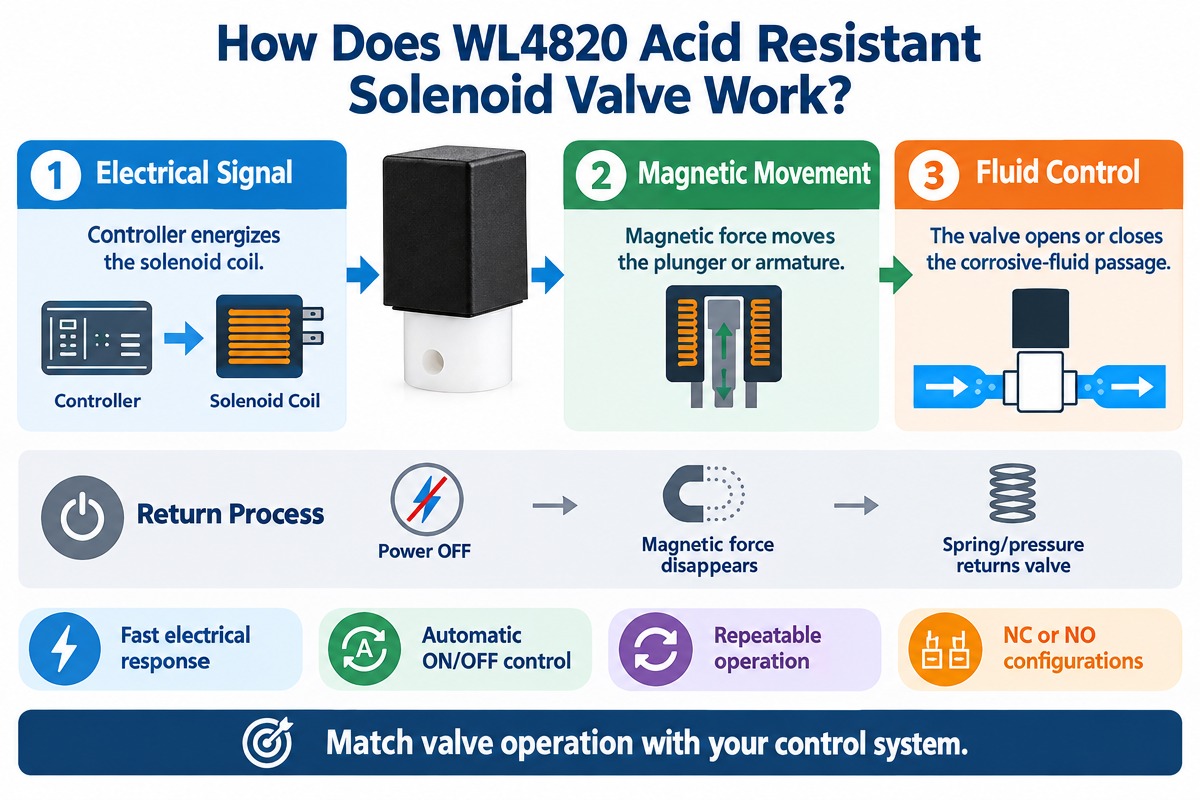
Acid Resistant Solenoid Valve works due to transformation of electrical signal into mechanical motion.

Electrical signal: The controller supplies voltage to the coil of the solenoid.

Magnetic field: When the coil is energized, the magnetic field appears.

Plunger action: The magnetic field attracts or repels the plunger or armature.

Depending on the construction of the valve, the valve is either opened or closed due to moving the plunger, which moves the sealing element and the fluid passage.

Fluid control: The valve controls the required volume of acid or corrosive fluid.

Power removal: When the electrical signal is removed, the magnetic field disappears.

Return action: The valve is brought back to its normal position by means of spring or pressure.

The exact work principle differs depending on the normal state of the valve (normally closed or normally open) and its construction type (direct acting or pilot operated). The material used for construction of corrosive duty valve must be compatible with the particular acid, its concentration, temperature and pressure.

Acid Resistant Solenoid Valve Video

Acid Resistant Solenoid Valve Detail Display

Acid Resistant Solenoid Valve Data Sheet

Brand Weilong Model Number WL 4820
Rated Voltage (V) DC12Vย  or 24V Rated Power (W) 3W
Work Mode Air or Liquid Control Valve Working Pressure (MPa) 300KPa
Air-Flow Rate 0 L/minute Reset Time(s) 0.25 S On, 0.25 S Off
Service Life 200 Thousand Times Certification CE, ROHS, ISO9001,
Pipe Gate ย inside: 2.0 mm Lead Wire Length(mm) 48 MM
Install Style Screw Tolerance of Dimension ยฑ 0.1 MM
Water-proof None Insulation Class B
Hi-Pot Test AC 600V 50/60 Hz 2s Non-excitation Holding Force 0
Working Temperature -10ยฐC-100ยฐC Duty Cycle 1-100%
Thread Depth (mm) / Payment Term TT, or LC At Sight
Sample Order Yes Warranty 1 Year
MOQ 1000 pcs Supply Ability 5000 pcs per week
Delivery Time 30 Days Port of Loading Shenzhen

Why Is the Acid Resistant Solenoid Valve So Popular?

With the development of industrial systems and their increasing automation, as well as the growing demand for the chemically aggressive media handling, Acid Resistant Solenoid Valves are becoming increasingly popular. The automation of flow control allows reducing the number of valve operations and making the dosing, filling, isolation and transfer processes easier to control.

Another reason of popularity is material compatibility. The deterioration of the conventional valves by the aggressive chemicals can be accelerated. With the acid-resistant valves, the engineer can choose wetted materials which are appropriate for the process medium to solve the problem with corrosion and chemical attack.

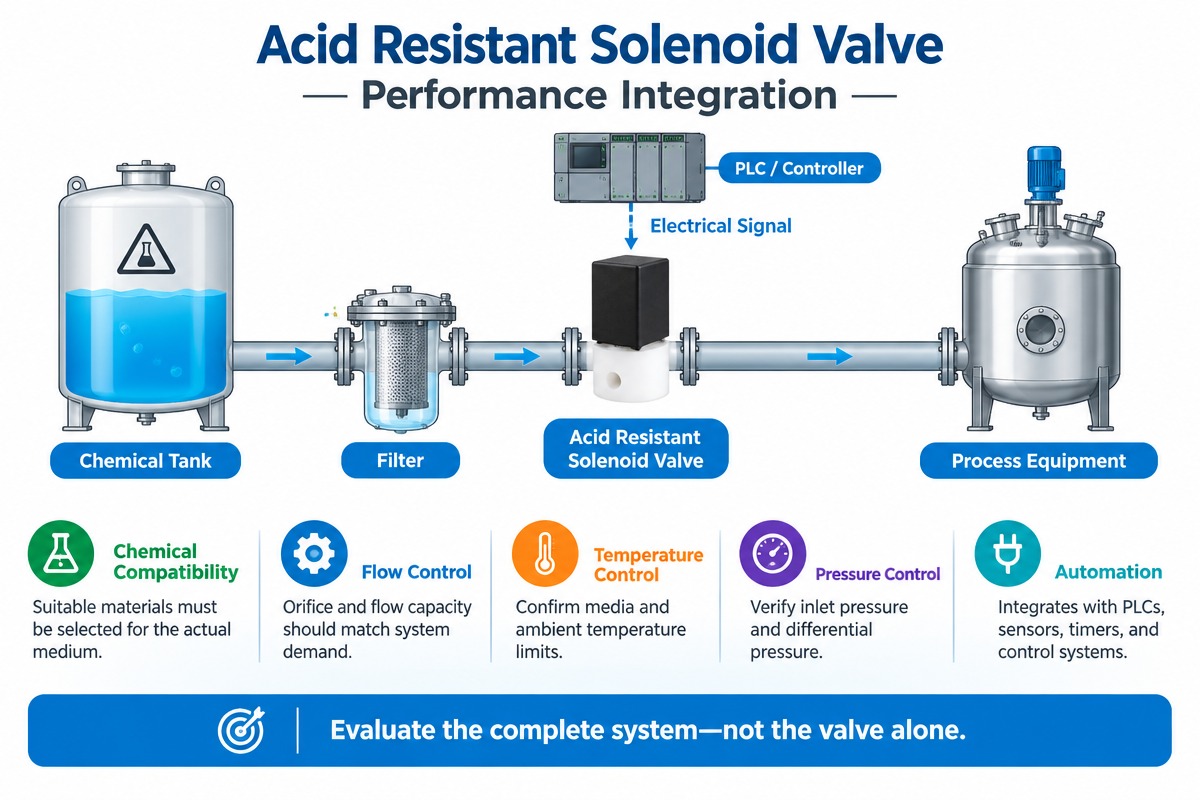
The modern automated systems are also good for these valves. Electromagnetic coils are controlled by PLCs, relays, timers, sensors and other control devices. Thus, these valves can be used for chemical dosing, water and wastewater treatment, plating and cleaning applications.

Moreover, these valves can be easily used in automatic industrial equipment because of their small size, rapid actuation, repeatable operation and relatively simple installation. Nevertheless, being popular does not mean that there is no need to check if the chemicals are compatible, and pressure, temperature and flow are correct.

Acid Resistant Solenoid Valve Applications

Acid Resistant Solenoid Valve Industrial Automation OEM

Acid Resistant Solenoid Valves are widely used in industrial systems for the automation of corrosive or chemically aggressive liquids flow control. They can be used for acid transfer, dosing, mixing, cleaning and isolation of the process in chemical processing. These are electronically operated valves and they can be used in automated production equipment controlled by PLCs.

These valves can also be used in water and wastewater treatment for chemical dosing for pH adjustment, neutralization, disinfection and treatment. There are many different treatment chemicals, so the proper material compatibility is an important parameter to consider.

Acid resistant valves can be used for electroplating and surface treatment process chemicals control for cleaning, etching, pickling and surface preparation. Appropriate valves can be used for chemical delivery and cleaning equipment in semiconductor and electronics manufacturing where fluid purity and corrosion resistance are important.

Other applications can be industrial cleaning equipment, chemical dosing skids, laboratory equipment, battery manufacturing, metal processing, printing systems and industrial filtration equipment.

The right valve should depend on chemical composition, concentration, temperature, pressure, flow rate, cleanliness requirements and operating cycle. Material compatibility should be verified before using the valve in the chemical process.

Acid Resistant Solenoid Valve Adv. & Disadv

Acid Resistant Solenoid Valve Industrial Automation OEM

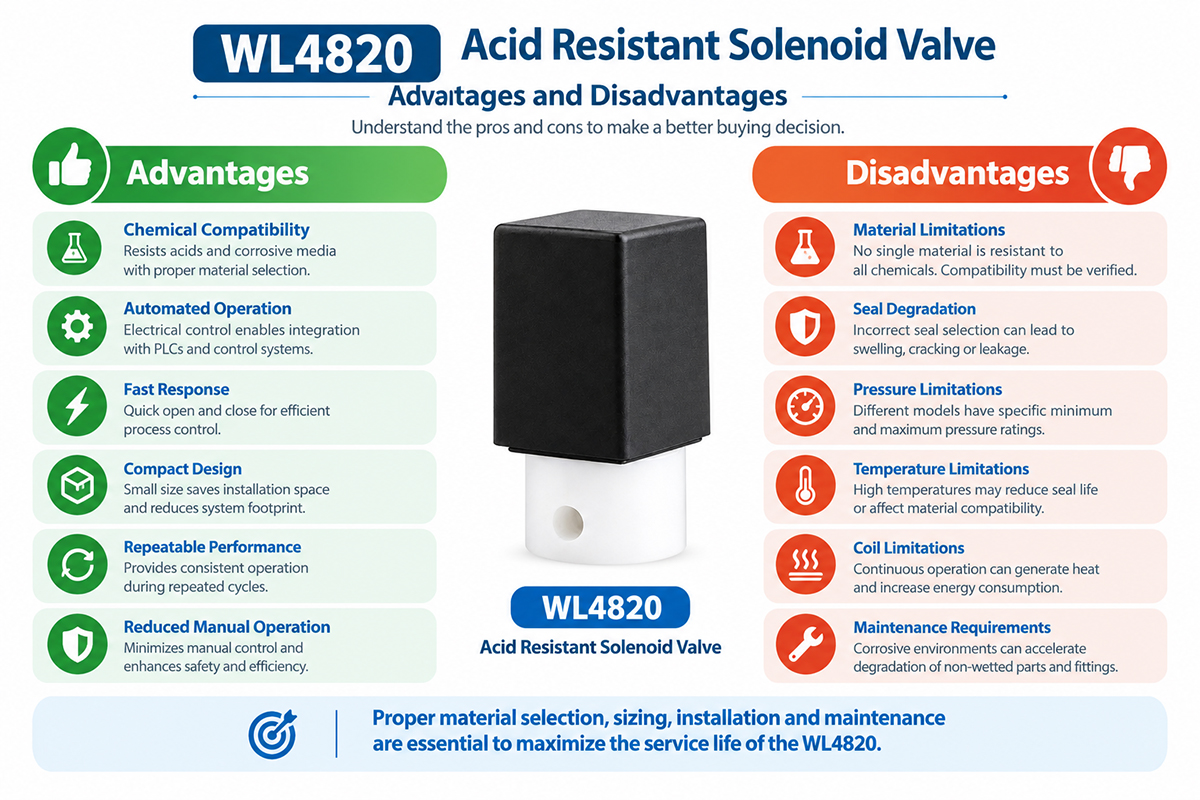
Advantages and Disadvantages of Acid Resistant Solenoid Valve

Pros –

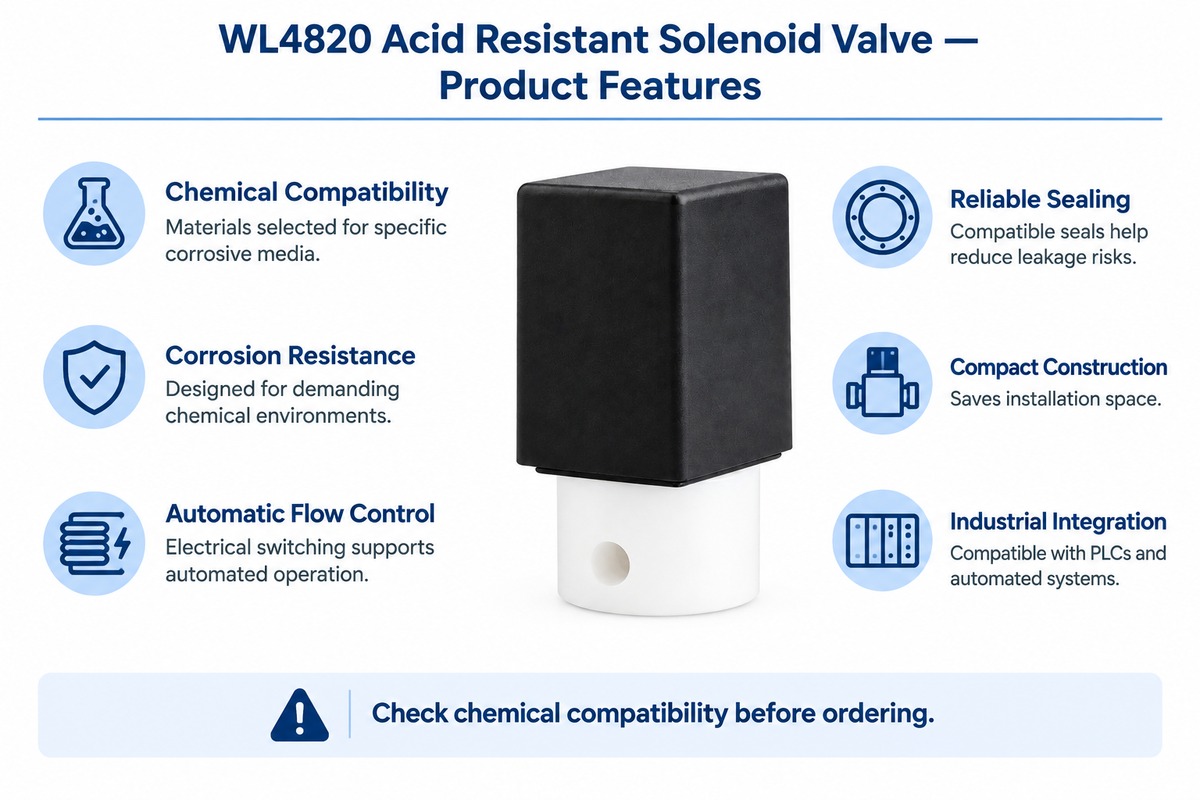
Chemical compatibility: Appropriate materials selection provides resistance to some acid and corrosive media.

Electrical control capability enables integration with PLCs, timers, sensors and automated process equipment. Automation.

Rapid response support of repetitive process operation due to quick opening/closing of many solenoid valves.

Compact: Solenoid valves are usually more compact in comparison with many manually operated flow control devices.

Repeatable operation: With proper selection of the valves, the repeatable opening and closing can be achieved.

Less manual operation Automation allows to reduce the number of operators for manual control of the process valves.

Cons

Material limitations: There is no valve material resistant to all chemicals. You need to evaluate each application for compatibility.

Seal degradation: Inappropriate seal selection can cause swelling, cracking, leakage and premature failure.

Pressure limitations: There are specific minimum and maximum pressure for each valve.

Temperature limitations: High process temperatures can reduce seal life and change material compatibility.

Coil limitations: Continuous electrical operation results in overheating and increased energy consumption.

Maintenance requirements: Corrosive environment can accelerate the degradation of the components outside the wetted path, including chemical vapors and leaks.

Therefore, proper sizing, material selection, installation and maintenance are crucial.

Acid Resistant Solenoid Valve Industrial Acid Equipment

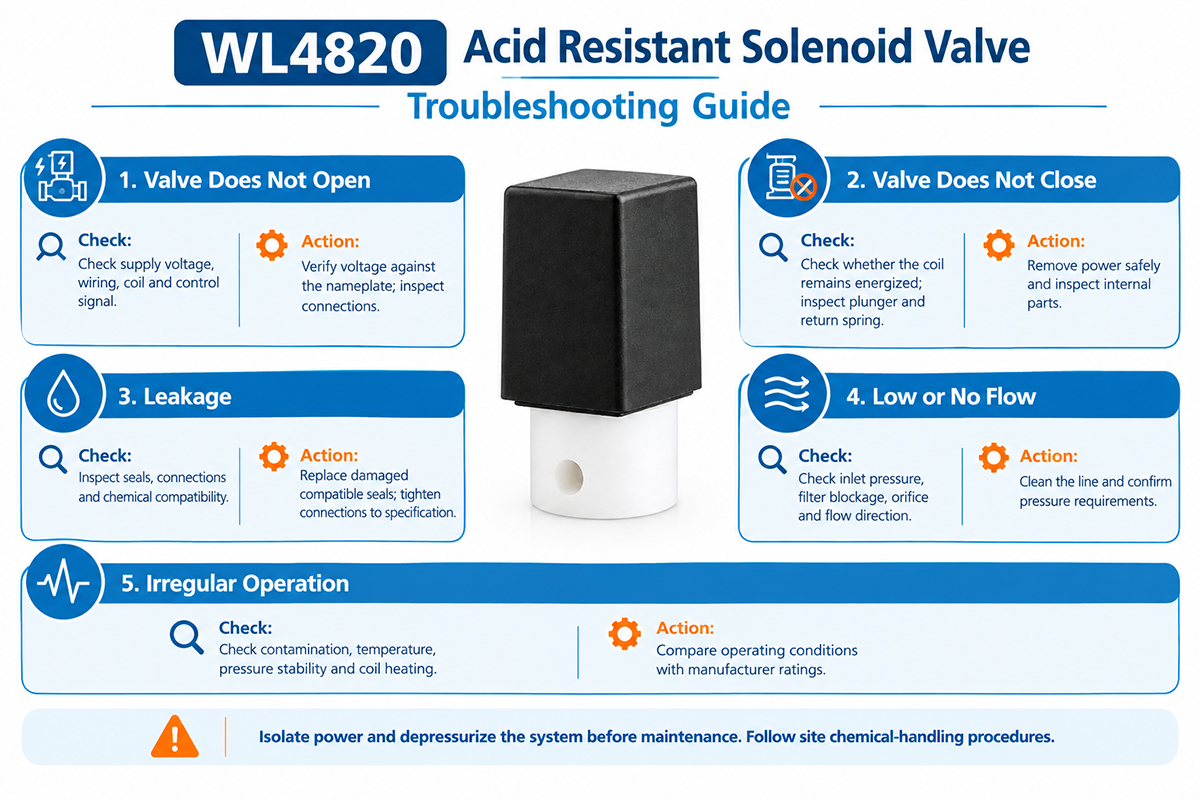
Acid Resistant Solenoid Valve Troubleshooting

Troubleshooting of an Acid Resistant Solenoid Valve which is not working starts with electrical system and then proceeds with mechanical and process conditions.

Failure to Open the Valve

Check power supply, coil voltage, wiring, connector and control signal. Use the coil recommended by the valve manufacturer. In case if electrical operation is normal, check plunger or diaphragm for contamination or chemical deposits.

Failure to Close the Valve

Make sure that the coil is not energized. Check return spring, plunger, diaphragm and sealing surfaces for damage or foreign material.

Leakageโ€”

Check the compatibility of the process chemical with the selected seals and body materials. Check seals for swelling, cracking, deformation and chemical attack. Check also pipe alignment and connection torque.

Low Flow

Check the inlet pressure and delta pressure to make sure that valve requirements are met. Check for blocked filters, piping restriction, improper orifice sizing or deposits in the valve.

Slow or Erratic Operation

Check for unstable pressure, contamination, excessive viscosity, unsuitable temperature or damaged internal parts. The electrical voltage also should be within the required range.

And so on.

Chemical concentration, temperature, pressure, cycling frequency and installation environment, check. Multiple valve failures may be caused by the improper material or operating conditions.

Remember to isolate pressure and follow proper chemical handling procedure.

FAQ

1. What is an acid proof solenoid valve?

An acid resistant solenoid valve is an electrically-operated valve that controls the flow of chemically aggressive or corrosive fluids. The wetted material of this valve and its seals depend on the chemical.

2. What chemicals can an acid resistant solenoid valve control?

This depends on the design of the valve and its operating conditions. Some acid resistant solenoid valves are able to control certain acids, alkalies, solvents and corrosive liquids. However, you should check the compatibility with the exact chemical, its concentration, temperature and pressure.

3. What materials are used?

Common materials are: PTFE, fluoroplastics, corrosion-resistant plastics, stainless steel, chemically resistant elastomers. The material depends on the application and fluid.

4. High temperature and an acid resistant solenoid valve

Some solenoid valves are designed for high temperature operations. However, the permitted temperature range is defined by the body, seals, coil and fluid of the valve. Check the rated media and ambient temperature ranges before selection.

5. Normally Open/ Normally Closed?

Some acid resistant solenoid valves have normally closed design. This means that the valve is normally closed until it is energized (opened). Also, normally open solenoid valves are available โ€“ these are opened when there is no power supply and closed once they are energized.

6. Selection Tips?

Chemical compatibility, fluid concentration, pressure, temperature, flow rate, orifice size, connection type, voltage, operating frequency, valve position required.

7. What are Acid Resistant Solenoid Valves used for?

Industrial applications such as: chemical processing, wastewater treatment, acid dosing, electroplating, industrial cleaning, semiconductor equipment, laboratory systems, chemical transfer, automated fluid handling equipment etc.

8. What can I do to increase the lifetime of my valve?

Choose correct materials, install the valve correctly, maintain correct pressure and temperature, avoid contamination of the fluid with foreign particles, periodically inspect and replace faulty parts if required.

How to Select an Acid Resistant Solenoid Valve

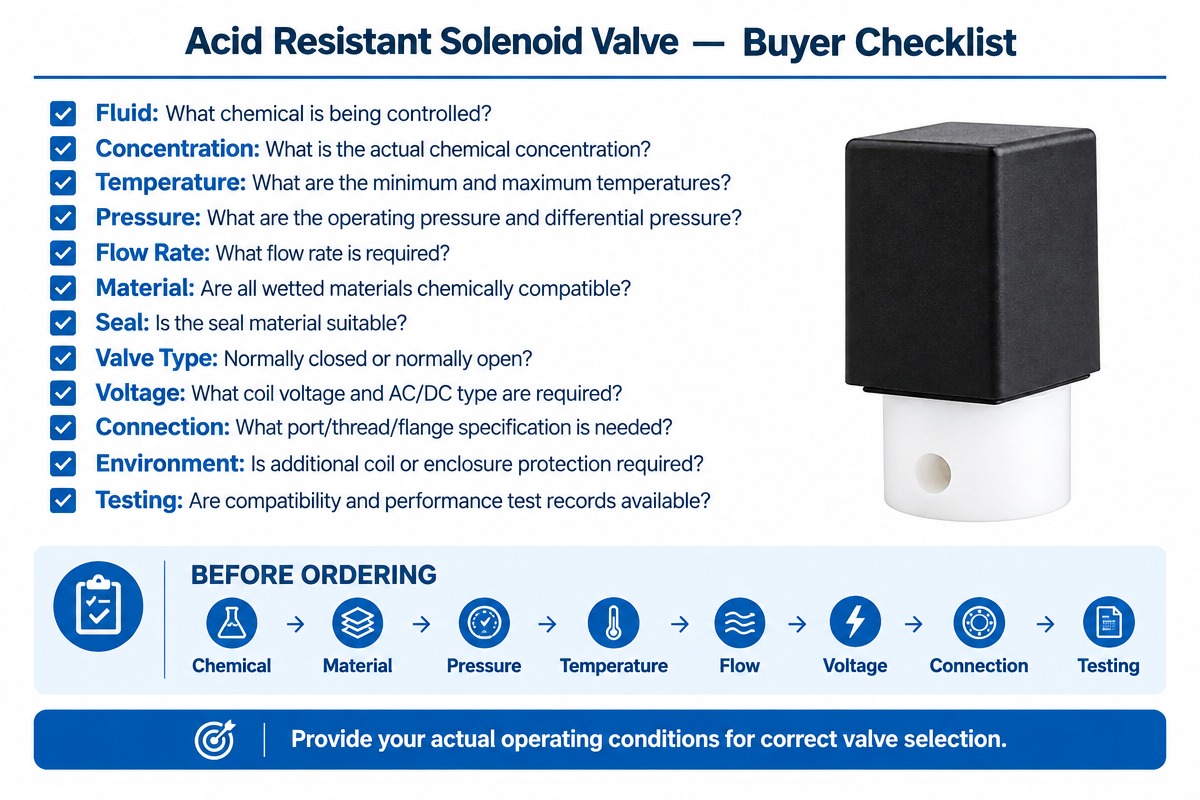
The selection of an Acid Resistant Solenoid Valve requires more than just choosing the valve which is advertised as corrosion resistant. The first thing to do is to identify the precise fluid which is going to be controlled. Specify the chemical name, concentration, pH, temperature, viscosity and any other additives or contaminants. Then the compatibility with the valve should be verified with the valve supplier.

1. Chemical Compatibility Verification

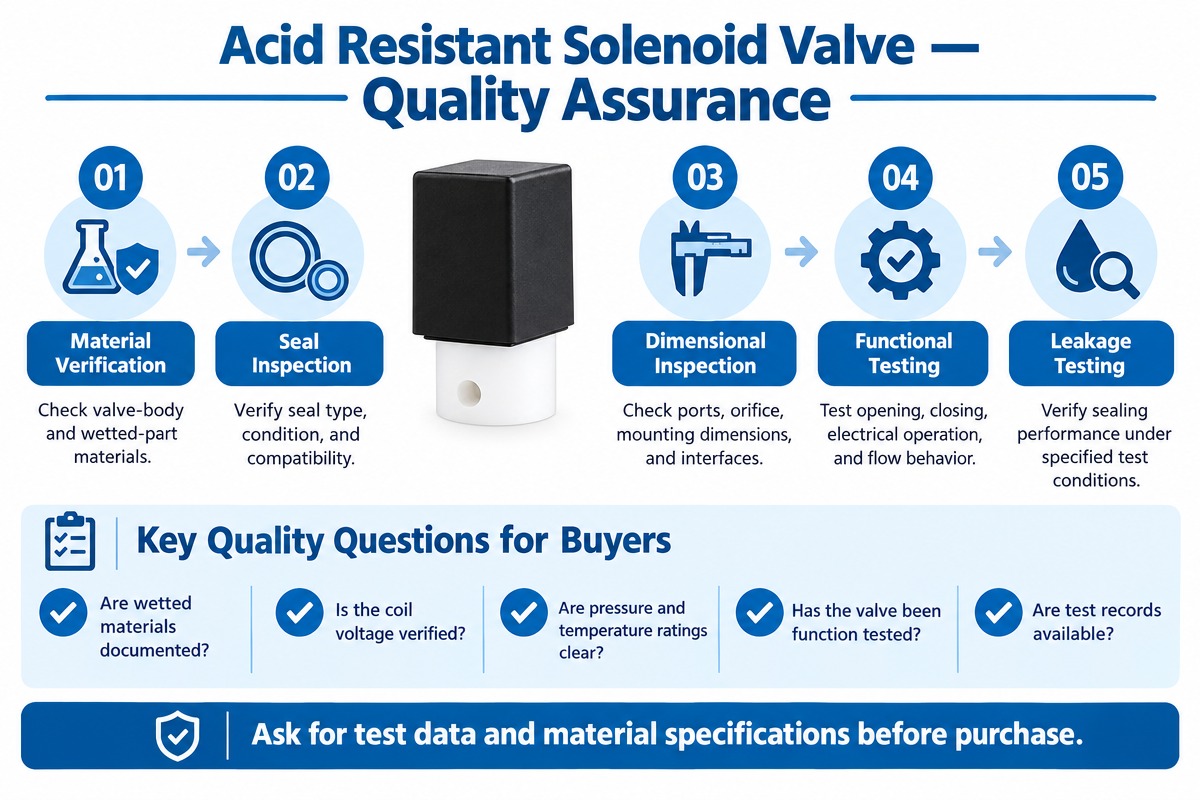
Valve body, seals, diaphragm, plunger components and other wetted parts must be resistant to the actual fluid. The resistance properties are different for PTFE, fluoropolymer, engineering plastic, stainless steel and elastomer materials. You can not rely on the material resistance to all acids.

2. Calculation of Pressure Requirements

Verify the minimum and maximum inlet and differential pressures. The direct acting valves can be used in the applications with low or even zero differential pressure, while pilot operated valves usually require some pressure difference.

3. Selection of Required Flow Rate

Select the appropriate orifice and flow coefficient to provide the required flow rate. Oversizing the valve leads to poor control and undersizing โ€“ to excessive pressure losses.

4. Selection of Operating Temperature

Specify maximum and minimum media and ambient temperatures. The temperature can have a significant effect on seal performance and chemical compatibility.

5. Normal Valve Position Selection

Select normally closed (NC) or normally open (NO) according to the process conditions and safety philosophy.

6. Verify Electricity Requirements

Verify the coil voltage, AC or DC power, power consumption, connector type and compatibility with the control system. Special electrical interface may be required for PLC controlled systems.

7. Consider Connection Requirements

Verify the type of the thread, flange, tube connection, port size and installation space.

8. Consider Environmental Conditions

In case if the installation is done in outdoor locations, wet, dusty or chemically exposed, verify the required protection class of the coil and enclosure.

Finally, verify all the parameters with the valve manufacturer under the actual operating conditions. One acid concentration may be acceptable for the valve, while the other acid concentration or temperature is not.


Tips to Avoid Common Mistakes Designing Acid Resistant Solenoid Valves

1. Don’t pick materials by their names

“Acid resistant” material may not be resistant to all acids, all concentrations or all temperatures. You always need to verify the compatibility with the actual media.

2. Don’t forget about seal compatibility

Seal may fail before the valve housing. Consider PTFE, FKM, EPDM or other materials depending on chemical and temperature conditions.

3. Don’t choose the wrong valve size

Poor control can be caused by the oversized orifice and excessive pressure loss by the undersized valve. You need to calculate the required flow before sizing the valve.

4. Check Delta P

Pilot operated valves may not work properly with low pressure differential.

5. Think of Chemical Heat Effect

Chemical resistance varies greatly with the temperature. Don’t just size for the normal operating temperature โ€“ size for the maximum process temperature.

6. Solenoid Coil Protection

Electromagnetic coil should be protected from moisture, chemical vapors, overheating and other environmental influences.

7. Failure Position Consideration

Specify normally closed or normally open valve operation in case of power failure.

8. Avoid Dead Zones

The design of the valve and the piping should avoid the zones, where corrosive fluid can collect and destroy the material.

9. Check Installation Direction

Install the valve in accordance with the manufacturer’s requirements. Incorrect installation may lead to improper valve operation.
10. Test under the real conditions

Get A Free Quote Now

Contact Form

Related Products

Related News

Scroll to Top

Get A Free Quote Now !

Contact Form
If you have any questions, please do not hesitate to contact us.
Weilong Solenoid Company Culture