Skip image slider
High-Heat Valve Products for Industrial Heating Lines
High-Heat Valve Control for High Temperature Fluids
High-Heat Valve Sizing for Efficient Process Control
High-Heat Valve Options for Furnaces and Heat Systems
High-Heat Valve Materials for Extreme Heat Conditions
High-Heat Valve Selection for Thermal Process Systems

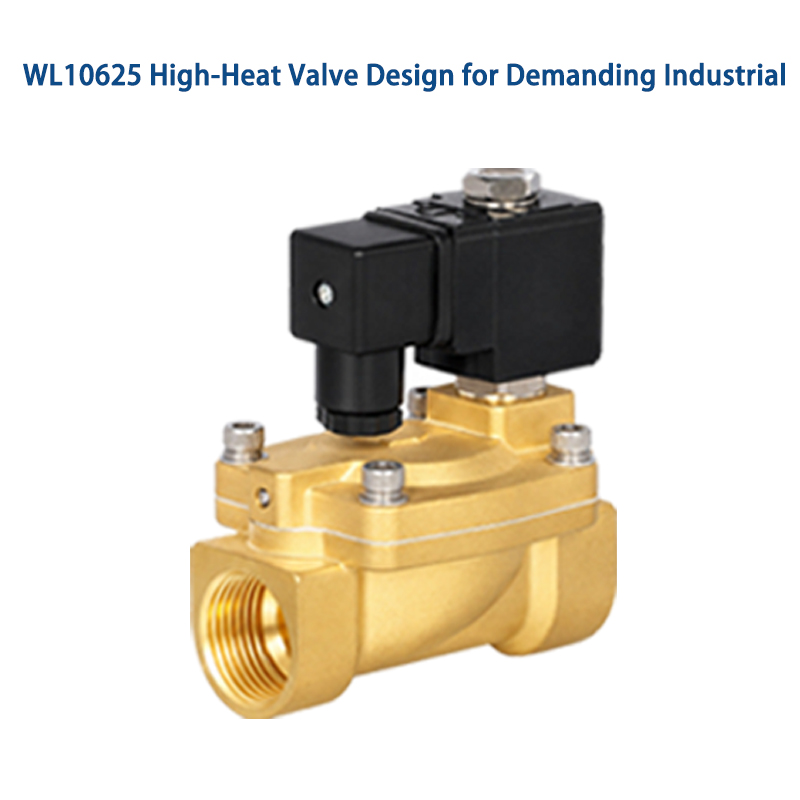
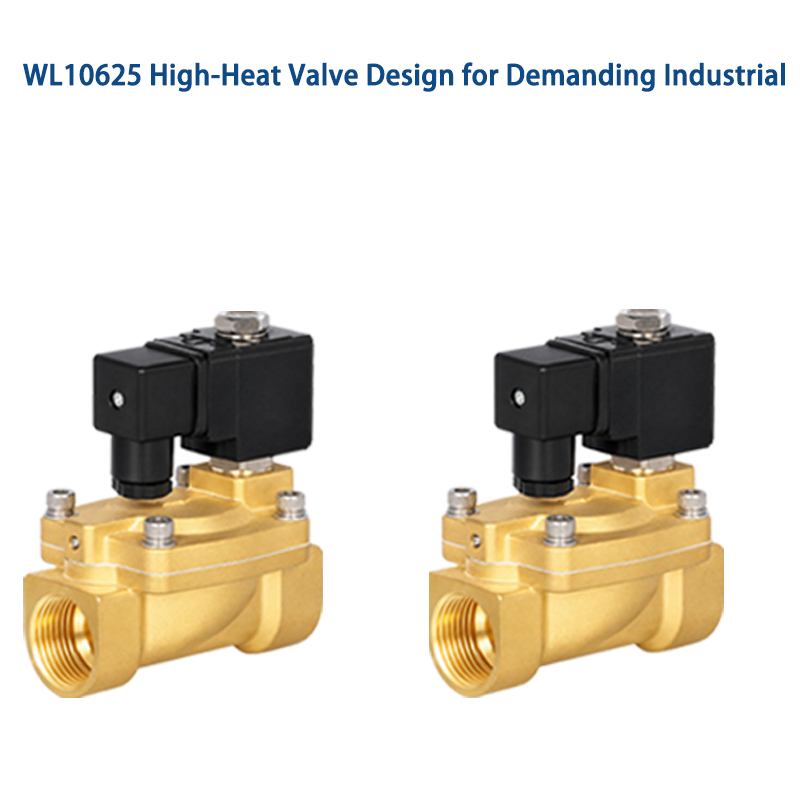
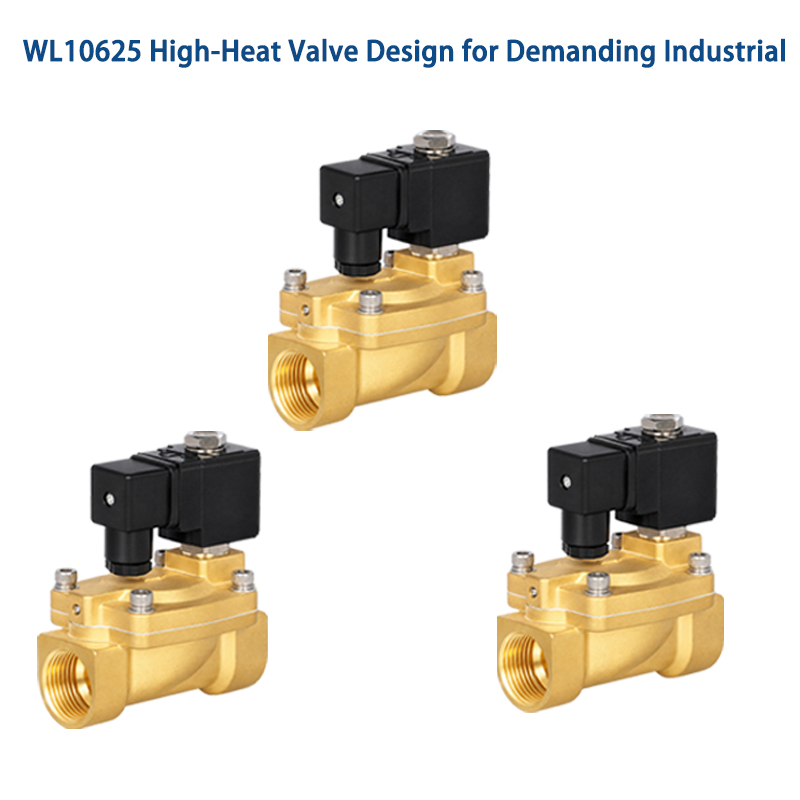
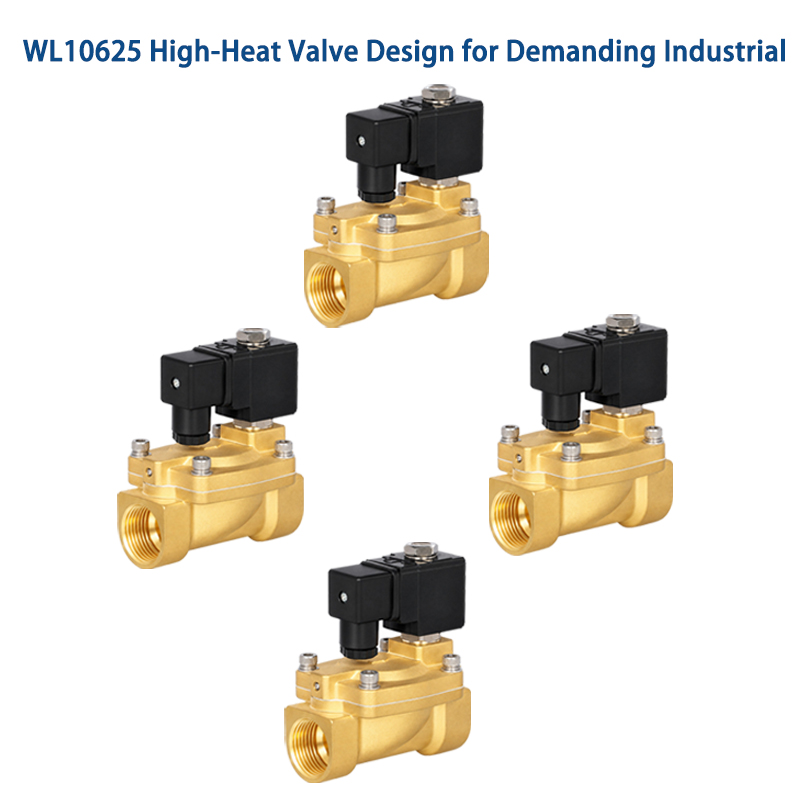
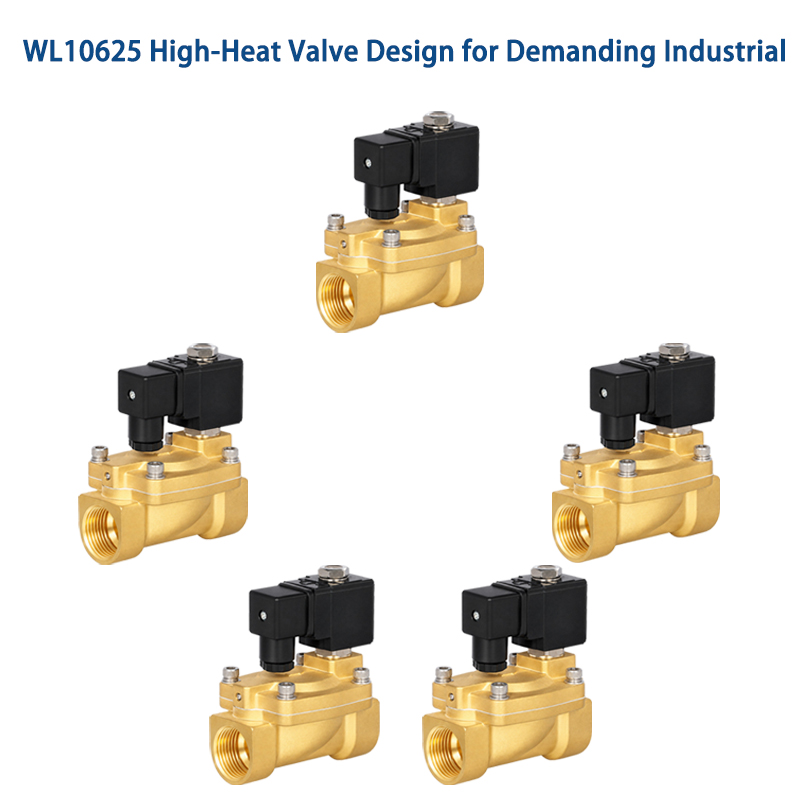
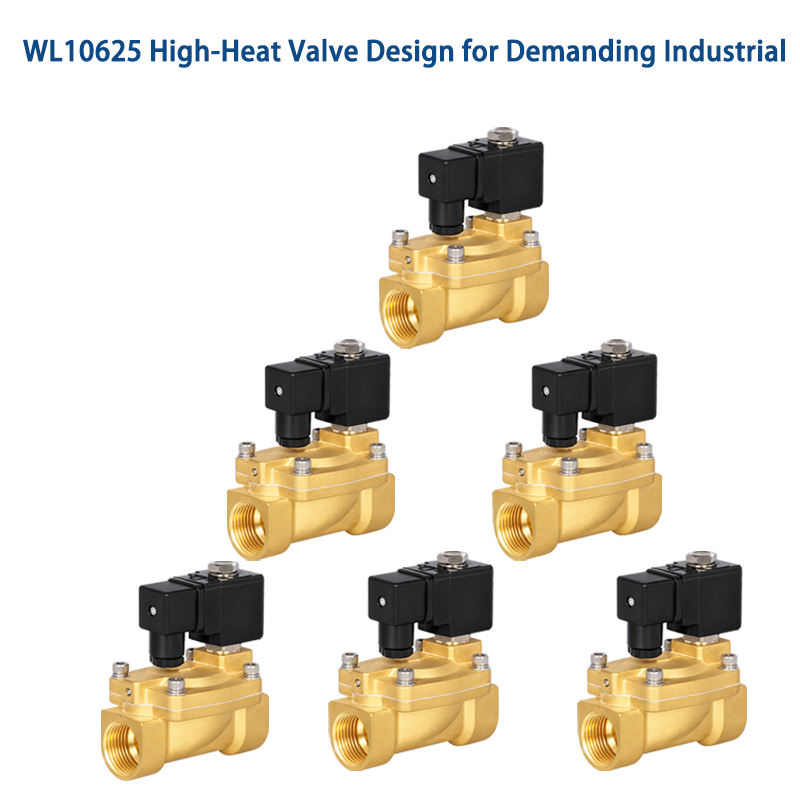
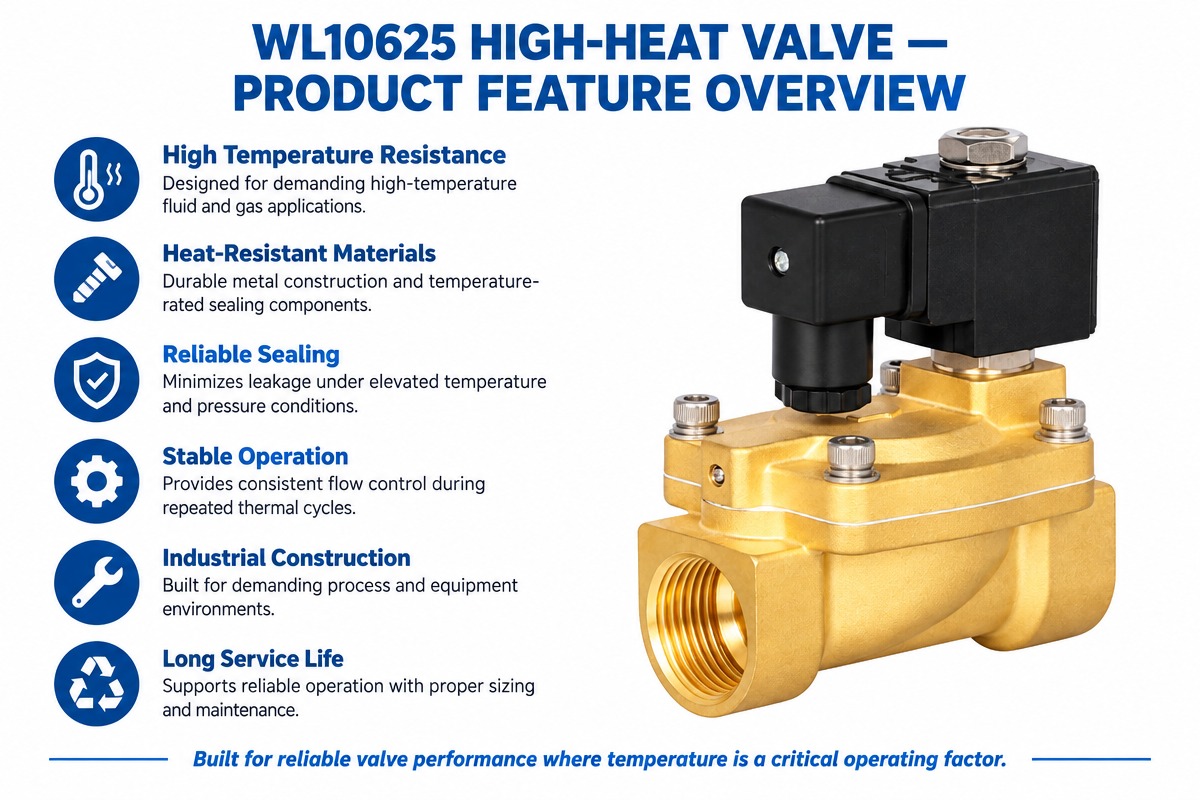
WL10625 High-Heat Valve Design for Demanding Industrial

High-heat valve is a type of industrial flow control equipment used for regulating, isolating, or redirecting fluids at elevated temperatures. It is commonly used in steam lines, industrial furnaces, thermal oil systems, power stations, and chemical processes. Depending on the application and the conditions, a high-heat valve has heat-resistant metal construction, special seats, and temperature rated packing and seals. Performance of the valve depends on temperature, pressure, composition of the fluid, flow rate, cycling, and installation. Selecting an appropriate valve is essential for reliable flow control and reduced leakage. Check the maximum operating temperature, pressure and temperature limits, type of connections, actuation and industrial standards specified by the manufacturer. Inspection and maintenance can help prevent seal degradation, corrosion, thermal distortion and actuator failures. Selecting a valve that fits the real conditions of service ensures reliable operation of the equipment and efficient process in harsh industrial conditions.

High-Heat Valve Description

What is high temperature valve?

High-heat valve is an industrial valve made for controlling, regulating or isolating fluids at elevated temperatures. It is commonly used in steam systems, furnaces, thermal oil systems, power plants and chemical processes. Depending on its design, it has heat resistant metal body, special packing and seals. There are different designs of high-heat valves available, including ball, gate, globe, butterfly and control valves. Each design serves a special purpose in the flow control process. Choosing a right valve requires taking into account temperature, pressure, fluid compatibility, leakage limits and cycling requirements for reliable performance and safe operation in industry.

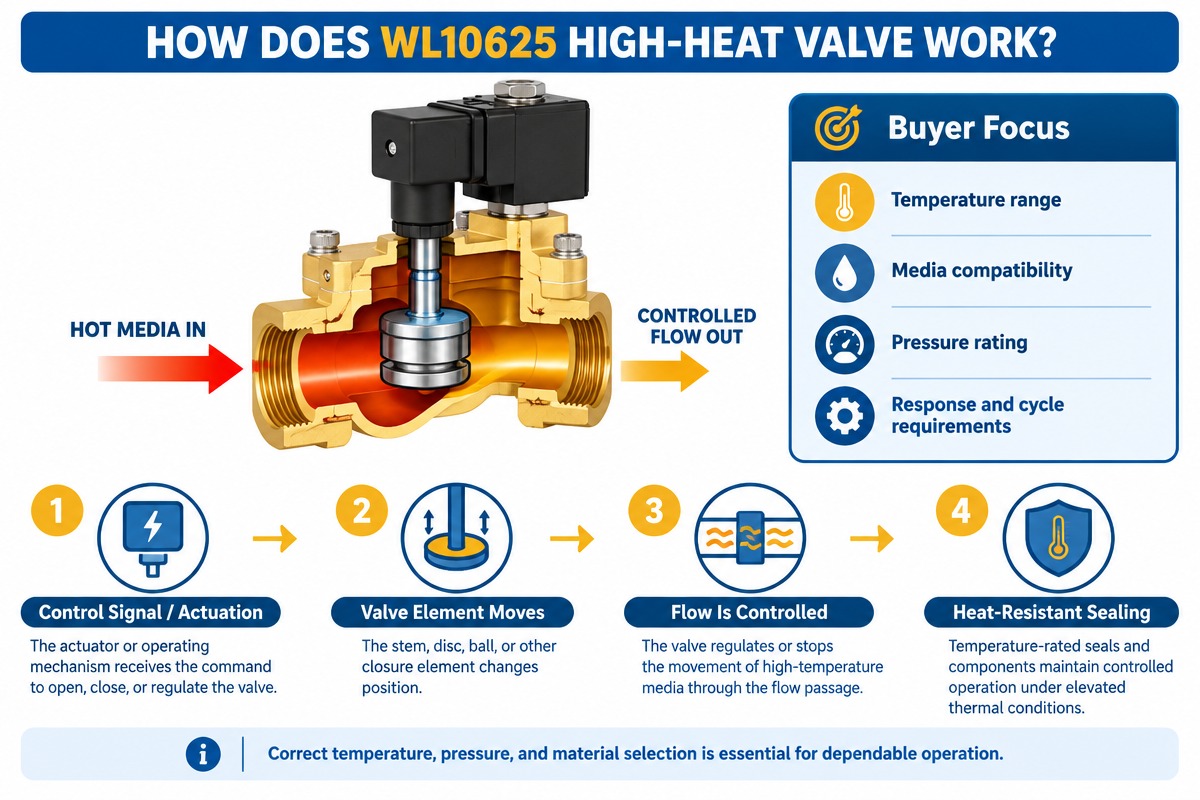
How does a high heat valve work?

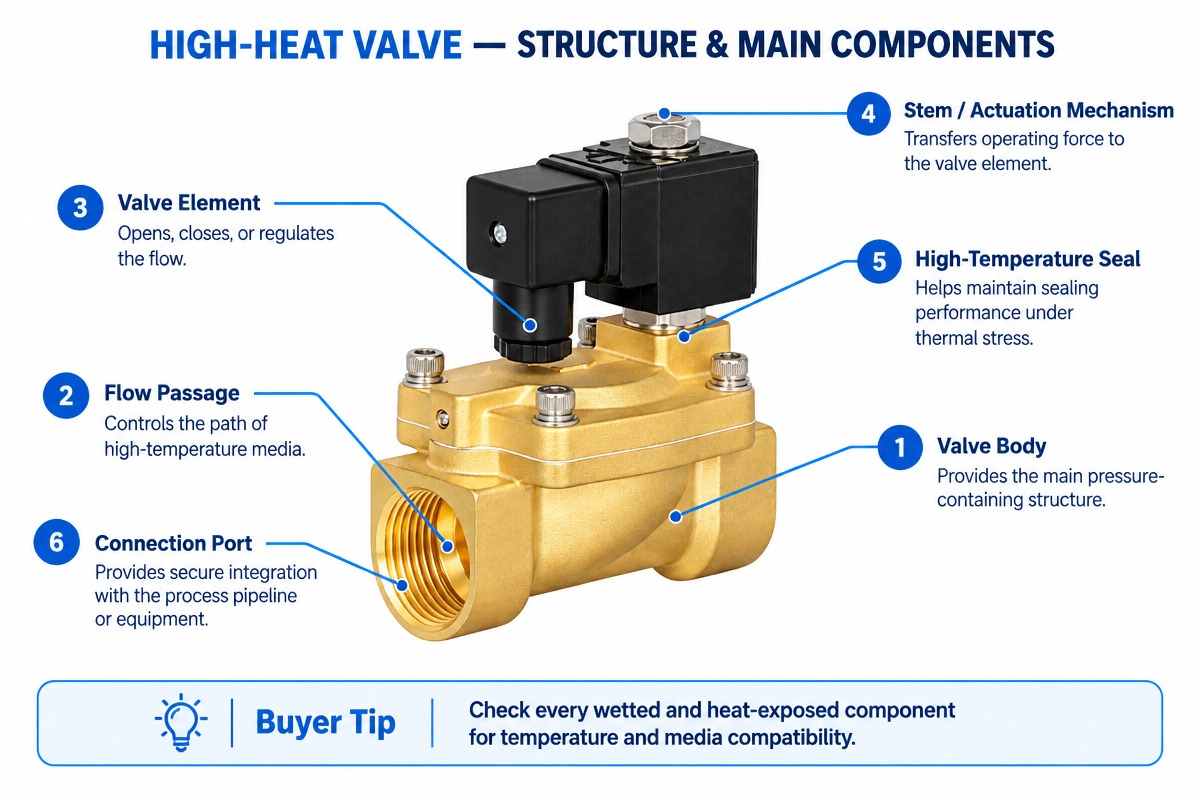
A high heat valve operates by shifting a position of the closure element to start, stop or regulate a flow of fluid. Depending on the design, this element may be a ball, disk, gate, plug or globe-plug shaped.

The closure element of the manually operated valve is shifted by handwheel or lever. The automatically operated valve has an actuator that shifts the valve to the required position. The body of the valve holds pressurized fluid, while the stem, seat, packing, and other internal parts serve as seals and operators.

Materials selection and thermal expansion are very important for high-heat services. The parts of the valve must be able to withstand specified temperatures and pressures without deformations, leakage and failures. The seats and packing materials shall be compatible with the process fluid and operating conditions.

As the valve opens, closes or moves to the required position, it changes available flow area. The real correlation of the valve position and flow depends on the design of the valve and the operating conditions.

High-Heat Valve Video

High-Heat Valve Detail Display

High-Heat Valve Data Sheet

Brand Weilong Model Number WL 10625
Rated Voltage (V) DC12Vย  or 24V Rated Power (W) 7.2W
Work Mode Air or Liquid Control Valve Working Pressure (MPa) 300KPa
Air-Flow Rate 0 L/minute Reset Time(s) 0.25 S On, 0.25 S Off
Service Life 200 Thousand Times Certification CE, ROHS, ISO9001,
Pipe Gate ย inside: 2.5 mm Lead Wire Length(mm) 106 MM
Install Style Screw Tolerance of Dimension ยฑ 0.1 MM
Water-proof None Insulation Class B
Hi-Pot Test AC 600V 50/60 Hz 2s Non-excitation Holding Force 0
Working Temperature -10ยฐC-100ยฐC Duty Cycle 1-100%
Thread Depth (mm) / Payment Term TT, or LC At Sight
Sample Order Yes Warranty 1 Year
MOQ 1000 pcs Supply Ability 5000 pcs per week
Delivery Time 30 Days Port of Loading Shenzhen

Why are high-heat valves becoming popular?

The high-heat valves are widely used in industrial systems due to the need for reliable flow control in processes at high temperatures. The components shall be able to operate within their defined thermal and pressure limits in steam generation, thermal oil circulation, industrial heating, metal processing and power generation.

The adoption of the high-heat valves is driven by the following industrial needs:

Higher process temperatures. Many production processes rely on controlled heating to reach their required operating conditions.

Reliability. Well specified valves can help to reduce leakage, unscheduled shutdowns and maintenance due to improper material selection.

Automation. Actuated high-temperature valves can be used to integrate with control systems for remote operation and monitoring of the process.

Material development. Improvements in alloying and machining, packing and sealing materials provide more options for difficult applications.

Energy Management. When incorporated into a properly designed process system, the correct flow control helps to maintain steady state of heating and steam distribution.

Safety requirements. Properly sized valves provide isolation and containment of the process when selected, installed and maintained according to the process design.

Diversity of applications. Engineers can satisfy isolation, throttling and automation requirements of different industries with different valve configurations.

Popular does not mean that each high heat valve can be used in each process. The performance of the valve will depend on the actual operating conditions, product specification, installation, and maintenance.

High-Heat Valve Applications

High-Heat Valve Features for Heavy Industrial Service

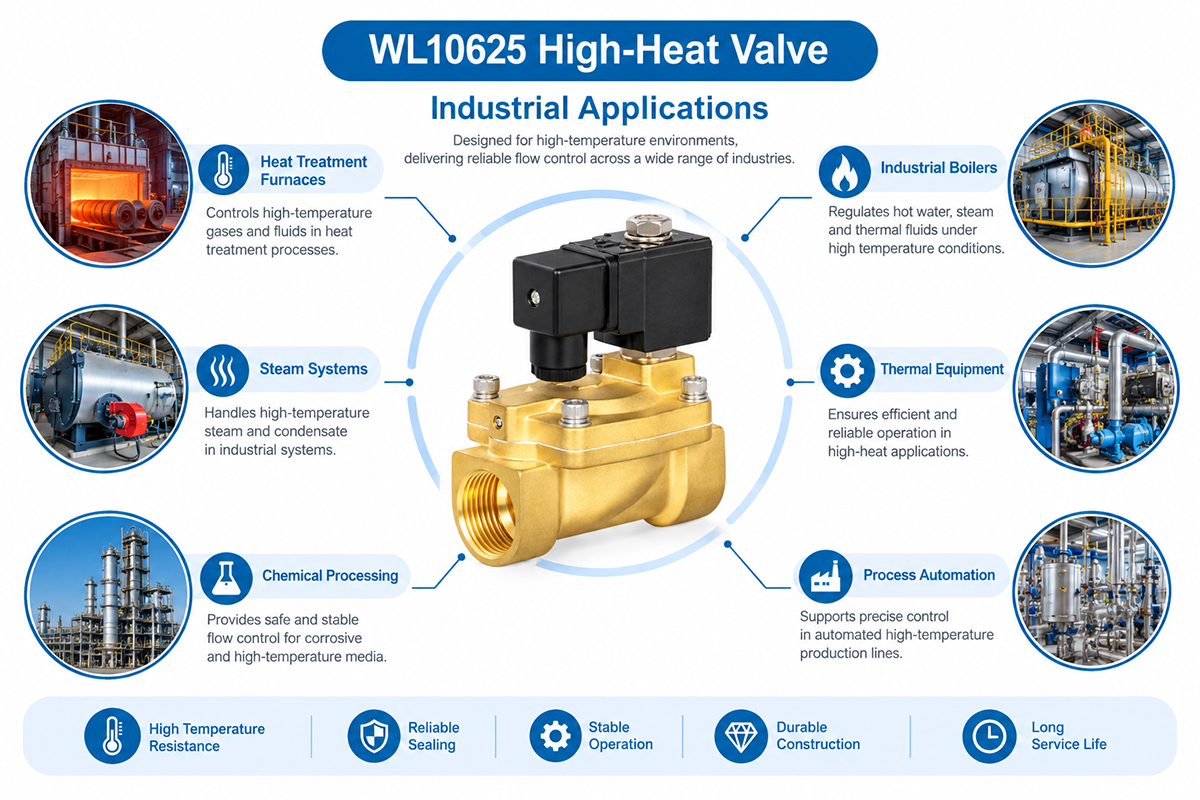
High-heat valves are used in the industrial sectors where fluids or gases are processed at high temperatures. In power generation, these valves help to control steam and other process flows in boilers, turbines, heat exchangers and auxiliary systems, within the limits of the applicable equipment specifications.

In industrial heating systems, these valves control steam, hot water and thermal oil in heating circuits, drying equipment, ovens and heat transfer systems. The temperature and pressure ratings shall conform to the operating conditions.

The high-temperature valves are used for chemical and petrochemical processing, for the compatible process fluids in reactors, distillation equipment, pipelines and thermal processing units. The materials should be selected for their temperature and corrosion resistance.

In metal processing and manufacturing operations, they may be installed in furnaces, heat treating equipment, hot gas lines, and manufacturing equipment. The correct selection provides controlled flow and reliable isolation of equipment.

The high-temperature valves can be used in refineries in process streams, heating systems and thermal fluid applications where materials and sealing arrangements are suitable for the service requirements.

When high-temperature valves are used in food and pharmaceutical manufacturing heating and thermal processing systems, the materials, cleanability and hygiene of valves should meet the applicable requirements.

The high-heat valves are also used in cement production, glass manufacturing, waste treatment and industrial energy systems. Engineers shall consider temperature, pressure, fluid compatibility, flow capacity and leakage requirements in these applications when selecting a valve.

High-Heat Valve Adv. & Disadv

High-Heat Valve Products for Thermal Fluid Equipment

Pros and cons of high-heat valves

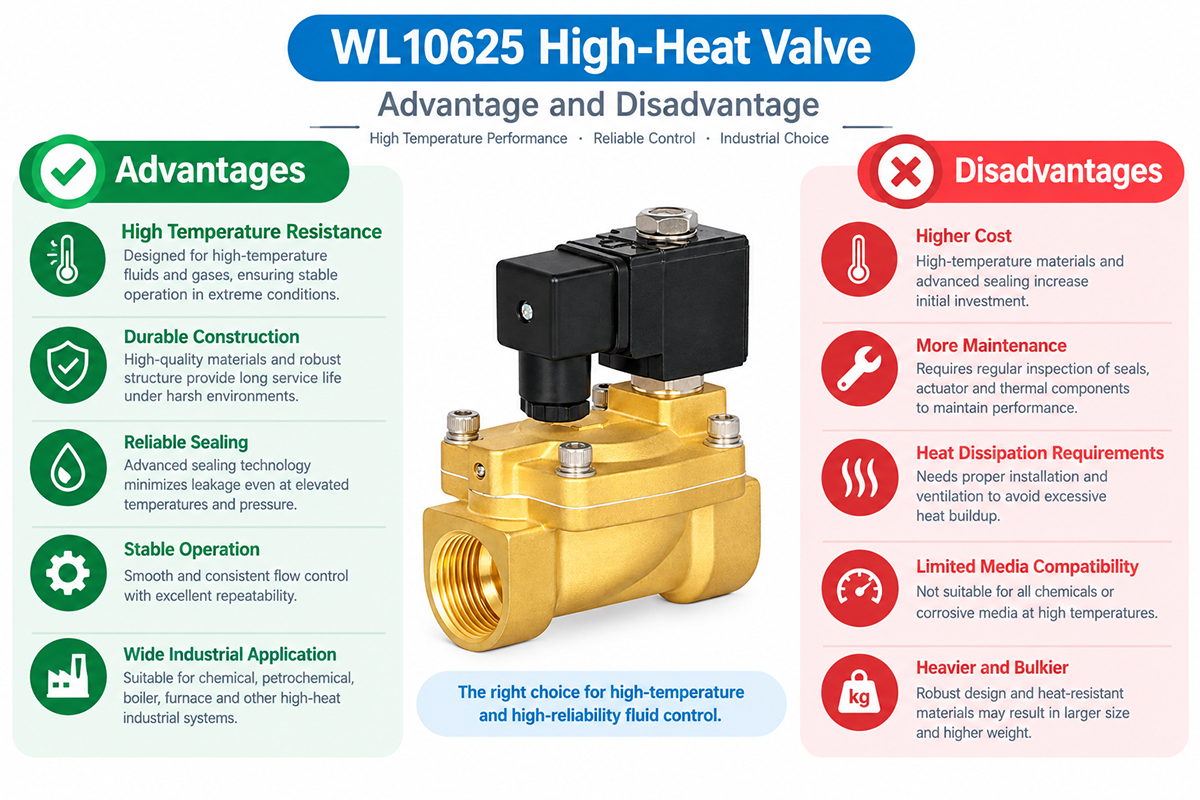
The high-heat valves are very beneficial for industrial systems, but their disadvantages should be considered when selecting equipment and planning its life-cycle.

Benefits

Temperature-rated performance: The properly designed valves can operate at higher-temperatures within the approved operating limits.

Isolation of flows: The appropriate valves are very helpful in isolation of equipment and pipelines for maintenance or changes in process.

Diversity of designs: Ball, gate, globe, butterfly and control valves have different operating characteristics for different industrial purposes.

Flexibility in material selection: Body and trim materials may be selected depending on temperature, pressure and fluid conditions.

Automation capability: Actuated valves may be used for remote operation and integration with control systems.

Potential longevity of service life: Proper design, installation and maintenance can prevent premature component deterioration.

Cons

Higher initial cost: Specialized alloys, machining and temperature-rated seals increase the cost of the product.

More difficult maintenance: Thermal cycling can speed up wear or affect packing, gaskets and other components.

Material limitation: Not all metals and seals are acceptable for all temperature and medium conditions.

Installation difficulty: Thermal expansion, insulation, actuator protection and piping loads shall be considered carefully.

Lower pressure capability at temperature: Higher temperature decreases allowable pressure.

Downtime possibility: Inspection or replacement requires cooling, depressurization and isolation of connected equipment.

The lifecycle assessment shall take into account the cost of acquisition, maintenance requirements, reliability and operating risks under the actual conditions of service.

High-Heat Valve Maintenance for Industrial Reliability

Troubleshooting of High Temperature Valves

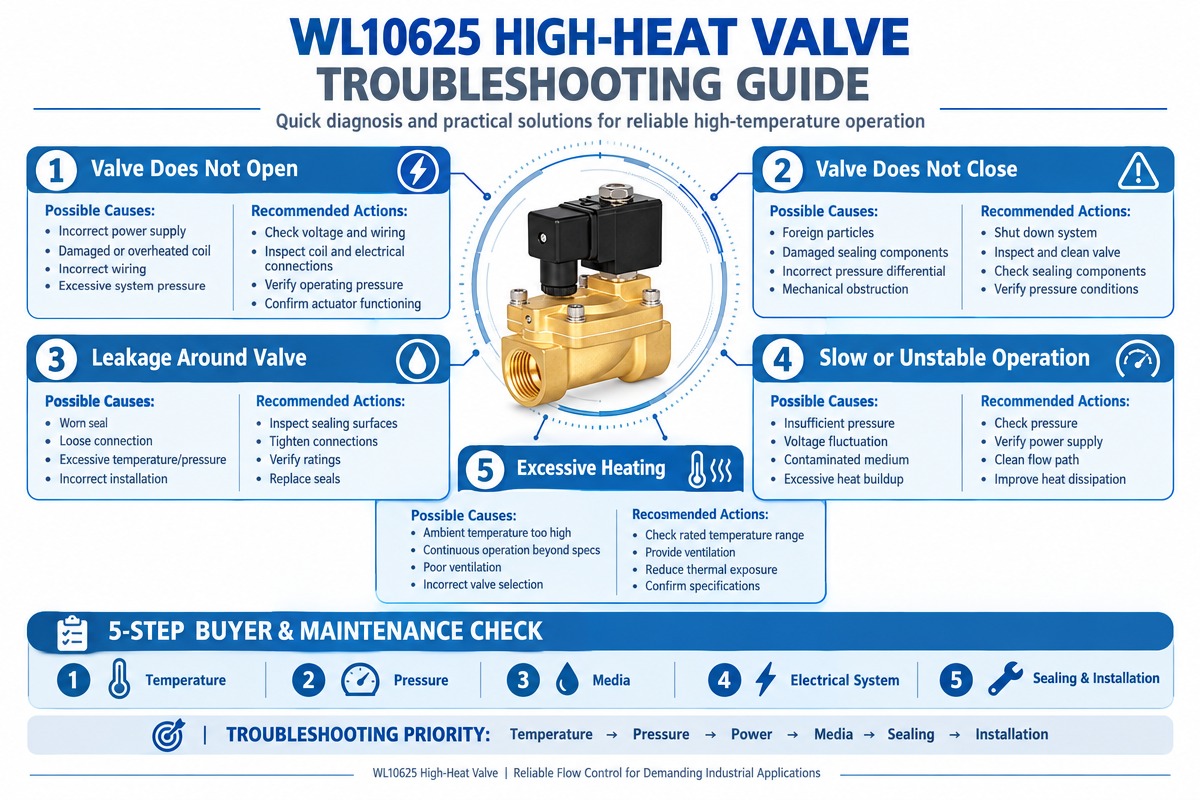
As a rule, the first step of the troubleshooting is to shut off the power to the valve, allow it to cool and then start inspecting it. Never try to work with the valve under dangerous temperature and pressure.

1.The Valve Does Not Open

Control the supply voltage and wiring. Check the coil of the solenoid operated valves on overheating and damages. Make sure that the system pressure is within the valve range.

2.The Valve Is Still Open

Control the sealing parts and make sure that they are not worn, contaminated or thermally damaged. Foreign material can prevent the valve from closing completely. Control for over differential pressure.

3.The Valve Leaks

Inspect the thread joints, fittings, gaskets and seals. High temperatures tend to accelerate the ageing process of the seals. Use the appropriate materials for damaged components.

4.Slow or Instable Speed

Inspect operating voltage, pressure, actuator and flow conditions. Contaminations or excessive thermal expansion can limit movement inside the valve.

5.Too Much Heat

Make sure that the actual temperature does not exceed the valve specifications. Check the ventilation, insulation and heat radiation as well as the actuator temperature to avoid overheating.

6.Frequent Failures

Consider such factors as pressure, temperature, frequency of cycling, installation conditions, size of the check valves and material compatibility. In general, if the failures repeat, the valve design is inappropriate.

Selection of temperature, pressure, media and materials together with inspection can increase the reliability and longevity of the valve.

FAQ

1. What is a high heat valve?

A high heat valve is an industrial valve used to control, regulate or isolate the fluids at high temperature. This is the most common type of valve used in steam lines, furnaces, thermal oil installations, power plants and chemical processing equipment.

2. What material is used for making the high heat valve?

It may be made from stainless steel, carbon steel, alloy steel, etc., depending on temperature range. Seats, packing and gaskets are made from special metals or high temperature materials selected based on operating temperature and pressure.

3. Where are high heat valves used?

High heat valves can be found in power generation plants, petrochemical plants, refineries, metal working facilities, cement plants, glass processing, and other industrial heat processing systems.

4. How to select a high heat valve?

Selecting a high heat valve requires knowledge about maximum and normal operating temperature, operating pressure, fluid characteristics, flow, valve type, connection size, sealing requirements, actuator configuration, applicable industry standards. Manufacturer specifications should always be verified.

5. Do high heat valves withstand both high temperature and high pressure?

Yes, but not all types and models can withstand high temperature and pressure at the same time. Allowed pressure depends on valve type, material, size and operating temperature. Before selecting any model, check manufacturer’s specifications.

6. Are there any known troubles associated with high heat valves?

The common problems include external leak, internal seat leak, operation difficulties, seal degradation, corrosion, actuator malfunction and thermal distortion. Appropriate material selection and regular inspection can prevent these issues.

7. How to maintain a high heat valve?

It should be performed according to the maintenance schedule provided by the manufacturer, including leak and abnormal operation check, actuator operation check, sealing parts inspection. Maintenance should be preceded with isolation and depressurization of the valve and cooling down to ambient temperature in accordance with safety procedure.

8. What is the average life span of a high heat valve?

Life span depends on operating temperature and pressure, fluid characteristics, number of thermal cycles, valve design and installation quality, and maintenance frequency. Life span can be increased by selecting the appropriate size, material, operation and parts replacement.

Choosing a high-heat valve

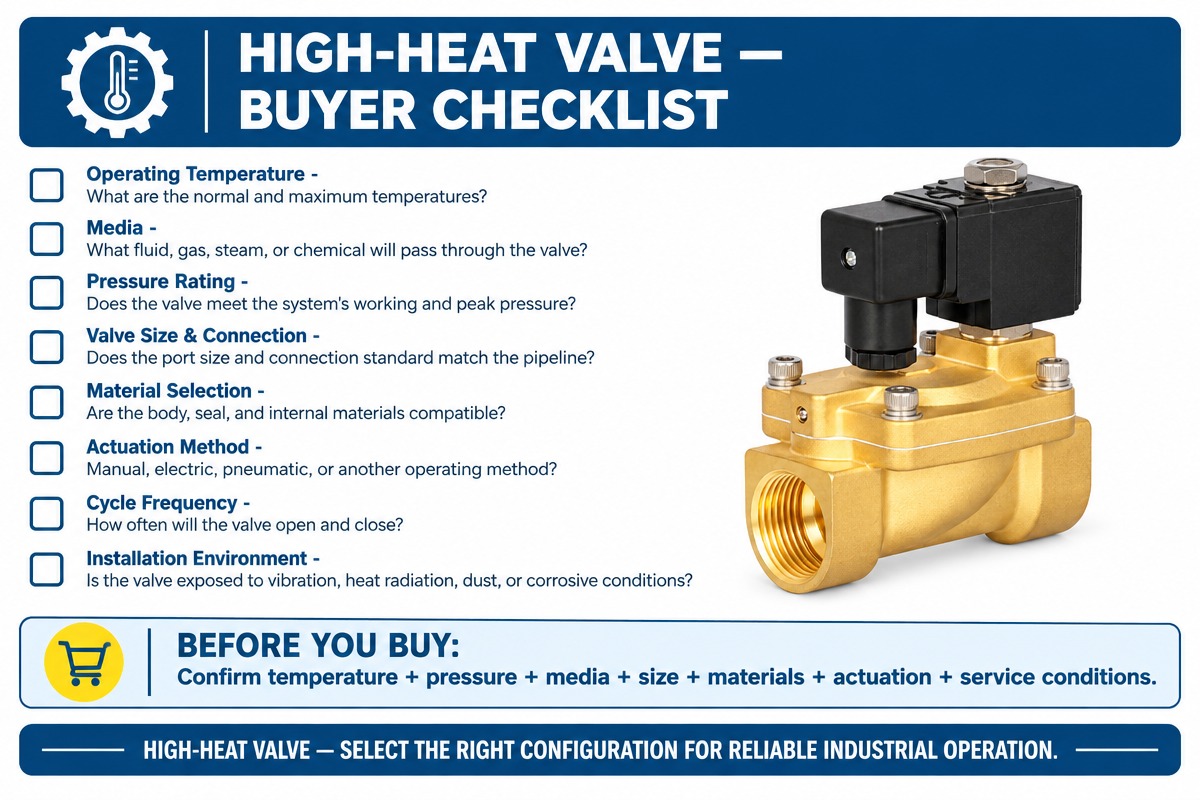
Selection of a high-heat valve requires in-depth understanding of the process conditions, system design and operating requirements. The following points can be used by engineers and purchasers for specifying a suitable product:

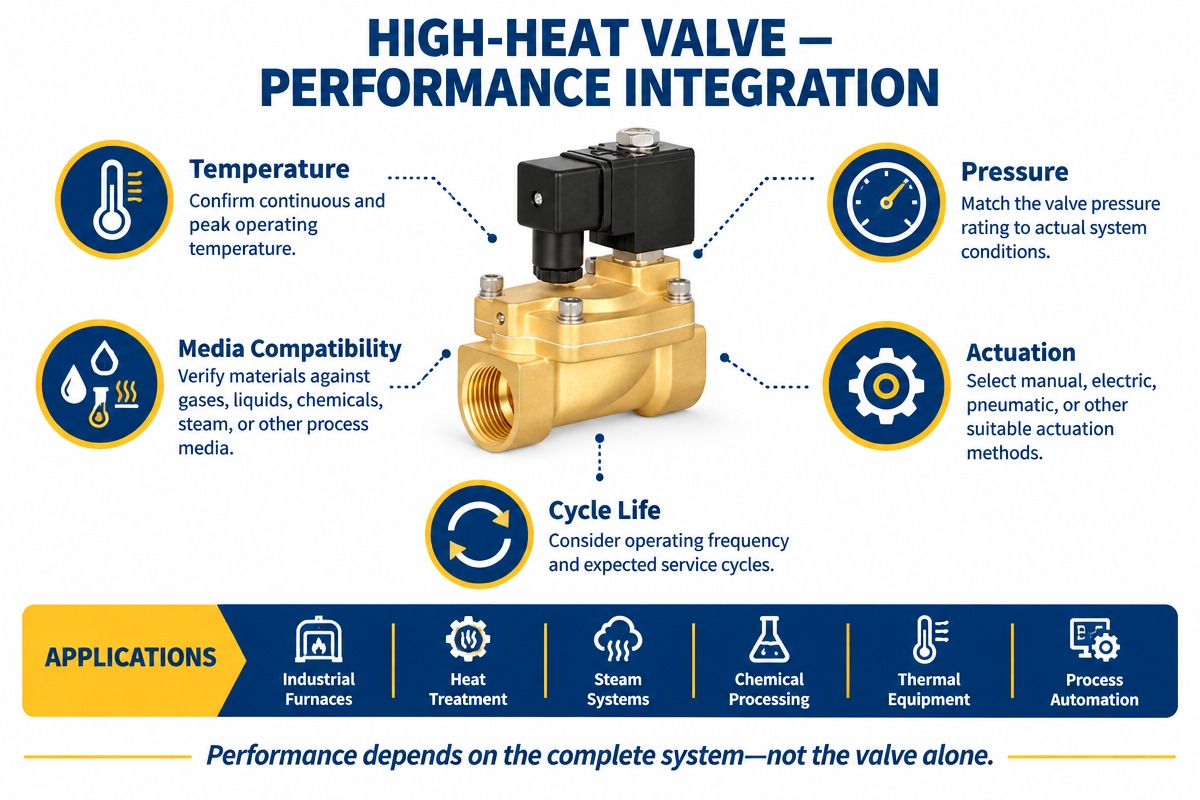
Temperature operating is specified. Specify normal, minimum, maximum, start-up, shut-down, and upset temperatures. Specify if the temperature limit is continuous or under some specified conditions. The ambient temperature around the valve and actuator should be stated.

Pressure rating is determined. Specify normal and maximum operating pressure, differential pressure and pressure spikes. Refer to the pressure-temperature rating chart provided by the manufacturer. The increase of operating temperature reduces allowable pressure of the valve.

Medium of Process: Is the valve suitable for steam, thermal oil, hot water, gas, or chemical fluids. Evaluate compatibility of body, trim, seat, packing and seals with the process medium. Consider oxidation, corrosion, contamination and deposits of fluid.

The valve type is selected. Ball and gate valves are commonly used for isolation. Globe valves may be suitable for throttling. If the design and temperature rating of the valve fit the requirements, then installation with the butterfly valve is possible. May require control valve for modulating control duties.

Suitable materials are selected. Compare carbon steel, stainless steel, alloy steel, and other materials regarding the temperature, pressure, corrosion resistance, and mechanical requirements. Evaluate thermal expansion and potential deterioration of the materials.

Seal Performance Verification. Review external leakage limits, seat leakage requirements, stem packing and gasket design. The valve body being metal does not guarantee that the valve will perform in high temperatures.

Connections and sizes are checked. Review nominal size, pressure class, face-to-face dimensions, flange standards, pipeline orientation, and available installation space.

Actuation requirements are evaluated. Think about manual operation, pneumatic actuation, electric actuation, control signals, fail-safe position, and actuator temperature limits.

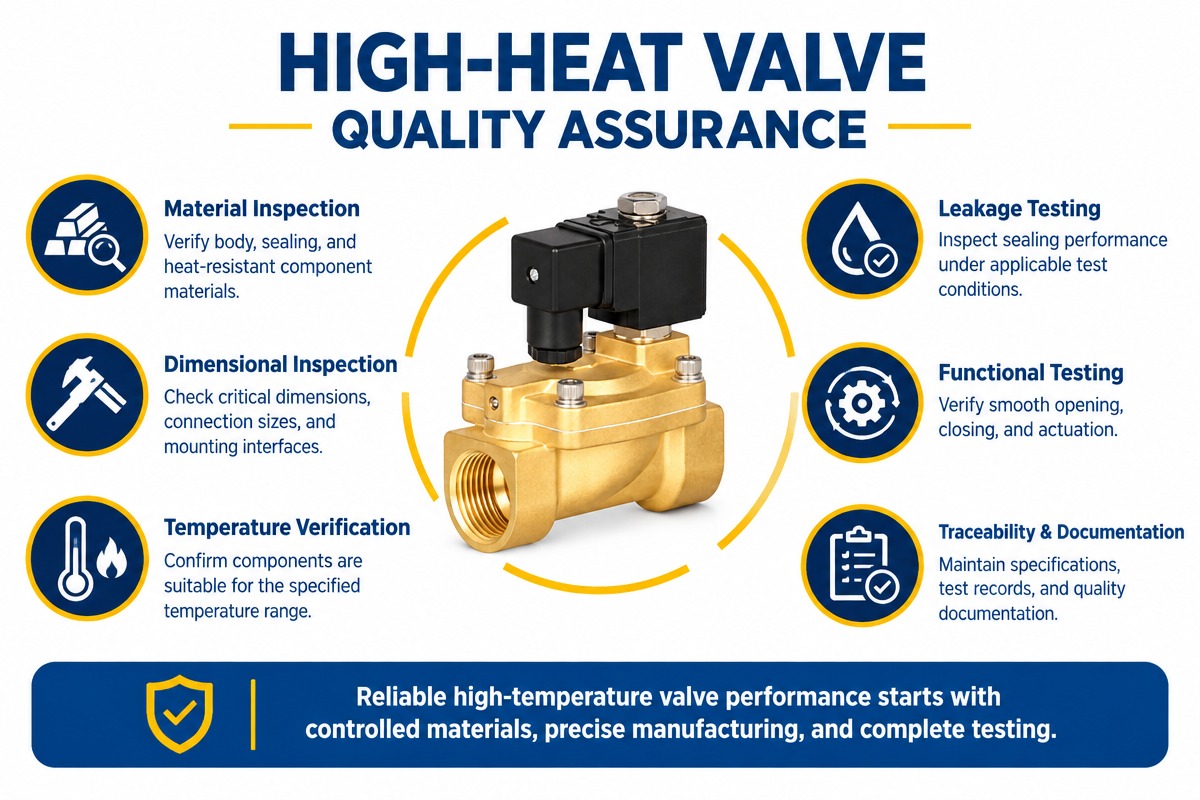
Standards and testing are considered. Verify design, pressure testing, fire safe, emissions and industry requirements where applicable. Ask the manufacturer for supporting documentation.

Lifecycle cost is estimated. Consider spare parts, access for inspection, replacement intervals and downtime.

Finally, get engineering approval before installation. For critical and hazardous service consult responsible process, mechanical and safety engineers.

Avoiding common mistakes in high temperature valve design

Itโ€™s not enough to select the valve with the highest temperature rating as part of proper valve design. The engineers have to consider total operating conditions and verify the suitability of all components.

And donโ€™t forget about peak temperature. The design basis shall consider start-up, shut-down, thermal cycling and abnormal conditions.

Donโ€™t ignore pressure-temperature limits. Check allowable pressure at the actual operating temperature, not the nominal pressure class.

Select suitable materials. Materials of body, trim, stem, seat, packing and gasket shall be considered for heat resistance, corrosion, oxidation, and compatibility with process fluid.

No bad sealing combinations. Select seats, stem packing and gasket for the temperature, pressure and fluid of choice.

Think about thermal expansion. Verify the changes in dimension, piping loads, clearances and actuator alignment during thermal expansion and contraction.

Select the right type of valve. Never use isolation valve for continuous throttling unless permitted by design and manufacturer.

Verify actuator requirements. Check the ambient temperature, required operating torque, enclosure protection and any required thermal barrier or extension.

Provide sufficient installation space. Space for operation, inspection, packing adjustment, removal and replacement of actuator.

Apply applicable standards. Check necessary design codes, testing procedures, material documentation and inspection criteria.

Maintenance Planning Early. Identify wear components, replacement procedures, inspection intervals and spare-parts availability prior to commissioning.

A documented design review will help to identify these issues prior to procurement and installation.
Get A Free Quote Now

Contact Form

Related Products

Related News

Scroll to Top

Get A Free Quote Now !

Contact Form
If you have any questions, please do not hesitate to contact us.
Weilong Solenoid Company Culture