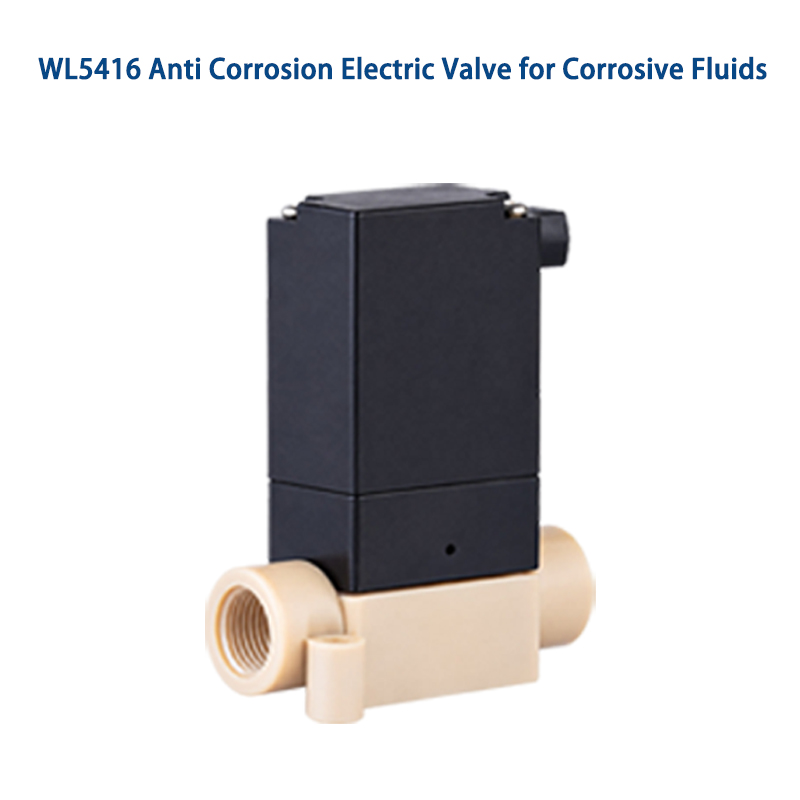
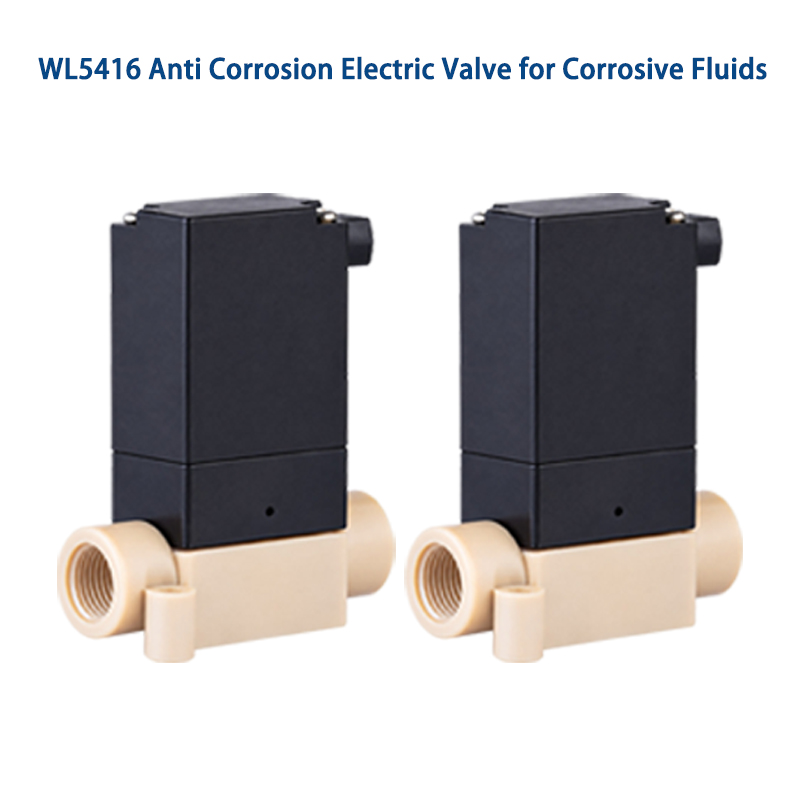
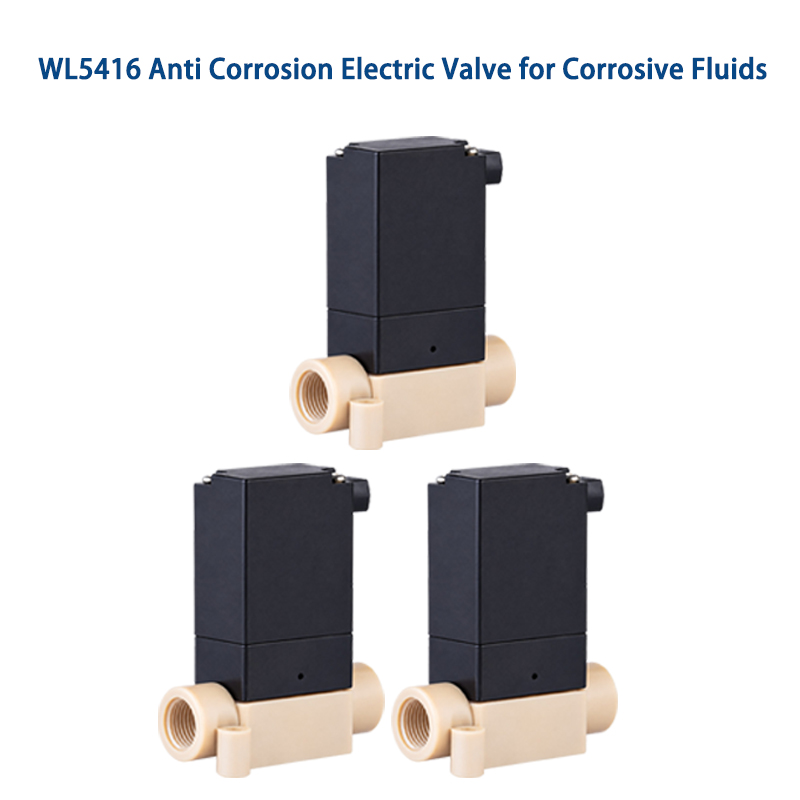
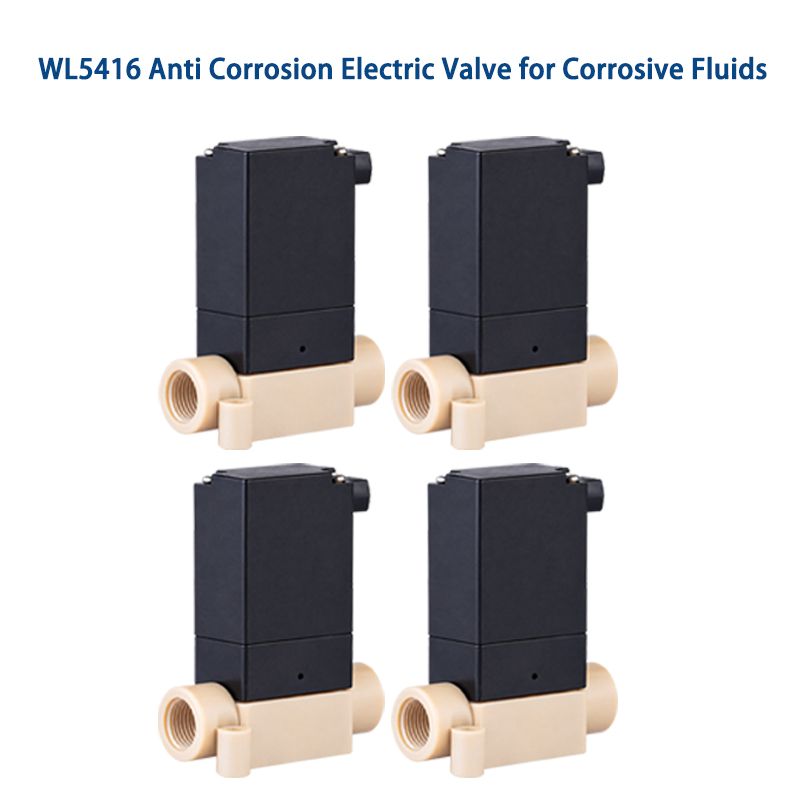
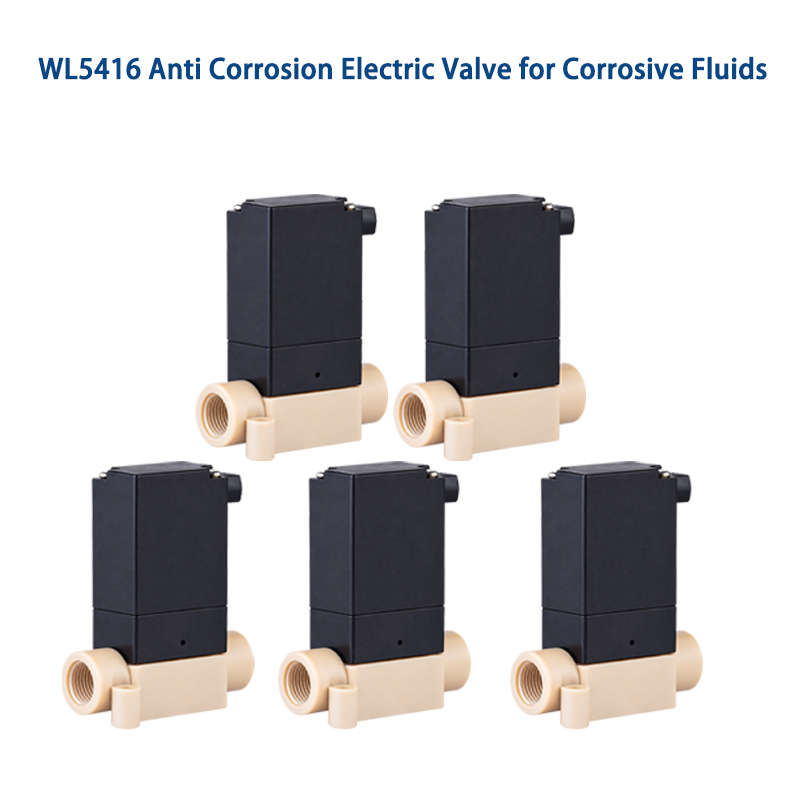
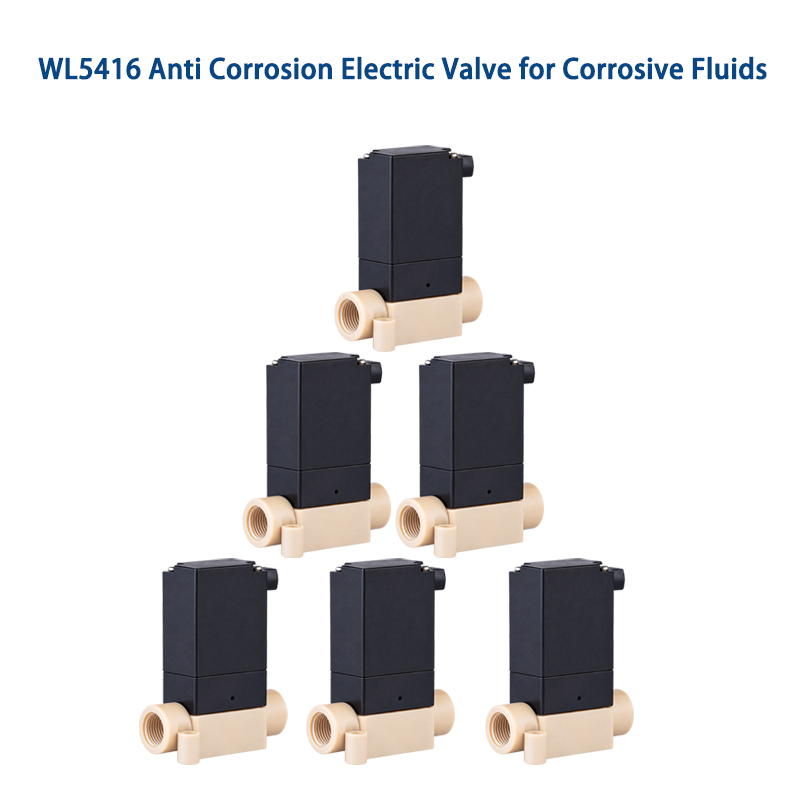
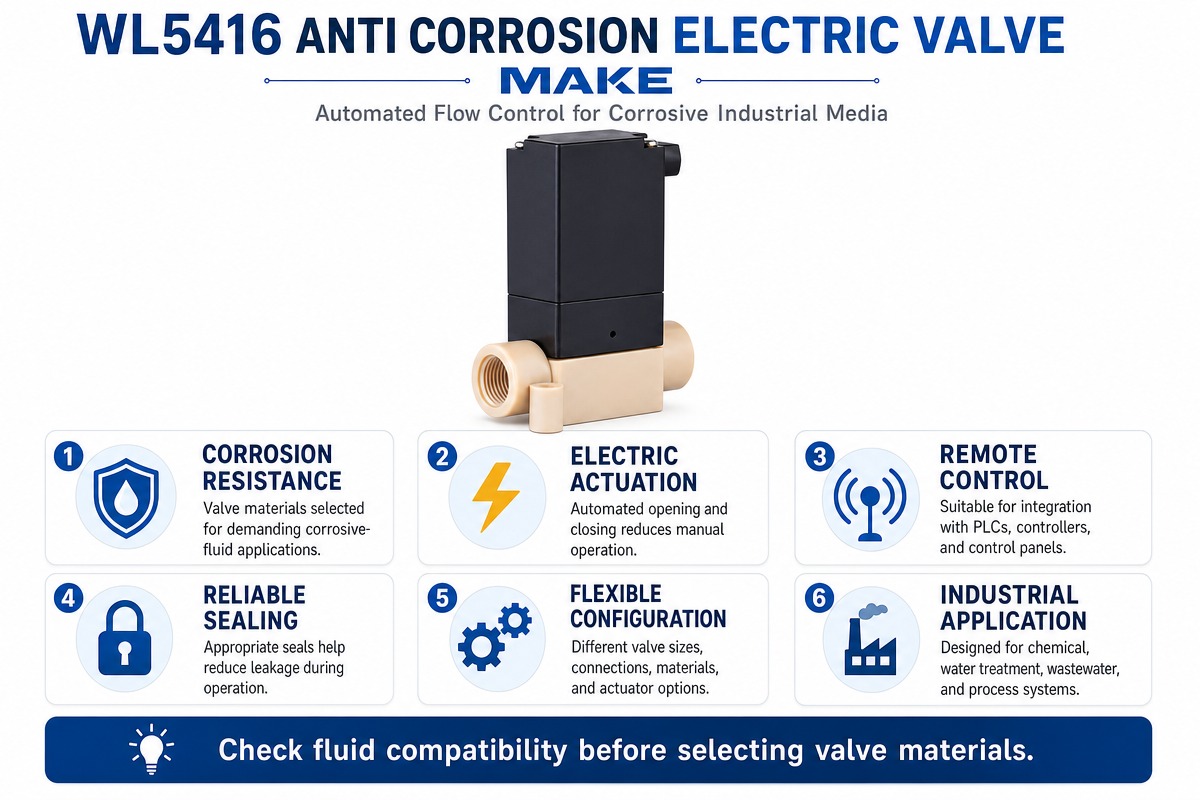
How to Select an Anti Corrosion Electric Valve
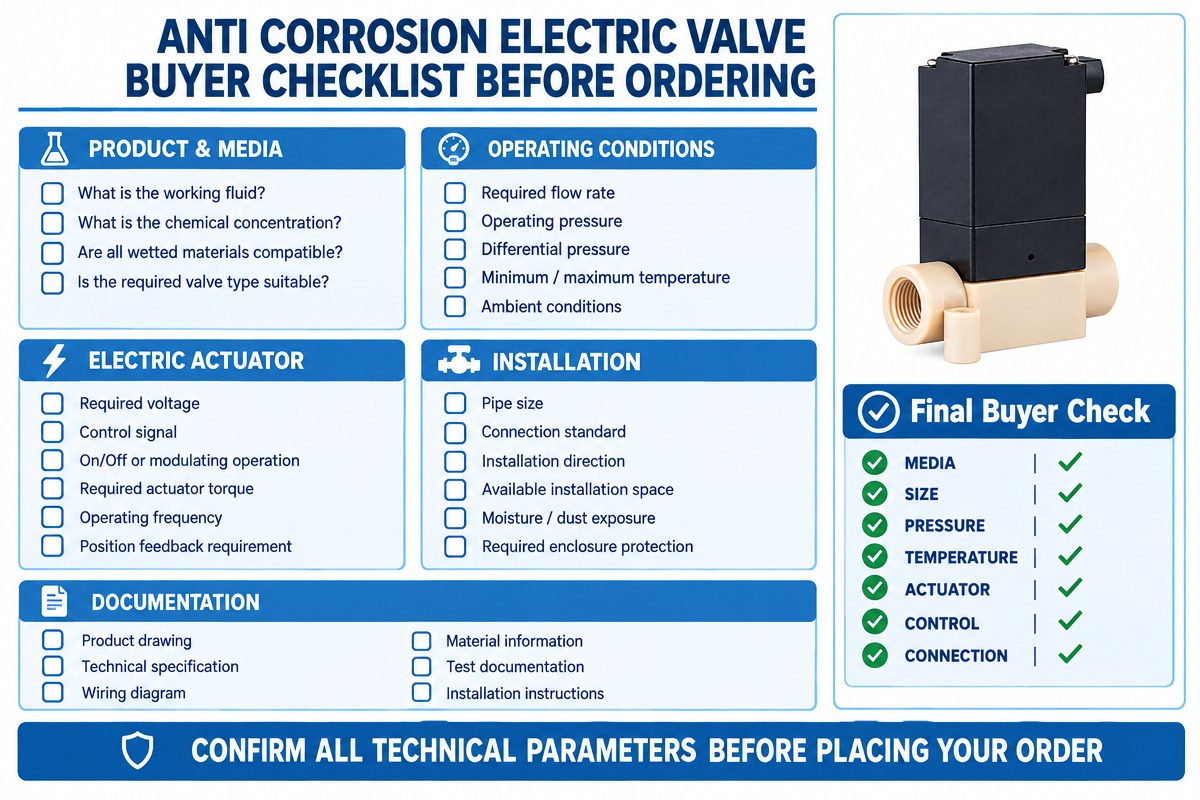
Selection of anti corrosion electric valve requires more than just choosing corrosion resistance body. The complete valve assembly should match the fluid, operating conditions, pipeline and control.
1.Specify the medium
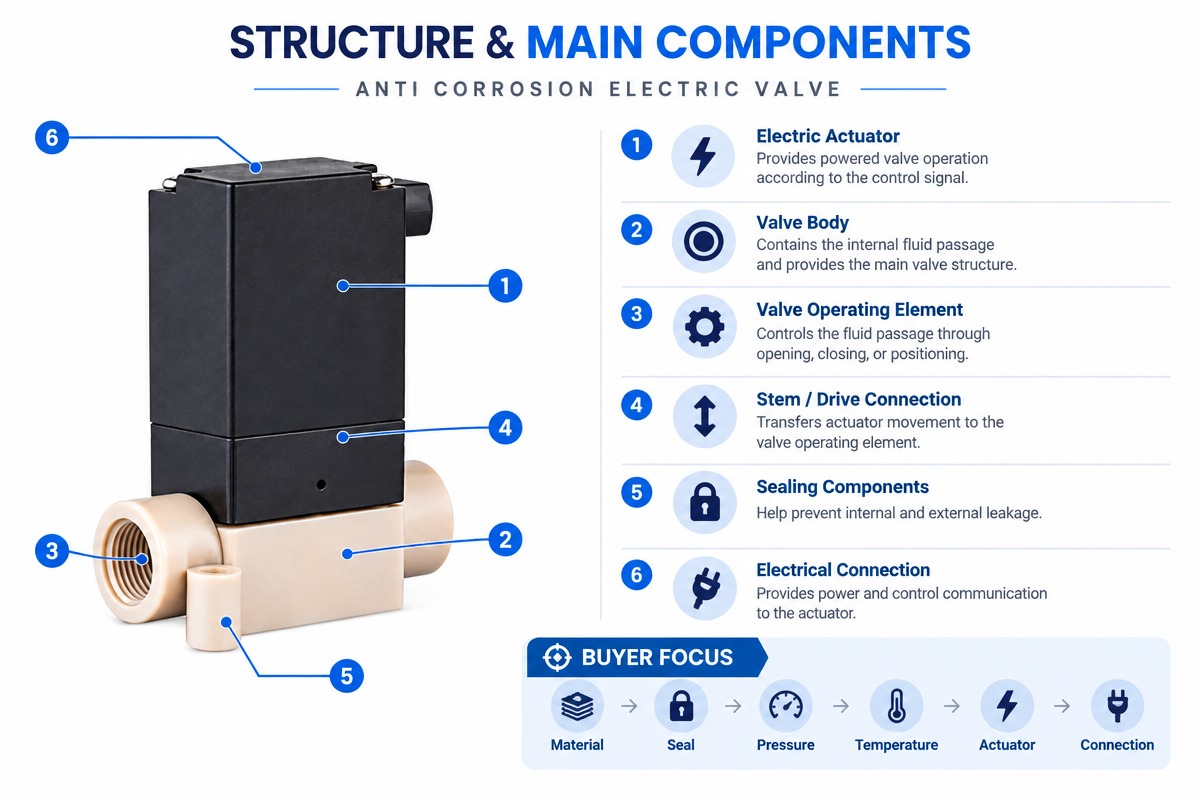
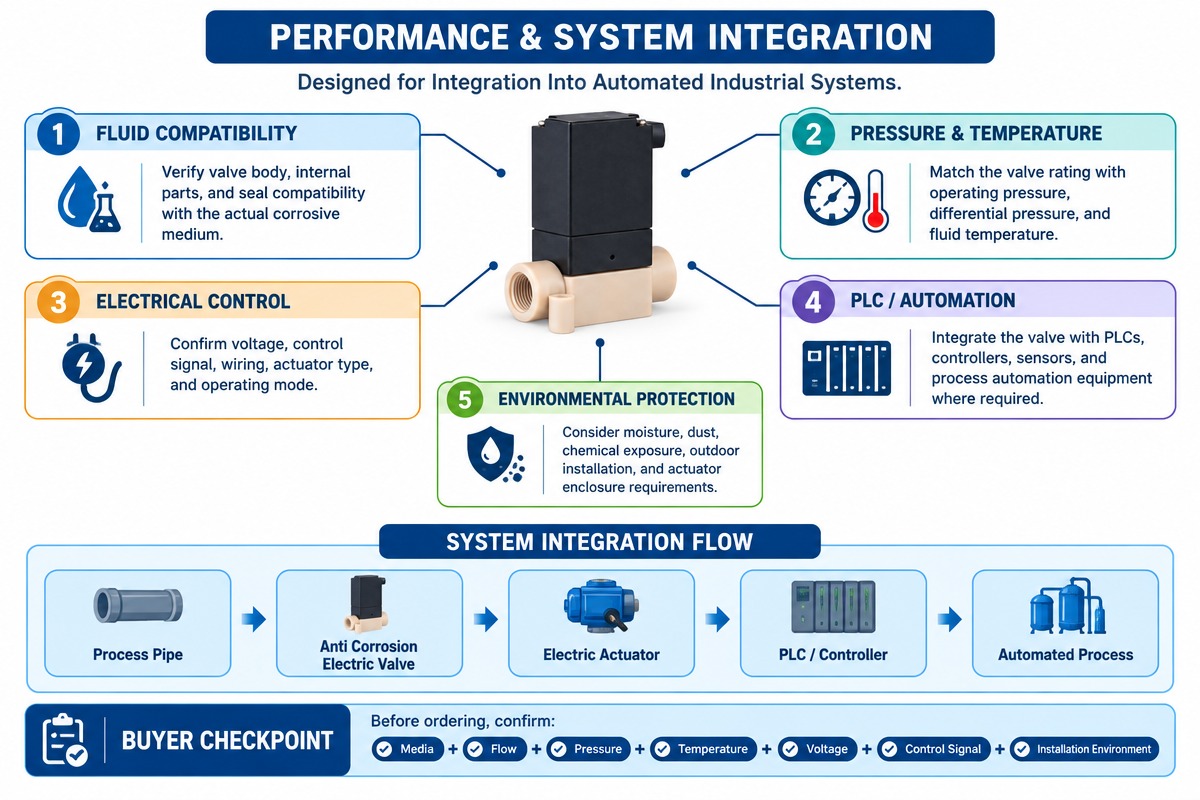
The specific chemical composition, concentration, pH, corrosiveness, viscosity and suspended particles of the fluid should be known. All the wetted parts of the valve (body, seals, stem, internal parts) should be checked for material compatibility with the medium.
2.Check pressure requirements.
Operating and maximum operating pressure and pressure surge should be checked. The valve with proper pressure rating for the difference in pressure across the valve should be chosen.
3.Temperature check
It is necessary to record the lowest and highest temperatures of the fluid and the environment. The seals, plastics, coatings and actuator parts may have different temperature ratings.
4.Choose the correct valve type
Depending on the fluid, flow rate, pressure drop, media characteristics and available space, the correct valve type may be chosen.
5.Choose the correct valve size
Never choose a valve on the basis of pipe size. Consideration should be taken to the flow rate, pressure drop, flow coefficient and necessary control performance.
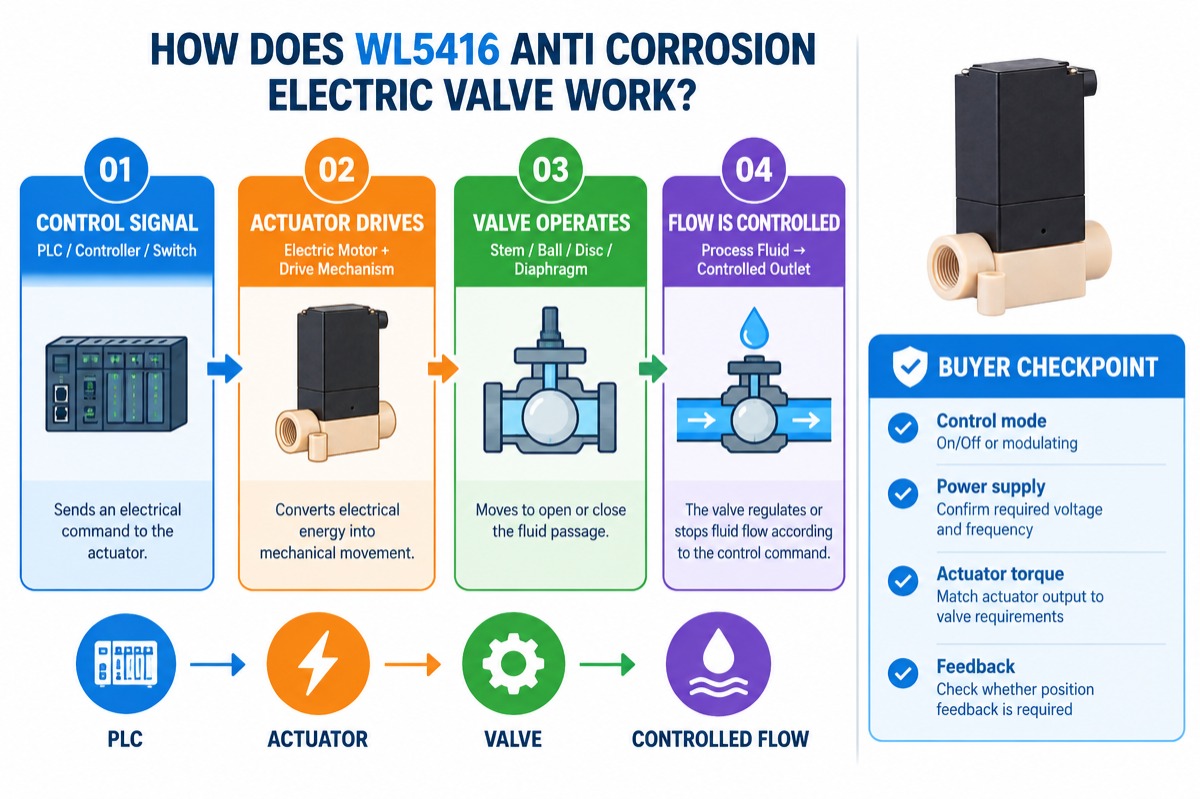
6.Choose the actuator
Required actuator torque, frequency of operation, voltage, control signal, duty cycle and available space for installation should be checked. Compatibility with the PLC or control system for automation should be verified.
7.Do not forget about protecting the environment
If the installation place is outdoor, wet, dusty or exposed to chemicals, it is necessary to choose proper actuator enclosure and electrical protection.
8.Consider the connections
Connections should be taken from the existing piping system: flange, threaded, union, wafer or other type of connections.
9.Consider maintenance
It is necessary to choose a design which will allow easy inspection, seal replacement, actuator servicing and cleaning.
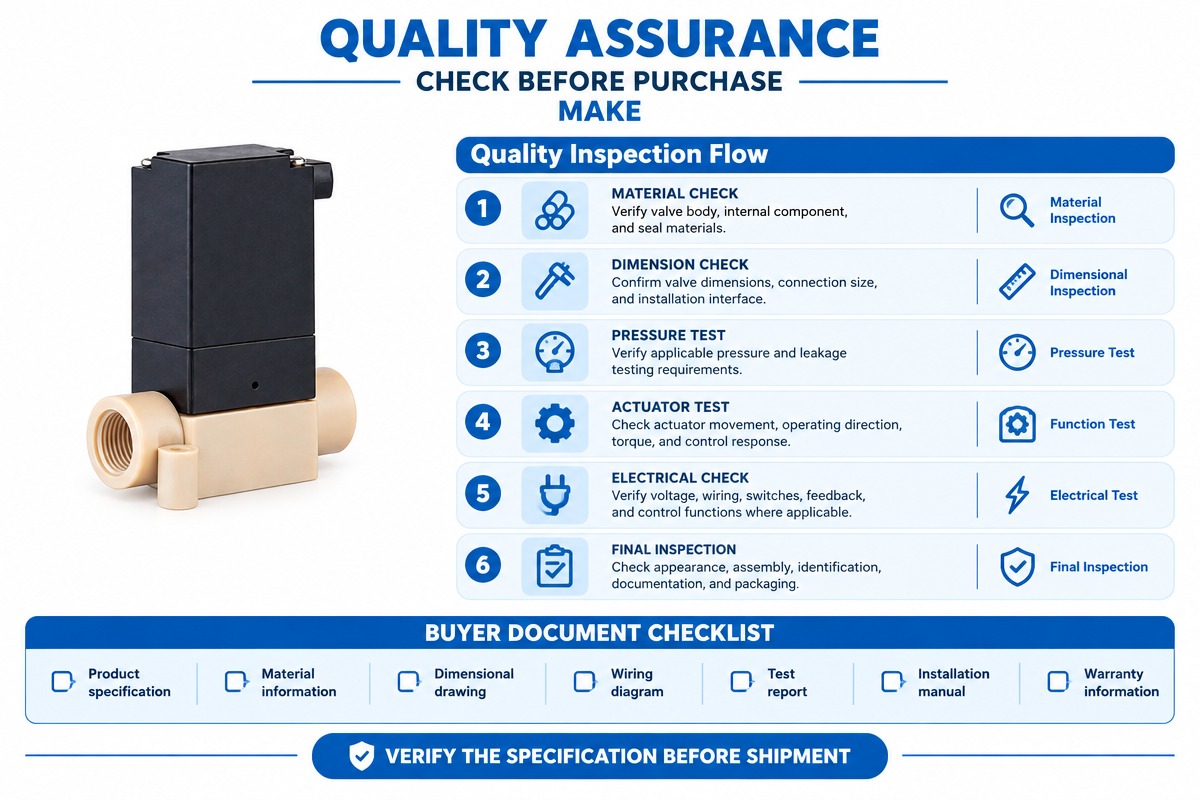
Finally, always consult with the full valve specification provided by the manufacturer, especially for highly concentrated or unusual corrosive chemicals.
Anti Corrosion Electric Valve Design: How to Prevent the Common Mistakes
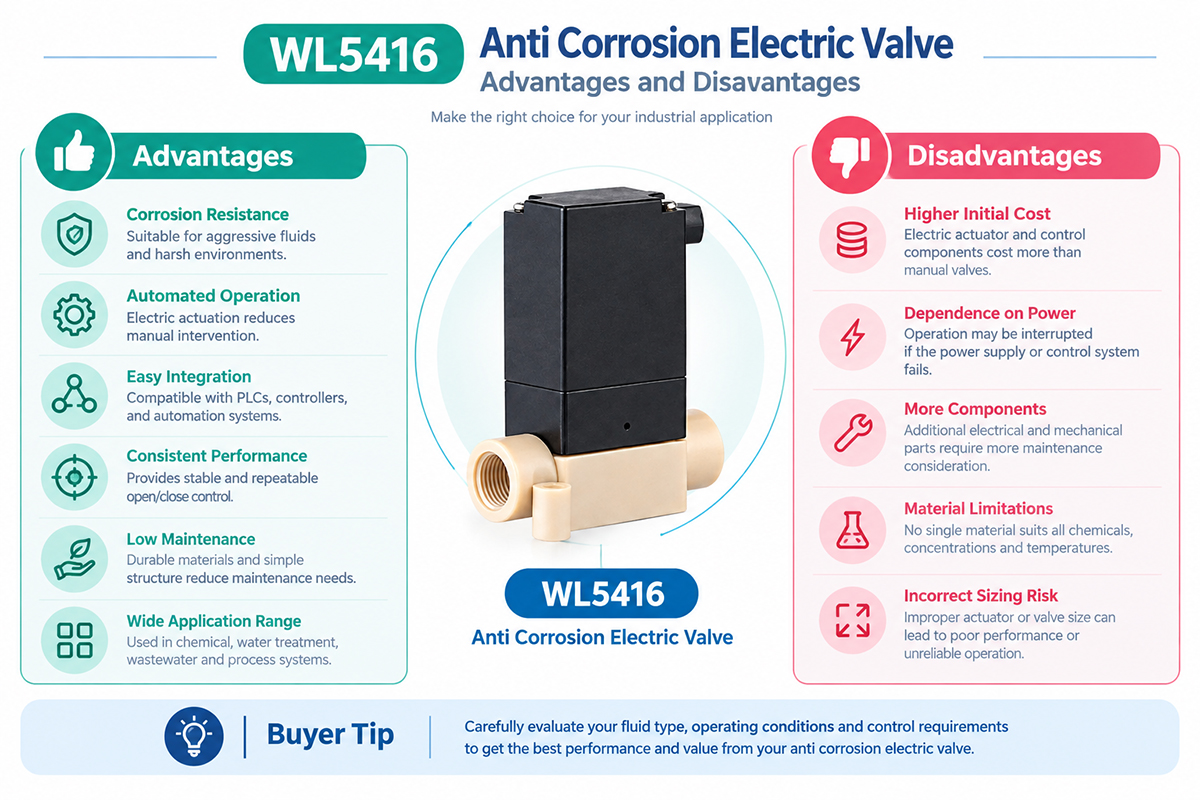
Do not choose materials just on the basis of their appearance. Check chemical compatibility of the materials with the actual medium.
Do not assume that stainless steel is compatible with all chemicals. Different chemicals and their concentrations can affect materials differently.
Do not oversize the valve. Oversized valve can affect flow control and actuator requirements.
Don’t forget about temperature. Temperatures of fluid and environment can affect seals, plastics, coatings and actuator.
Do not choose the actuator independent of the valve. The operating conditions and required torque should be considered together.
Watch out for pressure surge. Pressure surge may exceed the normal operating pressure of the valve.
Electrical conditions cannot be ignored. Voltage, control signal, frequency, duty cycle and enclosure requirements should be checked.
Installation conditions cannot be forgotten. Space, orientation, accessibility, moisture, dust and chemical exposure should be taken into account.
Do not use bad seals. Seal material depends on the medium and temperature.
Don’t base your sizing only on the nominal pipe size. Flow rate and pressure drop have to be taken into account.