Skip image slider
Corrosion Resistant Valve Acid Dosing Equipment
Corrosion Resistant Valve Industrial Process Control
Corrosion Resistant Valve Seawater Treatment Systems
Corrosion Resistant Valve Corrosive Media Handling
Corrosion Resistant Valve Chemical Injection Systems
Corrosion Resistant Valve Pharmaceutical Manufacturing

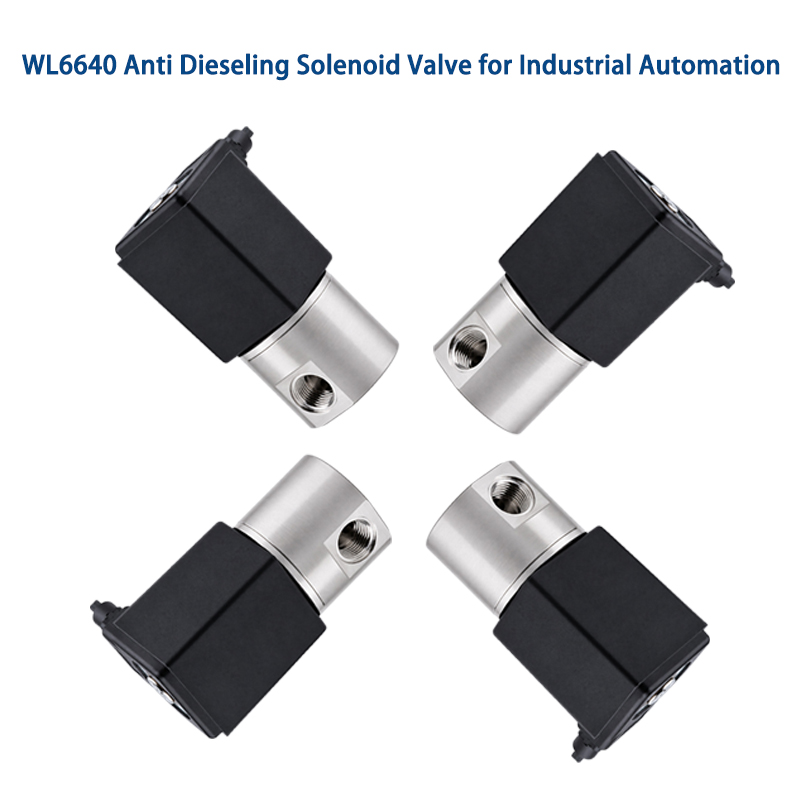
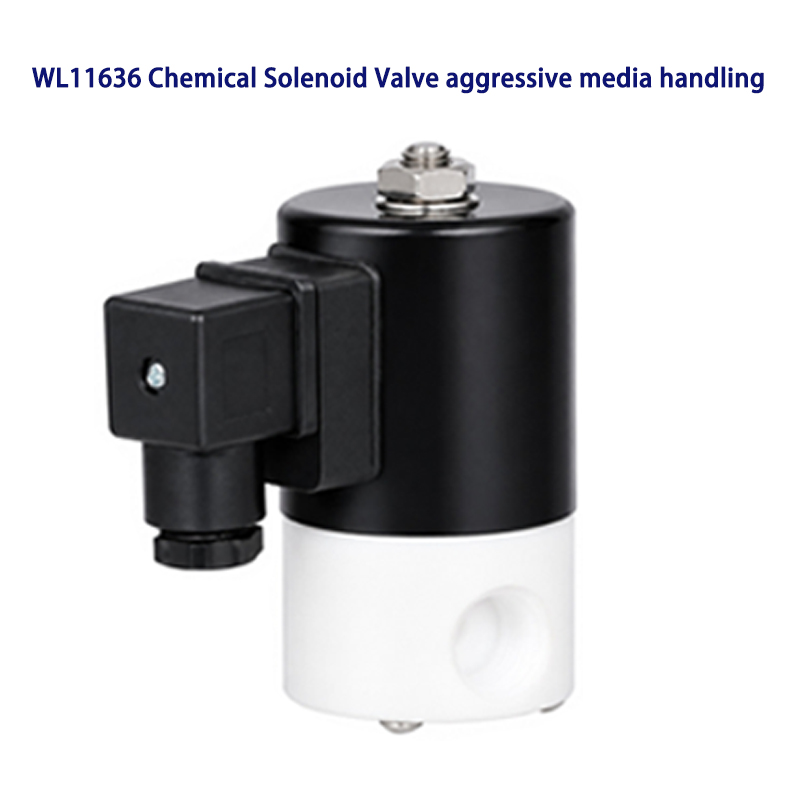
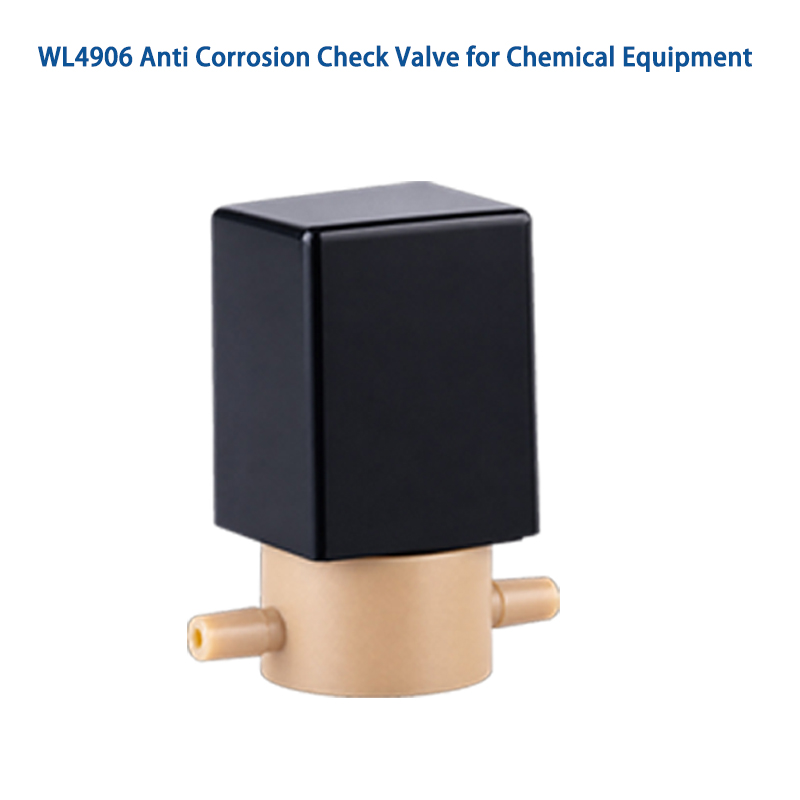
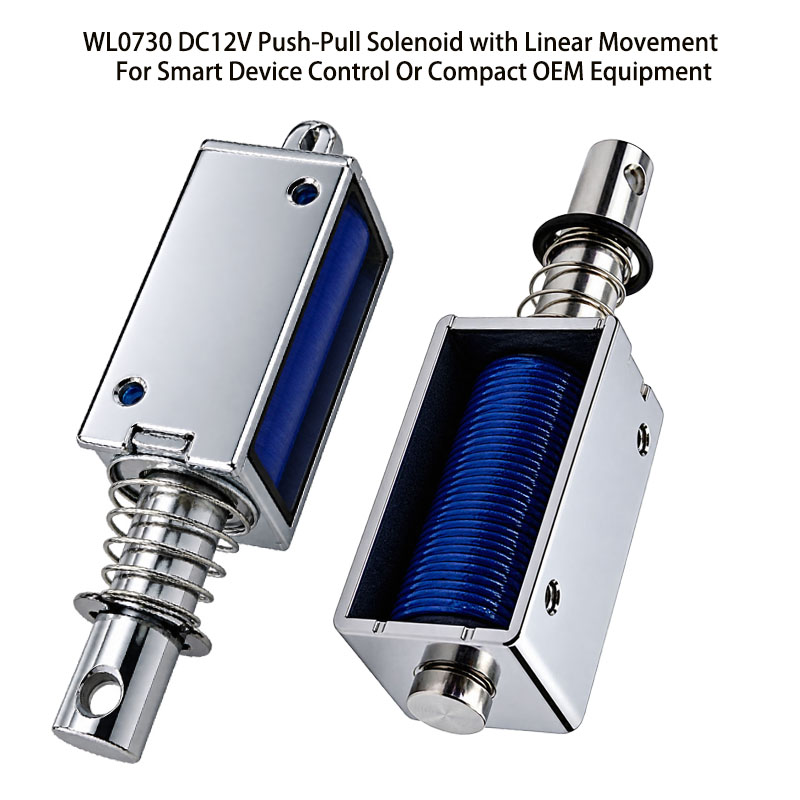
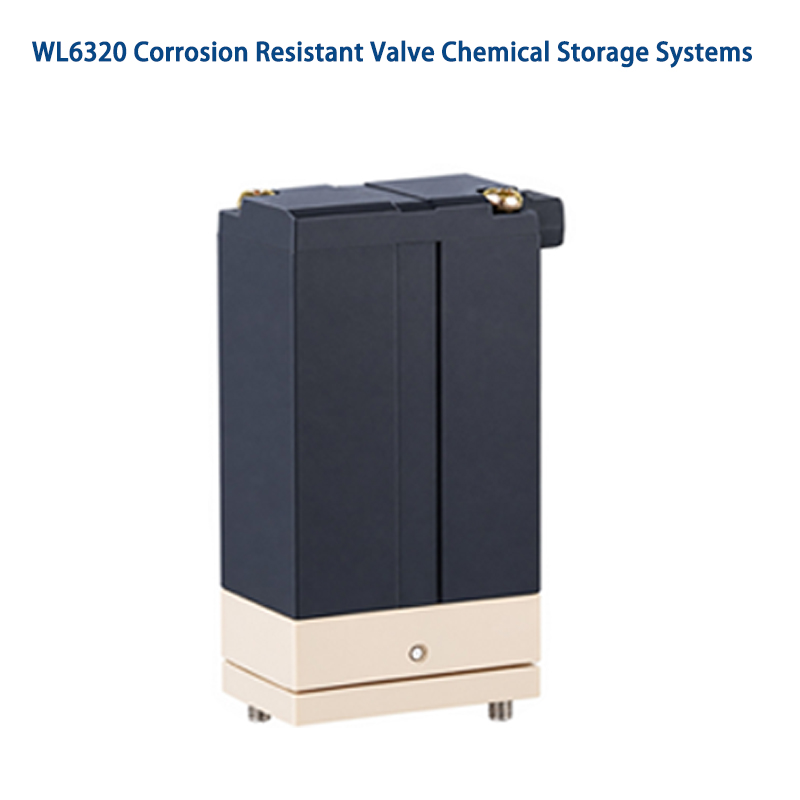
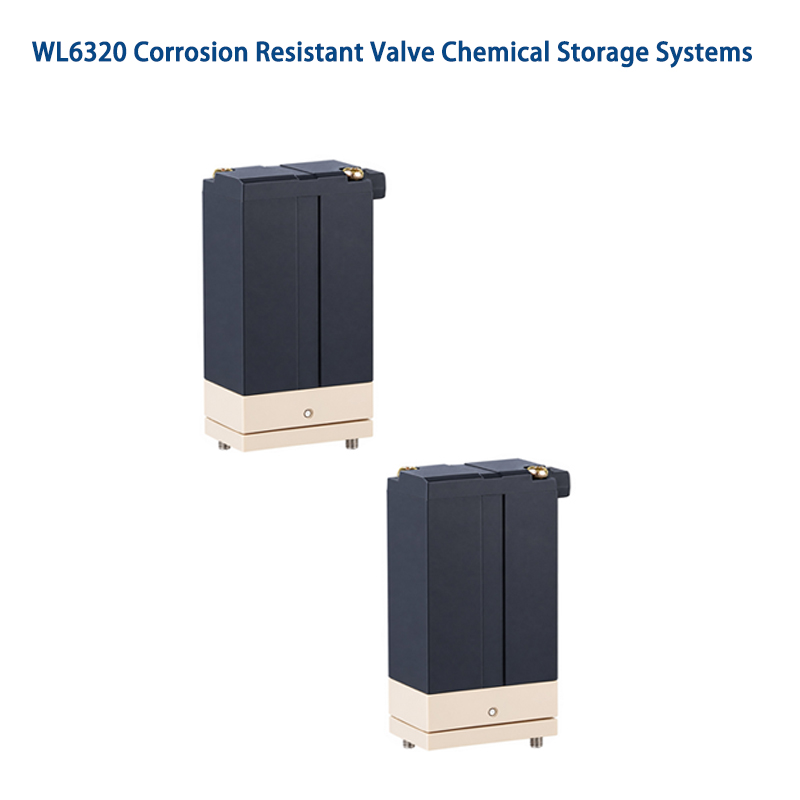
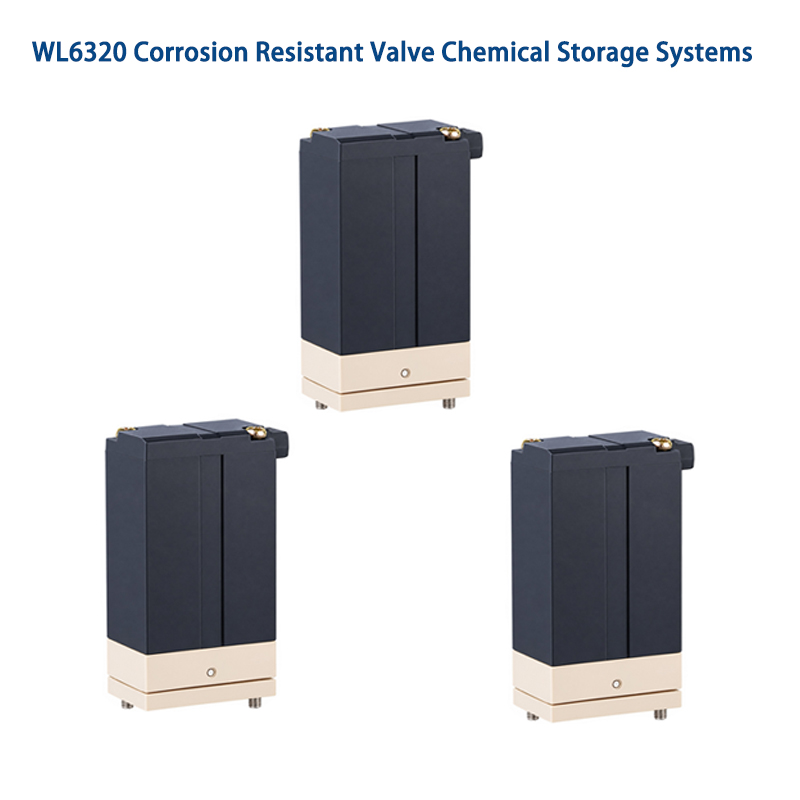
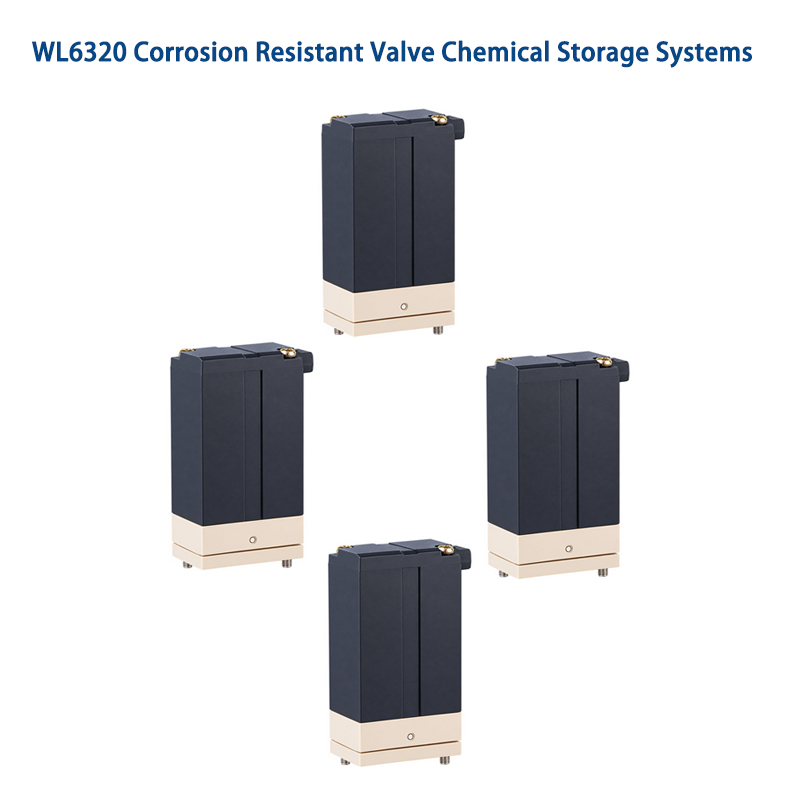
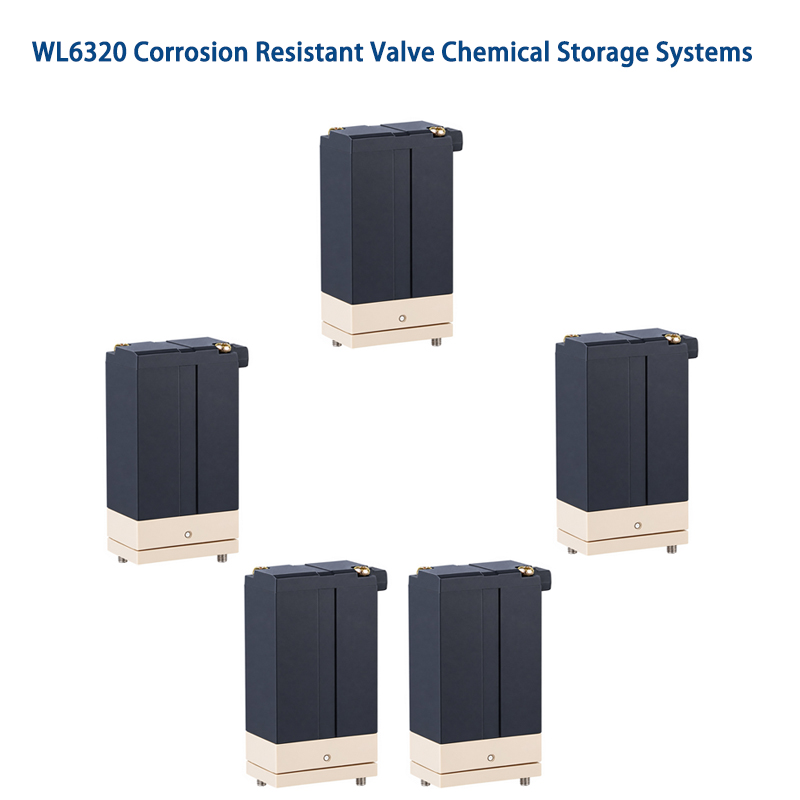
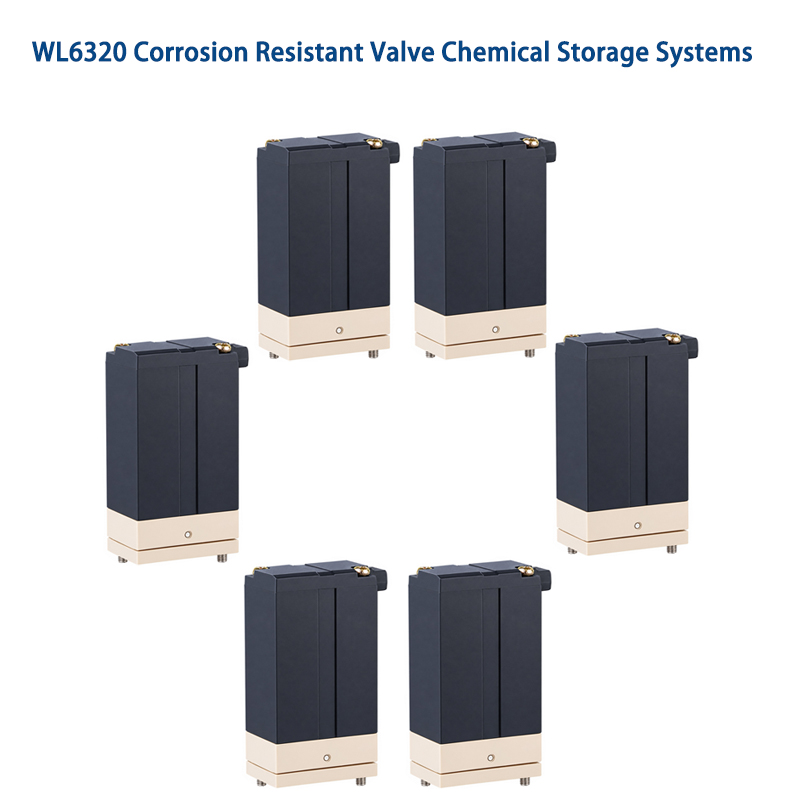
WL6320 Corrosion Resistant Valve Corrosive Fluid Control Systems

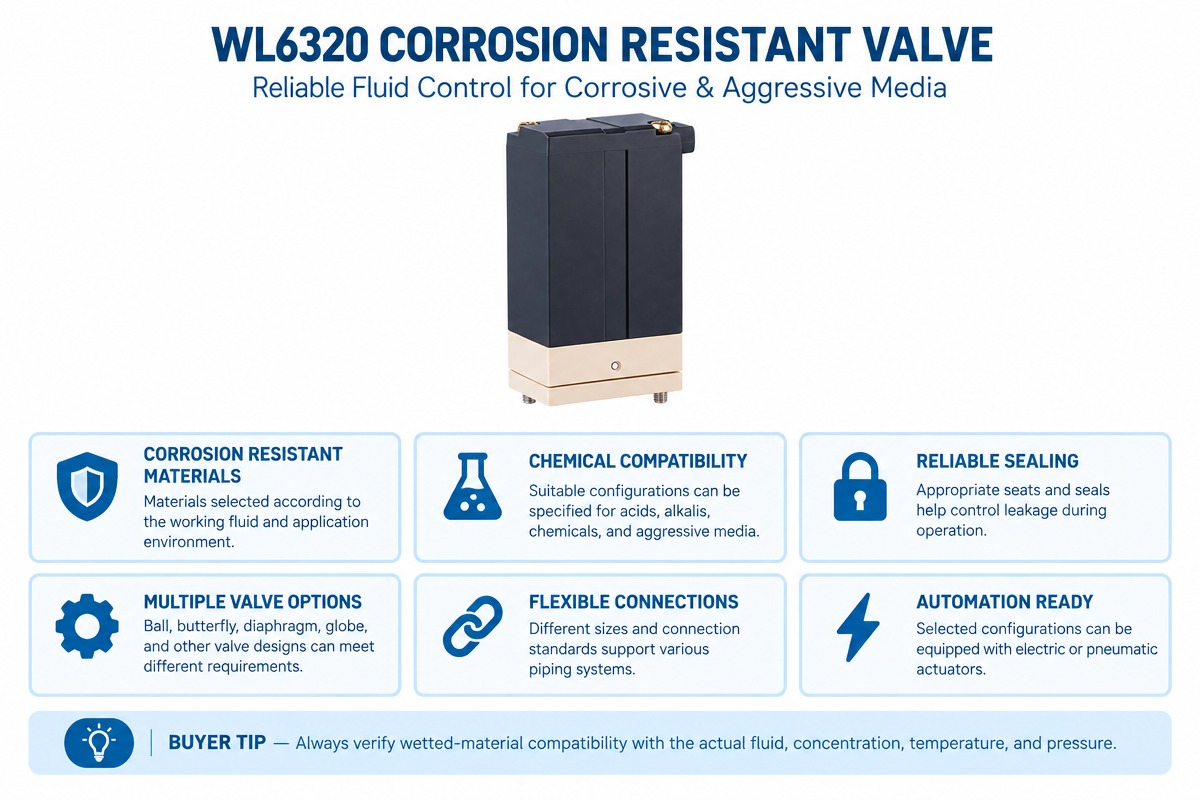
Corrosion resistant valves are used for controlling fluids in applications where conventional valve materials would come in contact with corrosive chemicals, aggressive fluids, moisture or hostile environment. Valve body, internal parts, seals and other wetted parts are constructed from carefully selected materials to improve compatibility with the process medium. Selected materials may include engineered plastics, stainless steels, specialty alloys, coatings and chemical-resistant seals depending on the application. Corrosion resistant valves are typically used in process equipment for chemical processing, water treatment, waste water treatment, industrial manufacturing, marine systems and chemical transfer. Various valve configurations, connection types, pressure ratings, sizes and controls are offered. Proper selection requires the assessment of fluid chemistry, concentration, temperature, pressure, flow rate and installation conditions. Proper material compatibility and valve sizing in industrial systems can support fluid control and help increase service reliability in the long run.

Corrosion Resistant Valve

What Is A Corrosion-Resistant Valve?

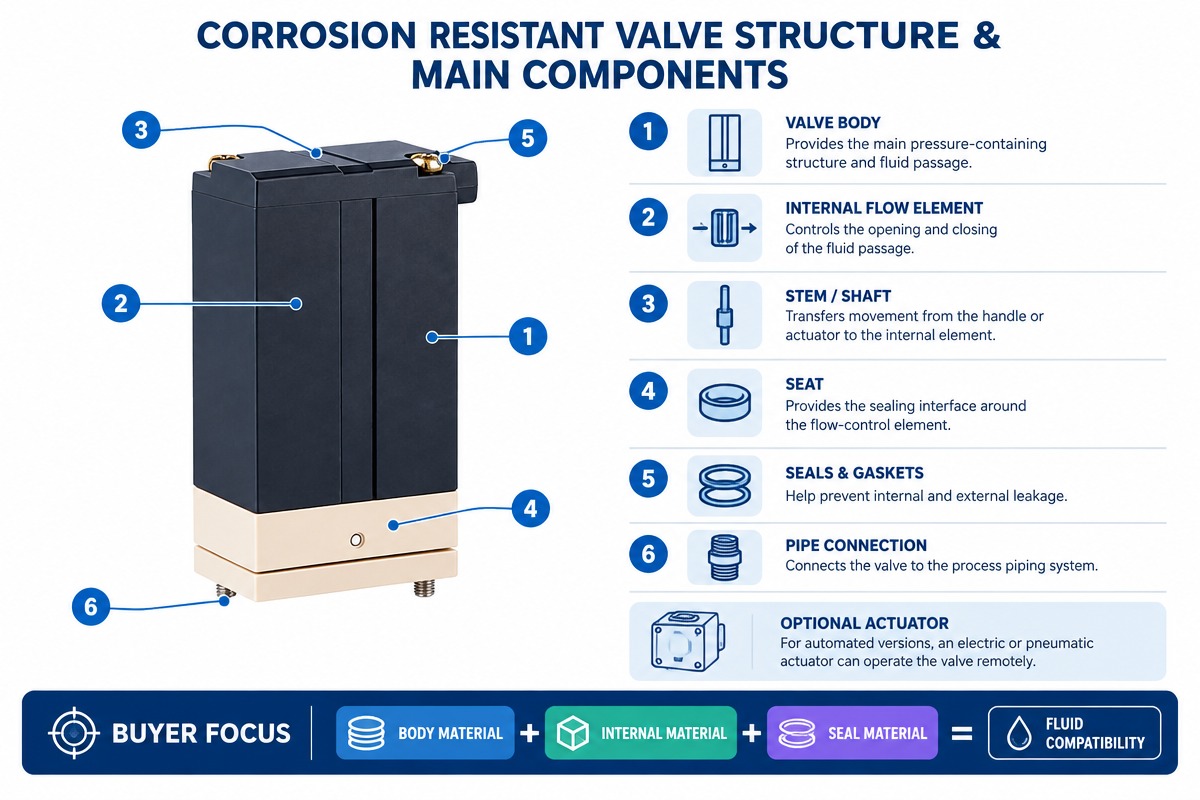
Corrosion resistant valve is a fluid control unit designed to manage corrosive chemicals, aggressive liquids, moisture, or other environments which might affect ordinary valve materials. Valve body and wetted parts are made from or lined with materials which are chemically compatible. Typical materials include engineered plastics, stainless steel, specialty alloys, coatings and chemical resistant seals. Valve might use a ball, butterfly, diaphragm, globe, plug or other mechanism for its operation. Corrosion resistant valves are used extensively in chemical processing, water treatment, waste water systems, industrial manufacturing and chemical transfer systems. Proper material selection is important to ensure reliable performance.

How Does a Corrosion-Resistant Valve Work?

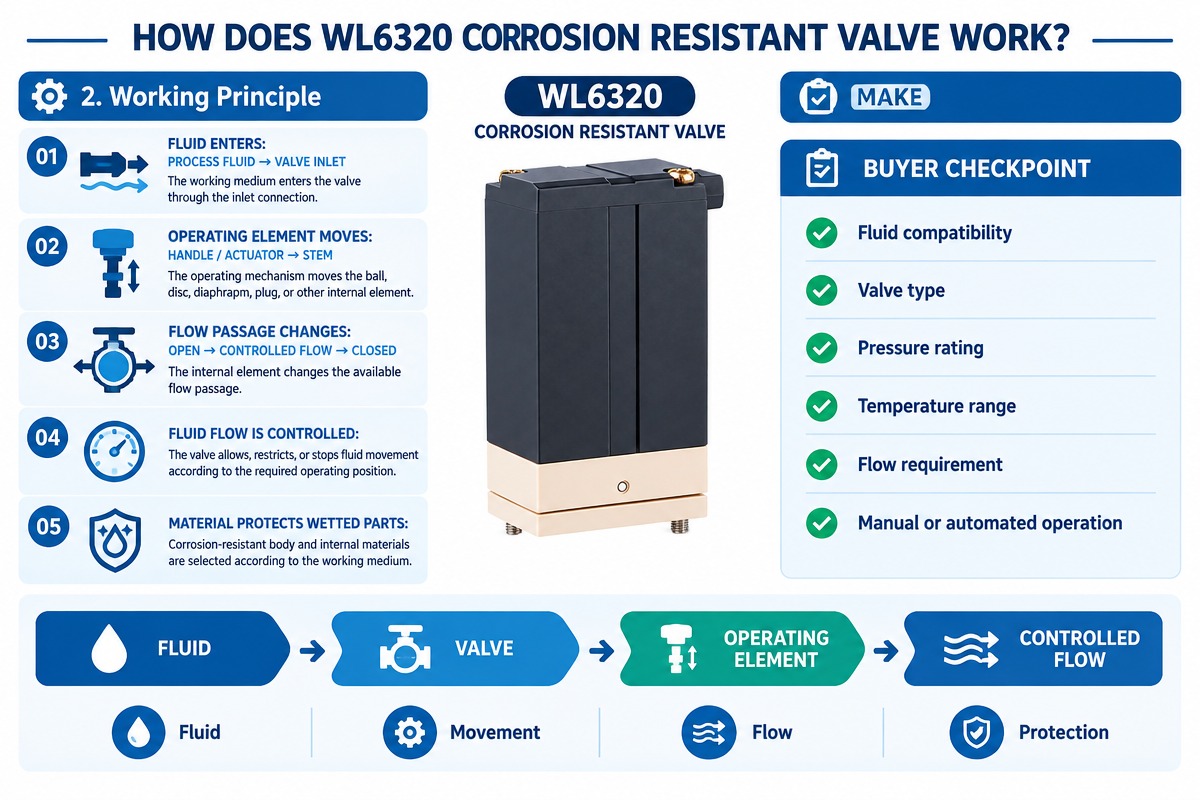
Corrosion resistant valve is designed to control the flow of a fluid in a pipeline or process system and is made of materials resistant to the properties of the process medium.

1. Fluid In Valve

Fluid enters the valve via the inlet connection and flows into the internal flow path.

2. Working Mechanisms in Motion

Depends on the type of the valve, a handle, actuator, stem, diaphragm, ball, disk, plug or other device is moved to a different position.

3. Changes in Flow Path

When the valve opens, the fluid can flow through the system via the internal flow path. When it is closed, fluid flow is restricted or blocked.

4. Materials against the Medium:

Body, internal parts and seals contacting the fluid are selected for chemical compatibility.

5. Fluid control

Valve may be used for simple isolation or, if the design allows, flow regulation.

In automated systems, valve might be actuated via an electric, pneumatic or hydraulic actuator according to control signal.

Corrosion Resistant Valve Video

Corrosion Resistant Valve Detail Display

Corrosion Resistant Valve Technical

Brand Weilong Model Number WL 6320
Rated Voltage (V) DC12Vย  or 24V Rated Power (W) 10W
Work Mode Air or Liquid Control Valve Working Pressure (MPa) 300KPa
Air-Flow Rate 0 L/minute Reset Time(s) 0.25 S On, 0.25 S Off
Service Life 200 Thousand Times Certification CE, ROHS, ISO9001,
Pipe Gate ย inside: 2.0 mm Lead Wire Length(mm) 63 MM
Install Style Screw Tolerance of Dimension ยฑ 0.1 MM
Water-proof None Insulation Class B
Hi-Pot Test AC 600V 50/60 Hz 2s Non-excitation Holding Force 0
Working Temperature -10ยฐC-100ยฐC Duty Cycle 1-100%
Thread Depth (mm) / Payment Term TT, or LC At Sight
Sample Order Yes Warranty 1 Year
MOQ 1000 pcs Supply Ability 5000 pcs per week
Delivery Time 30 Days Port of Loading Shenzhen

Why Are Corrosion-Resistant Valves So Popular?

As many modern industrial processes deal with aggressive chemicals, treated water, waste water and other challenging media, corrosion resistant valves are becoming increasingly popular.

Improved Material Compatibility

Modern industrial users demand valve materials which are compatible with chemicals and fluids used in their processes. Corrosion resistant valve options provide alternative materials for applications where normal valve materials may require additional protection.

Increased Equipment Serviceability

Careful material selection will help to reduce chemical attack on valve parts and premature component deterioration.

Less Repair

If valve materials, seals, pressure rating and conditions of operation are well-matched, maintenance needs can be reduced.

Growing Industrial Automation

Modern systems require isolation and control of fluids. Corrosion resistant valves are available with electric or pneumatic actuators for automated process operation.

Industrial Applications

Corrosion resistant valves are used in chemical plants, water treatment facilities, wastewater systems, industrial manufacturing, marine equipment, chemical storage and process piping.

Better Process Reliability

Properly selected valve will deliver repeatable fluid control in proper pressure, temperature, flow and chemical conditions.

The trick is not simply selecting a valve that is described as “corrosion resistant”. You need to take into account the whole material and application specification.

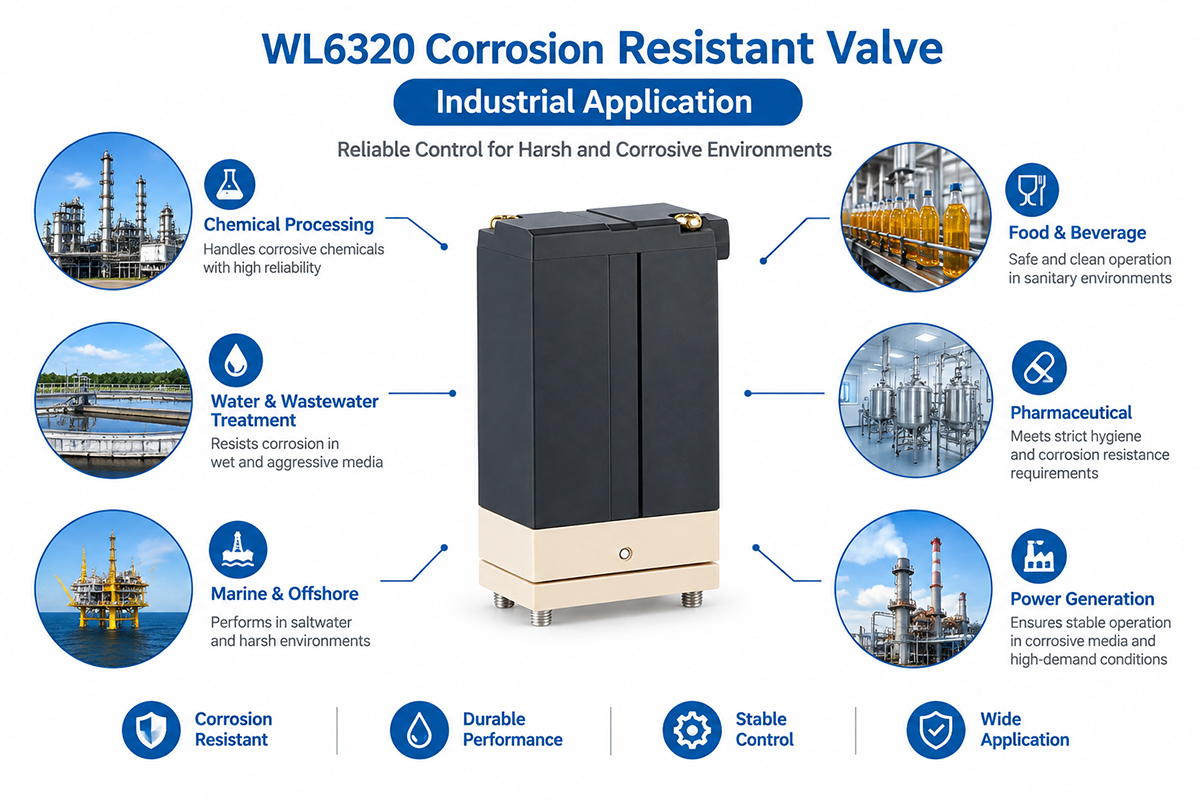
Corrosion Resistant Valve Applications

Corrosion Resistant Valve Mining Industry Applications

Corrosion resistant valves are applied in a variety of industrial processes, where the fluid is able to attack materials of conventional valves.

Chemical Processing

Chemical plants use corrosion resistant valves for handling of acids, alkalis, solvents, chemical solutions and other aggressive process media. Material compatibility should be confirmed for each application.

Water Treatment

These valves can be used for filtration, dosing, distribution and water treatment processes in water purification systems. Proper materials can help to reduce the contact with treated water and chemicals.

Waste Water Treatment

Corrosive chemicals and pollutants can be present in waste water. Corrosion resistant valves can be used for chemical dosing, process control and fluid transfer if specifications are appropriate.

Storage and Transfer of Chemicals

Corrosion resistant valves can be used for flow control of compatible chemicals between vessels and processing equipment, including storage tanks and transfer lines.

Production, Industrial

Valves in manufacturing equipment may be used for cleaning solutions, process fluids, cooling systems and chemical handling.

Marine Systems

Corrosion issues may be aggravated by sea water and humid environments. Marine fluid systems may require suitable materials and environmental protection for valves.

Semiconductor and Electronics Manufacturing

Specialized manufacturing processes require selected valves for chemicals or high purity fluids.

Process Automation

Corrosion resistant valves can be used with electric or pneumatic actuators for automated fluid control.

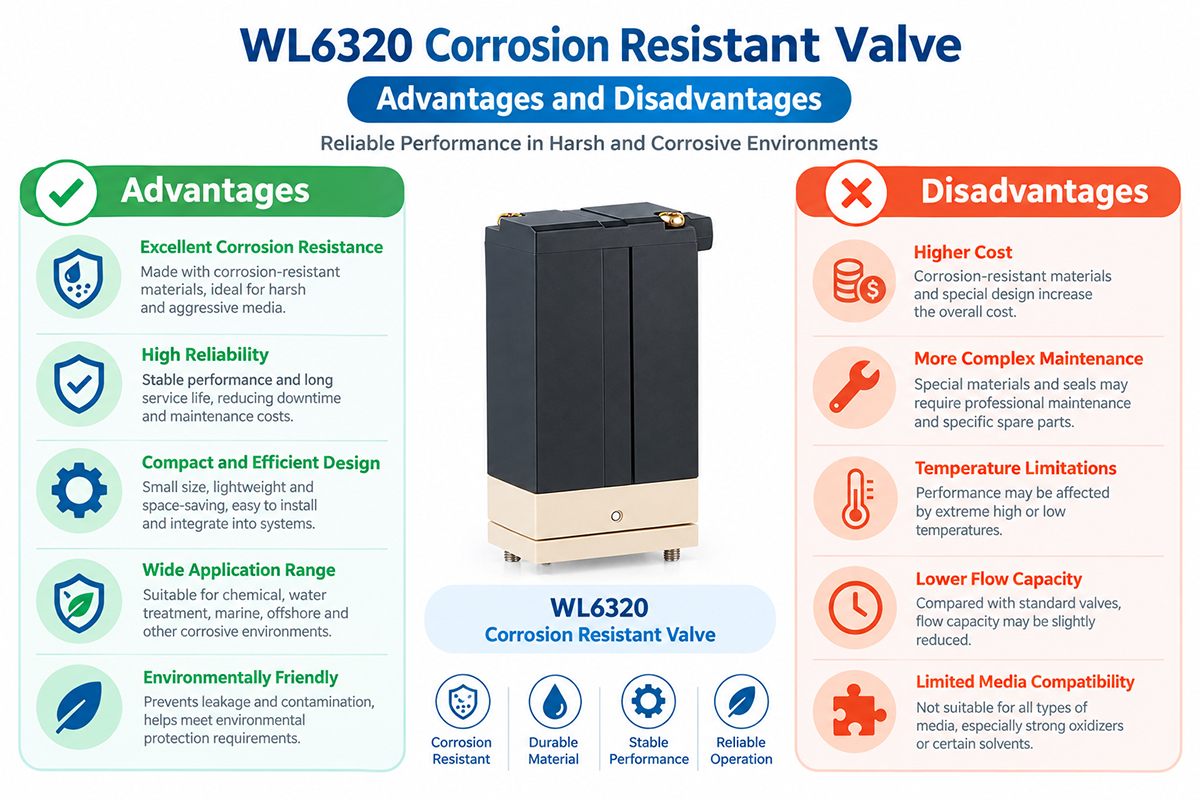
Corrosion Resistant Valve Adv. & Disadv

Corrosion Resistant Valve Chemical Delivery Systems

Corrosion Resistant Valve Advantages and Disadvantages

Pros

Wide Selection of Materials

Corrosion resistant valves are produced with different body, internal, coating and seal materials for different chemical environments.

Appropriate for aggressive media.

Valves properly selected can be used with a wide range of acids, alkalis, chemical solutions and other challenging fluids.

Extended Service Potential (ESP)

Using materials compatible with the process medium reduces chemical attack and premature component deterioration.

Fewer Repairs

Proper material selection helps to reduce corrosion and chemical attack problems.

Industrial Applications

They are used in chemical processing, water treatment, waste water, manufacturing, marine systems and industrial piping.

Automation Compatibility

Corrosion resistant valves are available with electric or pneumatic actuators for automated operation.

Cons

Higher Initial Cost

Specialized materials, coatings, seals and actuators might increase the cost of purchase.

Material Limitation

There is no single material which would be suitable for all chemicals, concentrations, temperatures and pressures.

More Cautious Choice

Material compatibility requires more thorough technical analysis than standard valve.

Temperature Limitations

Some elastomers and plastic materials are limited in the temperature range at which they can operate.

Mistake Risks

Improper material, valve size, seal or pressure rating selection might cause leaks, premature deterioration or operation problems.

Corrosion Resistant Valve Fertilizer Production Systems

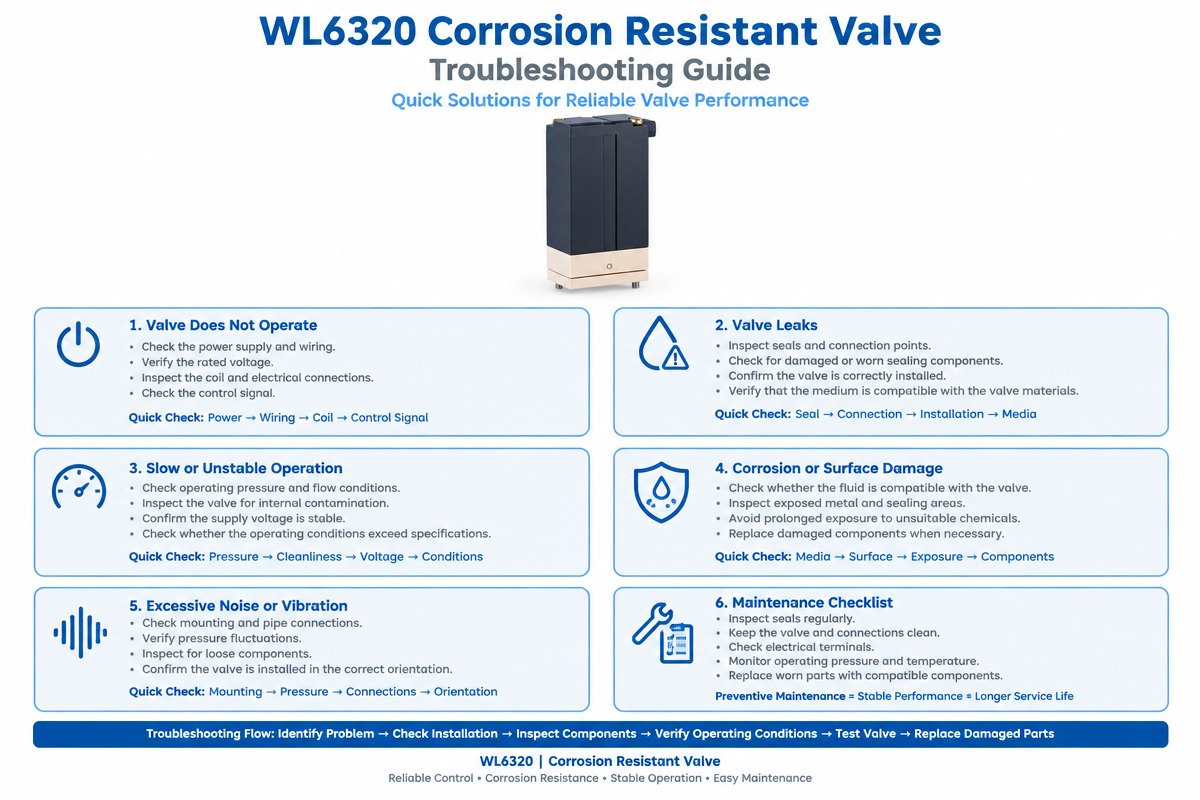
Corrosion Resistance Valve Troubleshooting

1. Dripping Valve.

Check valve seat, seals, gaskets, connections and internal parts. Make sure that sealing material is chemically compatible with process fluid. Check also installation conditions and pressure.

2. Valve does not open or close completely

Check for mechanical obstruction, excessive differential pressure, internal part damage or improper actuator setting. For automated valves check control signal and actuator.

3. Corrosion or surface damage observed

Identify the exact location of the problem. Verify material against actual chemistry of the fluid, its concentration, temperature and environmental exposure. Selected material might not be appropriate for application.

4. Valve works slowly

For actuated valves check – power supply – actuator pressure or voltage – mechanical resistance – operating temperature – actuator sizing

5. Valve overloads with operating torque

Possible causes are contamination, deposits, high pressure differential, sealing problems or internal damage. System should be isolated prior to inspection.

6. Unsteady flow

Operating conditions, control method and differential pressure. Check valve sizing. Verify control signal and actuator configuration for automated systems.

7. Seal failures

Check seal for swelling, cracking, hardening or chemical deterioration. Verify that replacement seal is compatible with the fluid and temperature.

8. Common valve failures

Instead of replacing valve frequently, examine the whole application. Check fluid chemistry, pressure, temperature, flow conditions, material compatibility, installation and maintenance procedures.

Safety: Prior to inspection or service, isolate the process and depressurize the system in accordance with the applicable operating procedures, especially if corrosive or hazardous fluids are present.

FAQ

1. What is a corrosion-resistant valve?

A corrosion-resistant valve is the type of valve that is designed for the control or isolation of the fluids that may corrode the conventional valve materials. The body of a corrosion-resistant valve, internal parts, seats and seals consist of corrosion-resistant materials. These types of valves are widely used in chemical process industries, water treatment facilities, wastewater treatment plants and many other industries involving fluids.

2. What liquid can corrosion resistant valve control?

It depends on the construction of the valve and the compatibility of the materials. Depending on the construction, corrosion-resistant valves can be used with acids, alkalis, chemical liquids, salts, and other aggressive fluids. Careful consideration of chemicals, their concentrations, temperatures and pressures are required before selecting a valve.

3. What are the general materials for corrosion resistant valve?

Generally, materials used for corrosion resistant valves include plastic-like materials, stainless steel, special alloys, coating systems and chemicals resistant elastomers. The best material depends on the medium, temperatures and pressure the valve is going to work under. Check the compatibility of the material with the body of the valve.

4. Choosing the Correct Corrosion Resistant Valve

Consider the type of fluid, the concentration of the chemical, the flow rate, the operating pressure, the temperatures, pipe diameter, connection type, valve construction, environment of operation, and actuator requirements for the automated system. The material compatibility should be one of the key considerations while choosing.

5. Where are corrosion resistant valves employed?

You will usually find such valves in chemical plants, water treatment plants, wastewater treatment plants, manufacturing equipment, chemical transferring piping systems, marine equipment and process automation.

6. What is the difference between a standard valve and corrosion resistant valve?

Standard valve is the type of valve that may be designed for the fluids that are not aggressive. A corrosion-resistant valve uses corrosion-resistant materials and protective coatings to fight with specific corrosive media or conditions. The resistance is provided by the type of material, type of the corrosive agent, its concentration, temperature and conditions of exposure.

7. Why does a corrosion-proof valve start leaking?

Leakage of the valve may be caused by the damaged seals, incompatible seals materials, worn-out valve seats, overpressure, contaminations, wrong installation and chemical attack. Careful examination of the valve is required to make sure that all materials contacting with the fluid are compatible with it.

8. How can I improve the service life of a corrosion resistant valve?

Use materials compatible with the actual fluid, operate the valve within its pressure and temperature ratings, install correctly and perform regular inspection. Regularly check the state of seals and connections and clean the deposits from the valves.

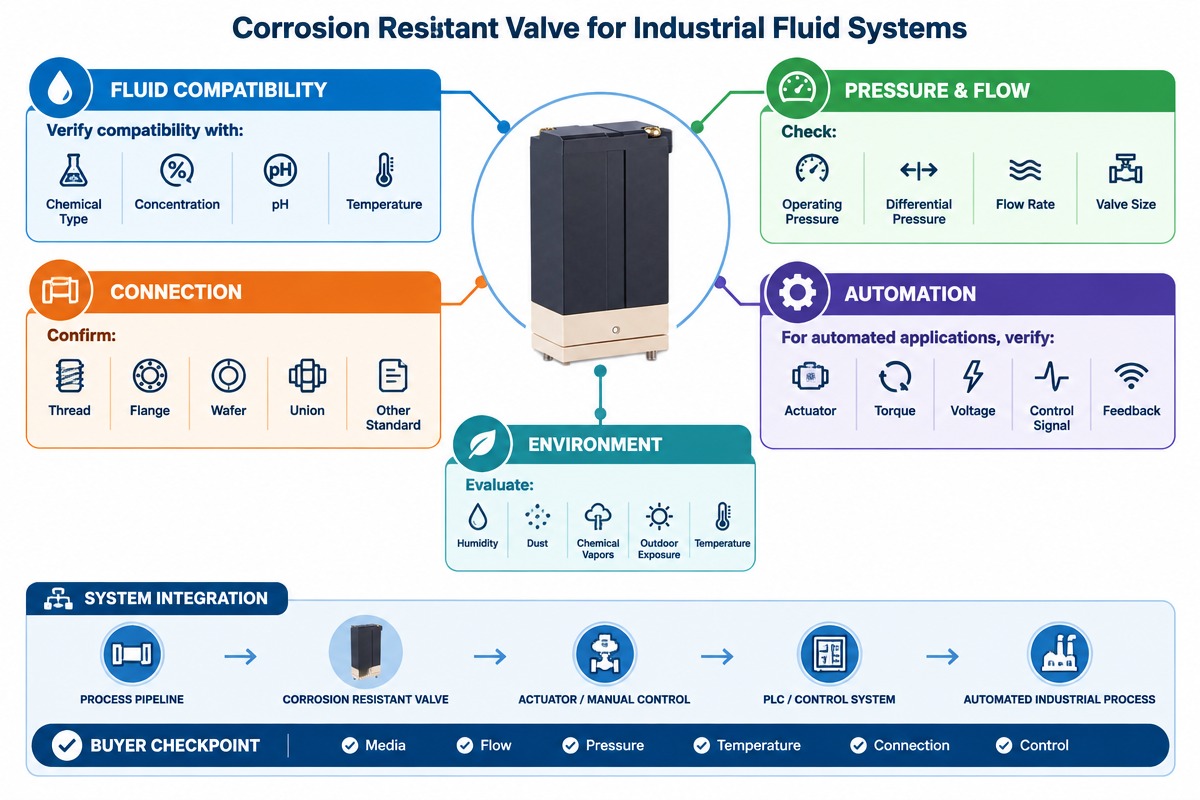
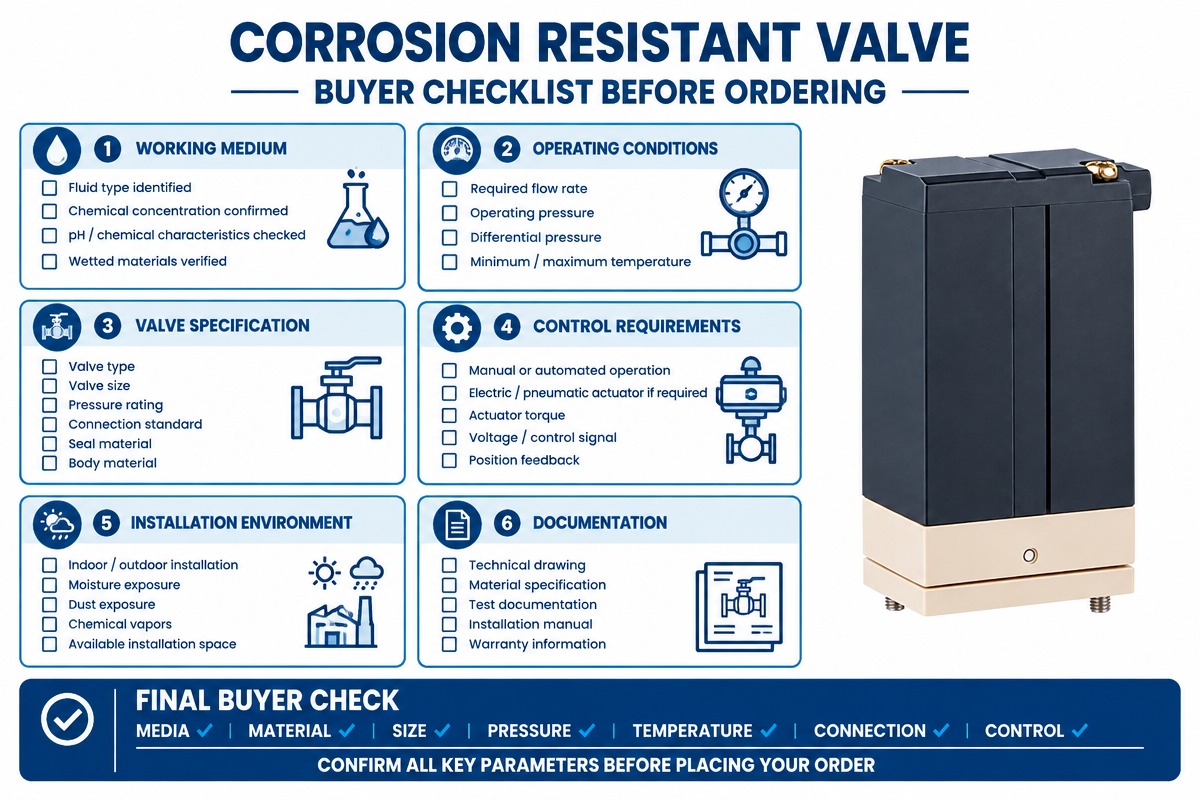
How To Choose A Corrosion Resistant Valve

Selection of a corrosion resistant valve requires detailed understanding of the fluid, conditions of operation, piping system and the desired control function.

1. Define the Fluid.

Start with defining the exact fluid. Determine whether the system deals with acids, alkalis, solvents, salts, waste water, chemicals, gases, or mixed fluids. Chemical concentration and composition are important, as same material can act differently in different environments.

2. Check Chemical Compatibility

Check wetted parts, such as valve body, seat, diaphragm, stem, seals, and other for chemical compatibility. A material described as corrosion resistant does not mean that it will work in every chemical environment.

3. Calculate the Pressure

Note the normal operating pressure, maximum pressure, differential pressure and all possible pressure surges. Select the valve with appropriate pressure rating.

4. Search for the Temperature

Check min/max temperatures of the fluid and ambient temperature. Temperature plays an important role with regard to plastics, elastomers, coatings and other materials.

5. Calculate Flow Requirements

Determine the flow rate and pressure drop required. Size the valve according to the real process requirements, not just the pipe diameter.

6. Select the Valve Type

Different valve designs, such as ball, butterfly, diaphragm, globe, etc. have different operating characteristics. Select the design according to the fluid, flow requirements, installation space and control function.

7. Select the Connection

Verify threaded, flanged, wafer, union, socket or other connection requirements Verify compatibility with existing piping system

8. Define actuation

For automated systems, define whether actuation is required, manual, electric, pneumatic or other. Check actuator torque, speed of operation, duty cycle, voltage and control signals.

9. Consider the Environment

Humidity, dust and outdoor exposure, chemical vapors, vibration and installation temperature.

10. Check Maintenance Requirements.

Define the valve inspection, replacement of seals, cleaning and servicing requirements.

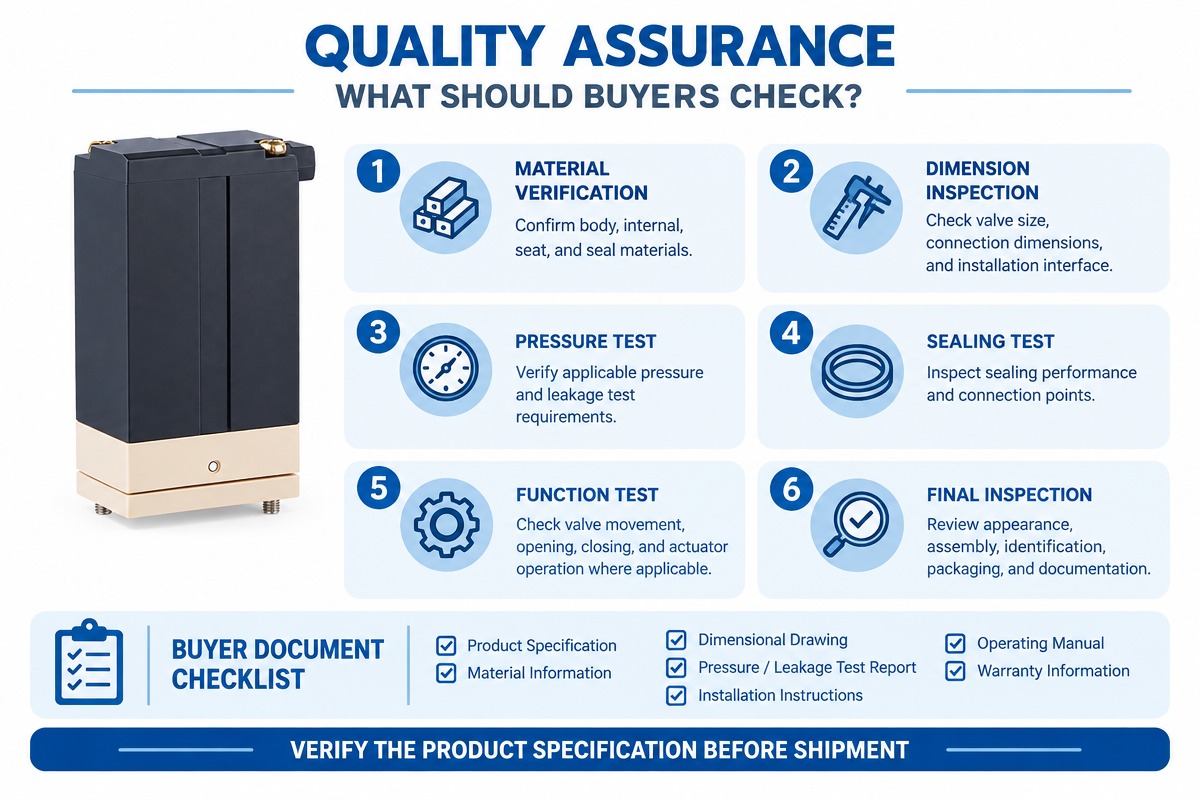
Prior to the order, provide the manufacturer with detailed fluid and operating data to allow verifying the valve configuration against the application.

Tips to Avoid Common Mistakes in Designing Corrosion Resistant Valves

1. Do Not Select Materials for General Corrosion Resistance Only

Verify compatibility with specific chemical, concentration, temperature and exposure time.

2. Don’t Forget about Seal Material

Even corrosion resistant valve body can fail if the seat or seal is chemically incompatible.

3. Don’t Select the Valve According to Pipe Size Only

Flow rate, pressure drop, valve coefficient and process requirements should be considered.

4. Don’t Forget about Temperature

Temperature can affect chemical compatibility and mechanical properties of plastics and elastomers.

5. Don’t Forget about Pressure Surges

Water hammer and other process transients can be much higher than normal operating pressure.

6. Don’t Oversize the Valve

Too large valve will complicate flow control and increase system cost.

7. Don’t Forget about Actuator Requirements

For automated valves, actuator torque, voltage, control signal, operating frequency and duty cycle should be compatible with the valve.

8. Don’t Forget about Environmental Requirements

Moisture, dust, vibration, chemical vapors and outdoor exposure can affect valve performance.

9. Don’t Combine Chemically Incompatible Materials

Consider entire wetted-material combination, not just valve body.

10 Application Verification Don’t Skip

Prior to purchase, verify final specification with valve manufacturer, especially for concentrated or unusual chemicals.
Get A Free Quote Now

Contact Form

Related Products

Related News

Scroll to Top

Get A Free Quote Now !

Contact Form
If you have any questions, please do not hesitate to contact us.
Weilong Solenoid Company Culture