Skip image slider
Thermal Control Valve Industrial Process Pressure Control
Thermal Control Valve Industrial Cooling System Control
Thermal Control Valve Industrial Thermal Process Control
Thermal Control Valve Industrial Process Heat Regulation
Thermal Control Valve Industrial Steam Heating Pressure
Thermal Control Valve Industrial Temperature Management

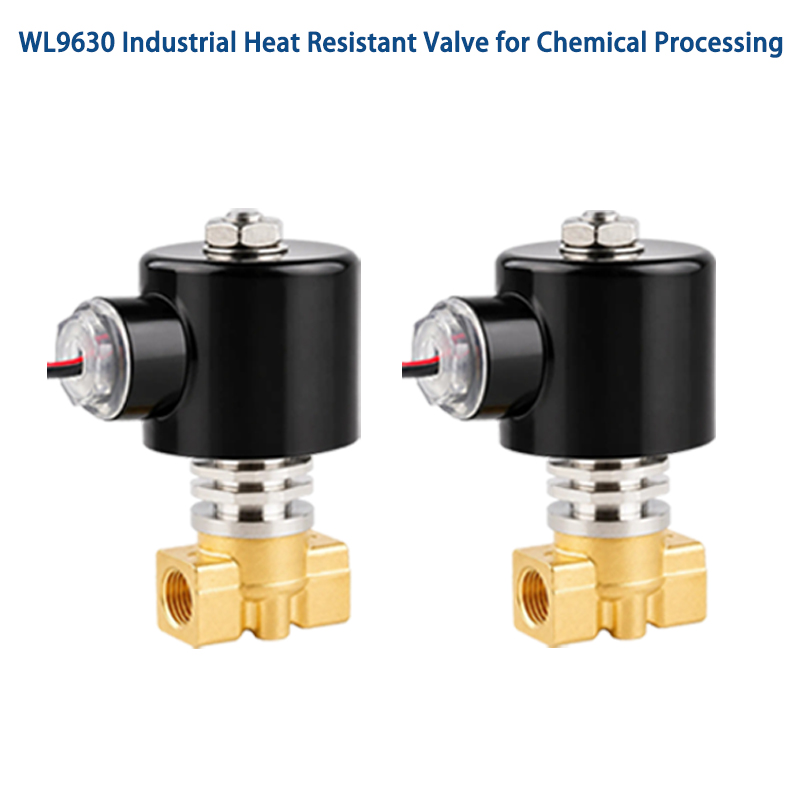
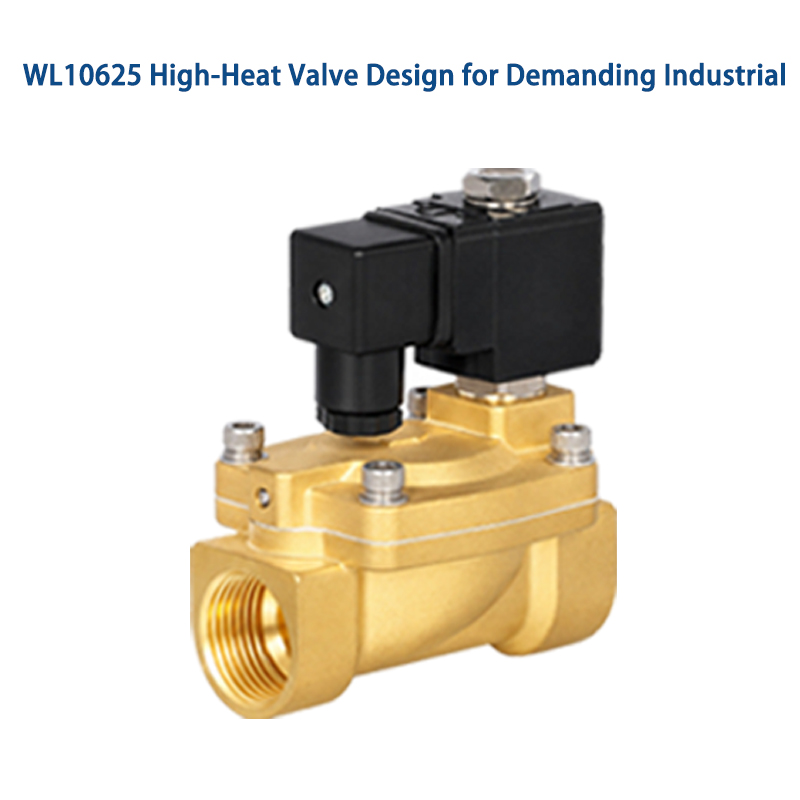
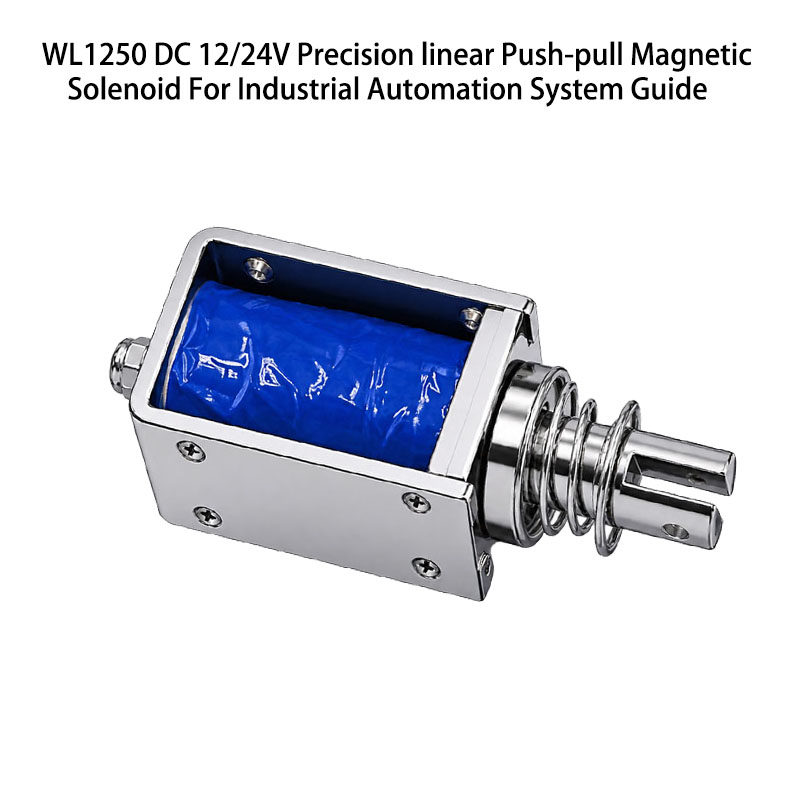
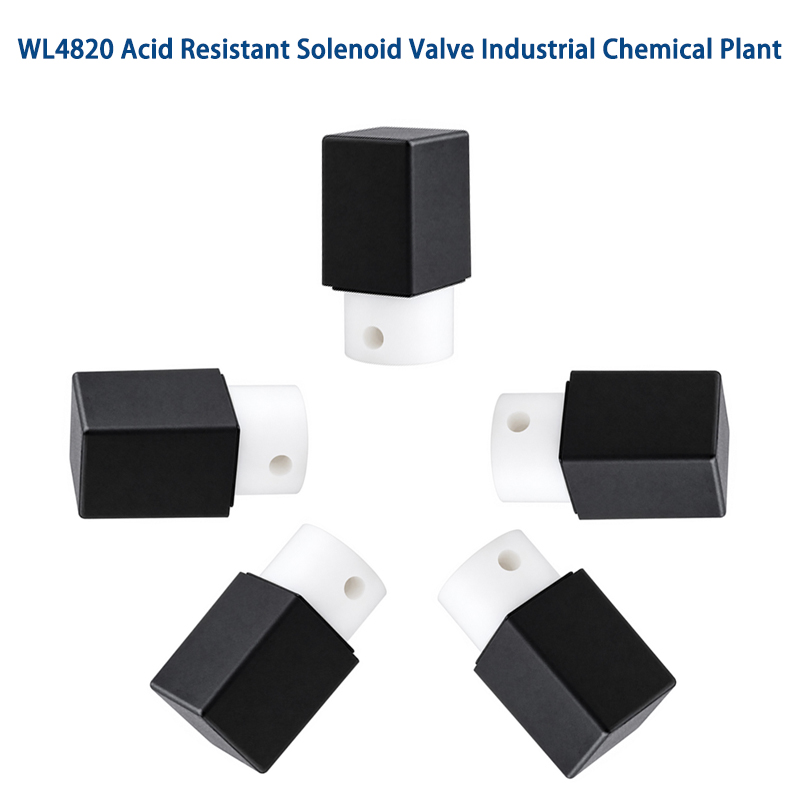
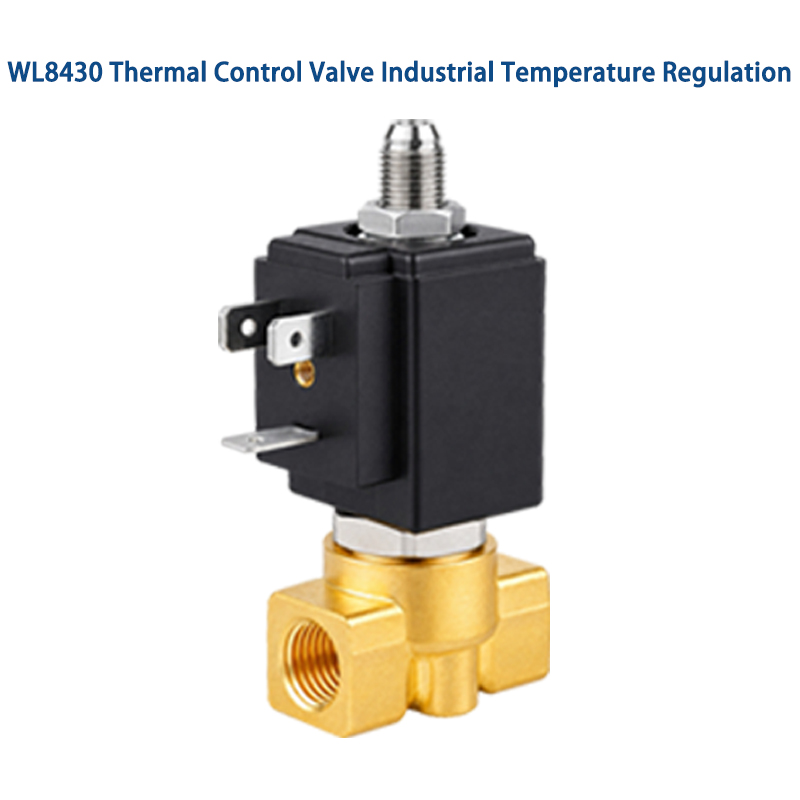
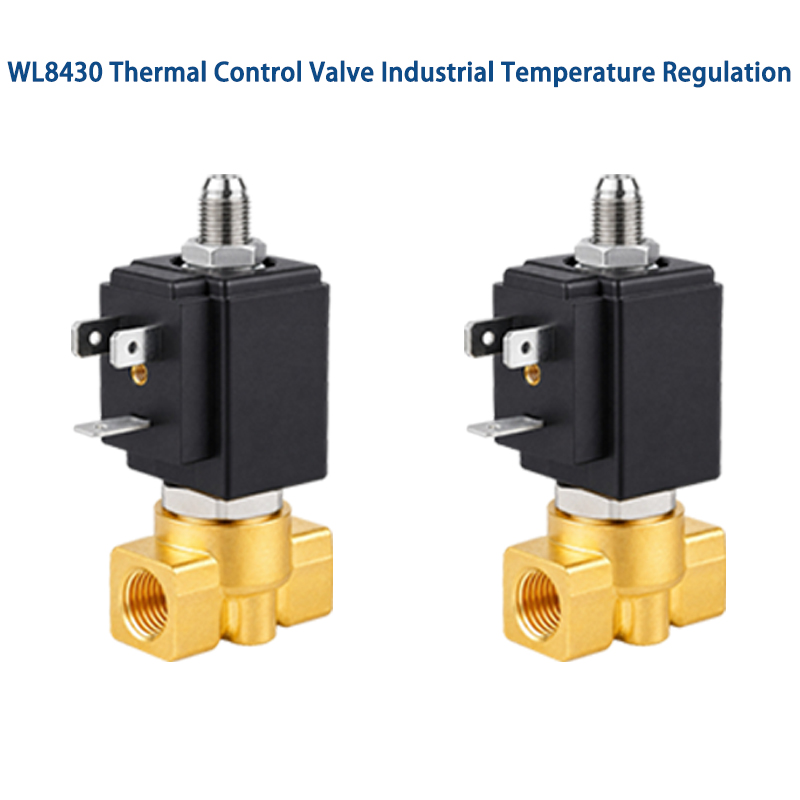
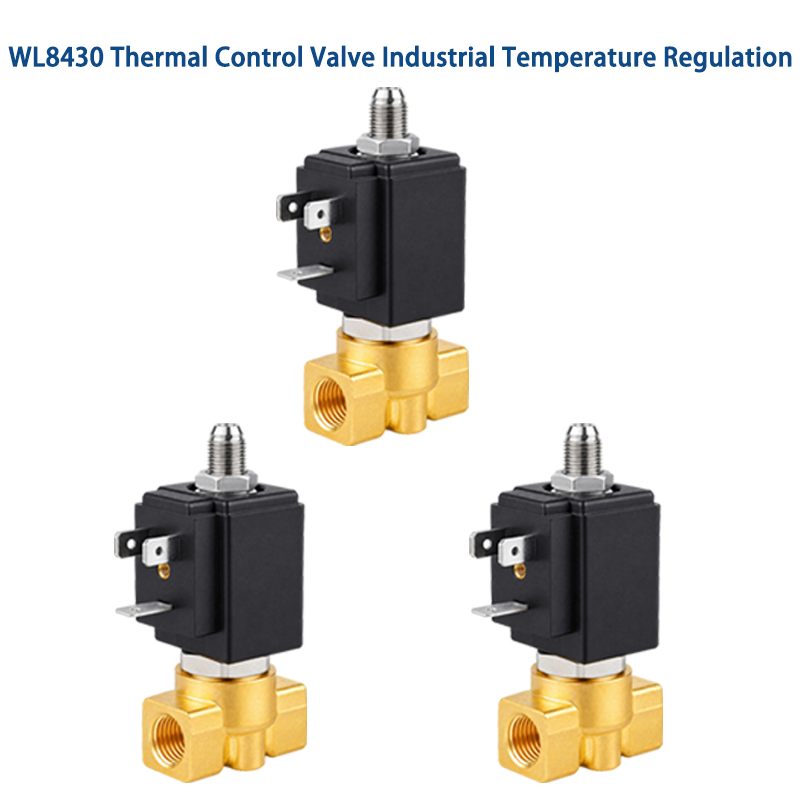
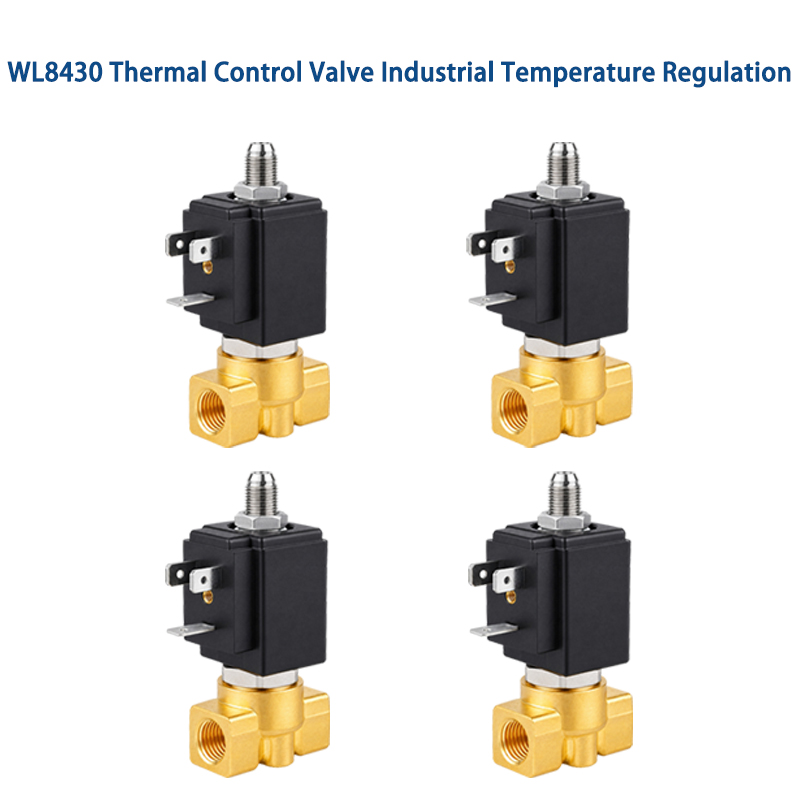
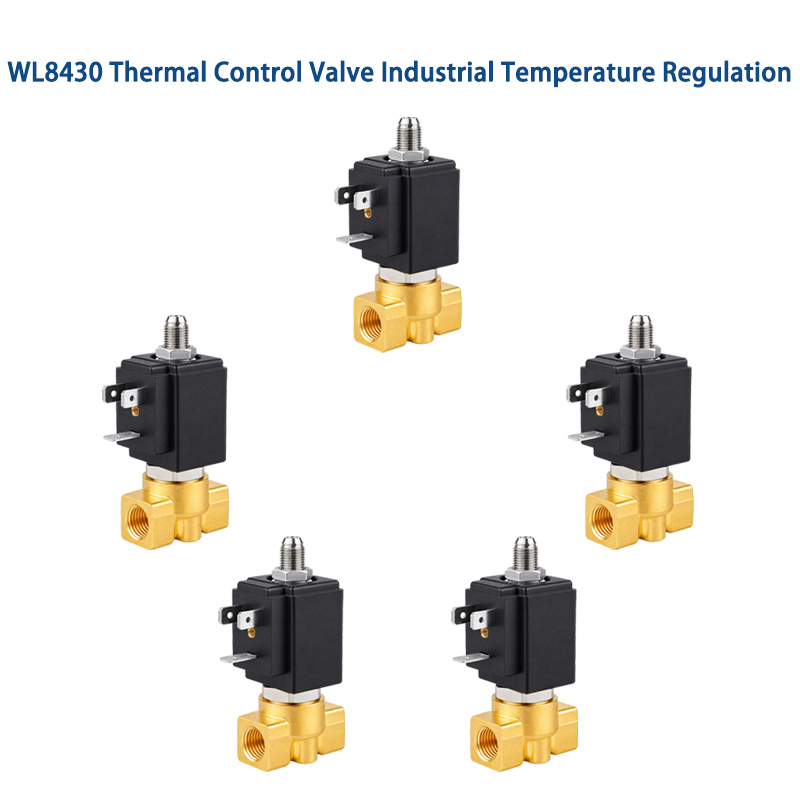
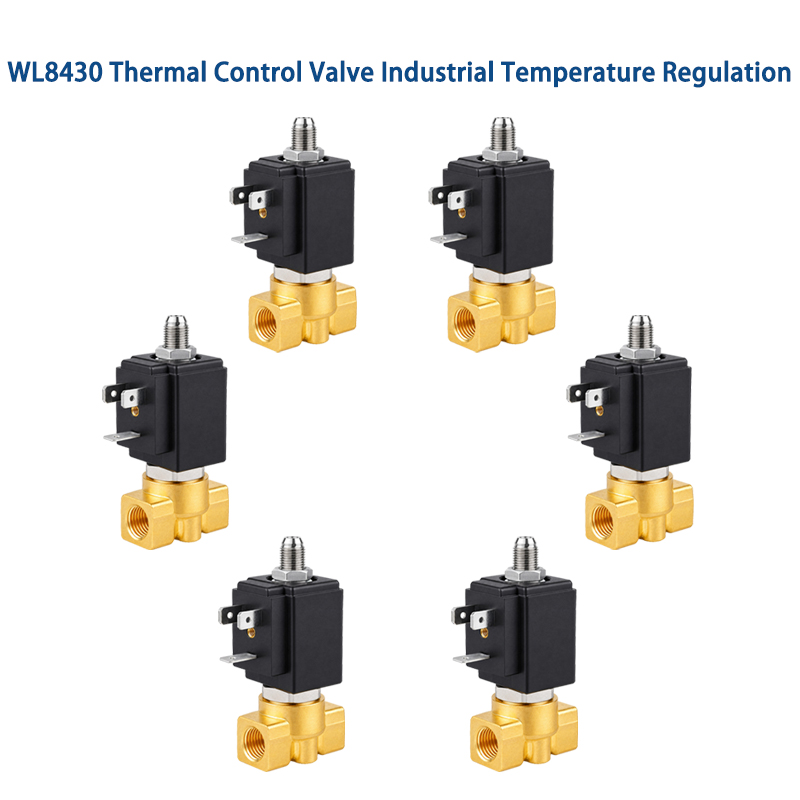
WL8430 Thermal Control Valve Industrial Equipment Heat Control

Thermal control valve is an important component used in industrial system to control temperature, heat transfer and fluid flow. The valve automatically adjusts the flow of heating or cooling medium to help maintain the process temperature. Thermal control valves can be used with water, oil, steam, thermal fluids and other compatible media. They can be used in heat exchangers, boilers, industrial heating systems, HVAC systems, chemical process equipment, food manufacturing equipment and manufacturing lines. The valve can be operated thermally, pneumatically, electrically or in another way depending on the design. The reliable performance depends on proper valve sizing and material selection. The thermal control valve can improve temperature accuracy, save energy, protect the equipment from overheating and ensure stable production. For the industrial buyer the correct pressure rating, temperature range, connection type, flow capacity and control method are important.

Thermal Control Valve Description

What Is a Thermal Control Valve?

Thermal control valve is a device that provides flow control of heating or cooling media to maintain a required temperature. It automatically varies its opening depending on temperature conditions or control signal. Thermal control valves are often used with water, steam, oil, thermal fluids and other process media. They help prevent overheating or overcooling and maintain stable operating conditions. The valve can be equipped with a thermostatic element, an electric actuator, a pneumatic actuator or an electronic control system, depending on the application. The industrial thermal control valves are commonly used in heat exchangers, boilers, HVAC equipment, manufacturing machinery, chemical processes and heating systems where precise temperature control is essential.

How Does a Thermal Control Valve Function?

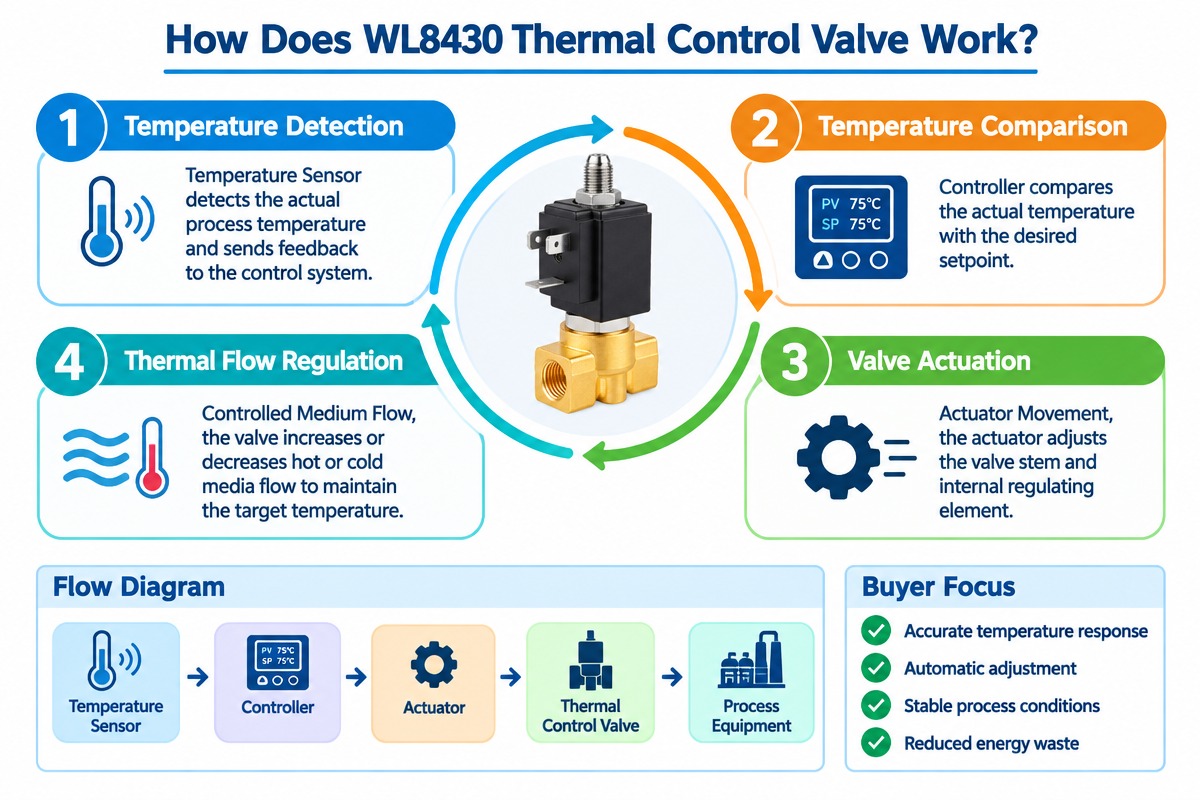
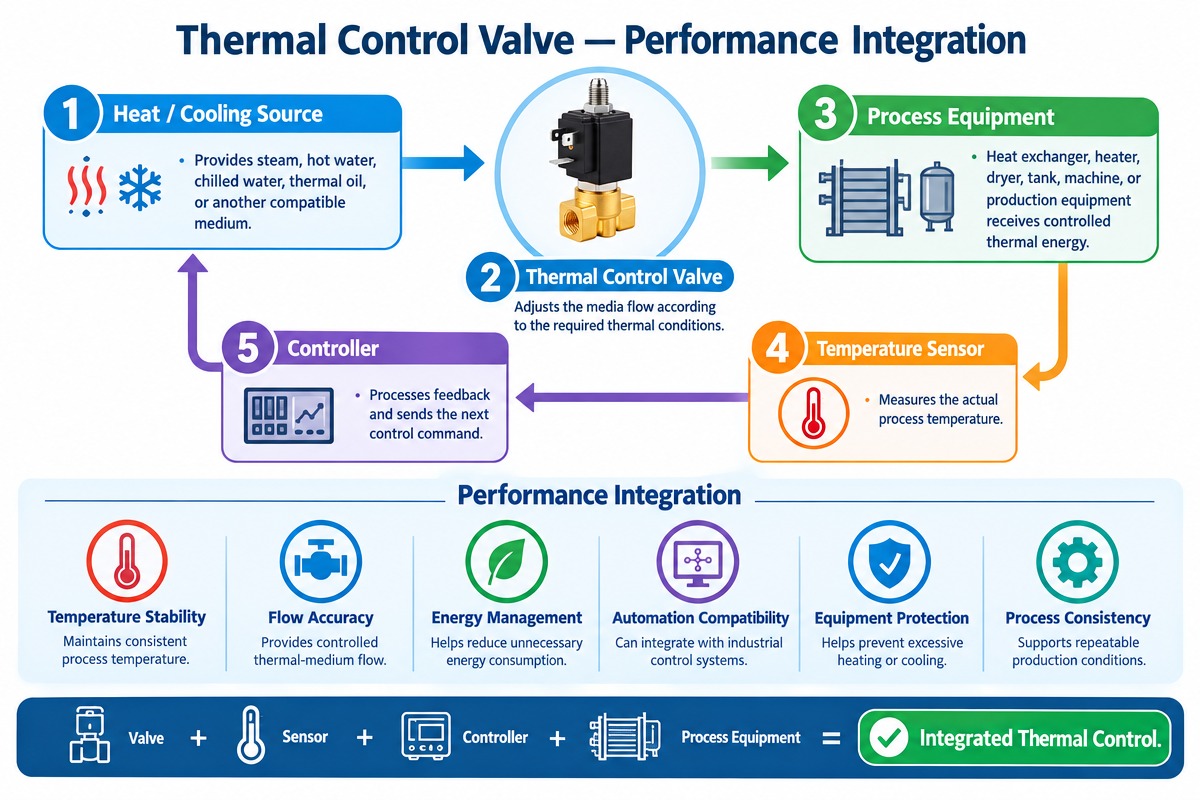
Thermal control valve controls the flow of a heating or cooling medium according to the required temperature.

First, the actual process temperature is sensed by a temperature sensor or thermostatic element. The measured condition is compared with the desired temperature setting. Then the valve can open wider to allow more heating medium to pass through. If the temperature is lower than the target value. If the temperature reaches or exceeds the target value, the valve reduces the flow rate.

In an automatic system the temperature controller sends a signal to an electric or pneumatic actuator. The movement of the actuator moves the valve stem or internal control element and changes the flow passage.

This adjustment maintains the process temperature within the required temperature range with minimal energy consumption and protects the equipment from thermal shocks.

Thermal Control Valve Video

Thermal Control Valve Detail Display

Thermal Control Valve Technical

Brand Weilong Model Number WL 8430
Rated Voltage (V) DC12Vย  or 24V Rated Power (W) 7.2W
Work Mode Air or Liquid Control Valve Working Pressure (MPa) 200KPa
Air-Flow Rate 0 L/minute Reset Time(s) 0.25 S On, 0.25 S Off
Service Life 200 Thousand Times Certification CE, ROHS, ISO9001,
Pipe Gate ย inside: 3.0 mm Lead Wire Length(mm) 84 MM
Install Style Screw Tolerance of Dimension ยฑ 0.1 MM
Water-proof None Insulation Class B
Hi-Pot Test AC 600V 50/60 Hz 2s Non-excitation Holding Force 0
Working Temperature -30ยฐC-1200ยฐC Duty Cycle 1-100%
Thread Depth (mm) / Payment Term TT, or LC At Sight
Sample Order Yes Warranty 1 Year
MOQ 1000 pcs Supply Ability 5000 pcs per week
Delivery Time 30 Days Port of Loading Shenzhen

Why Thermal Control Valve is So Popular

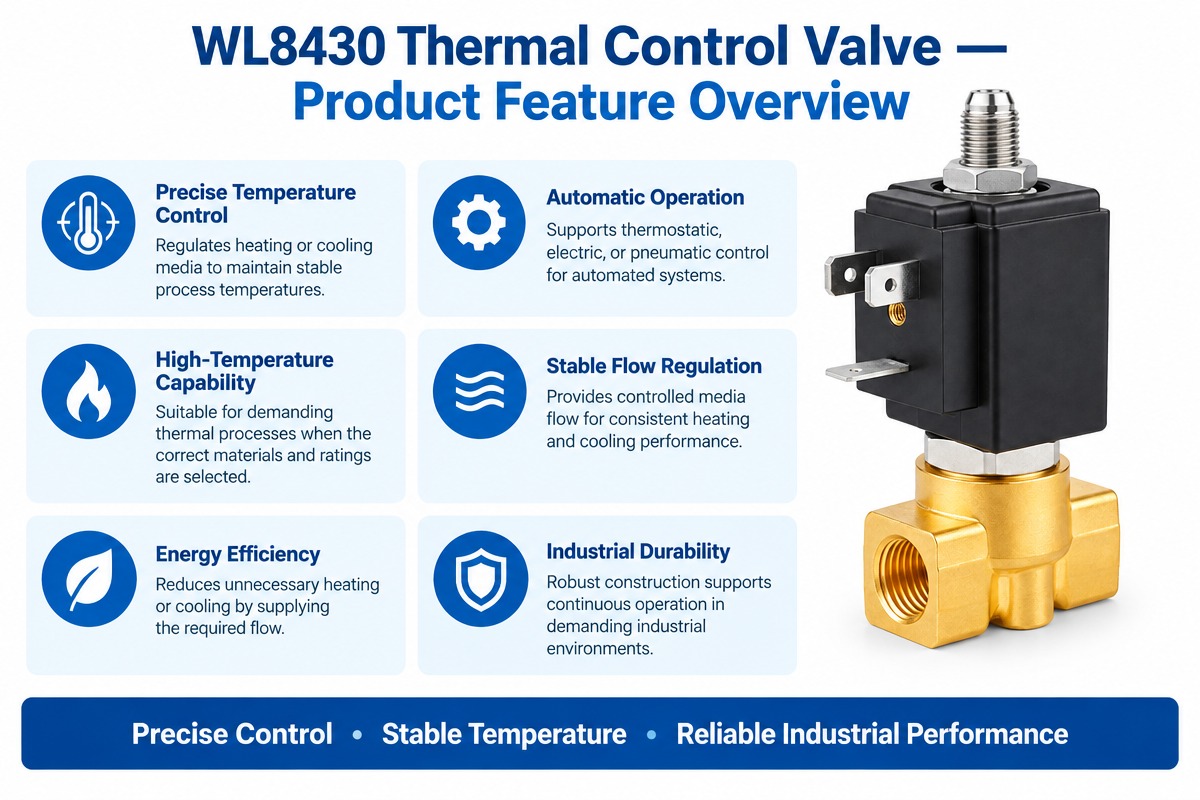
The thermal control valves are becoming increasingly popular as industrial manufacturers require higher temperature accuracy, energy efficiency and automation.

The modern manufacturing systems require stable temperatures to ensure product quality and protect equipment. The control of heating or cooling media is performed continuously by the thermal control valve, but not simple manual adjustment.

Another important feature is the energy efficiency. The valve can provide only the amount of thermal medium that is needed and therefore it will reduce unnecessary heating or cooling, which can reduce the operating costs.

The demand is also driven by automation. The thermal control valves, electrically or pneumatically operated, can be connected with the PLC, DCS, sensors and industrial monitoring systems. Thus, the operators can efficiently monitor and adjust the temperature conditions.

Another feature is the wide application range. The thermal control valves are used in HVAC, chemical processes, food manufacturing, pharmaceutical production, boilers, heat exchangers, industrial machinery and many other systems.

Thermal Control Valve Applications

Thermal Control Valve Industrial Precision Heat Control

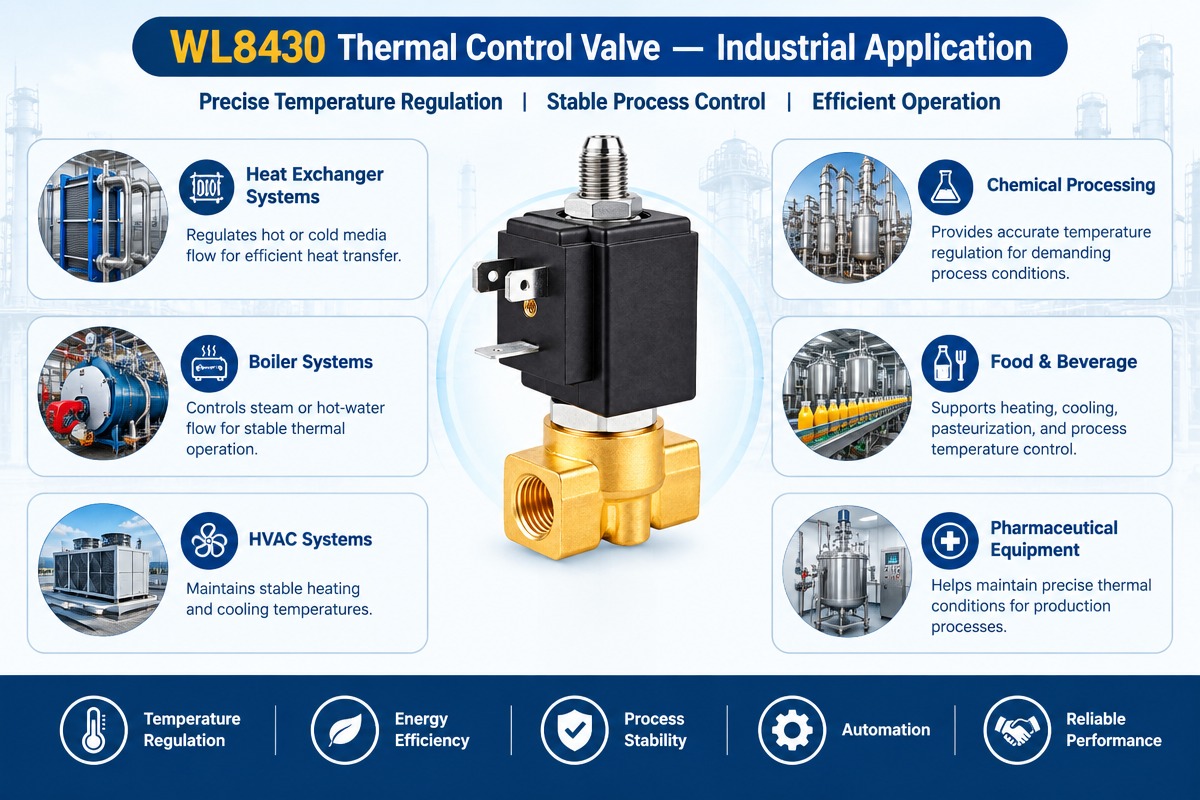
The thermal control valves are used in all cases when precise heating or cooling control is required. In the heat exchangers the valves control the flow of hot or cold media to provide the required process temperature. In boilers they assist in maintaining thermal conditions and protecting downstream equipment.

In HVAC systems, the thermal control valves control the flow of hot water, chilled water or other fluids to maintain the temperature of the building comfortable and stable. They are widely used in chemical processes, where precise temperature control is required.

In food and beverages production the valves assist in heating, cooling, pasteurization, sterilization and temperature sensitive manufacturing processes. Temperature control valves are used in pharmaceutical manufacturing production and cleaning systems where constant thermal conditions are required.

The thermal control valves are used in industrial machinery to regulate cooling or heating circuits, thus protecting the components and avoiding excessive temperature variations. The valves are used in textile machinery, plastic processing, metal processing, drying equipment and thermal oil systems.

The other applications include renewable energy systems, process skids, industrial dryers, steam systems, water treatment systems and automated manufacturing lines. Their ability to provide continuous and controllable thermal regulation makes them useful for modern industrial temperature-management systems.

Thermal Control Valve Adv. & Disadv

Thermal Control Valve Industrial Energy Heat Management

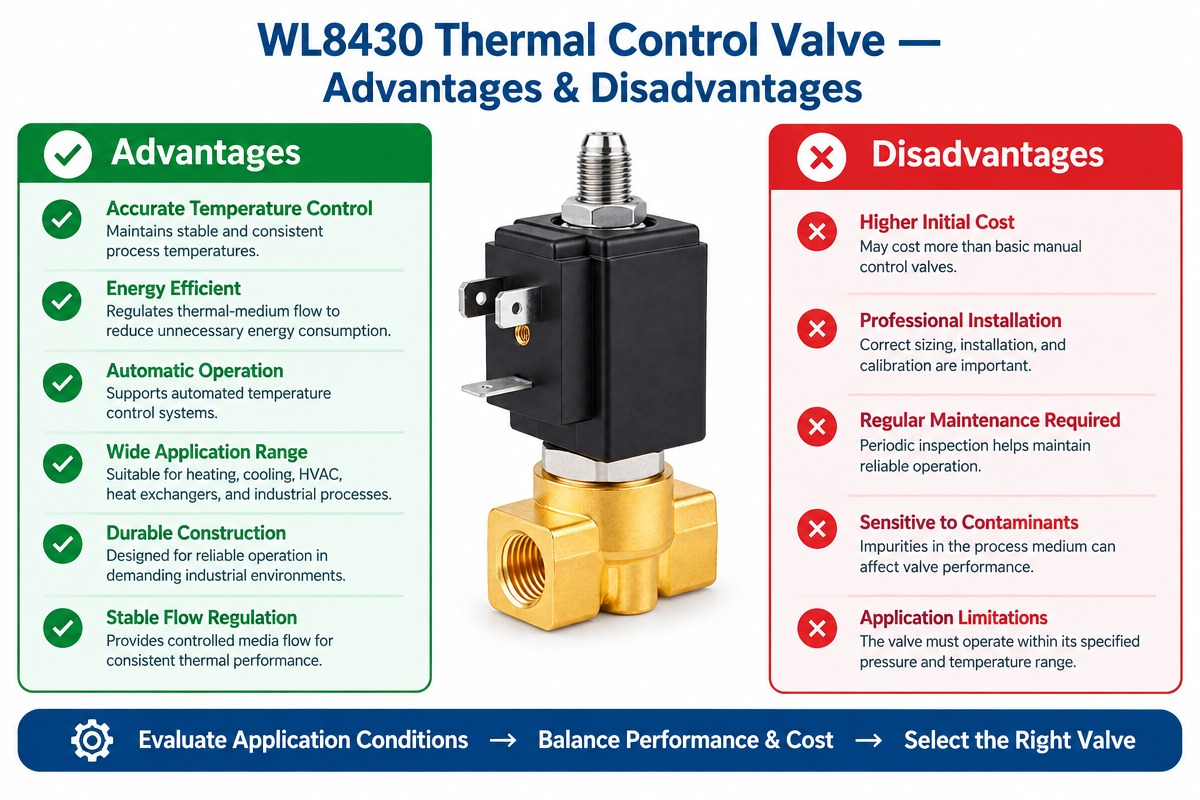
Thermal Control Valve Advantages and Disadvantages

The thermal control valves have many advantages for industrial temperature control systems. The main advantage is the precise control of the temperature. The automatic adjustment of heating or cooling media ensures stable process conditions, which leads to better product consistency and less thermal variation.

And it is also energy efficient. The valve can modulate the flow to match the actual process requirements, thereby eliminating unnecessary heating or cooling. Automated operation eliminates the need for constant manual adjustment.

The thermal control valves protect the equipment from overheating, excessive cooling and thermal shock. Available in various sizes, materials, connection types and actuator configurations they are used in various industrial applications.

But there are also some disadvantages. The proper design of the system can mean the higher initial cost than simple manual valve. Selection and sizing may require engineering knowledge for accuracy. Electric or pneumatic types require appropriate control equipment and installation.

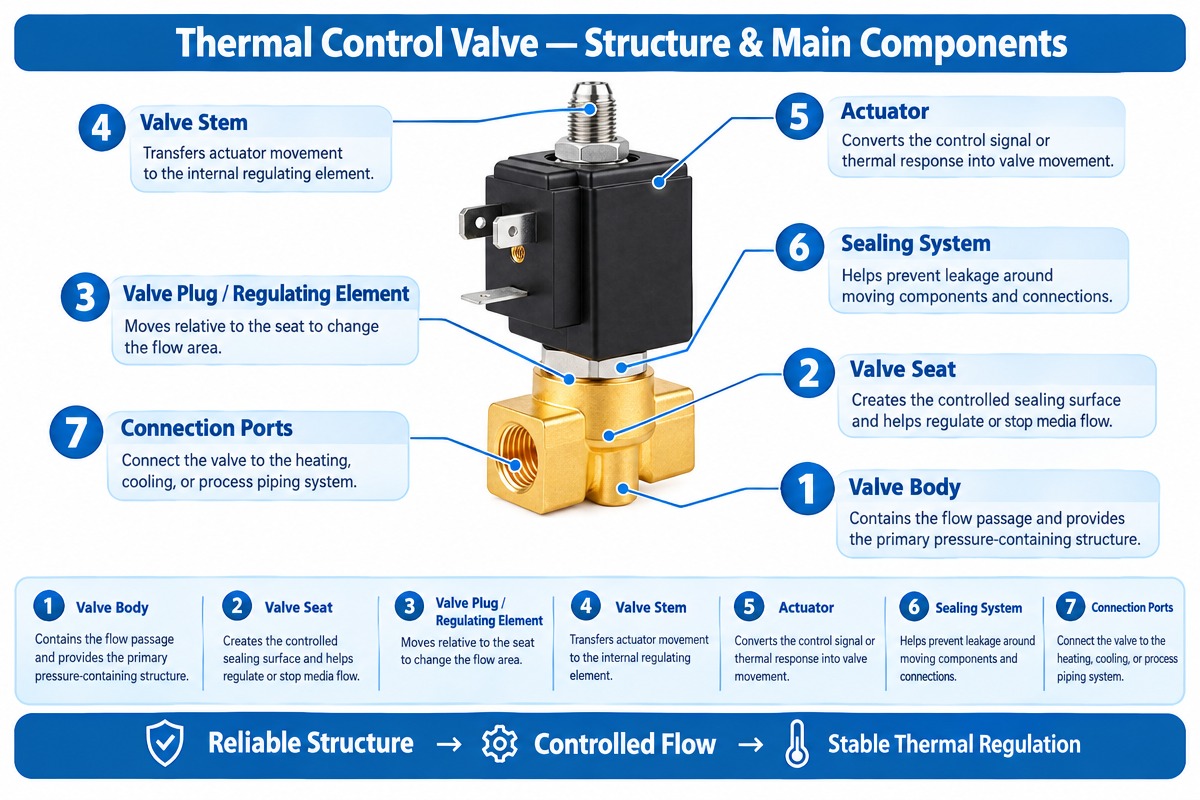
Because of the wear over time, the seals, seats, actuators, sensors and moving parts may require maintenance. The contaminated process media can affect valve performance and service life. The incorrect sizing may cause the unstable control, excessive pressure drop, noise or poor temperature response.

Therefore, the selection of the thermal control valve should be determined by the application, operating conditions, control requirements, maintenance and overall operating cost.

Thermal Control Valve Industrial Food Process Control

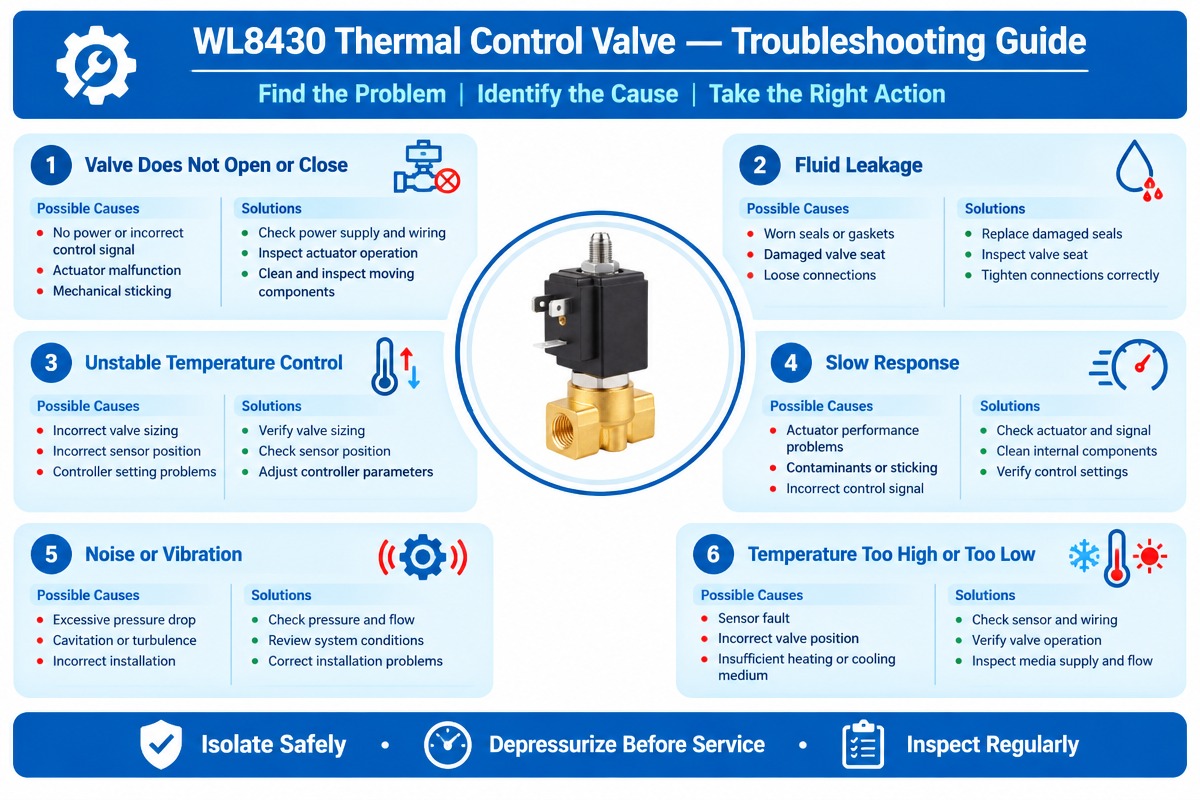
Thermal Control Valve Troubleshooting

The first step in troubleshooting of the improperly functioning thermal control valve is checking the operating conditions and control system. If the valve does not open or close check the power supply, control signal, wiring, actuator and mechanical movement. The wrong signal or actuator failure can cause the improper operation.

If there is a fluid leak, check the damage or wear on valve seat, seals, gaskets, connections and body. Tighten the connections if necessary. Replace the damaged sealing elements.

Check the valve sizing, sensor positioning, controller settings and pressure fluctuations for the unstable temperature control. The oversized valve may be difficult to control precisely. The temperature sensor in the wrong place can provide the inaccurate feedback.

If the valve responds slowly, check the actuator performance, control-signal settings and moving parts. The contamination or mechanical sticking can slow down the response.

The noise or vibration is caused by excessive pressure drop, improper flow conditions, cavitation, turbulence or incorrect installation. Check the system status and differential pressure.

If the process temperature is too high or too low, check the sensor, controller, valve position, flow rate and the heating or cooling medium.

Perform maintenance with the system isolated, depressurized and at safe temperature. The failures and increased service life of the thermal control valve can be prevented by regular inspection, clean process media, proper calibration and preventive maintenance.

FAQ

1. What is the thermally activated valve?

A thermally controlled valve manages the flow of heating/cooling medium to provide the process temperature. The thermally controlled valve is popularly used in industrial heating, cooling, HVAC, heat exchangers, boilers, and process equipment.

2. How does the thermal control valve work?

A thermally actuated valve, which reacts to the temperature change or the external control signal. The control of opening of the valve will help to increase or decrease the flow of hot/cold medium, hence providing the required temperature.

3. What are the applications of thermal control valves?

They are commonly used in heat exchangers, boiler system, HVAC system, chemical process, food and beverage processing equipment, pharmaceutical equipment, industrial equipment, thermal oil system, and automated manufacturing line.

4. What media is thermal control valve capable of controlling?

Depending on the valve design and the materials used, the thermal control valve can regulate hot water, chilled water, steam, thermal oil, glycol solution, and many more compatible process mediums.

5. How do I select the right thermal control valve?

The important factors for choosing the correct thermal control valve are the operating temperature, operating pressure, flow rate, pressure drop, process medium, valve size, connection type, control type, actuator type, leakage requirement, and response time.

6. What are the benefits of thermal control valve?

The major benefits of the thermal control valves are the ability of precise temperature control, ability to be automatic, energy savings, ability to maintain the stable process condition, protection of equipment, and can be used with automation system.

7. What are the problems associated with thermal control valves?

Common problems associated with the thermal control valve are leakage, unstable temperature, slow response, sticking of valve, failure of actuator, high noise/vibration level, and insufficient heating or cooling effect. These problems may arise due to several reasons like incorrect valve size, contaminated media, improper installation, and control problems.

8. How to maintain thermic control valve?

Regular inspections of the valve body, seals, seat, actuator, connections and temperature sensor should be performed. Leakage, abnormal noise, vibration, and slow response are the common maintenance problems that should be inspected. The process medium should be clean and regular calibration of the check valve and controller is recommended.

Thermal Control Valve Selection

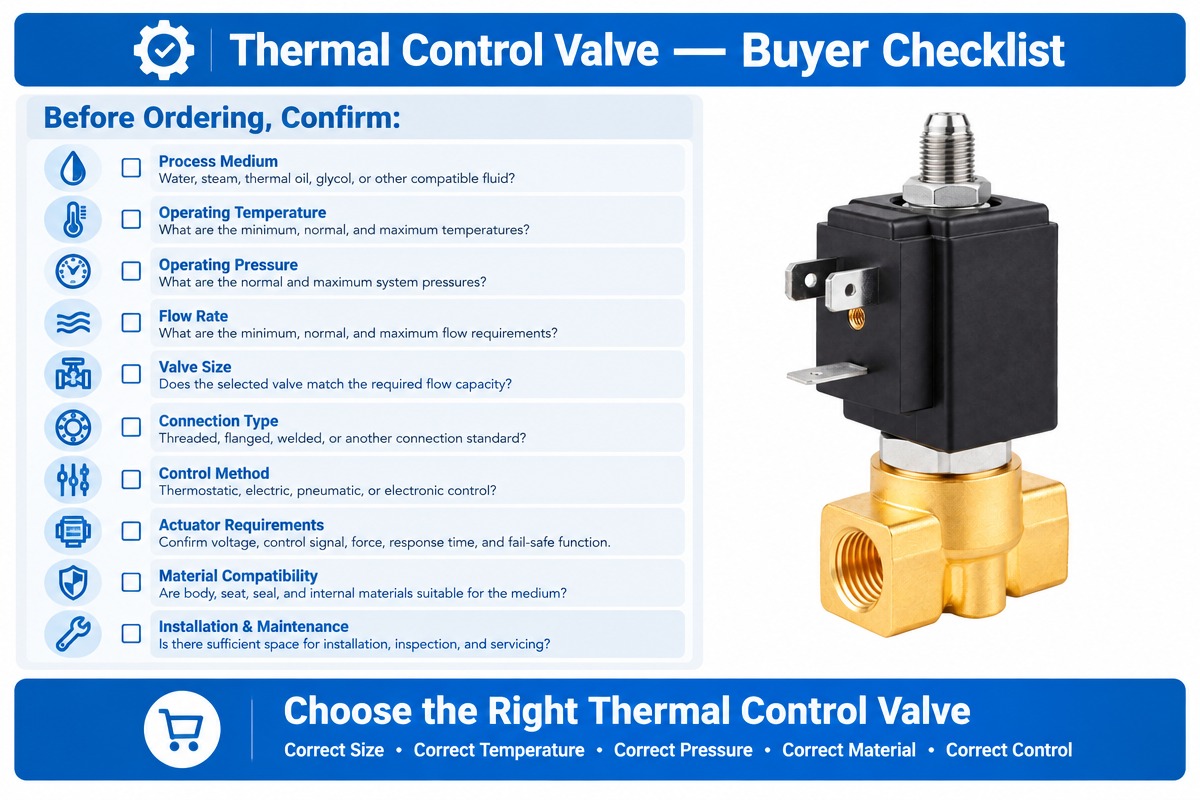
While selecting the thermal control valve, it is not enough to just select the valve according to the pipe size, but the whole analysis of the entire operating system needs to be done. The first point is the operating temperature. Define the normal, minimum and maximum temperature of the process medium and select the valve with the appropriate temperature rating.

Next check the working pressure. The valve body, seals, actuator and internals must be able to withstand the maximum system pressure. Also consider the pressure differential across the valve as it will affect flow performance and valve sizing.

The other important point is the flow rate. Define minimum, average and maximum flow requirements. According to the expected operating range a valve of the appropriate size will give stable control. Oversized valves will cause unstable temperature regulation, undersized valves will restrict flow and reduce system performance.

Think carefully about the process medium. The water, steam, thermal oil, glycol solution and chemical fluids have various properties in terms of temperature, pressure, viscosity and corrosion. Select the appropriate materials for body, seat, seal and internals.

The manner of control should be in accordance with the automation system. For simple temperature control, thermostatic valves are sufficient, while for automated industrial systems with the requirement of external control signals, the electric or pneumatic actuators are better.

Check the connection type and valve size with respect to the existing piping system. The connections should be threaded, flanged, welded or others as required.

The leakage requirement should also be considered. Applications requiring precise temperature control will require reliable shut-off and appropriate sealing performance.

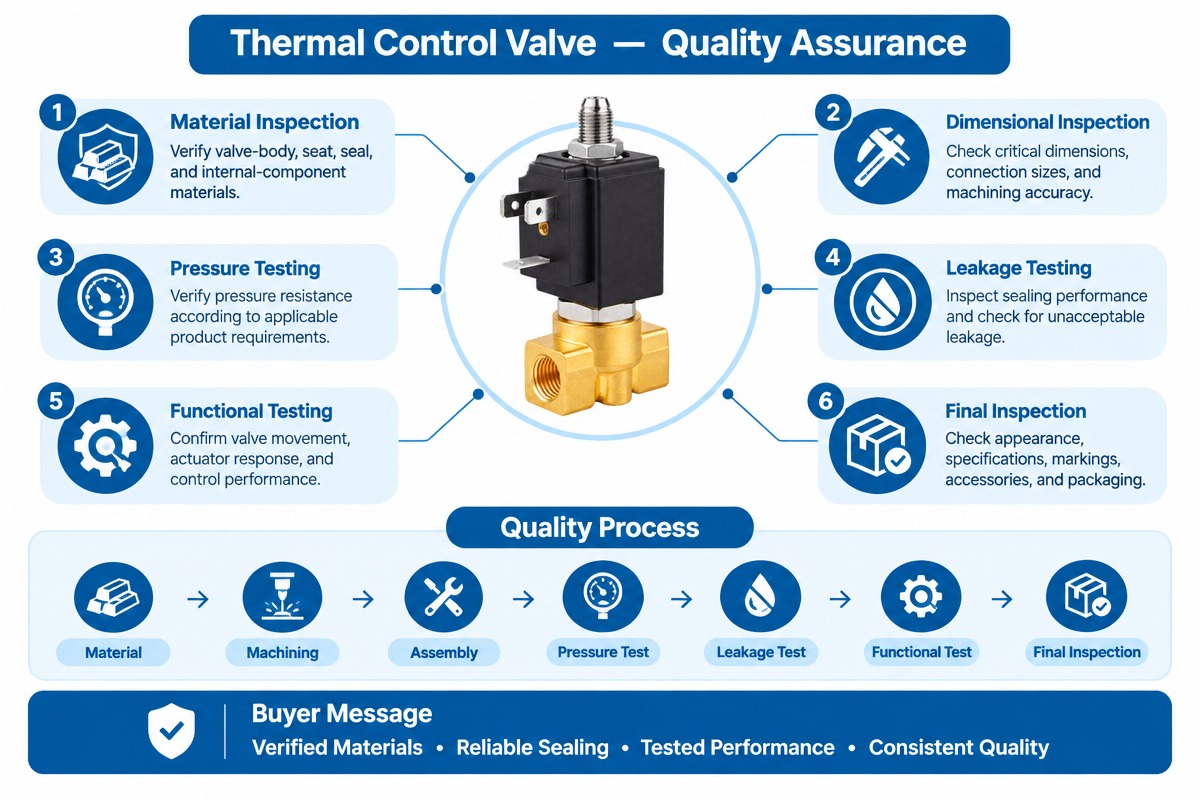
And finally, the maintenance, size, compatibility with actuators, speed of response, service life and manufacturer support should be thought about. The buyers should also consider the certifications, testing procedures, spare-parts availability and technical documentation before making the purchase order.

Proper selection of thermal control valve can improve temperature stability, energy efficiency, equipment protection and overall process reliability.

How to Avoid Common Mistakes When Designing Thermal Control Valves

1.Do Not Size the Valves Incorrectly

Do not select the valve according to pipe size. Find out the real flow and pressure requirements.

2.Do not ignore temperature limits.

Normal and maximum temperature of the valve body, seals, actuator and internal components during operation.

3.Ensure the compatibility of materials

Select materials for valves that are suitable for the process medium and operating conditions.

4.Do not Ignore Pressure Differential

The pressure difference across the valve greatly affects the flow capacity, noise, vibration and valve life.

5.Select the Correct Actuator

Make sure of actuator force, operating speed, control signal and fail-safe requirements.

6.Do Not Make Mistakes With Sensor Positioning

Position the temperature sensors in such a way that they provide a correct indication of the actual process temperature.

7.Consider Maintenance Access.

Provide access to inspection, servicing of the actuator and replacing the seals and cleaning.

8.Verify System Compatibility Before Installation

Check connection dimensions, control protocol, voltage, pressure rating, temperature range.
Get A Free Quote Now

Contact Form

Related Products

Related News

Scroll to Top

Get A Free Quote Now !

Contact Form
If you have any questions, please do not hesitate to contact us.
Weilong Solenoid Company Culture