Skip image slider
Heat Resistant Valve Performance in Chemical Processing
Heat Resistant Valve Maintenance for Heavy Duty Service
Heat Resistant Valve Performance for Industrial Systems
Heat Resistant Valve Applications for Long Service Life
Heat Resistant Valve Systems for High Temperature Media
Heat Resistant Valve Solutions for Demanding Industries

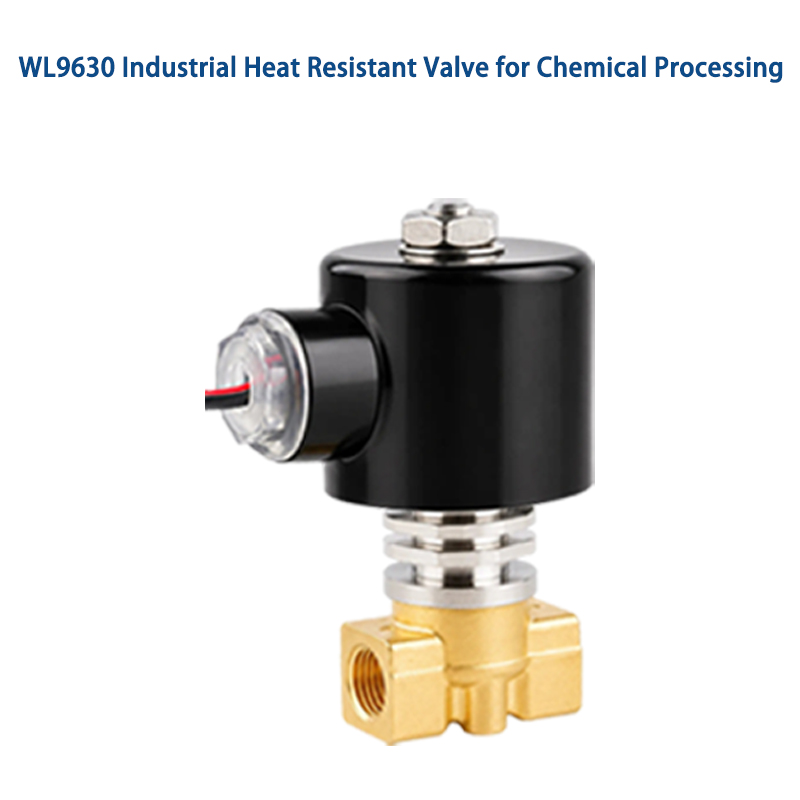
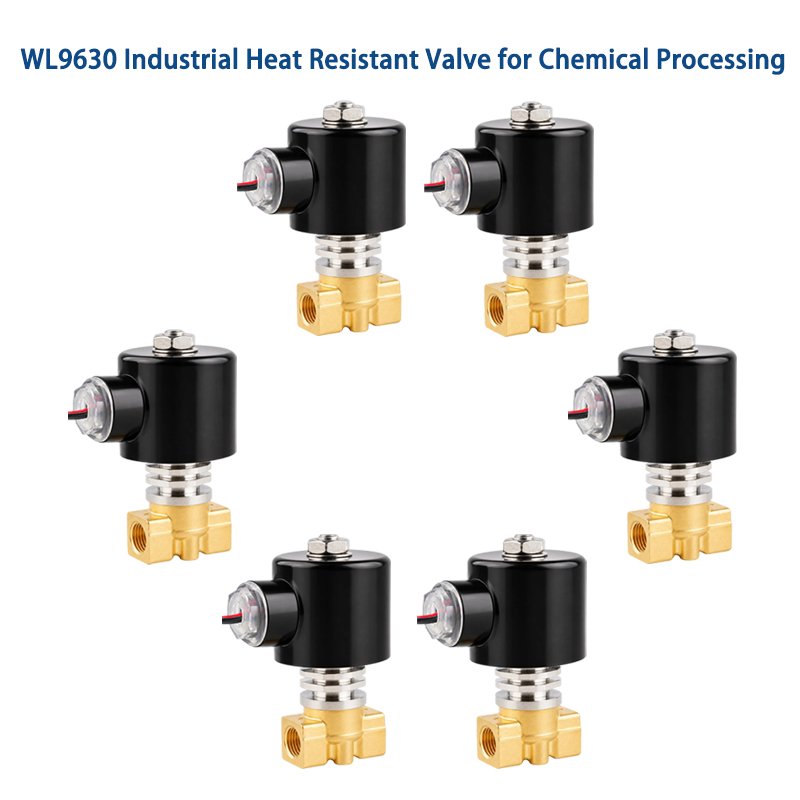
WL9630 Heat Resistant Valve Performance for Process Automation

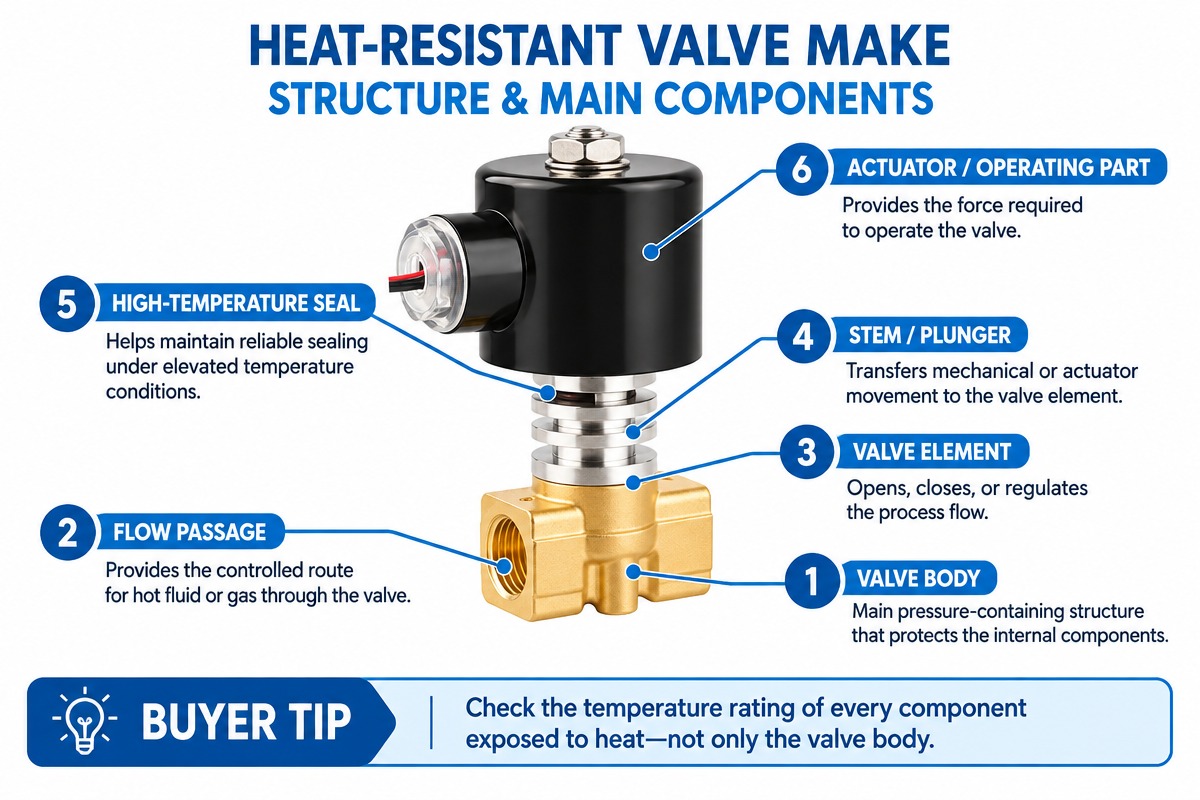
A heat-resistant valve is an industrial flow-control device designed to operate effectively at high temperatures. It is frequently used in steam systems, furnaces, boilers, thermal process equipment, chemical plants, heat treatment equipment, and other harsh industrial conditions. High temperature valves are designed with carefully selected body materials, sealing components and internal components to withstand thermal stresses while ensuring reliable operation. Depending on the particular application, valve construction may be made of brass, stainless steel, alloy materials, high temperature seals and high temperature actuator components. Selection of the valve should be based on the temperature, pressure, media compatibility, flow, connection size, actuator type and operating frequency. Proper selection of the heat resistant valve can reduce leakage, ensure better process stability and increase service life. For the industrial buyer proper selection of the valve temperature rating and material of construction is very important to ensure proper operation of high temperature process systems.

Heat Resistant Valve Description

What is heat resistant valve?

A heat-resistant valve is a type of valve designed to regulate or stop the flow of fluids and gases at high temperatures. This is a valve built using temperature resistant materials and sealing elements instead of standard valves to provide mechanical strength, dimensional stability and sealing properties in the conditions of heat exposure. For various types of industrial media such as steam, hot water, thermal oil, gasses, chemicals and others, heat-resistant valves can be designed. Main specifications of the heat resistant valves include maximum operating temperature, pressure rating, body and seals materials, connection type, flow capacity and actuation. Heat resistant valves are frequently used in boilers, furnaces, chemical processing equipment, heat treatment systems, thermal fluid equipment, and industrial automation systems.

How Does Heat-Resistant Valve Work?

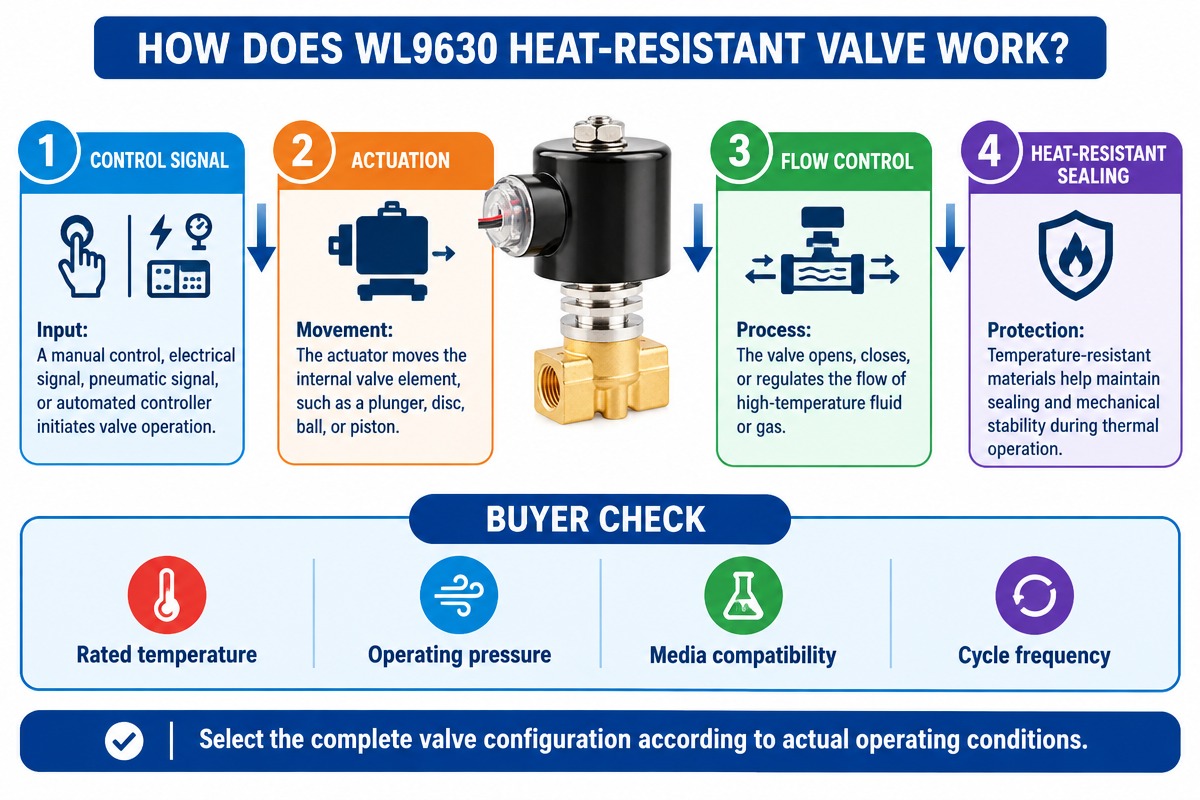
How does a heat-resistant valve work? This is a valve controlling flow of high temperature fluid or gas via a special flow path.

1. Source of Operation Signal

Manual, electrical, pneumatic or automatic command is given to operate a valve.

2. Operation

An actuator or operator moves the internal closure member of the valve, like piston, disc, ball or plunger.

3. Flow Control

While valve is open, the process medium passes through the internal flow passage. When the sealing member closes, it restricts or stops the flow.

4. Thermal Protection

Temperature resistant body and sealing materials are used to provide thermal protection and dimensional stability and sealing performance.

5. Continuous Work

The valve experiences repeated thermal cycles and should be able to accommodate thermal expansion and contraction, pressure variations and mechanical movement without leakage or deformation.

How it actually works depends on valve type โ€“ solenoid, pneumatic, electric, manual or another.

Heat Resistant Valve Video

Heat Resistant Valve Detail Display

Heat Resistant Valve Data Shee

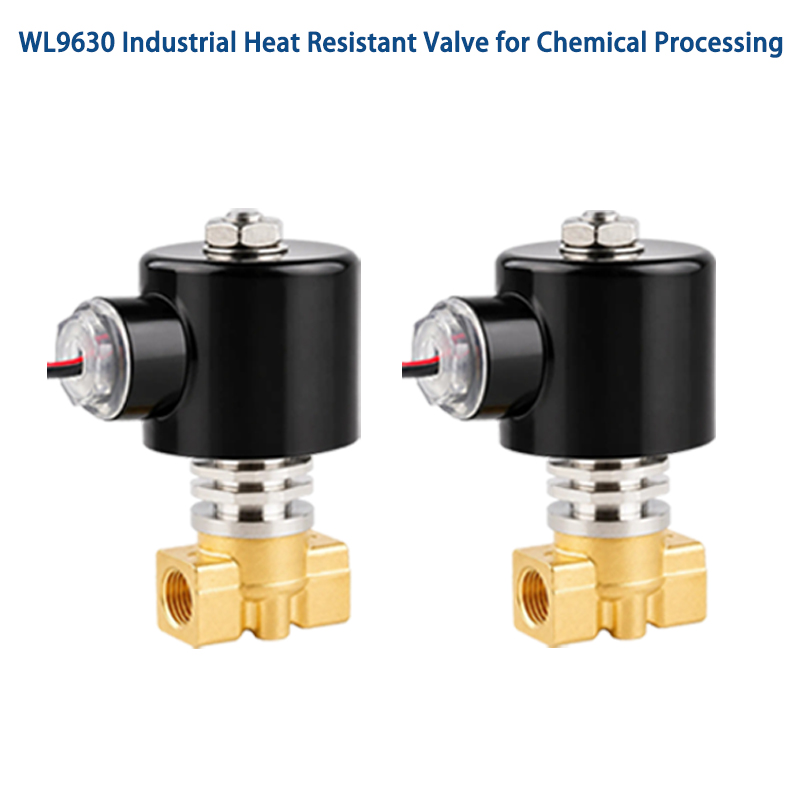
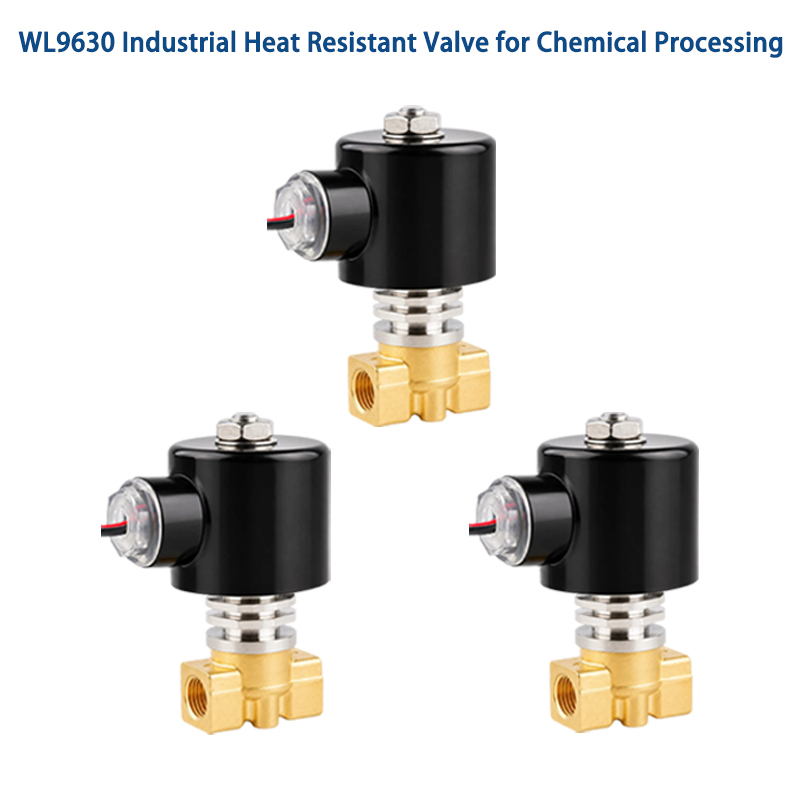
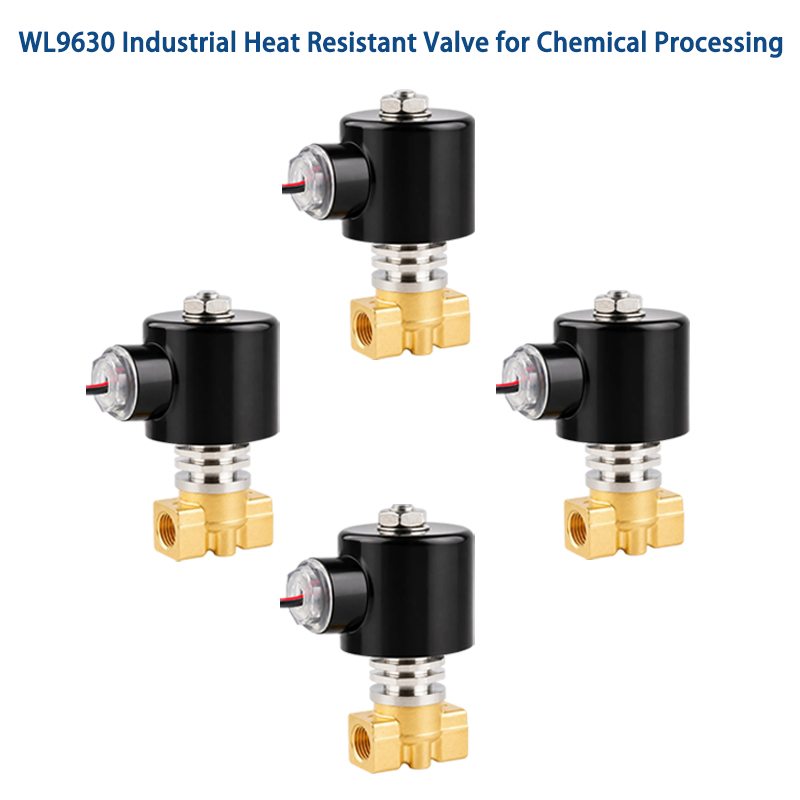
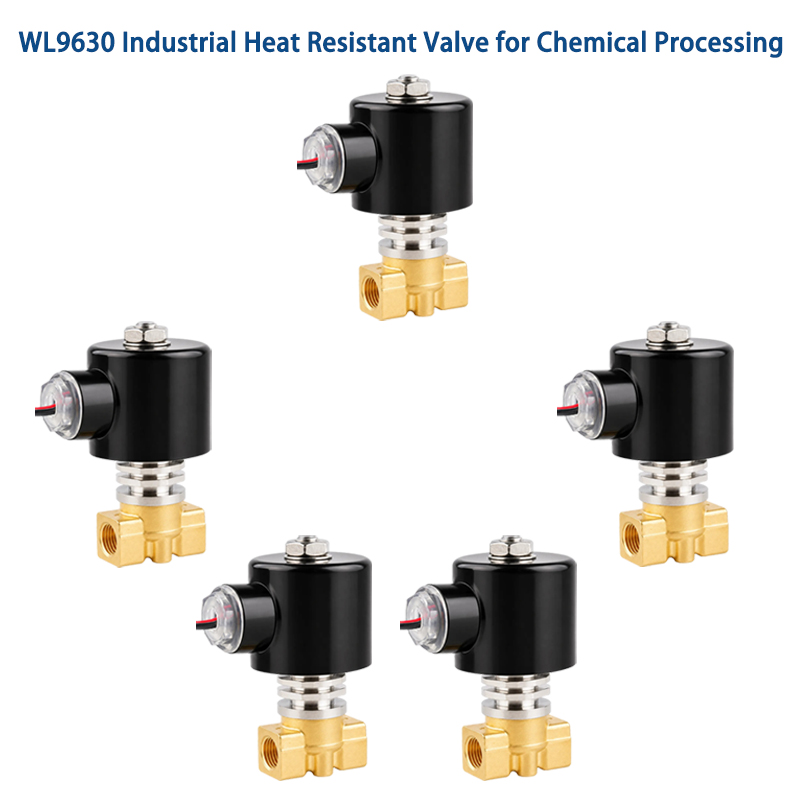
Brand Weilong Model Number WL 9630
Rated Voltage (V) DC12Vย  or 24V Rated Power (W) 7.2W
Work Mode Air or Liquid Control Valve Working Pressure (MPa) 400KPa
Air-Flow Rate 0 L/minute Reset Time(s) 0.25 S On, 0.25 S Off
Service Life 200 Thousand Times Certification CE, ROHS, ISO9001,
Pipe Gate ย inside: 3.0 mm Lead Wire Length(mm) 96 MM
Install Style Screw Tolerance of Dimension ยฑ 0.1 MM
Water-proof None Insulation Class B
Hi-Pot Test AC 600V 50/60 Hz 2s Non-excitation Holding Force 0
Working Temperature -30ยฐC-1200ยฐC Duty Cycle 1-100%
Thread Depth (mm) / Payment Term TT, or LC At Sight
Sample Order Yes Warranty 1 Year
MOQ 1000 pcs Supply Ability 5000 pcs per week
Delivery Time 30 Days Port of Loading Shenzhen

Why is the heat resistant valve becoming so popular?

Increased demand for efficient industrial heating, automation and process control is strongly related to the increasing popularity of heat resistant valves. Numerous modern industrial systems operate at elevated temperatures in order to increase production efficiency, to accelerate the processing or to provide precise temperature conditions.

In numerous industries such as chemical processing, petrochemical industry, food processing, power generation, metallurgy, heat treatment and industrial automation the control of hot fluids and gases is often necessary. Elevated temperature can cause seals failure, leakage, distortion or reduction in service life of standard valves.

Temperature resistant materials, advanced sealing systems, robust construction and application specific designs are the major components of the heat resistant valve technology which solves the above problems. The automated version of the valve can also be connected to PLCs and industrial control systems for precise process control.

Another advantage for the industrial buyer is reduced downtime. Appropriate selection of valve for the application may result in increased consistency, reduced leakage problems and increased maintenance intervals. Reliable high temperature flow control is increasingly more important for the automation of industrial equipment.

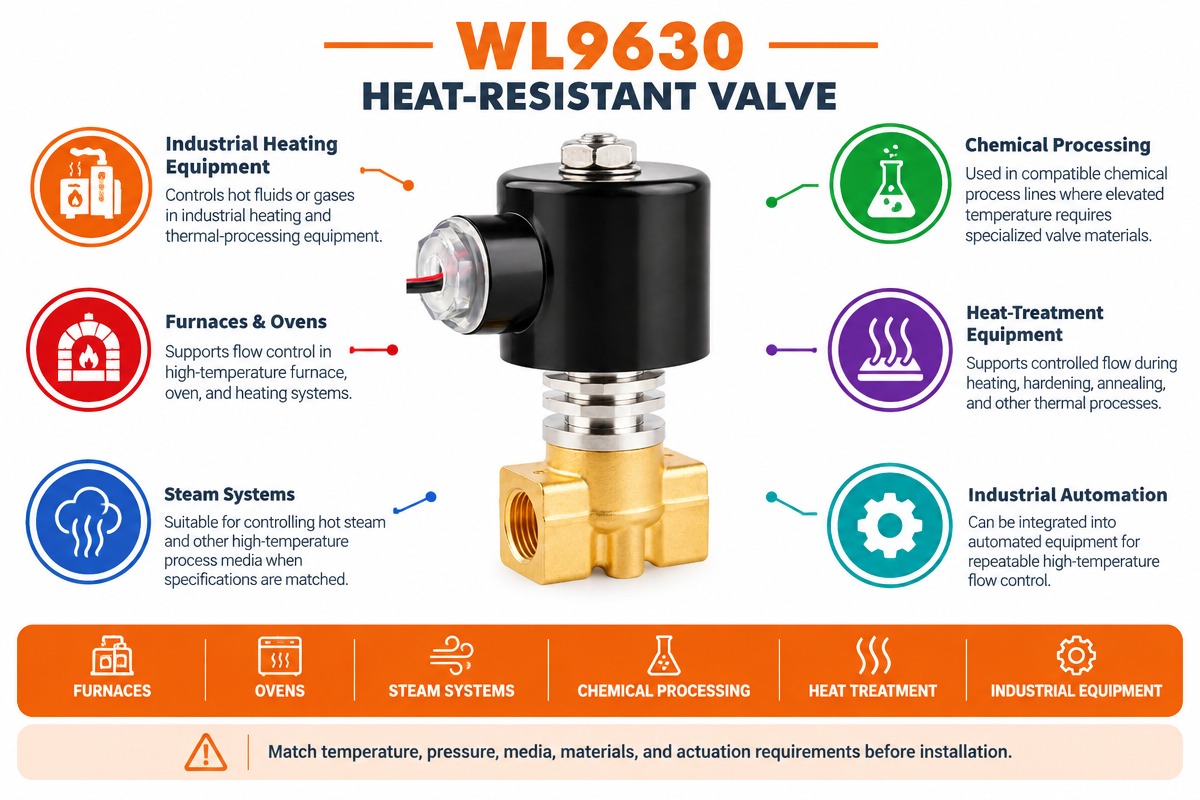
Heat Resistant Valve Applications

Heat resistant valves are commonly used in places where control of industrial fluids and gasses at high temperatures is needed.

Steam Systems

It controls steam, condensate and hot process fluids in industrial steam equipment and systems.

Boiler Hot Water

The heat resistant valves are used to control hot water and steam as well as other process fluids in boiler systems.

Furnaces

Hot gasses, fuels, air and other process media should be controlled in industrial furnaces. The temperature resistant valves can ensure reliable process operation.

Chemical Processing

High temperature valves are used in chemical plants to control compatible heated process fluids and chemicals. The material compatibility should be checked carefully.

Heat Treatment

Whatever is the purpose โ€“ annealing, hardening or tempering, the heat treatment equipment should be able to precisely control the heating media and gases in the process.

Thermal Fluids Systems

The thermal oil and other heat transfer fluids need valves that are capable to resist high temperatures.

Industrial Automation

The heat resistant valves can be used with controllers, sensors and PLC systems to provide automatic flow control.

Manufacturing Equipment

The heat resistant valves can be used to control gases or fluids and cooling or heating in production machinery operating in high temperature zones.

Other applications include ovens, dryers, thermal processing equipment, power systems and petrochemical equipment.

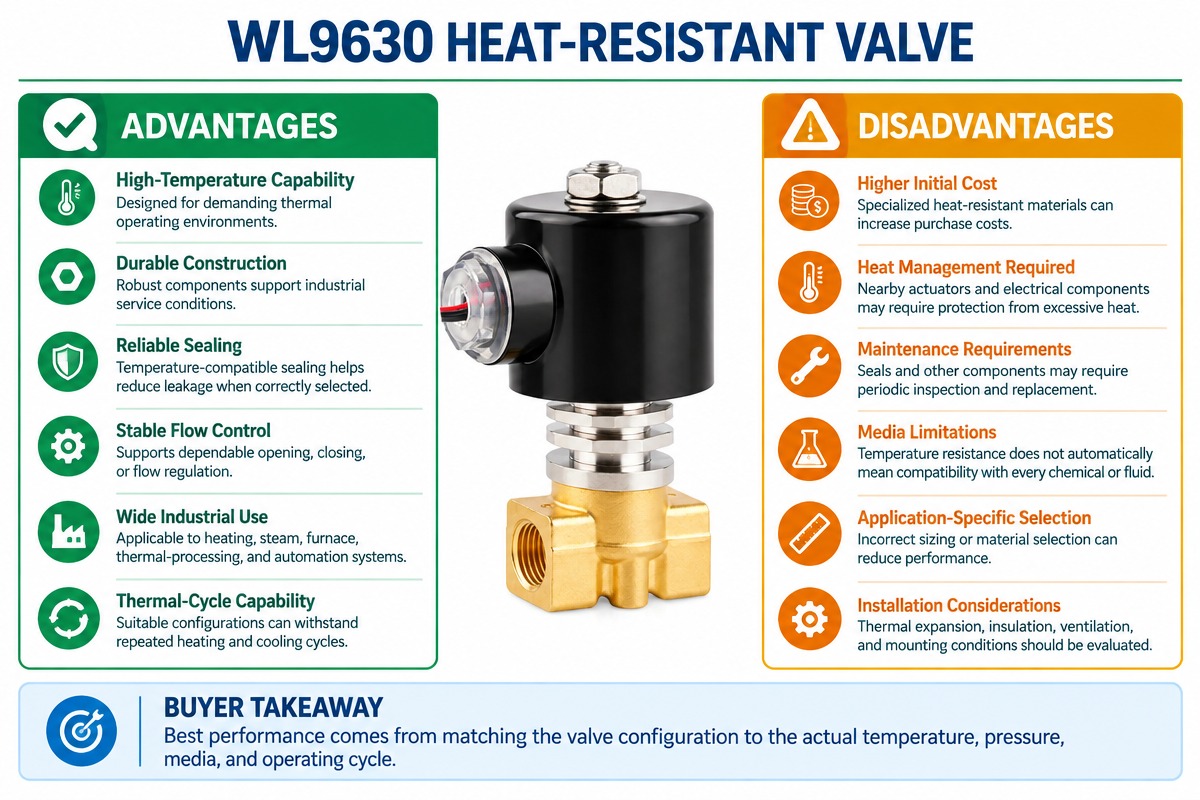
Heat Resistant Valve Adv. & Disadv

High Temperature Heat Resistant Valve for Steam Systems

Heat-Resistant Valve – Advantages and Disadvantages

Benefits

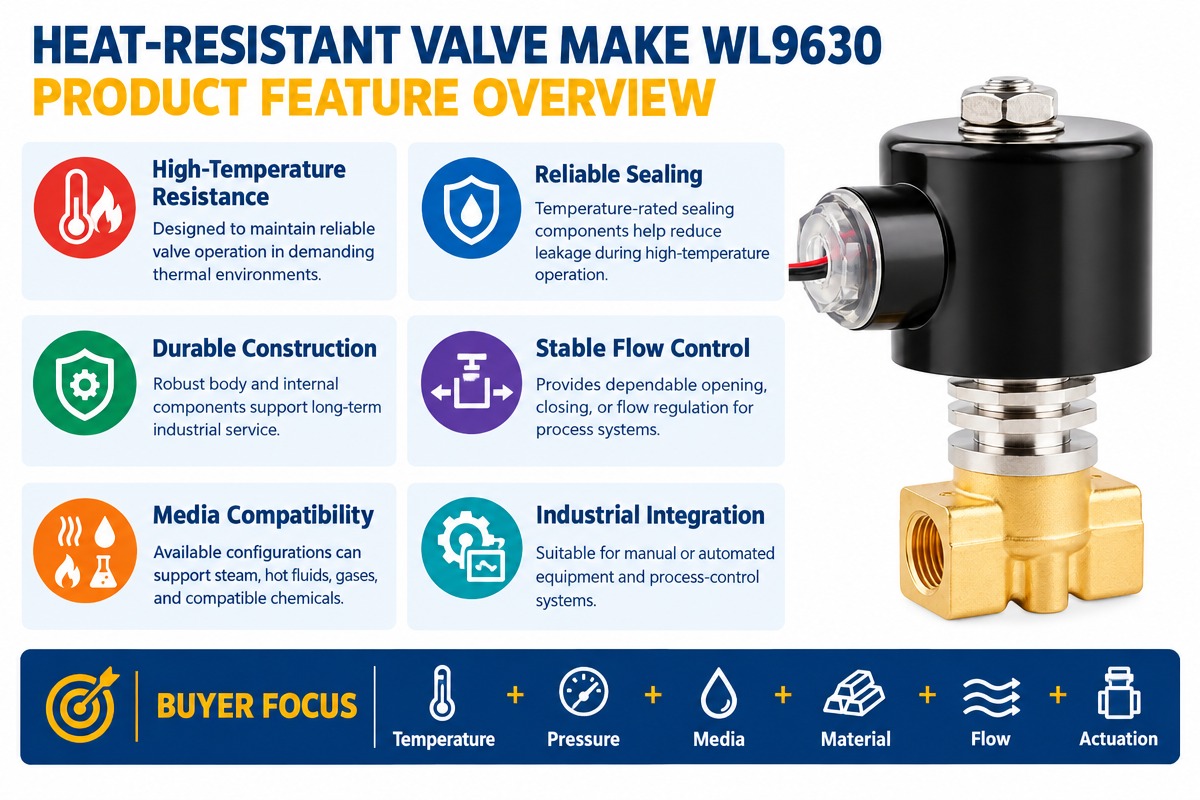
High temperature capability:

Heat resistant valves are designed specifically for usage in high temperature environments where regular valves fail.

Reliable sealing:

Temperature rated seals, when selected properly, can ensure minimal leakage.

Robust design

Metal bodies and internal components which are appropriate can provide good mechanical strength and durability.

Stable process control:

They can provide safe flow control for hot fluids and gases in industrial processes.

Wide industrial applications:

They can be used in boilers, furnaces, steam systems, chemical processing, thermal fluid equipment and automation.

Reduced downtime:

Proper valves can help to prevent failures and maintenance because of excessive heat.

Cons

Higher initial cost:

Special materials and high temperature components can increase purchase cost.

More complex to install:

Some additional preparation may be required for heat exposure, insulation, ventilation and installation conditions.

Seal limitations:

Not all sealing materials can be used for every temperature and media.

Maintenance needs:

The operation at high temperatures can accelerate aging of components and require regular maintenance.

Heat transfer:

Excessive heat can damage actuators, coils, wires and adjacent equipment.

Therefore, the most efficient solution is not just the valve with highest temperature rating, but the valve properly selected for the complete operating environment.

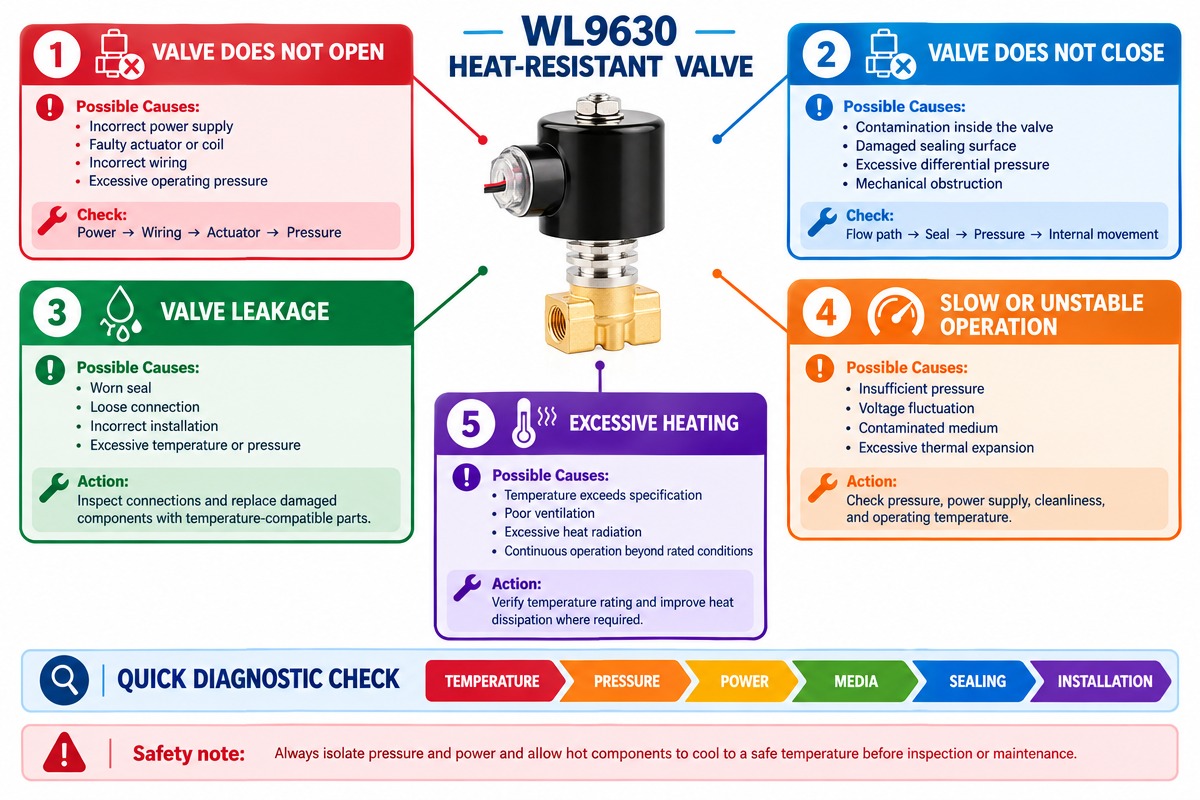
Troubleshooting of Heat-Resistant Valve

Firstly, troubleshooting should begin with isolation of the system and cooling down of any hot components to a safe temperature for further inspection.

Valve Fails to Open

Check power supply, actuator, wiring, operating pressure and control signal. For the automated valves, check that the controller provides the right signal.

Valve Fails to Shut Off

Inspect sealing area for contamination or damage. Inspect for high pressure difference or mechanical obstruction preventing full shut off.

External Leaking

Check condition of seals, threads, fittings and mounting surfaces. Leaks can be caused by loose connections and degraded seals. Replace damaged seals with appropriate temperature materials.

Low Operation

Check operating pressure, condition of actuator, electrical voltage and contamination. Friction or thermal distortion can affect movement.

Overheating

Check the actual operating temperature against the valve specification. Check ventilation, insulation, heat radiation and actuator temperature.

Unstable Flow

Check valve sizing, pressure variations, media contamination, control signals. Improper valve sizing can affect flow regulation.

Seal Failure Repeatedly

Check temperature, pressure, chemical compatibility, installation, alignment and operating frequency. When this problem repeats, it means that seal material or valve configuration is not correct.

If the problem persists, check actual operating conditions and compare them to manufacturer’s specifications on temperature, pressure, media, flow, electrical and installation requirements.

FAQ

1. Heat Resistant Valve introduction

It is heat resistant valve used for controlling, regulating and shutting off fluids or gasses in a high temperature environment. It uses heat resistant materials and seals to guarantee its reliable work.

2. What is the maximum operating temperature for heat resistant valve?

Maximum temperature depends on the design, body material, seal material, actuator and process media. Always check the temperature range as stated by the manufacturer.

3. What kind of process media can be controlled with heat resistant valves?

It may depend on the design but basically, it can control steam, hot water, thermal oil, gas and some heated chemical liquids.

4. What are the applications of heat resistant valve?

It is usually used in boilers, steam systems, industrial furnaces, heat-treatment equipment, chemical processing, thermal fluid systems, ovens, dryers and automated production machines.

5. Selection factors for heat resistant valves?

Operating temperature, pressure, media, flow, valve size, connection type, sealing material, actuation, frequency of cycling, installation environment.

6. Does the heat resistant valve require special maintenance?

Yes. Check seals, connections, actuators, electrical components and valve movement regularly. High temperatures will affect the aging rate of materials so maintenance interval should be decided depending on the real condition.

7. Why does heat resistant valve leak at high temperature?

Leakage could be caused by seal damage, thermal expansion, overpressure, incorrect material selection, loose connections or installation problem. Check operation Check sealing system

8. Can heat resistant valve be used for automatic control?

Yes. The heat resistant valves can be actuated by electric, pneumatic or solenoid actuator and controlled via the industrial control systems. The actuator and the electrical parts have to be suitable for the ambient temperature.

Choosing a Valve That Can Withstand Heat

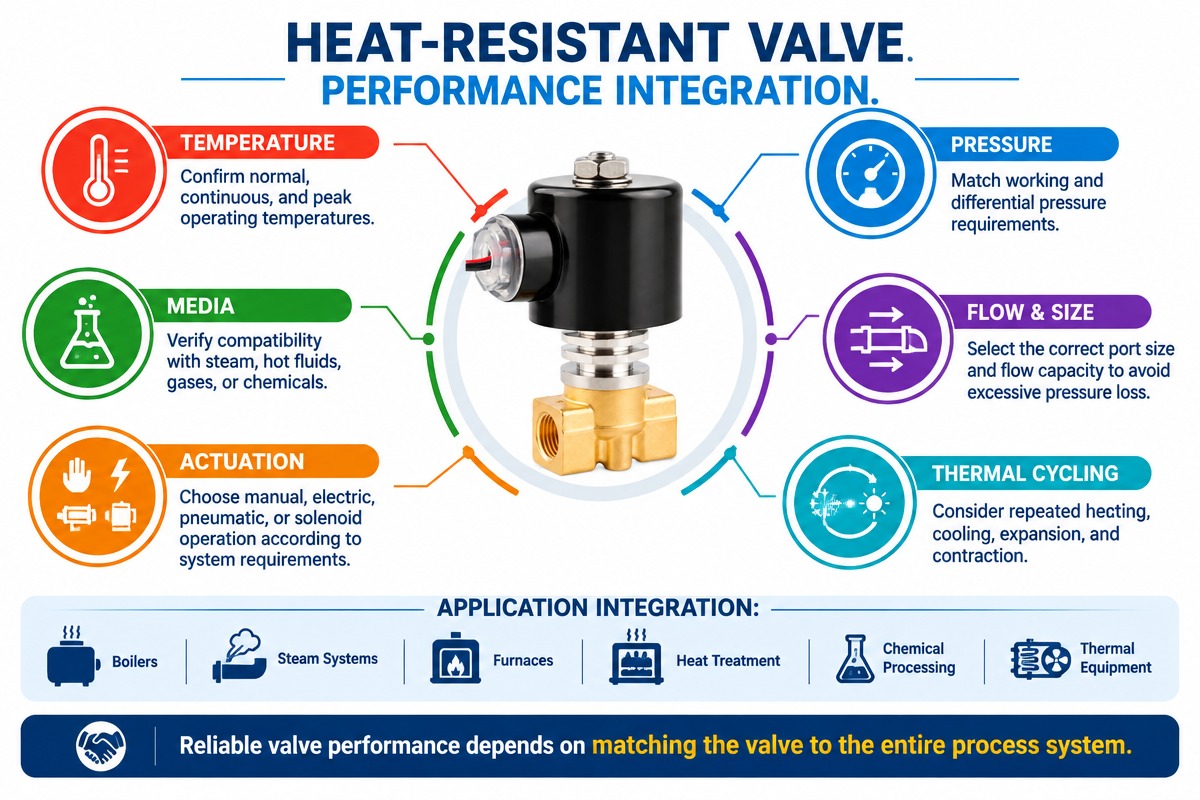
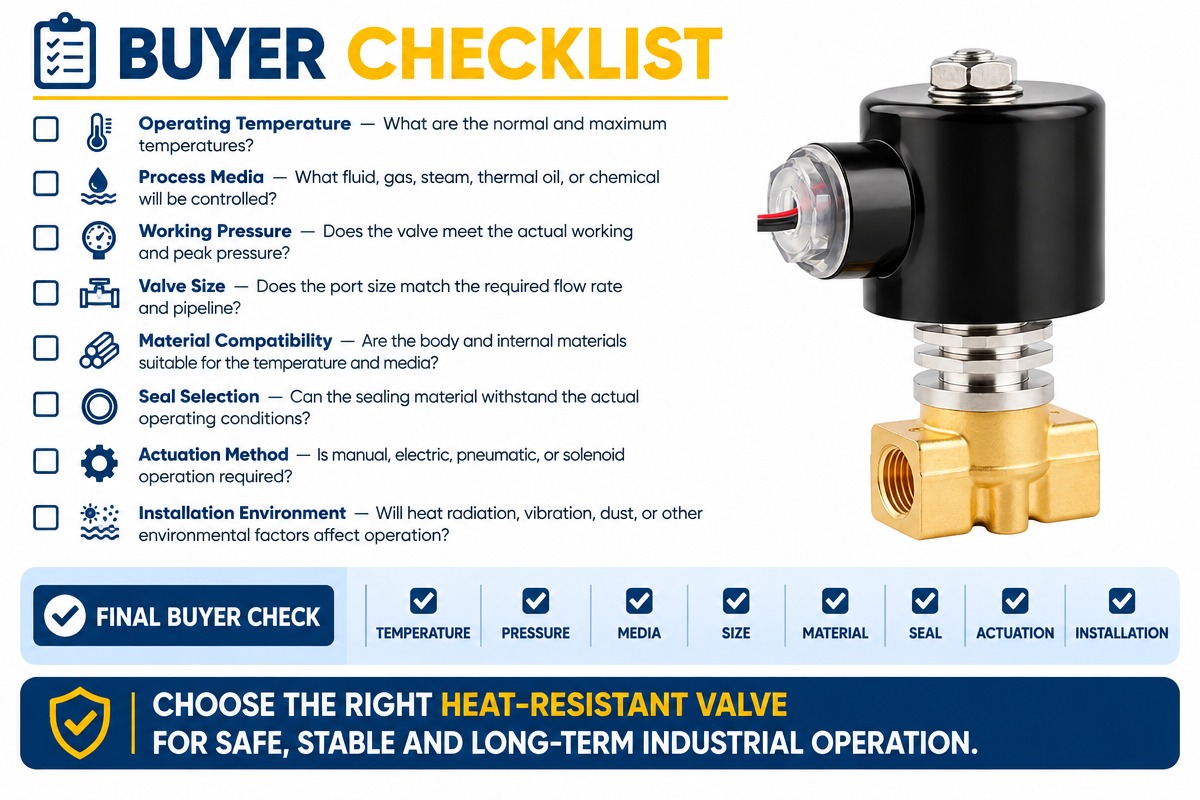
Selection of the proper heat resistant valve is not only the selection of max temperature. The valve should be selected with regard to the whole operating environment.

1.Determination of the Working Temperature

Determine the normal, operational and maximum temperatures. Take into account temperature cycling and temperature spikes. Instead of selecting valve with suitable temperature rating, choose the valve that has suitable temperature rating.

2.Process Media Check

Check the compatibility of valve with steam, hot water, thermal oil, gas, chemicals or other media. Ensure compatibility of media with valve body, internal components, seals and coatings.

3.Pressure Specifications Evaluation

Determine inlet pressure, outlet pressure, pressure difference and potential pressure surges. The pressure rating of the valve should be sufficient for actual service conditions.

4.Selection of the Valve Type

Select the operation principle according to the application. Depending on the flow control requirements, solenoid, pneumatic, electric, manual, ball, globe or other valves may be suitable.

5.Flow Capacity Selection

Choose the proper port size and flow capacity. Valve that is too large can provide insufficient control. Valve that is too small can result in excessive pressure loss and limit performance.

6.Evaluation of Materials

Depending on temperature, pressure, corrosion exposure and media compatibility select stainless steel, brass, alloys or other materials.

7.Seals Evaluation

The seals are especially important in high temperature applications. Ensure that the selected seal material is suitable for actual temperature and media.

8.Installation Consideration

Check connection type, mounting orientation, installation space, electrical requirements and accessibility for maintenance.

9.Speed of Operation Evaluation

For the automated systems, the frequency of the valve operation should be considered. Proper actuator and seals durability are required for high-cycle applications.

10.Information about the Valve

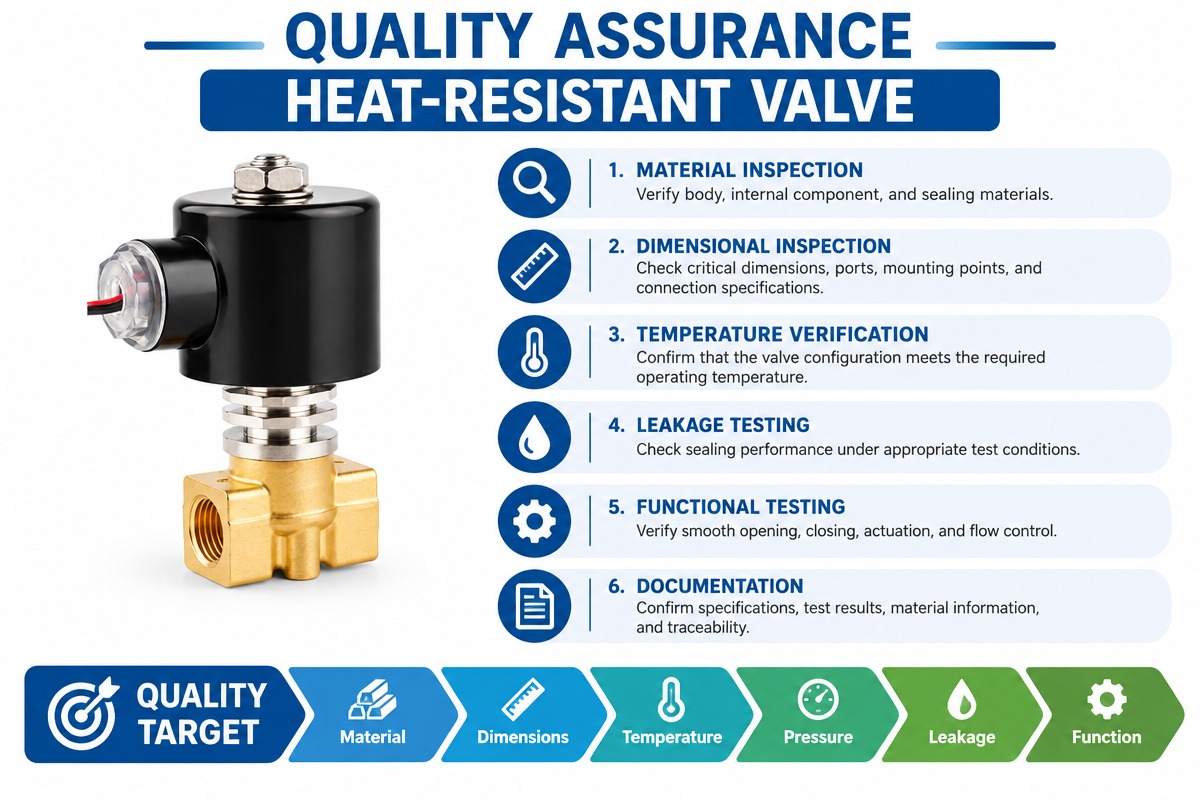
Before purchasing, check temperature ratings, pressure specifications, materials, dimensions, test data and related standards.

A properly selected valve should satisfy temperature + pressure + media + flow + materials + actuation + mounting requirements.

Tips for Avoiding Common Mistakes in Designing Heat-Resistant Valves

1. Choose for More Than Temperature

Even though a valve can withstand the temperature, it can fail due to unsuitable pressure, media or seals.

2. Do Not Choose the Wrong Seal

The seal material should be compatible with the temperature and the process media.

3. Don’t Forget Thermal Expansion

Repeated heating and cooling can cause expansion, contraction, deformation and connection stress.

4. Do Not Under Size

If a valve is too small, the flow will be too small and pressure loss will be too high.

5. Don’t Go Overboard

Poor flow control and extra costs are the results of an oversized valve.

6. Consider Heat Transfer

Heat can be transferred from the valve body to actuator or electrical components. Protect heat sensitive components when necessary.

7. Check the Media Compatibility

Do not assume that a temperature resistant material is suitable for all chemicals and process fluids.

8. Maintenance Considerations

Ensure that seals, coils, actuators and other maintenance parts are accessible for inspection and replacement.

9. Check the Whole System

Consider the valve and the whole system including pipes, fittings, pumps, actuators, insulation and control systems.

10. Test Before Full Production

When conditions are harsh, perform a test of the valve under the conditions similar to actual temperature, pressure, media and cycling.
Get A Free Quote Now

Contact Form

Related Products

Related News

Scroll to Top

Get A Free Quote Now !

Contact Form
If you have any questions, please do not hesitate to contact us.
Weilong Solenoid Company Culture