Skip image slider
Chemical Resistant Valve for Reliable Chemical Handling
Chemical Resistant Valve for Chemical Plant Operations
Chemical Resistant Valve for Industrial Flow Control
Chemical Resistant Valve for Chemical Storage Systems
Chemical Resistant Valve for Industrial Liquid Control
Chemical Resistant Valve for Chemical Process Lines

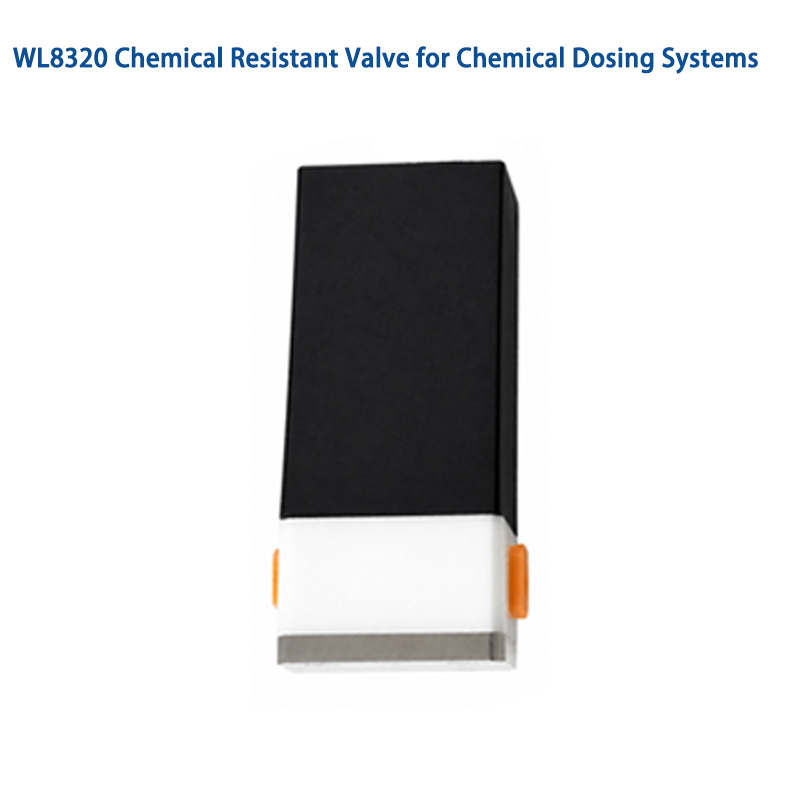
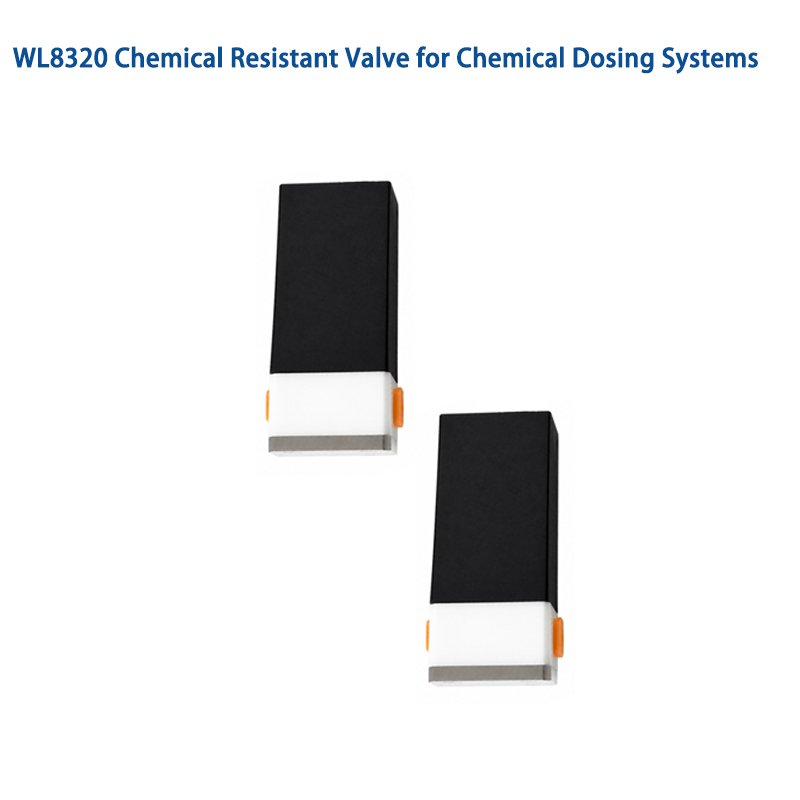
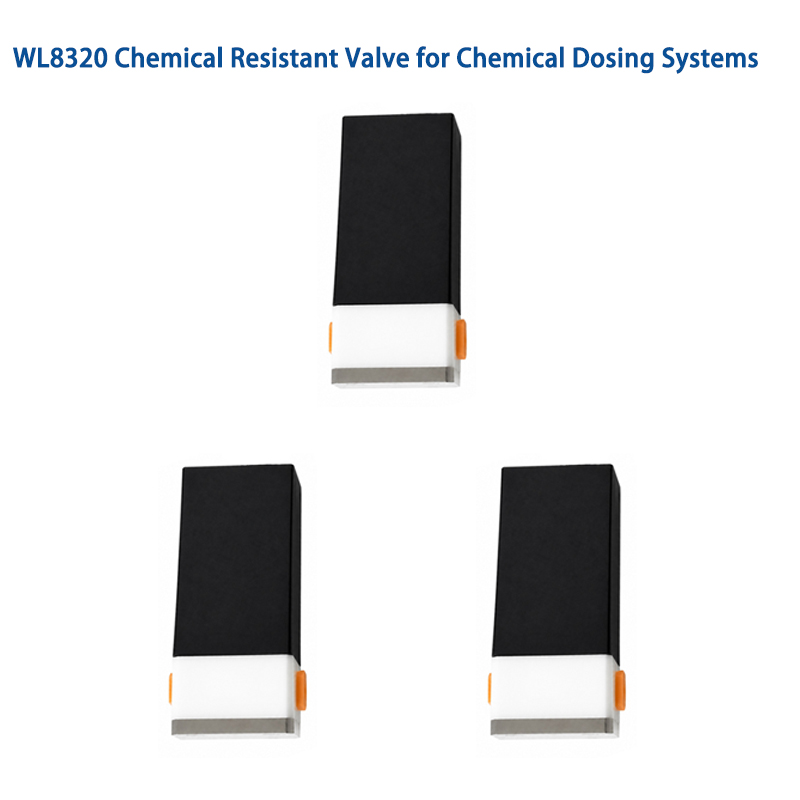
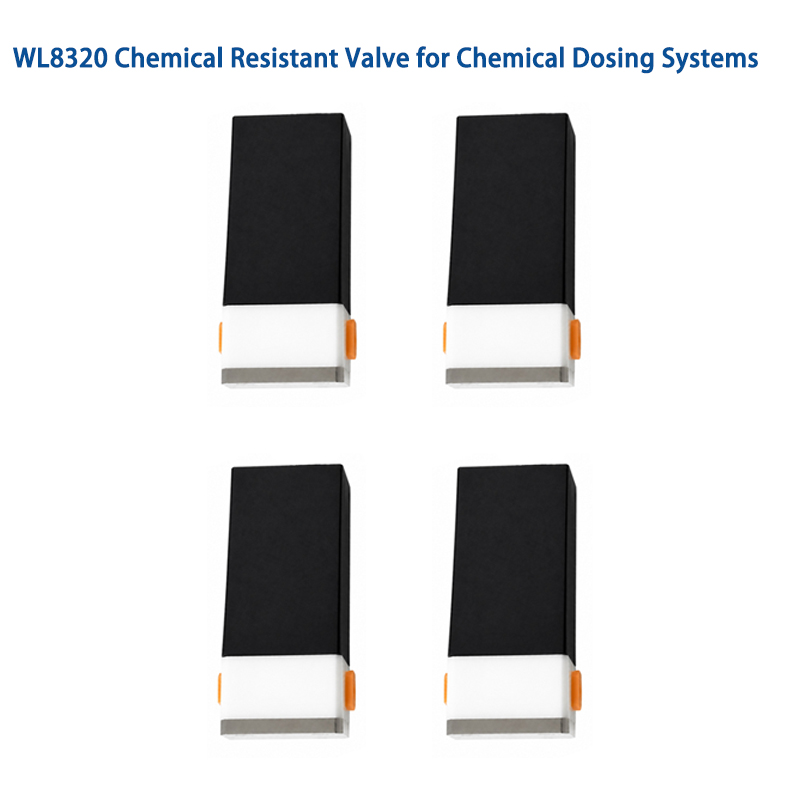
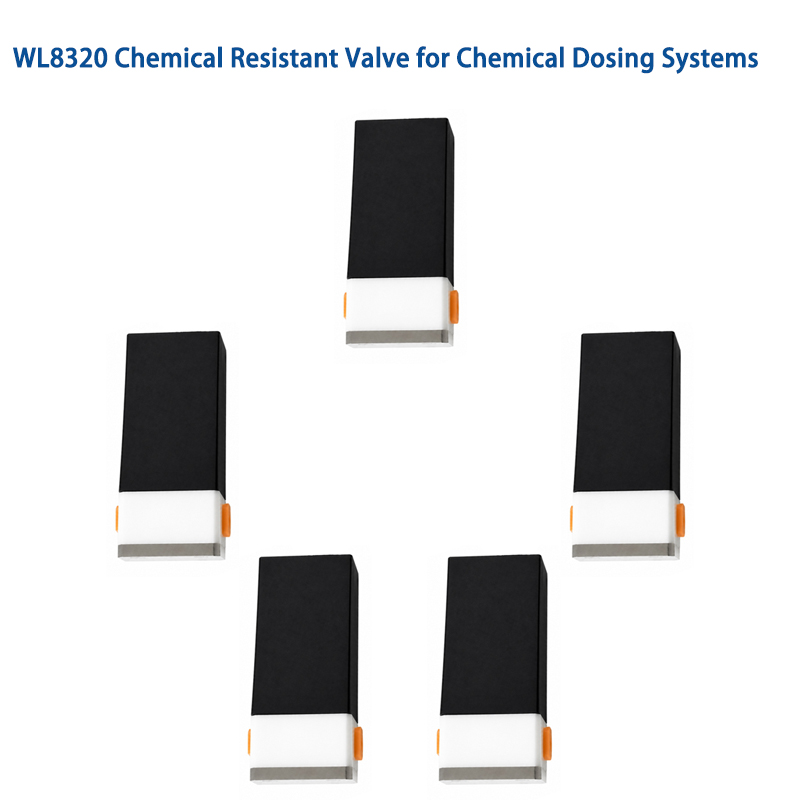
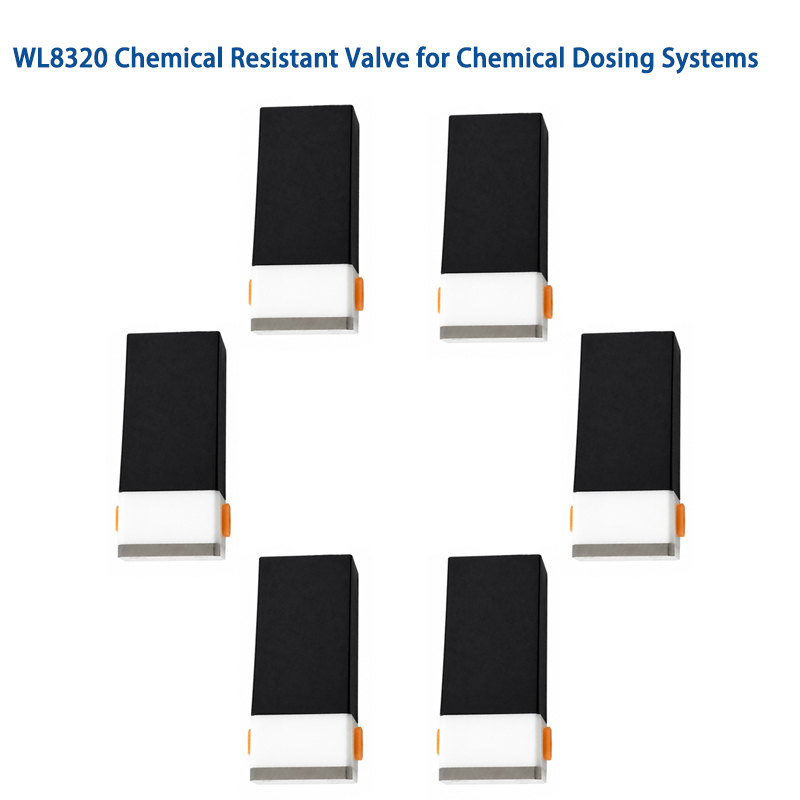
WL8320 Chemical Resistant Valve for Industrial Chemical Pumps

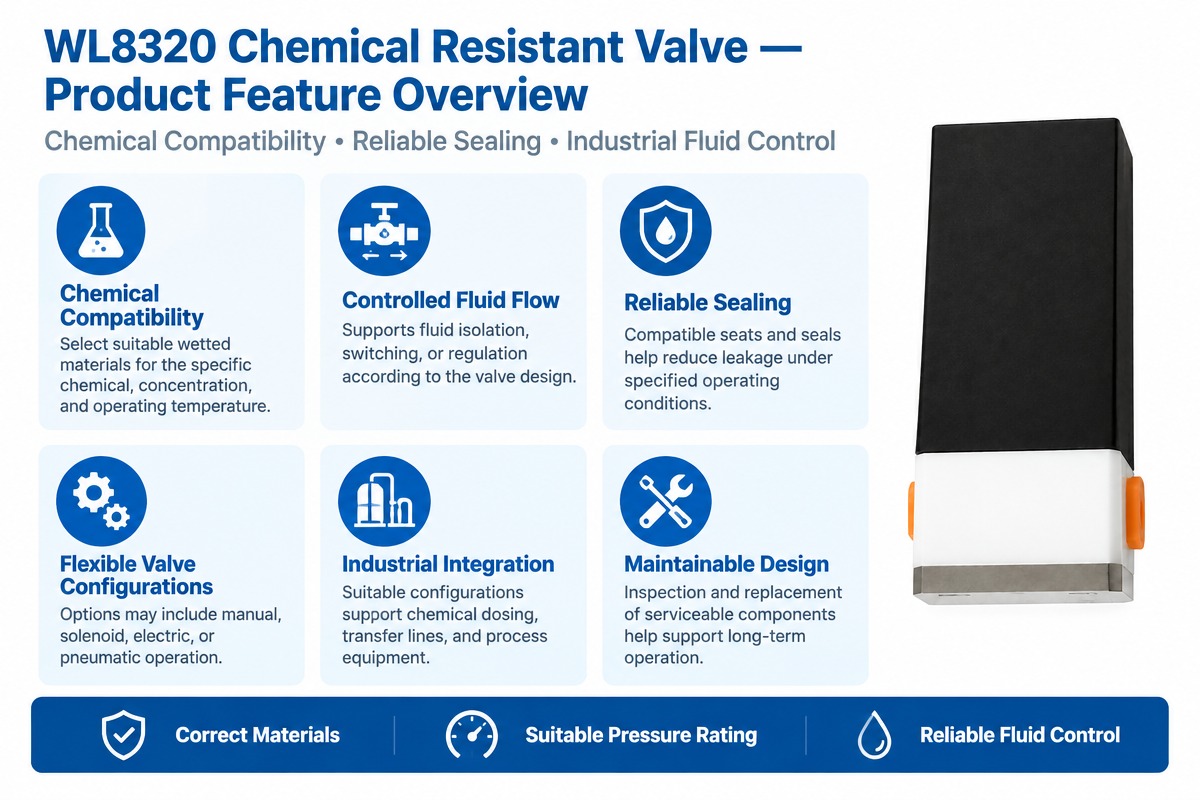
Chemical resistant valves are used to control acceptable liquids or gasses in industrial applications, where chemical exposure is a threat to standard valves parts. It can be utilized for chemical processing, water treatment, pharmaceutical manufacturing, waste water management, laboratory equipment and industrial dosing systems. Chemical resistant valve body, seals and internals can be made of materials, that are resistant to certain acids, alkalis, solvents and other process media, depending on application. When buying a valve, it is necessary to take into account the chemical composition, concentration, temperature, pressure, flow rate and connections of a suitable chemical resistant valve. There are several types of chemical resistant valves such as manual, solenoid operated or automated. Material selection will help to reduce corrosion, leakage, unplanned maintenance and early equipment failure. To ensure the reliable performance of a valve, it is recommended to check the compatibility with a manufacturer, follow installation instructions and operate it within its specified limits for the lifetime of the valve.

Chemical Resistant Valve Description

What is a Chemically Resistant Valve?

Chemically resistant valve is a fluid control device that can operate with specified chemicals without unacceptable deterioration of the valve body, seals or internals. It is used widely in chemical manufacturing, water treatment, dosing equipment, laboratory and industrial pipelines. Depending on the chemical environment, it may be stainless steel, special plastics, PTFE internals or compatible elastomers. This kind of valves is available in manual or automatic configurations. Right valve selection includes careful consideration of the chemical composition, concentration, temperature, pressure, flow rate and material compatibility. Good specification and maintenance will improve reliability and reduce leakage risks.

What is a Chemical fluid valve?

Chemically resistant valve is a fluid control device to control the flow of a compatible liquid or gas in a pipeline or process system. The type of valve determines the working principle.

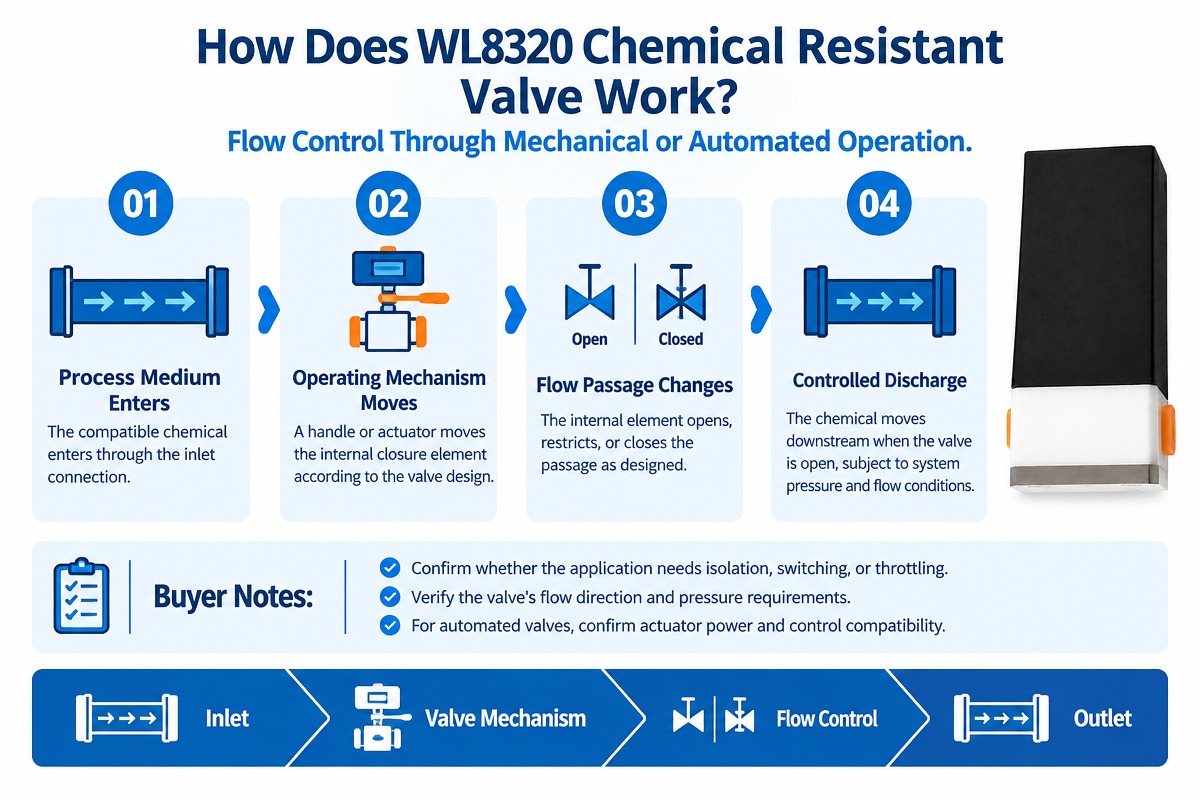
Manual valve is a valve that is manually operated by a handwheel, lever or another mechanism to move the internal closure element to open, restrict or stop the flow. Automatic valve is a valve, that is moved by an actuator with the use of electrical, pneumatic or hydraulic power.

In case the valve is opened, process medium flows through the internal passage from the inlet to the outlet. In case of closed valve, the closing element contacts the seating surface to prevent the flow. Valve defines the sealing performance.

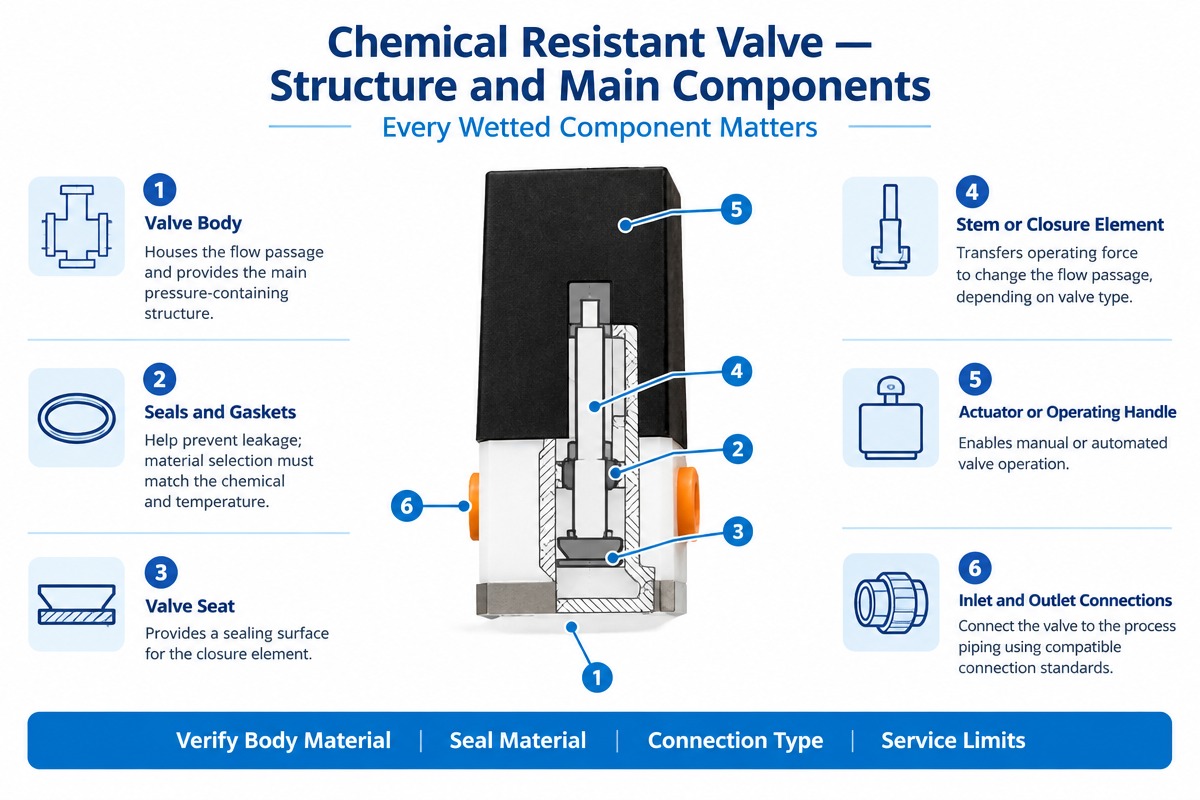
Valve body materials, seals and internals are chemically resistant to control the process medium in accordance with application. The valve should be selected for the actual chemical, concentration, temperature, pressure and flow.

Chemical Resistant Valve Video

Chemical Resistant Va veDetail Display

Chemical Resistant Valve Data Sheet

Brand Weilong Model Number WL 8320
Rated Voltage (V) DC12V or 24V Rated Power (W) 7.2W
Work Mode Air or Liquid Control Valve Working Pressure (MPa) 600 kPa
Air-Flow Rate 0 L/minute Reset Time(s) 0.25 S On, 0.25 S Off
Service Life 200 Thousand Times Certification CE, ROHS, ISO9001,
Pipe Gate ย inside: 2 mm Lead Wire Length (mm) 83 MM
Install Style Screw Tolerance of Dimension ยฑ 0.1 MM
Water-proof None Insulation Class B
Hi-Pot Test AC 600V 50/60 Hz 2s Non-excitation Holding Force 0
Working Temperature -25ยฐC-60ยฐC Duty Cycle 1-100%
Thread Depth (mm) / Payment Term TT, or LC At Sight
Sample Order Yes. Warranty 1 Year
MOQ 1000 pcs Supply Ability 5000 pcs per week
Delivery Time 30 Days Port of Loading Shenzhen

What is the Demand Drives the Growth of Chemical Resistant Valve?

As industries are automating the fluid handling and dealing with increasing variety of chemical processes, chemically resistant valves gain importance. Conventional valves may be compromised in presence of incompatible chemicals leading to higher maintenance costs, downtime and possible leaks.

First advantage of such valves is that they can protect certain materials from chemicals. Properly chosen valve body, seats and seals are more resistant to the process medium than unsuitable materials. This feature is especially helpful for chemical manufacturing, waste water treatment and industrial cleaning.

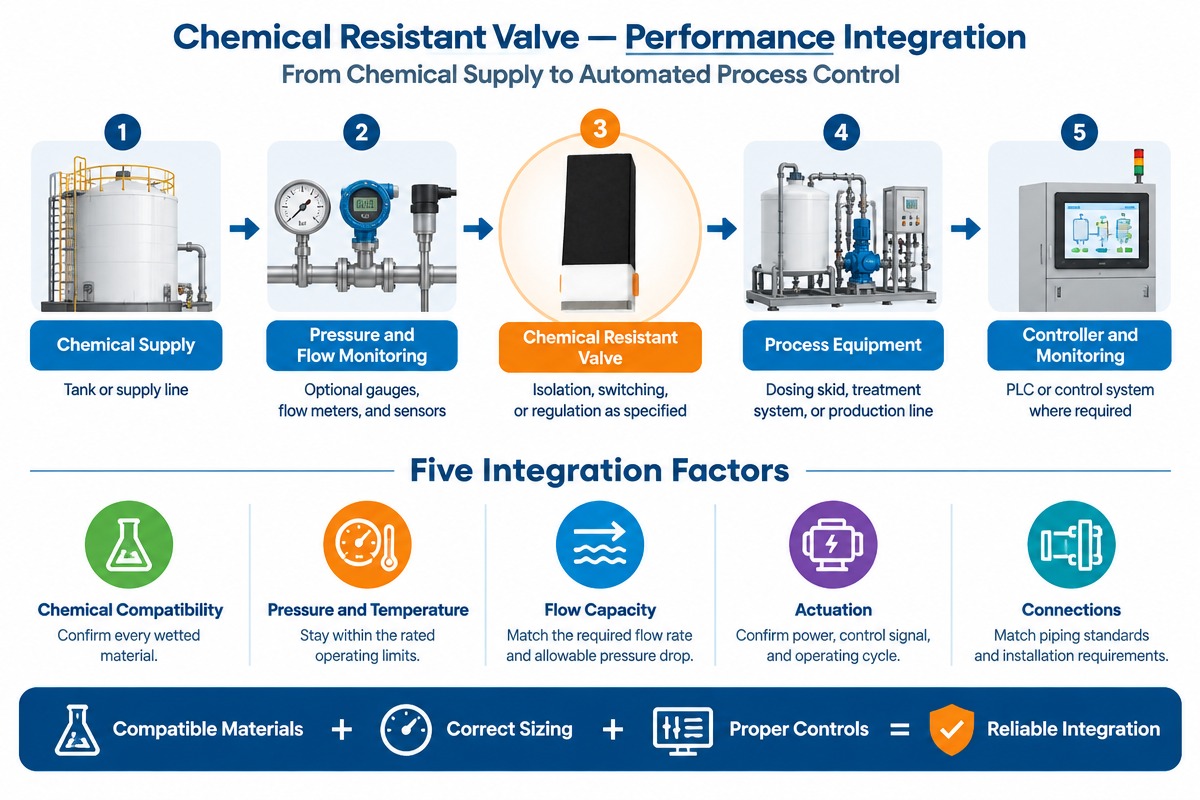
Automating process is also a demand driver. Chemically resistant valves are available in manual and actuated versions for integration with controllers, sensors, dosing and automated production equipment. It can improve the process reliability and decrease manual intervention.

Small design of such valves is also helpful for their use in chemical dosing skids, laboratory equipment and space-tight production lines. Appropriate valve can ensure reliable flow isolation or regulation and facilitate equipment integration.

Also, the careful valve selection can result in increased service intervals and reduced costs associated with corrosion failures.

However, in the case of chemically resistant valves, one-size-fits-all approach is not applicable. Compatibility is determined by the process medium, concentration, temperature, pressure and material compatibility. In case industries pay more attention to process reliability, safety and maintenance efficiency, properly selected chemically resistant valves continue to be important component of modern fluid control systems.

Chemical Resistant Valve Applications

Chemical Resistant Valve for Corrosive Fluid Control

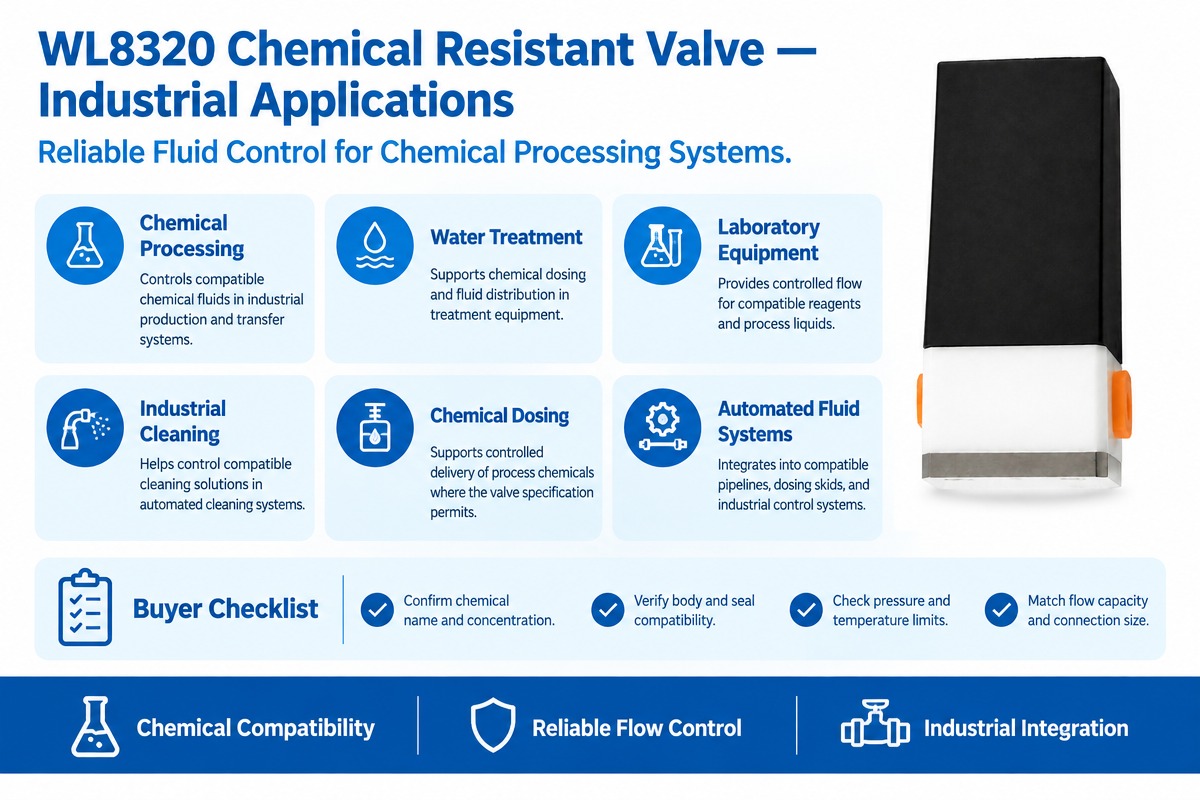
Chemically resistant valves are used in industries where reliable manipulation of corrosive or chemically active fluids is necessary.

1.Chemical manufacturing They control compatible acids, alkalis, solvents and process liquids in production lines, transfer systems and reaction equipment.

2.Water and Wastewater Treatment Suitable valves are used for chemical dosing, pH adjustment, disinfection and distribution of the treatment fluid.

3.Pharmaceutical manufacturing: Valves with proper material specification help in chemical supply, cleaning processes and compatible fluids handling where certain hygienic and regulatory requirements have to be satisfied.

4.Laboratory equipment: Small valves for controlling reagents, cleaning solutions and other compatible fluids in analytical and experimental systems.

5.Electronics manufacturing: Chemical distribution equipment can use compatible valves for cleaning solutions, etchants and other special process fluids.

6.Industrial cleaning Automated cleaning systems use suitable valves to control detergents, rinse solutions and chemical cleaning agents.

7.Mining and mineral processing: Process chemicals used in mineral treatment and extraction operations may be compatible with the valve design.

8.Food and beverage processing. Chemically resistant valves may be used to control cleaning-in-place solutions and other process chemicals, where the selected materials meet the requirements.

9.Agriculture and water management Valves are used for chemical injection and treatment solutions in dosing and distribution systems.

10.Industrial automation: Automated valves can be installed together with compatible controllers and monitoring equipment to provide repeatable chemical flow switching.

For all the mentioned applications, it is necessary to verify chemical compatibility, pressure and temperature limits, flow capacity, sealing and safety requirements before installation.

Chemical Resistant Valve Adv. & Disadv

Chemical Resistant Valve for Solvent Handling Systems

Chemically Resistant Valves: Pros and Cons

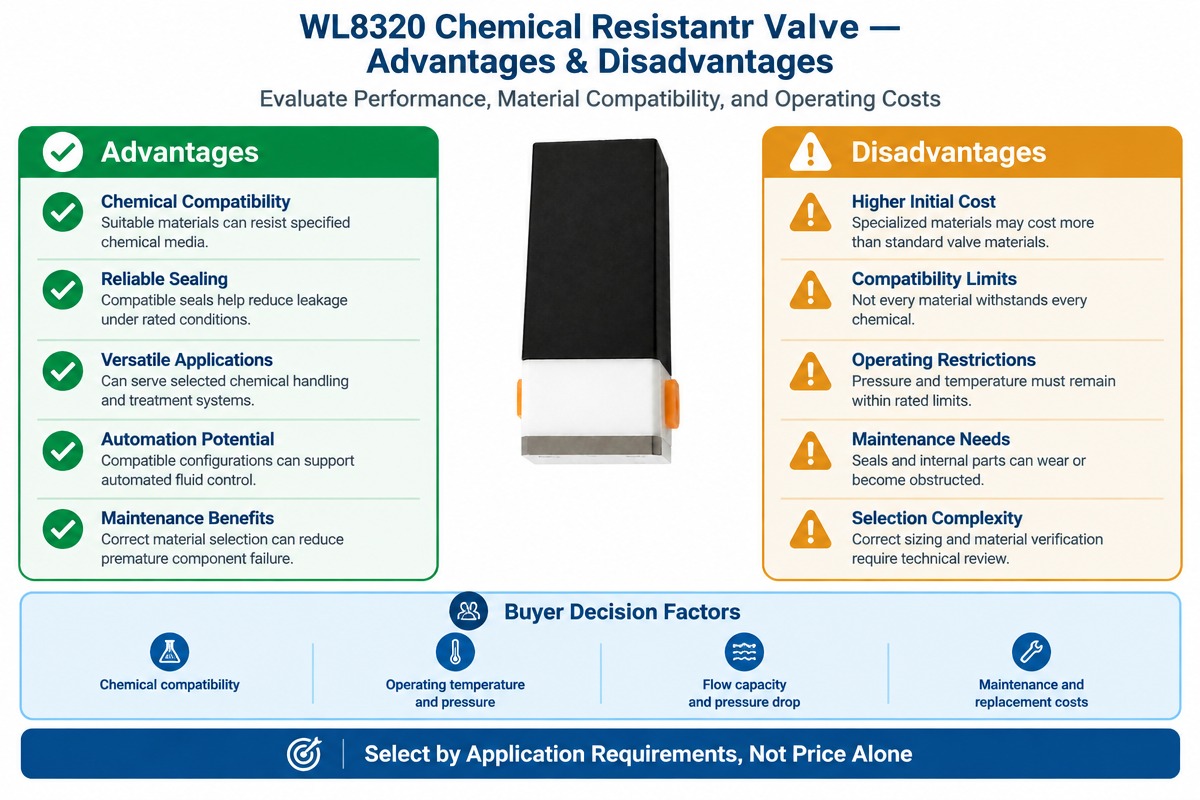
There are several benefits of chemically resistant valves in case of proper material matching to the process medium. But there are some limitations of the valves.

Advantages

Corrosion resistance: Body and internal parts are compatible to resist certain chemical exposure and limit its deterioration.

Reduced leakage risk: Right seals and valve seat materials allow maintaining sealing performance within operating limits.

Flexible applications: Various valve designs allow using valves for chemical dosing, transfer, treatment, isolation and process control.

Automatable: Actuated valves can be integrated with controllers and sensors to increase process repeatability and decrease manual operation.

Potential maintenance savings: Correct material selection will help to avoid premature replacement and downtime caused by chemical attacks.

Drawbacks

High initial cost: Specialty materials and chemically compatible parts may cost more than standard valves designs.

Complicated material selection: Compatibility is determined by chemical composition, concentration, temperature and exposure time. Make the wrong choice and you’ll go downhill fast.

Operating limitations: Pressure, temperature, flow and sealing limits are defined for each valve.

Maintenance needs: Seats, seals and moving parts may wear out or be blocked by particles or crystallized media.

Non-universality: The valve that is suitable for one chemical, may not be suitable for another chemical, even if both chemicals belong to the same family.

In summary, in case of proper specification, chemically resistant valves can provide reliable service. Buyers have to verify chemical compatibility, operational performance, maintenance requirements and lifecycle cost before selecting the valve.

Chemical Resistant Valve for Chemical Manufacturing

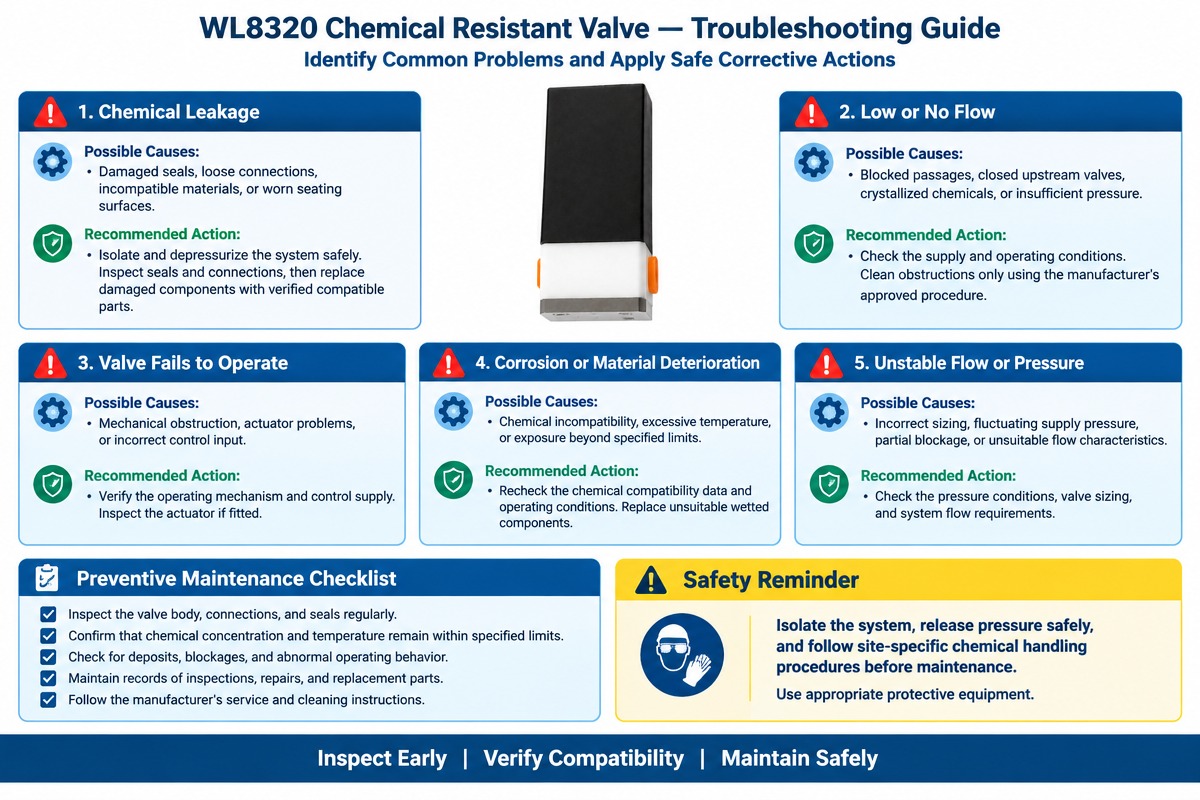
Troubleshooting Chemically Resistant Valves

1.Chemical leakage: Check connections, seals, gaskets, seating surfaces. Chemical exposure may cause swelling, cracking or corrosion. Use known compatible materials to replace damaged components.

2.Flow too low or blocked: Check deposits, particles, crystallization, wrong flow direction, undersized valve. Clean the valve according to the manufacturer instructions.

3.Valve fails to open: For actuated valves, check control signal, power supply, condition of actuator and operating pressure. For hand-operated valves, check the mechanism for blockages or damages.

4.Valve fails to close. Check for trapped debris, worn seats, damaged seals, actuator malfunction or control signal misrouting.

5.Corrosion or material degradation: Consider the chemical identity, concentration, temperature and duration of exposure. Replace unsuitable materials and review the valve specification.

6.Unstable flow or pressure โ€” Verify that the instrument is not undersized or oversized, excessive pressure fluctuations, partial obstruction or out of operating range.

7.Maintenance problems are common. Investigate possible causes through fluid cleanliness, operating cycles, installation and maintenance history.

Process isolation before inspection. Relief the pressure and drain/contain the chemical according to the site procedures. Use personal protective equipment and follow hazardous material handling procedures.

Valve reliability and service life can be improved by regular inspection, replacement with compatible parts and operation within specified limits.


FAQ

1. What does chemical resistant valve mean?

A chemically resistant valve is a specially engineered valve for controlling liquids or gasses capable of destroying standard valve materials. It consists of compatible body material and seals, as well as internal components that are appropriate for particular chemical media. Such valves are often used in chemical processes, water treatment plants, industrial dosing and laboratories.

2. What are the most common materials used in chemical resistant valves?

Such materials as stainless steel, PVC, PP, PVDF, PTFE and various elastomers are used in production of such valves. The selection depends on the chemical composition, concentration, operating temperature, pressure and duration of contact. The buyer must make sure that all wetted components are compatible with each other.

3. What chemicals can a chemical resistant valve withstand?

Depending on the material, a chemical resistant valve can be used for working with some acids, alkalis, solvents, detergents and industrial chemicals. There is no universal valve material which will be resistant to every chemical compound. Therefore, you must consult the chemical compatibility data provided by the valve manufacturer.

4. What to consider when choosing a Chemical injection valve?

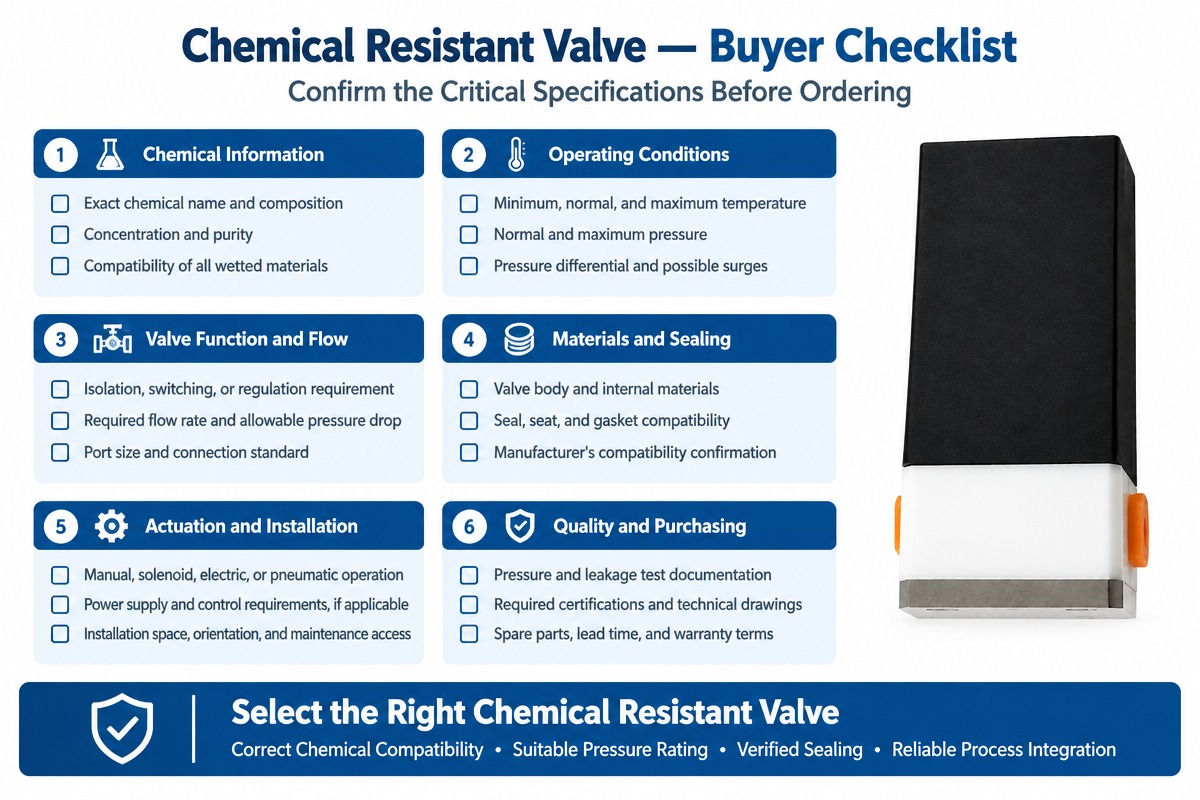
You should first define the chemical composition of the medium, its concentration, operating temperature and pressure. Further, determine the required flow rate, the size of ports and connections, the purpose of the valve and the required actuation. Finally, verify the compatibility of body and seals, maintenance requirements, relevant certificates, and operating conditions of the valve manufacturer.

5. Can automated systems use chemical resistant valves?

“Yes. There are numerous chemical-resistant valves that can be equipped with pneumatic, electric or solenoid actuators. These valves can be easily integrated into automated systems such as PLCs, dosing equipment and other monitoring systems. Please confirm the required voltage, control signals, operating pressure and switching frequency before the installation.

6. Chemical resistant valves - What are the benefits?

The major benefits of such valves are resistance to specified chemicals, reduced risk of corrosion, reliable fluid control and compatibility with automated processes. The right choice of materials can help to reduce maintenance costs, leakage risks and unexpected downtimes of inappropriate conventional valves.

7. What is the maintenance of Chemical injection valve?

One should regularly monitor the valve for leaks, corrosion, seal wear, clogging and unusual valve operation. One should examine the connections and actuator and maintain the valve according to the manufacturer’s instructions. Before performing any maintenance activity, it is necessary to isolate the system, safely depressurize it and follow the procedure of chemical handling. Use only chemically compatible replacement parts.

8. Why is chemical compatibility a key consideration when selecting a valve?

The chemical compatibility reduces risks of corrosion, swelling, cracking, seals’ destruction and contamination. Although the valve works within the allowable temperature and pressure range, the incompatible material can deteriorate. The buyer should identify the exact chemical composition, concentration, temperature and duration of contact with the valve.

Selection of chemical resistant valve

The selection of a chemically resistant valve requires a proper matching of the valve construction to chemical media and operating conditions.

1.What is the chemical media ? State the chemical name, concentration, purity and any additives. Even the same chemical in different concentrations, can behave differently for materials. Is the media corrosive, oxidizing, abrasive or crystallizable ?

2.Check chemical resistance of materials. Analyze the valve body, seals, gaskets, seat and other wetted parts. The limits of chemical resistance are different for stainless steel, PVC, PP, PVDF, PTFE, EPDM and FKM. Don’t assume material is corrosion resistant simply because it is marketed that way. Check compatibility with the manufacturer.

3.Define operating conditions. Determine the minimum, normal and maximum pressure and temperature. Look for pressure surges, vacuum conditions and temperature fluctuations that can negatively impact the valve integrity or sealing.

4.Establish flow requirements. Establish the required flow rate and allowed pressure drop. Compare the flow coefficient, port size and flow characteristics of the valve.

5.Select valve type. Depending on the application select ball, diaphragm, needle, solenoid or other valve types. Determine whether you need just isolation, on/off switching or flow regulation.

6.Select the actuation method. Manual, electric, pneumatic and solenoid actuation have different installation and control requirements. Automated valves also have to comply with the available power supply and control signals.

7.Check connection compatibility. Specify pipe size, thread type, flange type, installation position and available space.

8.Evaluate maintenance and safety aspects. Think about the implications of leaks, chemical containment, cleaning requirements, inspection access and availability of spare parts. Some processes may be dangerous and require special materials or certified equipment.

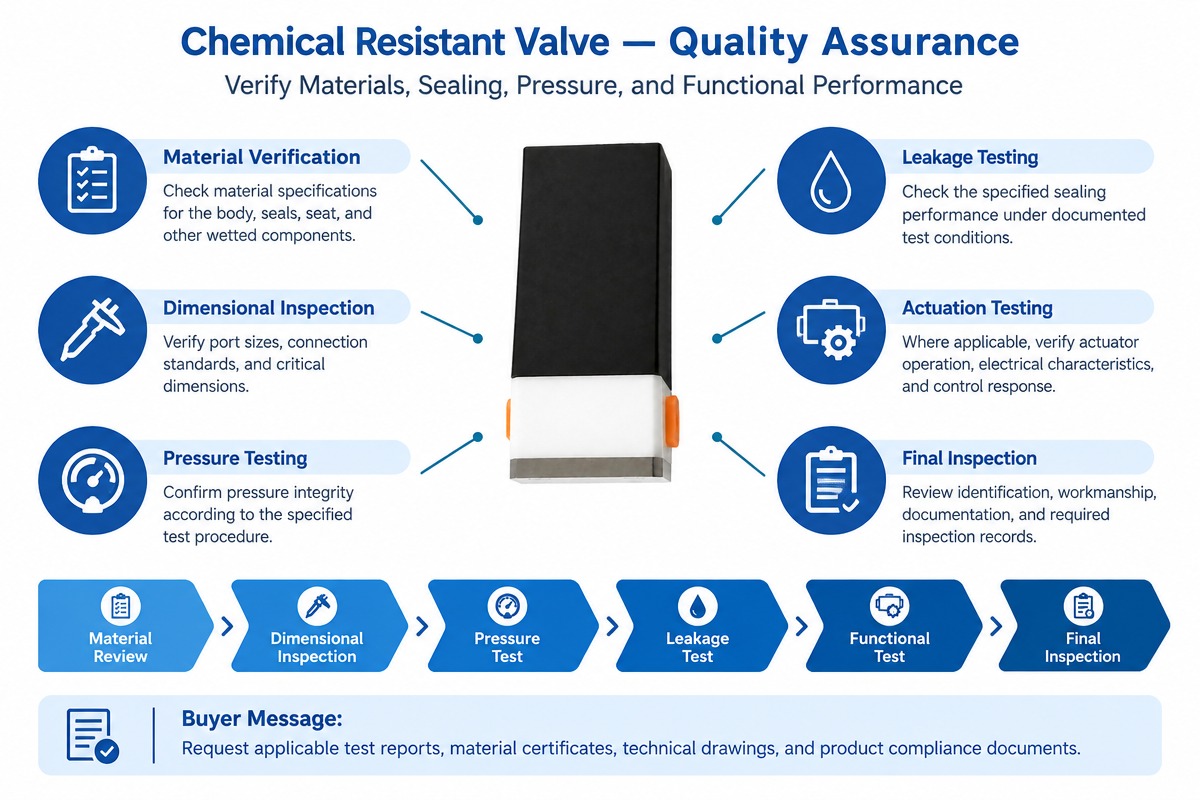
9.Review quality documentation. Ask for technical drawings, material specifications, pressure and temperature ratings, chemical compatibility data and test reports if appropriate.

Finally, estimate the total cost of ownership, not only the cost of purchase. Right valve selection will help to reduce maintenance, downtime and premature replacement of the valve while ensuring reliable control of industrial chemicals.

Tips to Avoid Common Mistakes in Design of Chemical process valve

Don’t assume chemical resistance to all chemicals. Check the exact chemical composition, concentration, temperature and time of exposure.

Don’t choose just names of materials. Check all wetted parts (body, seals, seat, gaskets).

Don’t undersize or oversize the valve. Determine the required flow rate and pressure loss.

Test the full range of pressure. Take into account startup, shutdown, pressure surges and vacuum conditions if applicable.

Consider temperature variations. Increased temperature can change seals’ properties and accelerate chemical attack.

Select the right valve type. See if the application requires isolation, switching, throttling or precise control.

Consider fluid contamination. Particles and crystallizing chemicals can obstruct valve internals and damage seals.

State the right connections. Installation problems and leaks can occur due to improper thread or flange standards.

Provide safe service. Valves isolation points, drainage arrangement and access for inspection.

Consider appropriate standards. Verify certifications if applicable (pressure, electrical, environmental, etc.)
Get A Free Quote Now

Contact Form

Related Products

Related News

Scroll to Top

Get A Free Quote Now !

Contact Form
If you have any questions, please do not hesitate to contact us.
Weilong Solenoid Company Culture