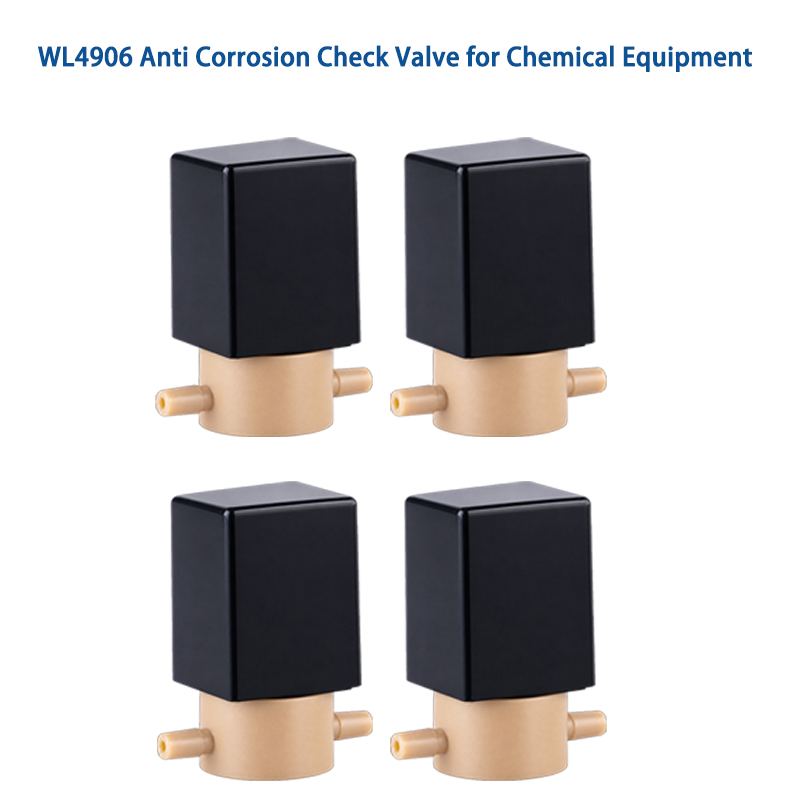
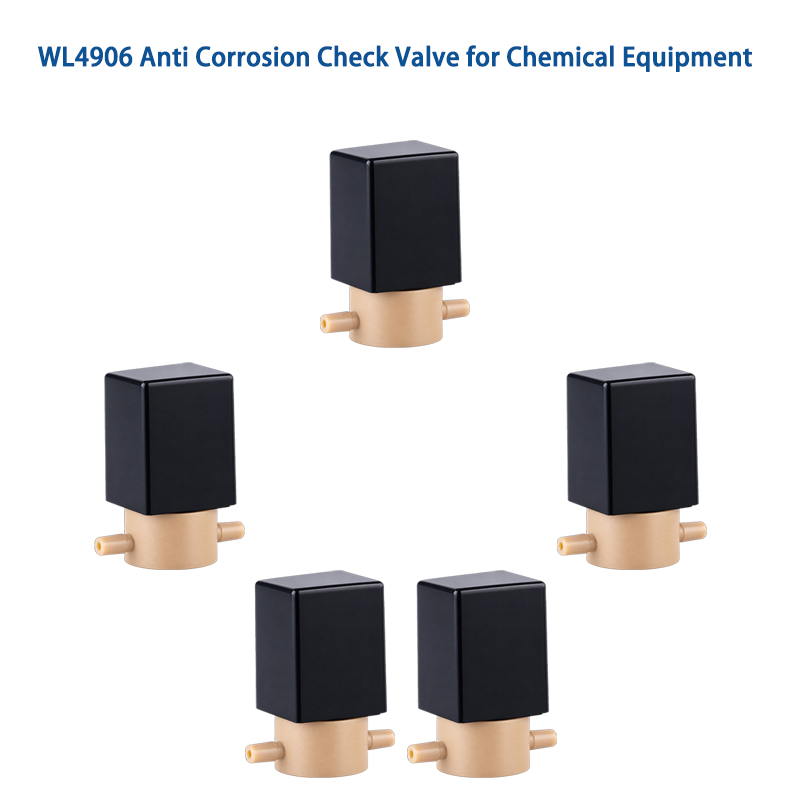
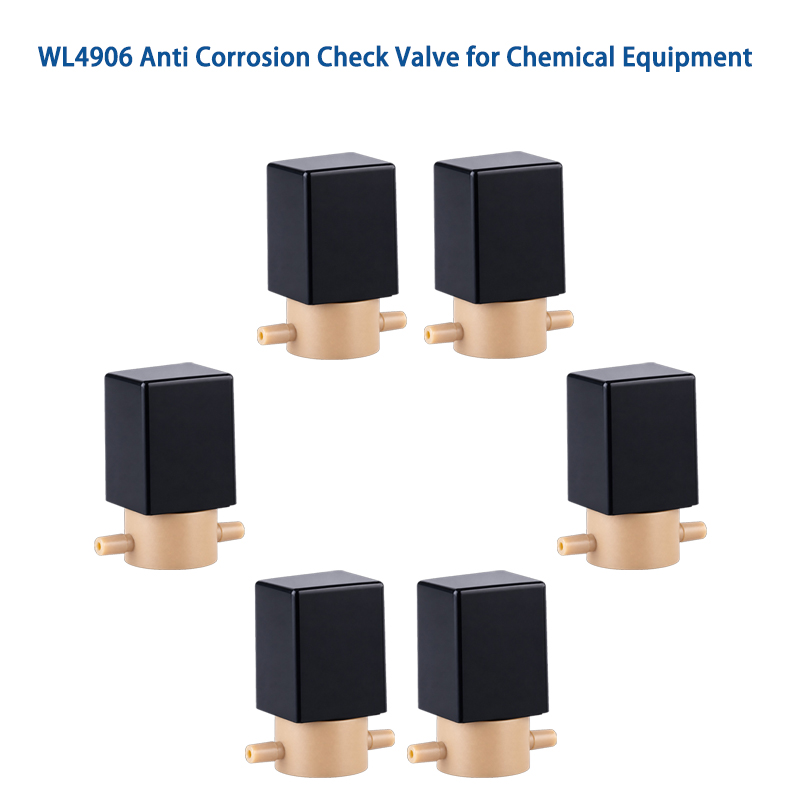
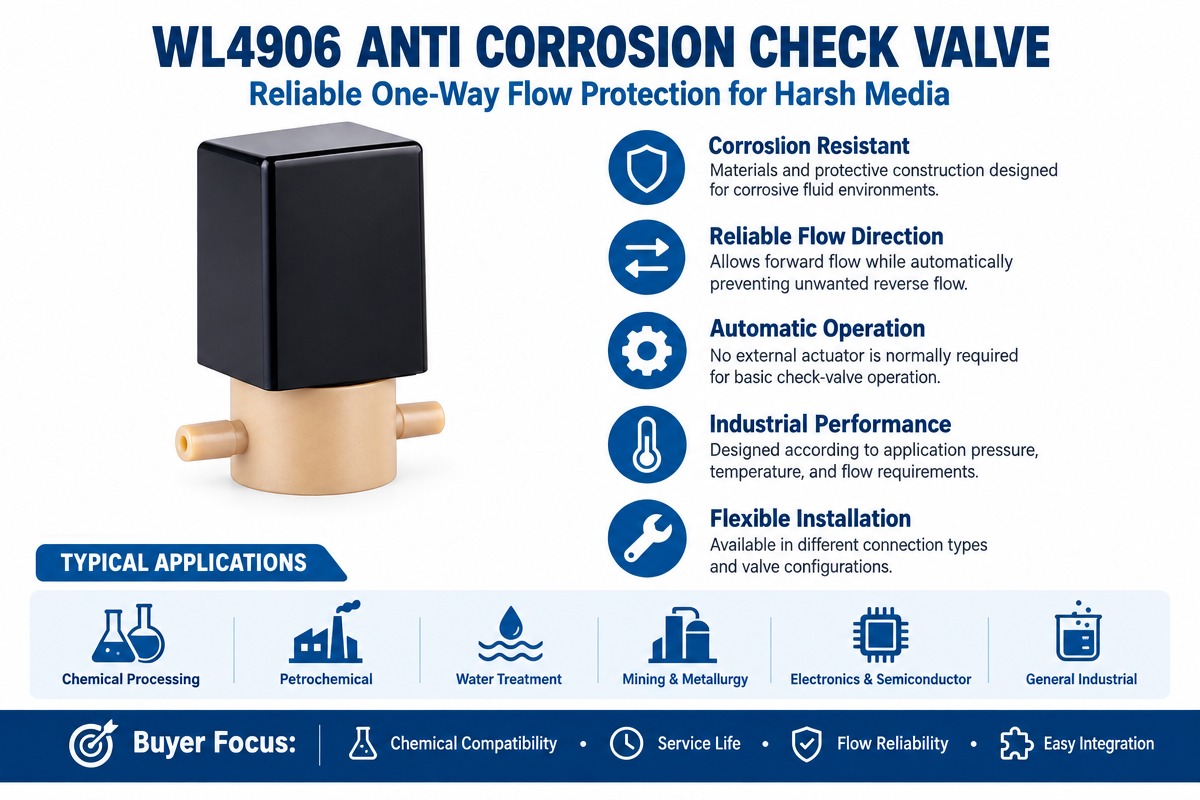
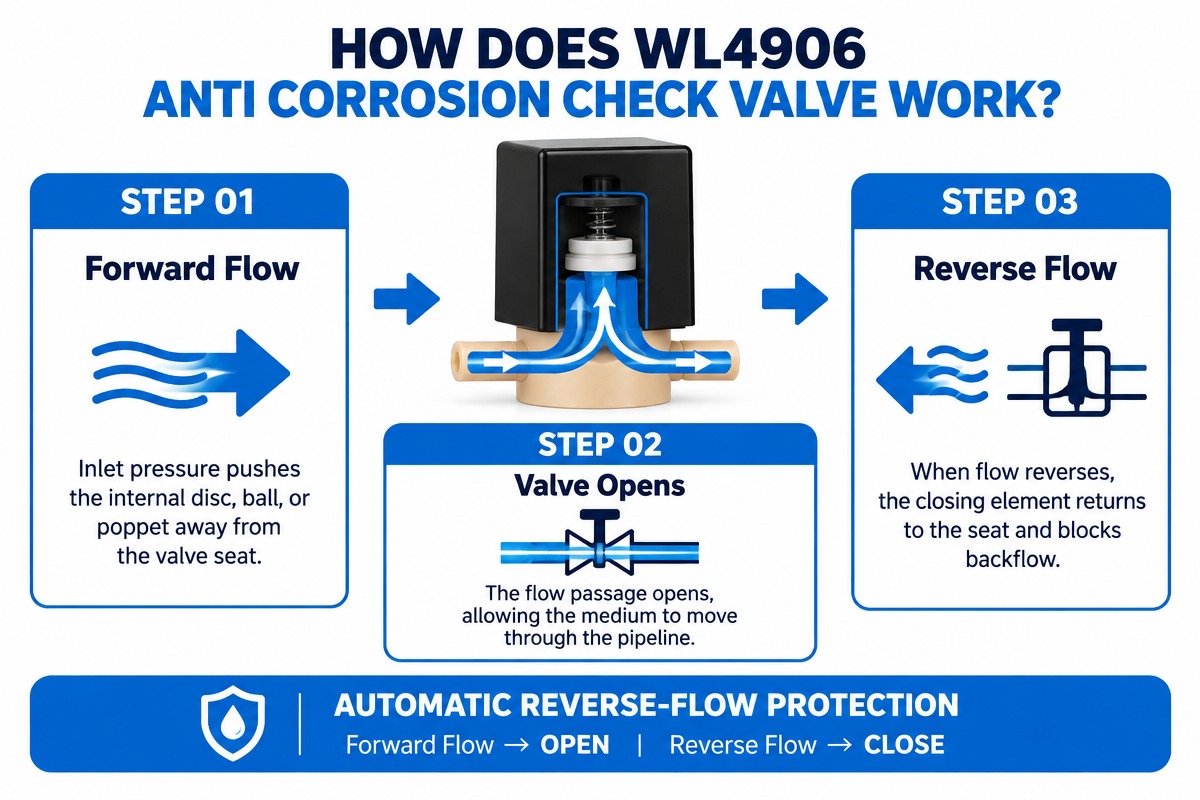
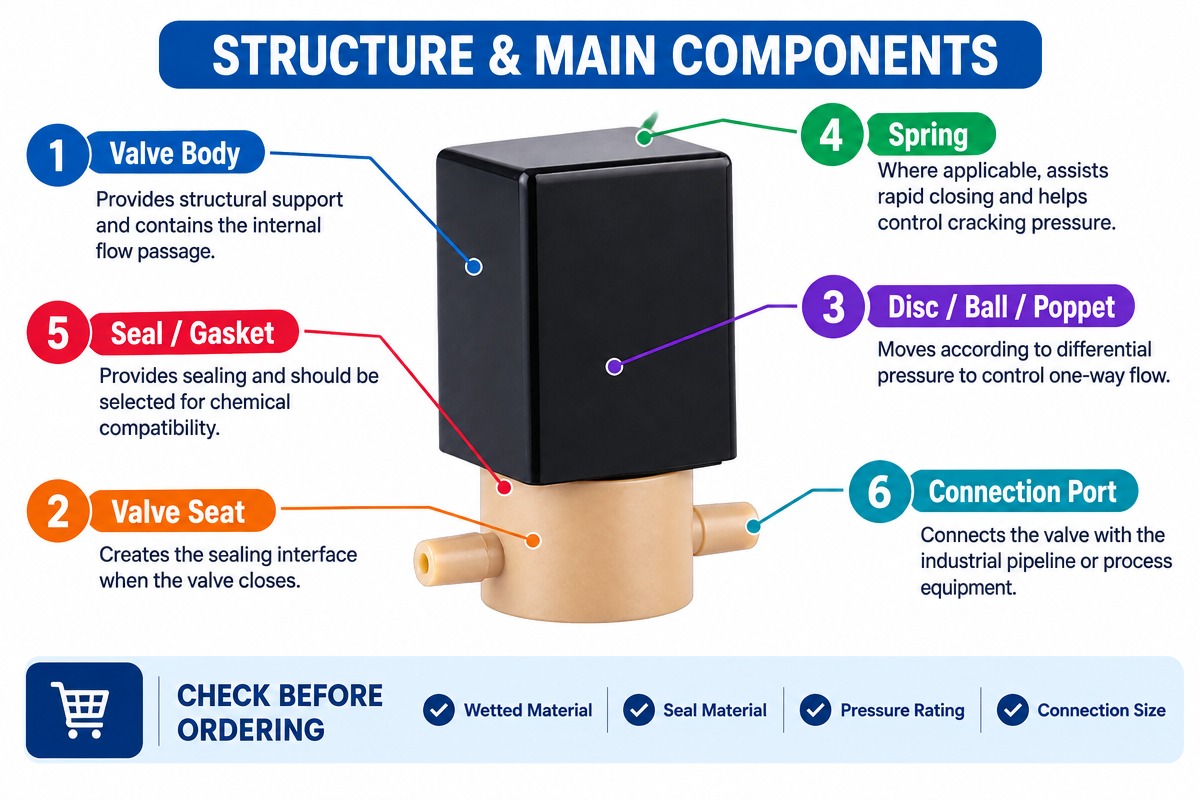
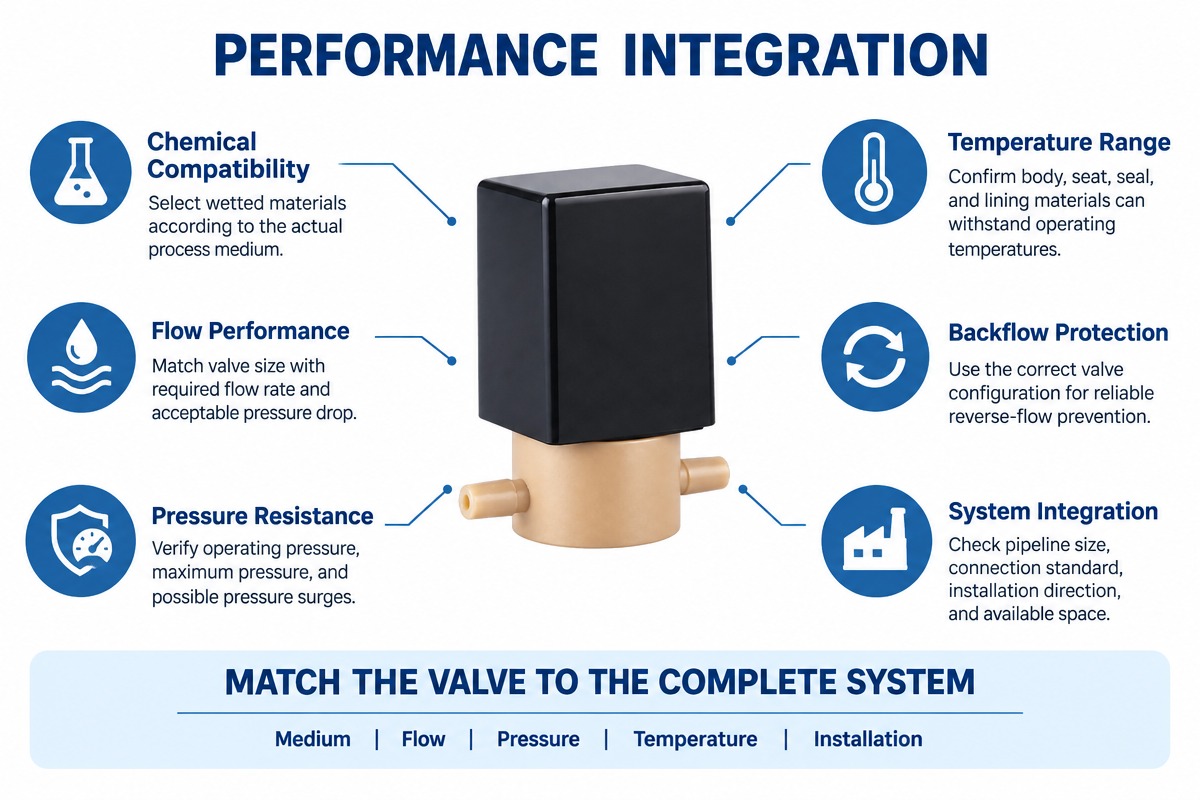
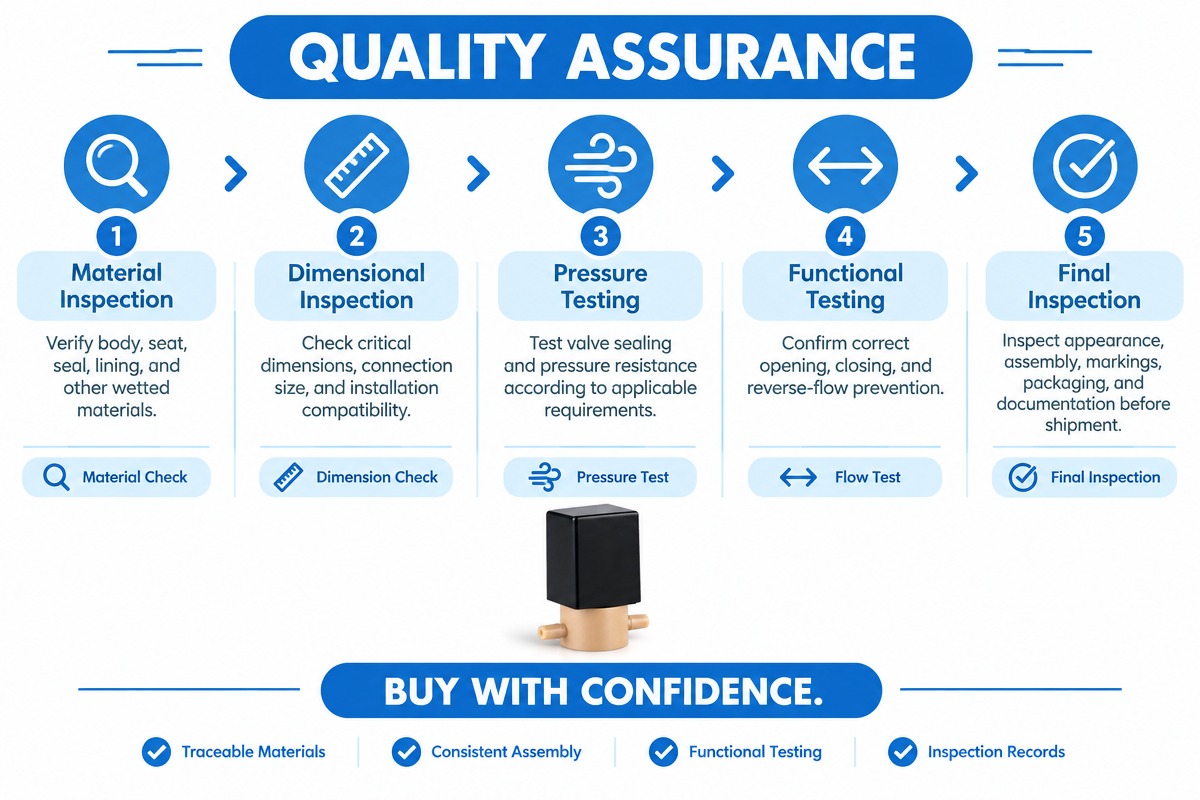
How to Select an Anti Corrosion Check Valve
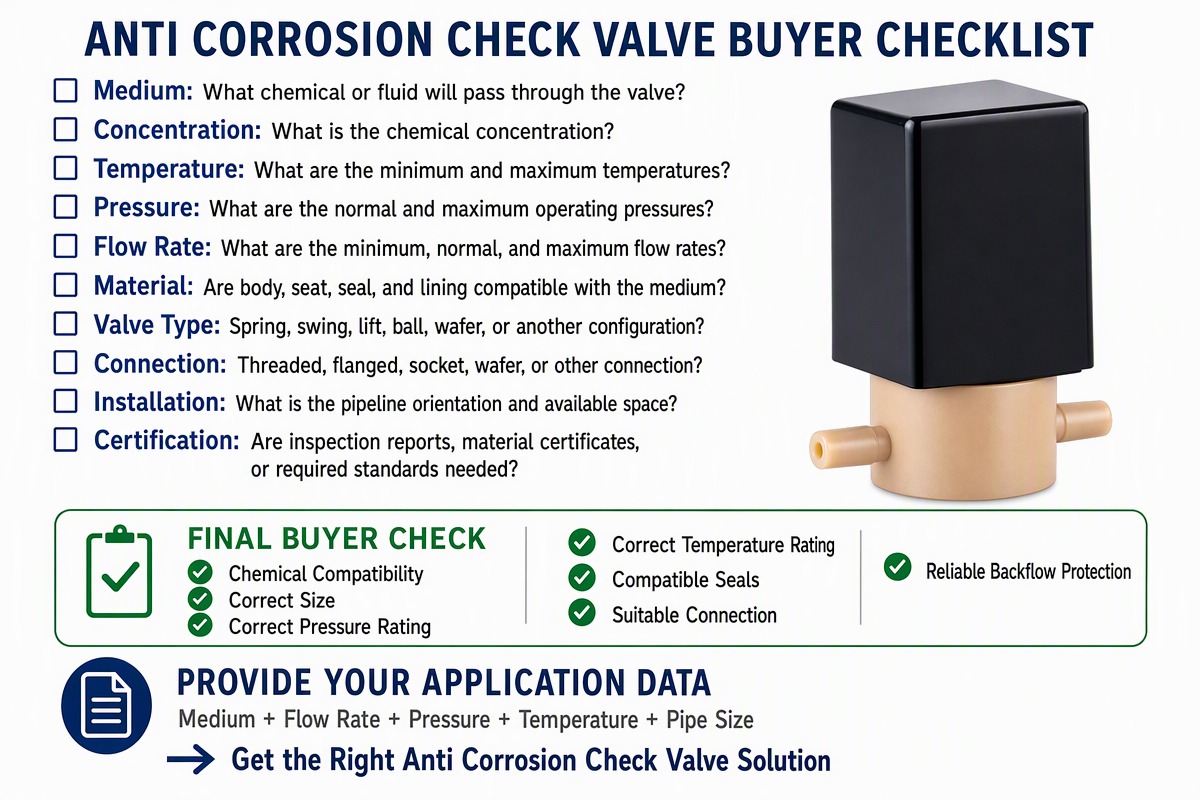
Selecting the right anti corrosion check valve is more than just selecting a corrosion resistant material. The valve should be suitable for all the operating conditions of the fluid system.
1. Identify the medium
At first, understand precisely what the valve is to handle. It should be noted that the chemical name, concentration, pH, contaminants, viscosity and whether the medium is liquid, gas or multiphase mixture. The material compatibility should be checked for real operating conditions.
2. Temperature test
Identify the minimum, normal and maximum operating temperatures. The seal materials, plastics, linings and elastomers may have different temperature limitations.
3. Pressure test
Identify the normal operating pressure, maximum working pressure, pressure spikes and back pressure. Select the valve with suitable pressure rating and safety margin.
4. Calculating the flow requirements
Consider normal and maximum flow rates. An undersized valve results in too much pressure loss and an oversized valve results in poor operating characteristics. Find out the flow coefficient and pressure drop data if available.
5. Choose the design of the valve
Spring-loaded, swing, lift, ball and wafer check valves operate in a different way. The installation position, flow direction, closing speed, pressure drop and possibility of water-hammer should be considered.
6. Pick compatible materials
The materials which come in contact with the fluid are of particular importance. Depending upon the fluid, the options are PTFE or fluoropolymer, engineered plastics, stainless steel or lined construction. Check the chemical compatibility with the valve manufacturer.
7. Connection requirements
Consider the size of the pipeline and type of connection, for example threaded, socket, wafer or flanged connections. Please identify the dimensions before ordering.
8. Maintenance
Choose the valve design that allows practical inspection, cleaning, seal replacement or component replacement if needed.
Finally, compare all operating parameters with the technical documentation from the manufacturer. A properly selected anti corrosion check valve should protect the process from backflow without the pressure loss and material compatibility issues.
Anti Corrosion Check Valve Design Tips To Avoid Common Mistakes
There are several common design mistakes that can shorten the service life and reliability of an anti corrosion check valve.
1. Choosing materials only on price
The low-cost material may not be able to withstand the actual temperature or chemical concentration. Always check the chemical compatibility first.
2. Ignoring the process temperature
The material may be resistant to a chemical at ambient temperatures but may act differently at elevated temperatures. Always check the whole temperature range.
3. Choosing the wrong valve size
The valve that is too small will create a high pressure loss, and the valve that is too large will not operate well at low flow rates.
4. Ignoring the cracking pressure
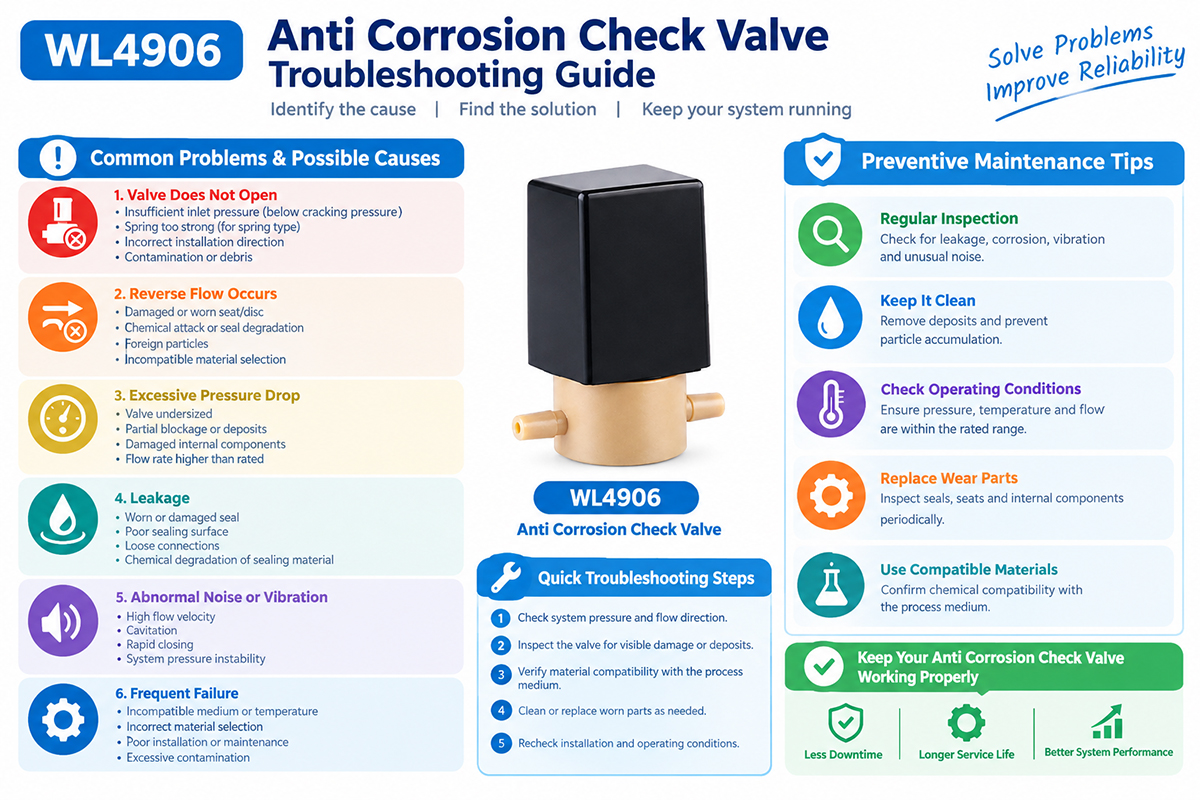
Spring loaded check valves need the required differential pressure to open. Selecting the wrong spring will limit flow.
5. Forgetting the backpressure
In assessing the closing performance and sealing reliability of the valve it is necessary to take into consideration the downstream pressure.
6. Incompatibility of gaskets
Seal materials and elastomers may swell, harden, crack or lose elasticity when coming in contact with incompatible chemicals.
7. Ignoring the installation orientation
The check valve may be made for the installation in a certain flow direction or in a certain position. Wrong installation may result in failure.
8. Ignoring the pressure spikes
Rapid closing of the valve may result in water hammer and pressure spikes. The closing characteristics should suit the system.
9. Not maintaining the valve
A valve that is difficult to service may lead to higher downtime and maintenance cost.