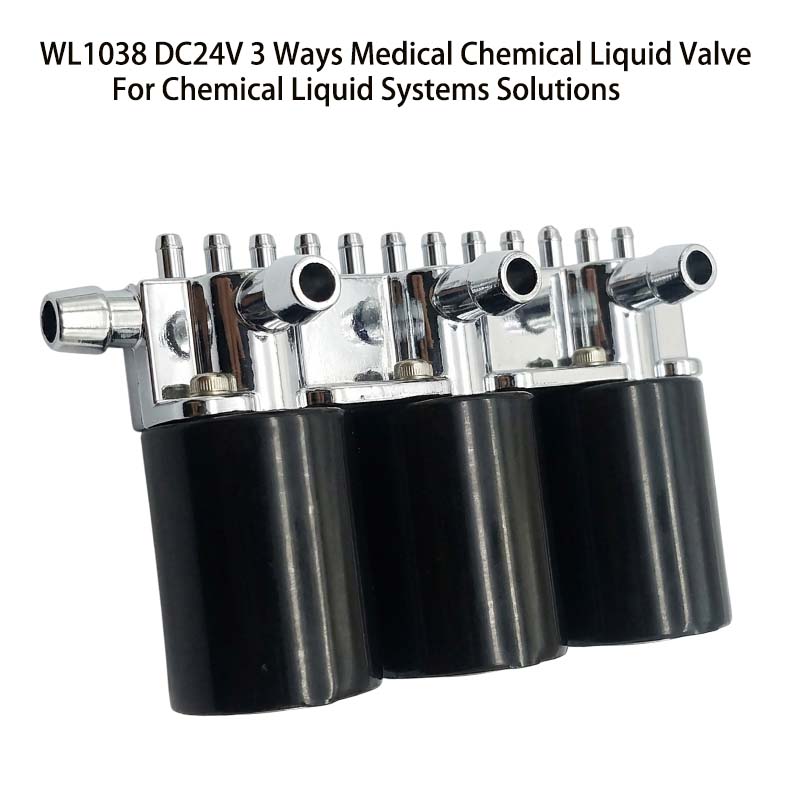
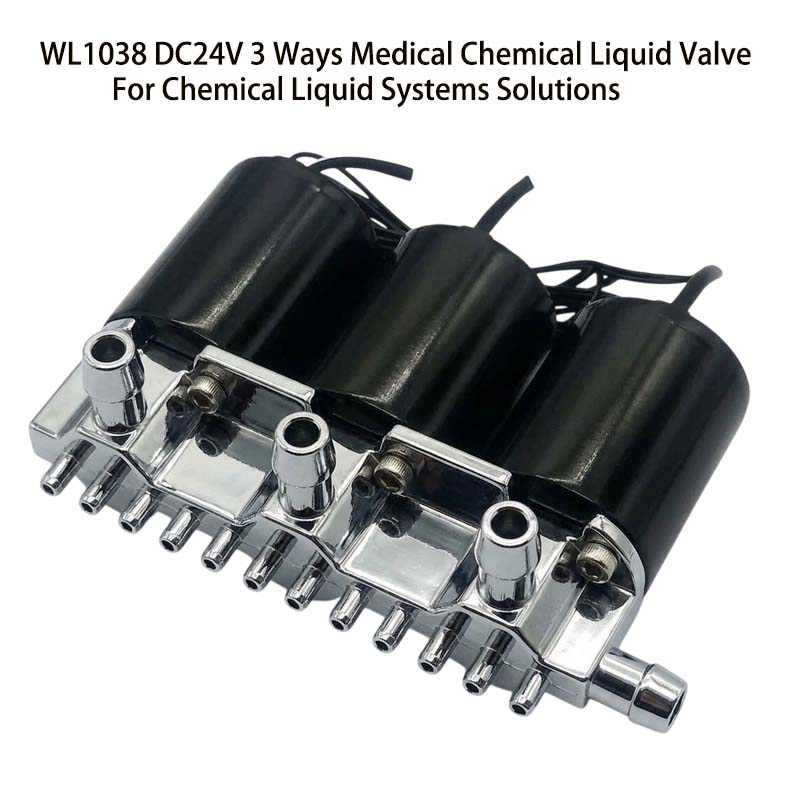
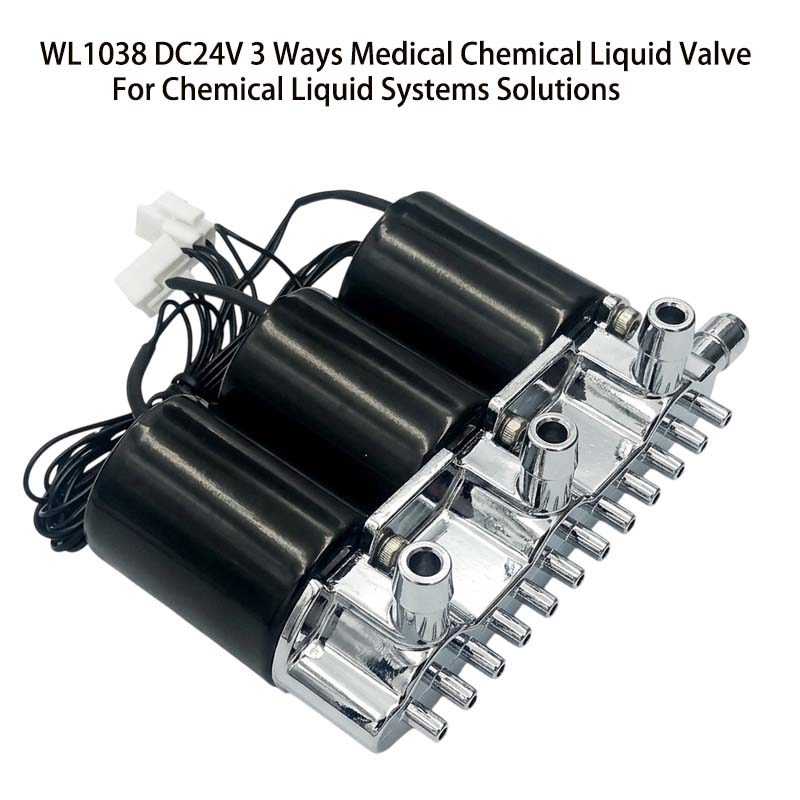
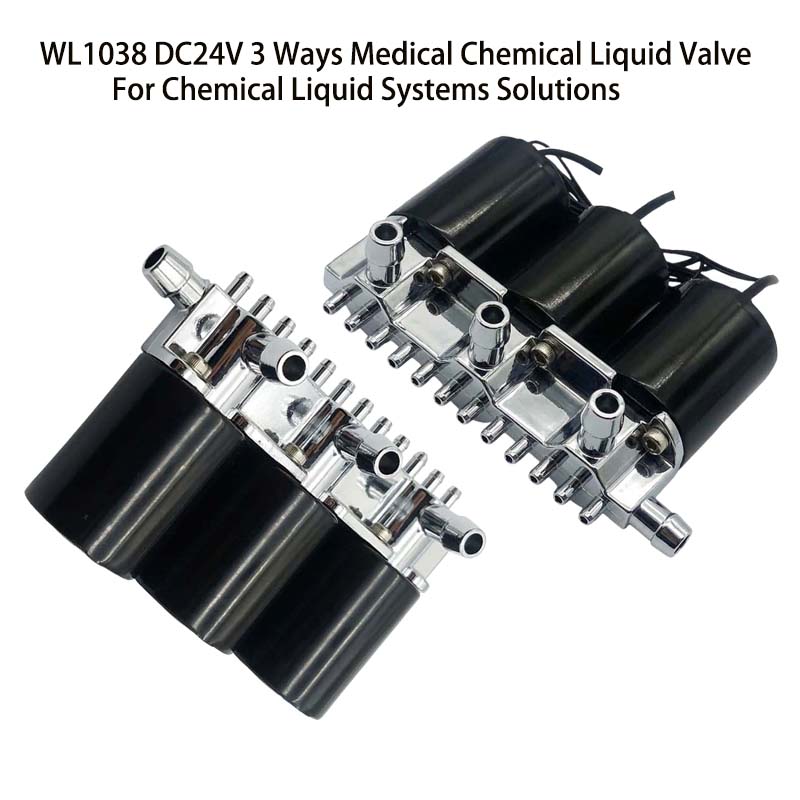
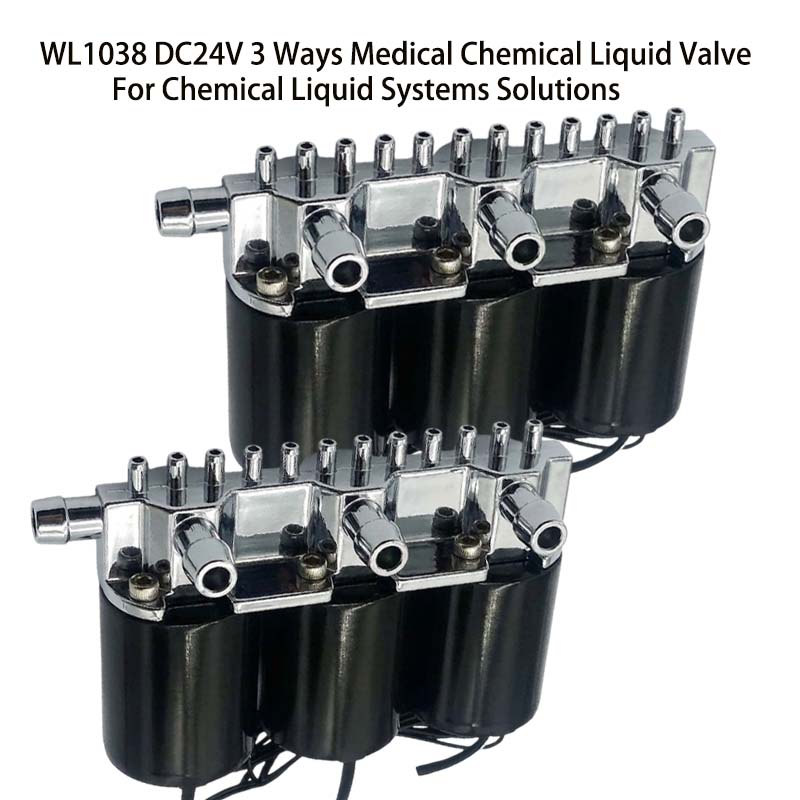
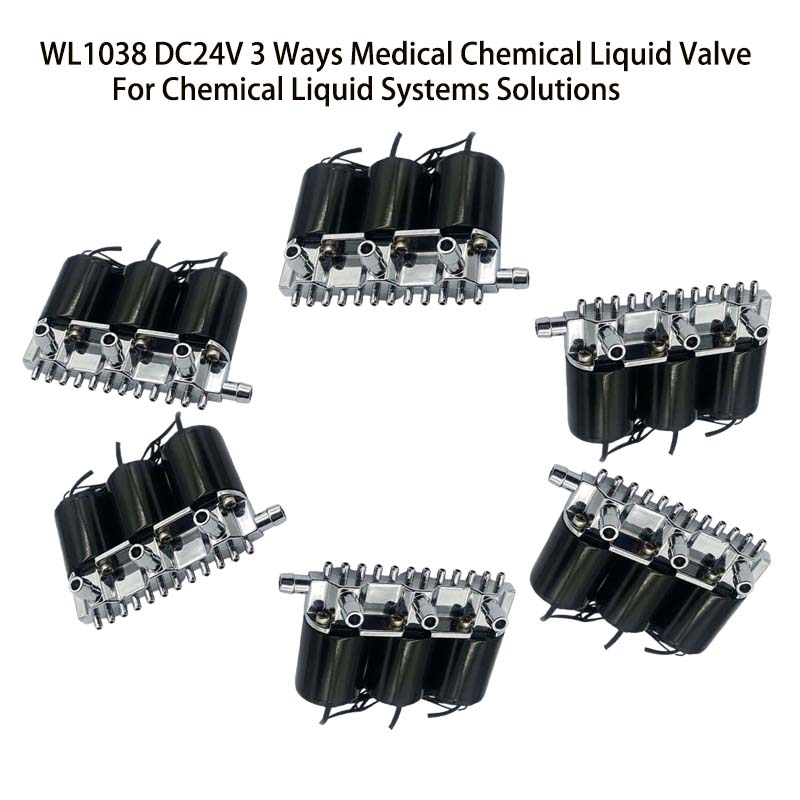
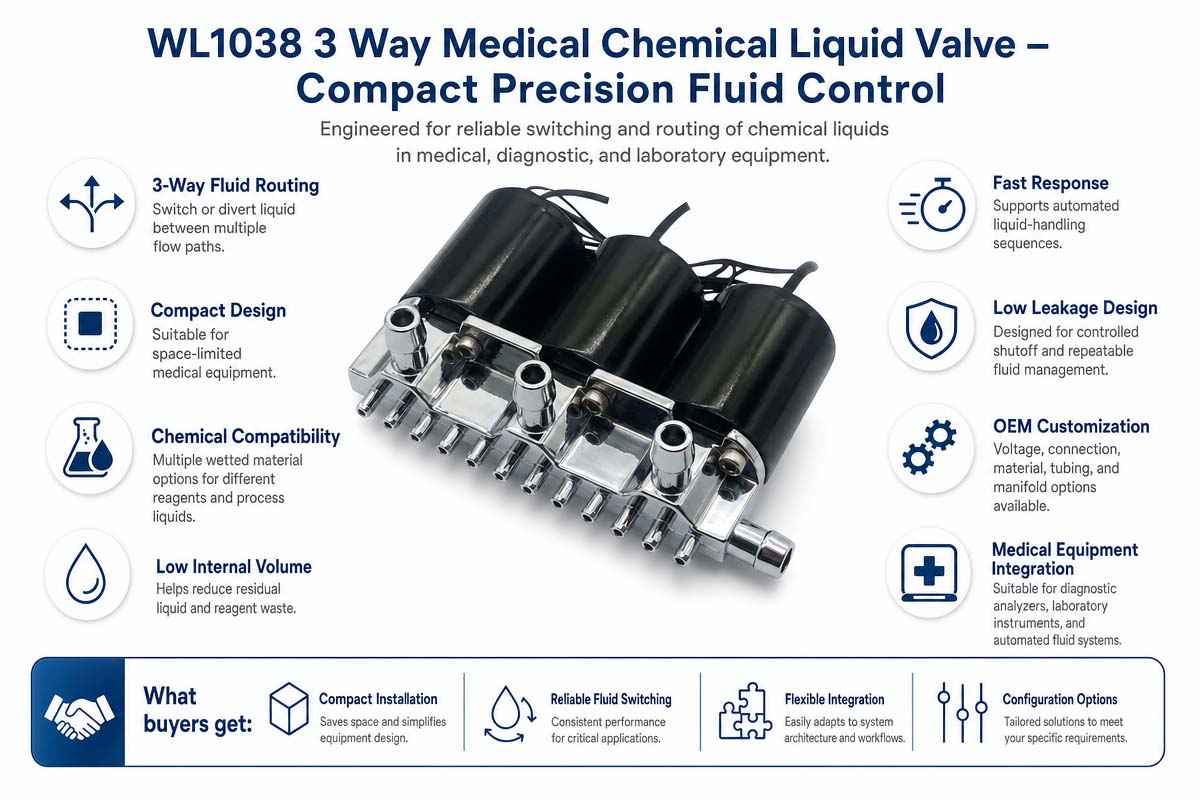
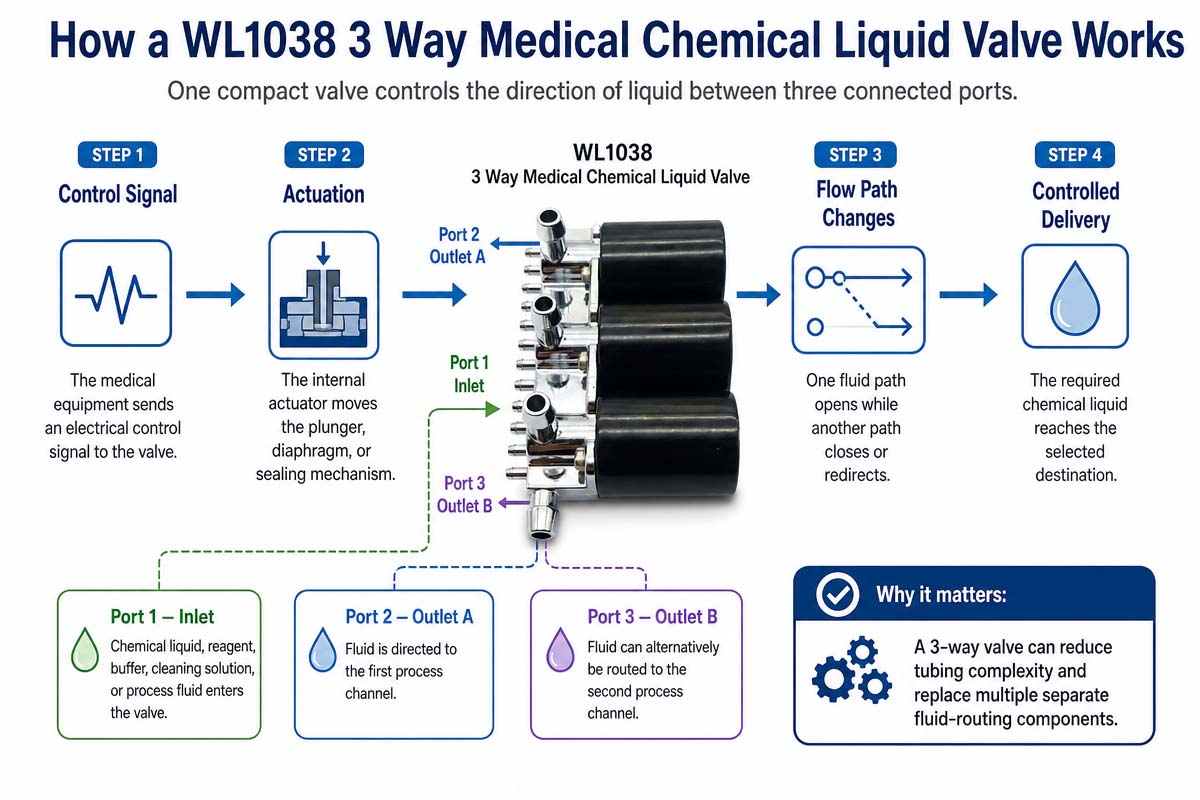
Tips for Choosing the Medical Chemical Liquid Valve
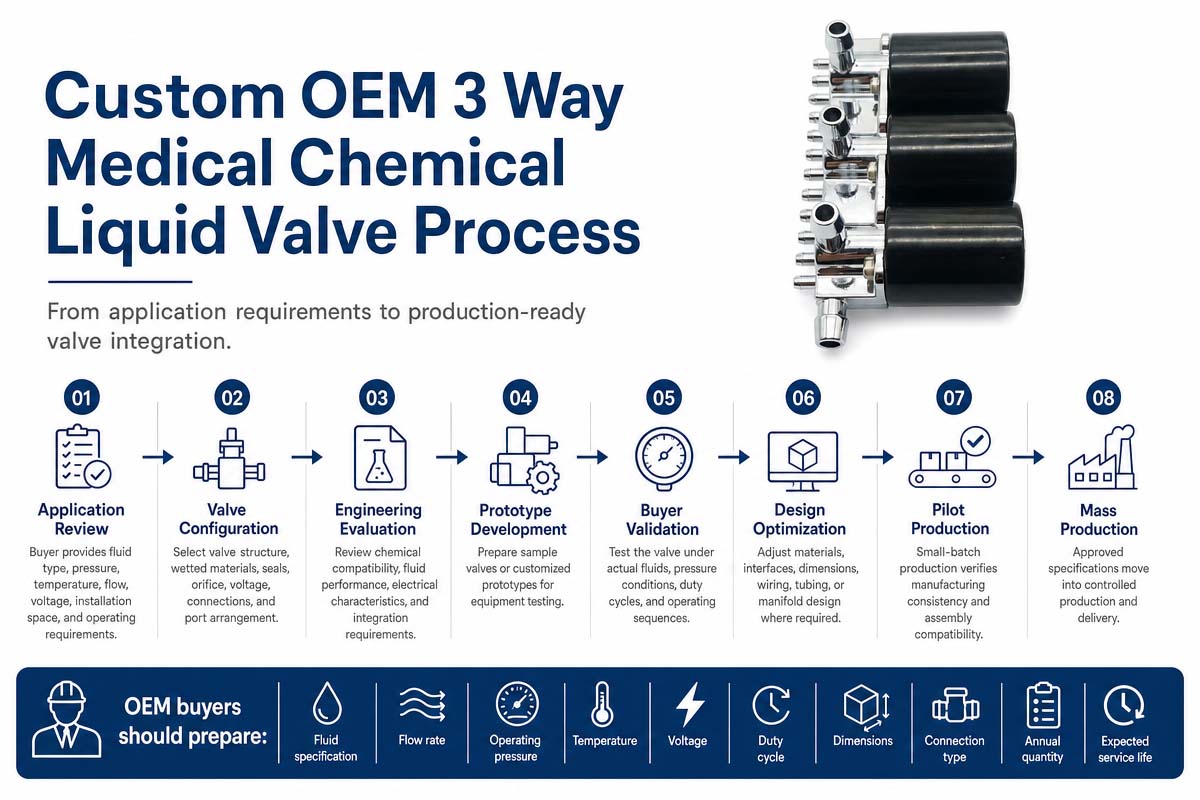
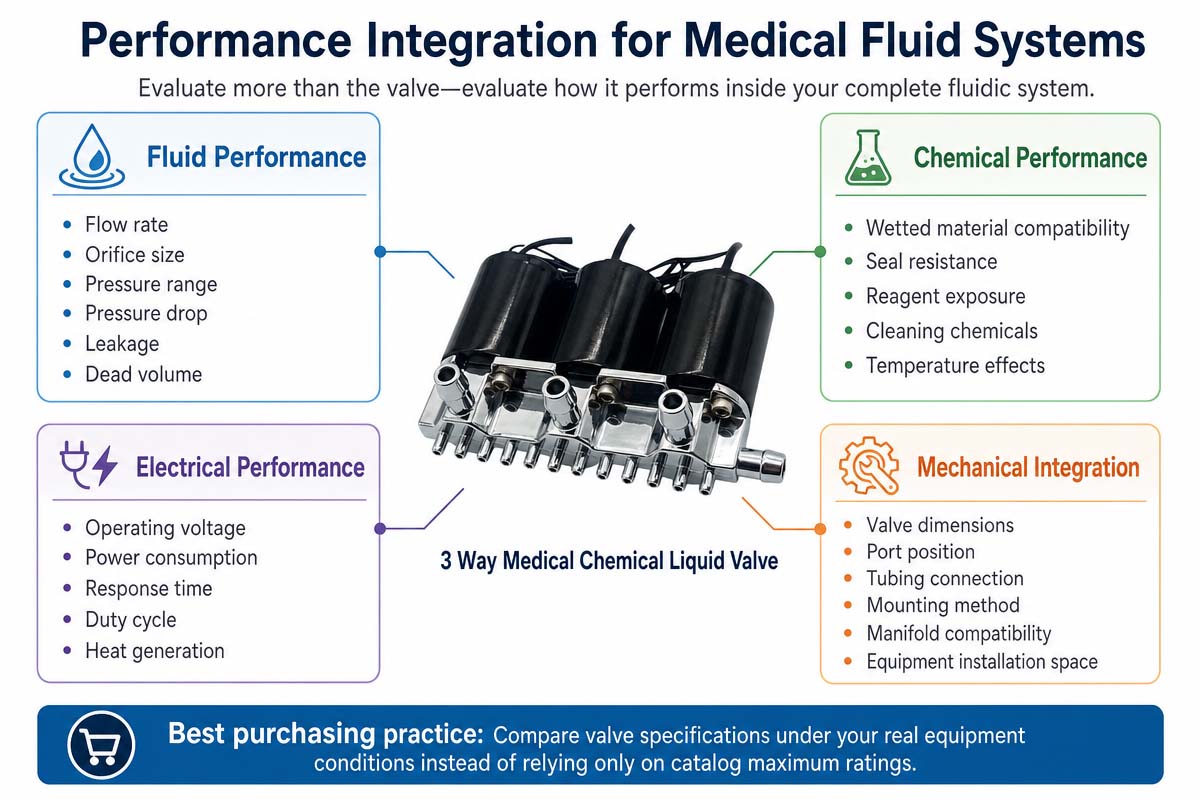
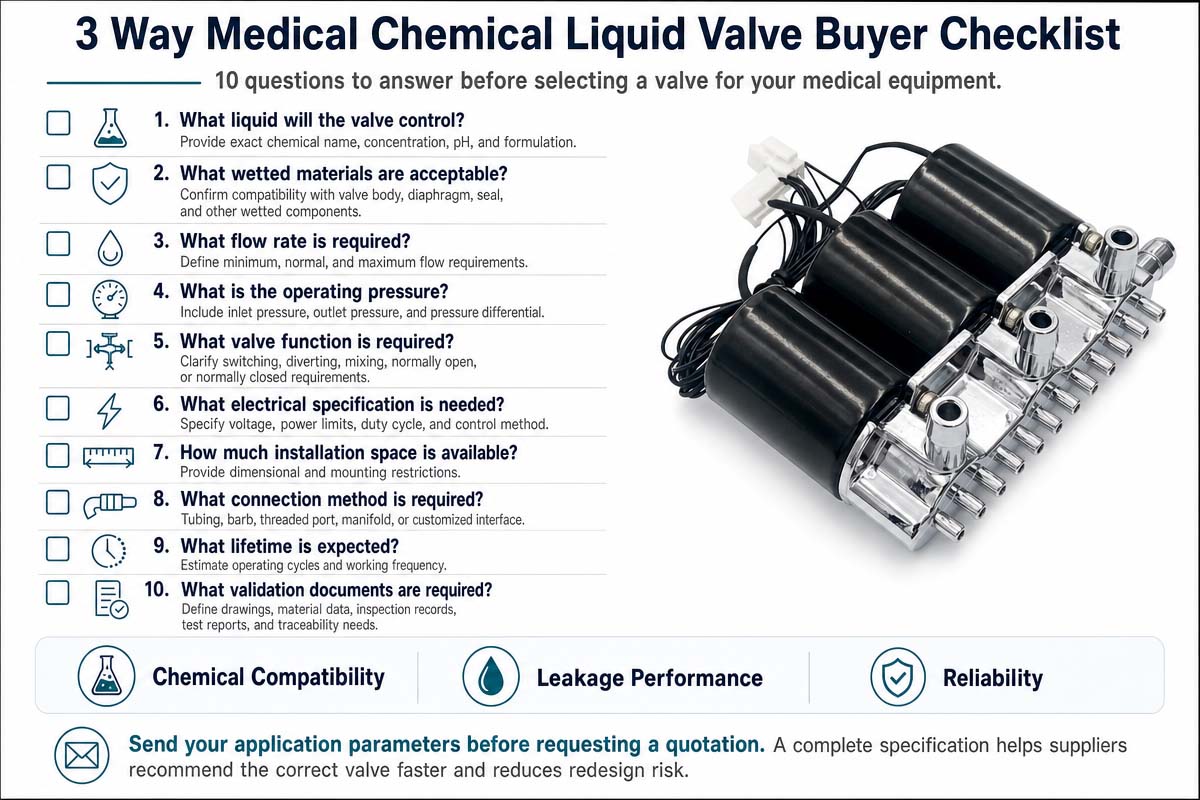
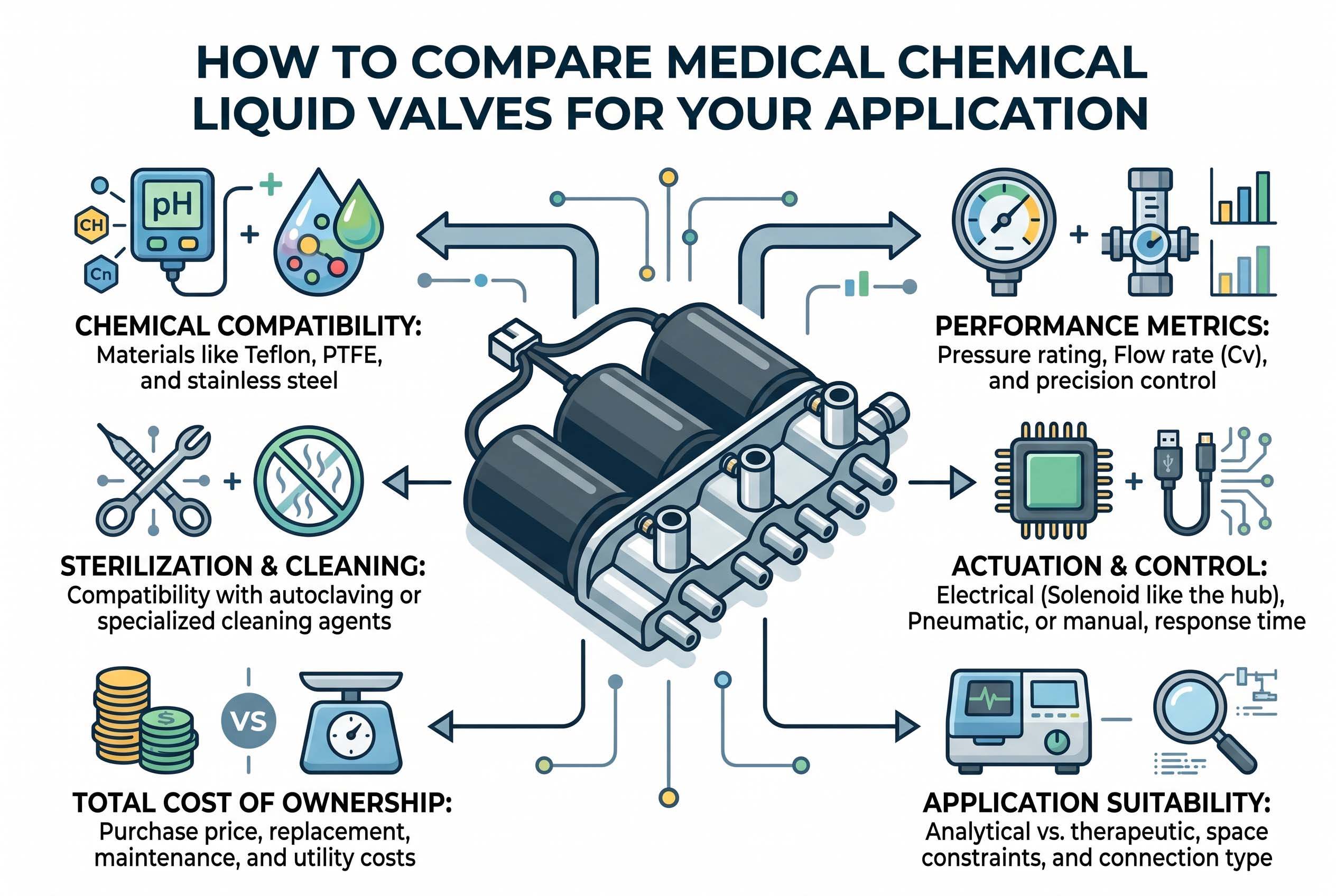
To choose the proper medical chemical liquid valve, one should start by knowing the fluid first. All liquids that can come in contact with the valve should be identified, including reagents, buffers, disinfectants, cleaning agents, calibration fluids, and rinse solutions. It is necessary to note their concentration, pH, temperature, exposure time, and conditions of cleaning. These parameters are very important for the determination of the compatibility of valve-wetted materials with the fluid.
Hydraulic requirements have to be specified. It is necessary to set minimum, normal, and maximum operating pressure and flow rate requirements. Do not consider only supply pressure. You have to pay attention to the pressure differential across the valve. Select an appropriate orifice or flow coefficient without unnecessary valve oversizing.
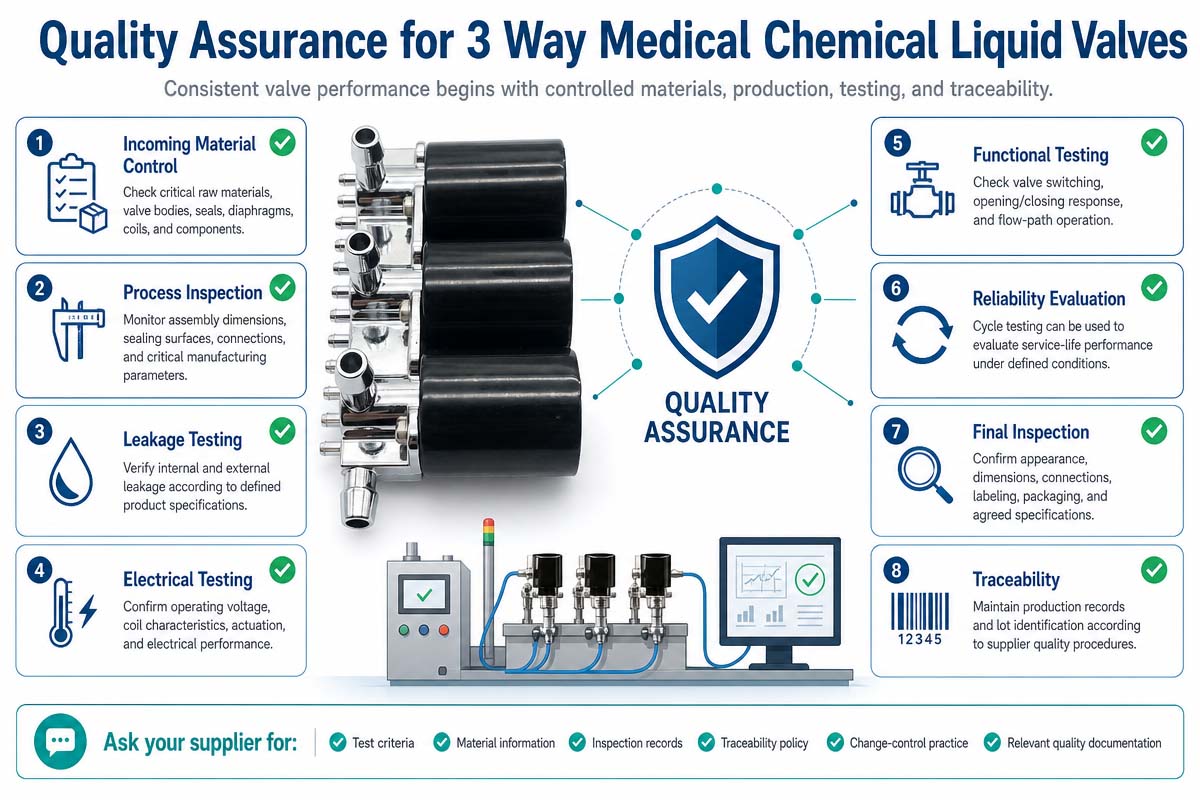
Leakage requirements should be assessed. For the applications where expensive reagents, contamination-sensitive processes, or accurate dosing are used, very low internal and external leakage is required. Take into account dead volume and carryover when the same paths are used by different fluids.
The actuation system should be considered too. If it is a solenoid valve, check voltage, current, power consumption, duty cycle, response requirements, electrical connection, and heat generation. Low-power technologies can be required for portable or battery-operated equipment.
The mechanical integration of the valve is equally important. It is necessary to verify dimensions, mounting orientation, port type, tubing connections, manifold compatibility, space for installation, and access for assembly or service.
Finally, reliability and compliance have to be taken into account. It is necessary to estimate the number of operational cycles and evaluate environmental conditions, storage conditions, cleaning procedures, manufacturing cleanliness, traceability, and supplier documentation. For medical device integration, engineers have to perform application-specific validation and verification. Before final design approval, the prototype should be tested with the actual chemicals and operating conditions.
Tips to Avoid Common Mistakes in Medical Chemical Liquid Valve Designing
It is common to make a mistake in the choice of the medical chemical liquid valve because of pressure and flow only. Chemical compatibility has to be assessed according to actual fluid formulation, concentration, temperature, and exposure time.
Do not assume that all materials in the same general family have the same properties. It is necessary to confirm the exact wetted materials of the body, diaphragm, seal, adhesive, spring, etc., proposed for the valve.
Do not forget about dead volume, trapped liquid, and carry-over. These aspects can be very important in diagnostic systems where multiple reagents flow through the common fluid path.
Valve designers have to avoid the valve oversizing. An increase of the flow path means an increase of the internal volume, making precise liquid management difficult.
The effect of thermal actuation has to be verified, especially if the valve is energized for a long time. It is necessary to confirm the worst-case duty cycle and operating temperature.
Do not select tubing, fittings, and valves separately. Their interfaces have to be evaluated as one fluidic system.
Finally, you cannot rely on catalog specifications only. Prior to finishing the design of the medical device, it is necessary to test the representative production valves with actual chemicals, pressure profiles, temperatures, electrical conditions, cleaning procedures, and intended lifetime.