Skip image slider
Anti Corrosion Electric Valve for Process Equipment
Anti Corrosion Electric Valve for Industrial Piping
Anti Corrosion Electric Valve for Marine Applications
Anti Corrosion Electric Valve for Chemical Processing
Anti Corrosion Electric Valve for Fluid Automation
Anti Corrosion Electric Valve for Water Treatment

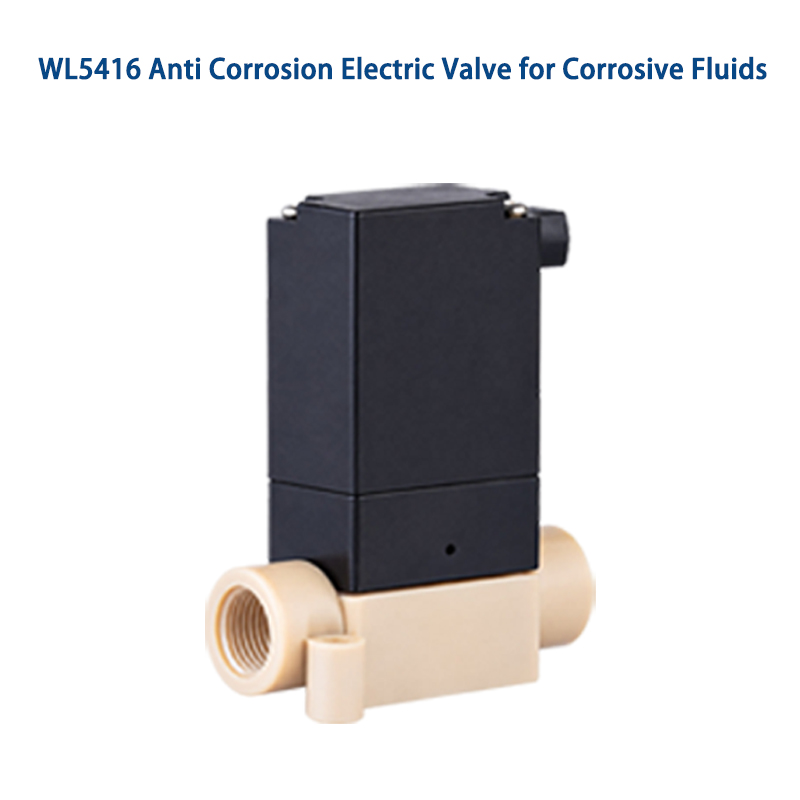
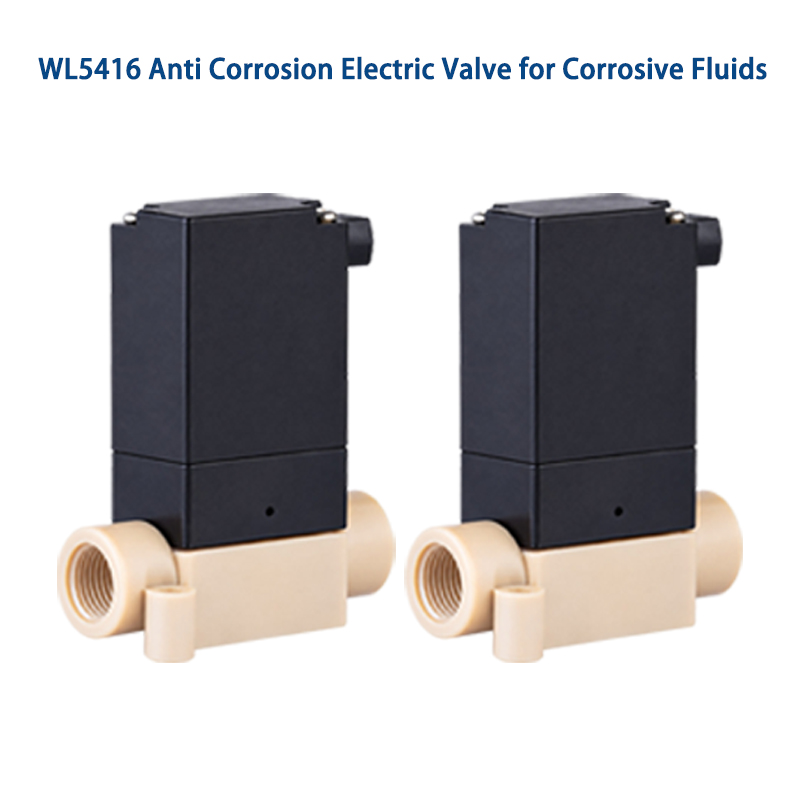
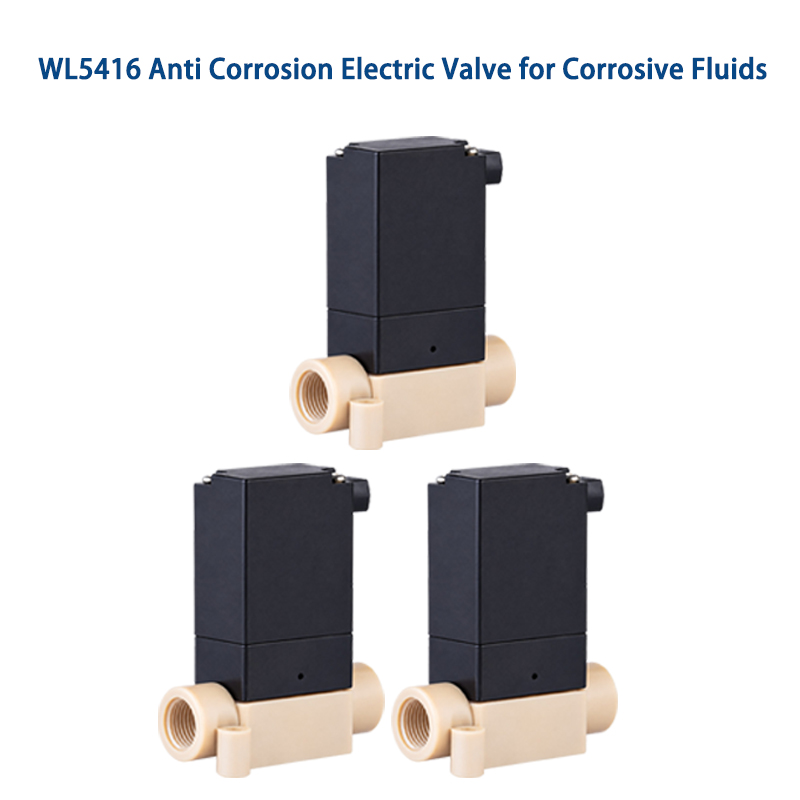
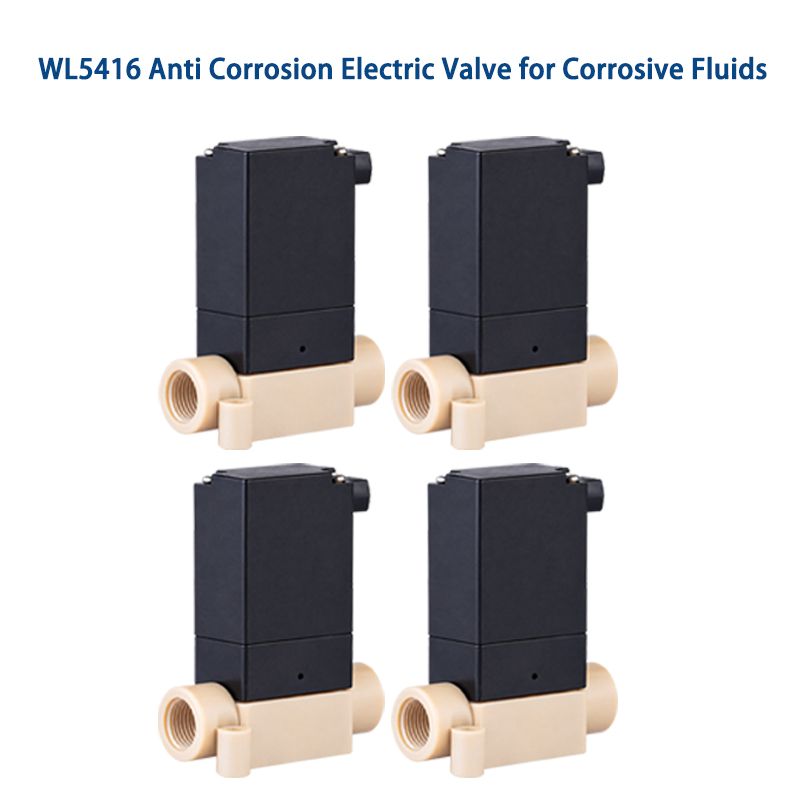
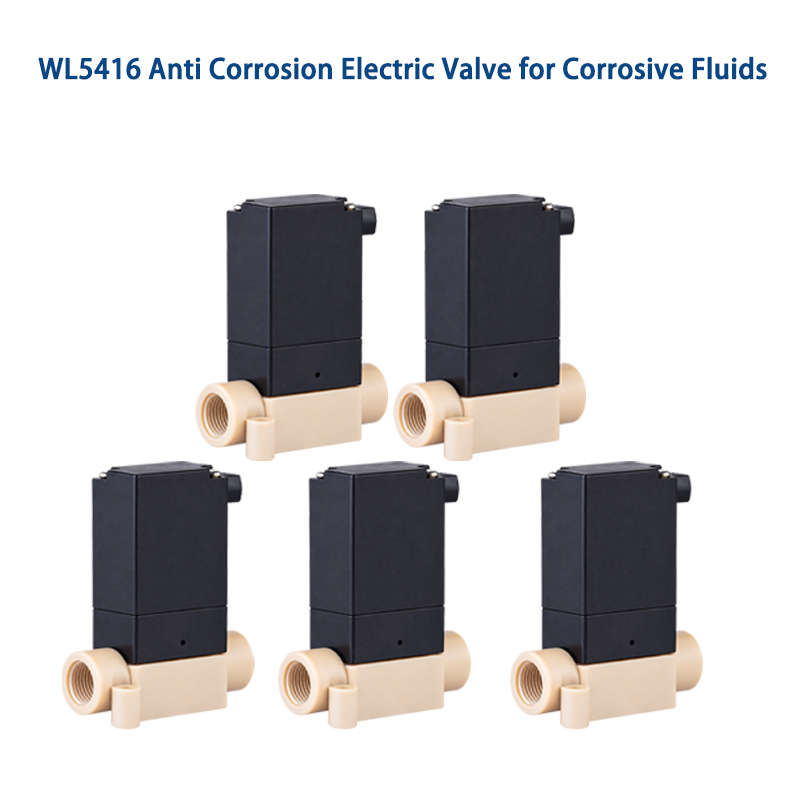
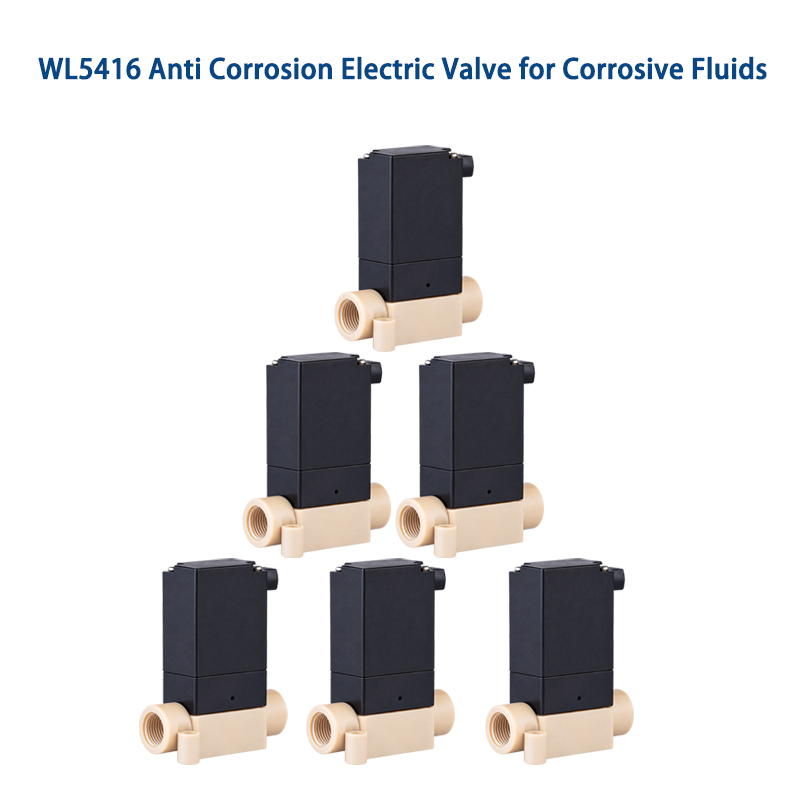
WL5416 Anti Corrosion Electric Valve for Industrial Equipment

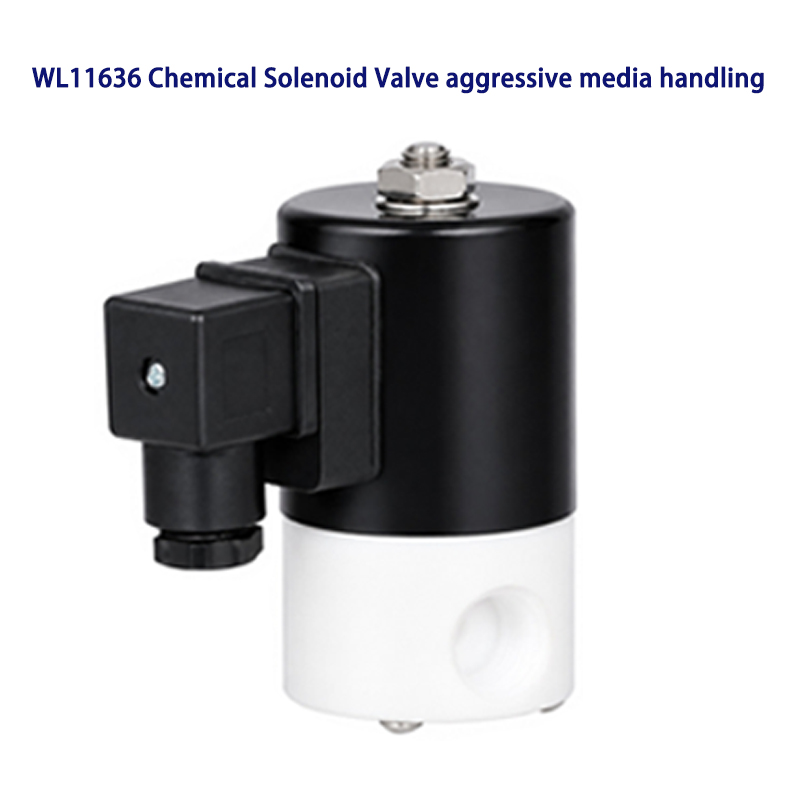
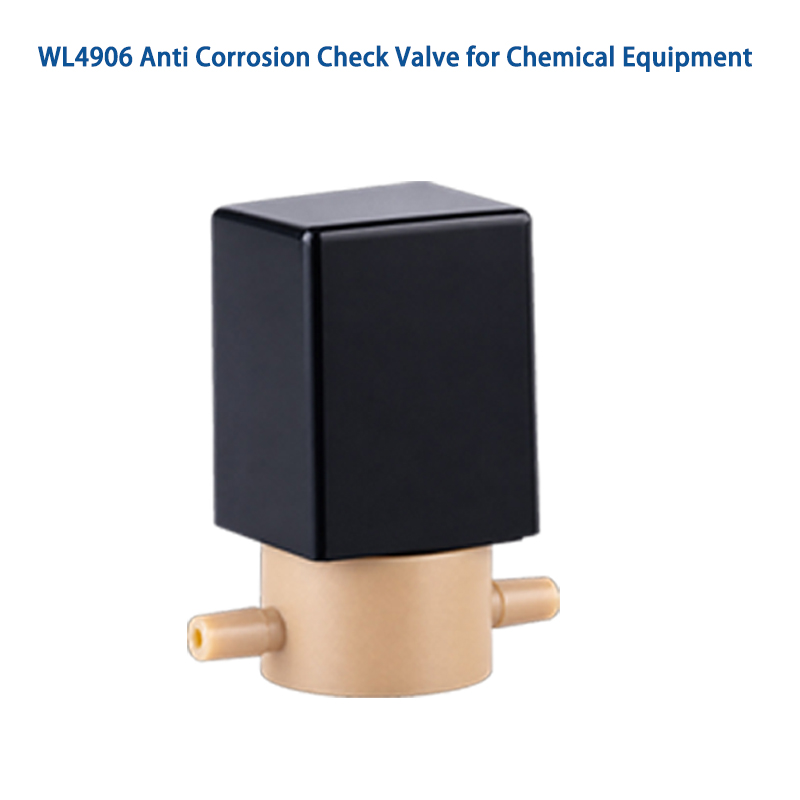
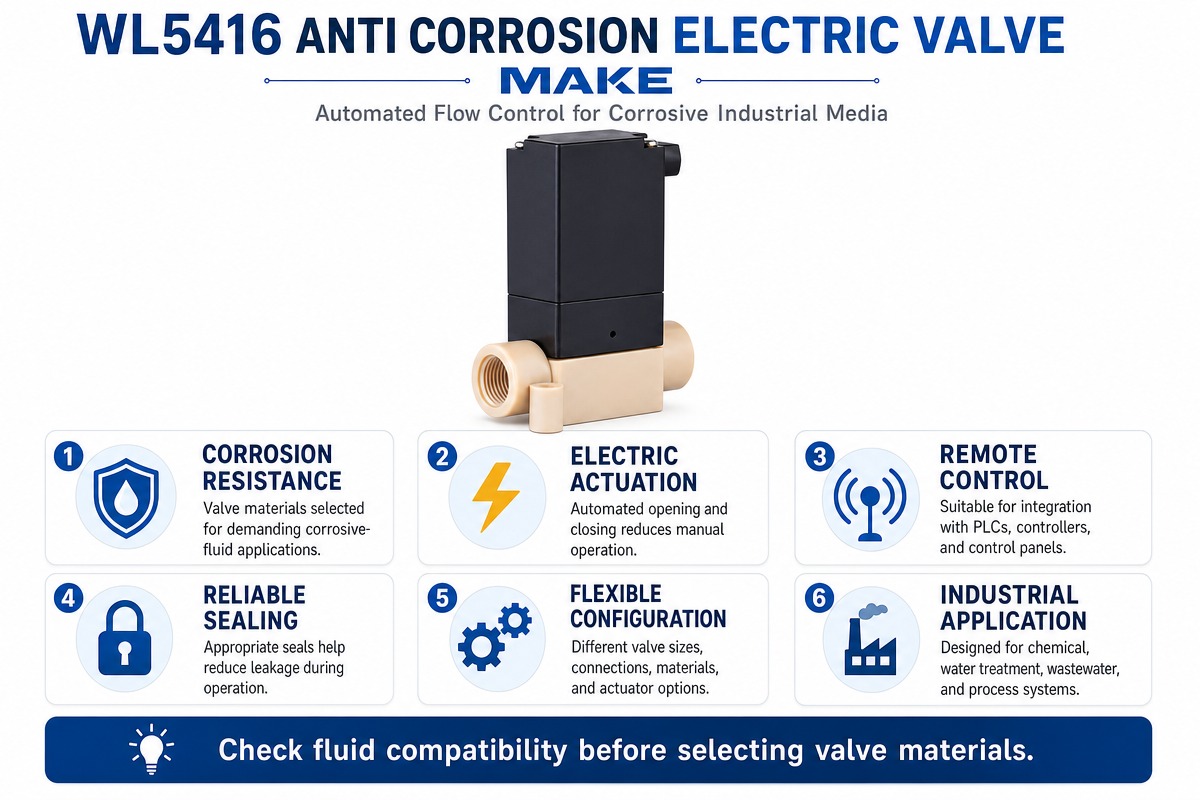
Anti corrosion electric valve is a flow control device which is designed to operate in aggressive environment of corrosive fluids. Electric actuator and materials resistant to corrosive fluids enable remote operation and installation of such valves. The construction material will depend on the application and may include plastics, stainless steel, coated metals and special seals. Such valves may be controlled via switches, PLC systems or other control systems. Such valves are frequently used in chemical processing, water treatment, waste water, semiconductor manufacturing, marine and industrial process applications.

Anti Corrosion Electric Valve Description

What is an anticorrosion electric valve?

Anti corrosion electric valve is an electric operated valve which is designed to control flow of corrosive fluids. This valve opens, closes or changes the position on the basis of a control signal by the electric actuator. Valve materials, shaft and other wetted parts will depend on the properties of the fluid. Special seals, stainless steel, protective coatings and elastomers may be used in construction. The control may be done remotely via various automation devices. Such valves are commonly used in chemical processing, water treatment, waste water and industrial applications.

How does an anti corrosion electric valve work?

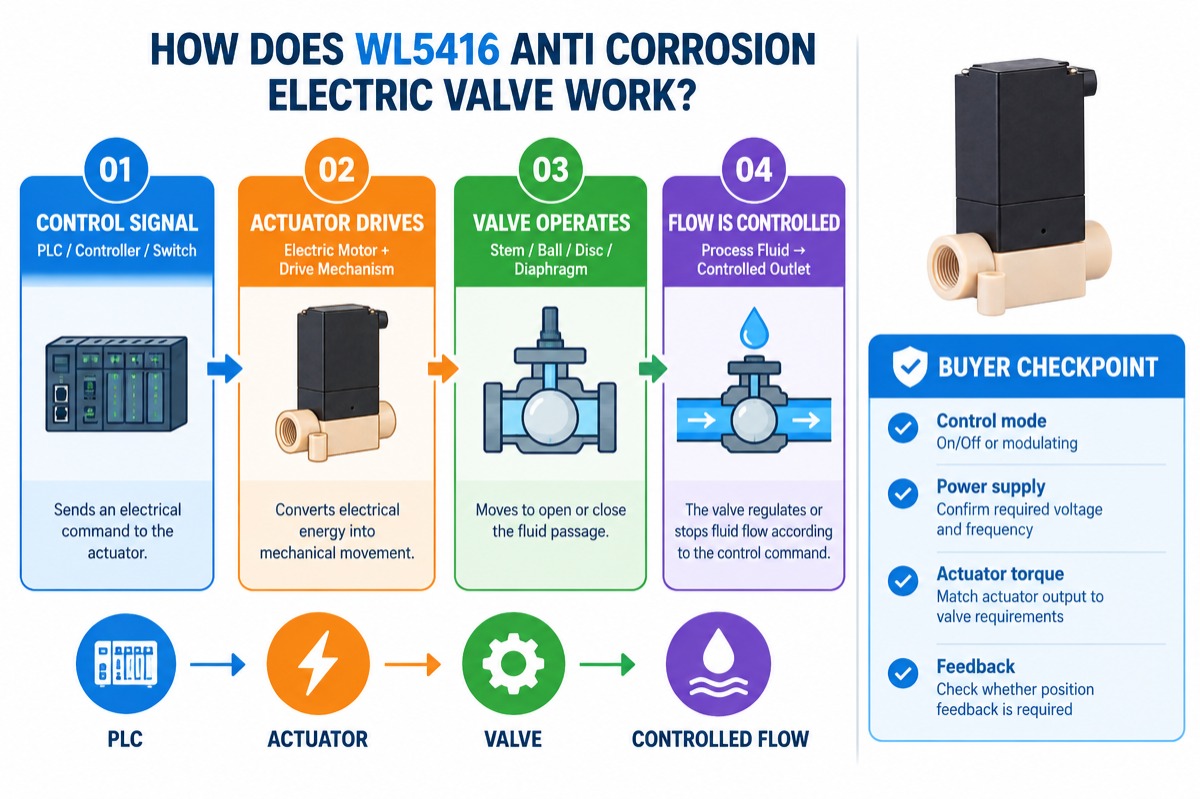
The anti-corrosion electric valve converts electrical energy into mechanical movements and changes valve flow position.

Control signal: Electrical signal is provided to the actuator from PLC, automation device, switch etc.

Actuator operation: The actuator drives rotation or other movement of the valve.

Valve opening/closing: Valve opening is provided by movement of the drive shaft, ball, butterfly disc, plug or other closing element.

Flow control: Process flow of the fluid is controlled by opening, closing or modulating the valve.

Position feedback: Feedback from the limit switches or position devices is available in some constructions.

Protection against corrosion: Valve is protected from the chemical properties of the medium by corrosion resistant wetted materials and seals.

The reliability of such valve operation requires compatibility of actuator torque, valve pressure rating, temperature, electrical protection and material with the application.

Anti Corrosion Electric Valve Video

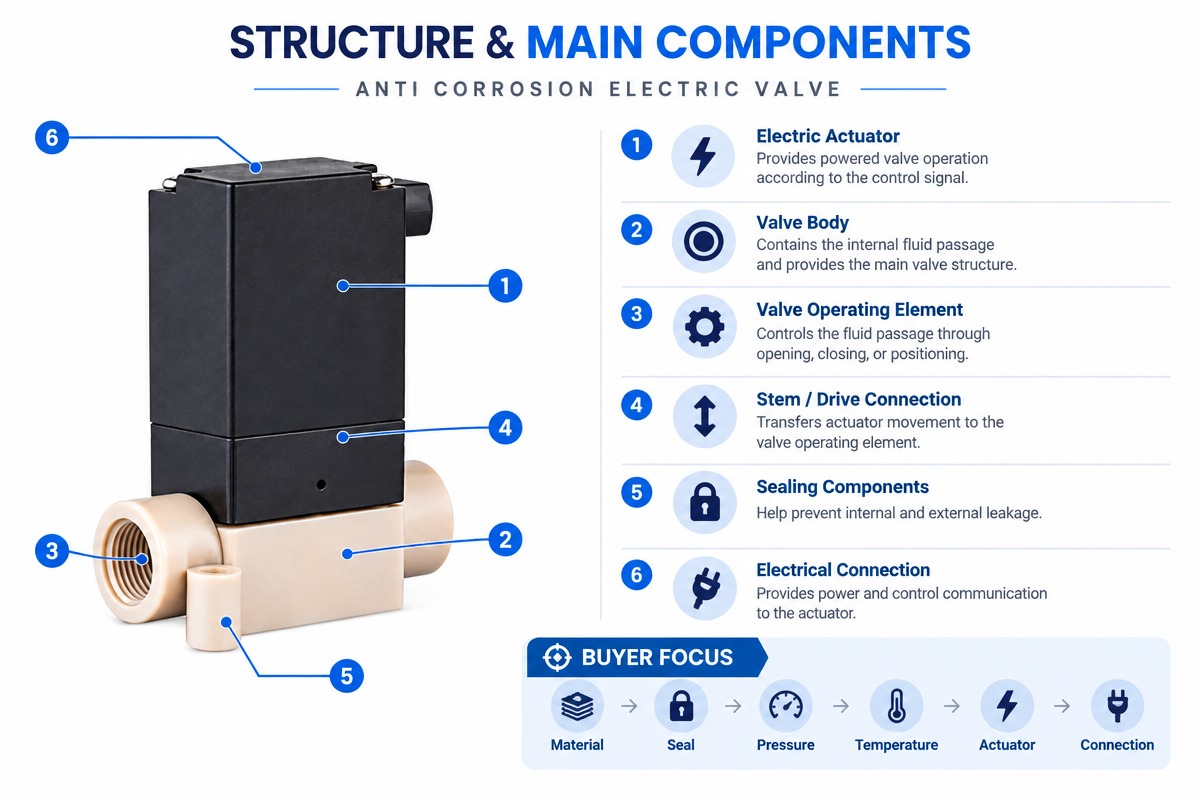
Anti Corrosion Electric Valve Detail Display

Anti Corrosion Electric Valve Technical

Brand Weilong Model Number WL 5416
Rated Voltage (V) DC12Vย  or 24V Rated Power (W) 10W
Work Mode Air or Liquid Control Valve Working Pressure (MPa) 30KPa
Air-Flow Rate 0 L/minute Reset Time(s) 0.25 S On, 0.25S Off
Service Life 200 Thousand Times Certification CE, ROHS, ISO9001,
Pipe Gate ย inside: 1.6 mm Lead Wire Length(mm) 54 MM
Install Style Screw Tolerance of Dimension ยฑ 0.1 MM
Water-proof None Insulation Class B
Hi-Pot Test AC 600V 50/60 Hz 2s Non-excitation Holding Force 0
Working Temperature -10ยฐC-100ยฐC Duty Cycle 1-100%
Thread Depth (mm) / Payment Term TT, or LC At Sight
Sample Order Yes Warranty 1 Year
MOQ 1000 pcs Supply Ability 5000 pcs per week
Delivery Time 30 Days Port of Loading Shenzhen

Why is the Anti Corrosion Electric Valve so popular?

With increased automation of processes and complexity of fluid handled by industrial processes, the anti corrosion electric valves became widely used. The main reason for that is remote operation. Due to electric actuator, it is possible to operate the valve from the panel, PLC or other automation device without any manual intervention.

Another factor is corrosion resistance. Due to exposure to corrosive media in chemical processing, wastewater treatment, water purification and other industries, the materials of regular valves may be chosen carefully. Therefore, an anti corrosion electric valve is more suitable for these applications.

Automation is also very important feature. Electric valves may be incorporated into process sequence, safety interlock, monitoring system or central automation.

“Moreover, users pay more attention to the maintenance, consistent operation and equipment lifetime. An anti-corrosion electric valve with proper specifications can combine automated operation with properly selected materials and therefore can be used in many modern industrial fluid control applications.

Anti Corrosion Electric Valve Applications

Anti Corrosion Electric Valve for Chemical Systems

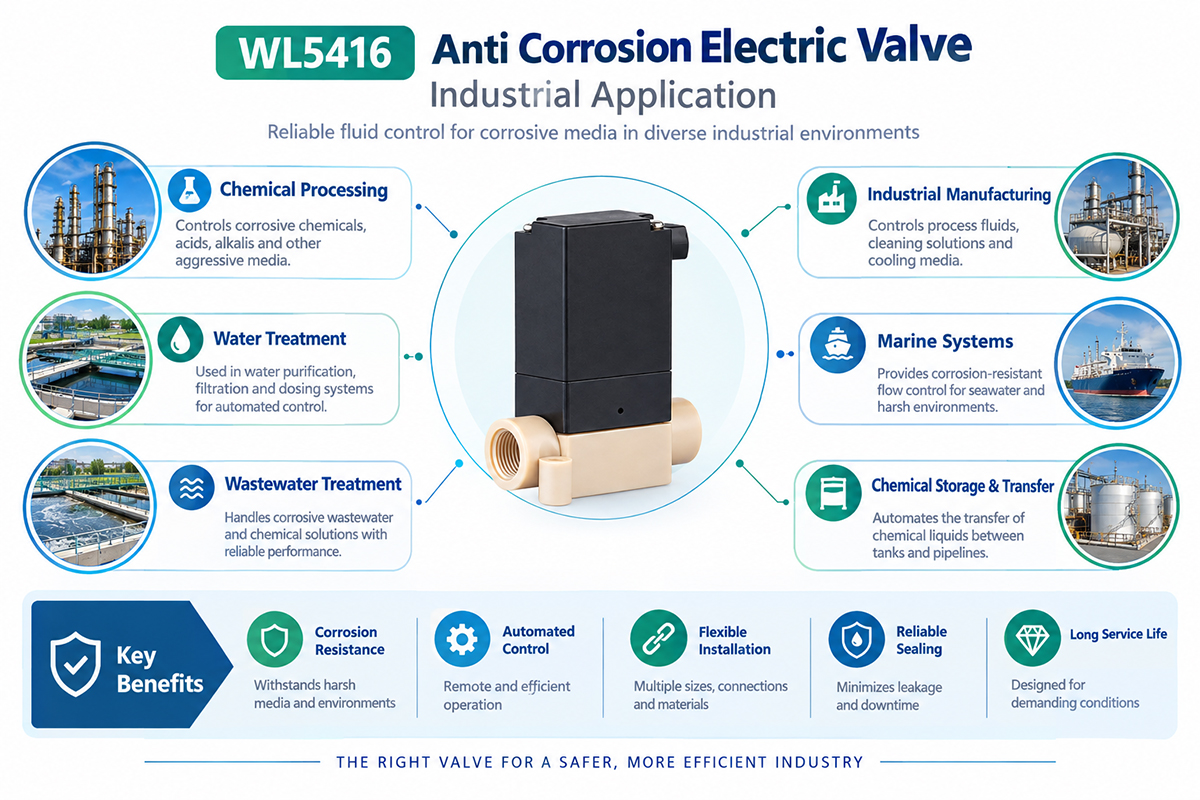
Anti corrosion electric valves are used in industries which require automated flow control and protection from corrosive media.

Chemical processing: Materials of the valve can be chosen on the basis of medium for control of acids, alkalis, chemical solutions and other process fluids.

Water treatment: Electric valves are used in water purification and treatment systems for automated treatment, filtration, dosing and distribution processes.

Wastewater treatment: Chemical treatment solutions and corrosive wastewater require careful selection of materials of the valve. Remote or programmed operation is possible due to electric actuator.

Industrial manufacturing: Corrosion resistant valves can be used in production equipment for control of cleaning solutions, process chemicals, cooling fluids or other industrial media.

Semiconductor and electronics manufacturing: Some processes require precise fluid control and materials compatible with special chemicals and high purity processes.

Marine systems: Humidity and salt water may cause problems with corrosion, so the valve protection is necessary.

Chemical transfer & storage: Electric valves can automate the transferring of compatible chemical liquids between tanks, pipelines and process equipment.

Process automation: The valves can be integrated with PLCs, sensors, control panels and monitoring systems for automated process.

Exact suitability depends on the fluid chemistry, concentration, temperature, pressure, flow rate, electrical conditions and material compatibility.

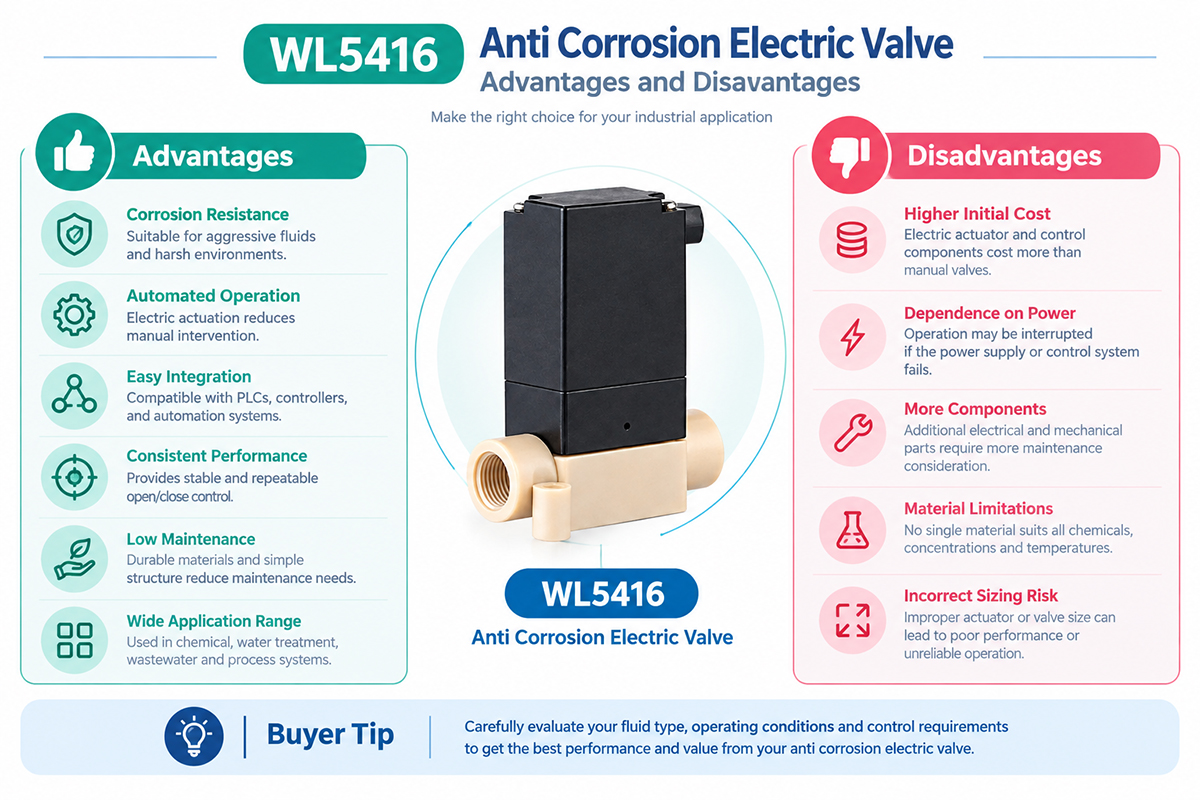
Anti Corrosion Electric Valve Adv. & Disadv

Anti Corrosion Electric Valve for Industrial Control

Advantages and Disadvantages of Anti Corrosion Electric Valve

Benefits

Corrosion resistance: The proper material can increase the corrosion resistance of the valve.

Automatic operation: Due to electric actuator, the valve can be operated remotely or programmed without necessity of manual adjustment.

Easy system integration: Many constructions can be integrated with PLCs, controllers, switches, sensors and industrial automation systems.

Repeatable operation: The electric actuators can repeatably open and close the valve according to programed control signals.

Reduced manual operation: Automatic operation of the valve can reduce necessity of manual operation and operator’s visits to the difficult or aggressive location.

Flexible applications: Different valve bodies, seals, actuators, connections and control systems for different applications.

Cons

High cost: An electric actuator and related control equipment may be more expensive than the basic manual valve.

Dependence on electricity: In case of failure of electrical supply or control system, the valve operation may stop without appropriate back up.

Additional components: Actuator adds additional electrical and mechanical components that have to be taken into account during maintenance.

Material limitations: No single valve material can be used with all corrosive chemicals and concentrations.

Sizing issues: Incorrect actuator or valve may result in poor performance, additional wear or unstable operation.

Therefore material compatibility, sizing, electrical specification and environmental protection is very important.

Anti Corrosion Electric Valve for Industrial Plants

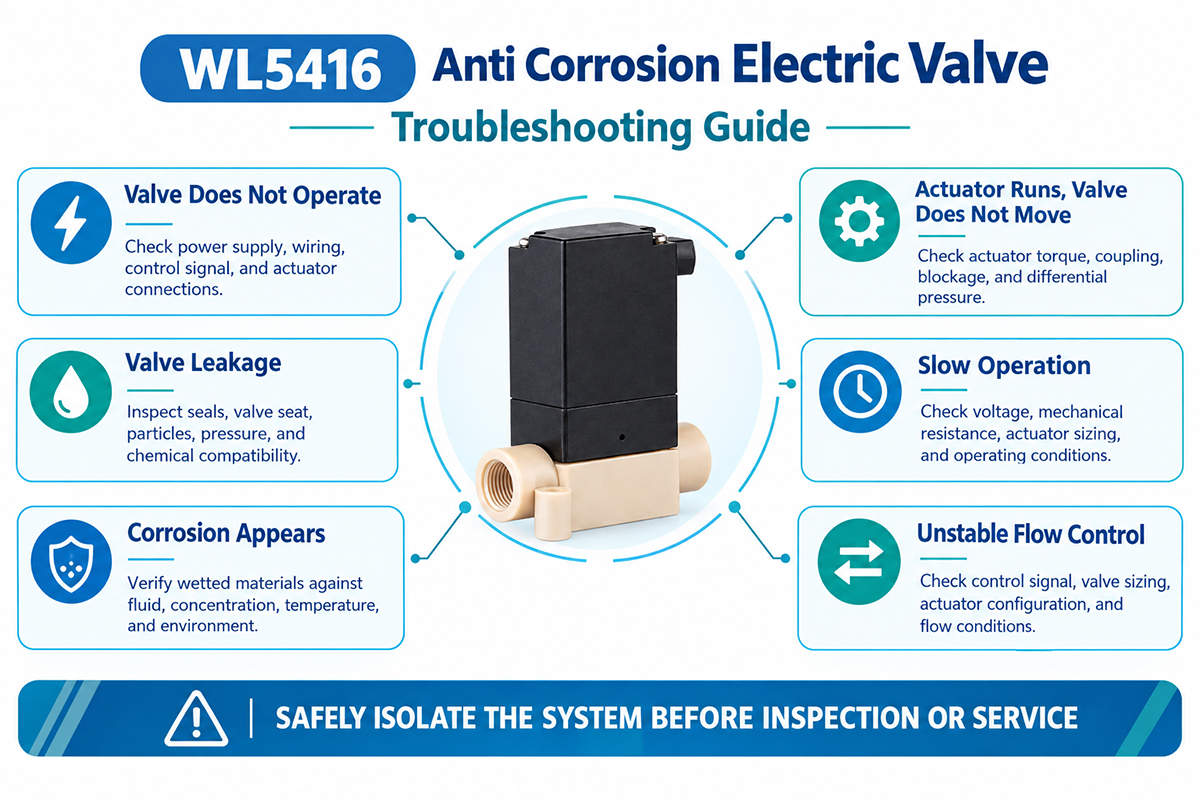
Anti Corrosion Electric Valve Troubleshooting

1.Valve Not opening or closing

Checking of power supply, wiring, control signal, actuator connections and control switches is required. It is necessary to ensure the actuator receives the proper voltage and control signal.

2.Actuator Runs, Valve doesn’t move

There can be insufficient torque of the actuator or mechanical blockage of the valve. The mechanical obstruction, excess of the differential pressure, damaged coupling or inappropriate sizing of the actuator.

3.Valve Leakage

Checking of internal valve parts, seals and valve seat is required. There can be chemical reaction, improper seal selection, particles, excess of pressure or mechanical damage. Damaged and incompatible components have to be replaced.

4.Valve Works Slowly

Verification of process pressure, actuator power, operating conditions and mechanical resistance is required. The operation of the valve may be influenced by low voltage or improper actuator.

5.Valve starts corroding

It is necessary to ensure that valve body and wetted parts are compatible with actual fluid, concentration, temperature and operating environment. The corrosion may be a symptom of the improper material selection.

6.Valve overheating

Verification of actuator duty cycle, supply voltage, mechanical resistance and operating frequency is required. If the actuator is run continuously exceeding its duty cycle, the valve can overheat.

7.Flow Control Unstable

Verification of the control signal, actuator configuration, valve sizing and flow conditions for modulating applications.

FAQ

1. What is an anti-corrosion electric valve?

An anti corrosion electric valve is a valve that is controlled using electricity and it is applied in controlling aggressive and corrosive fluids. The valve is made up of corrosion proof materials and it has an electric actuator for automatic operation or flow control.

2. What fluids can an anti-corrosion electric valve handle?

The fluid type depends on the type of the body, seals and internal materials of the valve. An anti-corrosion valve may be applicable to acids, alkali, chemical fluids, wastewater among others depending on the type of valve used. Ensure you check if the material used in the valve is compatible with the chemicals before purchase.

3. How does the anti-corrosion electric valve work?

The valve is controlled by a switch or automation system and it works automatically through an electric actuator that controls the operation by converting electric power into mechanical power to operate. In some cases the valves can perform modulating operation in controlling the flow.

4. What materials are used in the anti-corrosion electric valves?

Some of the commonly used materials include plastic, corrosion resistant metals and stainless steel among others. The material will depend on the nature of the chemicals, pressure and temperature. Select the material depending on the particular application.

5. What are the general applications of anti-corrosion electric valves?

The valves are used in various applications such as chemical industries, water treatment plants, wastewater, chemical industries, industrial manufacture among others. They are suitable depending on the particular application and corrosion protection requirements.

6. How do I choose the right electric anti corrosion valve?

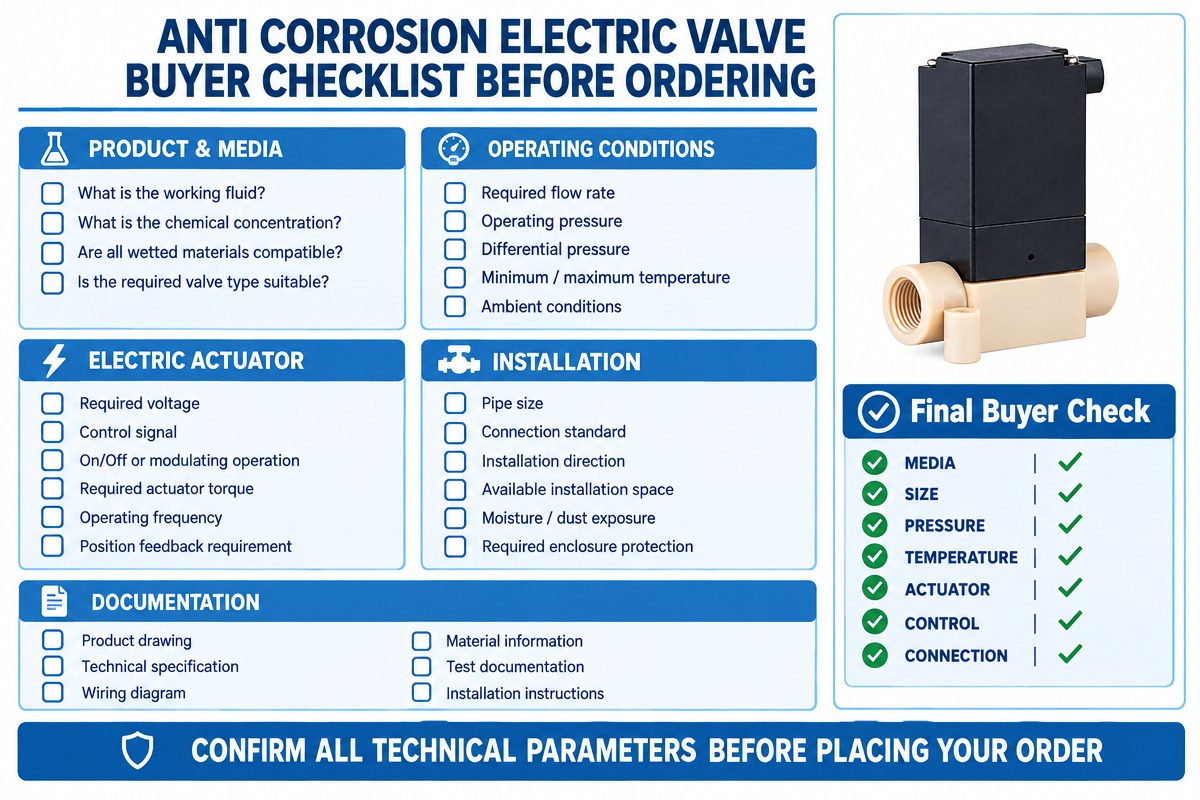
Take into consideration the type of fluid, concentration, flow rate, pressure, temperature, pipe diameter, valve type, connection, actuator torque and power supply, among others. For example, corrosive chemicals require material compatibility with the fluid.

7. How to deal with anti corrosion electric valve leakage?

Safely isolate valve and process lines. Next, check the valve seals, seat, internal parts, fittings and operating pressure. Chemical incompatibility, damaged seals, particles, high pressure and improper installation can result in leakage. Replace the incompatible parts.

8. Can the anti-corrosion electric valve be integrated with PLC?

Yeah. Many of the anti-corrosion electric valves can be used in automation systems such as PLC, sensors and industrial switches. The actuator voltage, control signal, feedback mechanism and others must be correct.

How to Select an Anti Corrosion Electric Valve

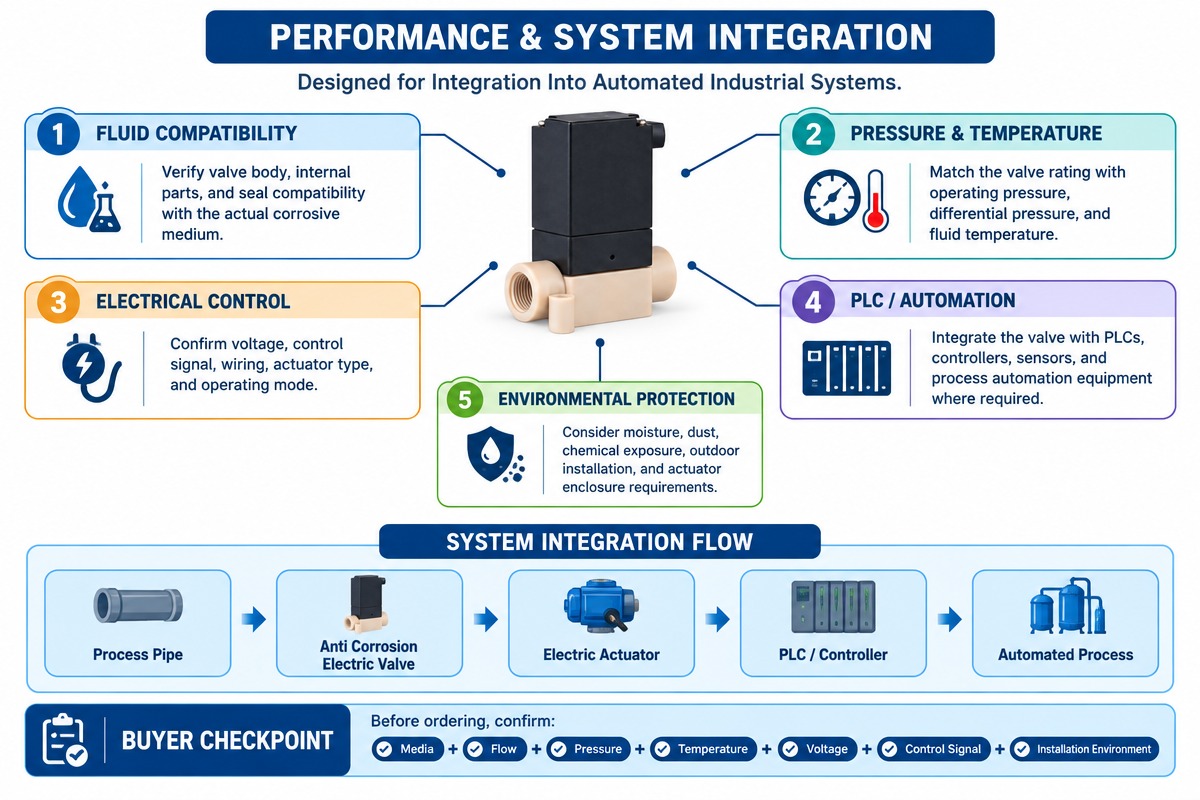
Selection of anti corrosion electric valve requires more than just choosing corrosion resistance body. The complete valve assembly should match the fluid, operating conditions, pipeline and control.

1.Specify the medium

The specific chemical composition, concentration, pH, corrosiveness, viscosity and suspended particles of the fluid should be known. All the wetted parts of the valve (body, seals, stem, internal parts) should be checked for material compatibility with the medium.

2.Check pressure requirements.

Operating and maximum operating pressure and pressure surge should be checked. The valve with proper pressure rating for the difference in pressure across the valve should be chosen.

3.Temperature check

It is necessary to record the lowest and highest temperatures of the fluid and the environment. The seals, plastics, coatings and actuator parts may have different temperature ratings.

4.Choose the correct valve type

Depending on the fluid, flow rate, pressure drop, media characteristics and available space, the correct valve type may be chosen.

5.Choose the correct valve size

Never choose a valve on the basis of pipe size. Consideration should be taken to the flow rate, pressure drop, flow coefficient and necessary control performance.

6.Choose the actuator

Required actuator torque, frequency of operation, voltage, control signal, duty cycle and available space for installation should be checked. Compatibility with the PLC or control system for automation should be verified.

7.Do not forget about protecting the environment

If the installation place is outdoor, wet, dusty or exposed to chemicals, it is necessary to choose proper actuator enclosure and electrical protection.

8.Consider the connections

Connections should be taken from the existing piping system: flange, threaded, union, wafer or other type of connections.

9.Consider maintenance

It is necessary to choose a design which will allow easy inspection, seal replacement, actuator servicing and cleaning.

Finally, always consult with the full valve specification provided by the manufacturer, especially for highly concentrated or unusual corrosive chemicals.


Anti Corrosion Electric Valve Design: How to Prevent the Common Mistakes

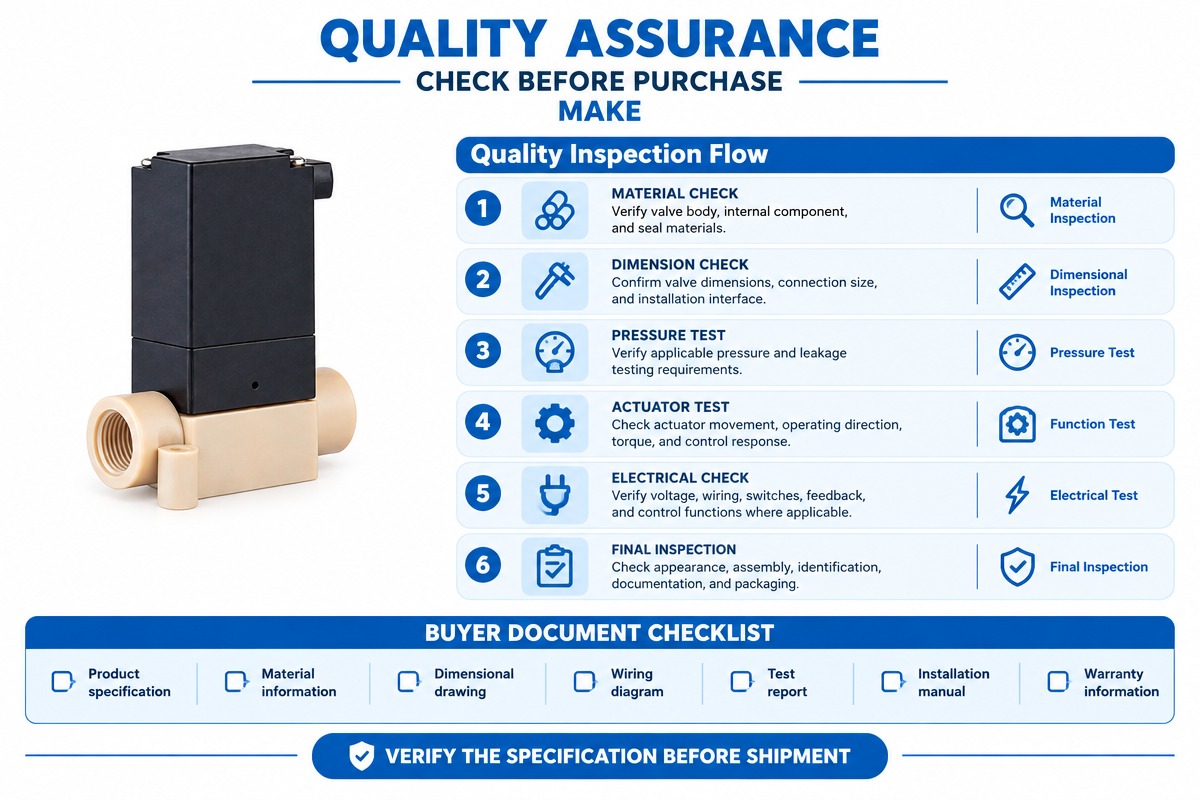
Do not choose materials just on the basis of their appearance. Check chemical compatibility of the materials with the actual medium.

Do not assume that stainless steel is compatible with all chemicals. Different chemicals and their concentrations can affect materials differently.

Do not oversize the valve. Oversized valve can affect flow control and actuator requirements.

Don’t forget about temperature. Temperatures of fluid and environment can affect seals, plastics, coatings and actuator.

Do not choose the actuator independent of the valve. The operating conditions and required torque should be considered together.

Watch out for pressure surge. Pressure surge may exceed the normal operating pressure of the valve.

Electrical conditions cannot be ignored. Voltage, control signal, frequency, duty cycle and enclosure requirements should be checked.

Installation conditions cannot be forgotten. Space, orientation, accessibility, moisture, dust and chemical exposure should be taken into account.

Do not use bad seals. Seal material depends on the medium and temperature.

Don’t base your sizing only on the nominal pipe size. Flow rate and pressure drop have to be taken into account.
Get A Free Quote Now

Contact Form

Related Products

Related News

Scroll to Top

Get A Free Quote Now !

Contact Form
If you have any questions, please do not hesitate to contact us.
Weilong Solenoid Company Culture