Reliable Anti Corrosion Valve for Process Equipment
Anti Corrosion Valve for Reliable Chemical Flow Control
Anti Corrosion Valve for Wastewater Treatment Plants
Anti Corrosion Valve for Harsh Chemical Environments
Anti Corrosion Valve for Safe and Stable Flow Control
Anti Corrosion Valve for Corrosive Media Control
Reliable Anti Corrosion Valve for Process Equipment
Anti Corrosion Valve for Reliable Chemical Flow Control
Anti Corrosion Valve for Wastewater Treatment Plants
Anti Corrosion Valve for Harsh Chemical Environments
Anti Corrosion Valve for Safe and Stable Flow Control
Anti Corrosion Valve for Corrosive Media Control

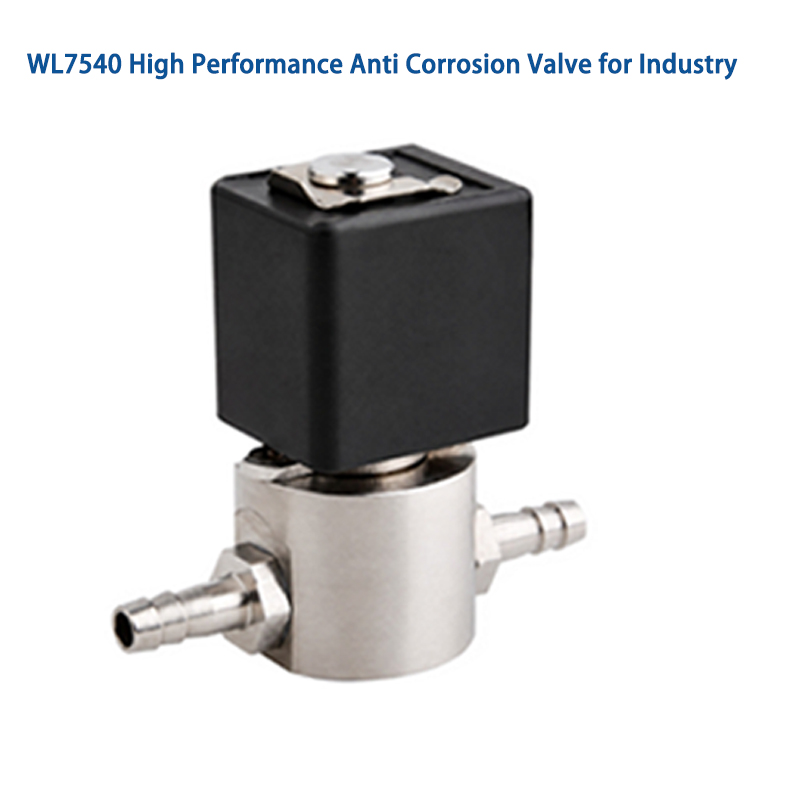
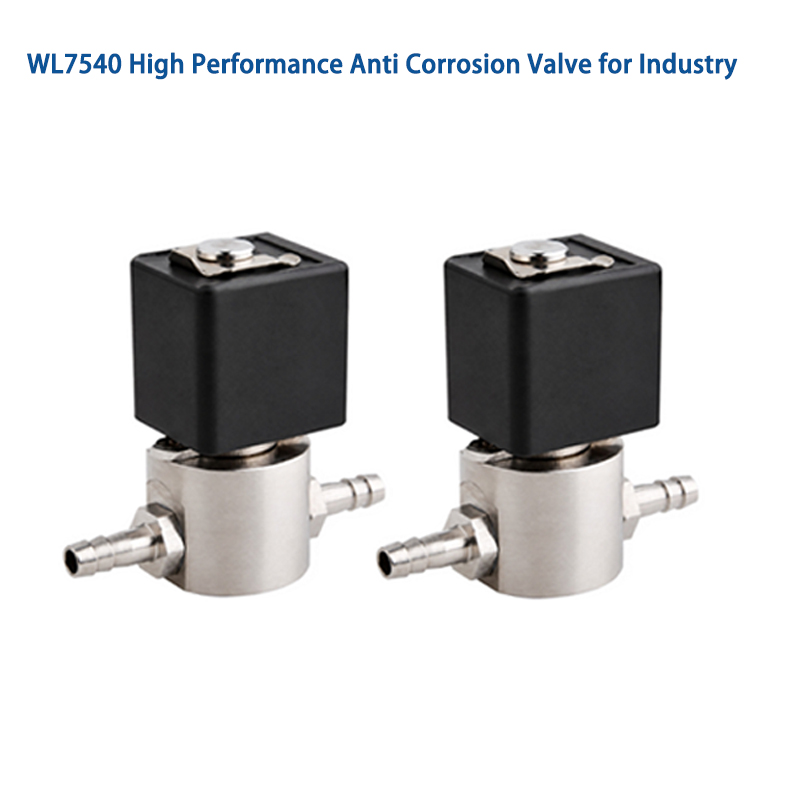
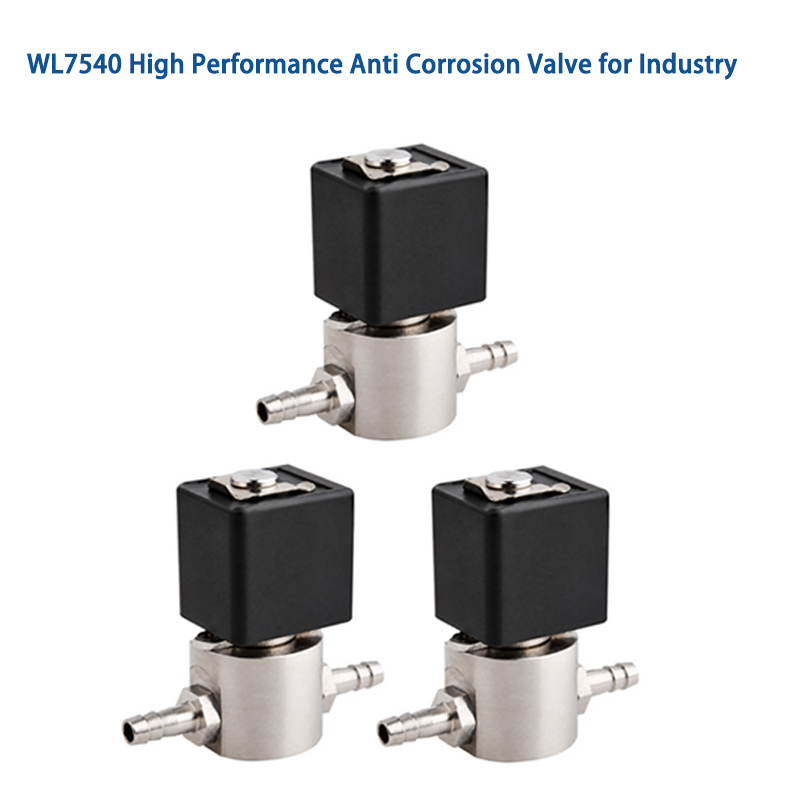
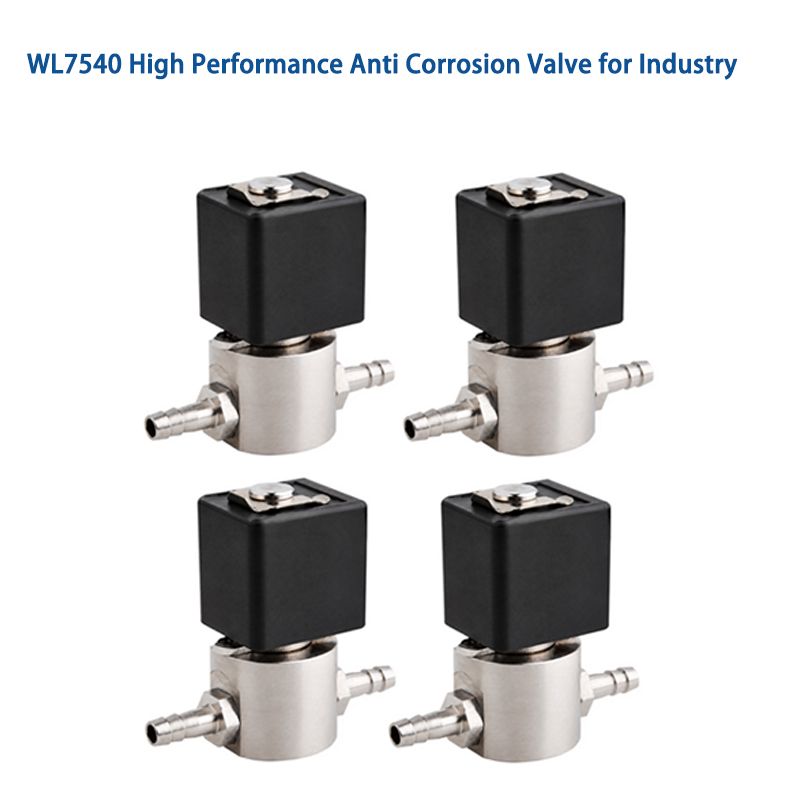
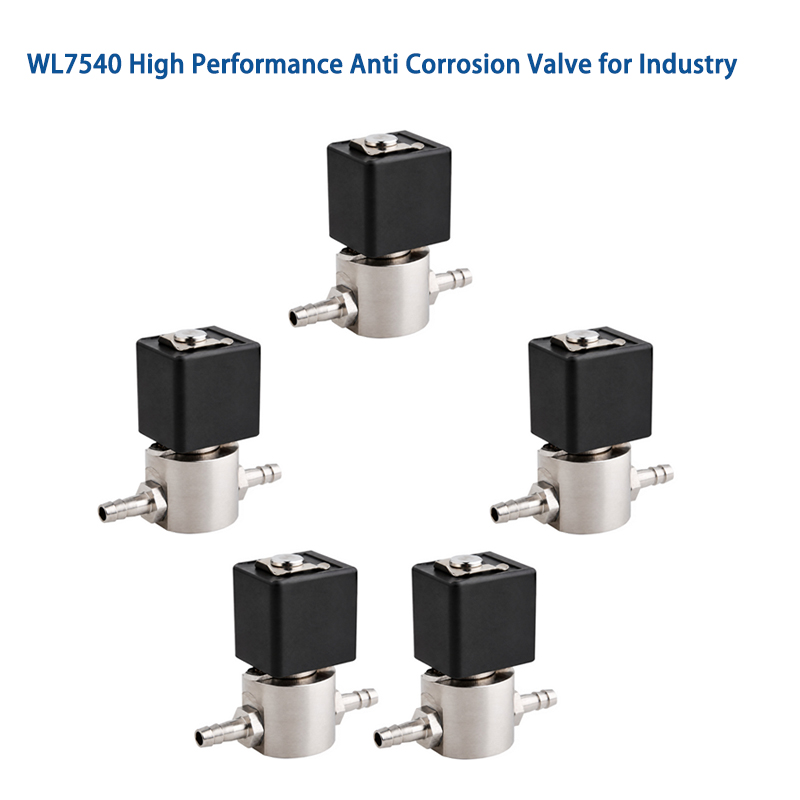
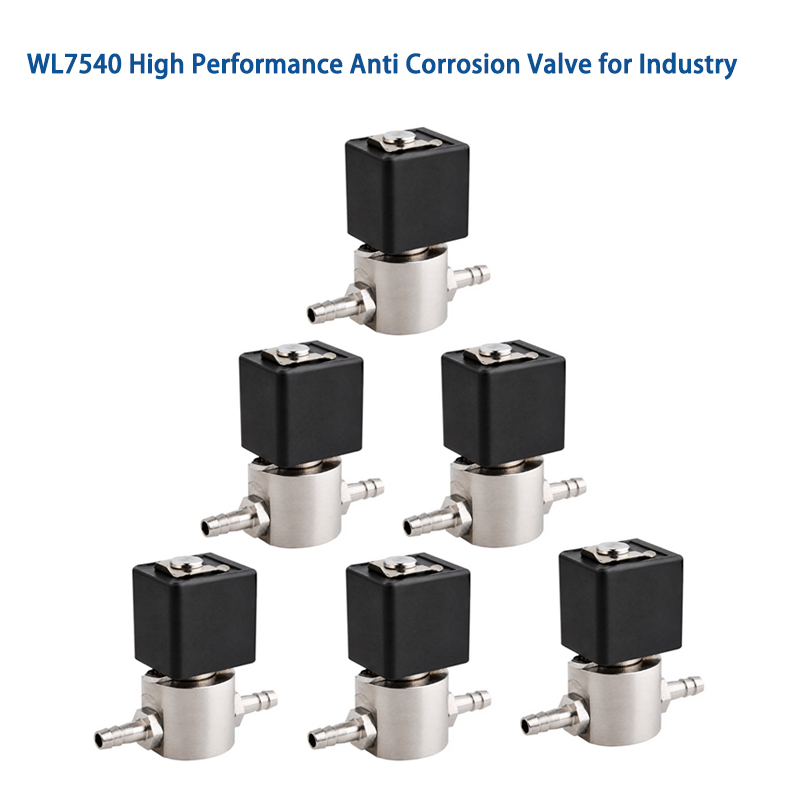
WL7540 High Performance Anti Corrosion Valve for Industry

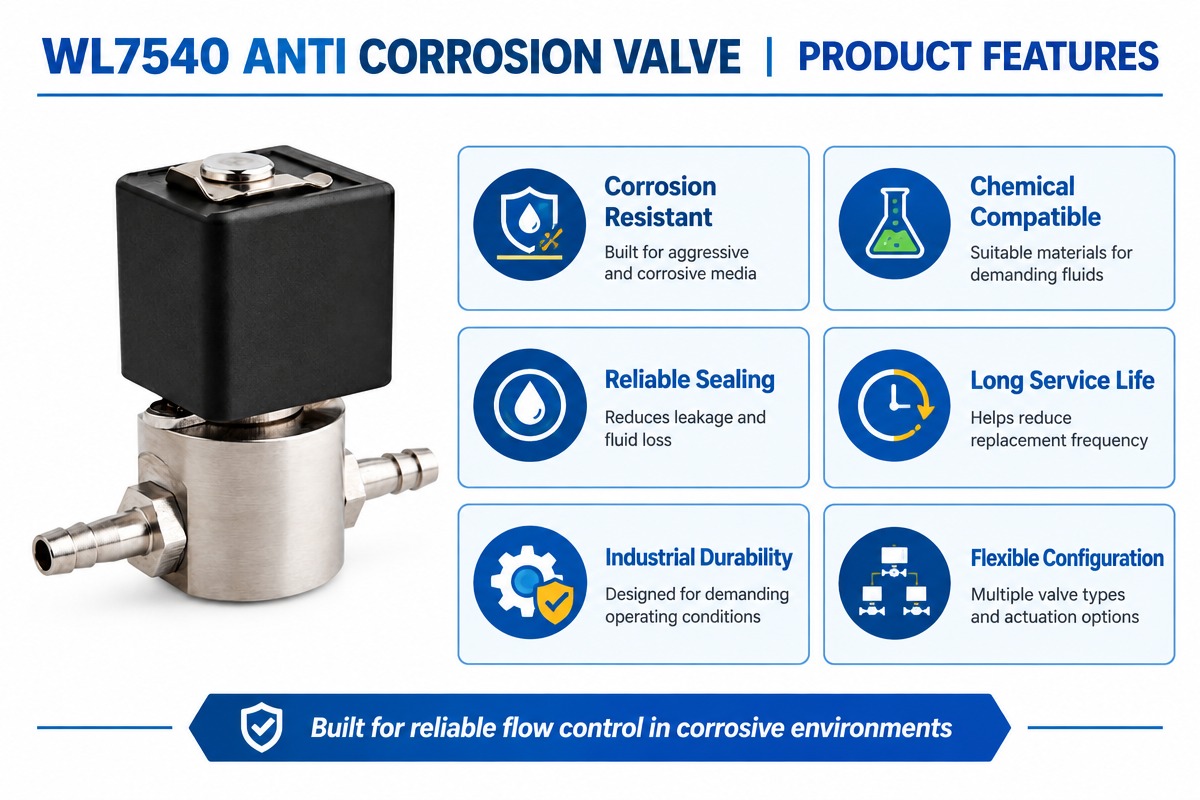
An anti corrosion valve is an industrial flow control component designed to operate reliably when exposed to corrosive fluids, chemicals, moisture, salts, acids, alkalis or aggressive process media. Special materials, protective coatings, proper seals and durable construction are used to reduce material degradation and provide reliable valve operation. Anti-corrosion valves are used in chemical processing, water treatment, wastewater management, petrochemical production, marine systems, mining and industrial manufacturing. Valve bodies and internal parts can be made from stainless steel, special alloys, plastics, lined materials, or other corrosion resistant materials as required by process conditions. Proper material selection avoids leakage, premature wear, contamination and unexpected maintenance. These valves are used in various pressure, temperature, flow, connection and control systems and, if properly selected and installed, will provide stable fluid control, higher equipment reliability, less frequent maintenance and extended service life.

Anti Corrosion Valve Description

What is Anti Corrosion Valve?


Anti corrosion valve is a valve designed specifically to control fluids that are able to corrode or deteriorate conventional valve materials. It uses special coatings, liners, seals or alloys to resist corrosion in aggressive conditions. Depending on application, it can also be used to work with acids, alkalis, salt water, chemicals, waste waters, solvents or other corrosive media. The primary task of the system is to control, isolate, divert or prevent flow of process fluids and maintain mechanical integrity. Anti Corrosion Valves are widely used in chemical plants, water treatment plants, petrochemical plants, mining equipment, marine plants and industrial pipelines where corrosion resistance is required for reliable operation.


How Do Anti Corrosion Valves Work?

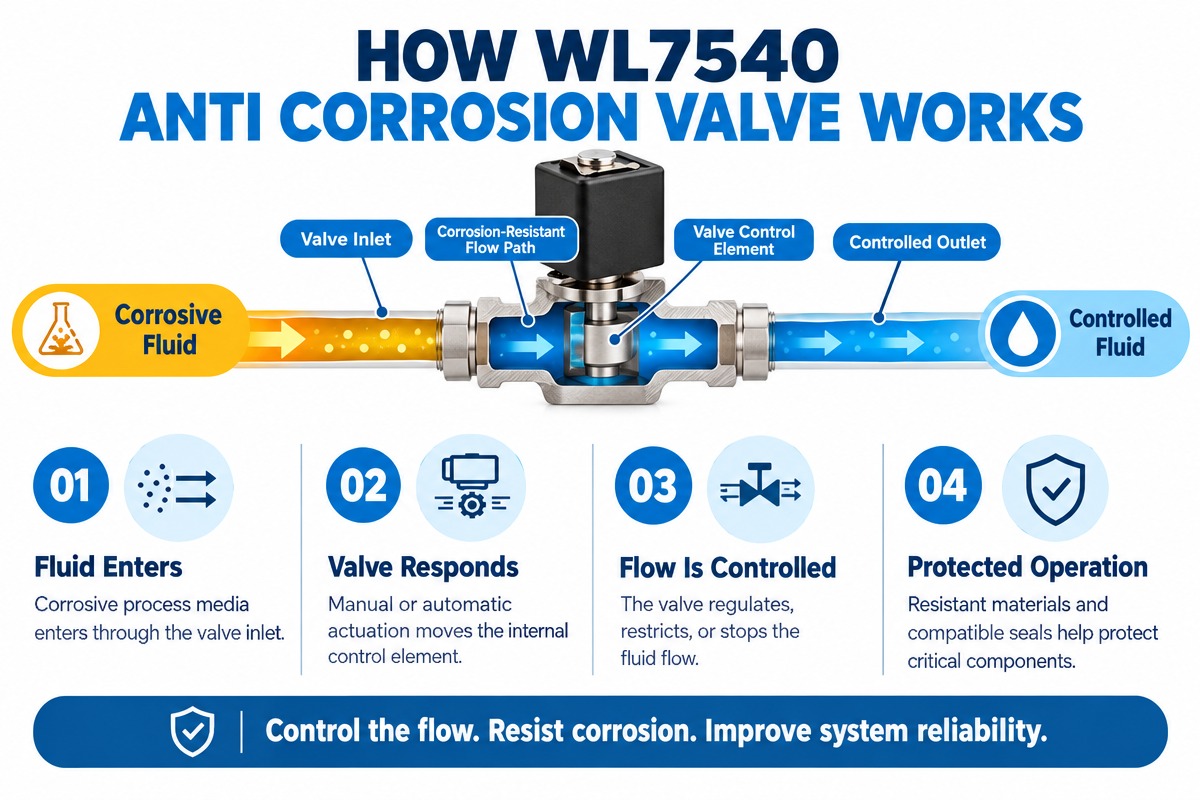
Anti corrosion valve controls passage of fluids using special materials and protective features which are resistant to chemical attack.

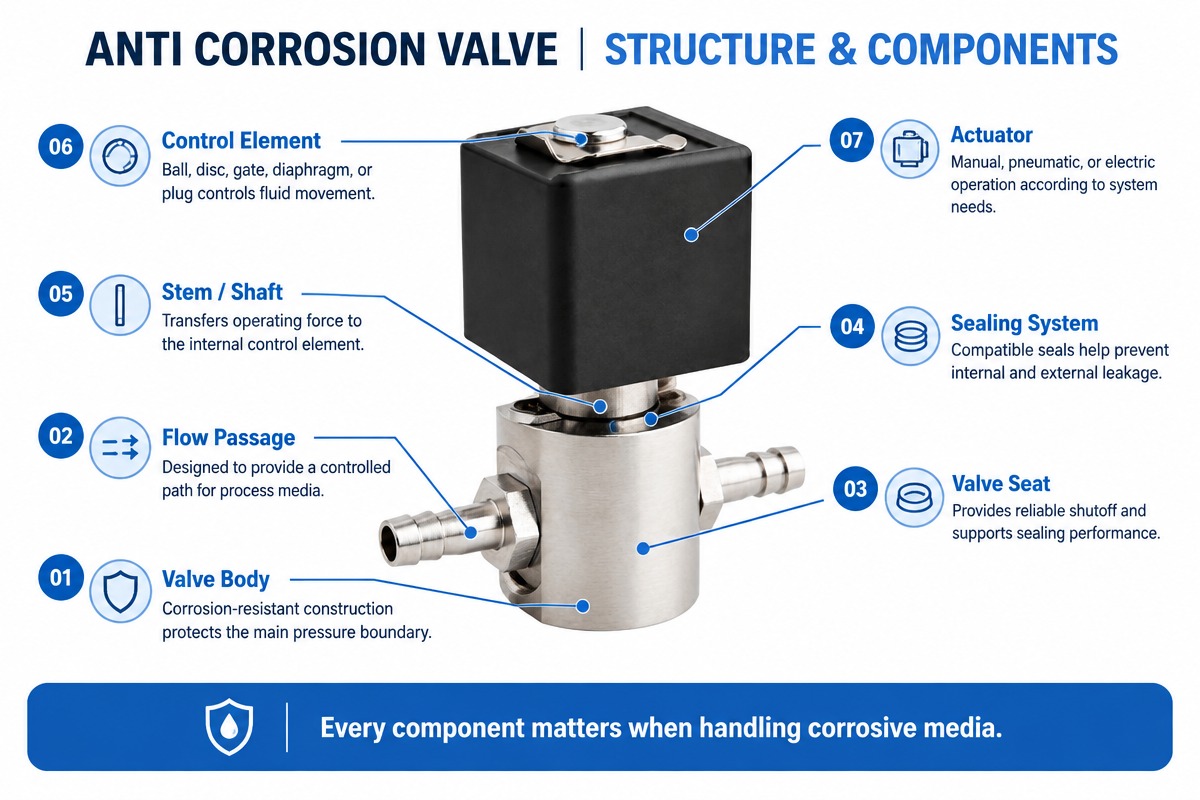
Closing element inside the valve is moved by mechanical, pneumatic, electrical or hydraulic command. Depending on design of the valve, it can be a ball, disk, gate, plug, diaphragm or any other regulating element. Opening of the valve allows passage for flow of the process medium while closing prevents or restricts the flow.

Its special design protects important surfaces from corrosive fluids. Valve bodies can be made from stainless steel, engineered plastics, corrosion resistant alloys, rubber lined or fluoropolymer lined materials. Special seals and gaskets are selected for chemical compatibility, pressure and temperature of the medium.

During operation, chemical resistance helps to avoid excessive corrosion, swelling, cracking and deterioration. This ensures reliable isolation or flow control even in challenging industrial conditions.

Anti Corrosion Valve Video

Anti Corrosion Valve Detail Display

Anti Corrosion Valve Technical

Brand Weilong Model Number WL 7540
Rated Voltage (V) DC12V  or 24V Rated Power (W) 10W
Work Mode Air or Liquid Control Valve Working Pressure (MPa) 400KPa
Air-Flow Rate 0-6.17 L/minute Reset Time(s) 1 S On, 1 S Off
Service Life 200 Thousand Times Certification CE, ROHS, ISO9001,
Pipe Gate  inside: 4 mm Lead Wire Length(mm) 75 MM
Install Style Screw Tolerance of Dimension ± 0.1 MM
Water-proof None Insulation Class B
Hi-Pot Test AC 600V 50/60 Hz 2s Non-excitation Holding Force 0
Working Temperature -10°C-100°C Duty Cycle 1-100%
Thread Depth (mm) / Payment Term TT, or LC At Sight
Sample Order Yes Warranty 1 Year
MOQ 1000 pcs Supply Ability 5000 pcs per week
Delivery Time 30 Days Port of Loading Shenzhen

Why Anti Corrosion Valve is becoming so popular?

As the number of aggressive fluids in industrial processes increases, companies are increasingly demanding a longer service life and lower maintenance costs of equipment, thus, anti corrosion valves are becoming more and more popular.

Acids, alkalis, solvents and other aggressive media are often used in chemical plants and can quickly damage conventional valve materials. Chemicals, dissolved salts, moisture and contaminated fluids cause corrosion in water and wastewater facilities.

Modern anti-corrosion valve technology provides a practical solution to increase equipment reliability without frequent replacement of damaged components. Special materials, coatings, linings, improved coatings and advanced seals expanded the list of applications.

Another advantage is lower downtime. Failure of valve can stop production, cause potential leakage and maintenance expenses. Selection of appropriate corrosion resistant valve can decrease these risks.

Automation is another driver for popularity. Automated anti-corrosion valves can be integrated into control systems so that operators can remotely control or shutdown process lines.

As industries pay more attention to efficiency, safety, sustainability and lifecycle costs, corrosion resistant flow control equipment becomes a significant part of industrial facilities.

Anti Corrosion Valve Applications

Anti Corrosion Valve for Severe Service Applications

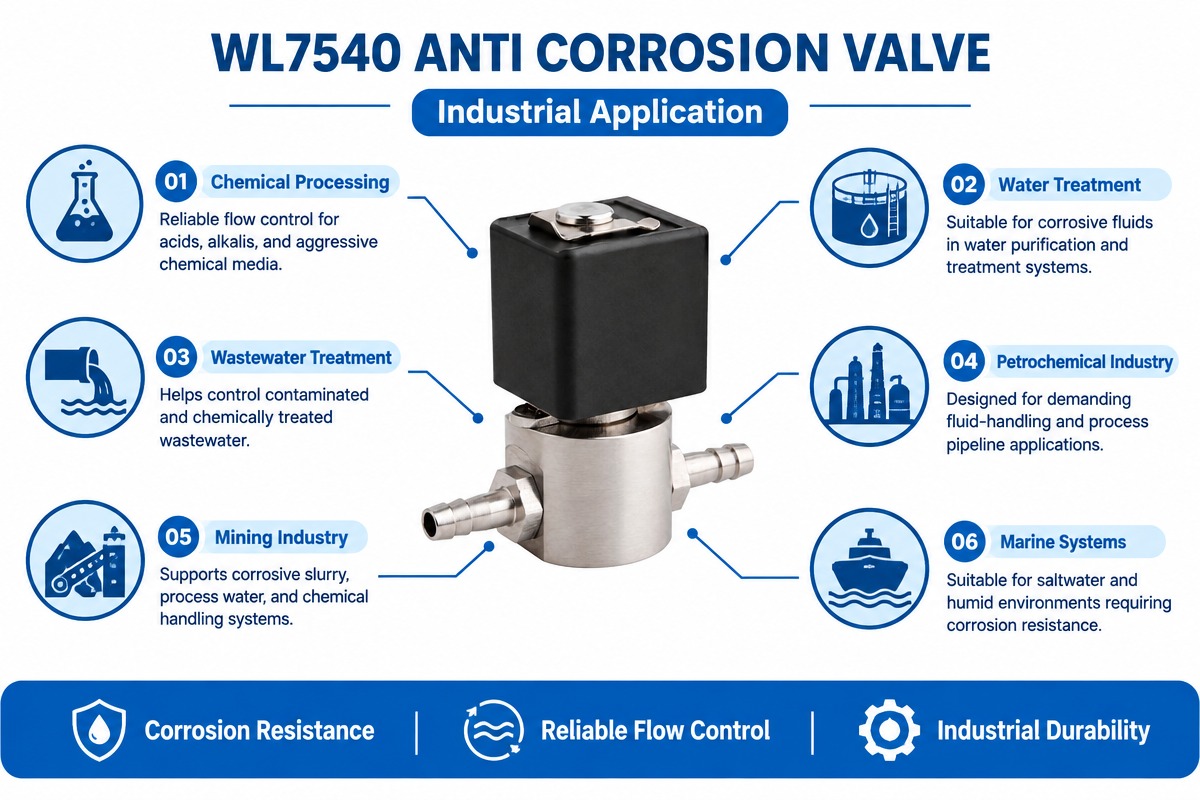
Anti-corrosion valves are widely used in industries where process fluids or aggressive conditions can lead to deterioration of conventional valves.

Chemical Processing:

In chemical processing and storage systems, it controls acids, alkalis, solvents, chemical solutions and other aggressive media.

Water Treatment:

These valves are used in filtration, chemical dosing, purification, desalination and water distribution equipment.

Waste Water Treatment:

These valves process waste waters with corrosive chemicals, salts, contaminants and treatment additives.

Petrochemicals:

Anti corrosion valves can be installed in process pipelines, chemical handling systems, storage facilities and auxiliary equipment where aggressive fluids are encountered.

Mining, 2.

In mining industry, acidic solutions, slurry, chemicals and contaminated waters may be used. In this case, corrosion resistance of the valve can improve reliability.

Marine Systems:

Corrosion in salt water and humid conditions is significantly increased. Seawater handling, cooling and desalination systems can use appropriate anti corrosion valves.

Pharmaceutical Manufacturing

Special materials of valve can provide process integrity in case of chemical compatibility and clean processing.

Food and Beverage Processing:

Corrosion resistant valves, when properly selected, allow hygienic handling and cleaning of fluids.

Industrial Manufacturing:

Factory uses these valves to control flow of chemicals, coolants, cleaning fluids and process fluids.

Corrosion resistance is dependent on fluid chemistry, temperature, pressure and concentration. Proper selection of materials is essential.

Anti Corrosion Valve Adv. & Disadv

Industrial Anti Corrosion Valve for Process Control

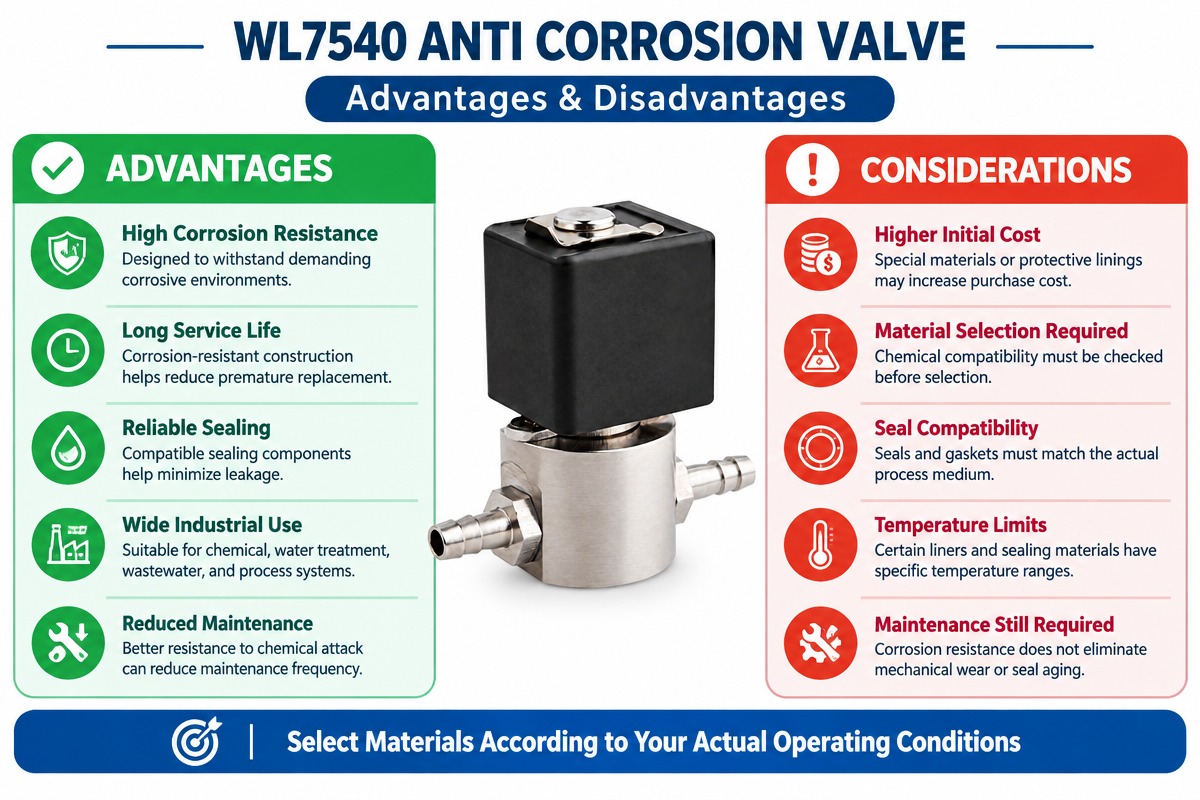
Anti Corrosion Valve Advantages and Disadvantages

Benefits

Good corrosion resistance:

Special materials, coatings, linings and seals are resistant to aggressive chemicals and environmental conditions.

Extended service life:

Corrosion will occur faster and operational life will be shorter with improper conventional materials.

Reduced maintenance:

Development of increased resistance to chemical attack will reduce the need for replacements, repairs and downtime.

Reliability increased:

Stable process control and isolation is assured by reliable valve operation.

Wide application:

Special materials and valve designs provide for wide range of chemical, water treatment, wastewater, marine, mining and industrial applications.

Process safety increased:

Proper selection and maintenance will reduce the risk of leakage by assuring reliable sealing.

Limitation (

Higher initial cost:

Special alloys, linings, coatings and chemical resistant seals increase valve price.

Choosing the right materials is a difficult task:

One material may be resistant to one chemical but poor to another, especially in different concentrations or temperatures.

Maintenance is still necessary:

Corrosion resistance does not prevent wear, erosion, aging of the seal or mechanical damage.

Some temperature limitations:

Some plastic linings and elastomers have narrower temperature range than metal parts.

Installation requires special equipment:

Some designs of lined or chemically resistant valves require special installation techniques.

In conclusion, higher initial cost is justified by reliability, safety and lifecycle cost.

Anti Corrosion Valve for Industrial Pipeline Systems

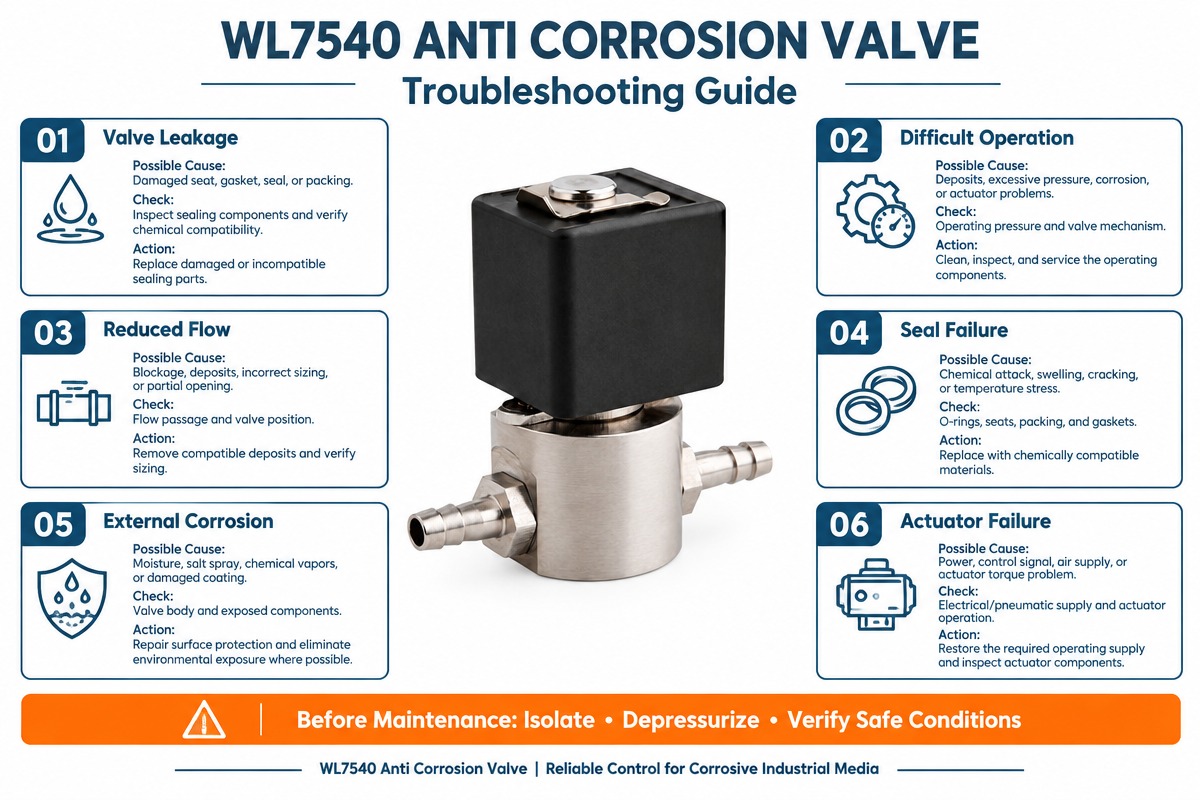
 Troubleshooting Anti Corrosion Valve

If anti corrosion valve operates incorrectly, troubleshooting starts with evaluation of process conditions and valve operating environment.

Valve leakage

Check the seats, seals, gaskets and packing. Make sure that the valve is fully closed. Leakage may be caused by chemical incompatibility, wear, fouling or improper installation.

Difficult to operate valve:

Valve straining in operation can be due to corrosion, fouling, damage of parts, high differential pressure or actuator problem. Check operating pressure and valve mechanism.

External corrosion:

Check the valve body, fasteners, actuator and exposed surfaces. Corrosion may be caused by environmental moisture, salt spray, chemical vapors or damage of protective coating.

Limited flow:

Check for fouling, deposits, partly opened valves, improper sizing of the valve, excessive pressure drop. Clean the valve using appropriate procedures and chemicals compatible with valve materials.

Failure of seal:

Check O-rings, packing, diaphragms and gaskets for swelling, cracking, hardening or chemical degradation. Replace them with materials compatible with the real process medium.

Actuator breakdown:

Verify automatic valves for electrical power, control signal, air supply, hydraulic pressure, actuator torque and limit switches.

Early valve failure:

Review fluid chemistry, concentration, temperature, pressure, flow velocity, selection of valve material. Erosion, cavitation, incompatible materials or excessive operating conditions can cause valve failure.

Always isolate and depressurize the process line before inspection and servicing. Follow valve manufacturer’s safety and servicing instructions.

FAQ

1. Anti Corrosion Valve Definition

An anti corrosion valve is specially designed to control, isolate or regulate fluids under conditions where corrosive chemicals, moisture, salt or aggressive gases may affect standard valve materials. It generally uses corrosion-resistant materials like metals, plastics, coatings and liners.

2. Typical use of anti corrosion valves

Anti-corrosion valves are often applied in industries including chemical, water/wastewater treatment plants, marine industry, pharmaceutical production, semiconductors, oil and gas, mining and others that deal with corrosive media.

3. Construction materials for anti-corrosion valves

Common materials include stainless steel, Duplex stainless steel, Hastelloy, titanium, PTFE, PVC, CPVC, PVDF and other corrosion-resistant materials. The best material depends on fluid, concentration, temperature and pressure.

4. How to choose an anti corrosion valve?

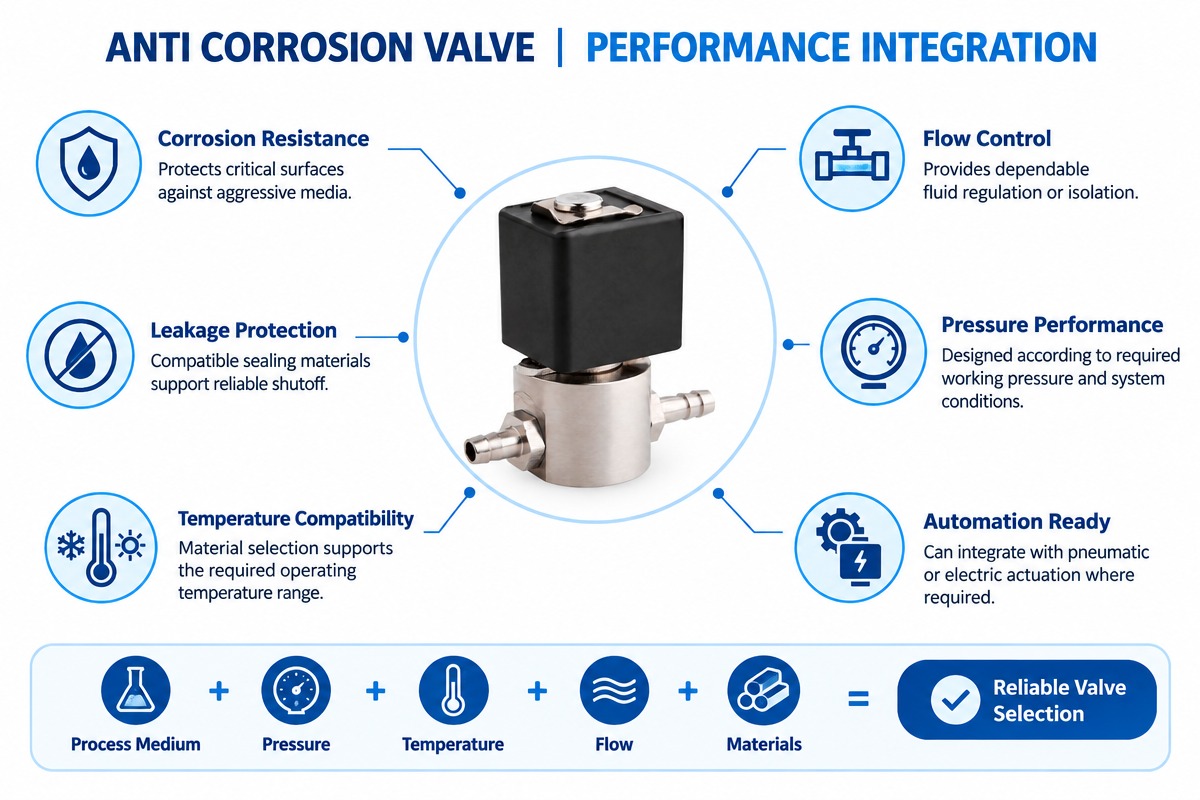
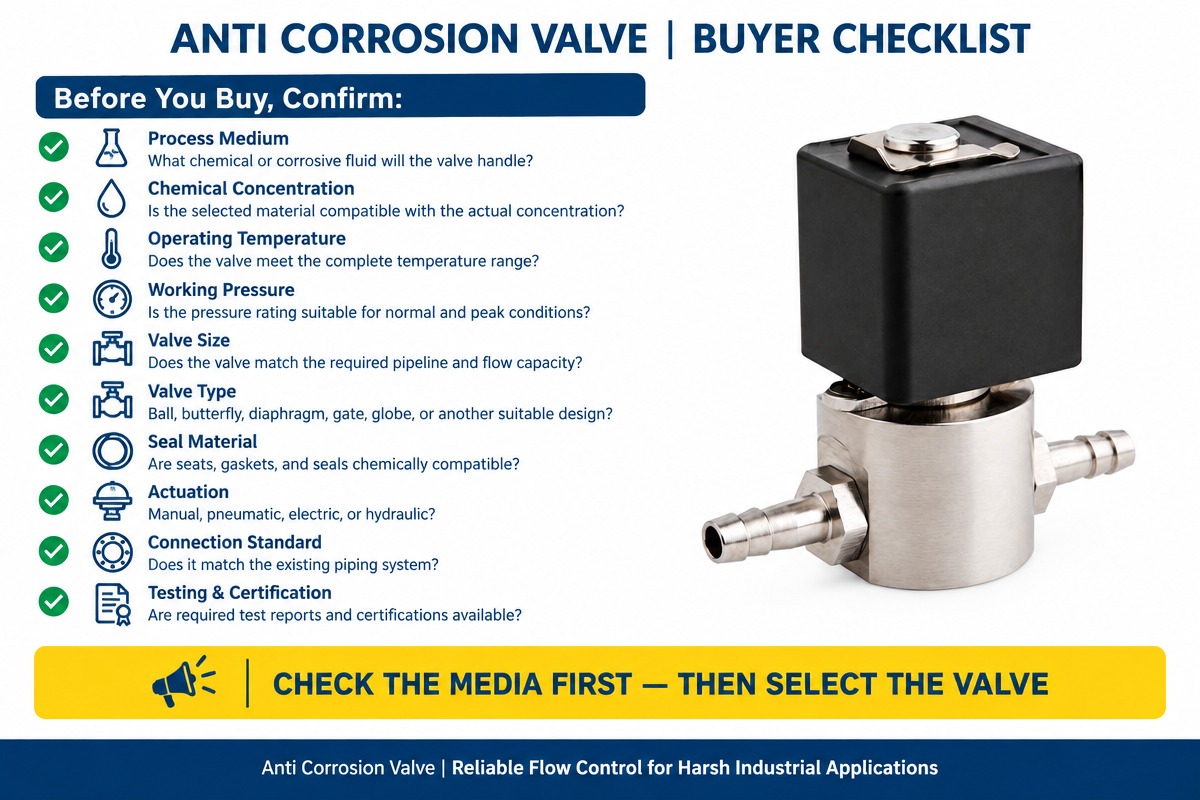
Consider media type, chemical concentration, temperature, pressure, flow rate, valve size, connections, sealing material and valve control function. Prior to selecting material, compatibility has to be verified to avoid early corrosion or leaking.

5. Can anti corrosion valves operate at high temperature?

Not all of them can. High temperature capability depends on the body material, liner, seals and construction material. Some metal valves can tolerate higher temperature compared to some plastic-lined valves.

6. How to maintain anti corrosion valves?

Periodically check the valve for leaks, external corrosion, seals’ deterioration, abnormal operation and deposits. Maintain operation within the limits specified by the valve. Replace damaged seals and other parts as soon as possible. Regular cleaning will help to ensure stable performance.

7. Why anti corrosion valves are better than standard valves?

Appropriate anti corrosion valves can offer better resistance to corrosive environment, reduce maintenance needs, increase the lifetime of the valve and minimize the risks of leakage and unplanned stoppage. However, performance largely depends on the proper choice of material and valve.

8. Reasons for failure of anti-corrosion valves?

Common causes of failures are improper material selection, excessive temperature or pressure, incompatible chemicals, seals deterioration, contamination, improper installation, mechanical damage and lack of maintenance.

How to Select an Anti Corrosion Valve

Selection of the right anti corrosion valve is not limited to the search of a valve which is called “corrosion resistant”. The valve must be right for the particular process medium and conditions.

1. Guess the liquid:

Is it acids, alkalis, solvents, salt water, waste waters, chemicals or mixed fluids? Note chemical composition and concentration. Resistance to corrosion varies significantly among materials.

2. Find out the operating temperature.

Temperature affects corrosion resistance of the material and seal performance. Select the valve that has body, liner, gasket and actuator ratings for all range of operating temperature.

3. Consider pressure requirements.

Find out normal working pressure, maximum pressure, pressure fluctuations and possible pressure surges. Choose the correct pressure class or rating with appropriate safety margin.

4. Check materials for valves.

Common materials include stainless steel, engineering plastics, special alloys, rubber and fluoropolymer linings. It is better to select materials for chemical compatibility rather than low price.

5. Select the type of the valve.

Ball valves are suitable for flow shut off, Butterfly valves are good for larger pipelines, Diaphragm valves can be used for corrosive liquids and Globe valves may be used where throttling is required.

6. Flow characteristics to consider.

Determine required flow rate, pressure drop and whether the valve will be used for isolation or constant regulation. Do not select valve based on pipeline diameter alone.

7. Choose the proper seals.

Gaskets, O-rings, seats and packing must be resistant to the process medium and temperature. Even corrosion resistant valve body may leak if the elastomers are not compatible.

8. Consider actuation.

Manual operation may be appropriate for simple systems. Electric or pneumatic actuators are useful for automated processes and remote control.

9. Maintenance requirements.

Select design which allows inspection, seal replacement and servicing without significant downtime.

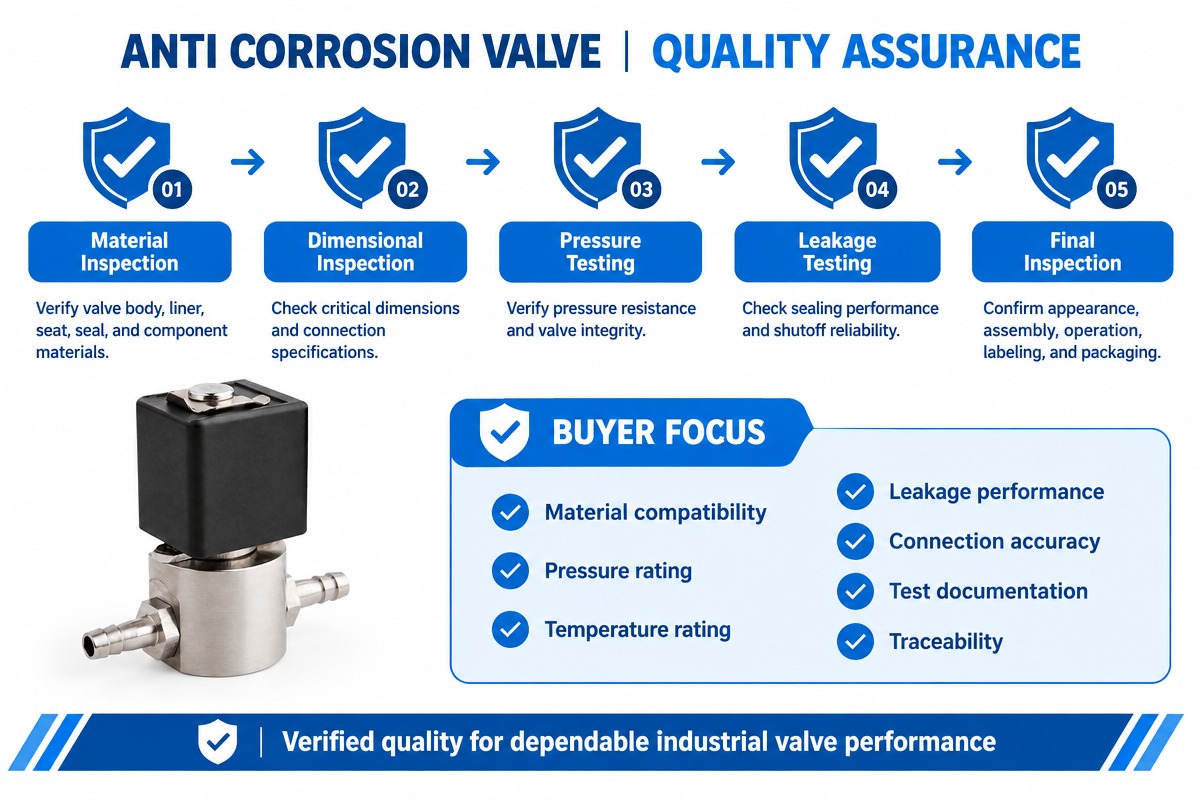
Before purchasing, check industry standards, connection sizes, pressure ratings, certificates and test data from the manufacturer. It will help to make the right choice and improve reliability and safety of operation.

Tips to Prevent Common Mistakes in Anti Corrosion Valve Design

Do not choose materials based on their general corrosion resistance. Chemical compatibility depends on concentration, temperature, exposure time and fluid composition.

Do not forget seals and gaskets. Even corrosion-resistant valve body may fail if its elastomers are not compatible with the fluid.

Do not undersize the valve. High velocity and pressure drop can lead to erosion and reduce service life.

Do not oversize unnecessarily. Over sized control valve can operate poorly at low flow rates and decrease control accuracy.

Think about temperature effects. Material and sealing properties may be different at high and low temperatures.

Consider pressure surges. Water hammer, pump startup and rapid valve closure may result in loads higher than normal operating pressure.

Prevent external corrosion. External corrosion may be caused by exposure to outdoor conditions, chemicals, salt spray and atmospheric moisture.

Consider access for maintenance. Design shall allow inspection, cleaning, seal replacement and valve maintenance.

Choose appropriate actuator. Actuator torque, response time and environmental protection must be selected according to application

Validation before production. Confirm material compatibility. Confirm pressure rating. Confirm flow requirements. Confirm connection dimensions and standards.
Get A Free Quote Now

Contact Form

Related Products

Related News

Scroll to Top

Get A Free Quote Now !

Contact Form
If you have any questions, please do not hesitate to contact us.
Weilong Solenoid Company Culture