


How to select proportional solenoid valve?
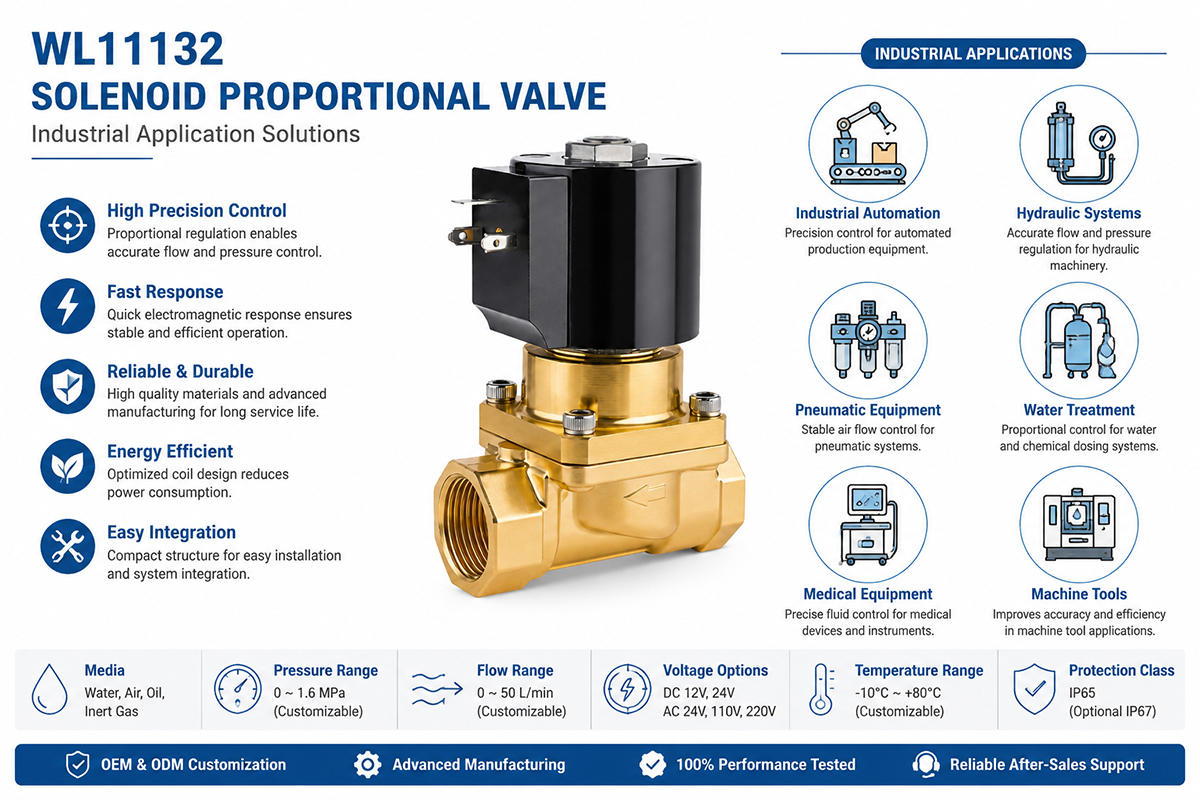
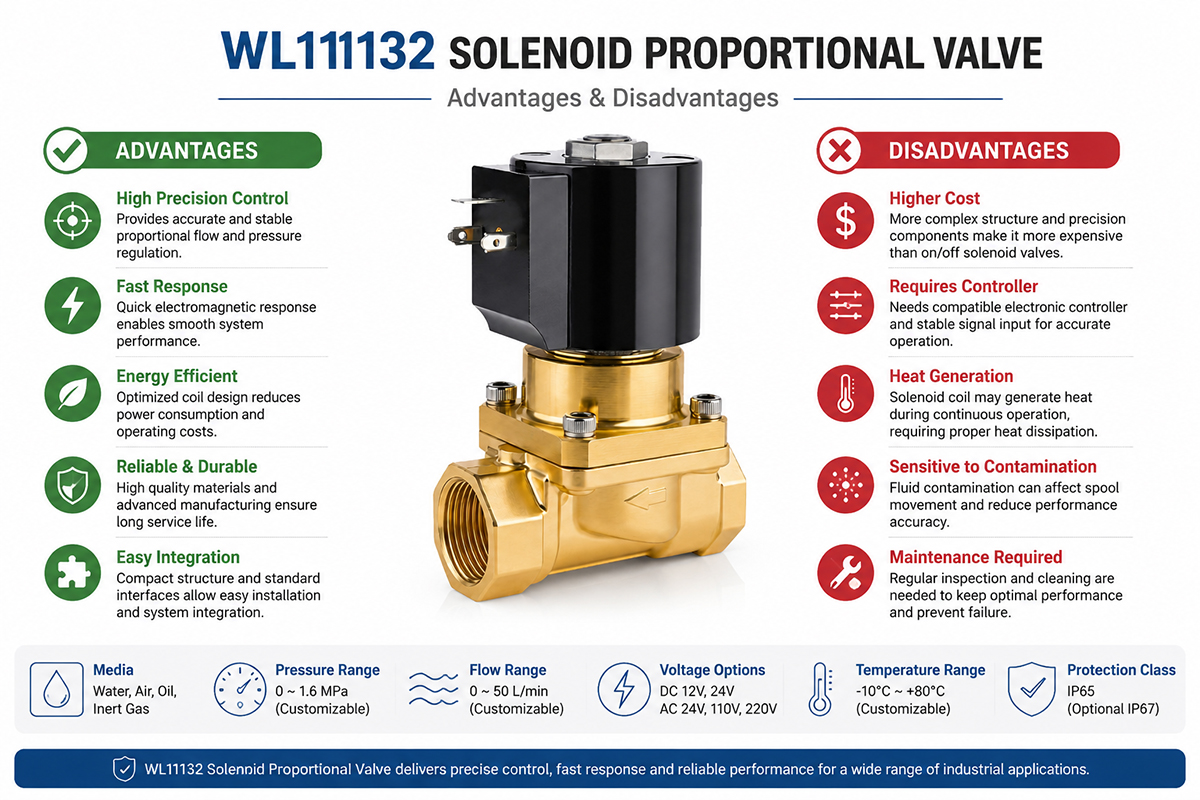
There are a few factors that should be considered when choosing the right solenoid proportional valve such as application requirements, fluid characteristics, pressure, flow range, electrical specifications and environmental conditions.
First of all define the media. There are valves for hydraulic oil, water, air, gas or special fluids. Valve material and sealing structure must be compatible with the operating medium in durability.
Second, consider the necessary flow rate and pressure range. Correctly chosen solenoid proportional valve should provide sufficient flow capacity and keep control performance. Inappropriate sized valve is able to reduce efficiency and influence the stability of the system.
Third, check the electrical parameters. Some of them are voltage, current, power consumption, control signal type and response characteristics. Valve should be compatible with the existing control system or PLC.
The environment is also important. You should choose valves with adequate protection levels, corrosion resistance, temperature limits and mechanical strength for demanding industrial environment.
Response time and accuracy should be considered for precise applications. High performance proportional valves provide improved repeatability and smoother adjustment for automation equipment and robotics.
Lastly, consider supplier reliability, customization ability, quality certifications and after sales services. Manufacturer of proportional valve should provide OEM service, technical support and customized designs according to industrial requirements.
The right choice of solenoid proportional valve improves system efficiency, reduces maintenance cost and ensures stable operation.
Tips to Avoid Common Mistakes in Designing Solenoid Proportional Valves
Wrong Valve Sizing
Do not choose valves on the basis of pipe size only. You should carefully calculate the flow rate and pressure requirements.
Fluid Compatibility is Not Considered
Leakage and early failure can result from the use of inappropriate sealing materials or valve body material.
Poor Electrical Matching
Incorrect voltage or control signals can damage the solenoid coil and degrade its performance.
Inadequate Heat Management
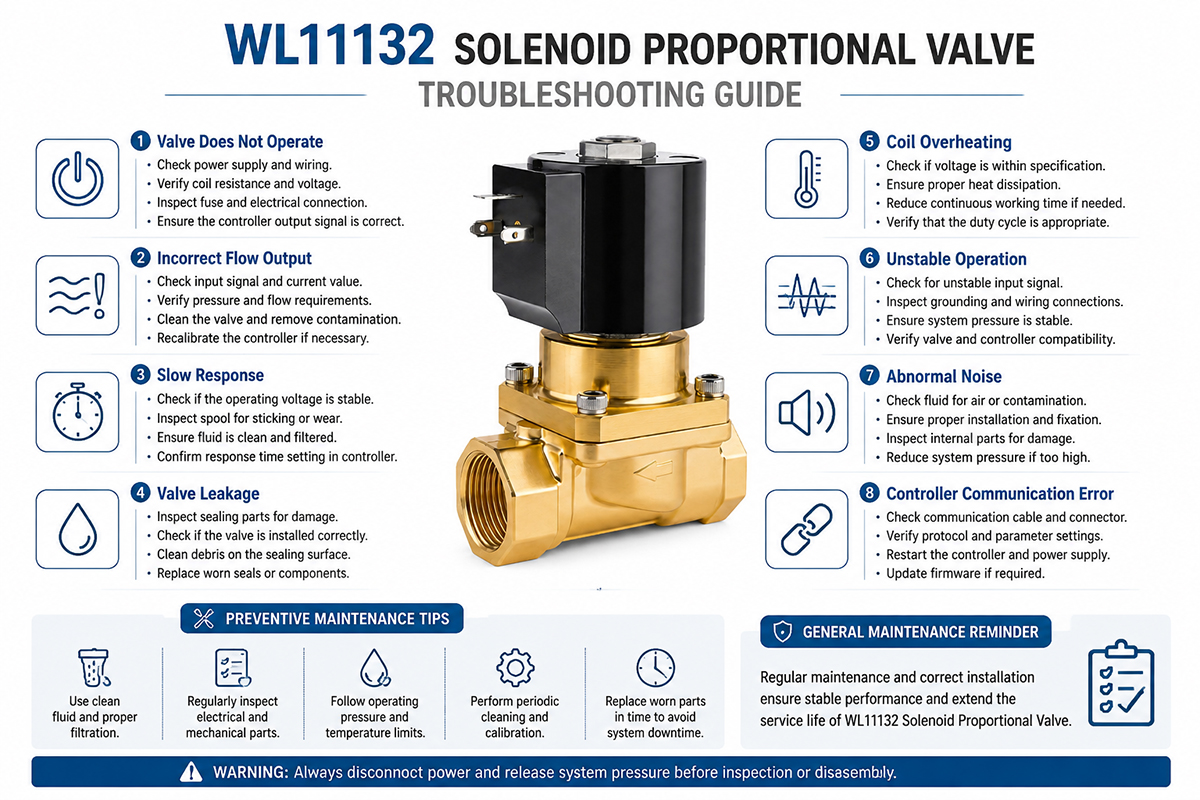
Thermal design is required to avoid the coil overheating during continuous operation.
Disregarding Response Requirements
“Valves for applications that require precise control must have an appropriate response speed and accuracy.
Weak System Integration
Make sure that valve is compatible with controllers, sensors and automation systems before installation.


