Skip image slider
High Security Electric Solenoid Lock for smart door lock
Compact Electric Solenoid Lock for Smart Equipment
OEM Electric Solenoid Lock Manufacturer Solution
Heavy Duty Electric Solenoid Lock for Cabinet Doors
Industrial Electric Solenoid Lock Access Control System
Reliable Electric Solenoid Lock for Security Systems

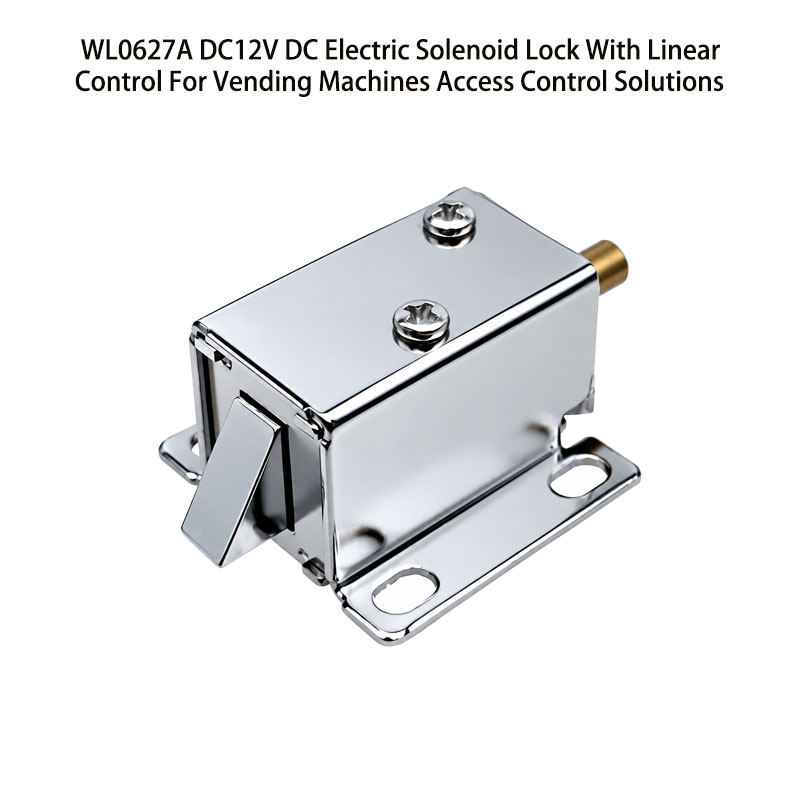
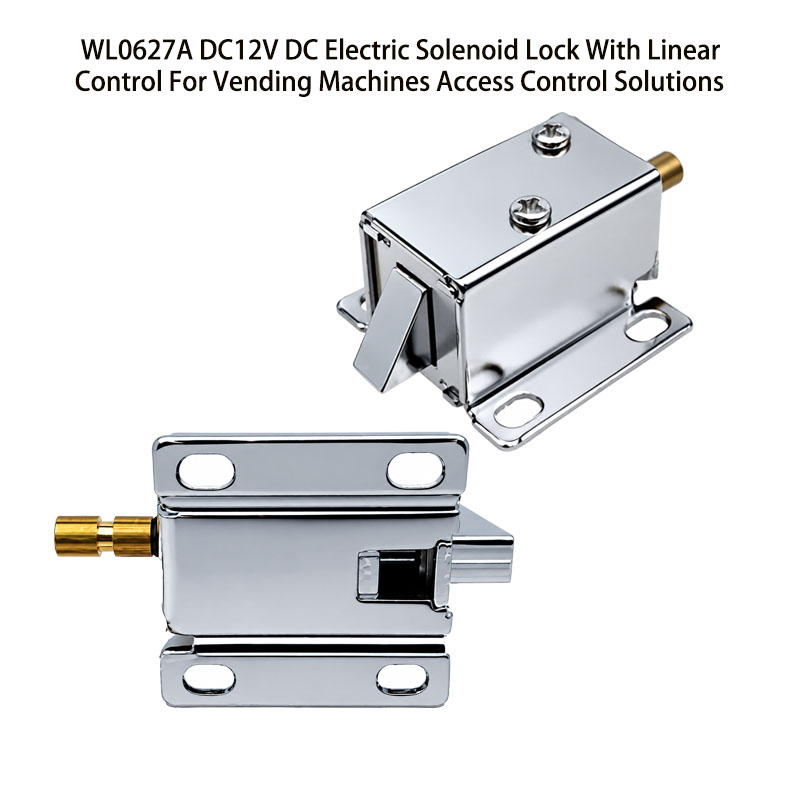
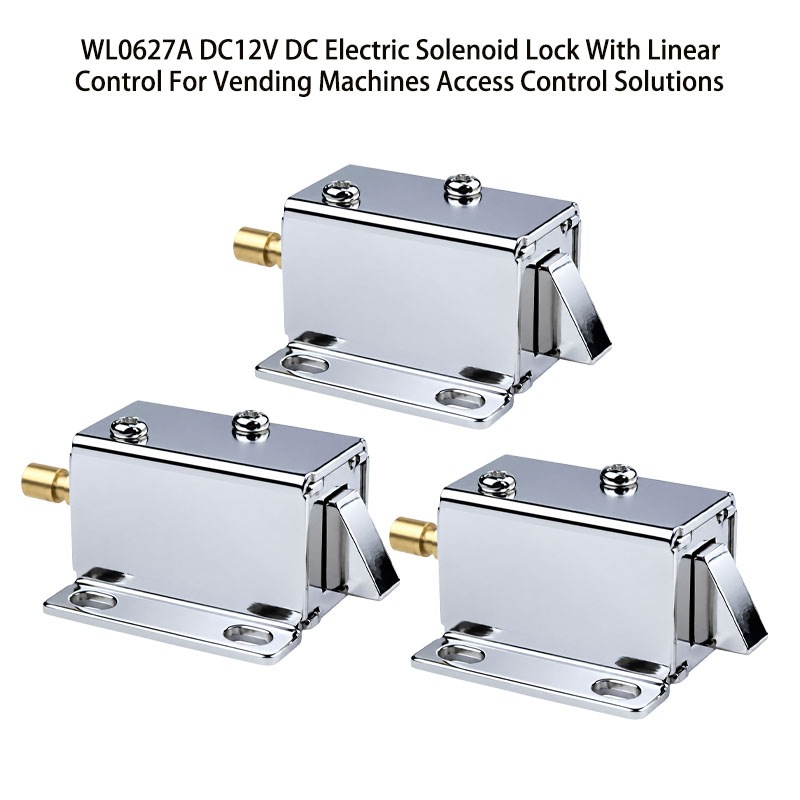
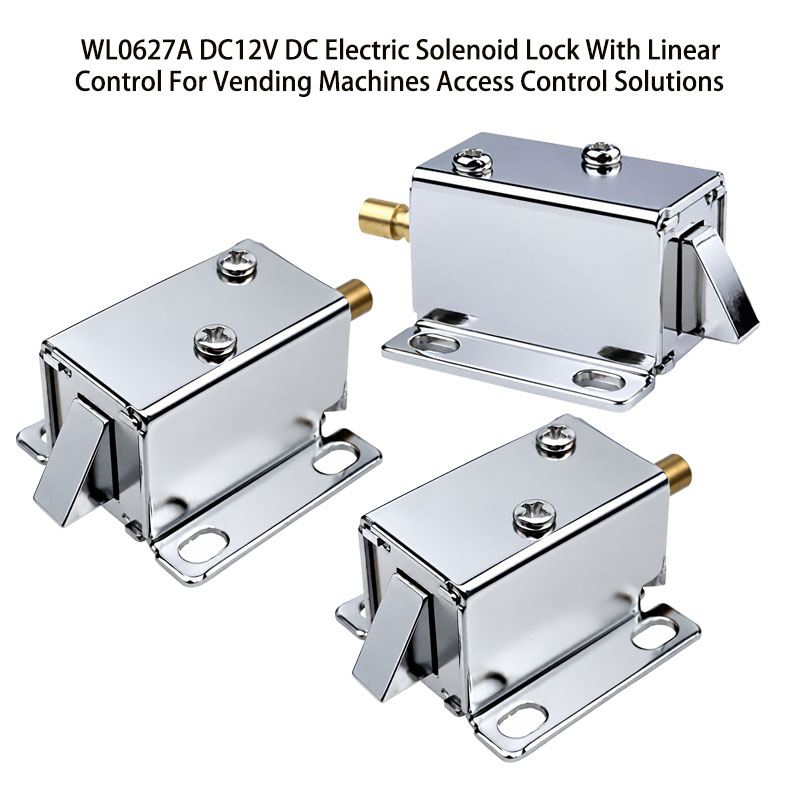
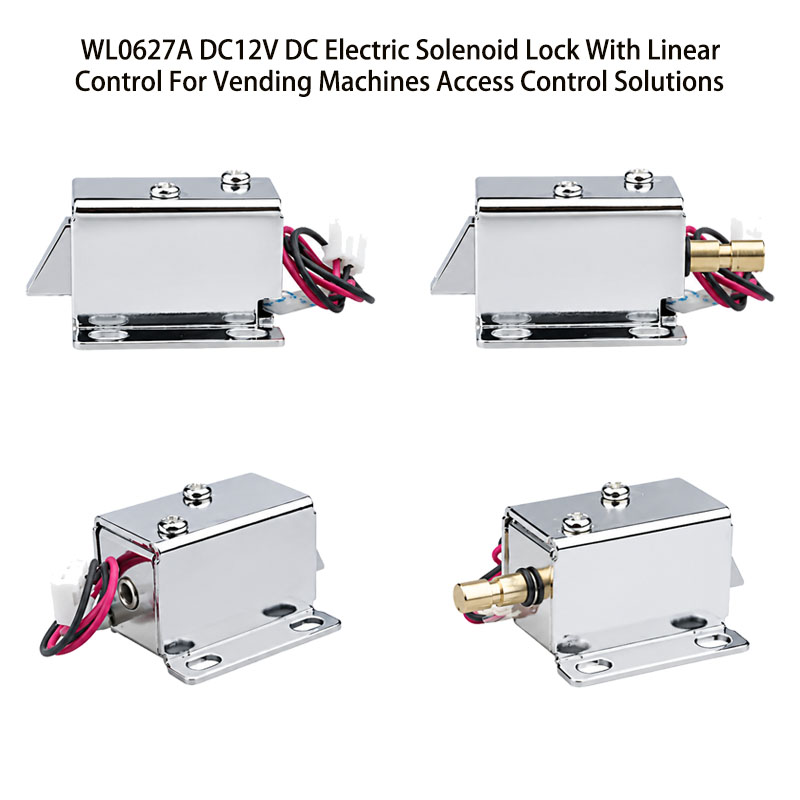
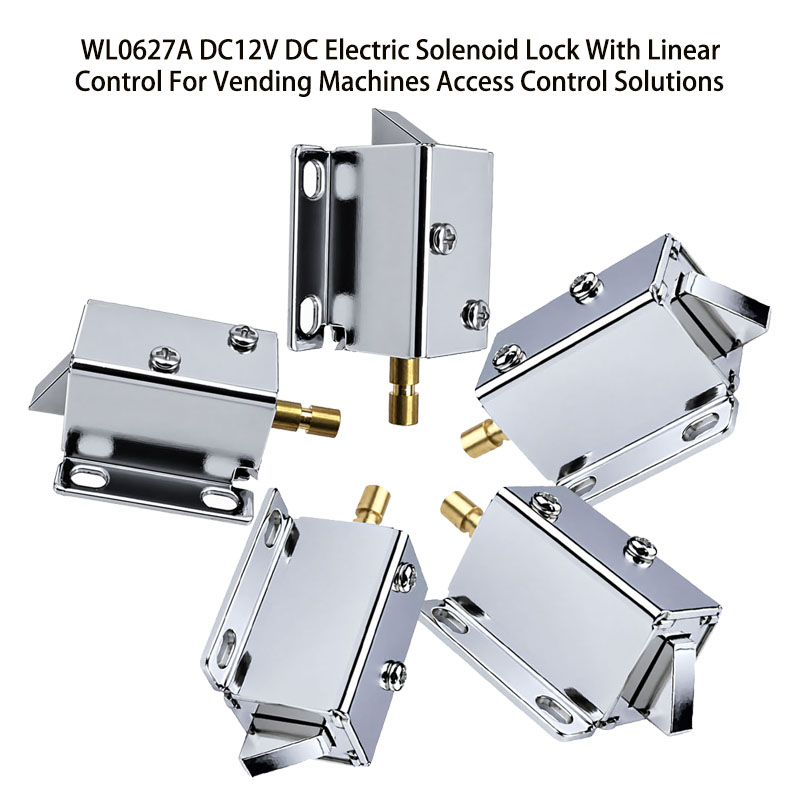
WL0627A Electric Solenoid Lock for Access Control Solutions

The electric solenoid lock is the most advanced and reliable security solution for modern automated machines. These locks feature electromagnetic principle, fast activation, reliable locking performance, and a long service life. They are commonly used in vending machines, smart lockers, package lockers, industrial control panels, and self-service terminals.

An electric solenoid lock is a substitute for traditional mechanical locks that can be controlled remotely through electronic signals. As a result, manufacturers can develop smart and adaptive access systems. Electric solenoid locks are available in different voltages, sizes, strokes, and mounting methods. They can be customized according to particular application requirements. Electric solenoid locks are ideal for OEM applications that need to provide secure, efficient, and automated locking performance with high durability and small dimensions.

Custom Electric Solenoid Lock Product Overview

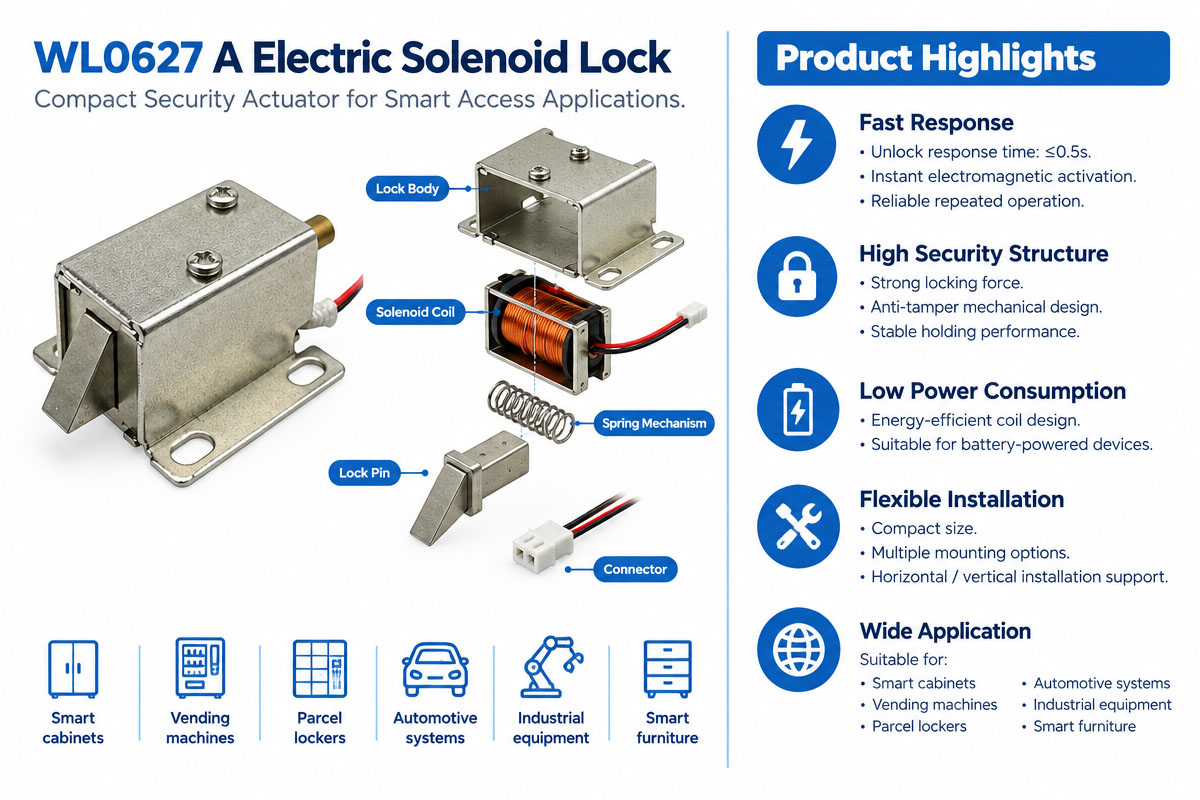
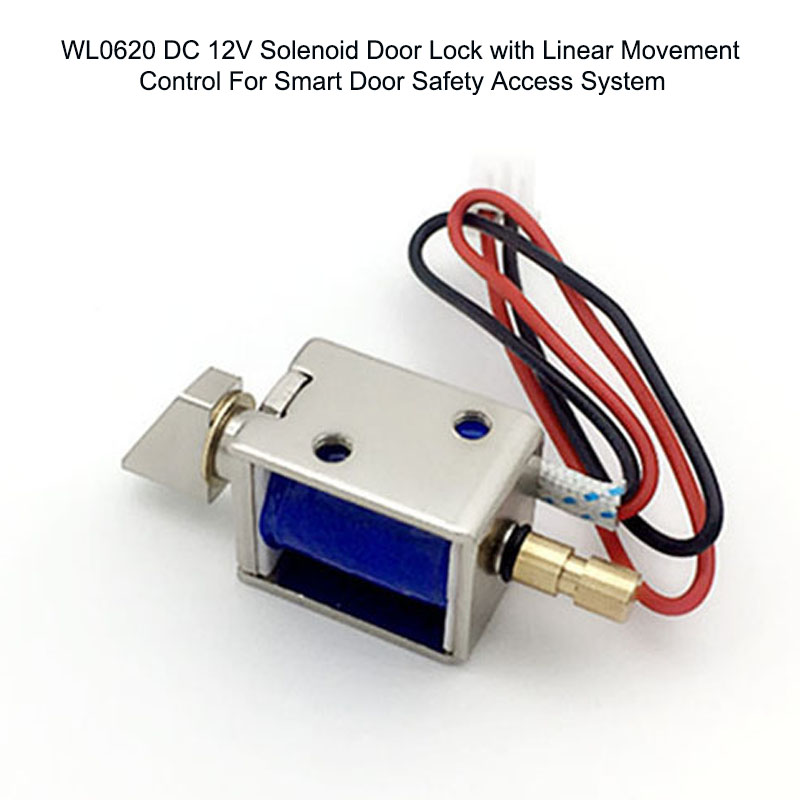
The electric solenoid lock is a compact electromagnetic lock for automated security applications. It comprises a solenoid coil, metal housing, plunger mechanism, spring reset system, and electrical interface. It converts electrical energy into mechanical motion for reliable locking and unlocking. Electric solenoid locks are available in various configurations and can be customized according to voltage, force requirement, installation space, and operational environment. They are characterized by reliable performance and fast response and are widely used in vending machines, smart lockers, industrial equipment, and access control systems.

How Do Electric Solenoid Locks Work?

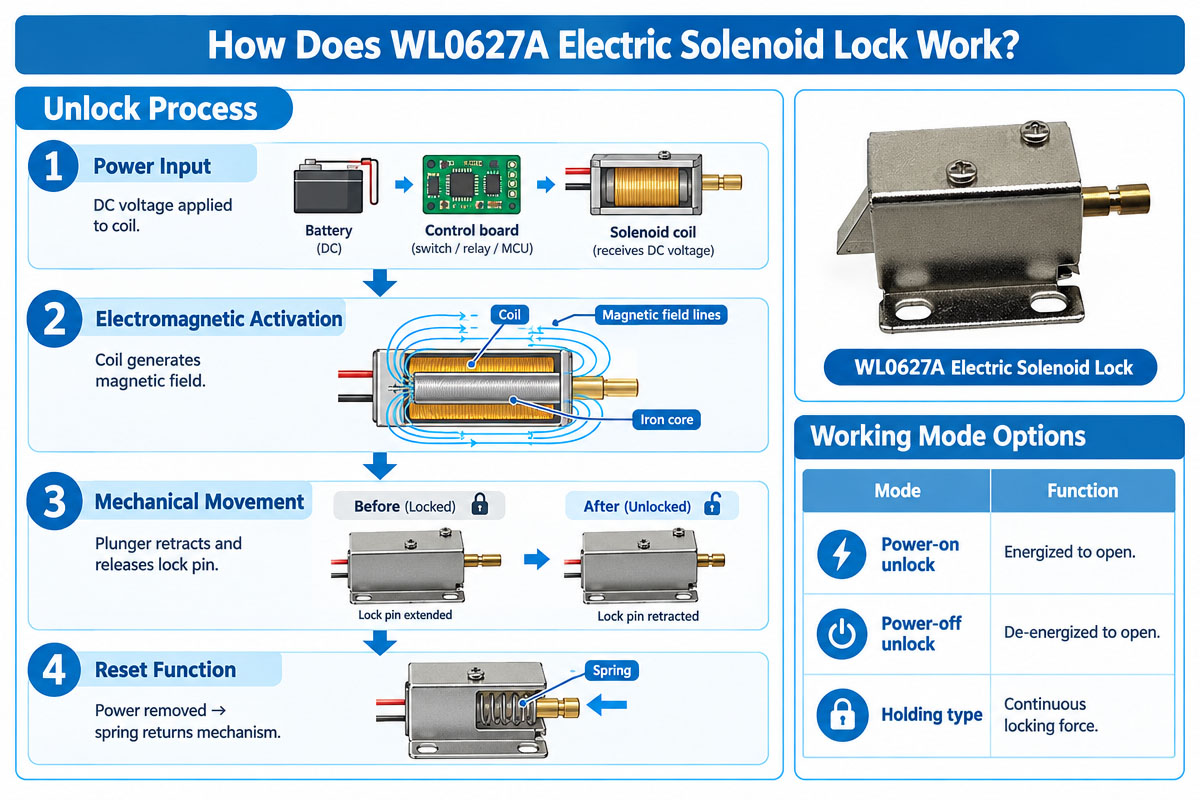
An electric solenoid lock functions on the electromagnetic conversion principle.

The operation principle of an electric solenoid lock includes the following steps:

1. Electrical Energy Supply

The solenoid coil is fed with a DC voltage from a controller or power supply unit.

2. Electromagnetic Field Generation

Once energized, the coil generates a magnetic field producing force inside the solenoid assembly.

3. Mechanism Activation

The magnetic force activates the internal plunger, resulting in the moving of the locking pin, and as a result, in the release or engagement of the locking mechanism.

4. Resetting

Once disconnected from electricity, the internal spring returns the plunger to its initial position, thus closing the locking cycle.

The lock is controlled by an access controller, sensors, IoT system, or automation equipment.

Main Features of Electric Solenoid Lock

The electric solenoid lock is characterized by small dimensions and reliable electromagnetic performance. These locks can be defined by the following features: fast activation, reliable locking performance, low power consumption, and easy integration into electronic control systems. Small dimensions make it easy to install the lock in limited spaces, while durable materials ensure high mechanical strength and long service life. They are available in various voltages, sizes, and different locking modes depending on application requirements. Other features include stainless steel housing, anti-corrosion protection, low noise operation, and high cycle durability. They can be used for industrial equipment, vending machines, smart lockers, and automated access control systems.

Custom Electric Solenoid Lock Product Video

Custom Electric Solenoid Lock Product Detailed Display

Custom Electric Solenoid Lock Product Datasheet

Brand Weilong Technology Model Number WL0627A
Rated Voltage (V) DC 6-12V Rated Power (W) 5โ€“10 W
Work Model PUSH-PULL Type Holding Force (N) 0.5โ€“1 N
Stroke (mm) 1โ€“5 MM Reset Time(s) 1 S
Service Life 300 Thousand Times Certification CE, RoHS, ISO9001,
Material Carbon Steel Housing with Zinc-Plated Coating Lead Wire Length (mm) 200
Install Style Adjustable Screw Tolerance of Dimension ยฑ 0.1 MM
Water-proof None Insulation Class F 155 Cel. Degree
Hi-Pot Test AC 600V 50/60Hz 2s Non-excitation Holding Force 0
Working Temperature -10ยฐC-100ยฐC Duty Cycle 1-100%
Thread Depth (mm) / Payment Term TT, or LC at Sight
Sample Order Yes. Warranty 1 Year
MOQ 500 pcs Supply Ability 5000 pcs per week
Delivery Time 30 Days Port of Loading Shenzhen

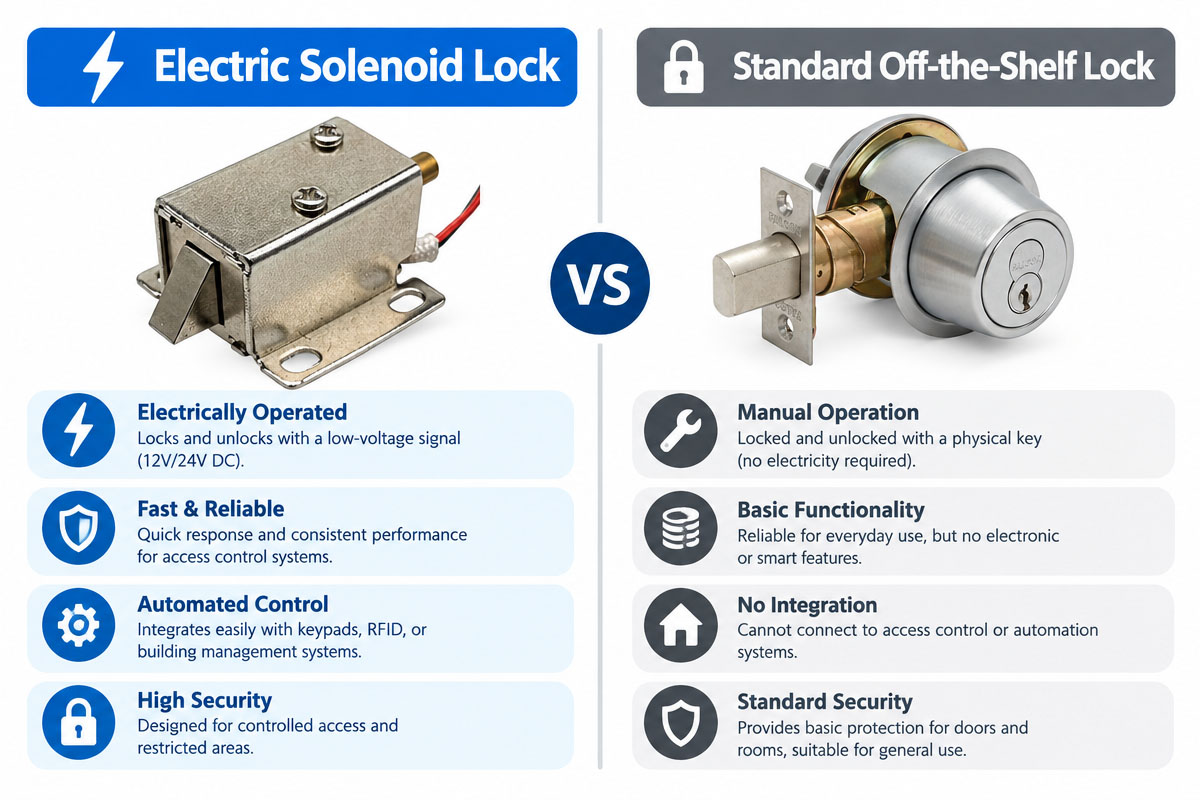
What is the difference between an electric solenoid lock and a standard off-the-shelf lock

What is the difference between an electric solenoid lock VS Standard Lock

Introduction

For standard access control systems of vending machines, smart cabinets, and industrial equipment, there are two options for manufacturersโ€”standard off-the-shelf mechanical locks or electric solenoid locks.

It affects security, ability to automate, maintenance, and user experience.

1. Method of control

Lock Standard Mechanical

Off-the-shelf locks have to be opened by physical key or manually. They are rather secure but do not provide direct communication with electronic devices.

Solenoid Electric Lock

Electromagnetic solenoid locks open due to electromagnetic impulses. They are easily integrated with controllers, sensors, payment systems, and IoT platforms.

It provides electronic control of the equipment, increasing its flexibility.

2. Flexibility of installation

Mechanical locks are stationary and need physical access to them.

Solenoid locks are compact and can be installed in inner panels of the equipment.

It makes them perfect for installation in modern vending equipment.

3. Ability to automate

Mechanical locks need human intervention to work.

Electric solenoid locks allow:

Open the lock remotely.

Control via software

Automation of the access management

Real-time monitoring

It is especially relevant for vending machines and smart lockers.

4. Maintenance needs

Mechanical locks are prone to wear of the keys or cylinders or to their illegal duplication.

Electric solenoid locks remove the necessity of key usage and provide easy access management.

But an electronic system requires good power management and wiring design.

5. Security consideration

Depending on the design, mechanical locks can provide good physical security.

Electric solenoid locks provide access control and can be integrated with other security systems such as alarms, sensors, and authentication modules.

The optimal choice will depend on the application.

6. Cost considerations

A mechanical lock usually is cheaper initially.

But electric solenoid locks are more expensive, but they are more economically viable due to automation, remote management, and maintenance.

Conclusion

Solenoid locks are intended to provide automated access to the equipment with electronic control and integration possibilities. For simple security applications, mechanical locks remain the best option. But solenoid locks provide a flexible solution for vending equipment, smart lockers, and industrial automation.

The choice of the lock is highly dependent on the security, control, and environment of the operation and further system development requirements.

Custom Electric Solenoid Lock For Safety Access Control

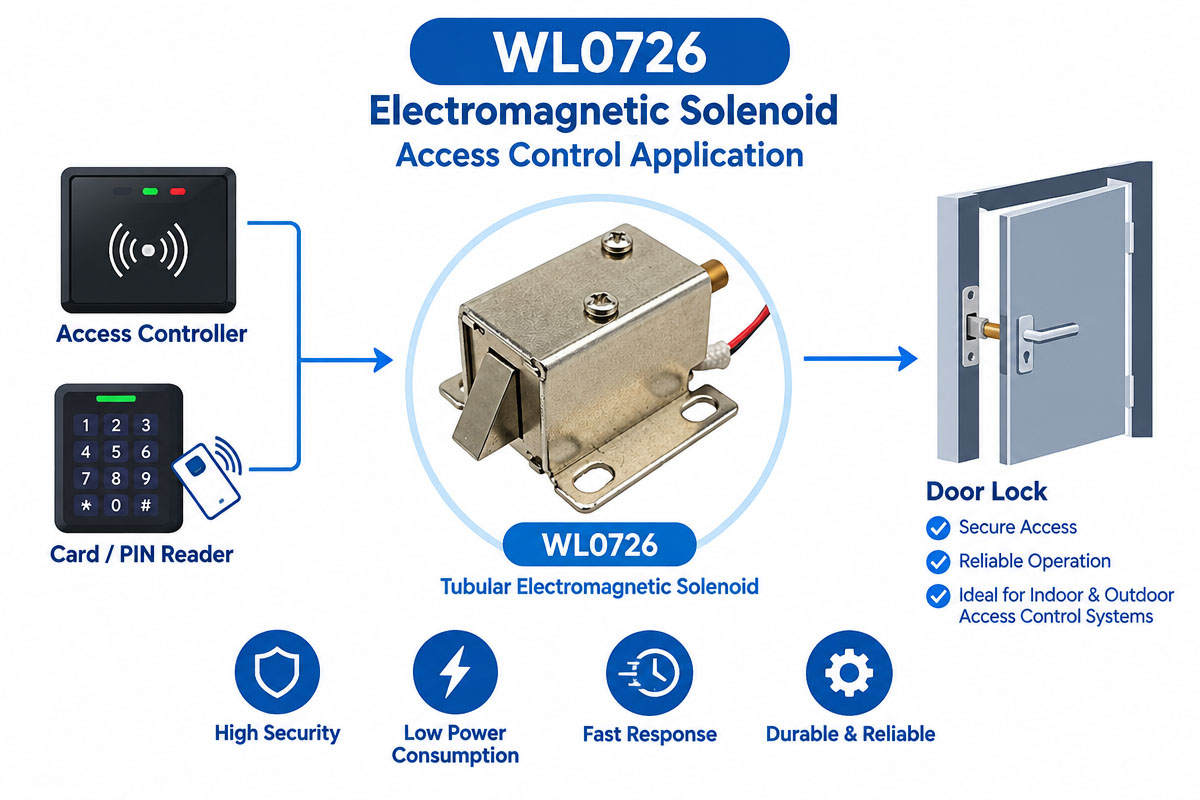
Electromagnetic solenoid lock for access control application

An lectric solenoid lock is widely applied in industrial automation and smart access control applications that require reliable locking.

Solenoid locks for vending equipment are used to provide controlled access to product storage compartments and maintenance doors. As a result, vending machines can operate in electronic payment systems and remote management platforms.

Electric solenoid locks are utilized in smart locker systems to provide secure parcel storage and automated pickup services. Individual compartments of each locker can be controlled by software commands.

Industrial applications such as control cabinets, machine enclosures, electrical panels, and automation equipment. Small dimensions of the lock make it possible to integrate into equipment where conventional locks cannot provide required flexibility.

Smart furniture, medical devices, transport systems, and self-service terminals are also equipped with electrically controlled solenoid locks. Capability to connect with sensors, controllers, and IoT systems makes them an important part of modern smart security solutions.

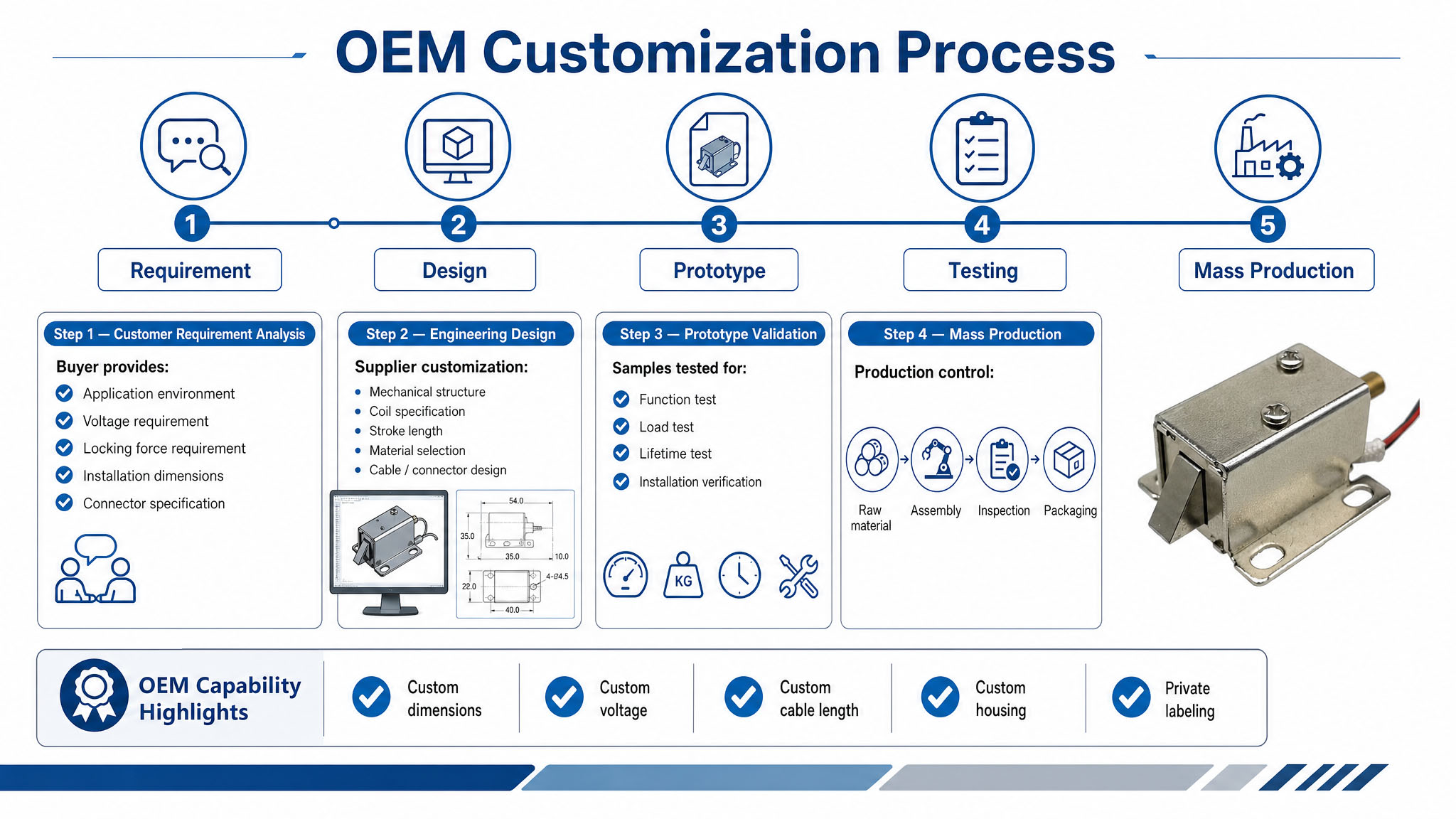
OEM manufacturers can benefit from customized solutions offering optimized dimensions, specific voltage requirements, customized connectors, and application-specific performance.

Why Electric Solenoid Locks Are Popular for Vending Machine Lock Solutions

Solenoid locks are becoming popular in intelligent vending machines, providing secured access management.

The solenoid lock of the modern vending machines has to work together with the payment module, monitoring platform, and controllers. As they are unlocked electronically with a simple electrical signal, solenoid locks work quickly and reliably.

A solenoid lock can be made cleaner and more flexible in comparison to a mechanical lock for the structure of the vending machine. In addition, they don’t require a physical key and allow centralized management.

The main benefits of solenoid locks for vending equipment manufacturers are:

Compact installation

Fast reaction

Long-term operation

Maintenance-free

Simple integration

Due to the continuous development of unmanned retail and intelligent vending solutions, solenoid locks have become an integral part of the vending machines as a reliable access solution.


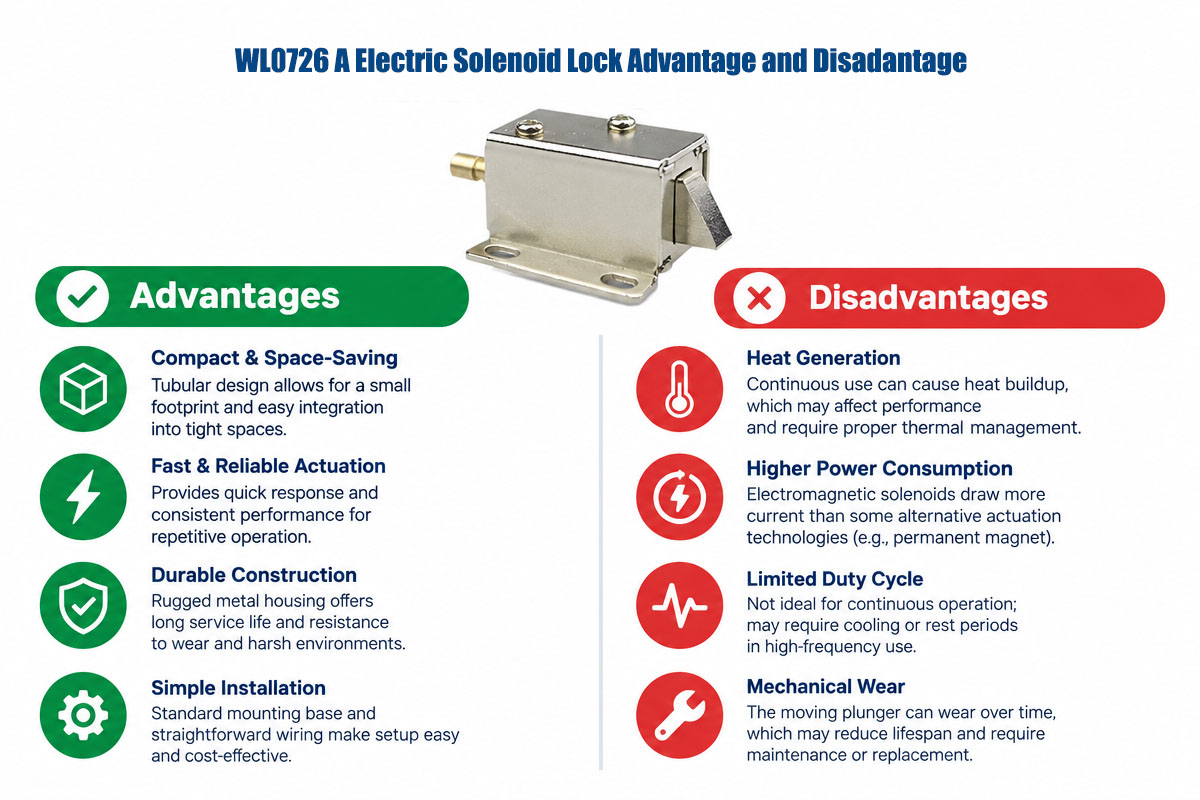
Custom Electric Solenoid Lock Advantage and Disadvantage

Custom Electric Solenoid Lock: Advantages and Disadvantage

Custom Electric Solenoid Lock Advantages

There are a lot of advantages of electric solenoid locks compared to conventional mechanical ones.

The first one is electronic controlling, allowing them to be installed with controllers, sensors, and IoT platforms. Thus, solenoid locks are convenient to be used in automatic equipment.

The second one is the compact structure and the ease of installation even in small places. They have a fast response and reliable operation controlled by electrical impulses.

The third one is the possibility of customization according to the different parameters, such as the voltage, the size, the force, and the installation place.

Disadvantages

But there are some disadvantages as well.

Firstly, they depend on electricity to operate.

Secondly, constant energizing can lead to overheating; therefore, the duty cycle has to be considered in design.

Finally, compared to some powerful mechanical systems, they can have less holding force and might not be convenient for high-security applications without additional mechanical reinforcement.

Their advantages and limitations can be balanced due to proper selection and engineering.

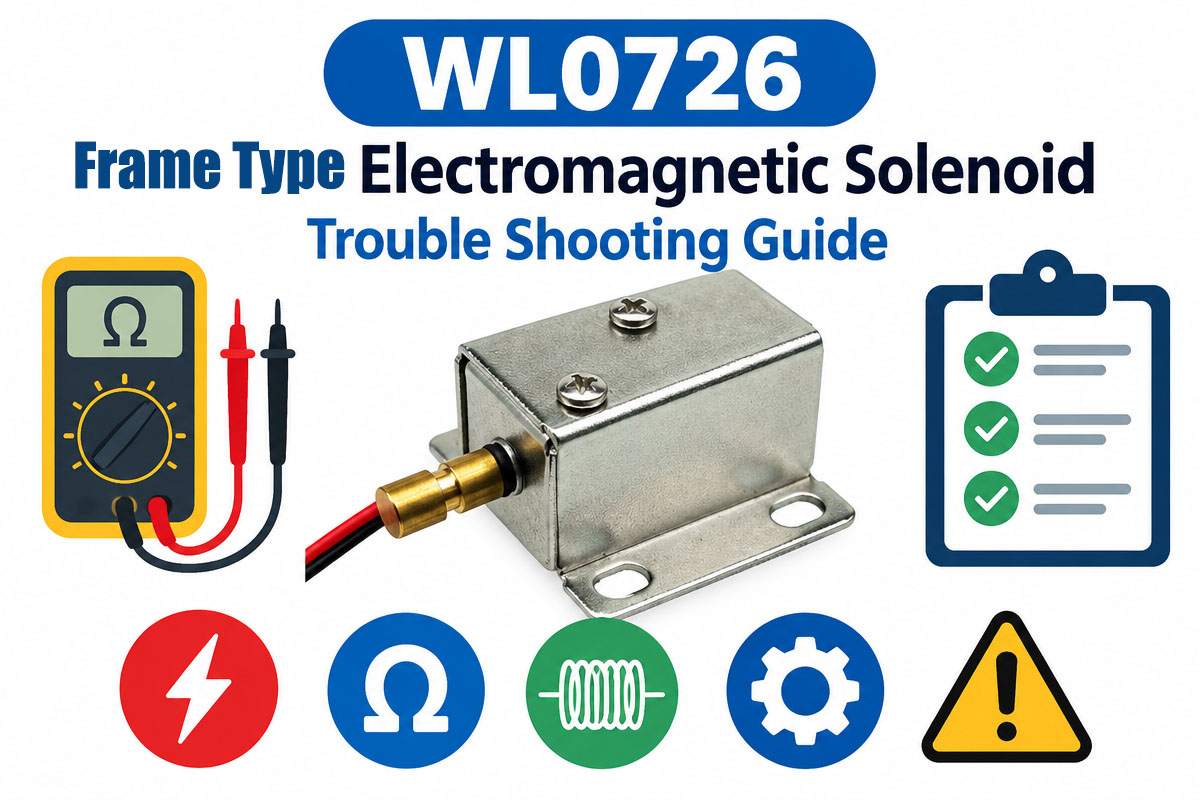
How To Troubleshoot Electric Solenoid Lock Issues

Frame Type Electromagnetic Solenoid Lock Troubleshooting Guide

Issue 1: Non-working Lock

Reasons:

Incorrect voltage level

Loose electrical connections

Damaged coil

Possible solutions:

Checking of power supply #

Checking of cables

Replacement of damaged parts

Issue 2: Low locking power

Reasons:

The voltageย level is too low.

Obstacle in the mechanical part

Wrong selection of the model

Possible solutions:

Checking of voltage level

Checking of the installation place

Choosing the lock with higher locking power

Issue 3: Overheating

Reasons:

Constant energizing

Wrong selection of the duty cycle

Possible solutions:

Use of intermittent running.

Selection of the right model

Issue 4: Noisy working

Reasons:

Friction in the mechanical part

Malfunctioning installation

Possible solutions:

Adjustment of the mounting place

Checking of the internal mechanism

If it is properly installed and serviced periodically, the reliability of the solenoid lock can be increased substantially.

Electric Solenoid Lock FAQs

1. What is an electric solenoid lock and why should I pick it for my equipment?

An electric solenoid lock is an electromagnetic locking device that works due to the electrical impulses and manages locking and unlocking processes. When the solenoid lock is energized, the solenoid coil produces a magnetic field that moves the locking pin/plunger.

From the buyer’s perspective, electric solenoid locks are the best choice as they:

Can be used to control access with electronics.

Provide fast reaction time.

Have a compact installation design.

Provide reliable repeated operation.

Can be easily integrated with smart devices and control systems.

They are actively used in vending machines, smart lockers, industrial cabinets, access control systems, and automation systems.

2. How to choose the right electric solenoid lock for my application?

The correct solenoid lock depends on several application requirements:

1. Nominal voltage

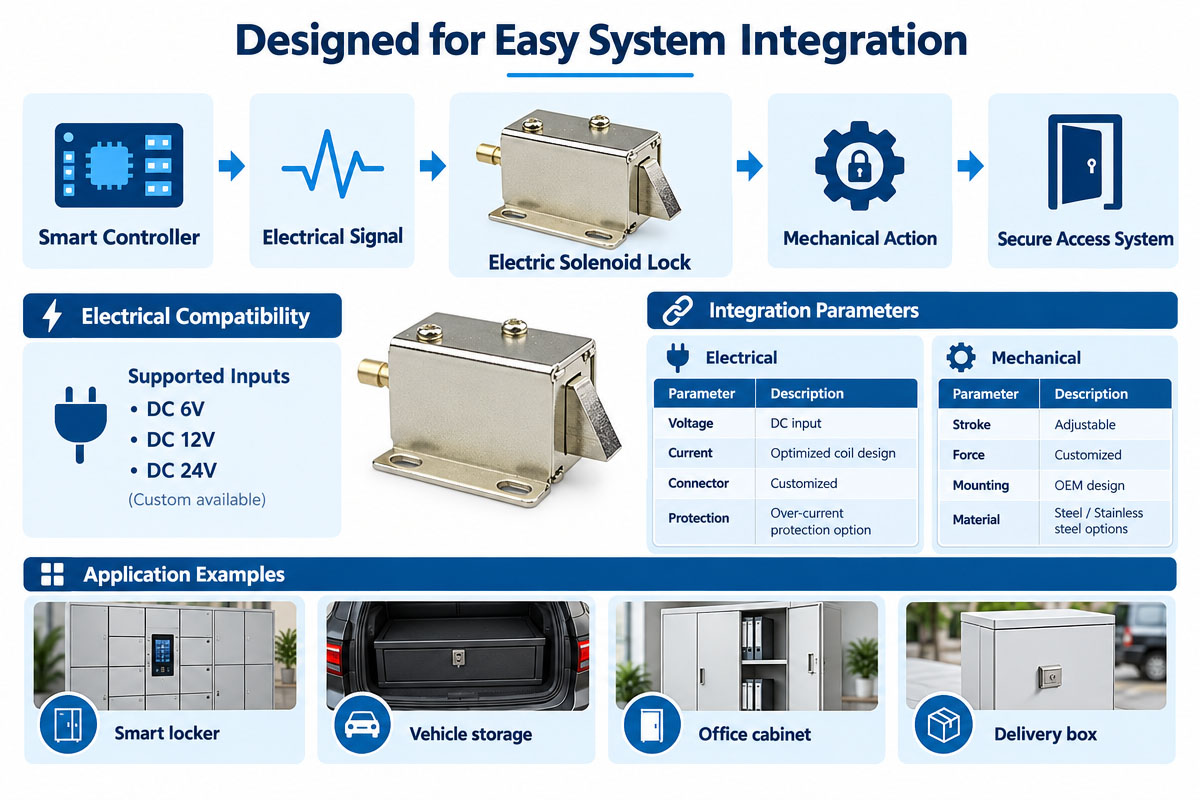
DC 6V DC 12V DC 24V

2. Securing force

It should be chosen depending on the door weight, security level, and mechanical loading.

3. Working frequency

For high-cycle applications such as vending machines, a high-cycle lock should be selected.

4. Space for mounting

Peep it:

Size of the lock

Mounting holes

Stroke length

Direction of the cable

5. Climate

Temperature, humidity, dust, vibration, and noise of the operating environment.

A vendor who is a specialist will help to select the right model for your equipment design.

3. Is the electric solenoid lock suitable for customization for OEM projects?

“Yes. Electric solenoid locks will make OEM customization very easy.

Manufacturers are able to customize:

Lock size and structure

Operating voltage

Securing force

Distance of stroke

Length of cable

Type of connector

Housing material.

Mounting method

Branding and packaging

Vending machines, smart lockers, and industrial equipment manufacturers will be able to increase the reliability of the product and provide better mechanical compatibility with custom solenoid locks.

4. How long does an electric solenoid lock typically last?

Service life depends on the design of the product, operating environment, load conditions, and frequency of use.

High-quality electric solenoid lock will be able to accomplish:

Thousands to hundreds of thousands of operational cycles

Stable securing during a long period of time

Reliable repeated operation

Before volume purchasing, buyers have to ask for the information about reliability test data that includes:

Life-cycle testing

Stress tests

Temperature test

Electrical performance test

By choosing the manufacturer who controls the quality strictly, you will be sure in consistency of the product lifetime.

5. Can I combine an electric solenoid lock with smart access systems and vending machines?

Yes. Electric solenoid locks are actively used in vending equipment and smart access solutions.

They are able to integrate with:

Main control unit boards

Payment systems

RFID Module

Mobile apps

IoT platforms

Security and access control systems.

In vending machine applications, the control system sends an electrical impulse to the lock to unlock it, providing authorized users or maintenance personnel access to the equipment.

Thus, solenoid locks are essential for unmanned retail and automated service solutions.

6. What info do I need to provide to request a quotation?

To get a correct quotation, buyers have to provide:

Information on Product

Application type

Necessary quantity

Target audience

Technical Specifications

Operating voltage

Securing force

Stroke Length

Direction lock

Operation frequency

Mechanical Specifications

Overall size

Installation method

Connector specification

Cable length

Business Needs

OEM requirements

Certification requirements

Packaging requirements

Delivery Timetable

Complete specifications will help suppliers to recommend the best solution and prevent redesign.


7. What quality standards and certifications should I look for before I buy?

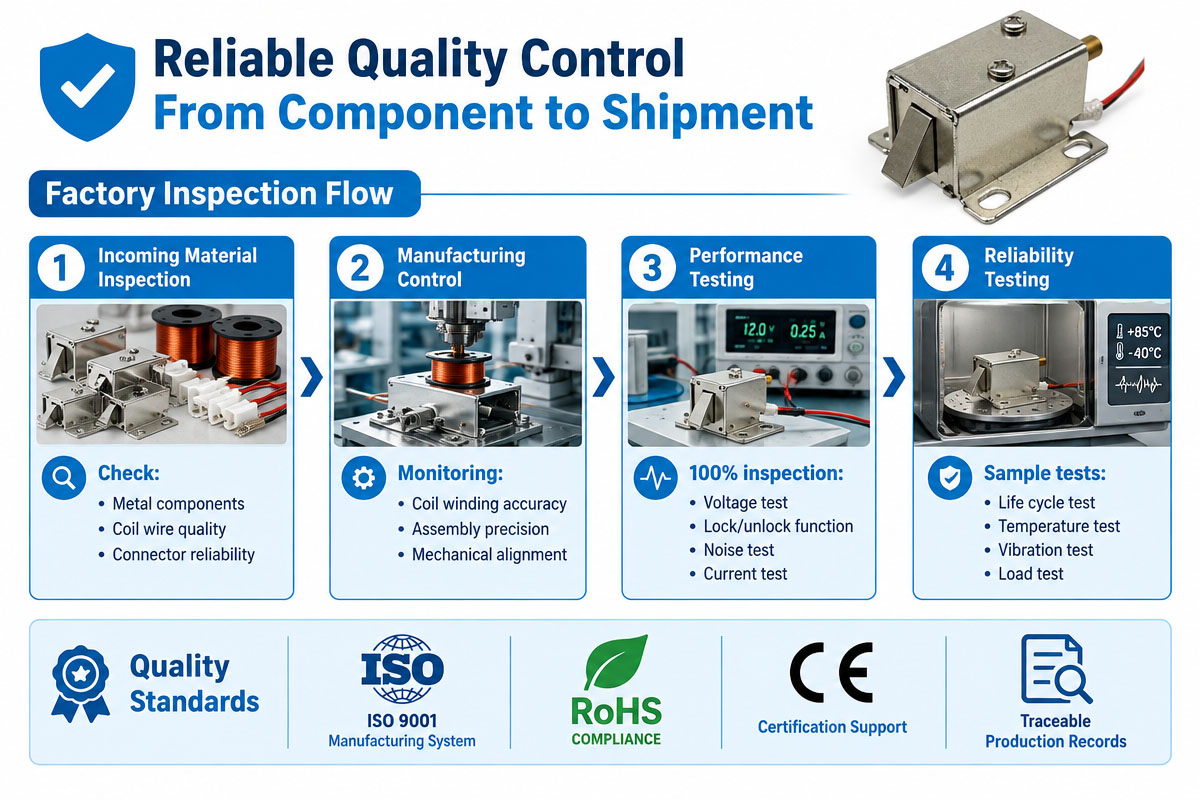
Buyers have to evaluate the quality system of the supplier and the compliance of the products before buying electric solenoid locks.

The main elements are

ISO 9001 quality management system

RoHS compliance

Help with CE certification

Material inspection reports.

Reliability test records

Production traceability

In addition, buyers have to be sure that the supplier performs:

Quality control of the incoming material

Coil performance testing

Mechanical function testing

Final product testing

Stable performance in mass production with a complete quality control process.

8. What are the common problems when using electric solenoid locks and how to prevent them?

The most common problems are

The lock does not work.

Reasons:

Wrong voltage level

Wiring issues

Damaged coil

Answer:

Check the electrical specifications before installation.

Low locking power

Reasons:

Wrong model selection

Mechanical misalignment

Answer:

Select the lock depending on the real load requirements.

Overheating

Reasons:

Constant energizing

Solution:

Select the right duty cycle model.

Limited lifespan

Reasons:

Wrong installation

Too high mechanical stress

Answer:

Perform the prototype testing before mass production.

Selection of the right product, designing of the installation, and consultation with the supplier will significantly improve the performance of electric solenoid locks.


How to Choose an Electric Solenoid Lock?

You must consider a number of technical and application issues to select the proper electric solenoid lock.

1. Determination of Application Requirements

Determine first the equipment on which the lock will be mounted. Applications have different locking forces, cycles of operation, and environmental protection requirements.

For example:

Vending machines are usually small and operate frequently.

Industrial cabinets require strong locking force.

Protection against corrosion for outdoor equipment.

2. Verification theVoltage Compatibility

It is necessary to confirm available voltage before selection.

Available voltage choices include

DC 6V DC 12V DC 24V

The selected lock voltage should be compatible with the control system.

3. Measuring Locking Force

The required holding force depends on door weight, security requirements, and mechanical structure.

Higher locking force is required for:

Doors for heavy equipment

Locker (security)

Outdoors

4. Consideration of Duty Cycle

Different solenoid locks have different operational modes.

Important factors:

Continuous run time

Activation frequency

Heat production

If the lock will be used frequently, choose a lock with high cycle performance.

5. Mechanical size check

Before purchase, please check:

Mounting holes

Direction of lock

Stroke

Cable location

Installation space 2.

6. Customization Issues

OEM projects may require:

Custom-designed housing

Special connectors โ€“

Cables of different lengths

Customization of lock structure

Better compatibility and reliability with experienced manufacturers.

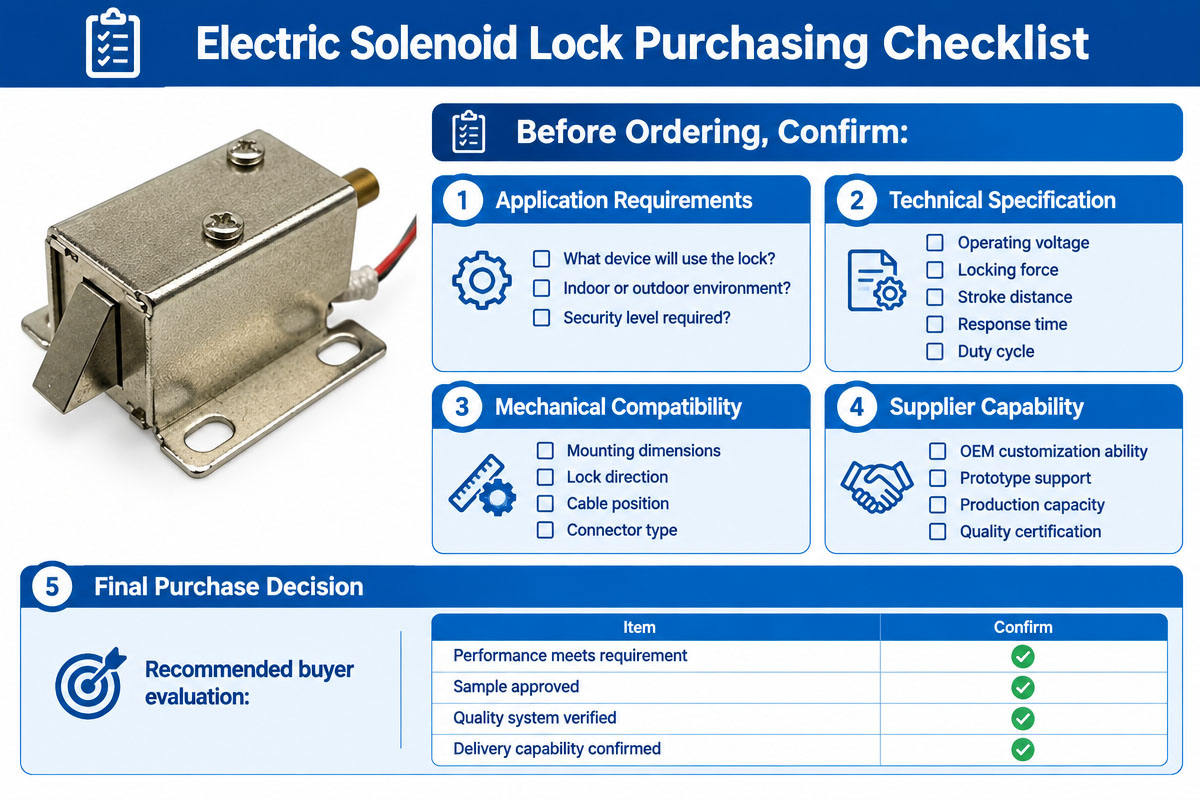
7. Electric Solenoid Lock Buyer Checklist

โœ“ Application scenario

โœ“ Voltage compatibility

โœ“ Locking force

โœ“ Dimensions and mounting method

โœ“ Prototype testing

โœ“ Quality certifications

โœ“ OEM customization

โœ“ Production capacity

This checklist helps buyers to reduce design risks and to select a reliable electric solenoid lock solution.

Common Mistakes to Avoid When Designing Electric Solenoid Locks

Design errors include:

1. Incorrect voltage selection

Incorrect voltage leads to overheating, weak force, or failure.

2. Ignoring Heat Dissipation

Continuous energizing causes heat generation. Proper duty cycle calculation is necessary.

3. Incorrect calculation of locking force

Lock selection should be based on mechanical load.

4. Incorrect installation alignment

Improper alignment of the lock and door mechanism can reduce the lock’s lifespan.

5. Ignoring Environmental Conditions

Humidity, dust, vibrations, and temperature should be considered during the design.

6. Lack of Life Test

Mass production requires a prototype test.
Get A Free Quote Now

Contact Form

Related Products

Related News

Scroll to Top

Get A Free Quote Now !

Contact Form
If you have any questions, please do not hesitate to contact us.
Weilong Solenoid Company Culture