Skip image slider
Proportional Control Valve for Efficient Fluid Systems
Proportional Control Valve for Advanced Hydraulics
Proportional Control Valve for Process Automation
Proportional Control Valve for Industrial Machinery
Proportional Control Valve for Modern Factory Systems
Proportional Control Valve for Automated Fluid Control

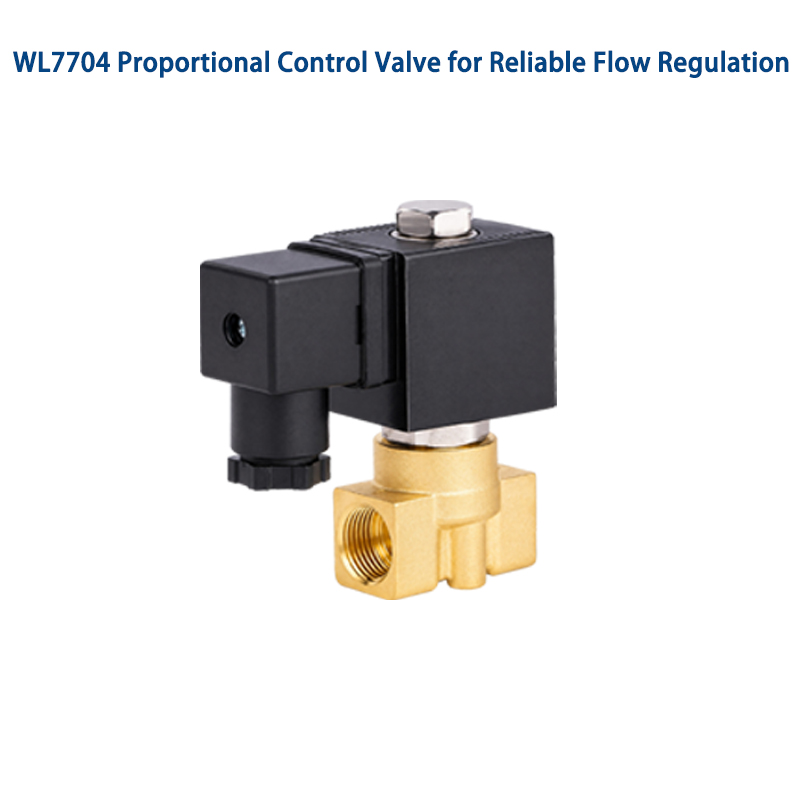
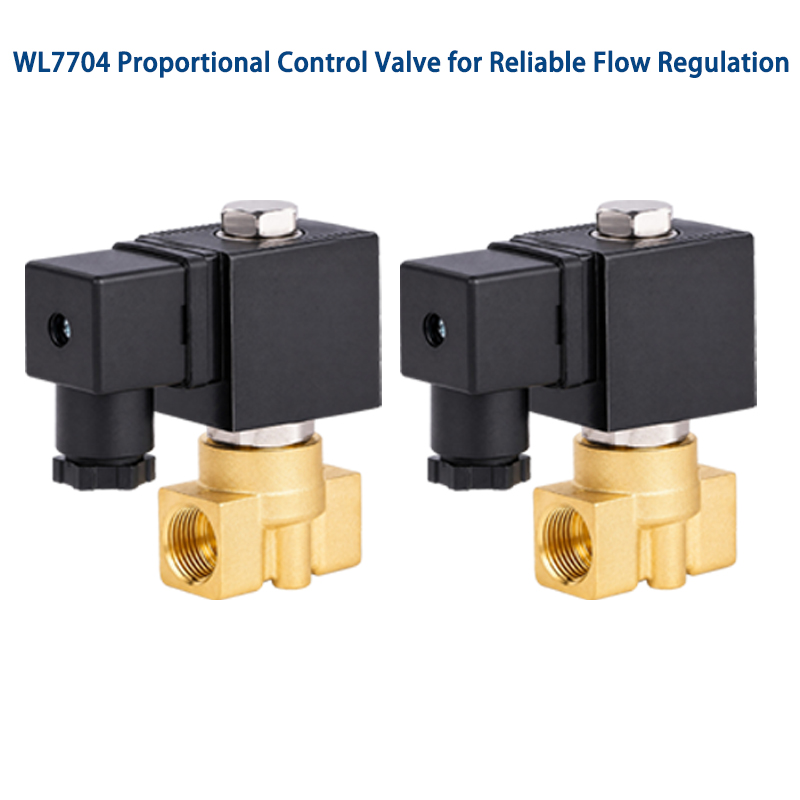
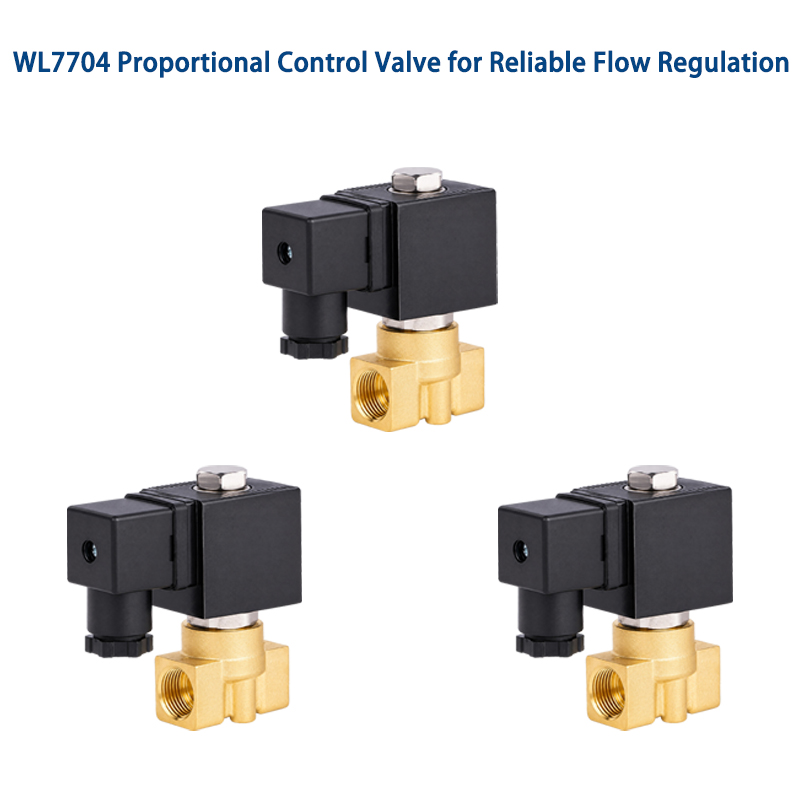
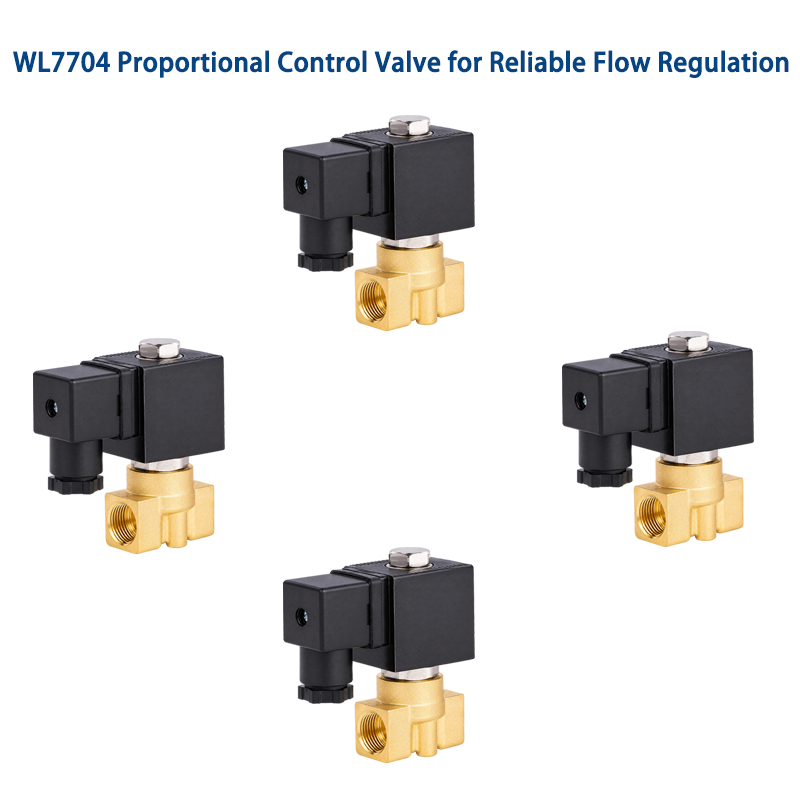
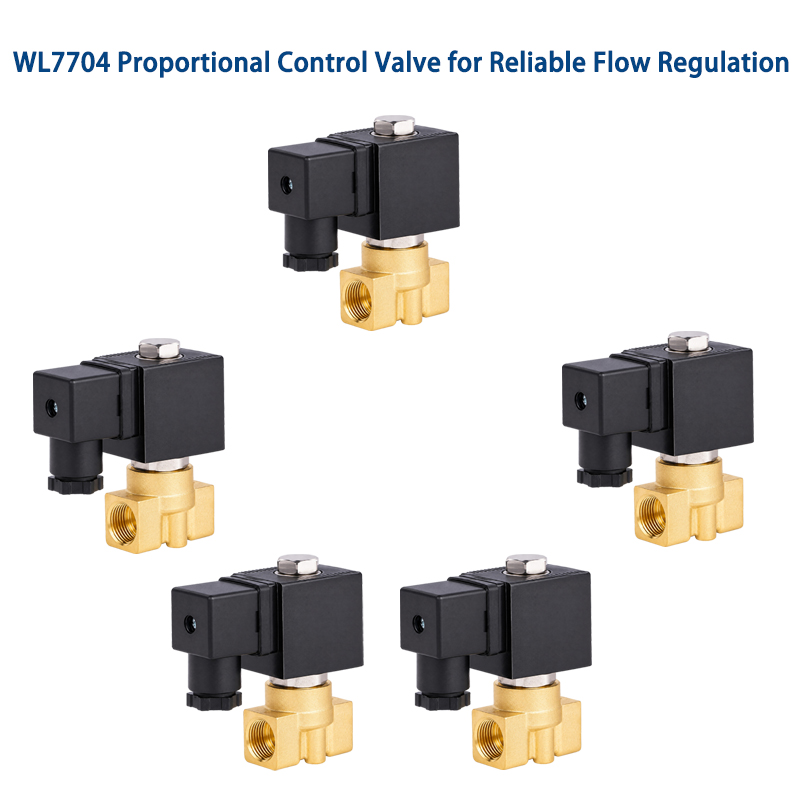
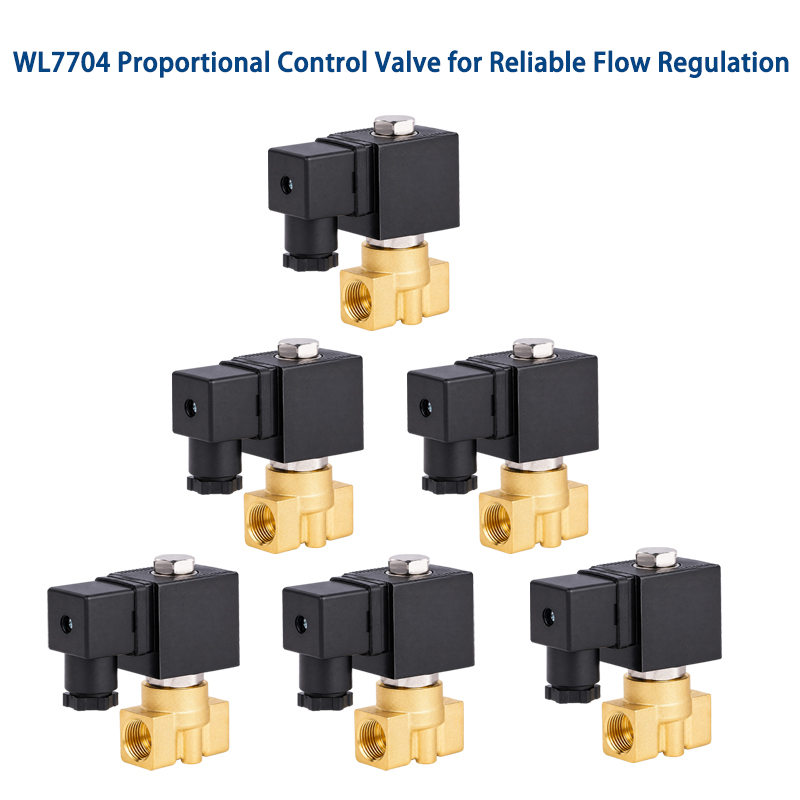
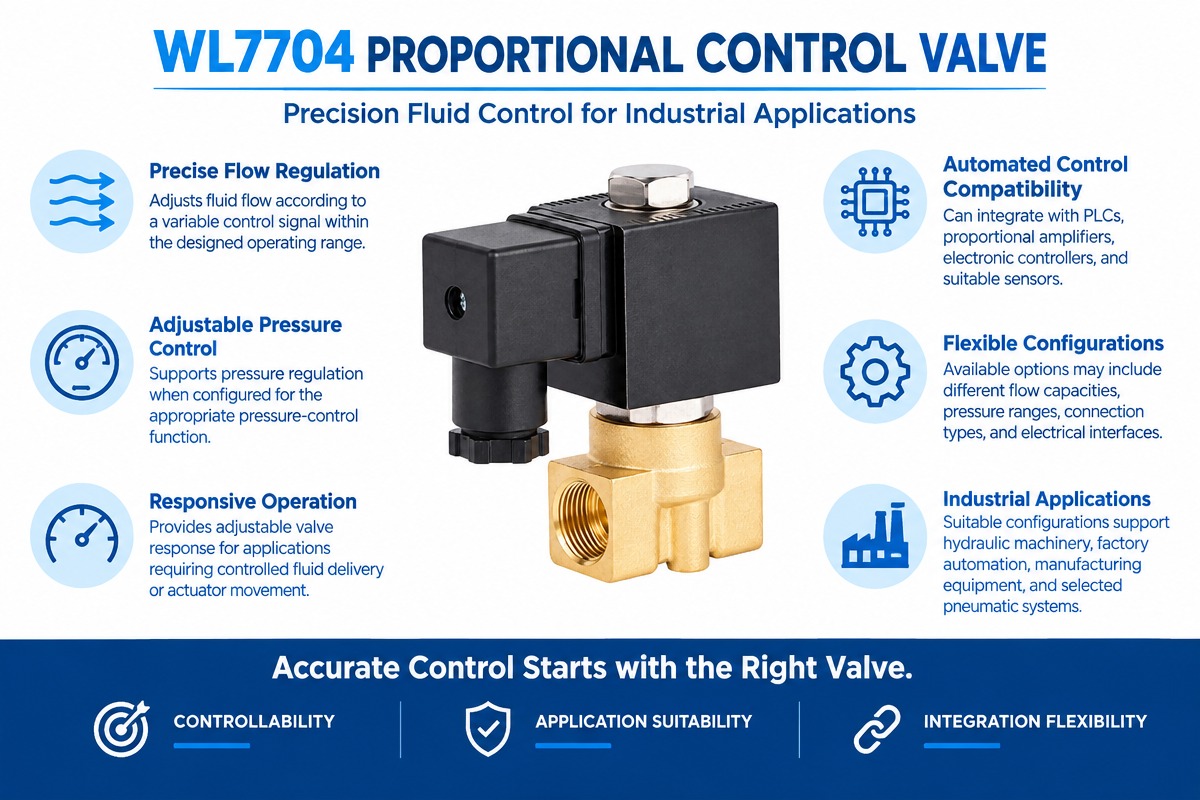
WL7704 Proportional Control Valve for Responsive Flow Control

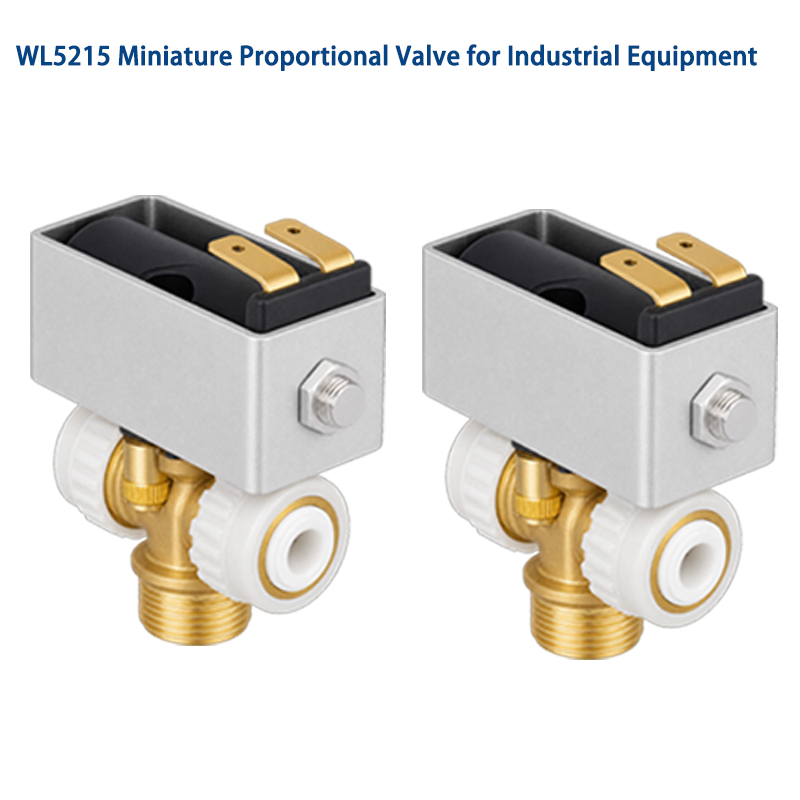
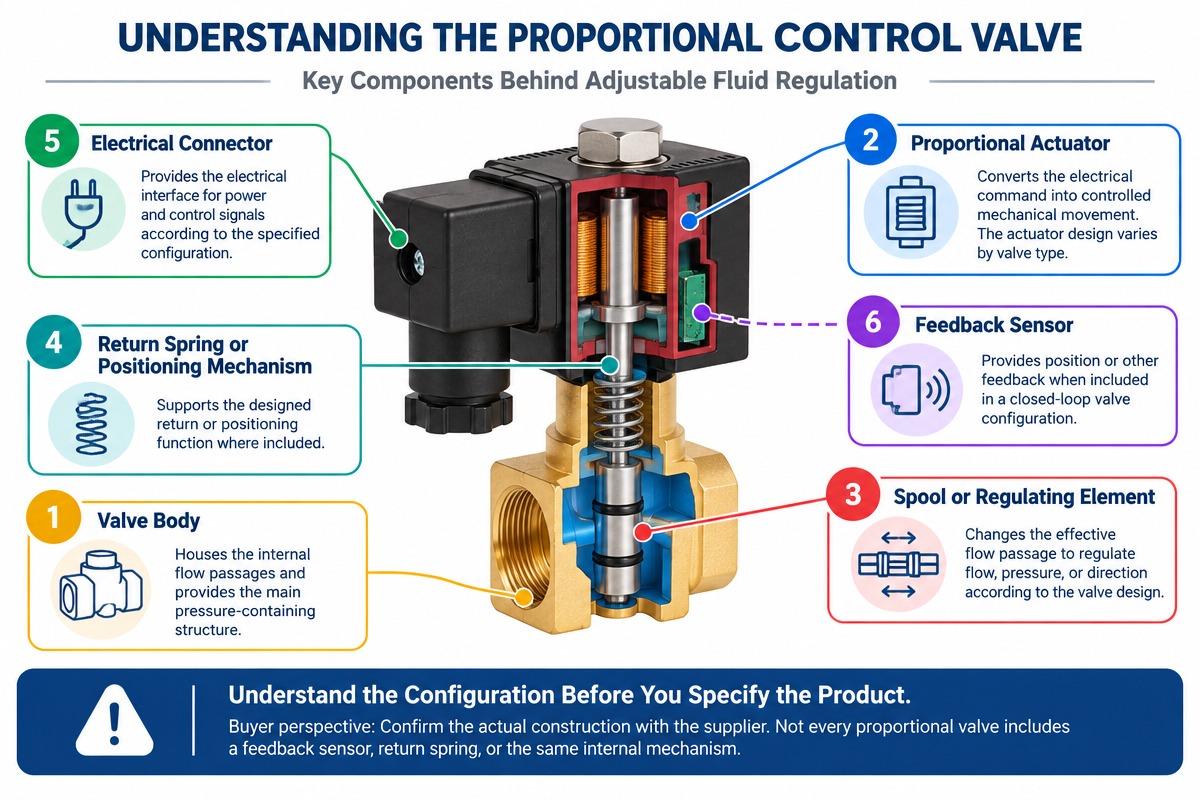
A proportional valve is a highly advanced fluid control device that controls fluid flow, pressure or direction in proportion to the electrical input signal. It is not a standard on / off valve. It is able to adjust its output in a proportional manner over its designed operating range. It ensures smooth control of the industrial processes. Proportional valves may use hydraulic, pneumatic, and other appropriate fluid control technologies depending on the application. They are widely applied in industrial automation, hydraulic machines, manufacturing machines, mobile machines and industrial process control systems. The selection criteria include flow capacity, operating pressure, response time, control signal, fluid compatibility, leakage requirements and installation dimensions. In some applications, electronic controllers and feedback sensors are used in order to improve the accuracy and dynamic response. Proportional valve should be correctly sized and controller correctly configured as a prerequisite to reliable operation. Proportional valve technology allows controlling of fluid flow and pressure with proportional control valves ensuring engineers the possibility to fine tune machine movement, process accuracy, energy consumption and production efficiency in a variety of industrial applications.

Proportional Control Valve Description

What is Proportional Valve?

A proportional control valve is a fluid control device which is capable of adjusting fluid flow rate, pressure or direction in proportion to a variable control signal. It usually operates by using an electrical signal to actuate an actuator or internal valve mechanism. Intermediate positions of operation are possible besides fully open and fully closed positions. There are proportional valves of various designs: hydraulic, pneumatic and others depending on the application. They are commonly found in automated machines, manufacturing systems, mobile machines and industrial process control. Their performance depends on valve design, fluid properties, operating pressure, signal and the settings of controller. A right selection will provide proper regulation and response.

How Does Proportional Control Valve Work?

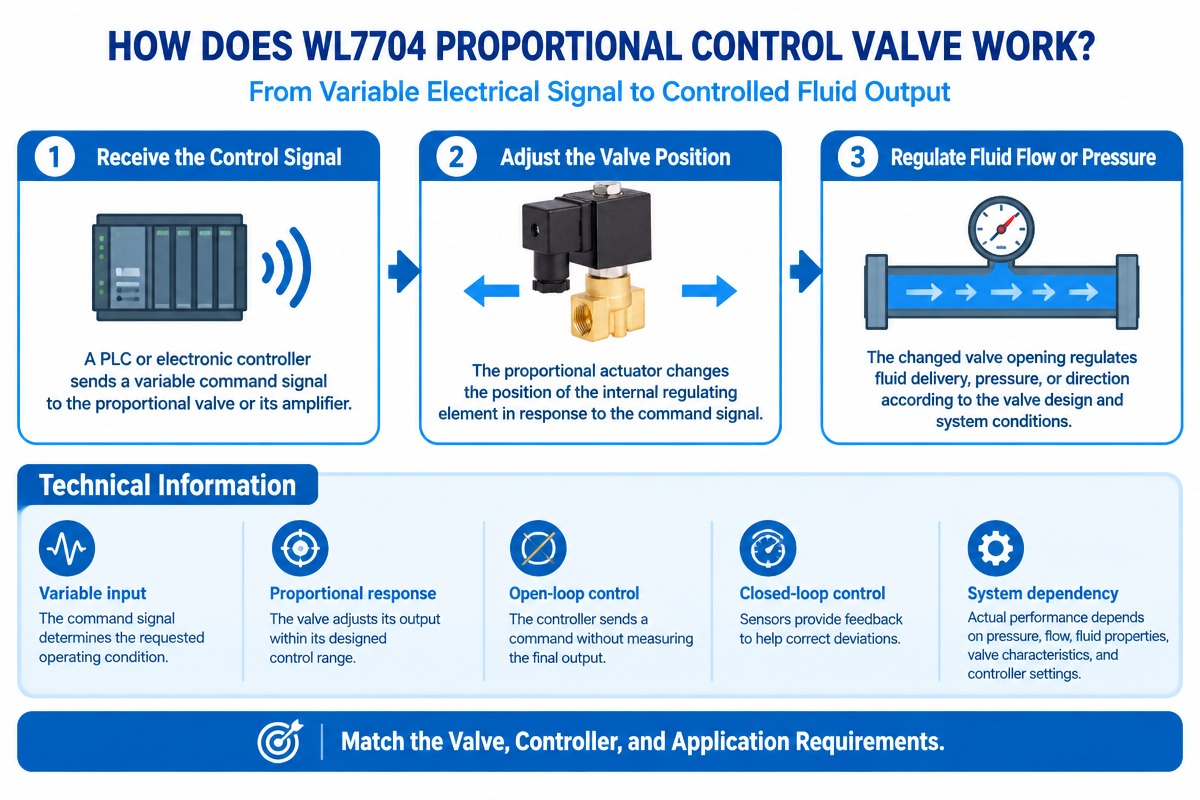
A proportional control valve converts a variable control command to an appropriate variation of fluid flow, pressure or direction of flow. The control signal is usually provided by a programmable logic controller (PLC), an electronic controller, a sensor-based system or a proportional valve amplifier.

In electrically driven design the command activates a proportional solenoid or another actuator. An electromagnetic force acts on the valve spool, poppet or other regulating element causing movement of the actuator to a certain position. As a result, flow passage area is changed and therefore fluid delivery is adjusted depending on valve specifications.

For example, the valve designed in such a way can increase its flow passage area and flow rate with increasing of control signal strength. The dependence is not necessarily linear and may be affected by pressure differential, fluid temperature, friction, hysteresis and load.

Some systems use open-loop control, i.e., a controller sends a command without measuring the output signal. Others use closed-loop control system with sensors for measuring the position, pressure or flow in order to provide feedback for correction.

Proportional control valves may be used for controlling hydraulic cylinders, motors, pneumatic actuators and industrial process flows. Appropriate operation requires compatible electronics, correct valve sizing, stable supply conditions and controller configuration.

Proportional Control Valve Video

Proportional Control Valve Detail Display

Proportional Control Valve Technical

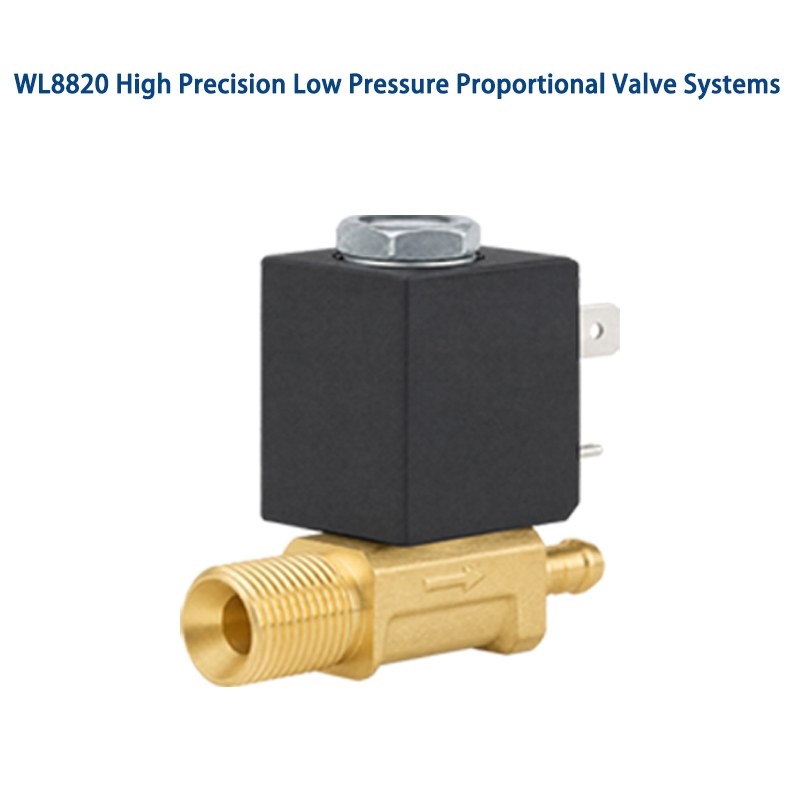
Brand Weilong Model Number WL 7704
Rated Voltage (V) DC12Vย  or 24V Rated Power (W) 7.2W
Work Mode Air or Liquid Control Valve Working Pressure (MPa) 300 kPa
Air-Flow Rate 0 L/minute Reset Time(s) 0.25 S On, 0.25 S Off
Service Life 200 Thousand Times Certification CE, ROHS, ISO9001,
Pipe Gate ย inside: 4 mm Lead Wire Length (mm) 77 MM
Install Style Screw Tolerance of Dimension ยฑ 0.1 MM
Water-proof None Insulation Class B
Hi-Pot Test AC 600V 50/60 Hz 2s Non-excitation Holding Force 0
Working Temperature -50ยฐC-180ยฐC Duty Cycle 1-100%
Thread Depth (mm) / Payment Term TT, or LC At Sight
Sample Order Yes. Warranty 1 Year
MOQ 1000 pcs Supply Ability 5000 pcs per week
Delivery Time 30 Days Port of Loading Shenzhen

Why Is The Proportional Control Valve So Popular?

Valves manufacturers are in need of more accurate and automated fluid power systems control and proportional control valves are becoming increasingly popular among industrial equipment. Proportional valves are not just on/off valves, they are able to vary their output in a range which is designed for particular application. This makes them suitable for applications which require variable flow, pressure or direction.

One of the key benefits of proportional valves is improved process control. With the correct selection and tuning of the adjustable valve output will provide smoother actuator operation, controlled acceleration and uniform process conditions.

Another important aspect is the automation of the industry. Proportional valves are able to integrate with PLCs, electronic controllers, sensors and automation systems. This allows programmable machine operation and control.

Their flexibility of application is also high, which is one of the factors of popularity of proportional valves. Depending on the design, proportional valves can be used for hydraulic presses, injection molding machines, mobile machines, material handling machines and industrial process control systems.

Moreover, proportional control will allow minimizing unnecessary pressure losses and excess of fluid in the case of proper system design. It leads to improvements in energy efficiency, but it depends on the system architecture and operating conditions.

“Modern manufacturing requires repeatable performance and flexible production settings. Proportional valves allow equipment designer to fine tune machine operation, instead of mechanical settings.”

“But proportional valves require compatible electronics, correct sizing and proper calibration. The disadvantage of proportional valves is that they cost more initially and troubleshooting of them is more complicated. If you need a responsive and adjustable control in your application, their capabilities are worth extra cost.”

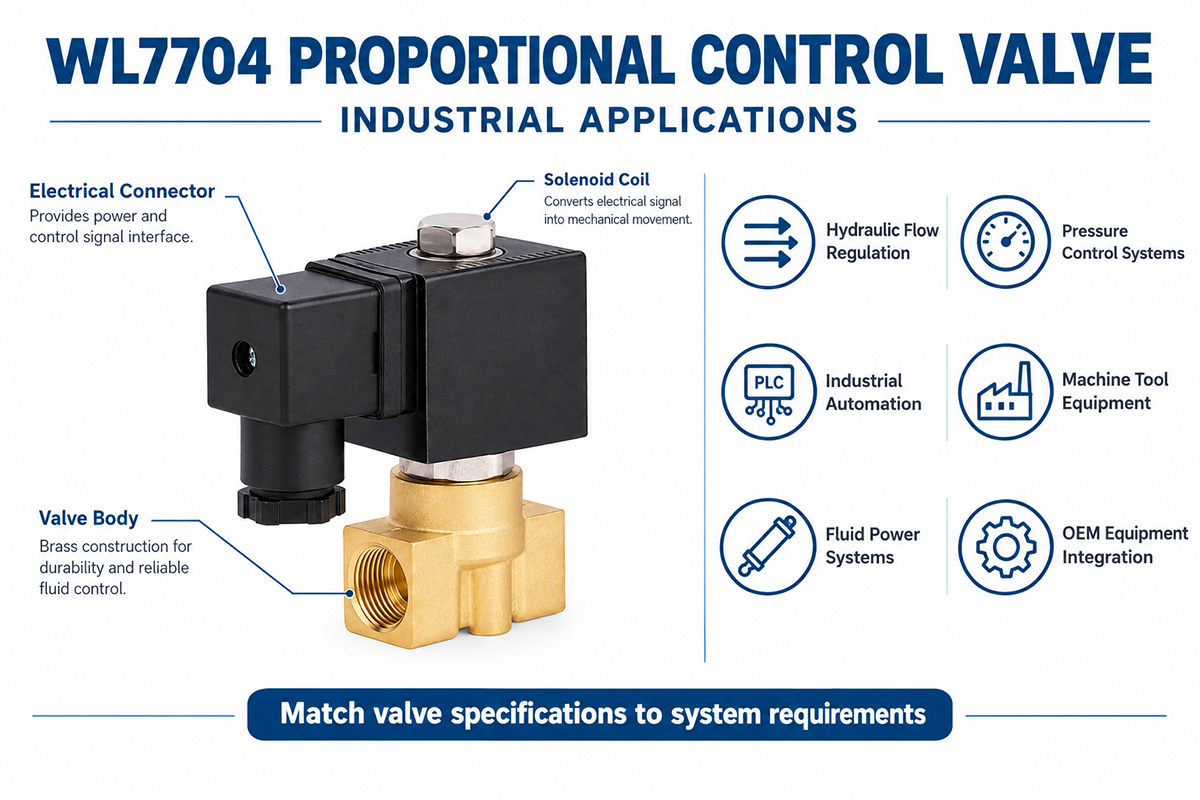
Proportional Control Valve Applications

Proportional Control Valve for Industrial Applications

Proportional control valves are extensively used in industrial systems which require a variable flow, pressure or directional control. Suitability of proportional valves depends on the design of the valve, the fluid type, operating pressure and level of control accuracy needed.

Hydraulic machinery: Proportional valves control the speed, movement and pressure of the actuators in industrial machines, lifting machines and hydraulic presses. This helps to provide controlled movement in case of varying loads.

Injection molding machines: Depending on machine design, proportional hydraulic valves can be used for clamping force control, injection motion control and other hydraulic functions.

Factory automation: Proportional valves synchronize fluid powered actuators in automated manufacturing lines, provide repeatable machine movements and control of operating sequences.

Mobile machines: Construction machines, agricultural machines and material-handling vehicles can use proportional valves for more responsive hydraulic control.

Manufacturing and metalworking: Flow or pressure control with proportional control is used to control specific conditions in machine tools, forming machines and processing machines.

Pneumatic systems: Proportional pneumatic valves are used to control the pressure or flow of compressed air in pneumatic systems, where it is necessary to adjust force or speed of the actuator.

Industrial process control: Ratio valves are used to control process fluids in applications where variable flow or pressure control is needed as opposed to simple on/off control.

Test and laboratory equipment: Proportional valves are used in special equipment for control of pressure, flow or actuator motion in tests and measurements.

Proportional Control Valve Adv. & Disadv

Proportional Control Valve for Manufacturing Systems

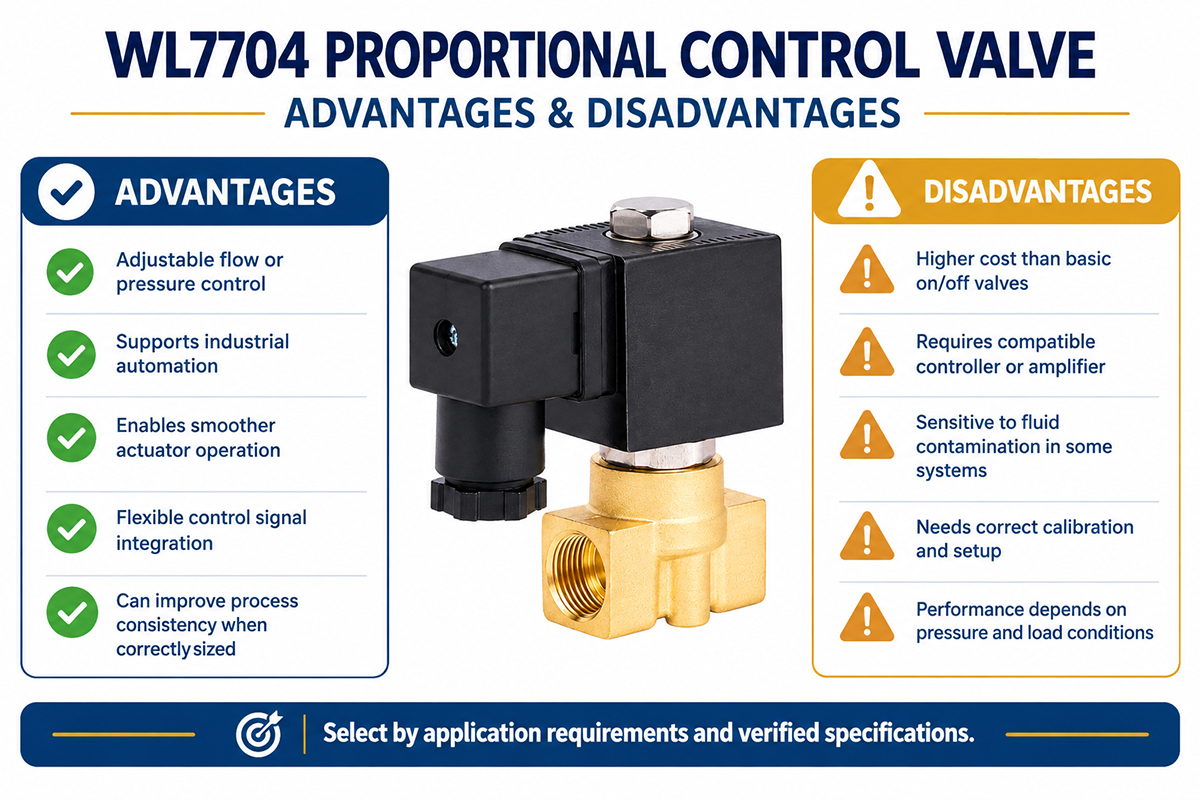
Advantages and Disadvantages of Proportional Control Valves

The proportional control valve is very useful in applications which require adjustable fluid regulation. But these valves should be considered for their complexity and cost before selection.

Benefits

1.Adjustable control: They provide adjustable flow, pressure or direction control over the designed operating range and not simple on/off control.

2.Smooth motion: Correct tuning provides proper acceleration, deceleration and motion control of actuator.

3.Automation compatibility: Many designs are compatible with PLCs, electronic amplifiers and sensor-based control systems.

4.Flexibility: Equipment can be operated in different loads and process settings due to variable control commands.

5.Efficiency improvement: Correctly designed systems will minimize unnecessary fluid delivery and improve efficiency.

Cons

1.High initial cost: Proportional valves and their electronics are more expensive than traditional directional or on/off valves.

2.Complex system : More engineering is needed for wiring, amplifiers, calibration and controller configuration.

3.Sensitivity to contamination โ€“ particles can affect internal fluid flow and control performance, especially in precision hydraulic systems.

4.Maintenance requirement: Unstable operation or loss of accuracy may be caused by wear, friction, electrical problems or incorrect settings.

5.Performance limitations: Response time, hysteresis, deadband and flow capacity are dependent on model and operating conditions.

Proportional control valves are generally useful where adjustable and responsive regulation is needed. For applications requiring just fully open or fully closed operation, the conventional valve may be less expensive and easier to maintain.

Proportional Control Valve for Hydraulic Flow Systems

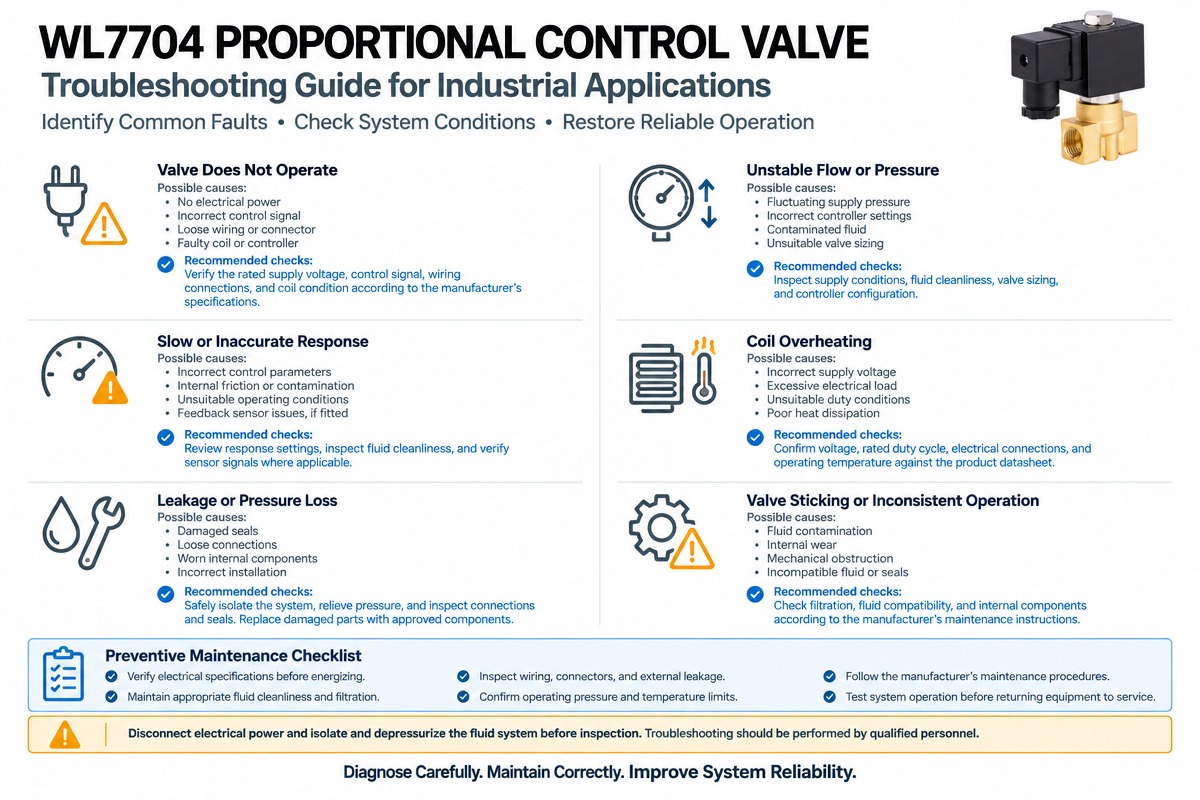
How To Troubleshoot Proportional Control Valves

Troubleshooting of proportional control valve requires checking of electrical signals, fluid conditions, valve operation and controller settings. Follow the manufacturer’s safety procedures and disconnect any hazardous energy before inspection.

1.In the absence of response from the valve, check power supply, wiring, command signal, amplifier and electrical connections. Make sure the controller is sending correct signal.

2.Unstable flow or pressure: Check supply conditions, fluid cleanliness, valve sizing, sensor signals and control-loop settings. The instability may be caused by incorrect tuning or supply pressure variations.

3.Slow response: Check for contamination, excessive friction, incorrect valve sizing, incorrect controller settings or operation outside the specified range.

4.Incorrect regulation: Check command signal, calibration, sensor accuracy, feedback wiring and control range specified. If applicable, take hysteresis and deadband into account.

5.Overheating Review electrical supply, duty cycles, pressure drops, fluid temperatures, and cooling facilities based on manufacturer’s guidelines.

6.Sticking Valve โ€“ Look at fluid purity and the filter. Contaminants, wear, and mechanical damage could stop internal motion.

7.Unwanted actuator motion โ€“ Look at control signal, wiring, controller program, sensor input, and valve setup. Check the safety controls of the system operate properly.

8.Leakage or high pressure drops โ€“ Check connections, seals, internal components, and system size. Repair damaged components following proper instructions.

Once the troubleshooting process is complete, conduct necessary testing to ensure stable performance before placing equipment back into service. If the problem persists, contact the manufacturer or a professional service technician, and do not attempt to make internal adjustments yourself.

FAQ

1. What is a proportional control valve?

Proportional control valve is the liquid flow control element that produces a variable control signal in order to control flow rate, pressure, or direction. In contrast to an on/off valve, this one can vary its signal depending on the designed operating range. Thus, the valve can be used for industrial automation, hydraulic machines, and other purposes.

2. How does a proportional control valve work?

The proportional control valve is equipped with a variable electrical input signal received from a proportional amplifier or controller. This signal triggers the mechanical elements that vary the valve position to control flow of fluid, pressure or direction. In some cases, the sensors and feedback devices increase the precision of work.

3. What are the primary types of proportional control valves?

There are several major types of proportional control valves that include proportional flow control valves, proportional pressure control valves, proportional directional control valves, and proportional pressure reducing valves. The pneumatic and hydraulic proportional control valves are available to meet various requirements.

4. Why should I choose proportional control valves?

The proportional control valves can be installed into automatic control system and provide variable flow or pressure control and better actuators’ motion. Besides, these valves provide higher flexibility and better consistency of the process than the simple on/off valves. If installed correctly, proportional control valves can optimize equipment’s performance and consumption of energy.

5. Which proportional control valve is right for me?

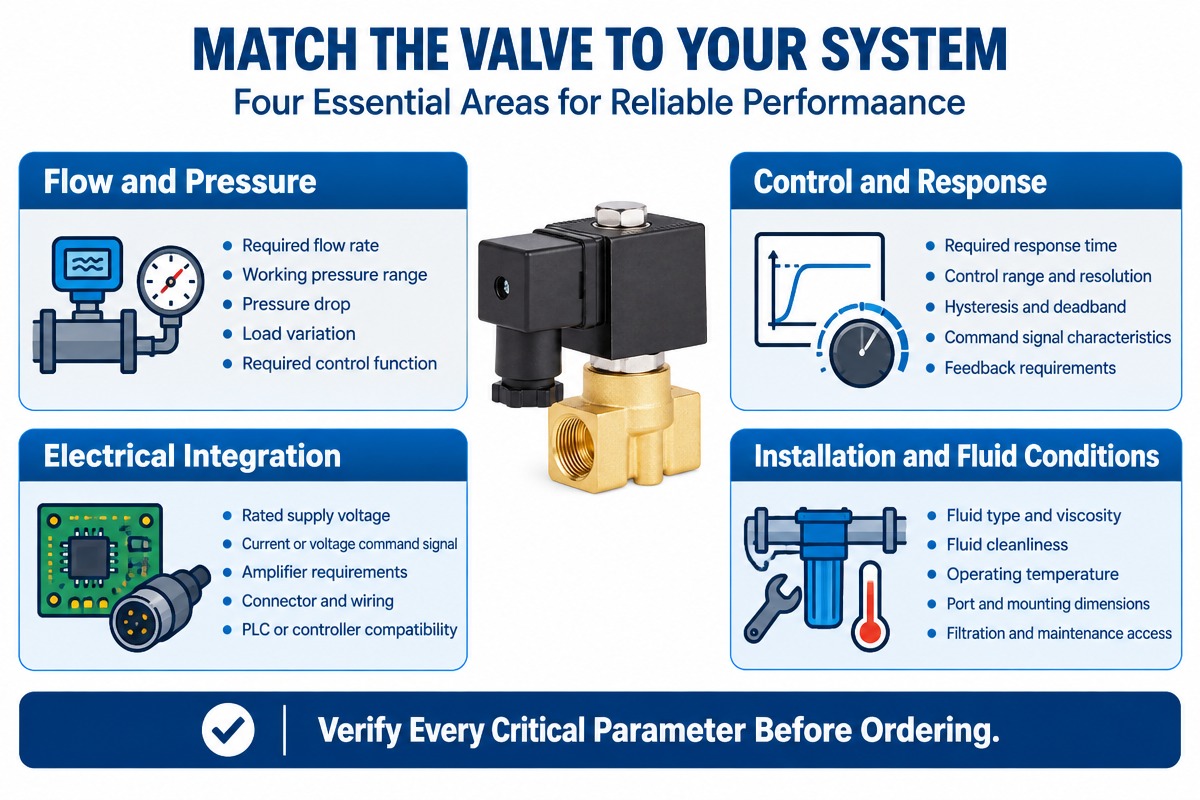
The type of proportional control valve depends on the required control function, fluid, operating pressure, flow rate, response time and required accuracy. In addition, one has to pay attention to electrical control signal, supply voltage, controller compatibility, connection size and installation dimensions. Moreover, such factors as fluid purity and environment conditions should be considered.

6. What is the difference between proportional control valves and on/off valves?

The on/off valves are usually opened or closed completely. The proportional control valves can change their output signal proportional to the variable command signal. That is why this valve allows providing the intermediate control of flow, pressure or direction. When the adjustable control is required, the proportional valves come into use.

7. What are the common problems with proportional control valves?

The common problems include the inconsistent flow, the inaccurate pressure control, the slow response, valve sticking, electrical failure, excessive heat and inconsistent actuator motion. The reasons can be contamination, wrong wiring, incorrect control, sensors error and wrong size. To determine the reason of the problem one should conduct the systematic analysis and commissioning.

8. How should I take care of the proportional control valve?

To maintain the good performance of the proportional control valve one should comply with the manufacturer’s maintenance recommendations, keep working fluid clean, inspect electrical connections and check pressure, temperature and performance of the device. One should also inspect filters, seals, wiring and feedback sensors if necessary.

How to Choose a Proportional Control Valve

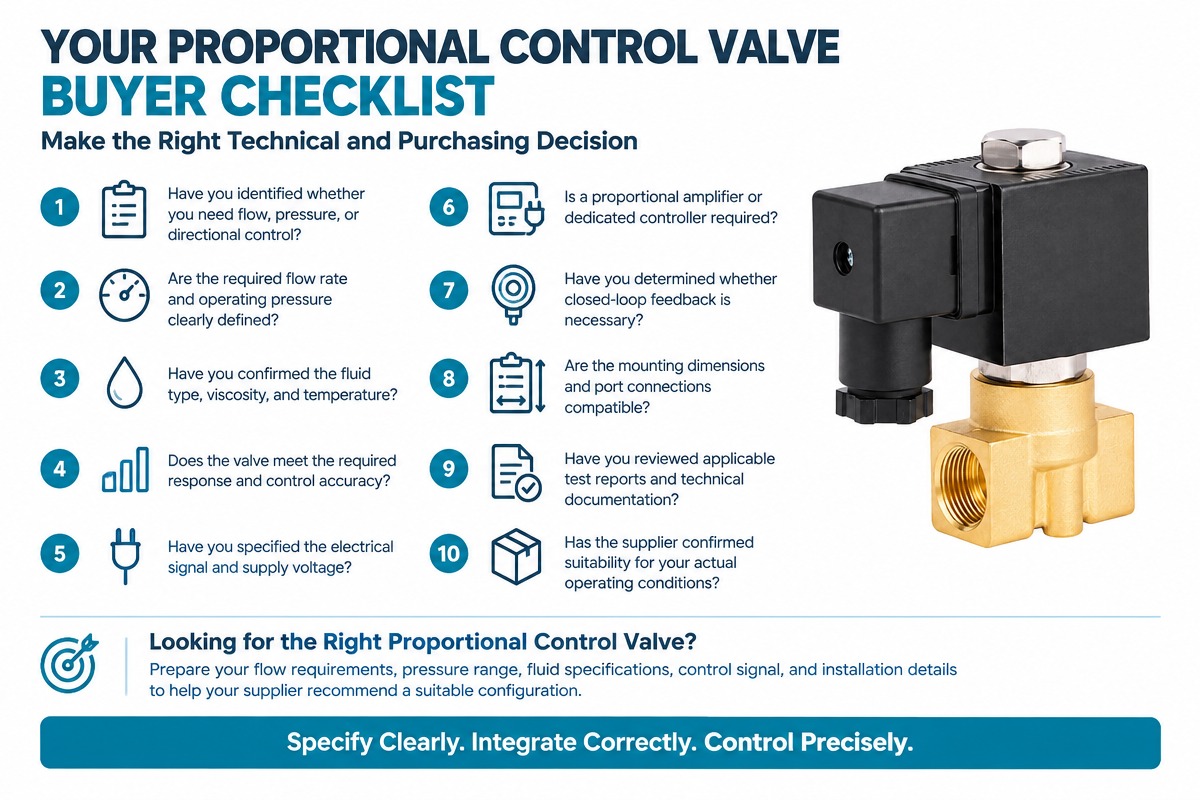
Selection of proportional control valve is based on control function needed, the fluid, operating conditions and the interface to electronic controller. The right valve will increase process stability, equipment performance and reliability.

1.Determine control function. Decide whether the application requires flow regulation, pressure control, directional control or combination of these functions. Different valve designs provide different control functions, so define the output needed prior to comparing models.

2.Determine the flow and operating pressure. Specify the normal and maximum operating pressure, desired flow rate, acceptable pressure drop and expected load fluctuations. Select the valve with appropriate flow rate and pressure range capacity. Do not size on pipe diameter alone.

3.Determine the working fluid. Determine fluid type, fluid viscosity, temperature, cleanliness and material compatibility. Hydraulic oil, compressed air, water and special process fluids may require different valve designs and sealing materials.

4.Determine control signal. Ensure that controller outputs voltage, current, PWM or another specified signal. Determine the supply voltage, amplifier requirements, wiring, connectors and controller compatibility.

5.Determine response and accuracy. Response time, hysteresis, repeatability, resolution and control range. If rapid motion or accurate positioning is required by the application, it may require different characteristics than pressure control.

6.Select the feedback structure. Open-loop systems can provide necessary control for simple applications. Closed-loop systems include feedback from suitable sensors in order to make corrections and may provide better control for varying loads.

7.Determine installation requirements. Check the mounting dimensions, port configuration, connection standards, space availability, environmental protection and maintenance access. Determine if additional filters, amplifiers, sensors or controller modules are needed.

8.Consider the operating costs and support. Compare the initial cost, energy consumption, maintenance, spare parts, technical support and service conditions.

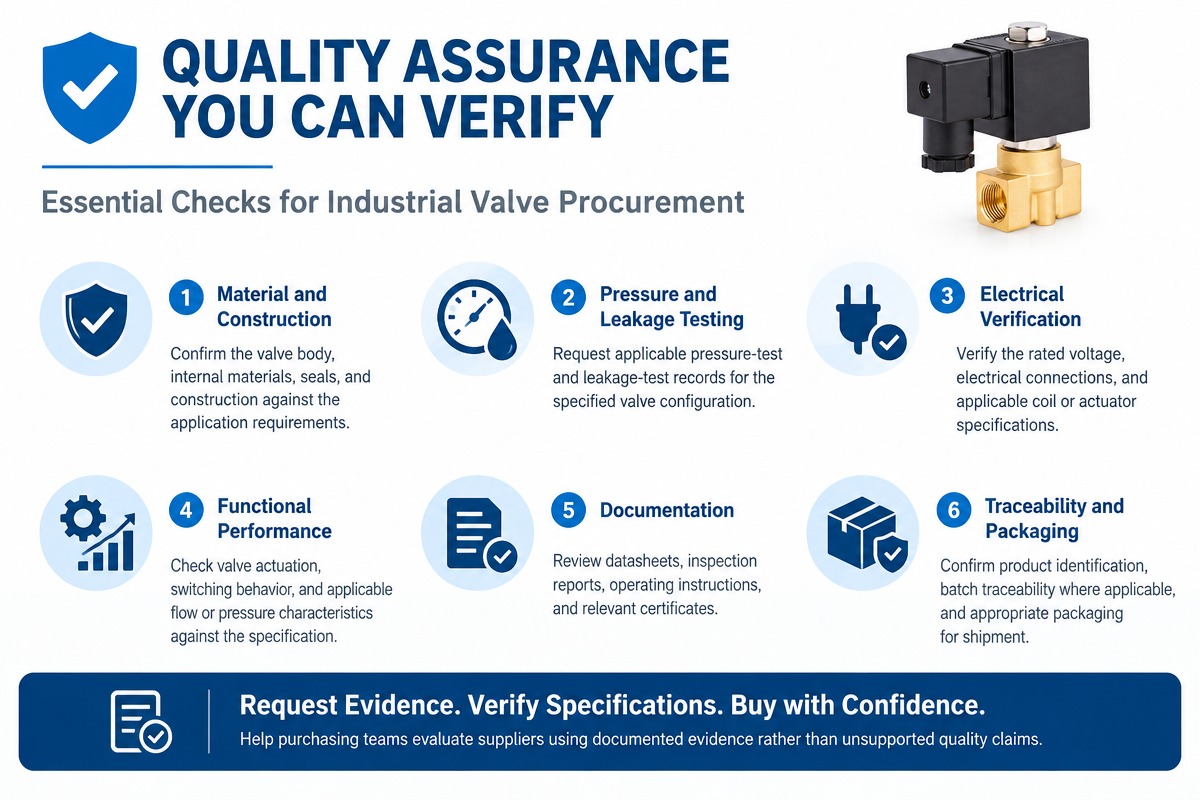
9.Consider the whole system. Check the compatibility of valve and controller operation under typical operating conditions. Check manufacturer’s data sheet and perform the necessary commissioning tests.

Prior to purchasing, specify supplier control objective, fluid details, pressure, flow rate, signal type and operating environment. This information helps in proper valve selection and minimization of selection mistakes.

Tricks to Avoid Common Mistakes in Proportional Control Valve Design

In the design of proportional control valve systems, careful consideration of hydraulic or pneumatic performance, electrical compatibility and control requirements should be performed. Avoid common mistakes in order to improve accuracy, reliability and service life.

– Valve Sizing Mistakes: Selecting a valve with too much or too little flow capacity can limit controllability or system performance. Determine flow and pressure drop requirements before choosing a valve model.

– Neglecting operating pressure: Check minimum and maximum operating pressure, pressure fluctuations and load fluctuations against the valve’s rated values.

-Picking the wrong valve: Flow control, pressure control and directional control valves perform different tasks. Select the proper valve type.

– Mismatched electrical signals: Check the controller output, coil specifications, amplifier requirements and supply voltage before installation.

– Not maintaining fluid cleanliness: Fluid contamination may cause sticking, wear, unstable operation and clogging. Apply filtration if needed.

– Not considering fluid compatibility: Consider the seals, body materials and internal materials for fluid and temperature compatibility.

– Not considering response characteristics, hysteresis, deadband, response time and friction. These parameters can affect accuracy in the case of high demanding applications.

– Improper controller tuning: If the control settings are incorrect, the system can oscillate, overshoot or respond slowly. Configure and test the control loop.

– Lack of feedback: In case of varying load and need of accurate regulation, determine pressure, flow or position feedback.

-Skipping commissioning tests: Test the operation of the integrated system under typical operating conditions before putting the system into service.

You need good specifications, correct component sizes, compatible electronics and testing. Early involvement of the valve manufacturer prevents redesign and minimizes downtime.
Get A Free Quote Now

Contact Form

Related Products

Related News

Scroll to Top

Get A Free Quote Now !

Contact Form
If you have any questions, please do not hesitate to contact us.
Weilong Solenoid Company Culture