Choosing a Solenoid Pump Valve
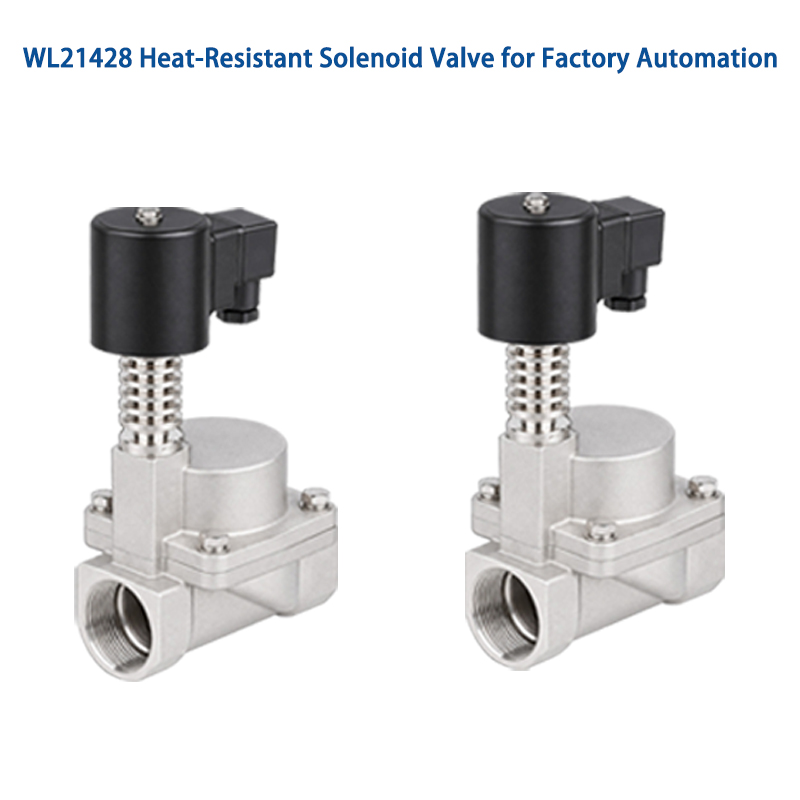
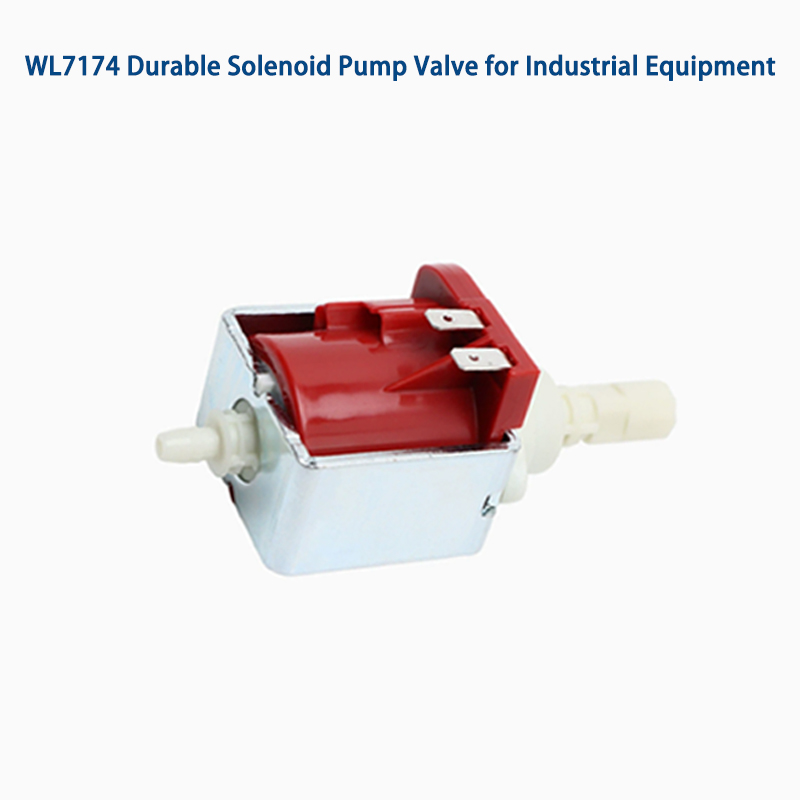
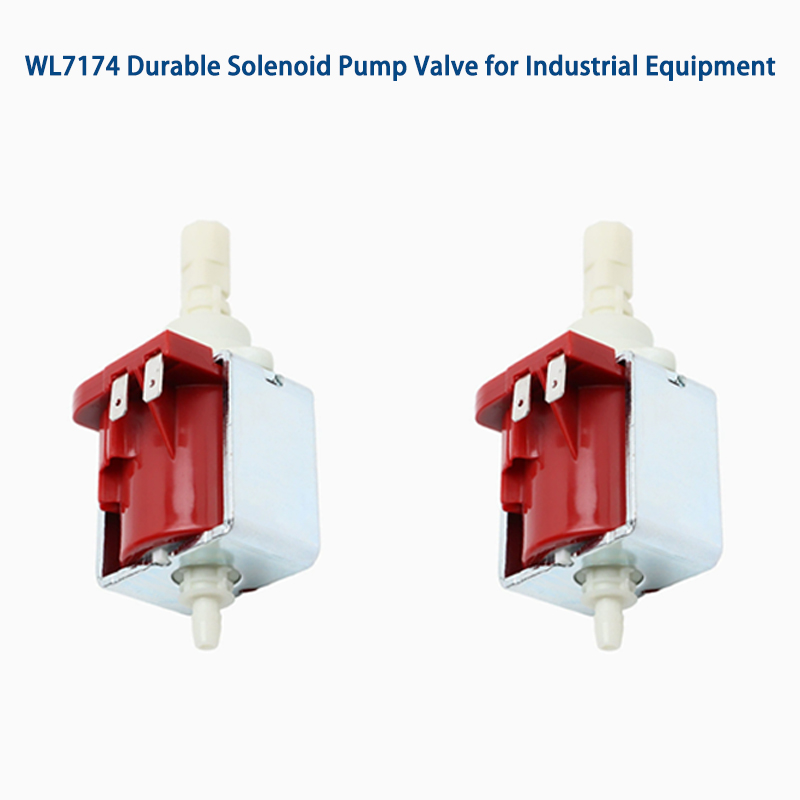
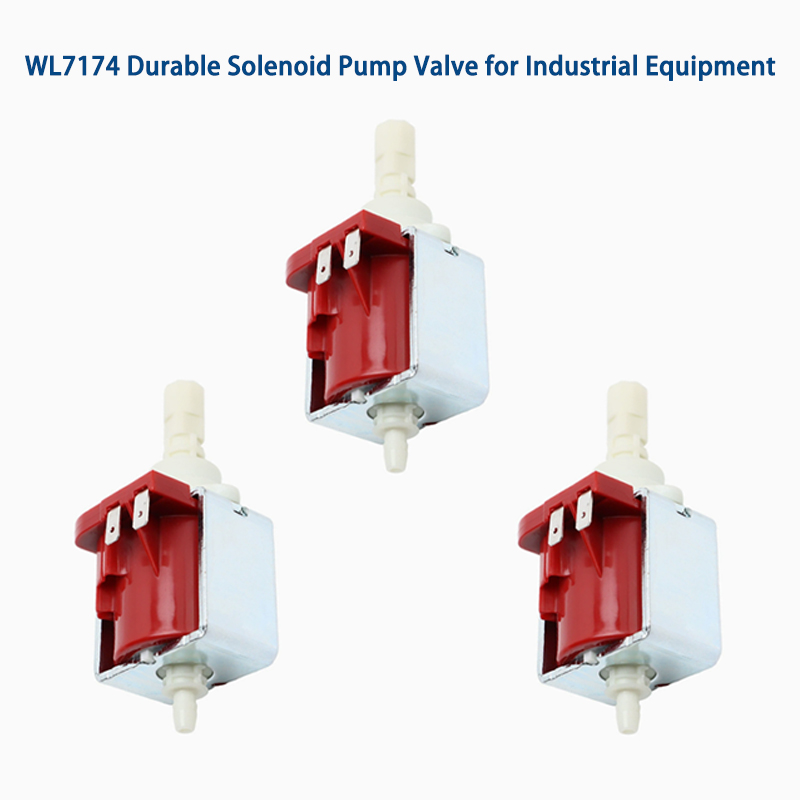
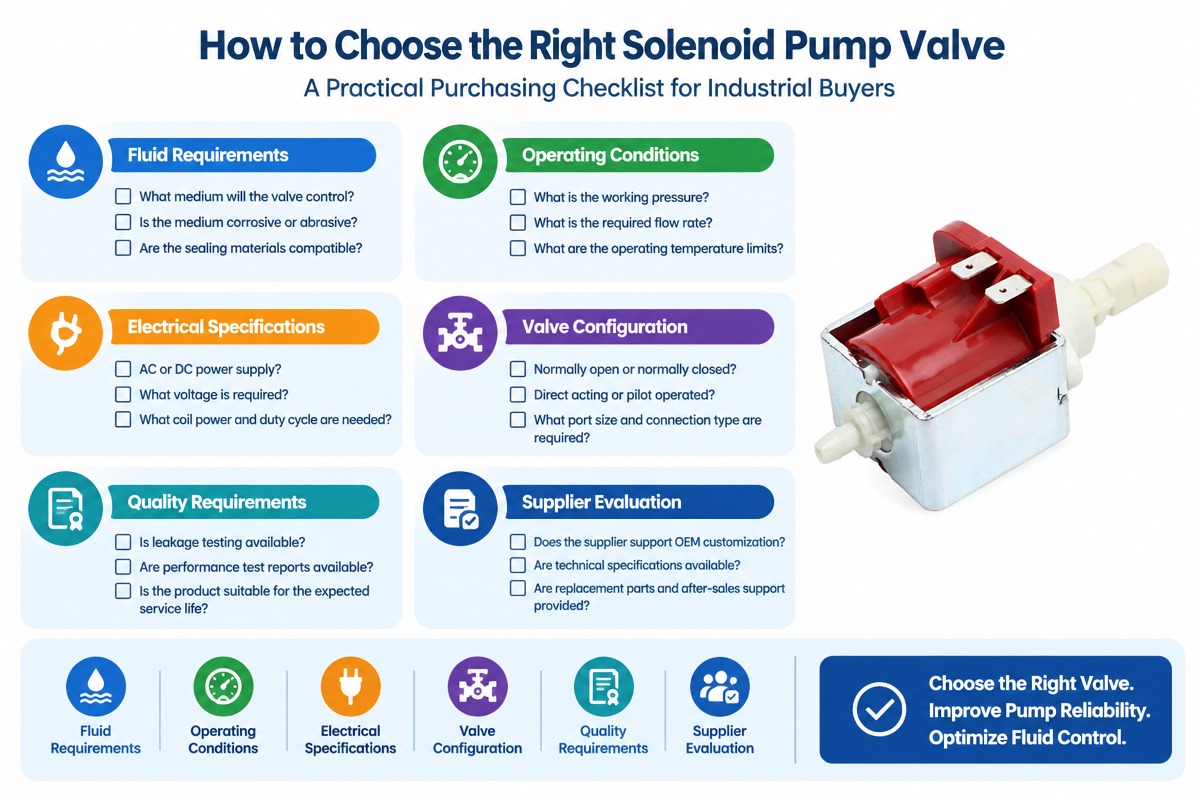
Choosing proper solenoid pump valve is important to ensure the reliability of fluid control, efficient pumping performance and long-term operational stability. There are several technical aspects that should be considered when choosing or installing a valve in an industrial system.
1.Defining Working Fluid
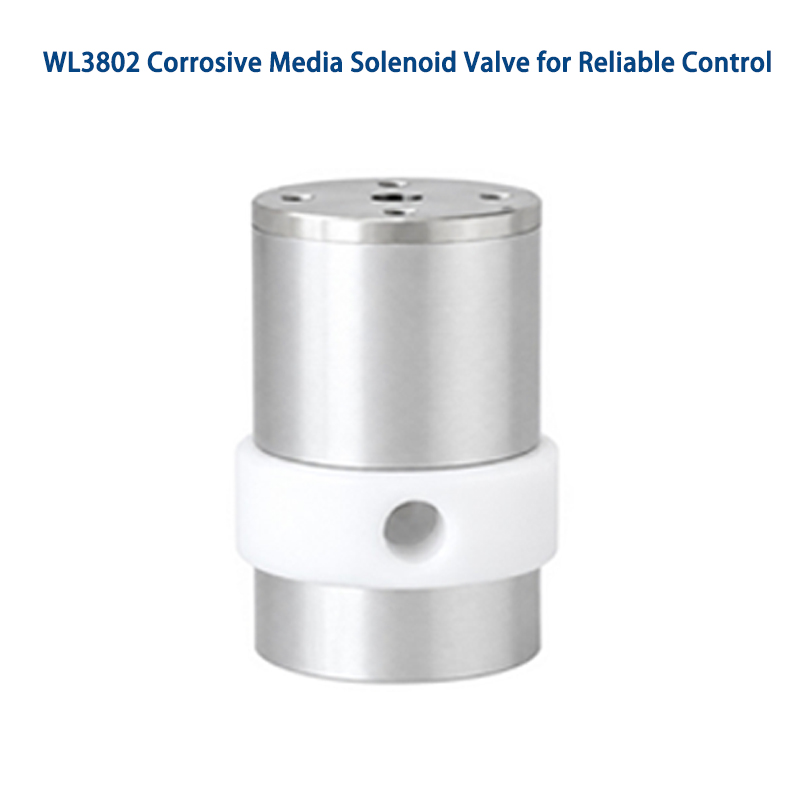
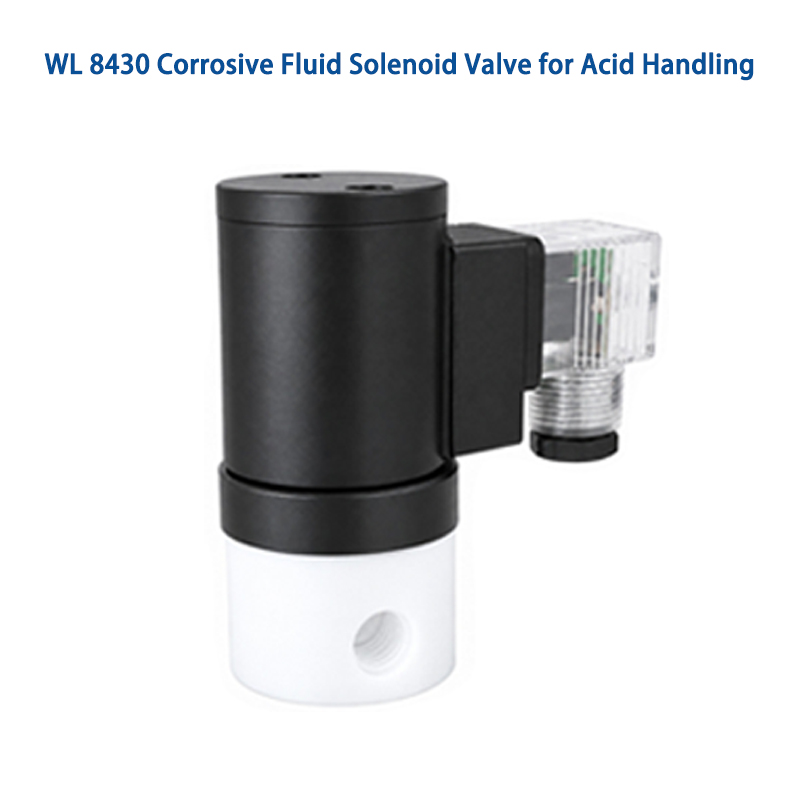
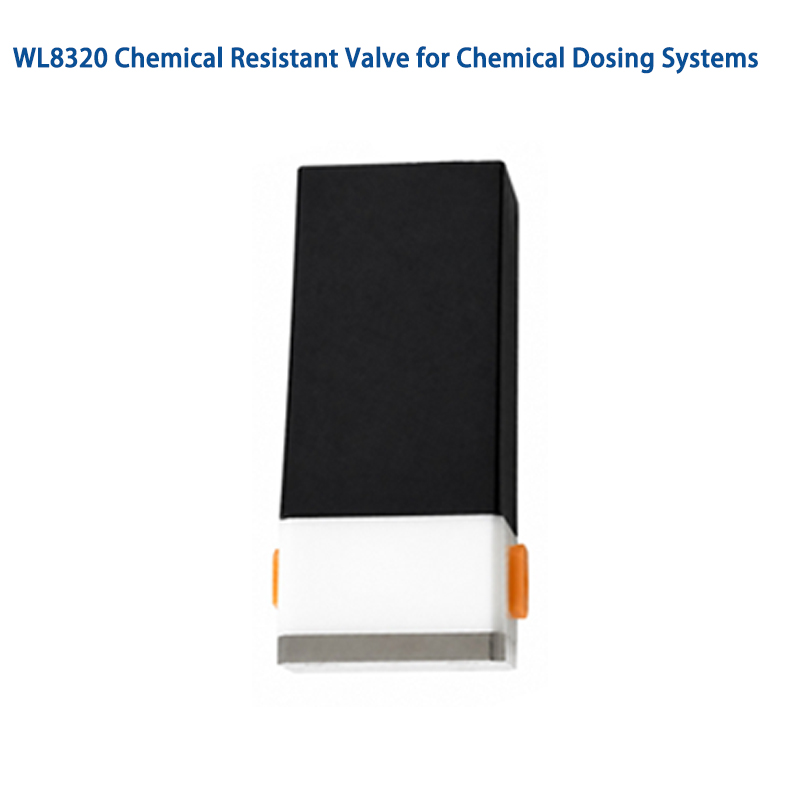
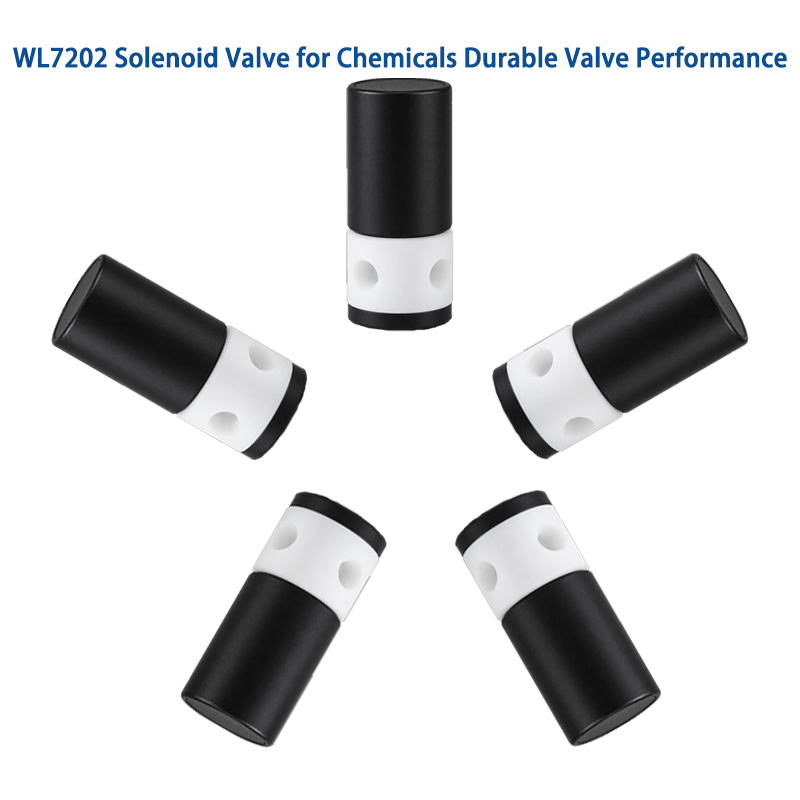
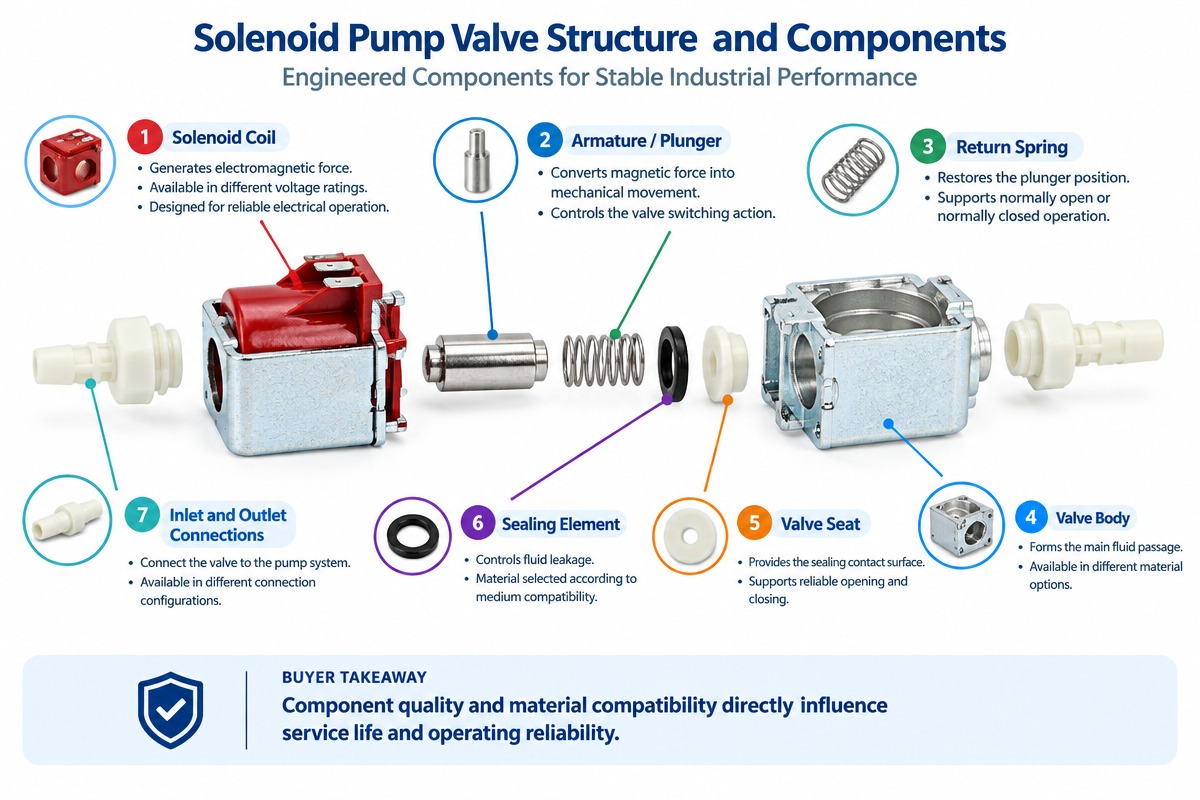
First of all, one should define whether the valve is going to control water, oil, air, chemicals or other fluid. The chemical composition of the fluid is an additional aspect to consider. It affects the selection of materials of the valve body and the sealing elements. Stainless steel, brass and engineering plastics may be used for various applications. It is necessary to check the material compatibility with the real medium always.
2.Determining Operating Pressure
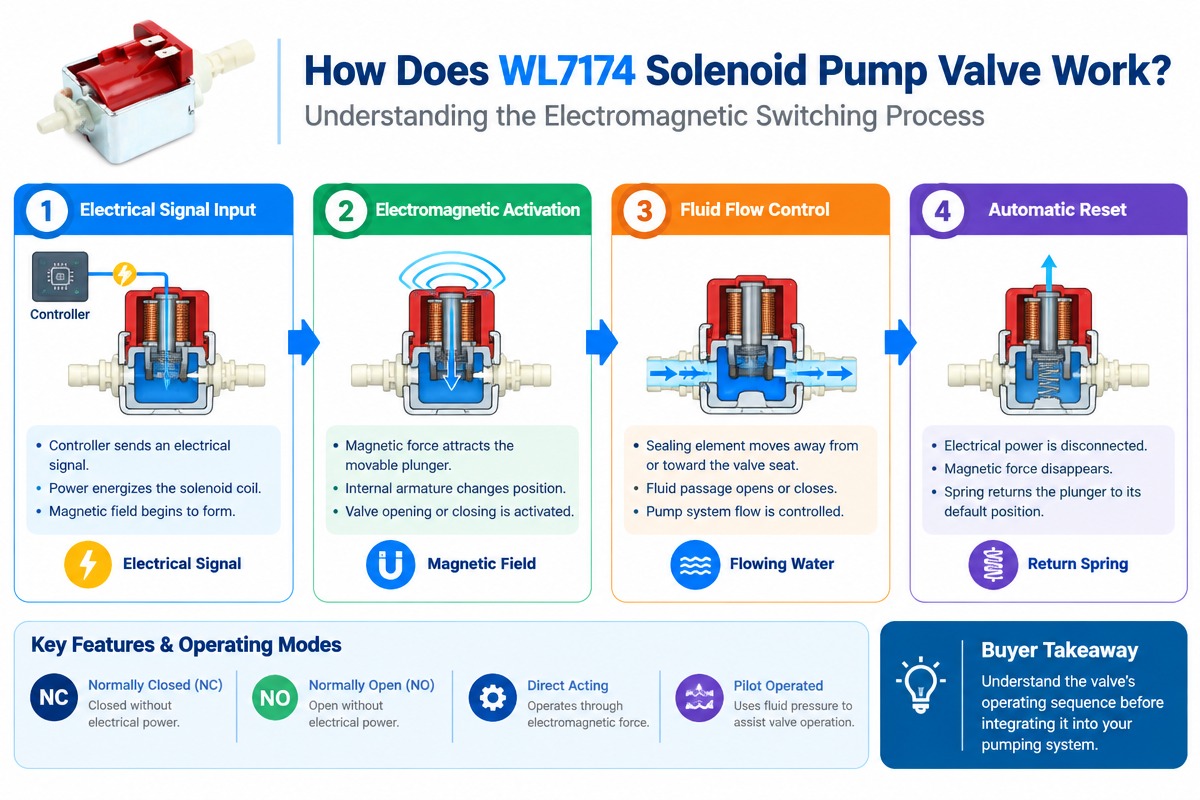
Check the minimum, normal and maximum operating pressure of the system. While most of direct-acting solenoid valves can be used without minimum pressure differential, many pilot-operated valves require sufficient pressure for them to function properly. If the wrong valve is selected, it may fail to open or close.
3.Calculating Flow Rate Required
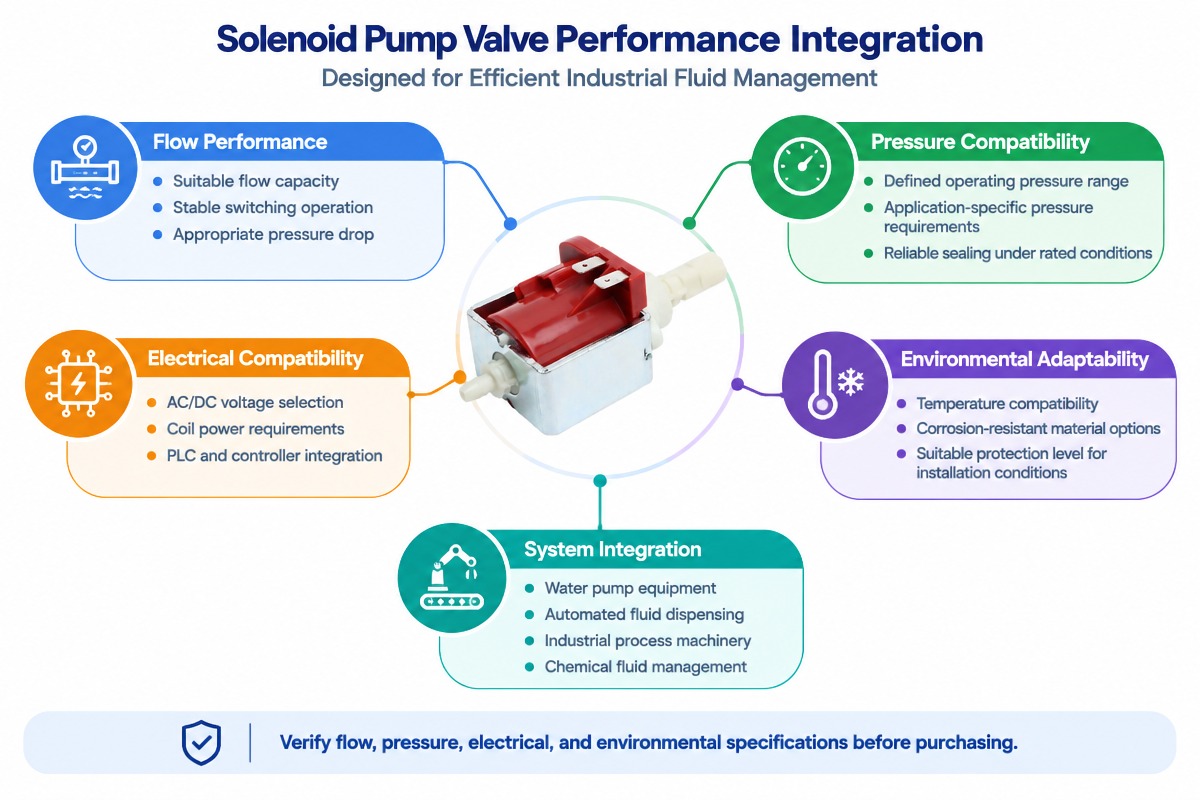
The valve should have flow capacity suitable for the pump and associated equipment to which it is connected. Consider required flow rate, pressure drop, port size and flow coefficient. In some applications, an undersized valve can restrict the flow, and oversized valve can reduce the control precision.
4.Choosing the Right Voltage
Check the availability of power supply, voltage (AC or DC). Usually 12 VDC, 24 VDC, 110 VAC and 220 VAC are the common choices in the industry. Check the power consumption, duty cycle and electrical connection of the coil.
5.Picking the Right Valve Configuration
Define if normally closed or normally open valve is required. One should consider what will happen in case of power loss. The valve should default to the position suitable for system safety and operating requirements.
6.Installation and Temperature Aspects
Fluid temperature, ambient temperature, surrounding conditions and available space for mounting should be considered. Special seals and coil insulation may be required for high temperature applications.
7.Quality and Maintenance Aspects
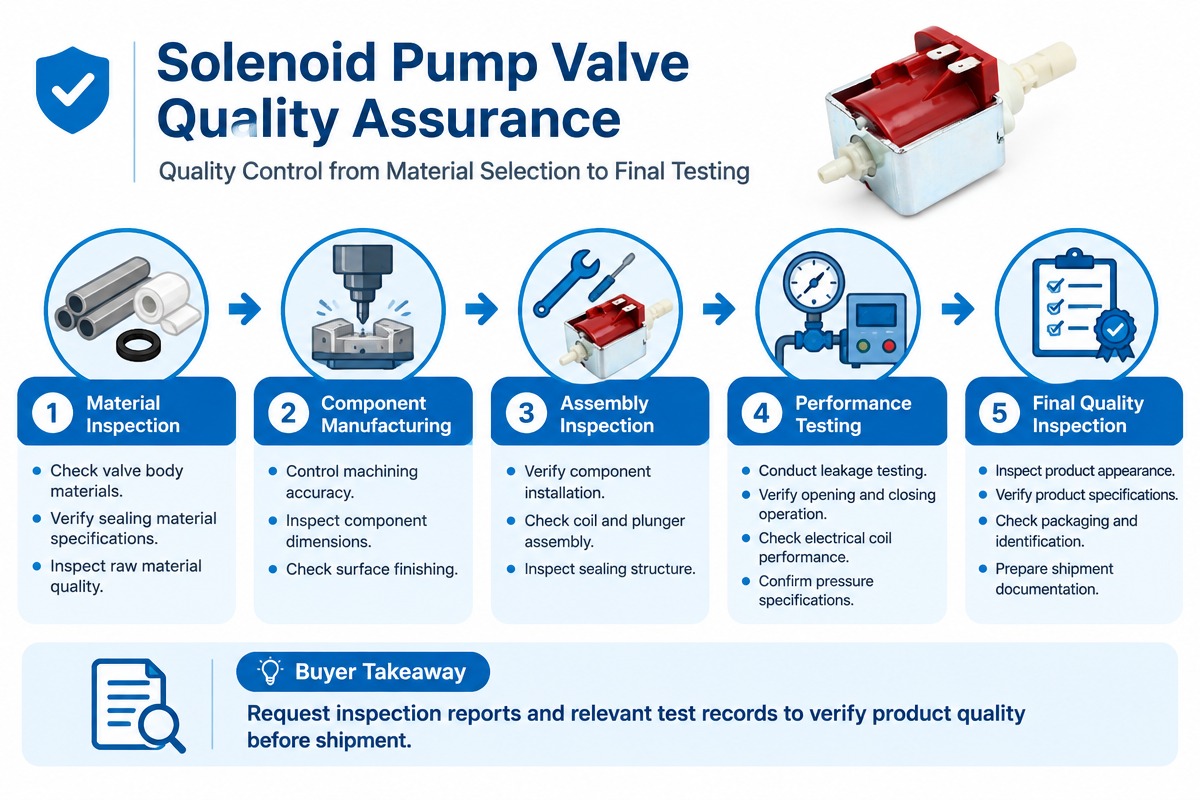
Select a valve with reliable sealing, suitable materials, stable performance and available replacement parts. Consider technical specifications and testing procedures of the manufacturer.
Choosing the right pump minimizes leaks and shutdowns and increases reliability of the industrial pumping system.
Tips for Avoiding Common Solenoid Pump Valve Design Errors
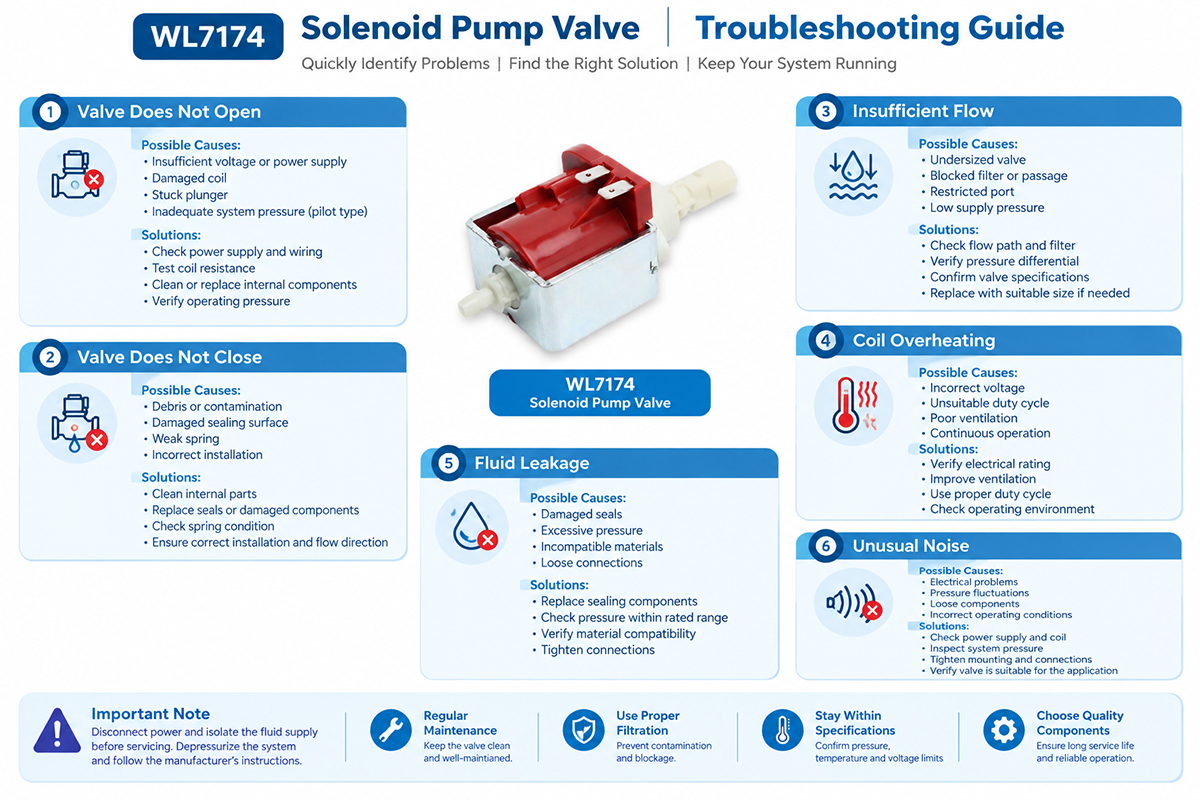
Design of solenoid pump valve system is not a simple task; fluid properties, electrical aspects, operating conditions and installation issues should be considered carefully. There are several common mistakes that can deteriorate the performance or cause early failures.
1.Incorrect Valve Size
Valve that is too small can cause an excessive pressure loss and limitation of the flow desired. Oversized valve can increase the cost and lower the control precision. First of all, one should calculate flow rate required and pressure drop and then select the valve.
2.Ignoring Compatibility of Fluids
Corrosion, swelling, cracking or leakage can occur in case of unsuitable body materials or seals. 2) Verify that it is compatible with the real fluid (concentration, temperature, etc.)
3.Choosing the Wrong Pressure Range
Pilot-operated valves require minimum pressure differential. In case of installation in low pressure or zero pressure systems, it may operate unreliably. Select direct acting valve for applications where there is not enough differential pressure to operate the valve.
4.Selecting the Wrong Electrical Ratings
Solenoid coil can be damaged in case of incorrect voltage, too high coil temperature or incorrect duty cycle. Before installation, check the power supply and operating conditions.
5.Ignoring Pressure Surges
Switching on and off the pump or switching valves rapidly can lead to pressure spikes. Check the valve allowable pressure limit and make sure that pressure protection is provided.
6.Forgetting Filtration
Particles and debris can affect plunger, seal surface or pilot passage. Installation of appropriate filtration is required by the valve design.
7.Bad Installation Design
Low reliability can be the consequence of incorrect flow direction, incorrect mounting, excessive vibration and lack of maintenance access.
The good design of a system should consider all these factors in the initial engineering stage rather than correcting the problems after the installation.