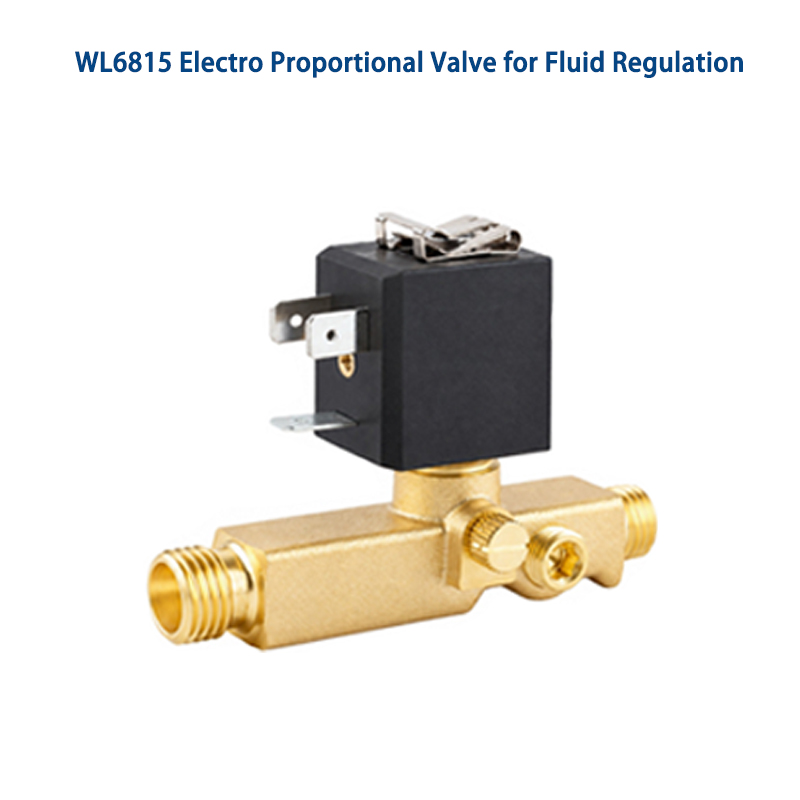
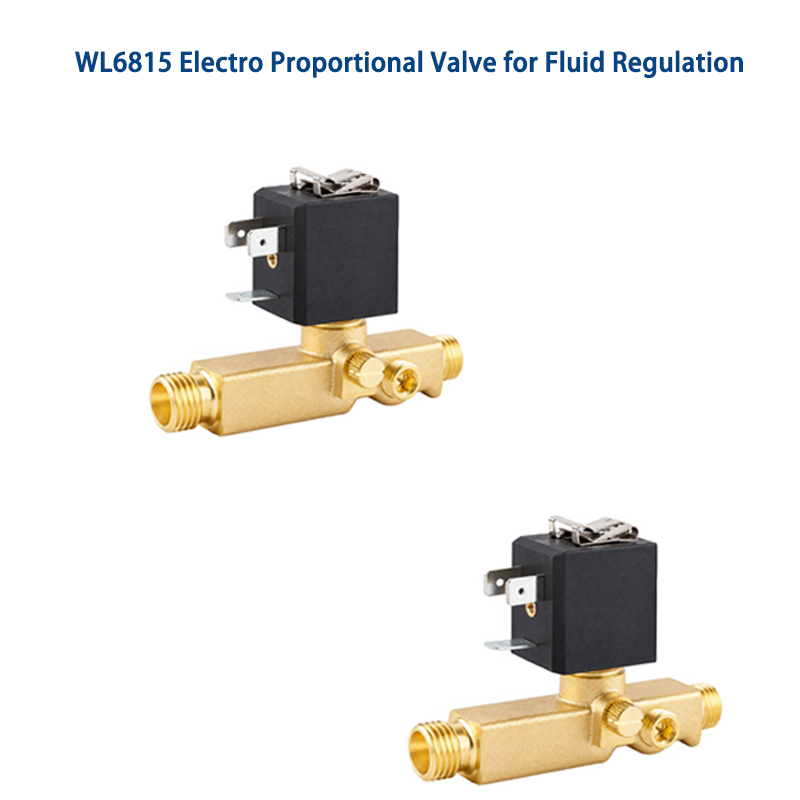
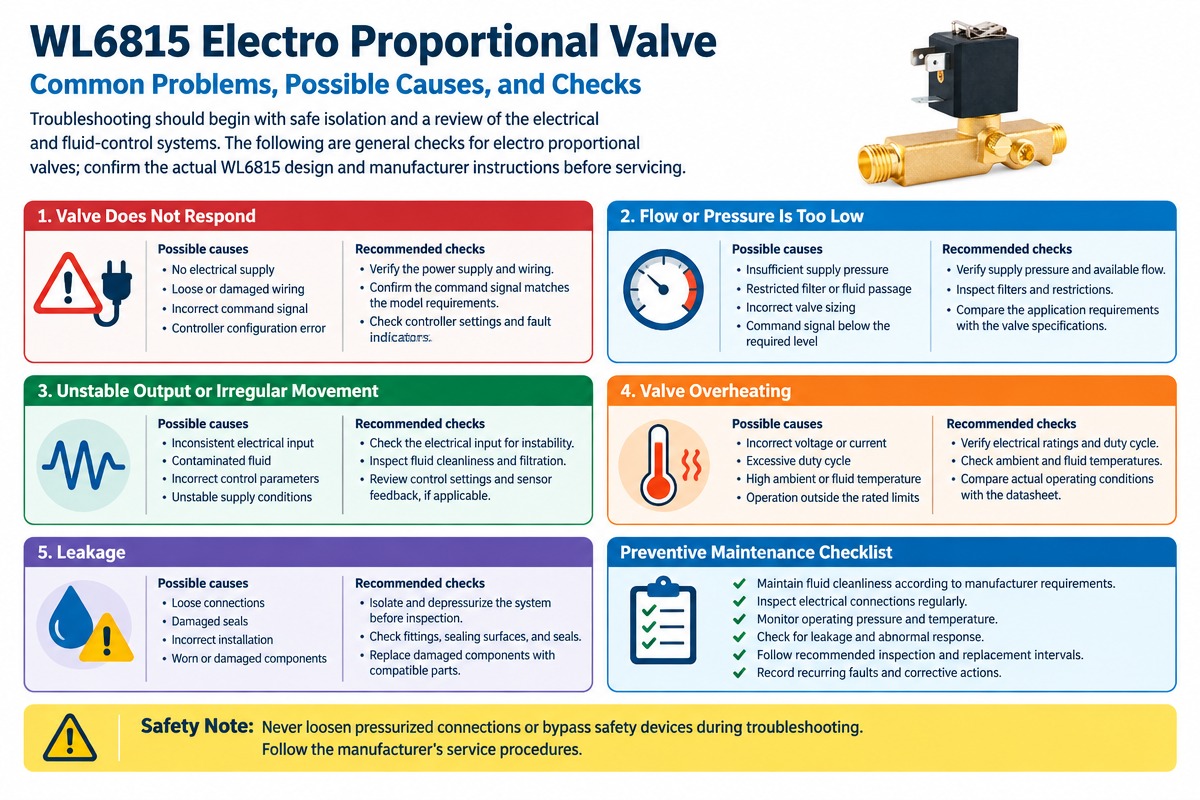
How to select an electric proportional valve
In order to choose the right electro proportional valve, you have to understand your application and fluid circuit well. An undersized valve could limit flow and decrease performance of the system. An oversized valve may provide poor control of the valve at low flow rates.
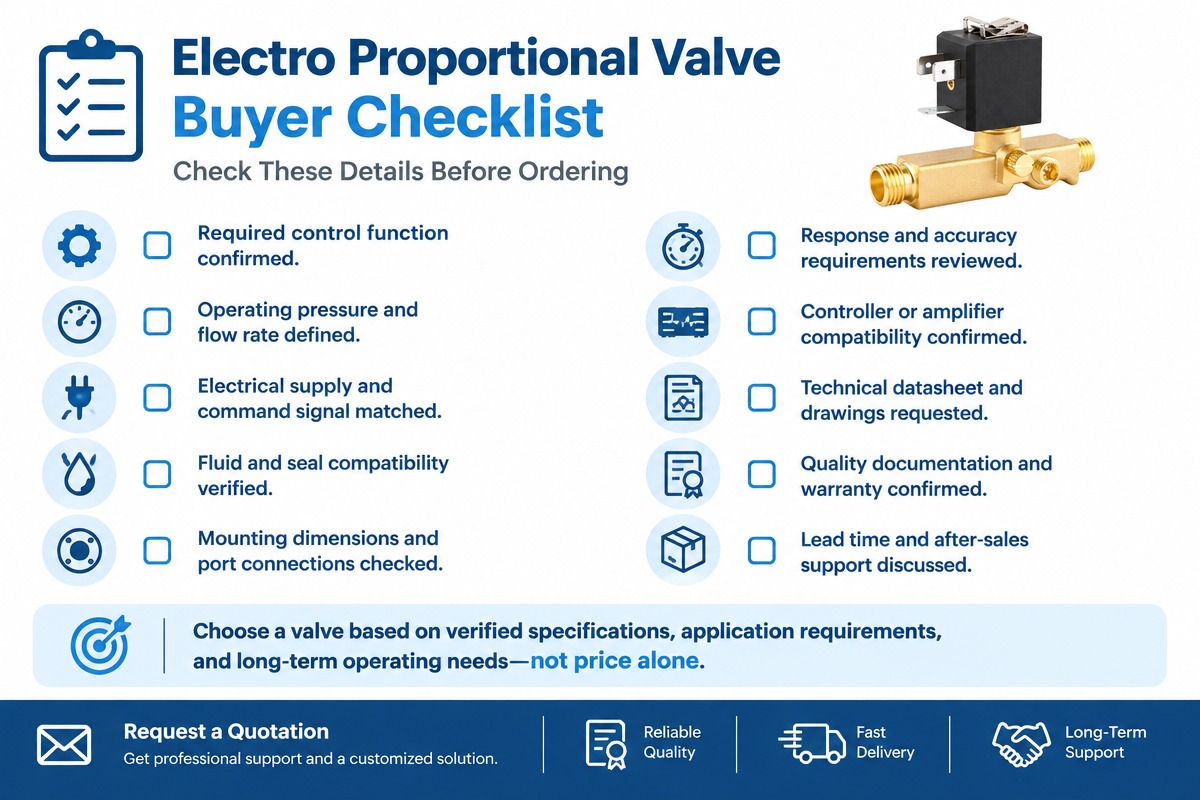
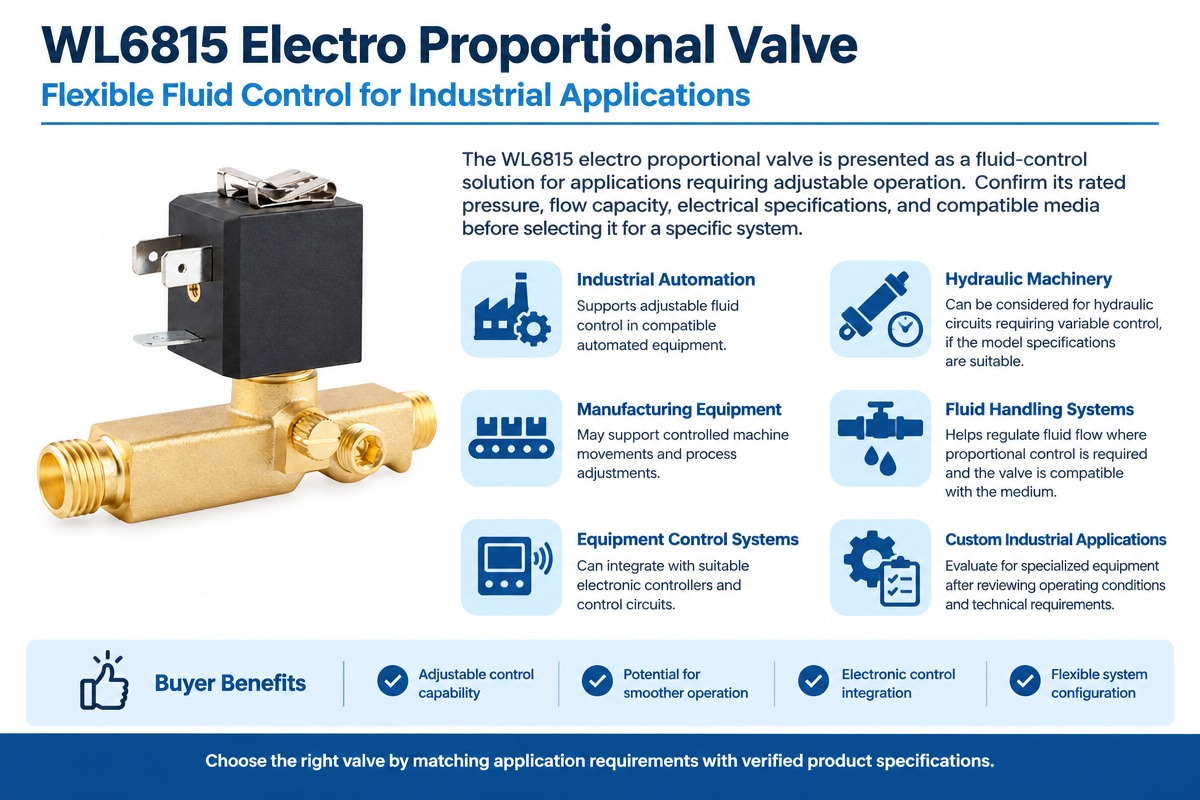
1.Define the valve function. Decide if your application requires proportional flow control, pressure regulation, directional control or any combination of the functions. Determine the type of the valve to your hydraulic circuit and operating sequence.
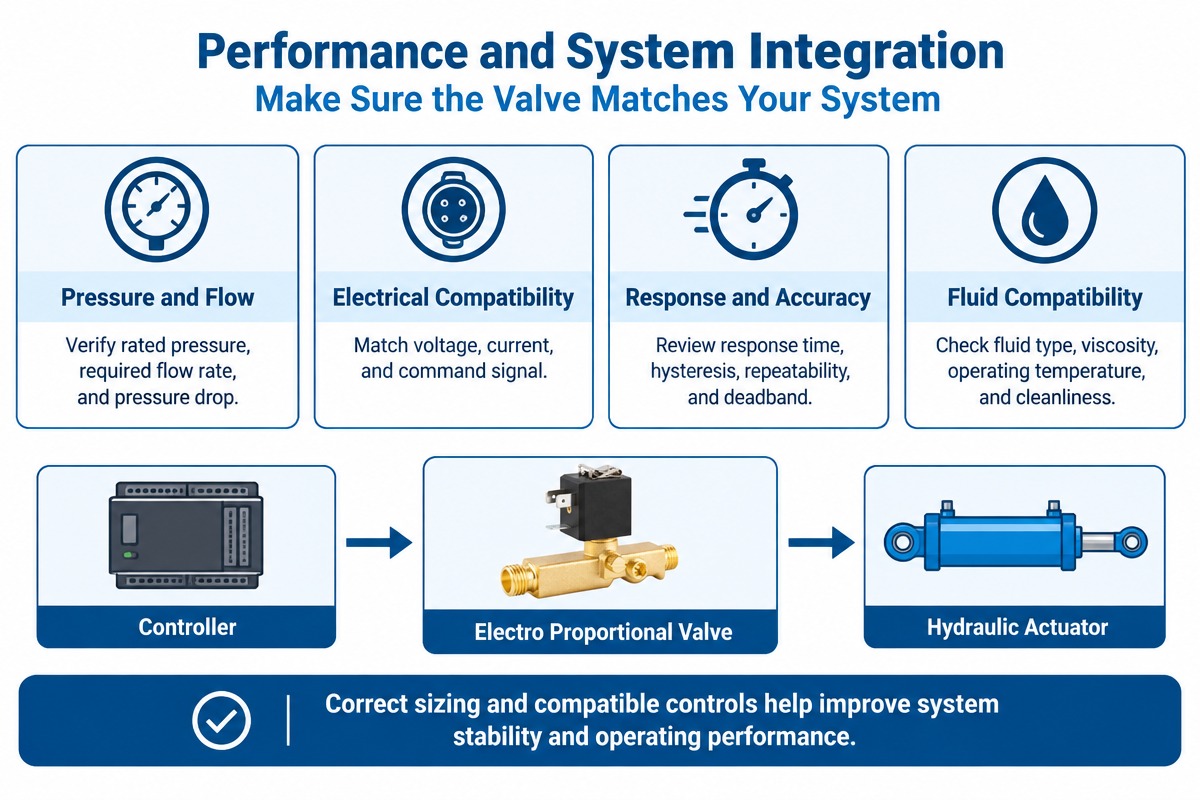
2.Calculate the flow requirements. Provide the normal and maximum flow rates as well as their fluctuations during start-up and peak operation periods. Compare these values with the manufacturer’s flow curves instead of relying on nominal port size.
3.Check the operating pressure. Provide normal pressure, maximum pressure, pressure spikes and pressure difference across the valve. The rated pressure has to match the system requirements with a safety margin.
4.Inspect the electric interface. Check the supply voltage, current requirements, control signal, connectors and controller for the compatibility. Determine if the valve requires a separate amplifier or integrated electronic driver. Check signal scaling and control logic before startup.
5.Consider the response and accuracy. Consider response time, hysteresis, repeatability, deadband and the adjustment range that is required. The feedback control and sensors are required in some high precision applications.
6.Inspect the fluid and environment compatibility. Check fluid type, fluid viscosity, fluid cleanliness requirements, temperature range, seal materials, corrosion resistance and environmental conditions. Contaminated fluid may lead to sticking, wear and unstable control.
7.Inspect the installation requirements. Check mounting dimensions, port connections, manifold compatibility, wiring clearance, service access and installation orientation. Make sure that the valve is safe to service.
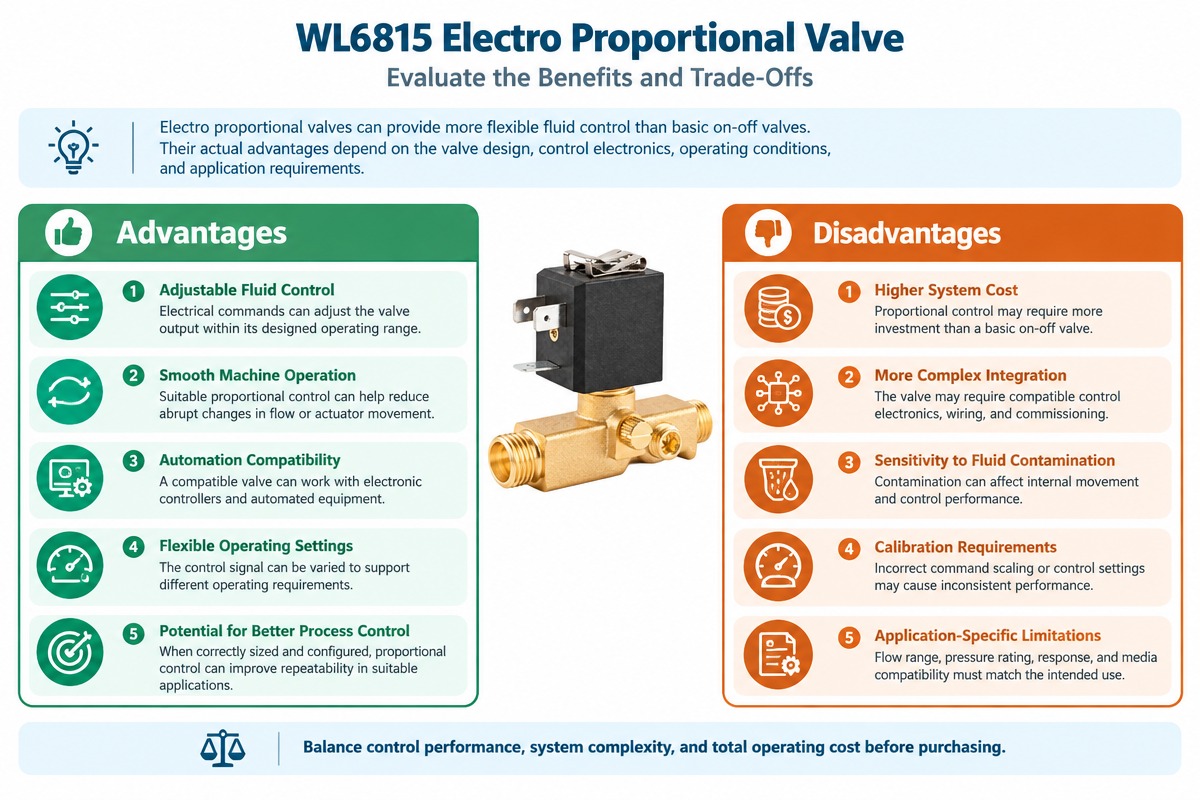
8.Add up the totals. Compare purchase price, controller requirements, installation costs, maintenance costs, energy consumption and service life. The lowest initial price may not be the best value in the long run.
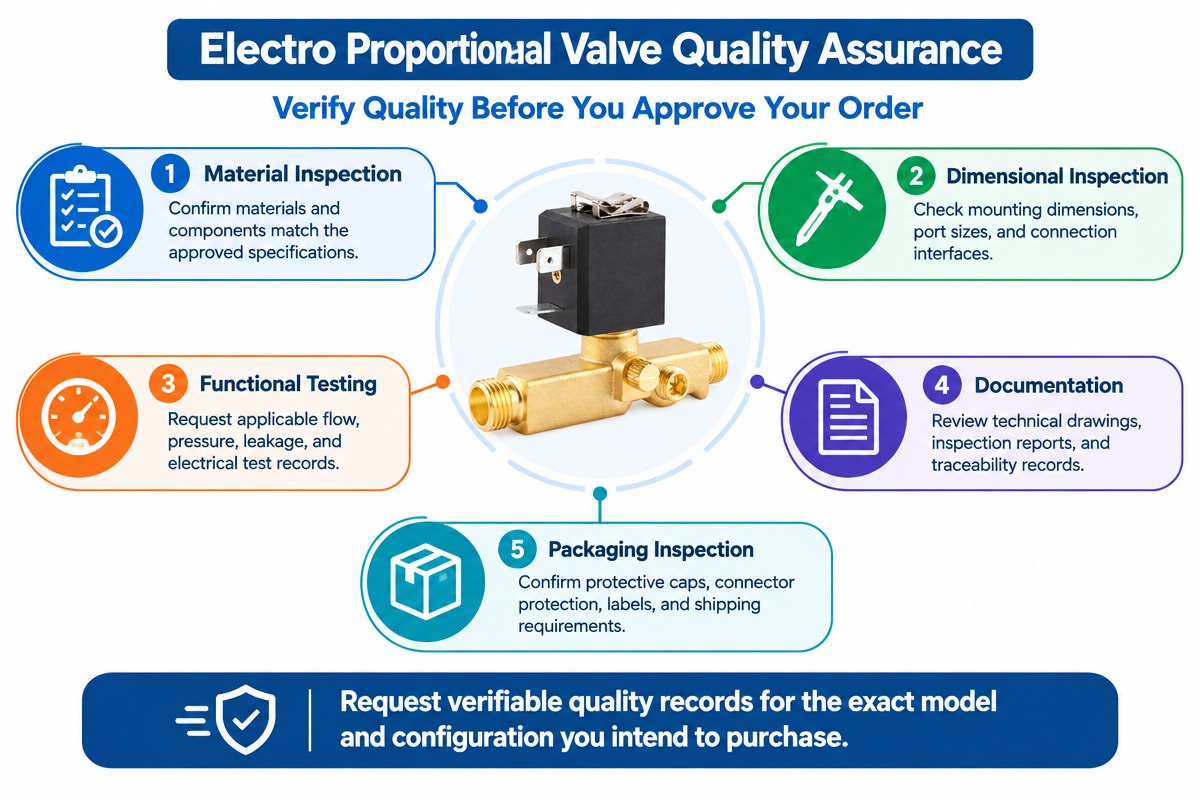
9.Request tests and documentation. Obtain dimensional drawings, technical data, wiring instructions, flow curves and quality documents. Test the selected valve under representative operating conditions before full installation. The choice should be made based on verified manufacturer data and application requirements.
Tips on Proportional hydraulic valve design common mistakes to avoid
-Don’t size valves incorrectly: Calculate required flow and pressure before choosing the valve. Don’t base the selection on port size only.
-Electrical compatibility: Voltage, current and control signal of the valve have to match those of the controller or amplifier.
-Fluid cleanliness: Follow manufacturers’ filtration recommendations to avoid sticking, wear and unstable response.
-Pressure losses: Evaluate the pressure drop across the valve and other circuit components under real operating conditions.
-Don’t design poor feedback: Choose the right sensors and make sure the controller is compatible if you want high accuracy closed-loop control.
-Fluid and seal compatibility: Make sure that the wetted materials and seals are compatible with the fluid to be pumped and the temperature range.
-Heat management: Valve coil temperature, fluid heating, duty cycle and ambient conditions.
-Avoid electrical interference: Use proper wiring, grounding, shielding and connector protection if required.
-Maintain accessibility for servicing: Provide access for inspection, cleaning, testing and replacement.
-Test under representative operating conditions: Check the performance under the expected load, flow rates, temperatures and supply changes before production.