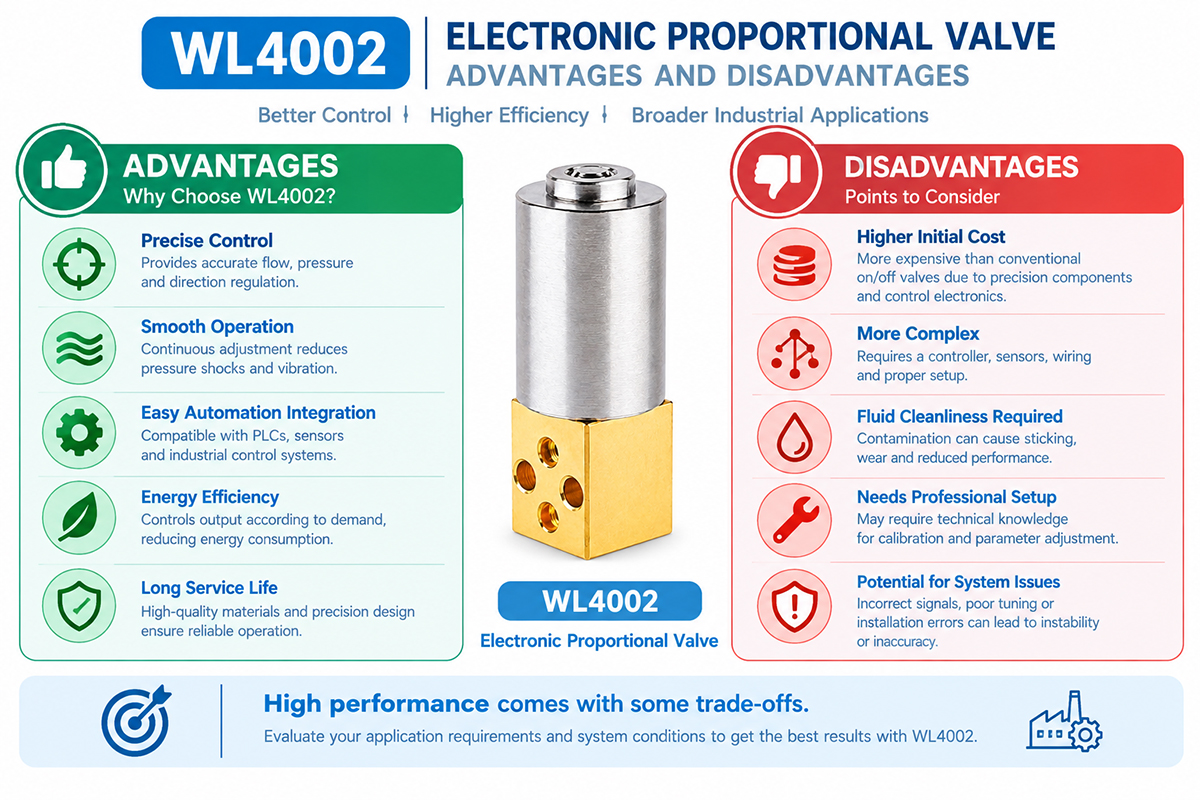
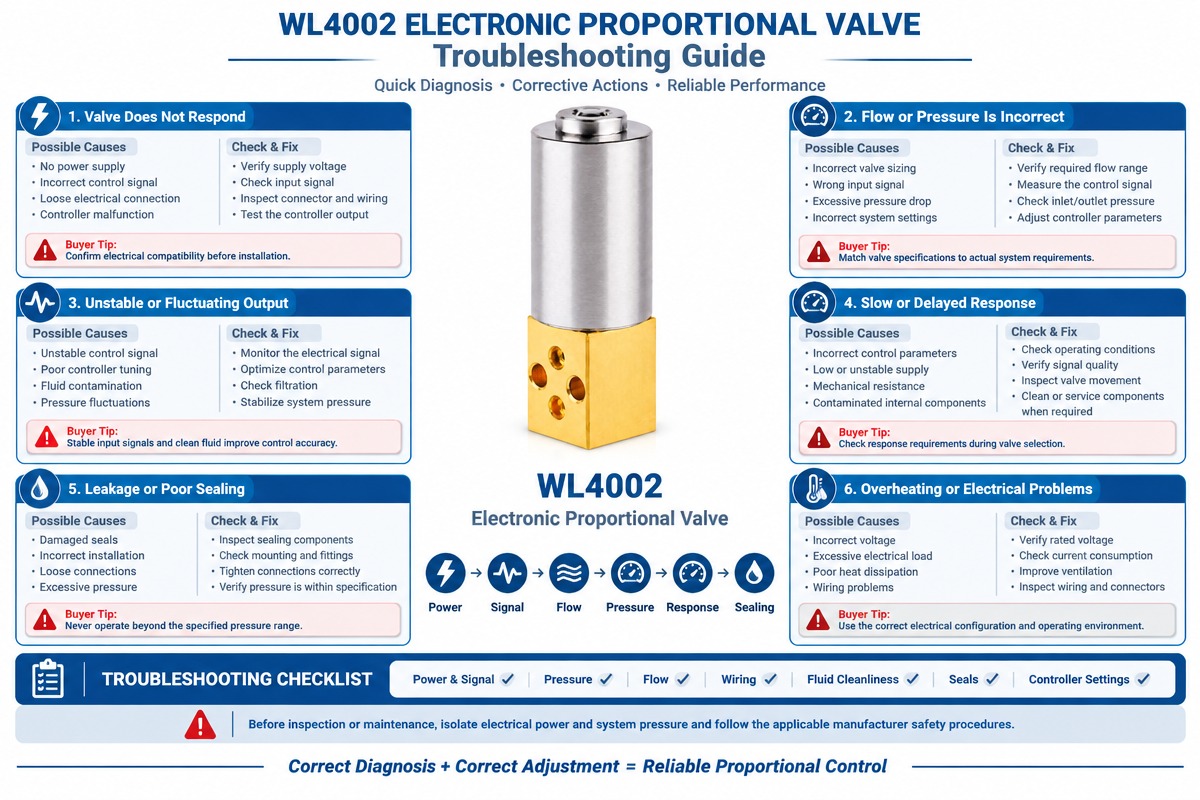
How to Choose an Electronic Proportional Valve
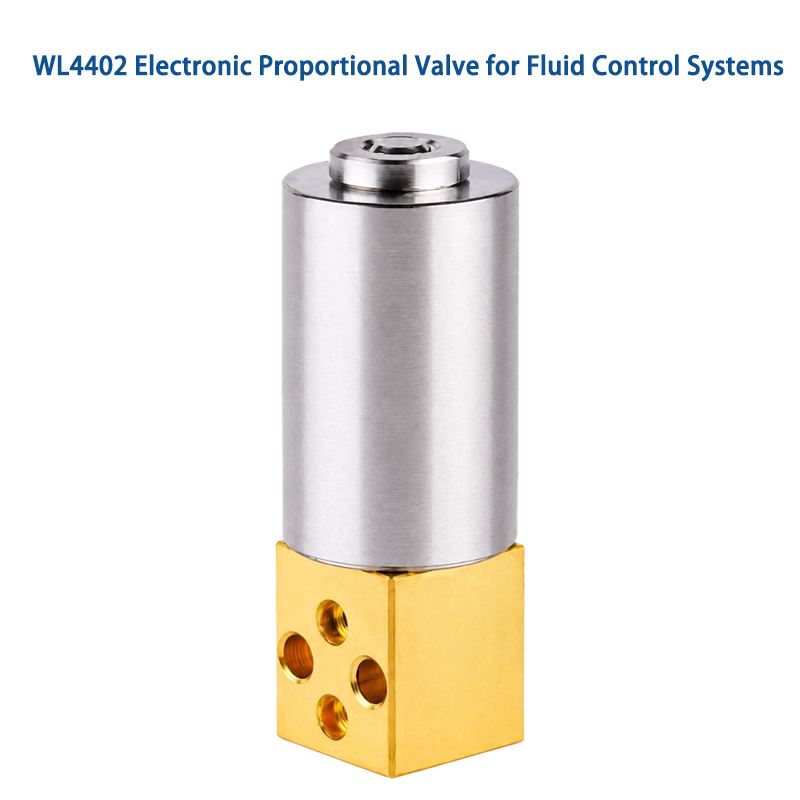
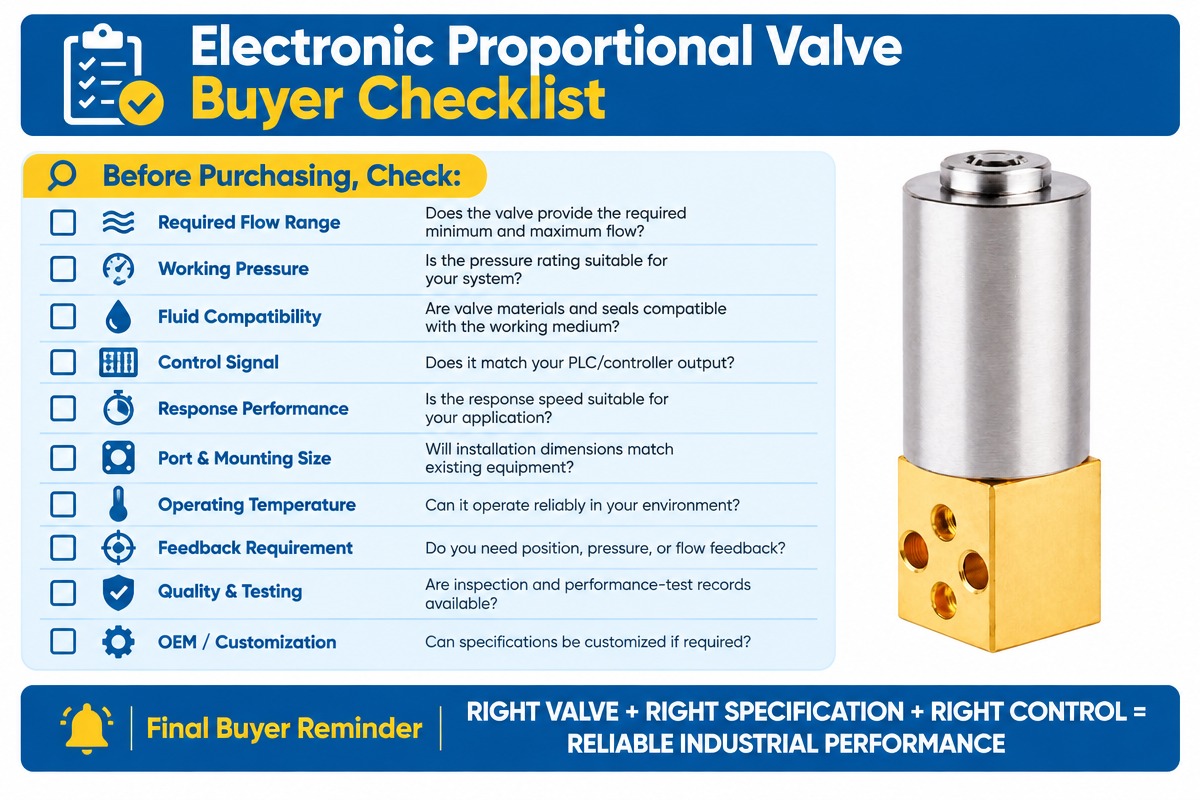
To select an electronic proportional valve, it is necessary to consider mechanical, hydraulic or pneumatic, electrical and control characteristics.
1.Define the Control Function
Decide whether the valve will regulate flow, pressure, direction or actuator motion. The desired function will determine the valve configuration.
2.Required Flow Calculation
Specify minimum, normal and maximum flow requirements. Do not oversize the valve. If the valve capacity is too high, the control resolution will be poor at low flow rates.
3.Check the operating pressure
Compare the normal and maximum system pressure with the pressure rating of the valve. Dynamic changes in the pressure and operating conditions should be taken into account with a sufficient safety margin.
4.Fluid Compatibility Confirmed
Identify the medium, viscosity, temperature, cleanliness and chemical properties. The body material and seals of the valve must be compatible with the fluid.
5.Match The Electric Signal
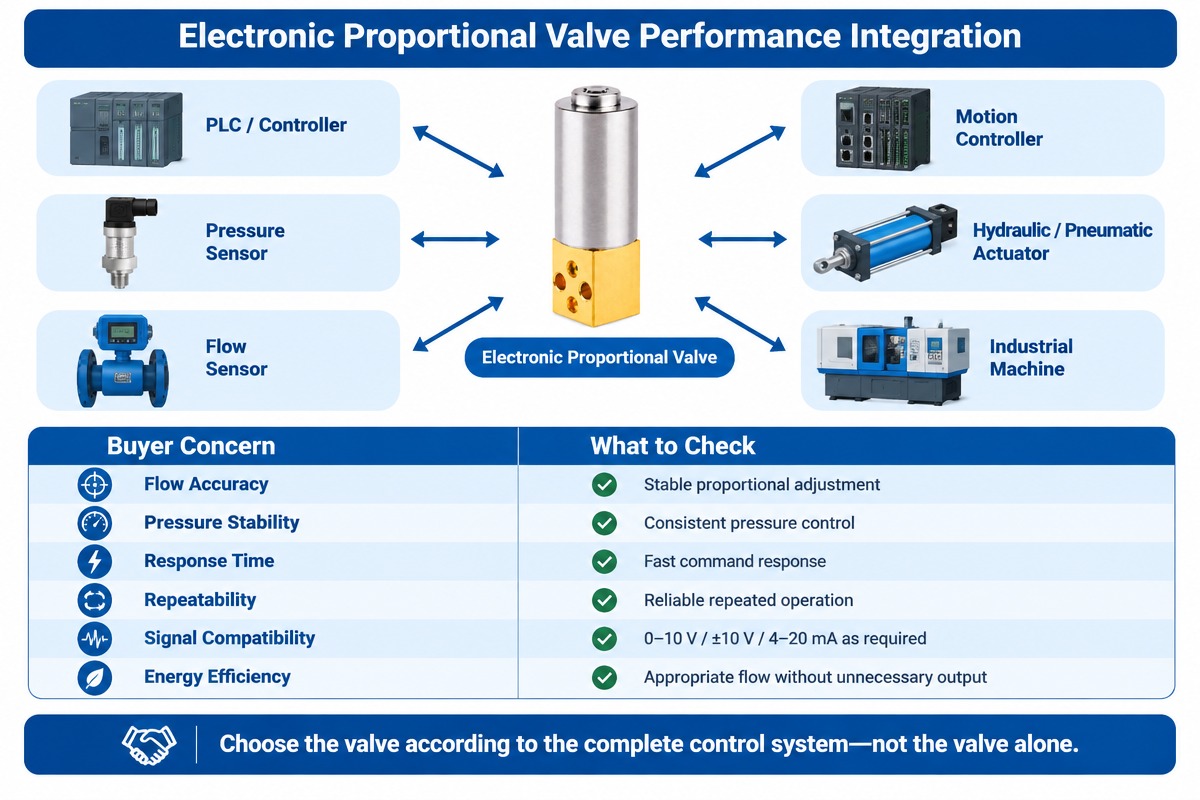
Ensure that the valve is compatible with the output of the controller. Common ranges of industrial signals are 0 to 10 V, ±10 V and 4 to 20 mA. Also, check wiring, connector type, current and supply voltage.
6.Assessment of Response Characteristics
Check response time, hysteresis, repeatability, linearity and resolution. Quick response valves are especially important for dynamic machinery and motion control applications.
7.Physical Installation Inspection
Check port size, mounting pattern, connection type, dimensions, flow direction, and installation space availability.
8.Consider the environmental conditions
Evaluate the temperature, humidity, vibrations, dust, moisture and other factors. Select appropriate protection and materials for the installation site.
9.Feedback Requirements Definition
In case of high-accuracy applications, it may be necessary to monitor pressure, flow or position. Check if the valve has its own feedback or if it should be provided separately.
10.Calculating the Total Cost
Consider not only the cost of the purchase, but also the installation, controller requirements, maintenance, energy consumption, spare parts, calibration and service life.
The electronic proportional valve must be properly selected in order to guarantee the required control range and compatibility with the entire industrial system.
Design Tips to Avoid Common Mistakes
Don’t Oversize
An oversized valve may lack control resolution and cannot control the low flows properly.
Measure pressure drop
Incorrect pressure-drop calculation can result in insufficient flow, instability or excessive energy loss.
Electrical system match
Before installation, check the supply voltage, input signal, current, connector, wiring, and compatibility with the controller.
Select the Proper Liquid Substances
Make sure that the valve body, seals and internal components are suitable for the fluid.
Fluid Cleanliness Think About
Contamination may cause sticking, wear, leaks and poor proportional performance of the spool.
Use the proper filtration
Filtration prevents contamination of the precise internal components.
Response Time Don’t Forget
A slow-response valve can affect machine cycle time and control dynamics.
Setup the Feedback Correctly
Incorrectly placed or calibrated sensors may affect the accuracy of closed loop control.
Don’t Tune the Controller Incorrectly
Too high gain in the controller can cause oscillations, while too low gain can slow the response.
Don’t Overlook Heat Generation
Long-term operation with high current and high pressure drop will result in the system overheating.
Fail-safe Operation
Define the desired valve position in case of power failure, emergency stop and controller failure.
Test the Complete System
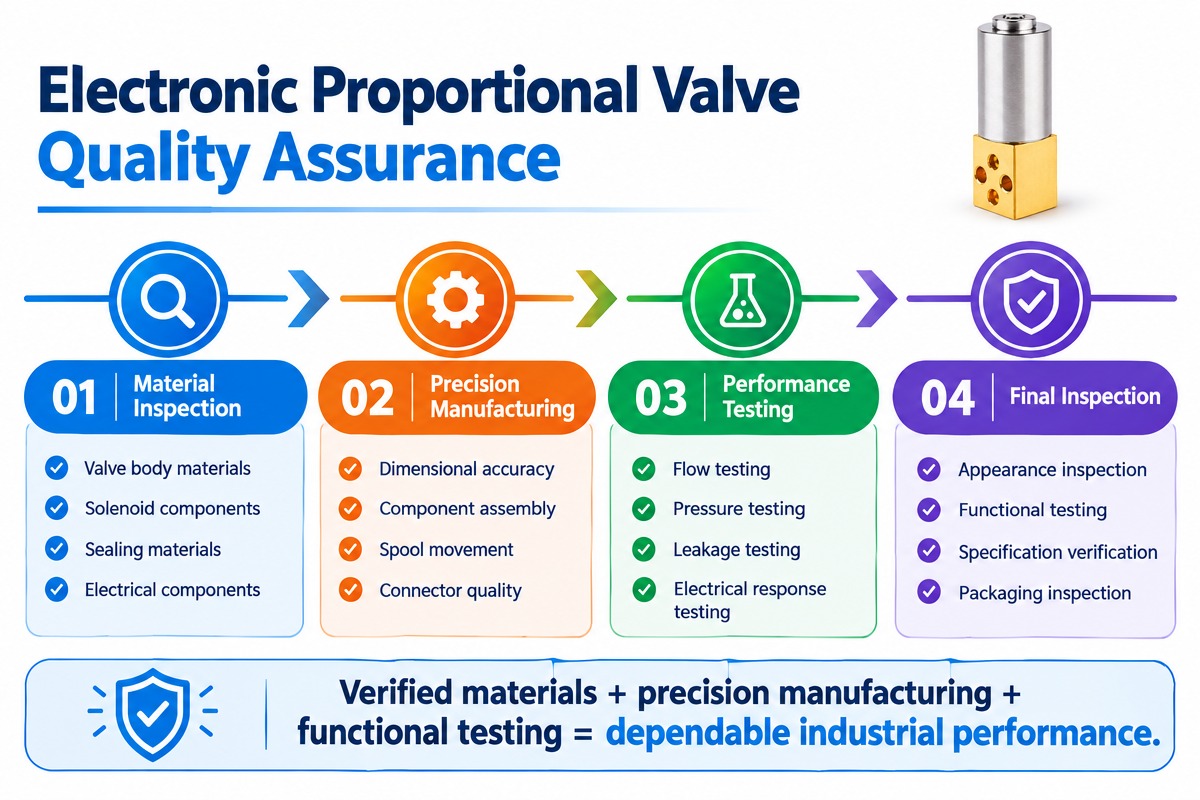
The valve should be tested with actual pressure, flow, temperature and load and not only under laboratory conditions.