How to Select a 24V Rotary Solenoid?
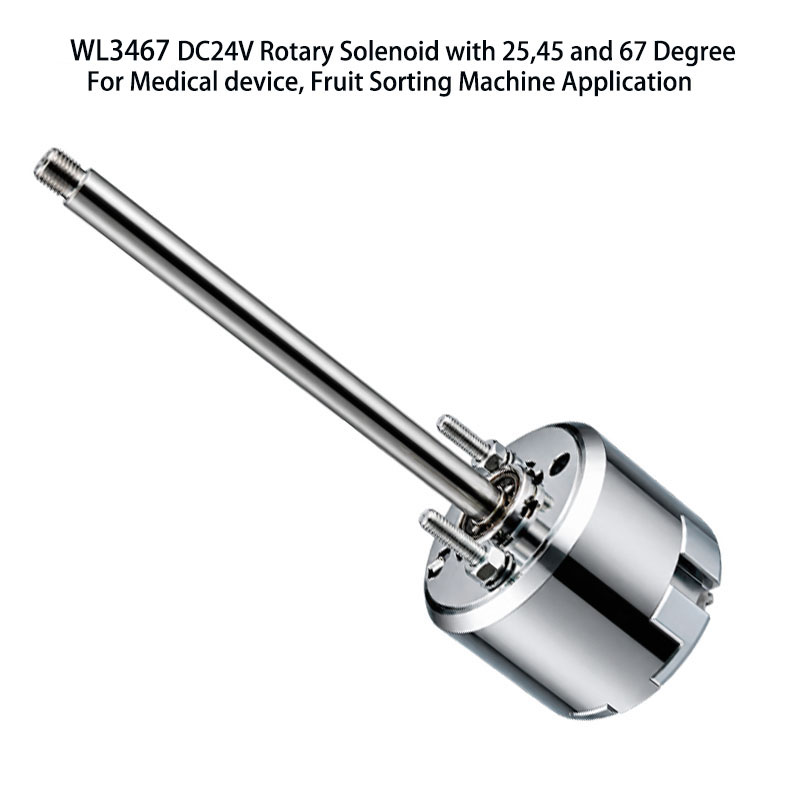
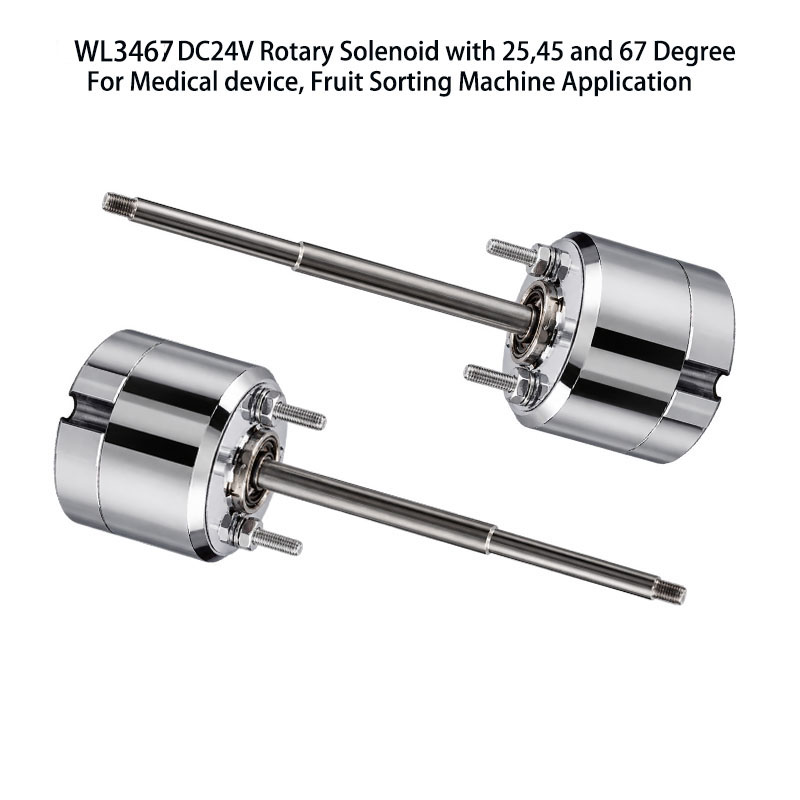
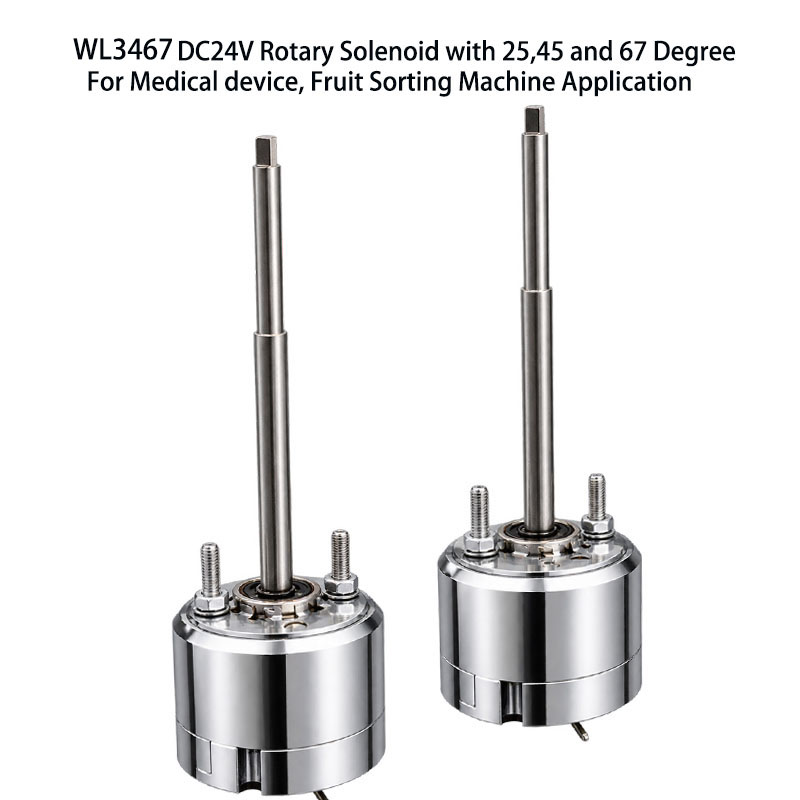
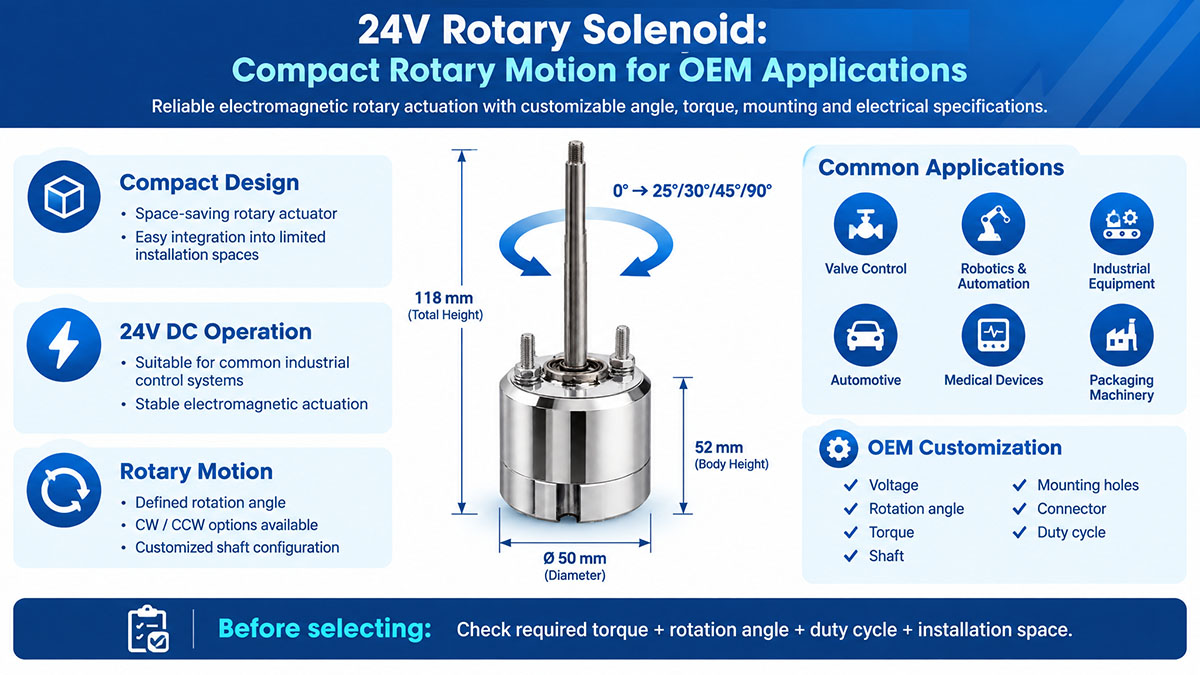
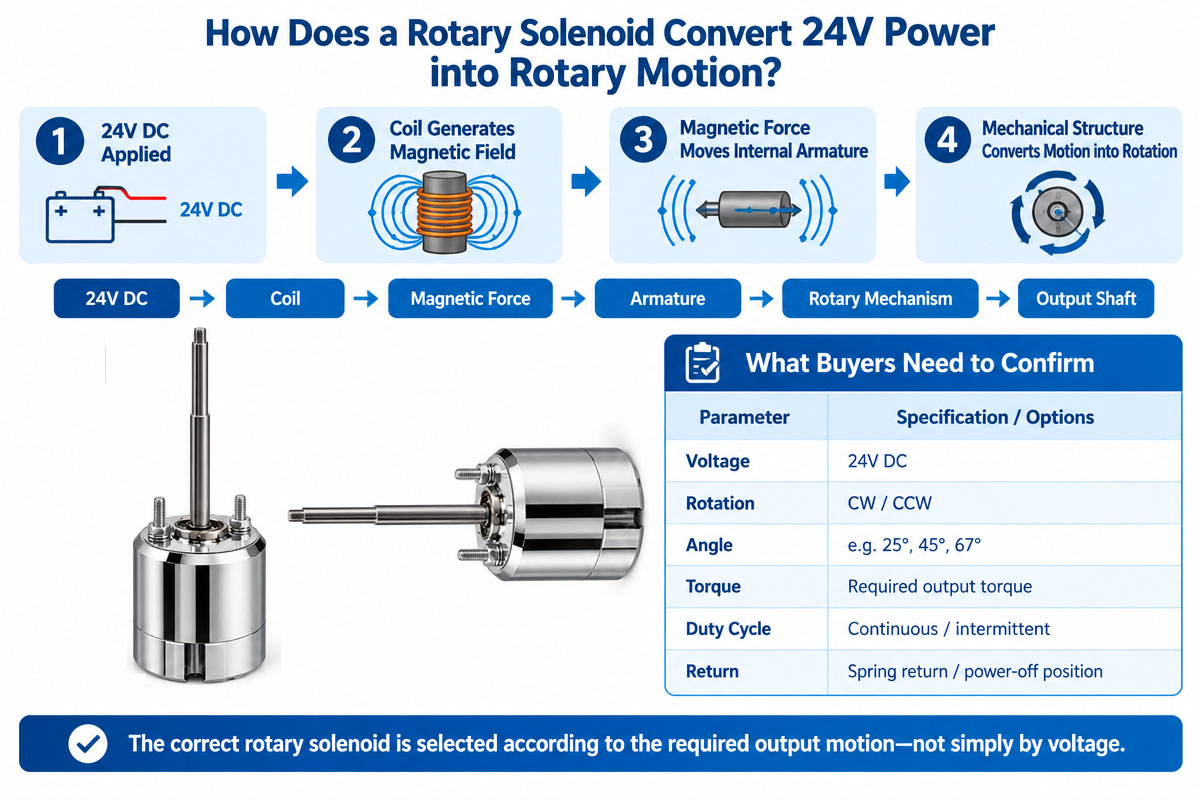
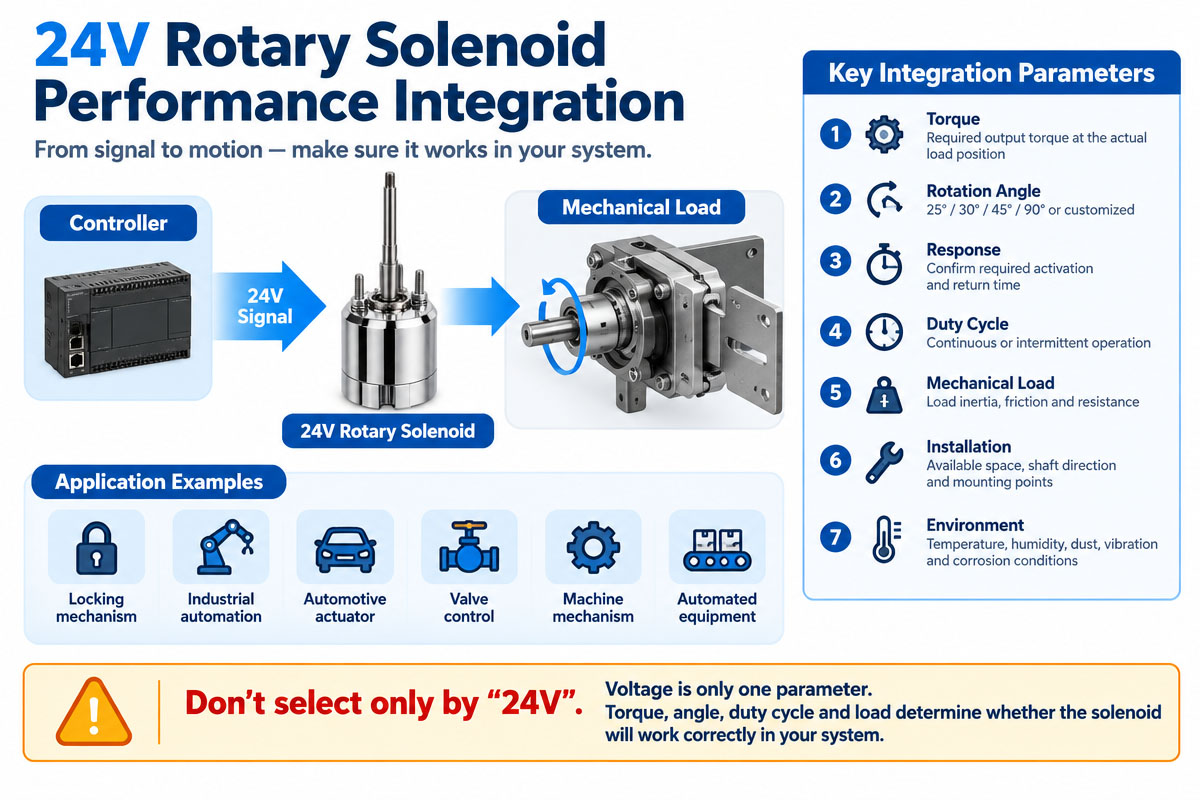
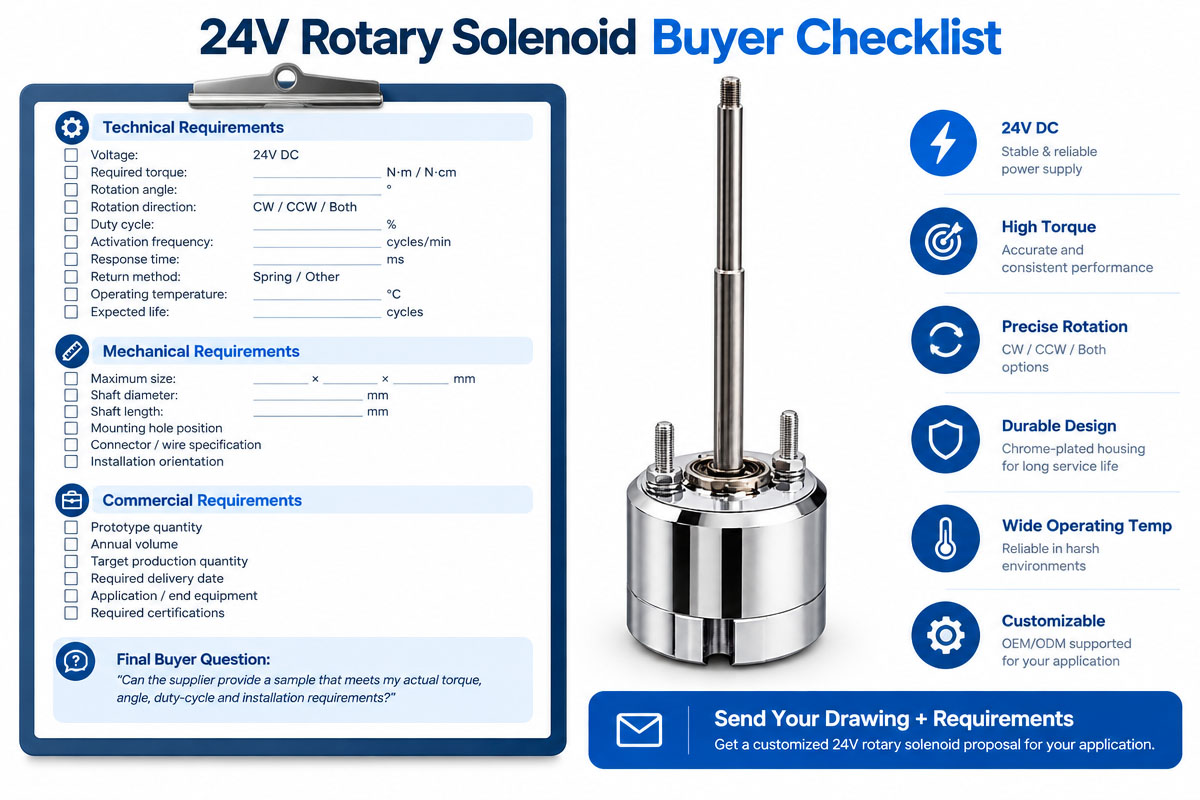
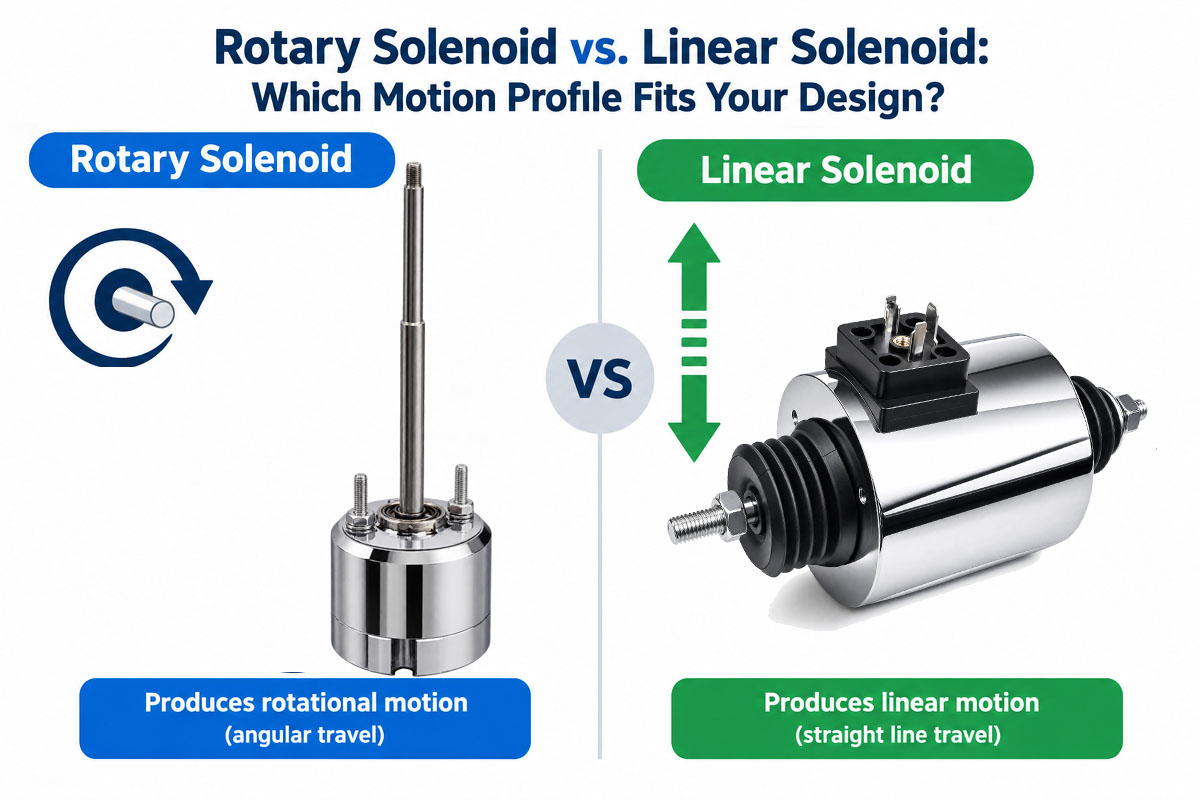
The selection process of the 24V rotary solenoid starts with the desired mechanical action. Firstly, find out the angle of rotation, direction of rotation, installation space, shaft interface, accuracy of end positions, and whether the load has to rotate automatically when power is cut off. Then find out the torque that is required at the shaft of the solenoid. Consider the load, friction, spring force, acceleration demand, and engineering margin. Do not rely on the static holding torque; instead, consider the available torque in the complete rotation angle.
Then, find out the operating speed and duty cycle. A solenoid that rotates after a few seconds has completely different thermal requirements compared to one that is operated in quick succession in a high-speed sorter. Check the maximum energization time, cycle frequency, coil temperature rise, ambient temperature, and any cooling provided by the equipment. During the operation of the 24V supply, it should remain within the manufacturers’ specified limits.
Find out the load inertia and torque. A light gate can rotate quickly, but a heavy lever can slow down the response time and hit the end stop hard. The design of the actuator should take place hand-in-hand with the design of the mechanical stops, damping, return springs, and linkage geometry.
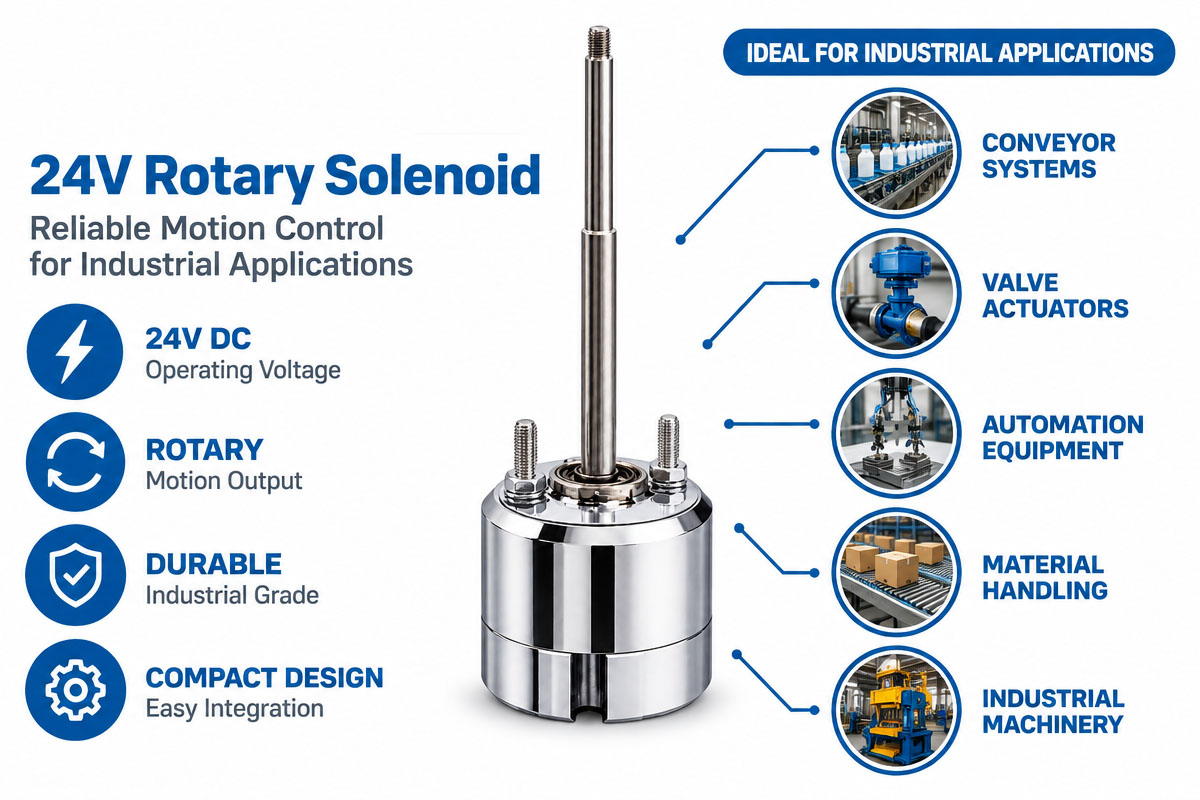
For industrial integration, check the mounting holes, shaft dimensions, connector type, lead length, electrical polarity, insulation class, vibration resistance, ingress protection, and expected mechanical life. At the system level, the medical, food, or clean equipment can have extra material, cleanliness, documentation, and regulatory requirements.
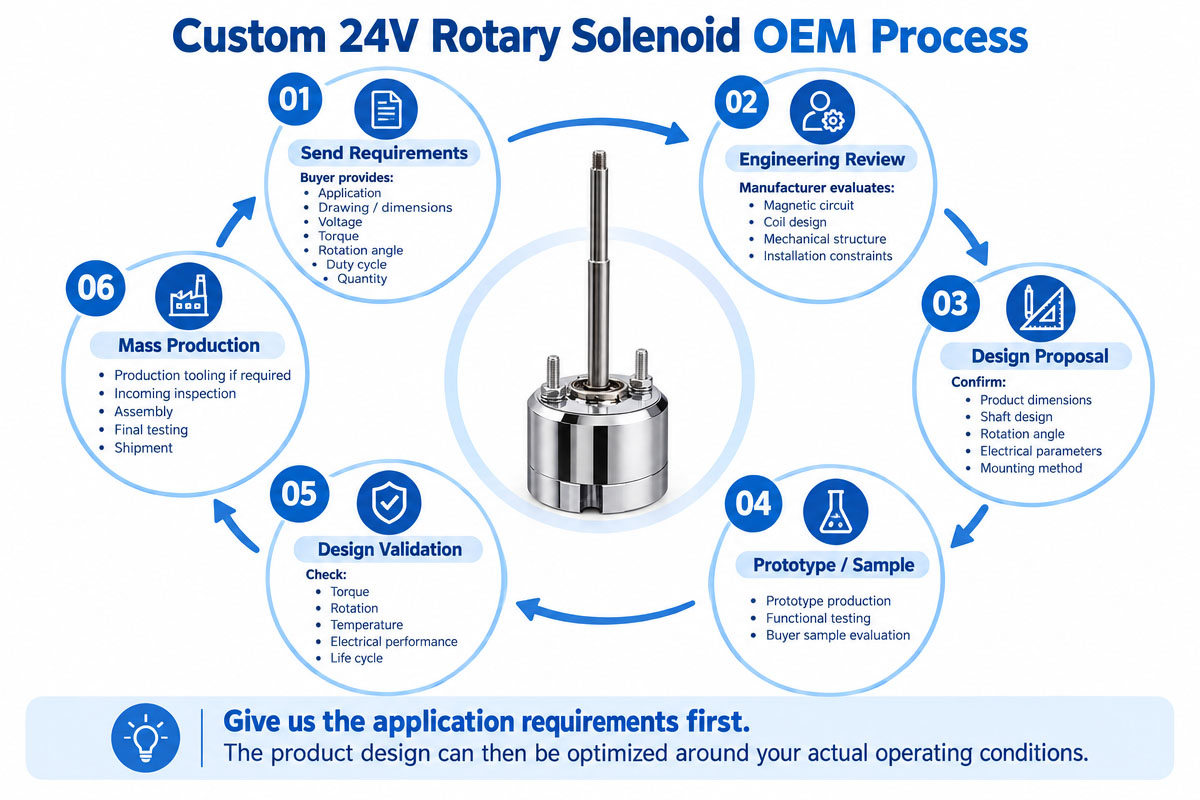
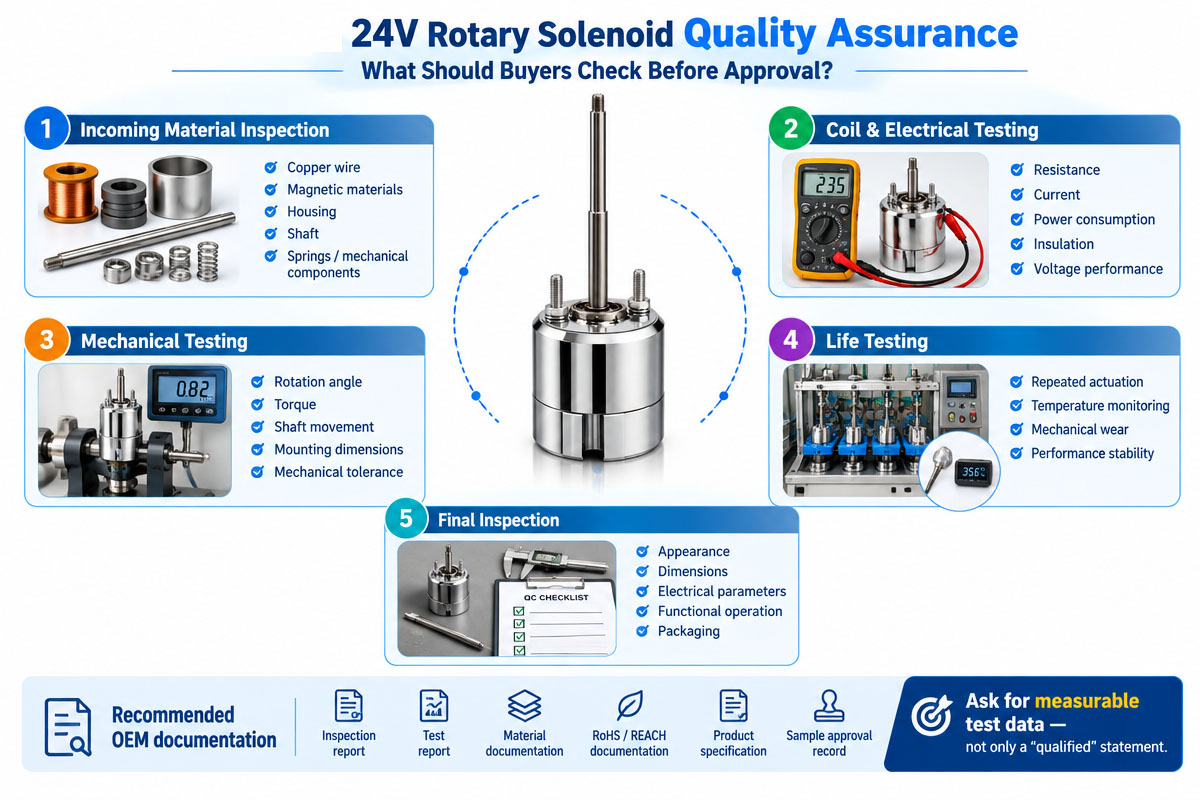
Finally, prototype the solenoid under realistic conditions. Test the minimum and maximum supply voltage, hot and cold temperatures, worst-case load, continuous production cycles, shock, vibration, and fault conditions. By measuring the current, temperature, actuation time, and return behavior, the buyer can find out whether the selected model has adequate performance margin without excess size, heat, cost, and power consumption.
If noise is a concern, consider the end-stop impact and switching acoustics. For long-life applications, verify the bearing wear, spring fatigue, insulation aging, and replacement access.
How to Avoid Common Mistakes When Designing With a 24V Rotary Solenoid
The most common design mistakes are those committed in the sizing of the solenoid based on voltage or peak torque alone. Instead, a more holistic approach will consider the complete mechanical and thermal system.
Do not forget about the torque curve. Check the available torque in the complete rotation angle, especially at the weak point.
Consider load inertia. A heavy lever requires more torque for acceleration and may hit the end stop hard.
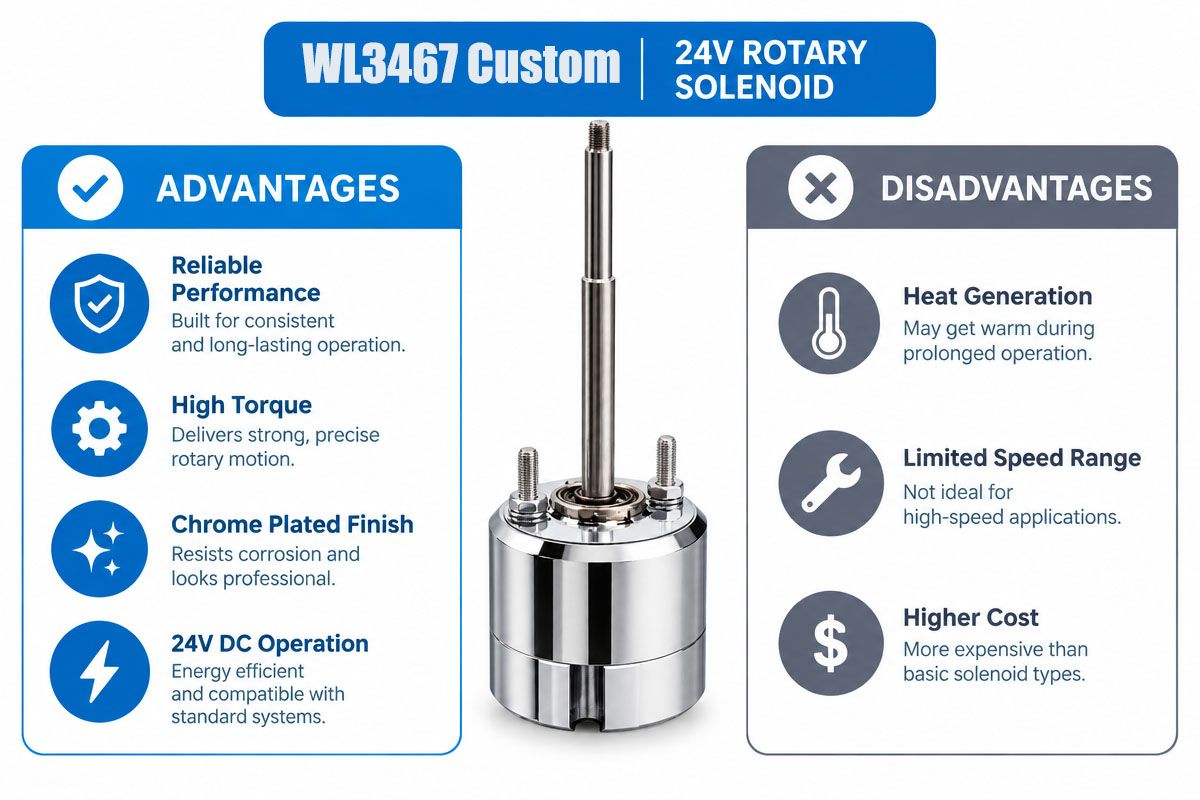
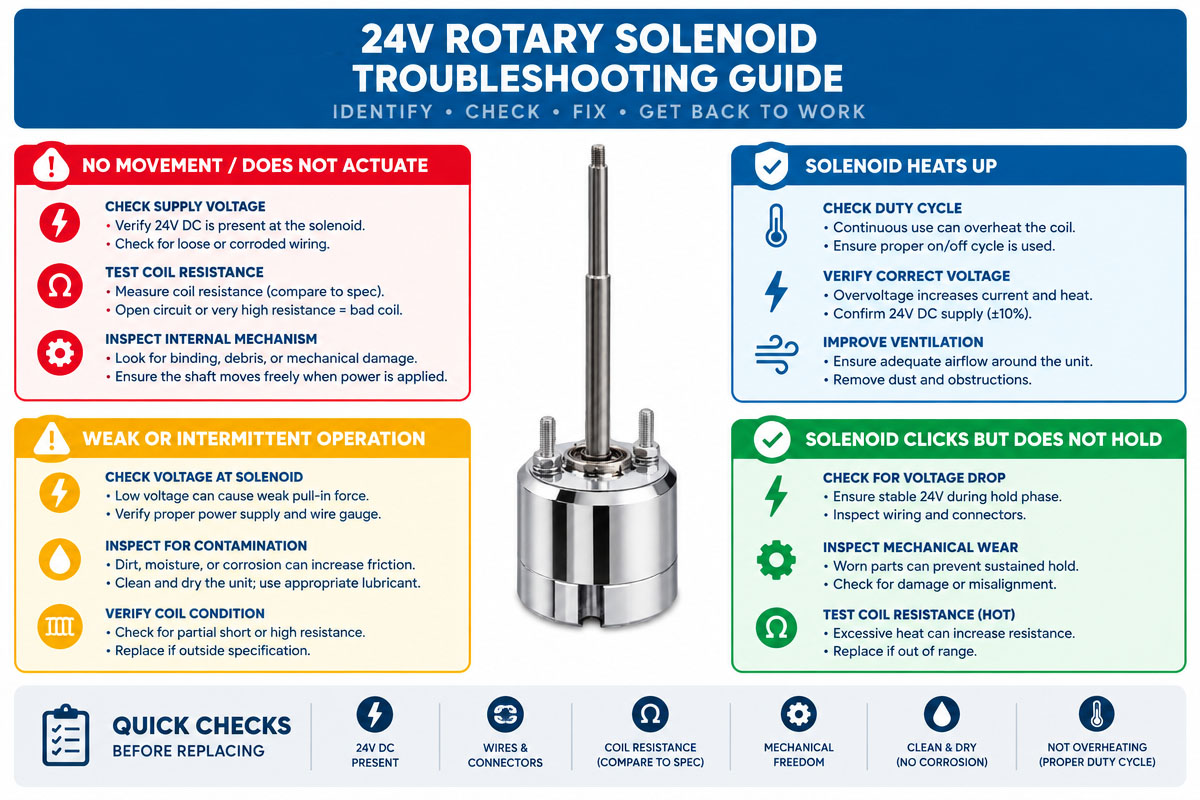
Respect the duty cycle. Even a 24V coil can overheat if it is active for too long a period or switched too often.
Check the real voltage supplied to the actuator. Cable losses, undersized drivers, and power-supply droop can affect performance.
Offer temporary protection. An inductive coil produces a voltage spike when switched off. Use an appropriate flyback or suppression circuit and consider its impact on release speed.
Prevent bad shaft alignment and side loads. Alignment affects the friction, bearing wear, and uneven movement.
Design mechanical stops with care. Excessive impact causes noise and deformation, reducing the life.
Do not make the return spring too big. Working torque at energization will be affected.
Operating environment matching. Think dust, moisture, washdown, temperature, vibration, corrosion, and cleaning agents.
Validate control strategy. Check driver current capability, switching frequency, wiring, connectors, polarity requirements, and fault behavior.
Prototype in worst-case conditions. Test the actuator under hot and cold temperatures, minimum supply voltage, maximum load, and repeated cycles.
Verify application-specific requirements. Do not consider that the actuator itself makes the machine compliant.