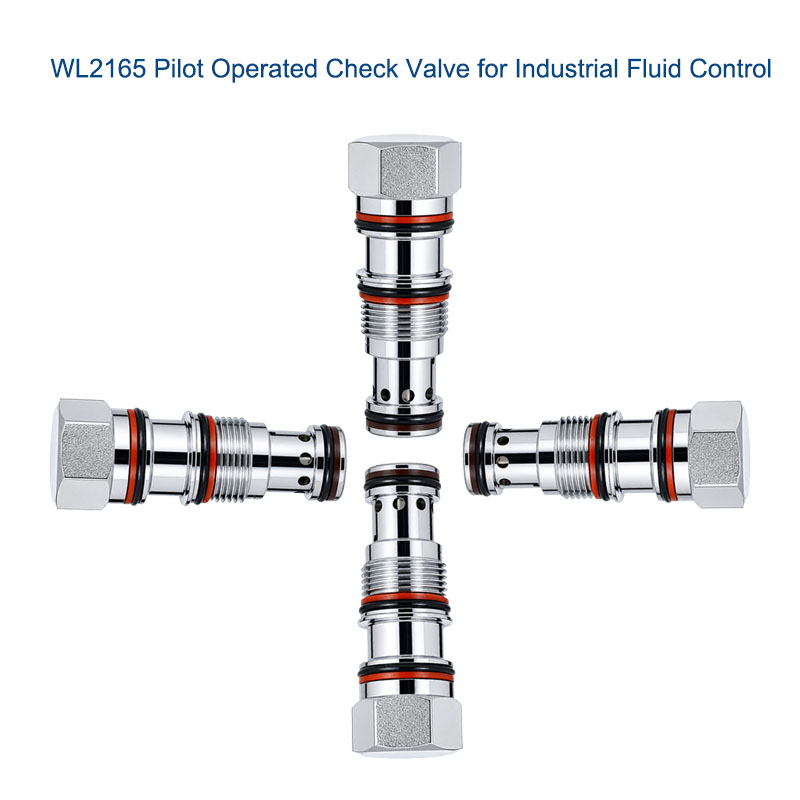
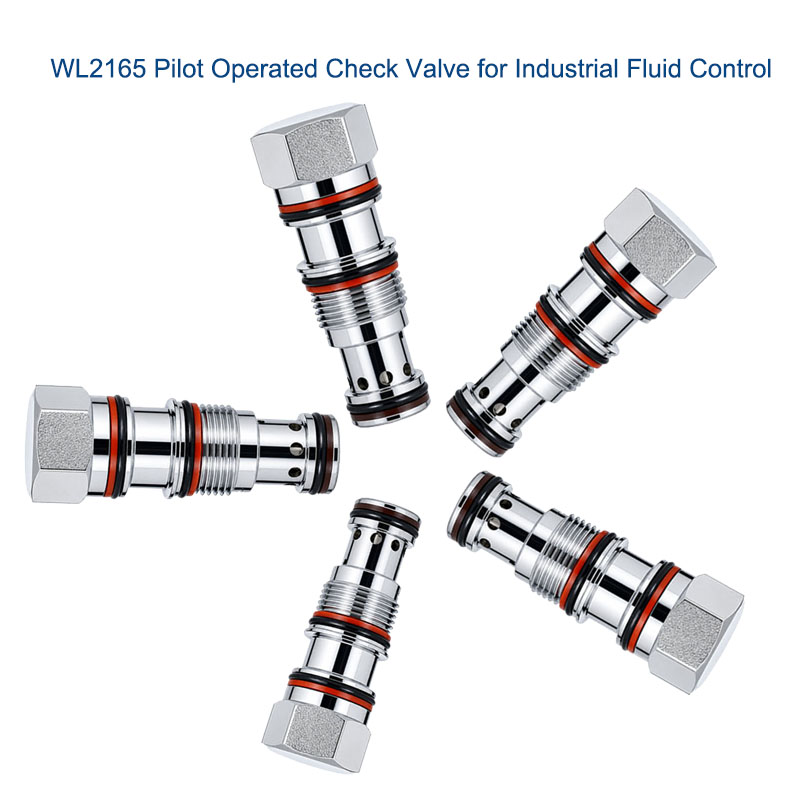
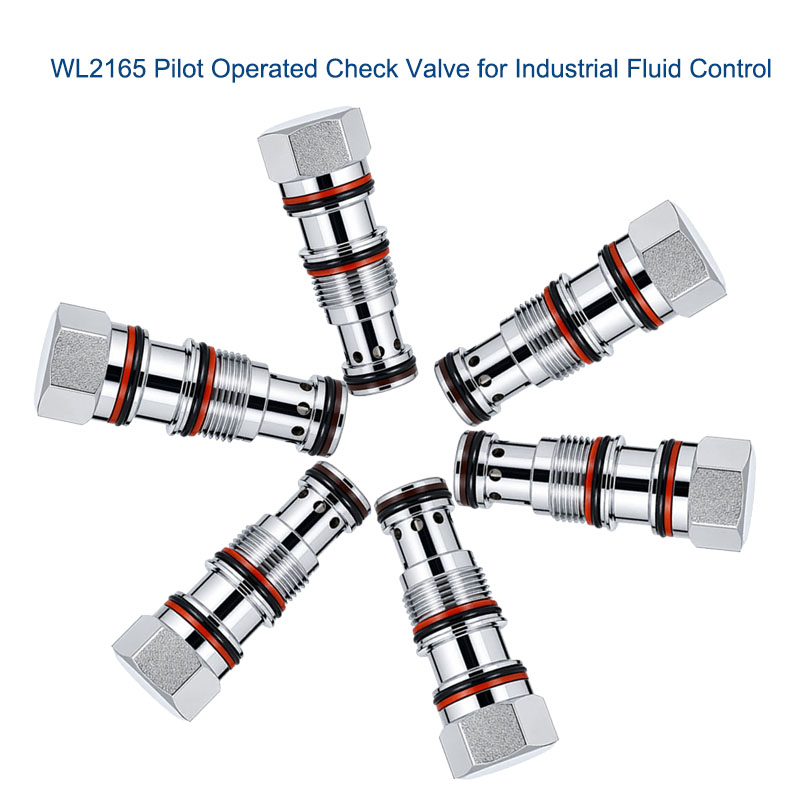
Pilot Operated Check Valve for Mobile Machinery Systems
Pilot Operated Check Valve for Heavy Duty Hydraulic Use
Pilot Operated Check Valve for Hydraulic Power Unit Use
Pilot Operated Check Valve for Equipment Safety Control
Pilot Operated Check Valve for Mobile Equipment Control
Pilot Operated Check Valve Uses for Hydraulic Cylinders
Pilot Operated Check Valve for Mobile Machinery Systems
Pilot Operated Check Valve for Heavy Duty Hydraulic Use
Pilot Operated Check Valve for Hydraulic Power Unit Use
Pilot Operated Check Valve for Equipment Safety Control
Pilot Operated Check Valve for Mobile Equipment Control
Pilot Operated Check Valve Uses for Hydraulic Cylinders

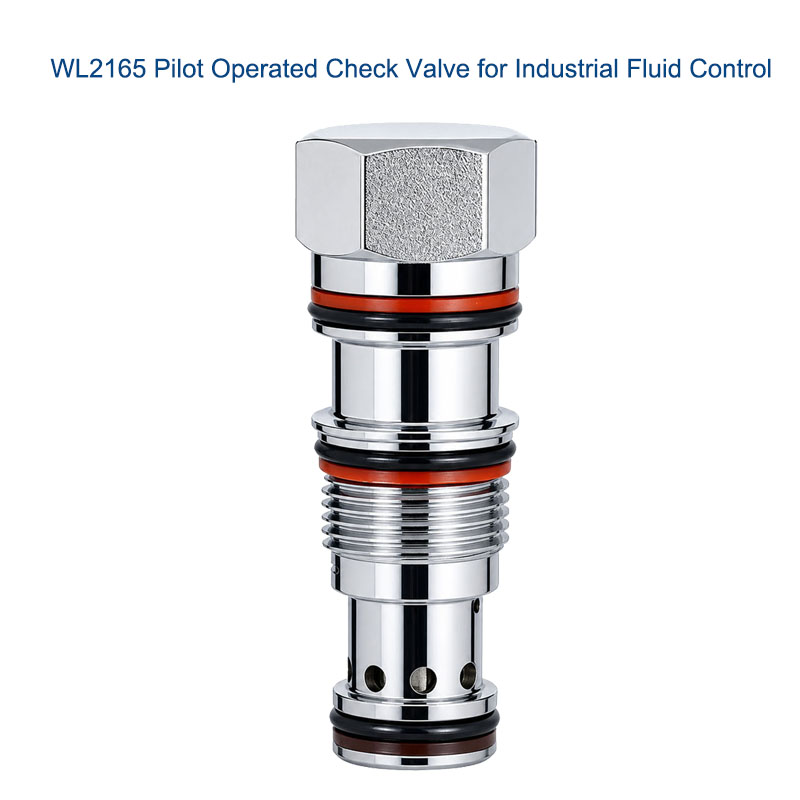
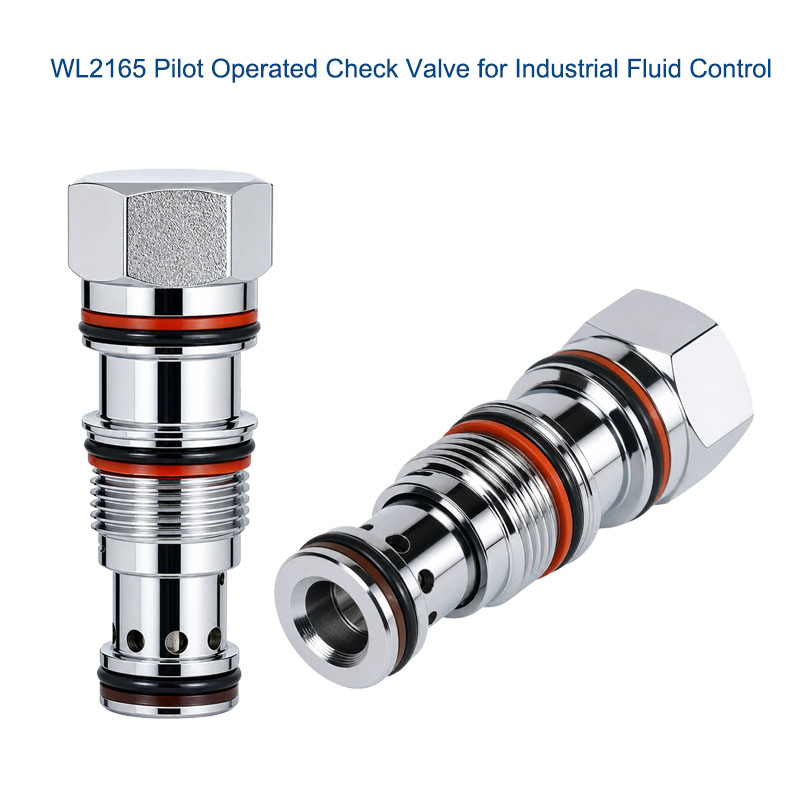
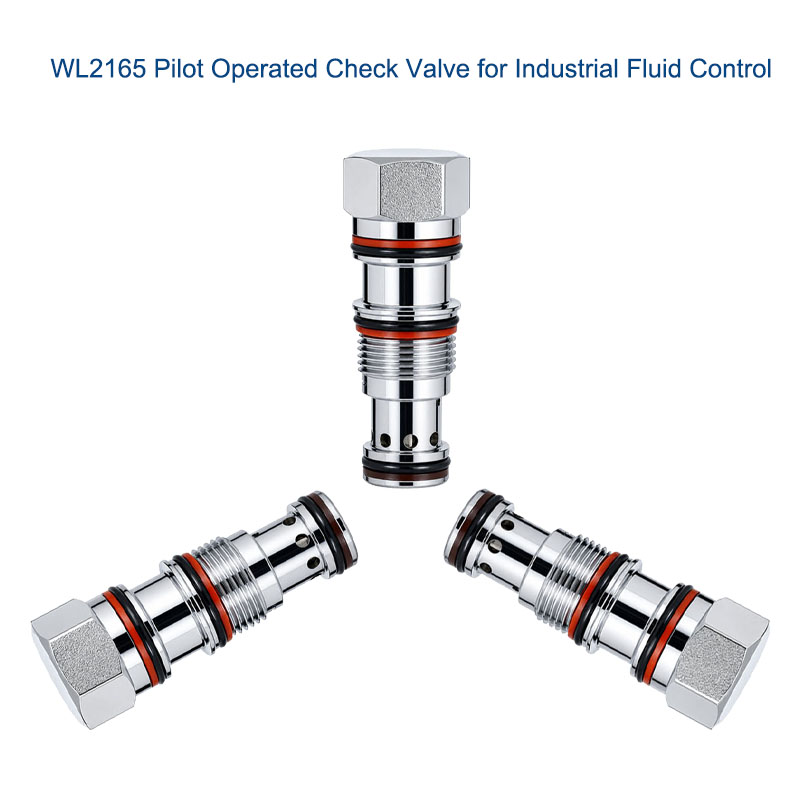
WL2165 Pilot Operated Check Valve for Mobile Equipment Solutions

Pilot-operated check valves are used in hydraulic circuits for reliable load holding and controlled releasing. Under normal flow conditions, the fluid flows freely in the permitted direction. Spring-loaded poppet or another sealing element stops the reverse flow. Pressure on the pilot port moves the internal element and opens the blocked flow passage. This feature locks cylinders, stops any uncontrolled movements, and controls the actuator position in the event of pump stopping or the neutral position of directional valves. The valve is commonly used in construction machinery, agricultural machines, material handling systems, presses, lift mechanisms, and mobile hydraulic systems. Depending on the design features, different pilot ratios, cracking pressures, flow rates, mountings, seals, and pressure ratings are available. Designers need to consider load conditions, pilot pressure, flow rate, pressure drop, hydraulic fluid compatibility, allowable leakage, and installation orientation.

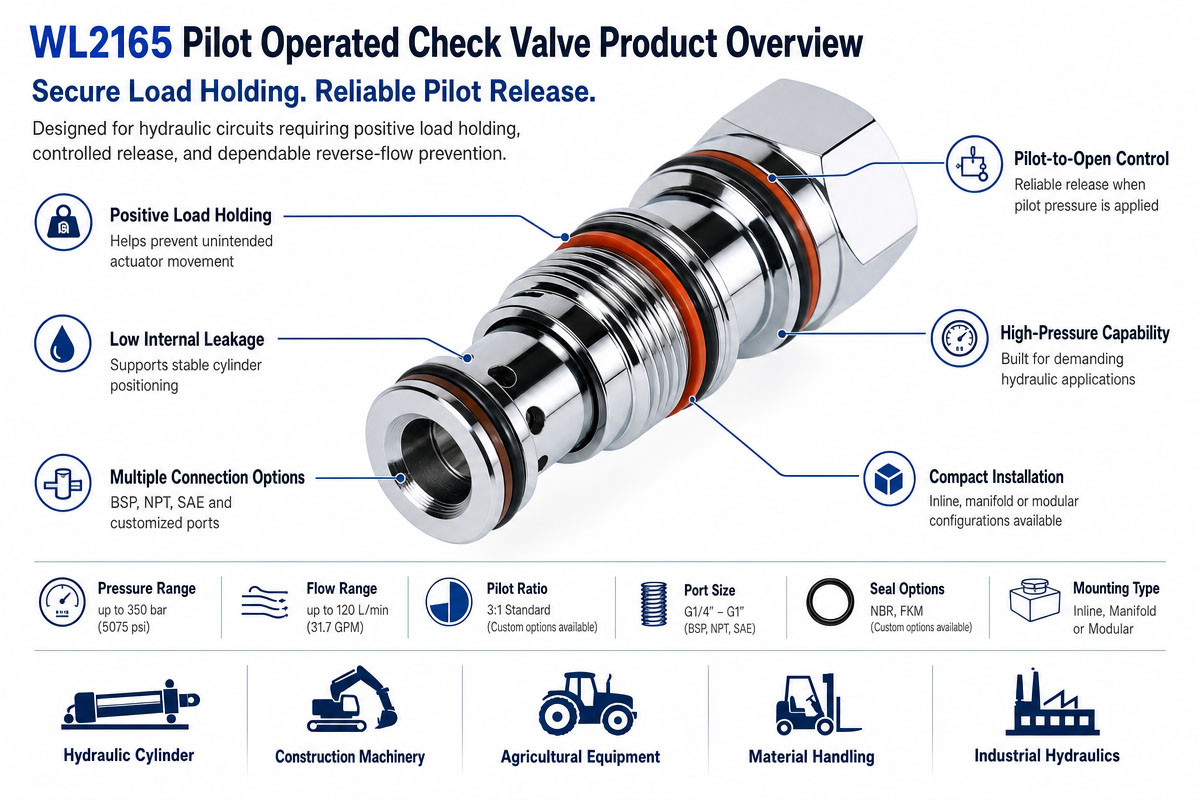
Pilot Operated Check Valve Product Overview

The pilot operated check valve is used in hydraulic circuits for reliable load holding and controlled releasing. Under normal flow conditions, the fluid flows freely in the permitted direction. Spring-loaded poppet or another sealing element stops the reverse flow. Pressure on the pilot port moves the internal element and opens the blocked flow passage. This feature locks cylinders, stops any uncontrolled movements, and controls the actuator position in the event of pump stopping or the neutral position of directional valves. The valve is commonly used in construction machinery, agricultural machines, material handling systems, presses, lift mechanisms, and mobile hydraulic systems. Depending on the design features, different pilot ratios, cracking pressures, flow rates, mountings, seals, and pressure ratings are available. Designers need to consider load conditions, pilot pressure, flow rate, pressure drop, hydraulic fluid compatibility, allowable leakage, and installation orientation.

How Does a Pilot Operated Check Valve Work?

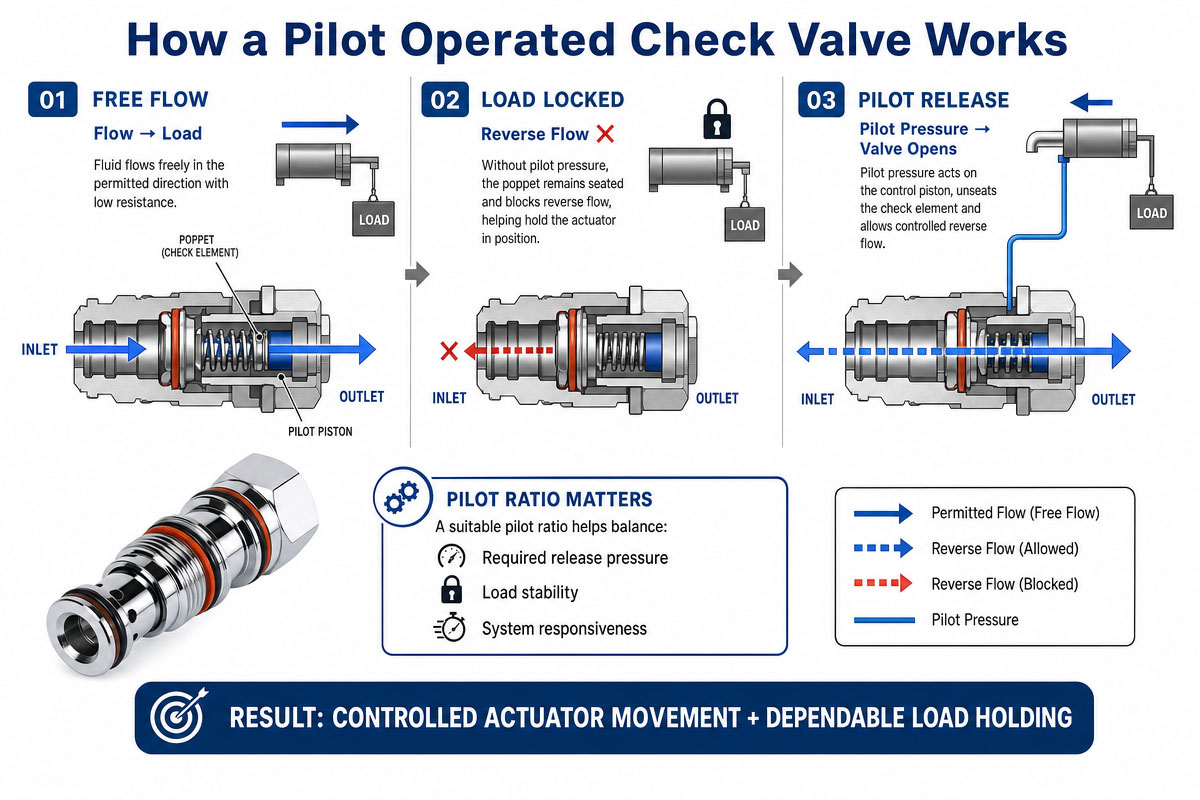
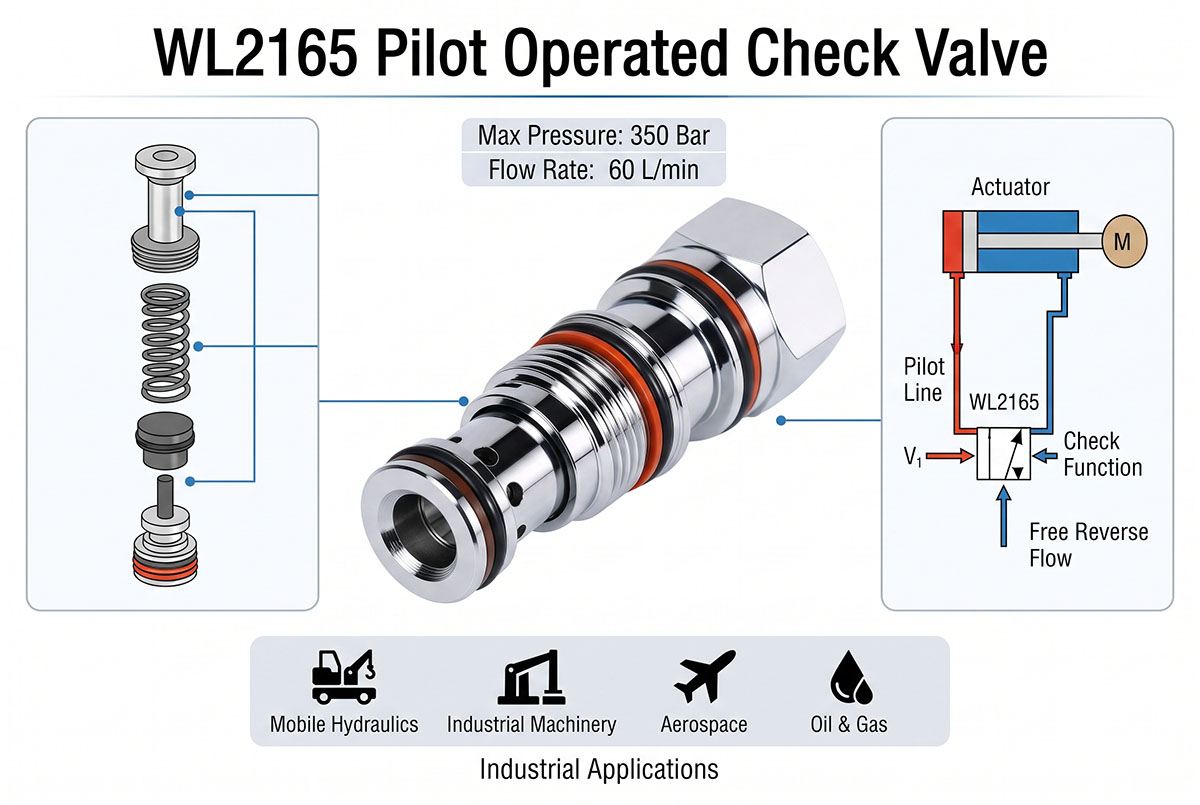
Pilot-operated check valves consist of a check element like a poppet or ball and a pilot piston. Under normal forward flow conditions, hydraulic pressure pushes the check element away from the seat, allowing oil to flow through the valve.

In case of a reverse flow attempt, the check element is pushed against the seat. This feature helps to stop reverse flow and to control the pressure and position of the hydraulic cylinder or actuator.

To release trapped flow hydraulic pressure is provided on the pilot port. The pilot piston operates mechanically and pushes the check element away from the seat. After the pilot force is sufficient to overcome load pressure, spring force, and backpressure, reverse flow is allowed to pass through the valve.

The pilot ratio of the valve and pressure levels in the circuit greatly affect the required pilot pressure. For this reason the correct pilot line routing is essential for reliable work.

Basic Features of Pilot-Operated Check Valve

The pilot-operated control valve features one-way free flow, positive reverse-flow blocking, and hydraulic pilot release. In case of proper usage, the poppet or ball-type seal design provides low internal leakage and reliable load holding. Different pilot ratios enable the valve designers to set the required release pressure. Compact cartridge, manifold, or plate in-line designs provide flexibility of installation. Many models are designed to operate at high pressures and harsh mobile conditions. Anti-corrosive finish, hardening of parts, and seal material compatibility can prolong the service life. The valve is suited for use with cylinders, actuators, clamps, lifts, and other controlled hydraulic motion devices.

Pilot Operated Check Valve Product Video

Pilot Operated Check Valve Product Detailed Display

Pilot Operated Check Valve Product Datasheet

Brand Weilong Technology Model Number WL2165
Rated Voltage (V) DC 24V, 0.4A to 2.0A Rated Power (W) 5W to 20W
Work Mode Hydraulic Pilot Operated Check Valve Working Pressure (Mpa) 80–315 MPa
Airflow Rate 1 L/minute Reset Time(s) 1 S On, 1S Off
Service Life 200 Thousand Times Certification CE, ROHS, ISO9001,
Material Superior Magnet Iron Lead Wire Length (mm) 200 MM
Install Style Screw Tolerance of Dimension ± 0.1 MM
Water-proof None Insulation Class B
Hi-Pot Test AC 600V 50/60Hz 2s Non-excitation Holding Force 0
Working Temperature -10°C-100°C Duty Cycle 1-100%
Thread Depth (mm) / Payment Term TT, or LC at Sight
Sample Order Yes. Warranty 1 Year
MOQ 1000 pcs Supply Ability 5000 pcs per week
Delivery Time 30 Days Port of Loading Shenzhen

Standard Check Valve vs. Pilot Operated Check Valve—Which One Do You Need?

Standard Check Valve vs Pilot Operated Check Valve

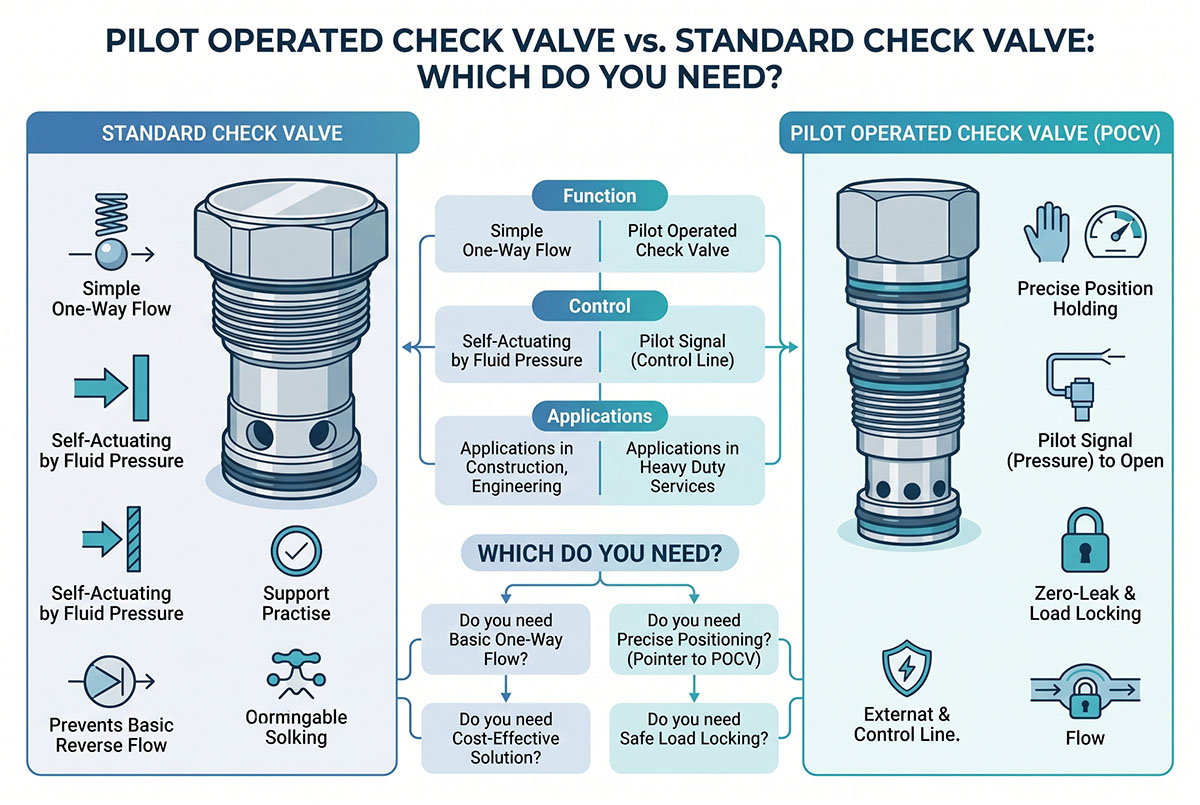
Standard check valves and a pilot operated check valve allowsfluid flow in one direction while preventing reverse flow. However, the differenceliess in what happens when you want to reverse the flow.


A standard check valve automatically opens when the upstream pressure exceeds the valve’s cracking pressure in the direction of flow. When the pressure tries to reverse, the check closes. Generally, there is no external way to open the valve against the reverse pressure. Standard check valves are ideal for backflow prevention, pump priming, hydraulic branch isolation, component protection, and general flow control.

A pilot operated check valve adds a pilot mechanism to open the normally blocked reverse flow path on demand. This is particularly useful in locking the hydraulic cylinders and keeping the actuators in position.

If the check valve is to stop the reverse flow only and there is no need to release reverse flow hydraulically, choose the standard check valve.

In case the actuator must be hydraulically locked but later will need controlled reverse flow after the pilot signal is applied, choose the pilot-operated check valve.

Don’t just choose based on one having a cylinder. If the load is gravity-driven, overrunning, suspended, or critical for safety, choose the counterbalance valve or special load control valve.

A pilot operated check valve is a standard check valve with pilot-controlled release. To summarize, a standard check valve provides for one-way flow protection, while a pilot-operated check valve provides for one-way flow protection plus pilot-controlled release.

Custom Pilot Operated Check Valve Industrial Application

Pilot Operated Check Valve Industrial Application Guide

A Pilot-operated check valves is used widely in those cases where a hydraulic actuator needs to be held in position till it is released by a deliberate pilot signal. In machine tools and industrial presses they are used to hold cylinders when they are stopped, clamped, or during power failure. In material handling equipment they stabilize lift, tilt, or positioning cylinders and minimize any uncontrolled movements caused by internal leakage in the circuit. They are used in mobile construction machinery for outriggers, booms, attachments, steering-related auxiliary circuits, and other hydraulic functions with required controlled reverse flow. They can be used on agricultural machines: on loaders, implements, folding systems, and height adjustment cylinders.

Also, these valves are used in hydraulic power units, automation machines, test rigs, jigs, fixtures, and special machines. The usefulness of these devices in vehicle-mounted hydraulic systems in view of compactness and load-holding capability is obvious.

But it is wrong to suppose that a pilot operated check valve is a universal solution for all kinds of suspended or overrunning loads. Some applications need counterbalance valves, hose-burst protection, redundancy of safety devices, or certified load-control devices. When choosing the valve location, designers need to consider load direction, induced pressure, pilot availability, shock, leakage restrictions, and machine-safety requirements.

Why the Pilot Operated Check Valve is getting popular Used in mobile vehicle equipment?

The reason why a pilot operated check valve is widely used in mobile equipment lies in the necessity to use compact components in mobile equipment that would be able to reliably hold the loads under different operating conditions. There are hydraulic cylinders in construction vehicles, agricultural machinery, truck-mounted equipment, municipal vehicles, aerial platforms, loaders, cranes, and material handling machinery to lift, tilt, clamp, fold, stabilize, or position mechanical structures.

Once a directional valve is returned to neutral, the ordinary spool leakage may cause a cylinder to drift. A pilot operated check valve placed close to the actuator prevents reverse flow and holds the cylinder position till a deliberate pilot signal is applied.

This feature is especially useful for mobile equipment, where the machine will be subjected to vibrations, different terrains, changing loads, shocks, and limited installation space. Cartridge-style a pilot operated check valve can be incorporated into compact manifolds or actuator-mounted valve blocks.

Another advantage of the pilot operated check valve is its energy efficiency. The load can be hydraulically locked a number of times without requiring continuous pump flow to keep the load locked.

However, mobile equipment designers need to differentiate between cylinder locking and dynamic load control. Depending on the application, suspended, gravity-driven, or overrunning loads may require counterbalance valves, load-holding valve assemblies, hose failure protection, or other safety functions.

Custom Pilot Operated Check Valve Advantage and Disadvantage

Pilot Operated Check Valve Advantage and Disadvantage

The Pilot Operated Check Valve Strength

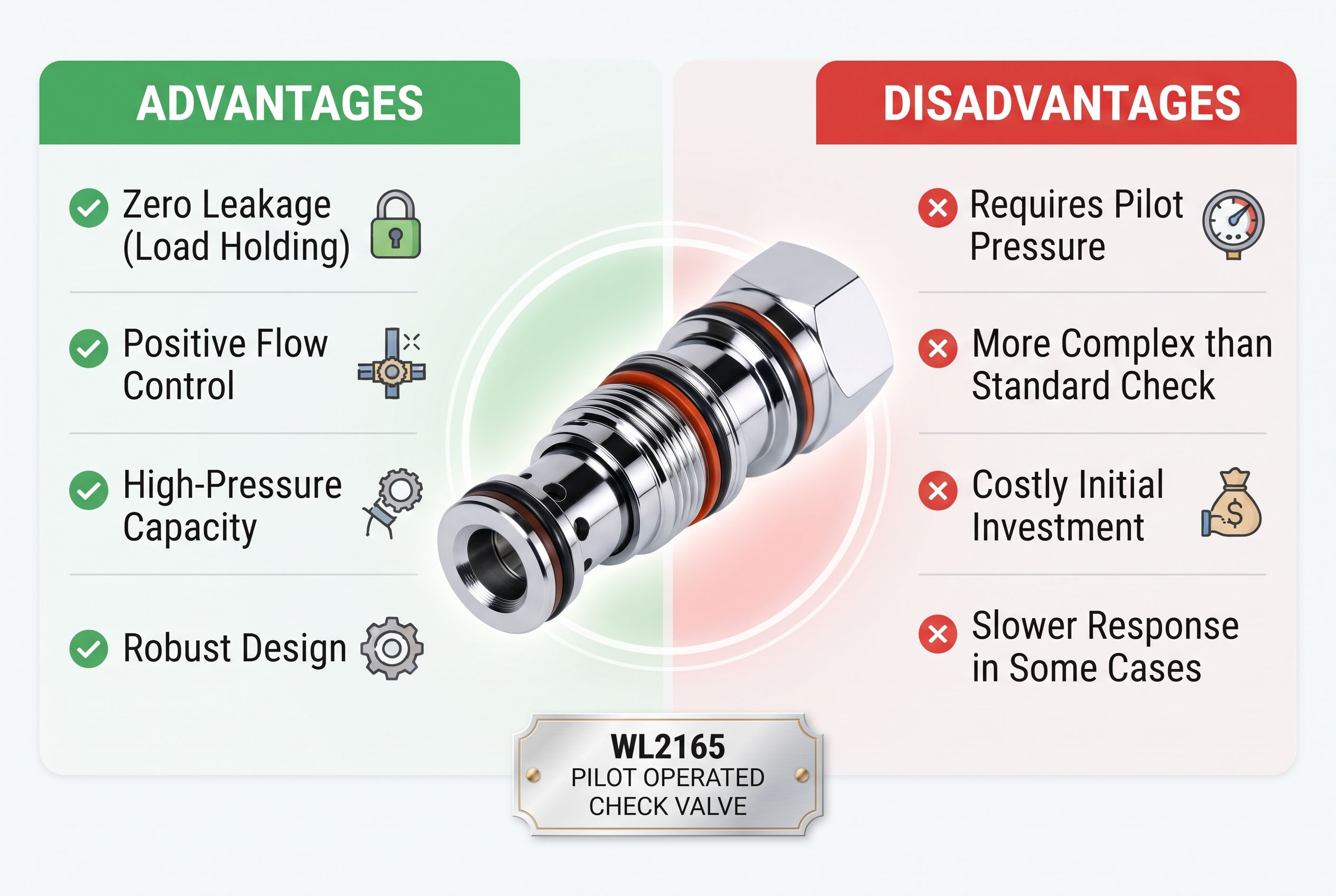
There are a number of strengths of the pilot operated check valves which may be put to good use in hydraulic systems. First and foremost, reliable load holding is the strength. Once the reverse flow is blocked, the cylinder or actuator can be held in position till the pilot pressure is applied to open the valve. It is a small, simple device and available in cartridge, manifold and in-line configurations. Another strength is the ability to isolate a part of the hydraulic system and maintain the pressure without flow from the pump. The low internal leakage is yet another strength compared to some spool type directional valves.

The Pilot Operated Check Valve Weaknesses

However, there are several weaknesses of the pilot operated check valve. It can trap pressure in the cylinder or line, and this could make maintenance very difficult in case the circuit does not provide for safe pressure release. The valve opens consistently only if the pilot ratio is adequate and the pilot pressure is correctly connected to the valve. There is a possibility that the backpressure at the outlet side will increase the pilot pressure. In case of overrunning loads, the pilot operated check valve may open too quickly, causing unstable movement. In this case, a counterbalance valve is a better choice. Contamination may damage the seating or poppet and result in increased leakage. Pressure drop, response characteristics, orientation of installation, and thermal pressure rise in trapped fluid have to be considered in the design and daily operation of the system.

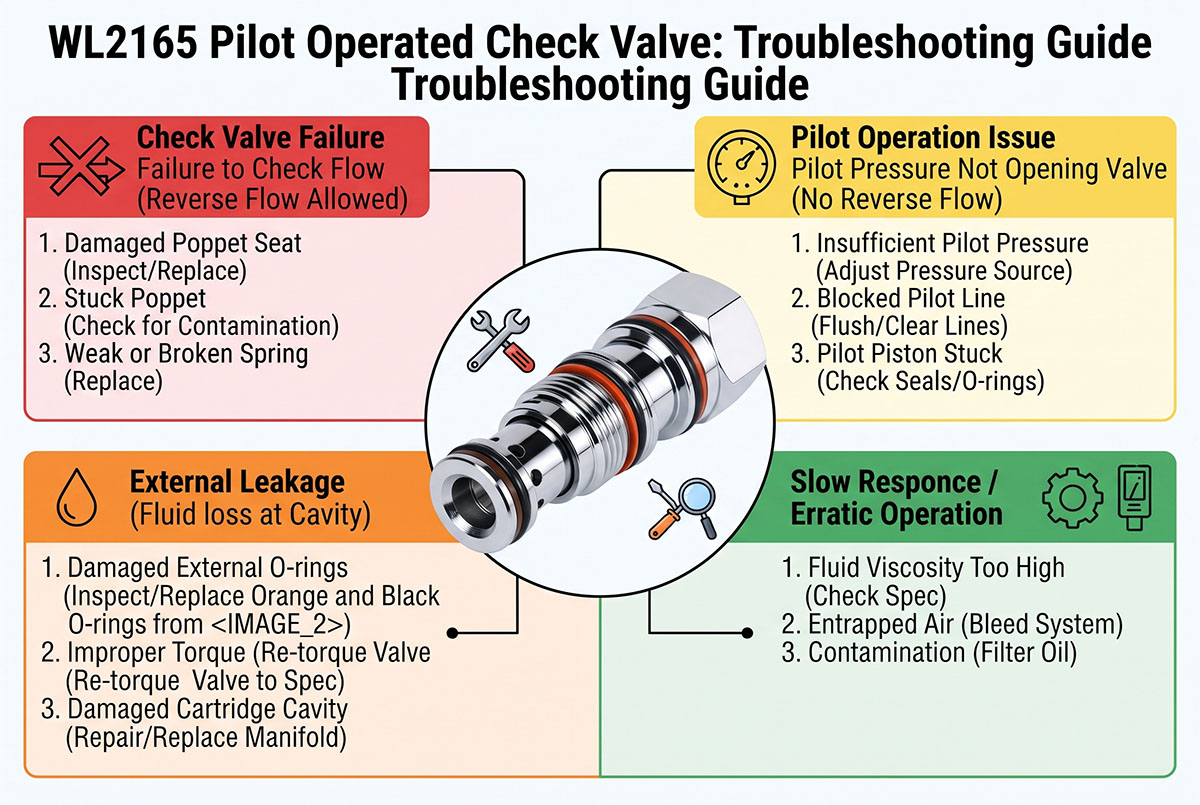
The Pilot Operated Check Valve Troubleshooting Guide

Pilot Operated Check Valve Troubleshooting Guide

Troubleshooting of pilot operated check valve starts from symptoms and proceeds to the hydraulic circuit. In case the valve fails to open, check if the pilot pressure is sufficient and check pilot lines to see if the pilot lines are blocked. Also, check if the connections are correct and if the pressure is not too high (overcharge). The valve will not open if the backpressure at the outlet or pilot ratio is low. In case there is no opening, check if there is any problem with pilot piston, which may prevent the valve from opening.

If there is a drift of the actuator in spite of the closed valve, check for contamination, seat damage, worn-out seals, incorrect assembly, or leakage in other parts of the circuit. Verify if the valve is installed in the correct direction of flow. In case of jerky, delayed, or unstable movement of the actuator, find out if the valve opens quickly, if there is any trapped air in the system, and if the circuit would be better served with a counterbalance or flow control valve.

Excessive pressure drop may be caused by undersized valves, restricted passages, high oil viscosity, contamination, and excessive flow above the rated flow range. Fast opening or closing of the valve may cause noise and pressure spikes. Prior to disassembly, isolate the energy source and relieve the trapped hydraulic pressure in the system. Flush the contaminated lines, inspect mating surfaces, replace any damaged parts, and test valve operation under controlled load conditions prior to placing it back to service.


6 FAQ's about Pilot Operated Check Valves

1. What is the main function of Pilot Operated Check Valve?

Its principal use is to prevent unwanted movement of hydraulic actuators. A cylinder can be locked in position when the hydraulic system is turned off to provide load stability and better operational control.

2. Where are Pilot Operated Check Valves normally used?

A pilot-operated check valve is widely used in construction machinery, mobile hydraulic equipment, agricultural machinery, lifting systems, machine tools, hydraulic presses, material handling equipment, and industrial automation systems.

3. What is the difference between pilot operated check valve and check valve?

A normal check valve allows fluid to flow in one direction only and automatically closes to prevent reverse flow. A pilot-operated check valve also prevents reverse flow but can be intentionally opened in the reverse direction by applying external pilot pressure.

4. How do I choose the right Pilot Operated Check Valve?

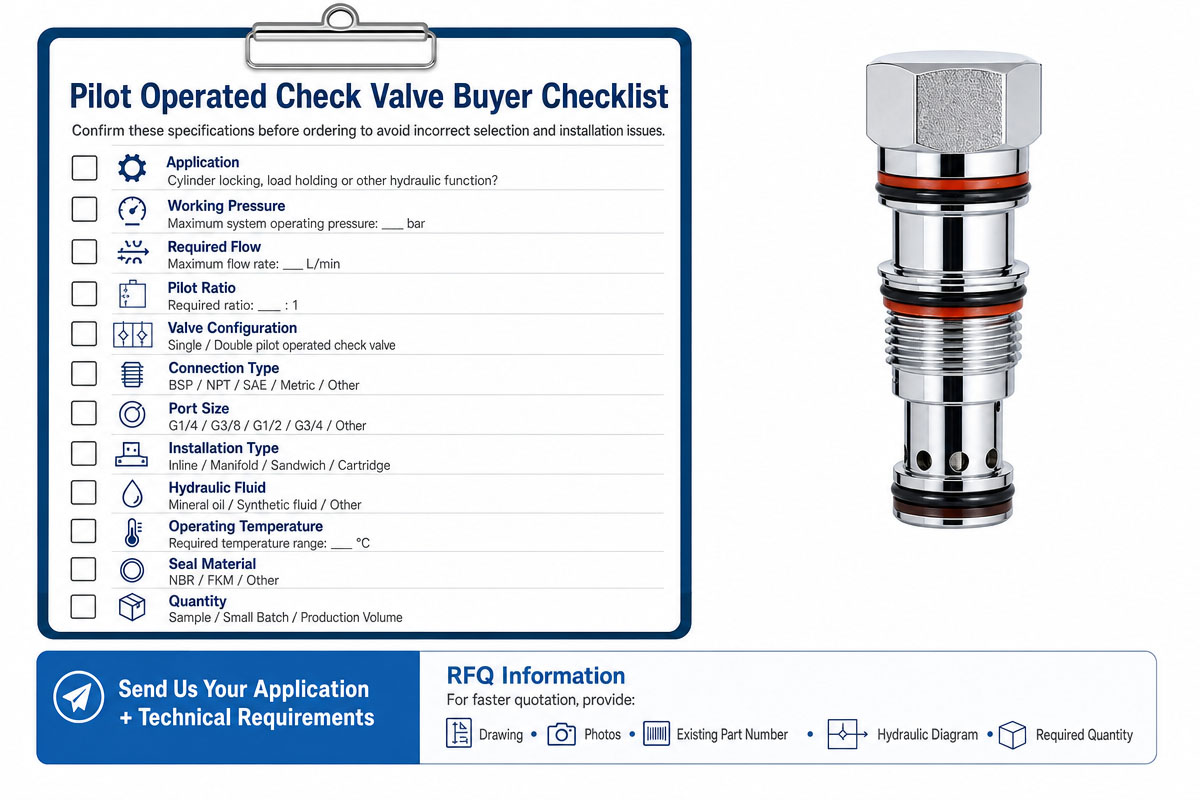
Selection should consider working pressure, flow rate, port size, pilot ratio, cracking pressure, hydraulic fluid, operating temperature, installation method, leakage requirements, and load-holding characteristics of the hydraulic system.

5.What is pilot ratio of Pilot Operated Check Valve?

The pilot ratio is the ratio of the pressure acting on the main valve element to the pilot pressure required to open it. Typical pilot ratios are 3:1, 4:1, or other ratios depending on valve design and application requirements.

6.What may cause Pilot Operated Check Valve to malfunction by not opening or closing?

The reasons may include low pilot pressure, contaminated hydraulic oil, plugged passages, damaged seals, excessive back pressure, improper installation, wear, and improper valve sizing. These problems can be minimized through proper hydraulic fluid maintenance and inspection.

How to Select a Pilot Operated Check Valve

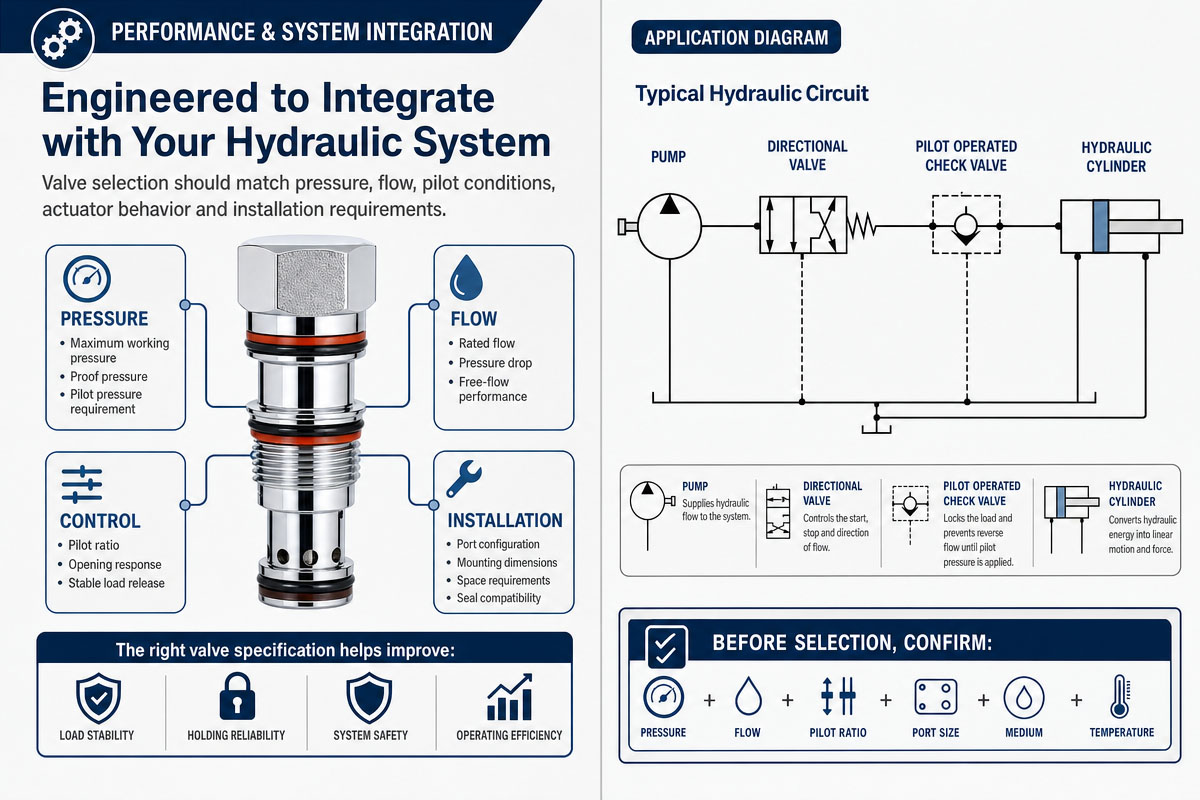
The first step in the selection of a pilot operated check valve is understanding the hydraulic circuit function. First of all, you need to establish whether the valve is needed to lock a cylinder, hold a static load, prevent drift, or control reverse flow. This helps to determine whether the valve is sufficient or a counterbalance valve or other load-control device is needed.

After that you need to check the maximum operating pressure and the expected flow rate. You need to choose a valve with an appropriate pressure rating and flow capacity, and the pressure drop should be in the suitable range. Also, you need to check the cracking pressure of the valve. Excessive cracking pressure will result in energy loss, while too low cracking pressure will affect the stability in some circuits.

The pilot ratio is also important. A large pilot ratio usually requires lower pilot pressure to open the check element but may increase sensitivity to pressure changes. A lower pilot ratio will increase holding stability but requires higher pilot pressure to release. You always need to compare the available pilot pressure to the load-induced pressure.

Then you need to check the port size, mounting style, installation space, hydraulic fluid, temperature range, seal compatibility, contamination level, and internal leakage. For mobile machinery, consider also vibration, shock, corrosion exposure, and maintenance access.

And finally, you need to see the whole circuit, not only the valve data sheet. You need to check whether there is any backpressure at the outlet. You need to check whether the pilot pressure is taken from a reliable point. Check whether pressure intensification can occur in the trapped cylinder volume. For suspended, personnel-related, or safety-critical loads, check applicable machine safety requirements and consider redundant load holding or hose burst protection. The best valve is the one that combines hydraulic performance, safety, packaging, serviceability, and lifecycle requirements.

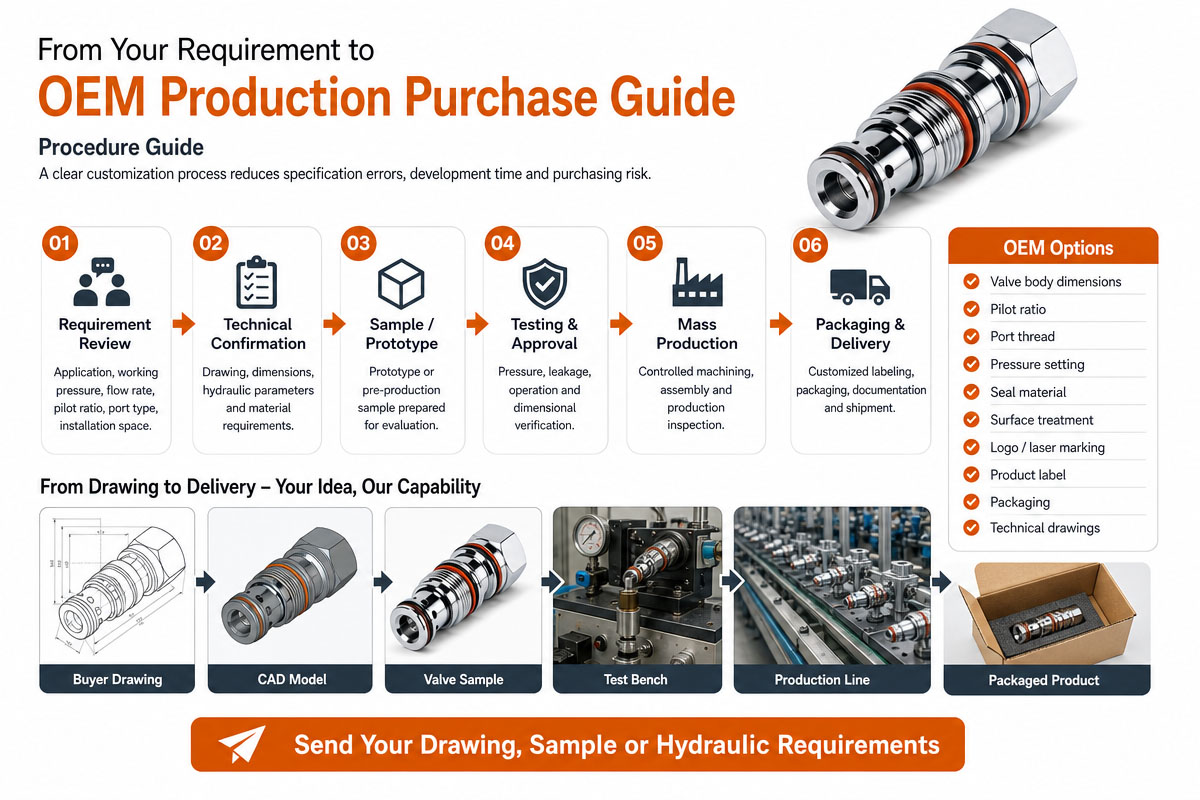
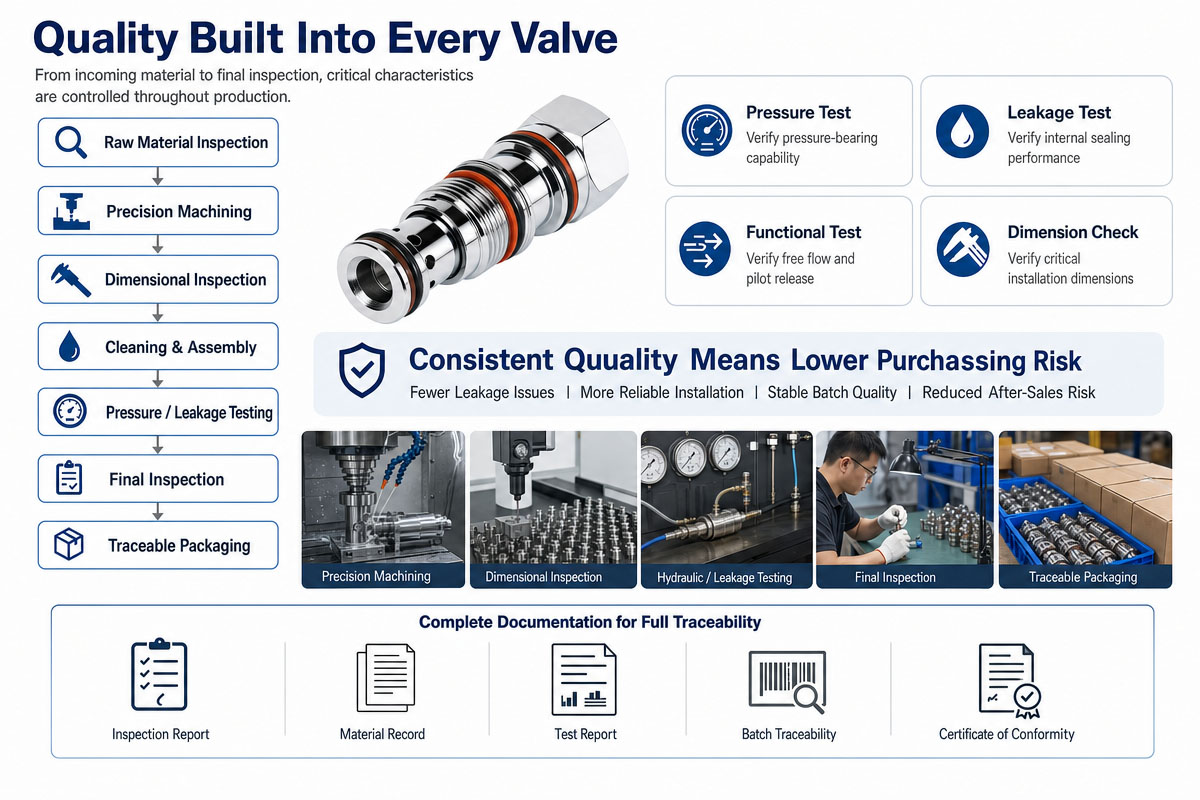
When comparing suppliers, pay attention to pressure-flow curves, pilot-port limits, leakage data, material specifications, test standards, dimensional drawings, spare-part availability, and technical support to validate the selected valve prior to production or field installation.

Tips to Avoid Typical Design Mistakes

One of the common mistakes is choosing a pilot operated check valve depending only on the port size. Port size does not determine whether the valve has sufficient flow capacity, acceptable pressure drop, and correct pilot ratio. Always consult the manufacturer’s hydraulic performance data.

Another mistake is ignoring the load-induced pressure. Pressure generated by the cylinder load directly affects the pilot pressure to open the valve. If there is not enough pilot pressure, the cylinder will be locked even after moving of the directional valve.

Designers should also pay attention to backpressure. Forces inside the valve can be affected by the pressure in the return line or downstream port, making it harder to open the pilot.

Pilot lines shall not be connected to unstable or unreliable pressure sources. The delayed valve response may occur because of long, restricted, leaking, or improperly routed pilot lines.

Don’t think that a pilot operated check valve should be used in each load-holding application. Overrunning or suspended loads may require a counterbalance valve or other specially engineered load-control solution for smoother and safer motion.

Another often ignored problem is pressure intensification. Temperature changes or external forces may cause a large pressure increase on the trapped hydraulic fluid.

Finally, don’t forget about safe pressure release provisions for maintenance. The pilot operated check valve can retain hydraulic pressure even if the machine is shut down. This should be considered on circuit diagrams, maintenance procedures, test ports, pressure relief provisions, and operator instructions.


P
Get A Free Quote Now

Contact Form

Related Products

Related News

Scroll to Top

Get A Free Quote Now !

Contact Form
If you have any questions, please do not hesitate to contact us.
Weilong Solenoid Company Culture