


How to Choose an Industrial Holding Magnet?
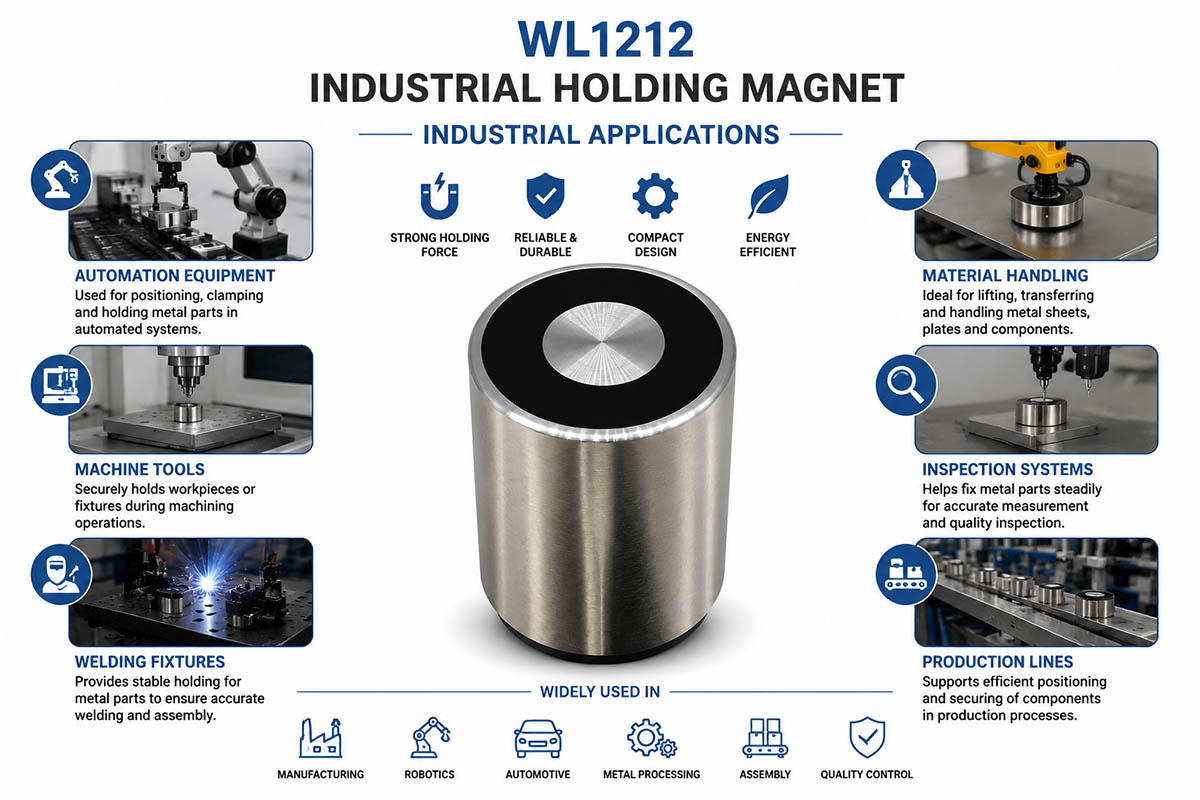
Selection of the industrial holding magnet depends on the comprehensive analysis of the application requirements, operating conditions, and performance needs.
First, determine the needed holding force. It is important to ensure appropriate magnetic force for weight, material type, and safety requirements of the application. Steel and iron materials have stronger magnetic attraction compared to other metals.
Second, select magnet type. Permanent holding magnets are good for occasions when magnetic force is constant but there is no need for electricity. Electromagnetic holding magnets are great if activation and release are controlled.
Third, consider the operating environment. Such parameters as temperature, humidity, vibration, dust, and chemical exposure influence the operation of the magnets. Corrosion-resistant materials and housing increase reliability.
Size and installation are also important factors. If space is limited, you may choose a compact design; if you need something tough, you may go for a larger one. Check mounting holes and connection methods.
Electromagnetic products require evaluation of electrical specifications. Duty cycle and control should be considered for safe operation.
Another key factor is the quality of magnetic material. High-grade material has higher magnetic force, stability, and durability.
Finally, choose a reliable manufacturer that provides customization, technical assistance, and quality testing. Properly selected industrial holding magnets improve equipment operation, reduce maintenance costs, and increase efficiency.
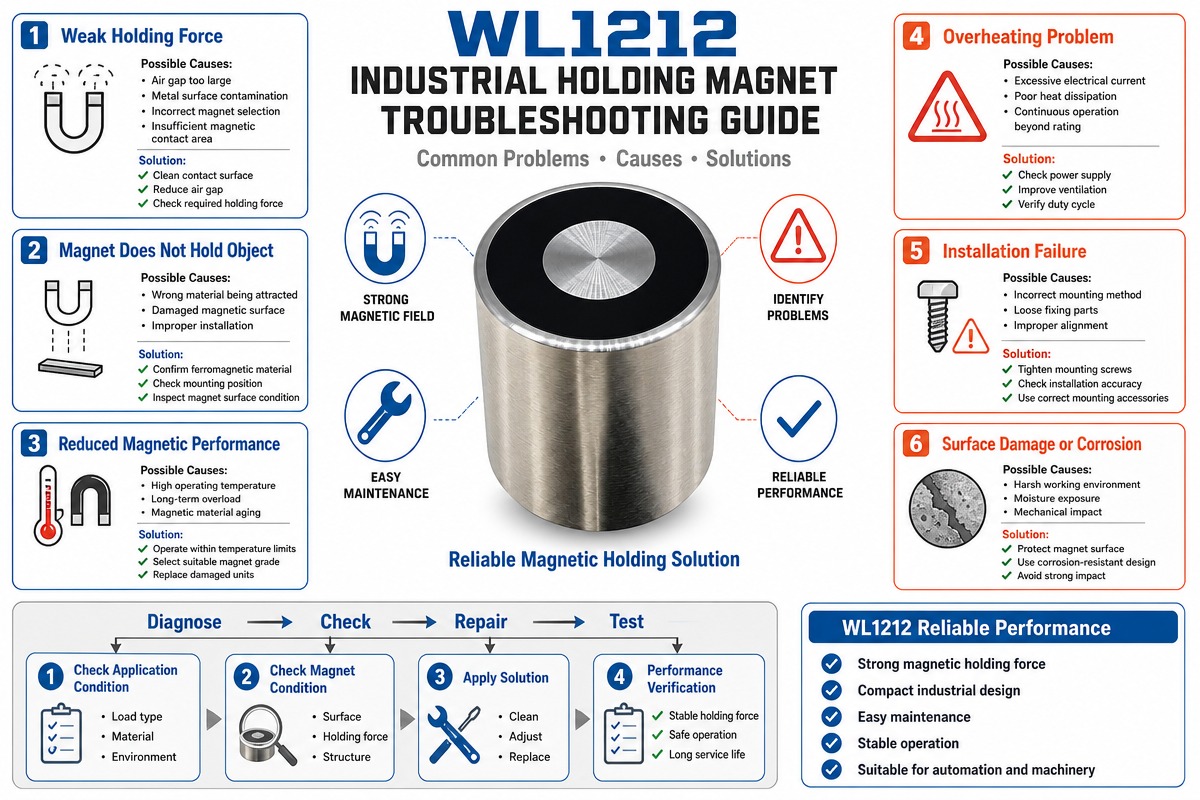
Common Mistakes in Industrial Holding Magnet Design and How to Avoid Them
Do not ignore actual load conditions when selecting magnetic force.
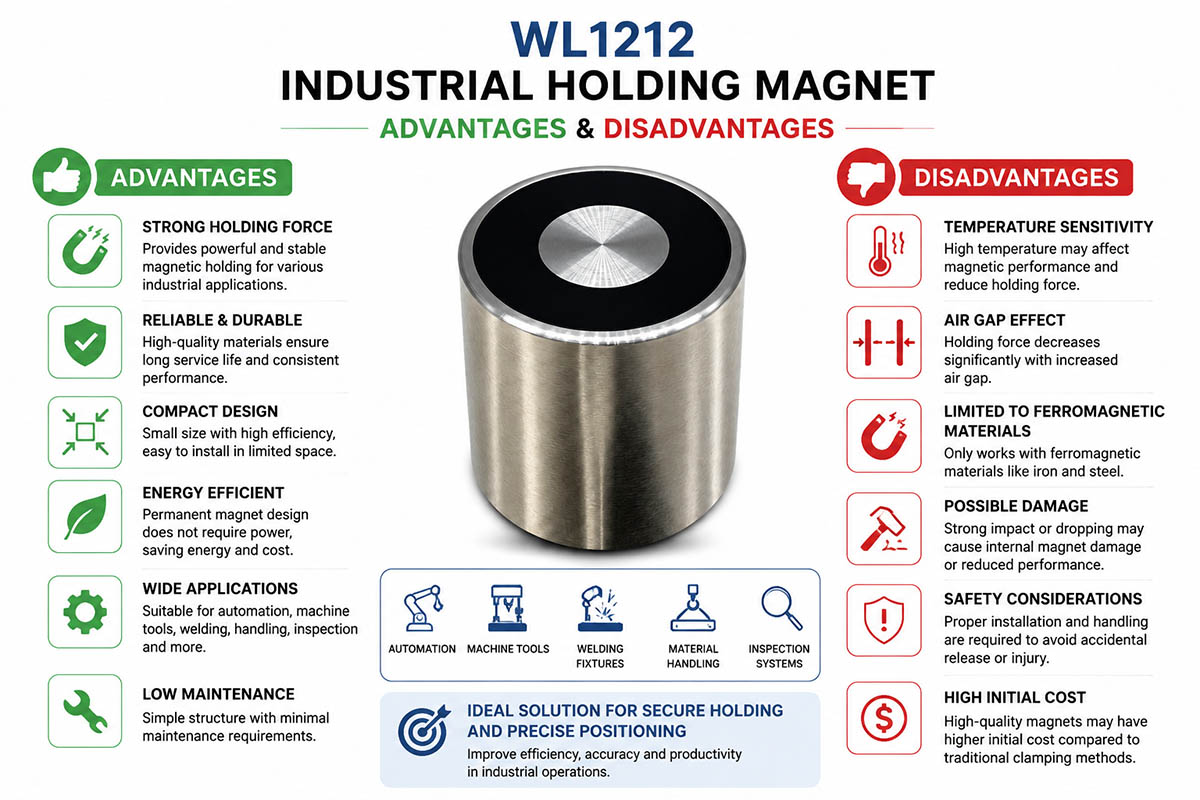
Do not forget about the air gaps between the magnet and the metal surface.
Temperature effects should be taken into consideration.
Check specifications of electromagnetic magnet on power supply.
Do not use light-duty safety margins for heavy-duty applications.
Think about corrosion protection under difficult conditions.
Design without testing hold force and durability.
Mechanical failure requires a sufficient mounting system.
Do not use magnetic material unsuitable for the application.
The design should always take into account maintenance needs.


