


How to Choose an Electric Magnet Holder?
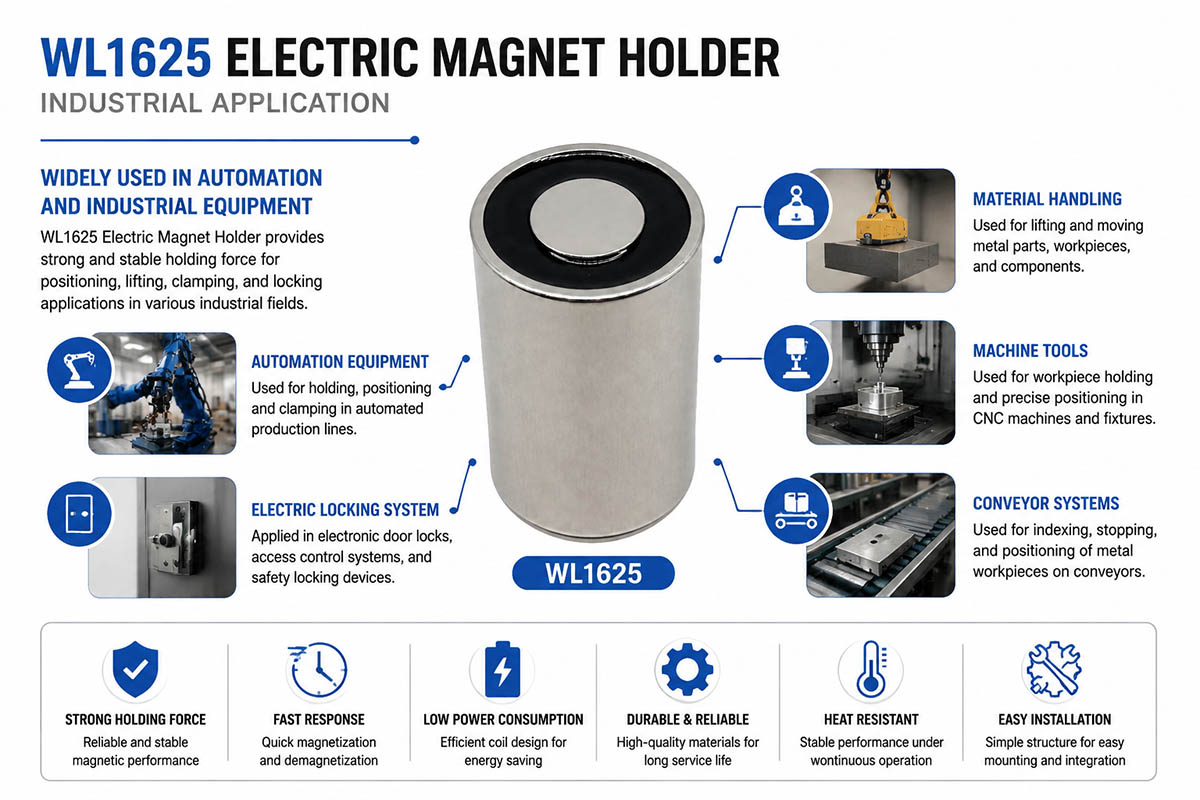
Selecting the proper electric magnet holder, it is necessary to consider the application requirements, operating conditions and performance specifications.
First of all, it is necessary to determine the holding force required. The strength of the magnet holder should be sufficient to hold the target load under real working conditions.
Second, it is necessary to determine the voltage and current requirements of the application. The selected model should be compatible with the current electrical control system to operate safely and efficiently.
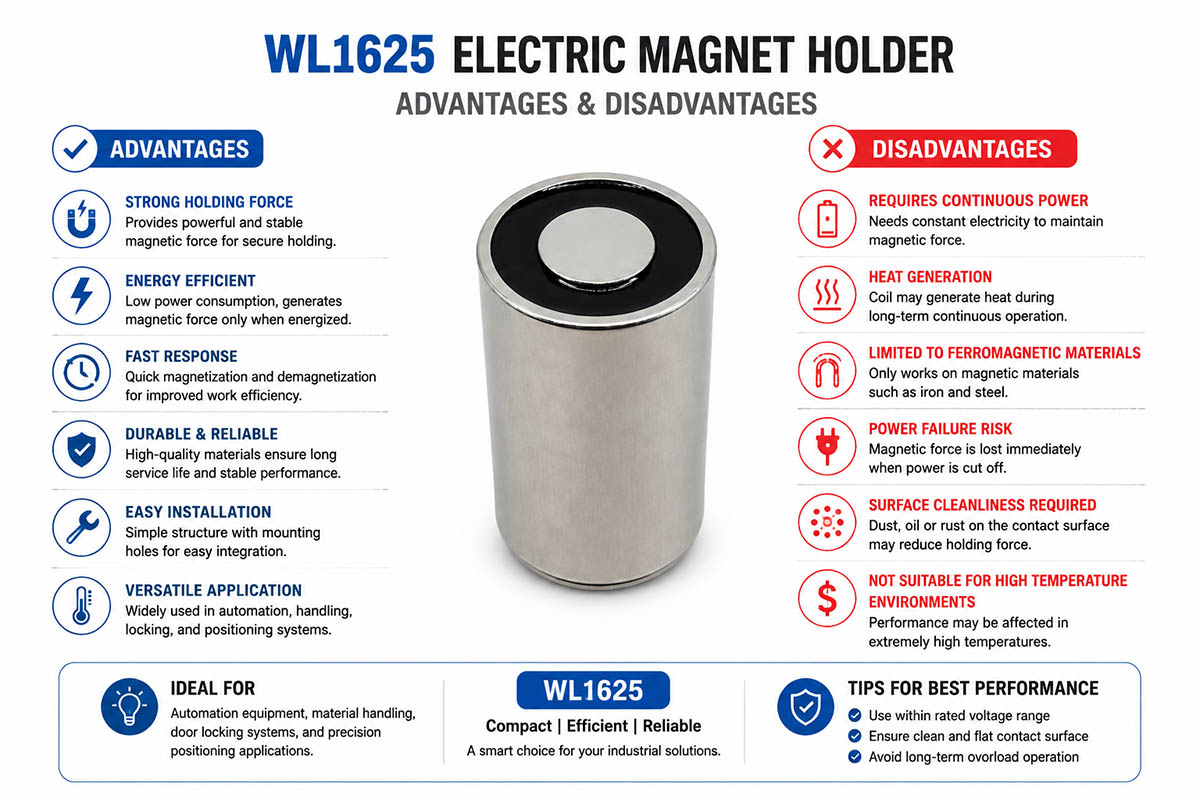
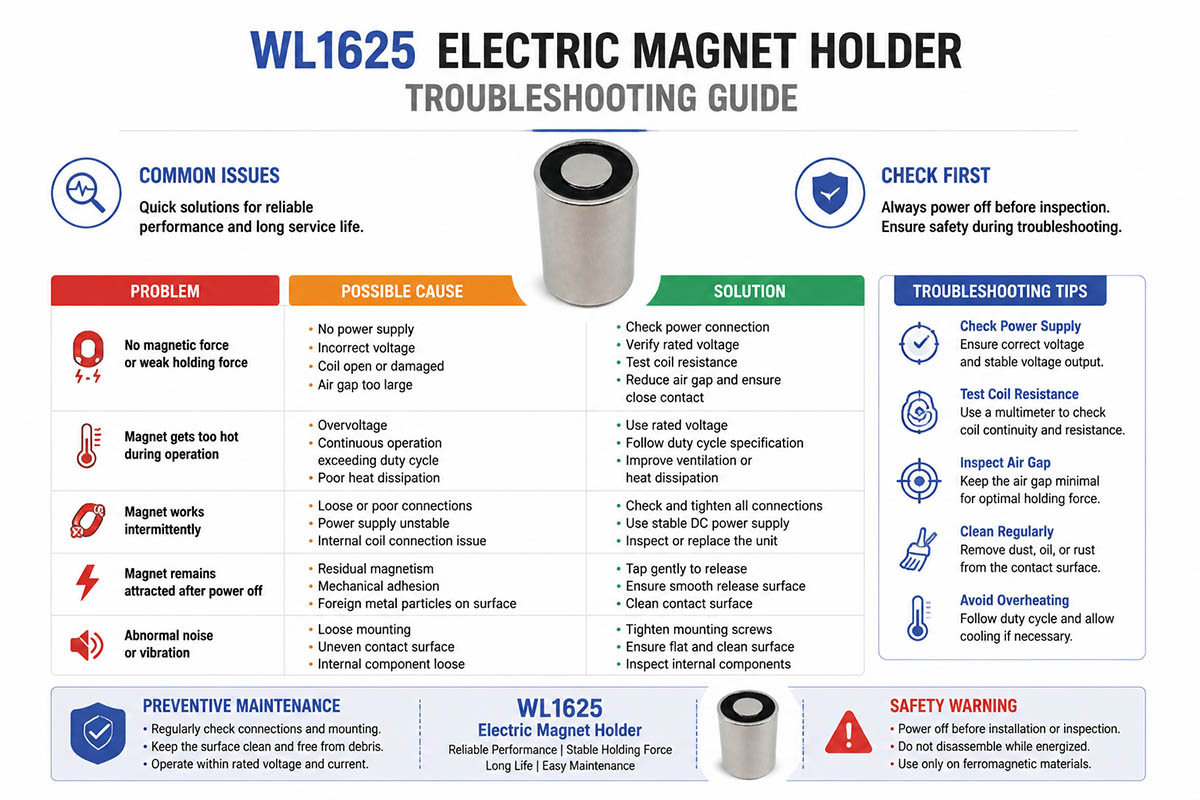
The duty cycle is another important factor. For the applications requiring the continuous operation, the appropriate thermal management should be incorporated to avoid overheating.
The contact surface and air gap should also be considered. The magnetic holding performance is usually better with small air gap and large contact area.
It is necessary to consider the environmental conditions. It is necessary to select the appropriate protective construction and material for the industrial applications subjected to dust, humidity, vibrations or high temperatures.
Installation requirements are very significant too. Prior to selection, it is necessary to check the mounting dimensions, mechanical fixing methods and available space for installation.
For the automated systems it is necessary to consider such additional features as sensors, position feedback and control interfaces.
Discuss the following specifications with the manufacturer when selecting the custom electric magnet holder:
- Maintaining force
- Voltage rating
- Current consumption
- Operating temperature
Size limitations
- Mounting design
- Response time
- Environmental protection
It is recommended to test prototypes prior to mass production to guarantee the performance.
The right choice ensures reliable magnetic holding, energy savings and long service life.
Tips to Avoid Mistakes When Designing Electric Magnet Holder
1.Do not choose the holding force without actual load conditions.
2.Do not ignore the heat generation in continuous operation.
3.Select the appropriate voltage and current ratings.
4.Consider the effect of the air gap on the magnetic performance.
5.Do not use wrong core materials.
6.Verify the environmental protection requirements.
7.Guarantee the firm mounting.
8.Performance under real working conditions.
9.Consider the safety requirements in case of power failure.
10.Design the coils for energy efficiency.


