


How to Choose the Right Medical Pinch Valve for Medical Control Project
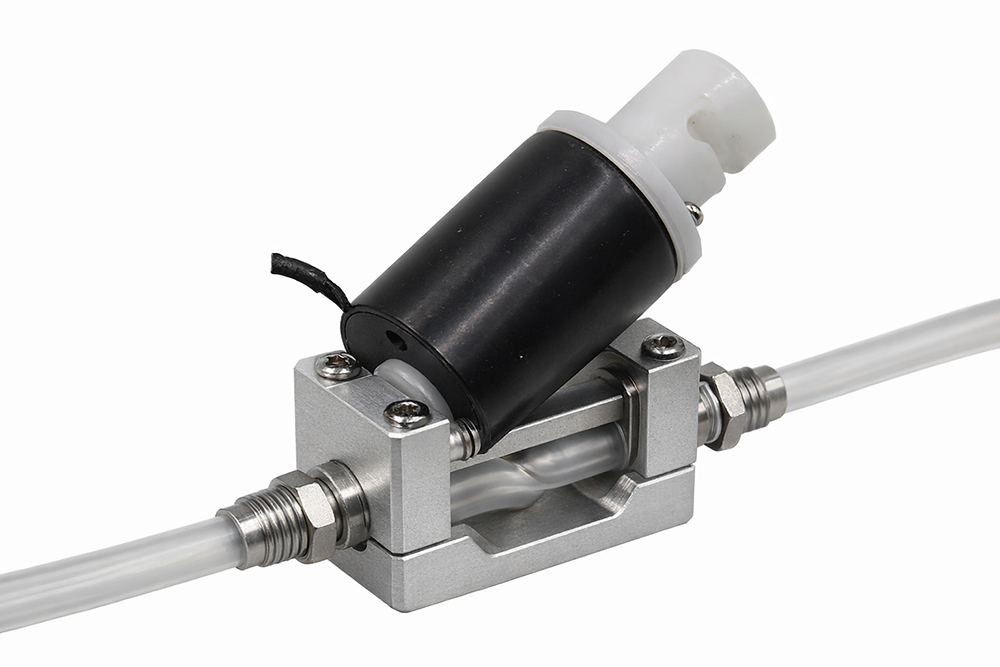
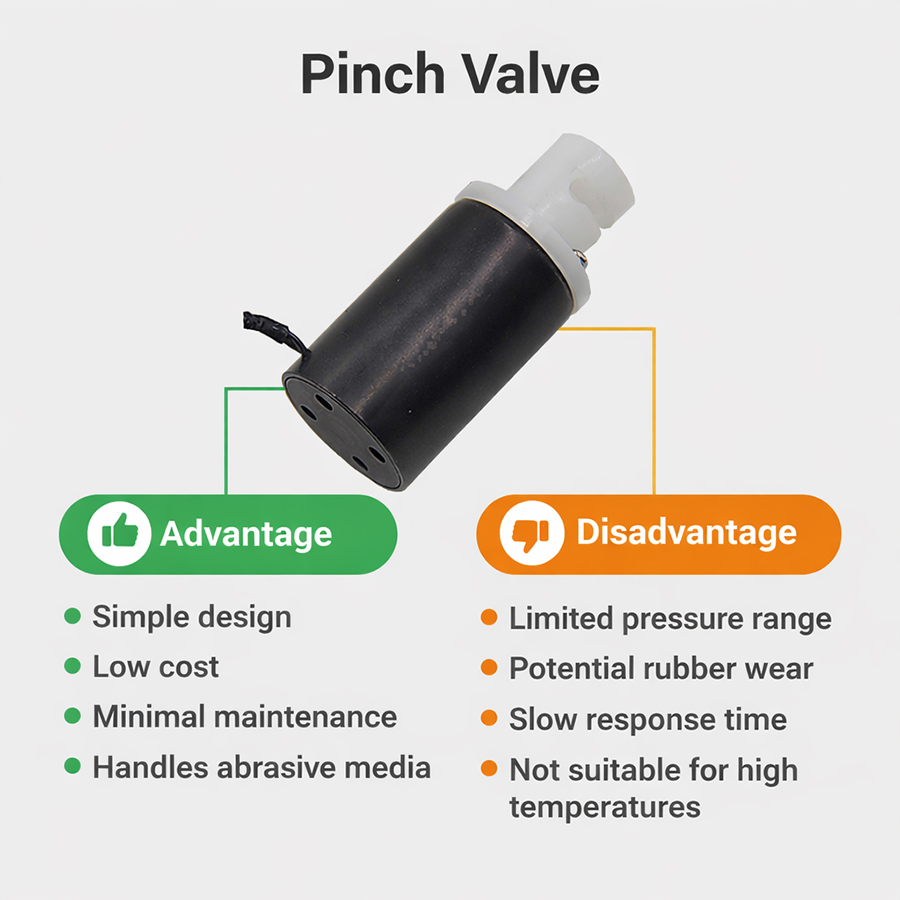
Choosing the best medical pinch valve for your medical control project is really important to make sure everything works well, safely, and accurately. Medical pinch valves are often used for medical fluid management, and they make sure the fluid being controlled remains completely separate from the valve. This keeps the fluid sterile and free from contamination.
Here’s a good and helpful guide to help you choose the best one for your project:
1. What your project or application requires
Before you choose a pinch valve, it’s important to know how and where it’s going to be used for your project or application.
Type of fluid
Blood, saline solution, medicines, chemicals, and other fluids and chemicals used with soft tubing.
Do not use it for caustic fluids. Certain chemicals require special tubing.
✅ Choose a pinch valve suitable for the types of tubing it’s going to be used with.
What you need for your fluid flow control
Exact control
For a dialysis or IV setup.
Just for opening and closing
For draining out trash or for cleaning out a tube.
🔍 Determine if you need to control the flow or just open and close it.
2. Inner diameter and material of your tube
The pinch valve does not come into contact with the fluid, and it’s the tube that actually controls the fluid flow.
Main points
The valve should match the inside diameter of your tube, and it could be 1mm, 3mm, 6mm, or something else.
The tube’s material, such as silicone, TPE, PVC, etc.
Silicone is flexible and safe for the body. Hence, it is often used in medical situations.
PVC: less expensive but allows more chemicals to leak out.
TPE: has great performance and flexibility.
🔹 Select a valve that is compatible with the tubing you will use.
3. Factors that affect performance
In order to ensure that the medical system will work well:
a. Speed of Opening and Closing
Faster speeds reduce dosing errors.
Good for rapid infusion or synchronizing with other pumps.
c. How long it lasts
Consider:
High life-cycle performance (e.g., more than 1 million cycles)
Tubing wear is low
🔹 A robust design minimizes maintenance costs and the cost of running the business.
4. Compatibility with electronics and controls
Medical systems often require compatibility with:
Microcontrollers
PLCs
Controllers for pumps
Ensure that the valve is compatible with your system:
✔ Operating voltage is compatible with your system (e.g., 12 V DC)
✔ Signal type is compatible with your system (e.g., analog, digital, PWM, CAN, etc.)
Choose valves that offer feedback controls if you require this. These should offer:
🔸 Position sensors
🔸 Closed-loop controls
5. Cleanliness and Sterility
This is very important for:
Blood handling
Dialysis
IV fluid deliver
Medical Pinch valves with tubing that is completely isolated from the valve are great for sterilizing:
✔ Tubing kits that can be thrown away
✔ Valve bodies that can be reused with tubing that can be sterilized
Note: Tubing kits that are already sanitized are the best.
🧠 5 Quick Comparison Checklist
| Requirement | What to Check |
|---|---|
| Fluid type | Tubing + valve compatibility |
| Precision | Flow control capability |
| Size | Tubing ID & valve pinch range |
| Integration | Voltage & control signal |
| Sterility | Disposable tubing options |
| Life span | Rated cycle life |
| Force | Sufficient pinch pressure |
6. Pressure from Force and Pinch
The pinch valve squeezes the tubing to control the fluid:
✔ Enough compressive force ✔ Too much force:
Makes tubing last less long
Increases the shear of fluids
✔ Not enough force: ✔ Closure not complete → Leaks
Manufacturers will tell you what standards apply for pinch force. Check that they are correct for your tubing’s durometer and diameter.
🧪 7. Testing and confirmation
Before you integrate:
✔ Test with real fluids on the bench ✔ Check for long-term cycling ✔ Check for leaks and accuracy of flow rates
It is possible that you will be required to meet medical standards, such as ISO 13485 or IEC 60601.
Choose a medical-grade pinch valve that meets:
✔ Size and type of tubing ✔ Level of exactness and speed required ✔ Electronics for control system ✔ Need for cleanliness and rules


