Skip image slider
Low Pressure Proportional Valve for Water Control
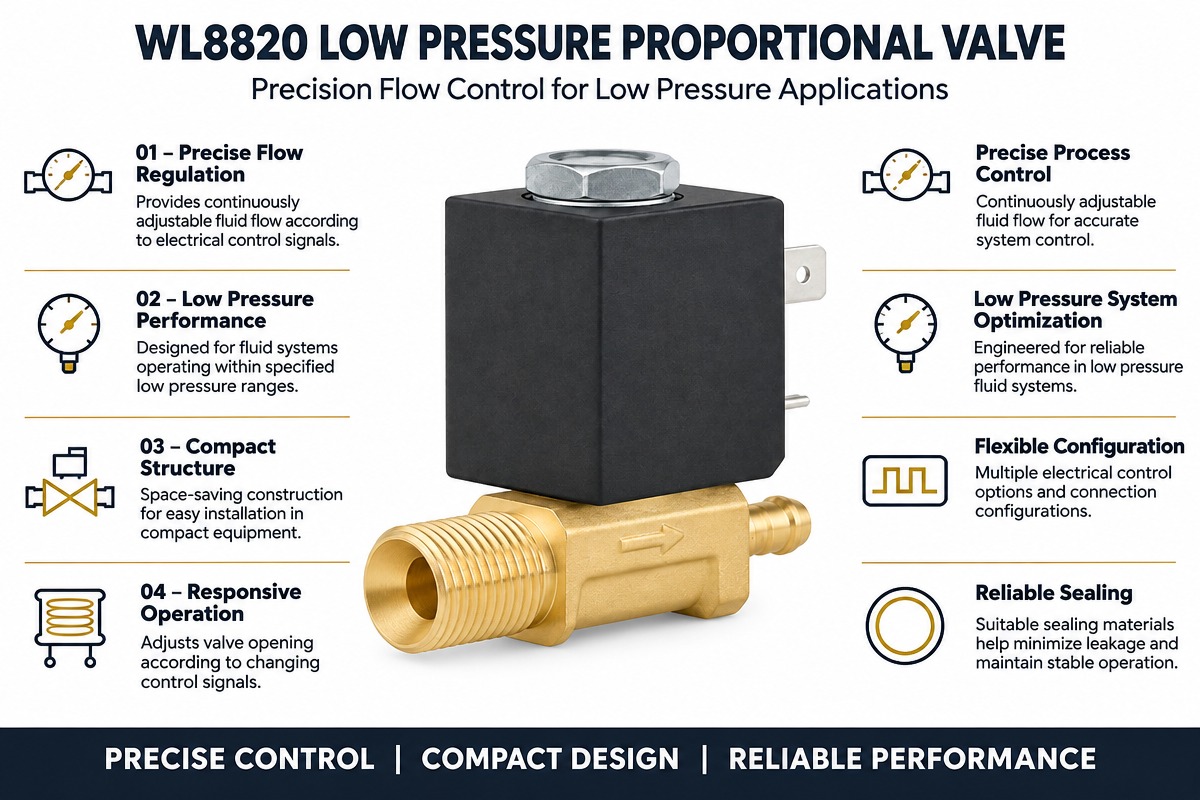
Low Pressure Proportional Valve for Precise Flow Control
Low Pressure Proportional Valve Flow Regulation Guide
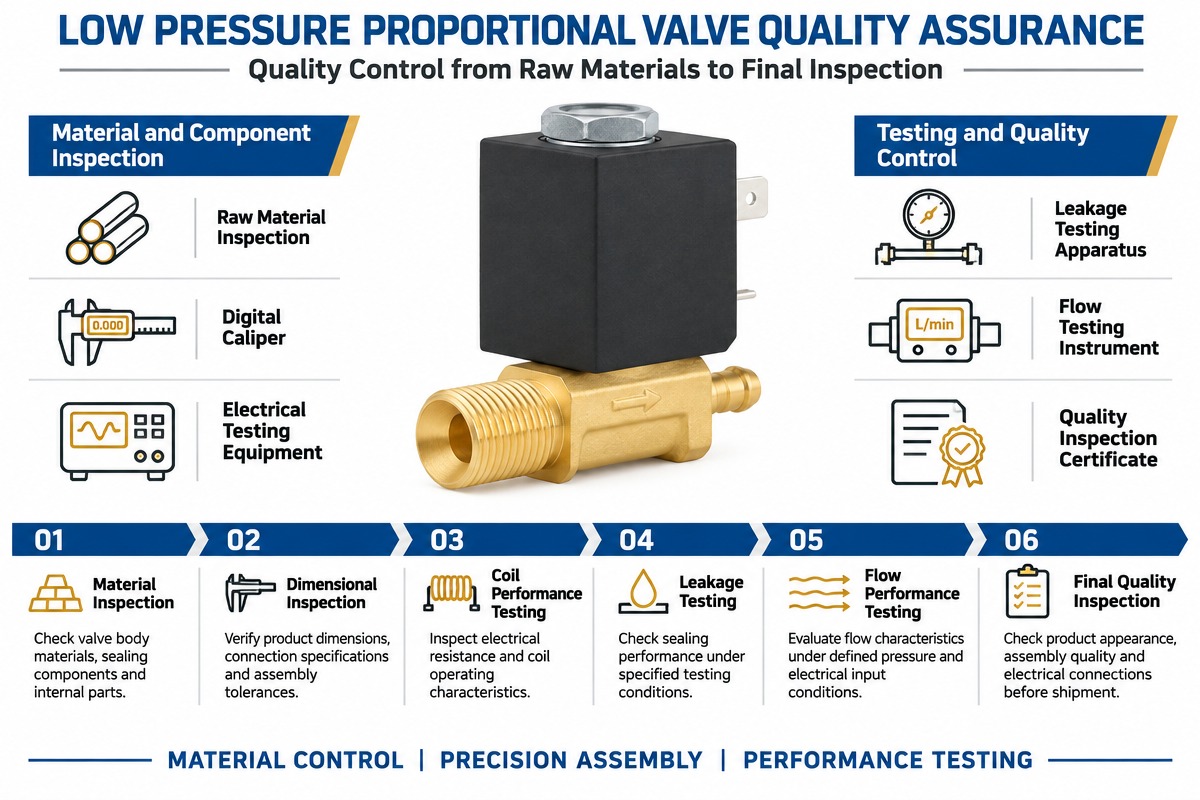
Low Pressure Proportional Valve Quality and Reliability
Low Pressure Proportional Valve for Precision Equipment
Low Pressure Proportional Valve Maintenance Solutions

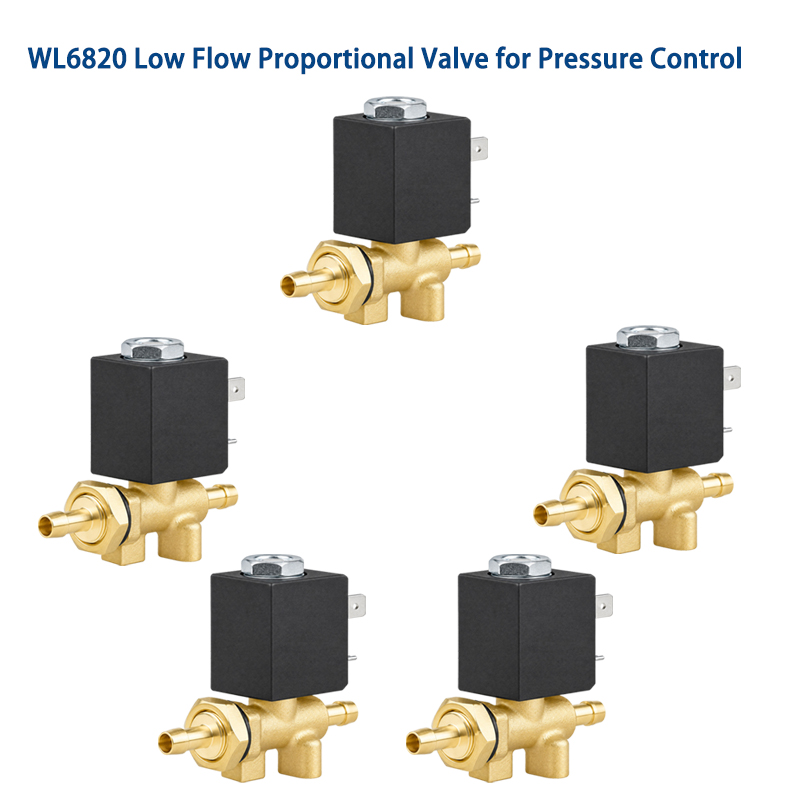
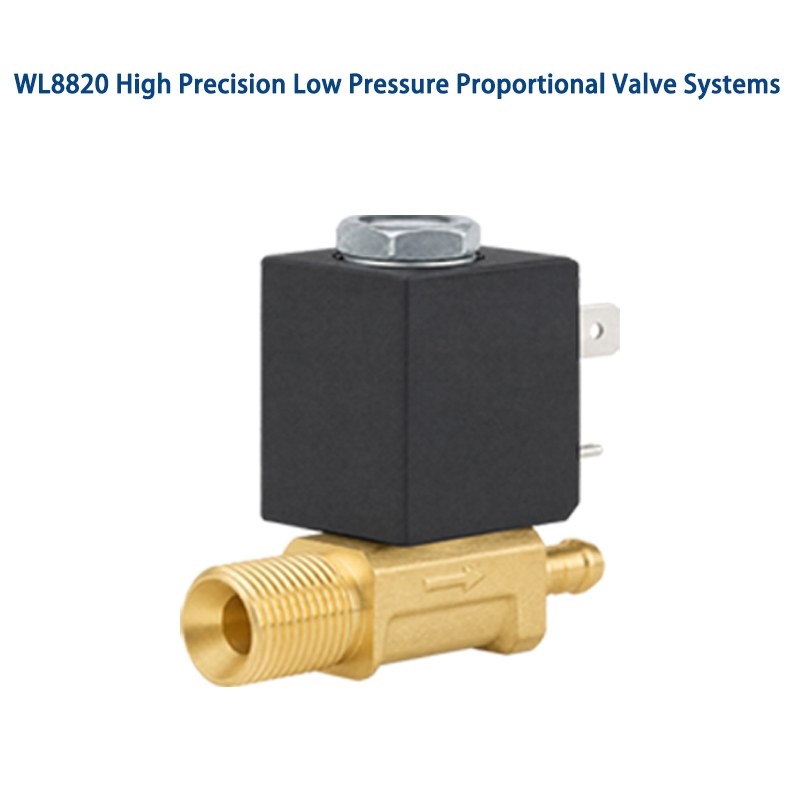
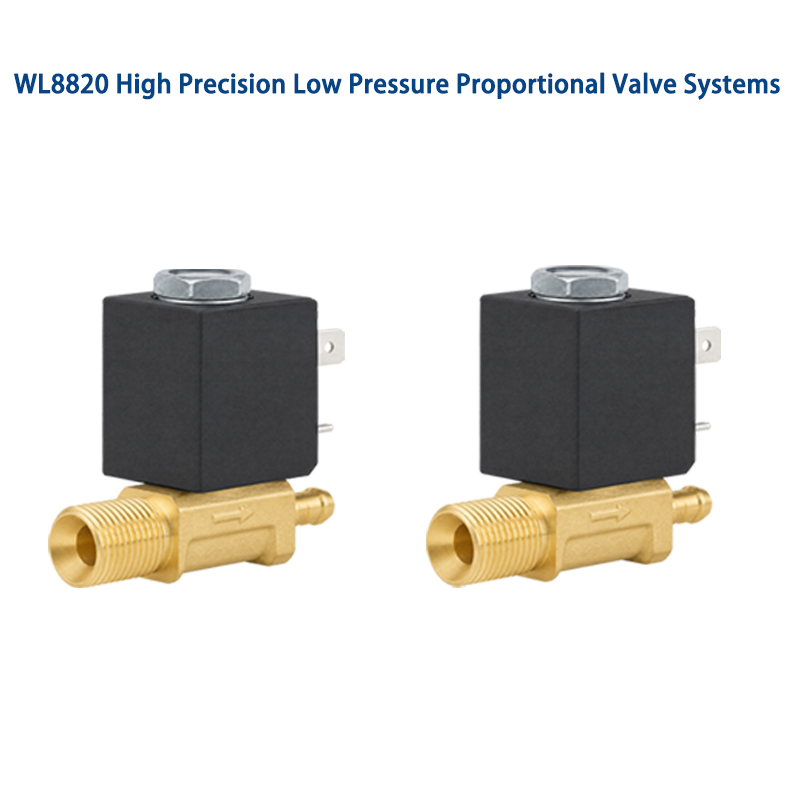
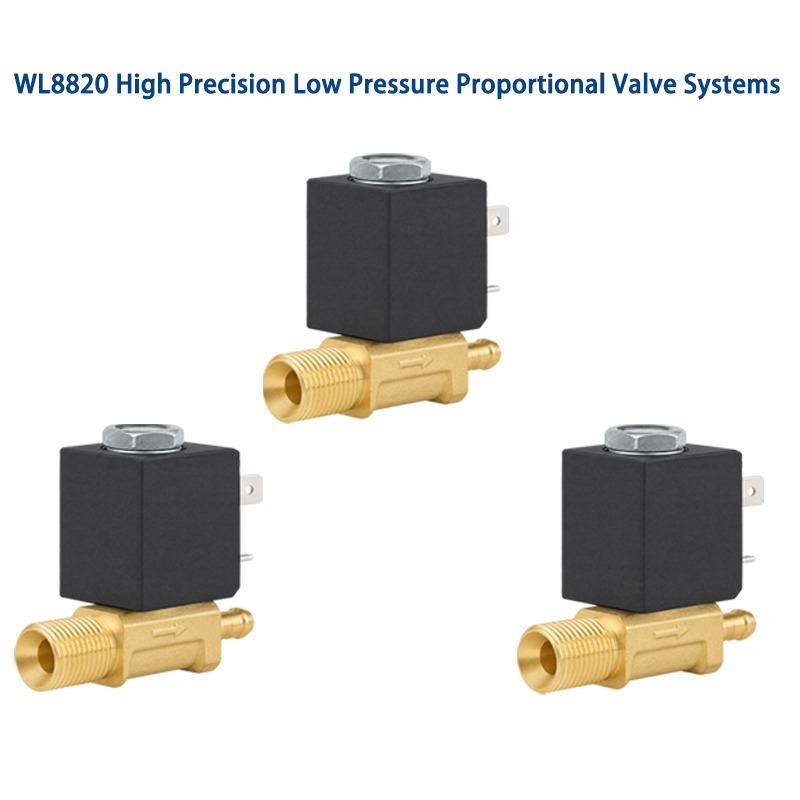
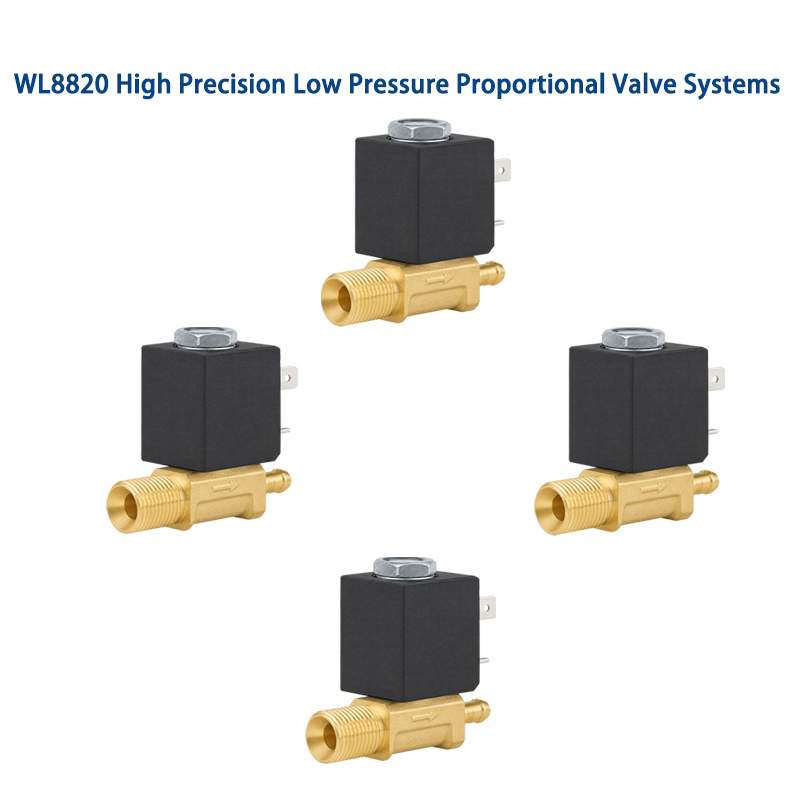
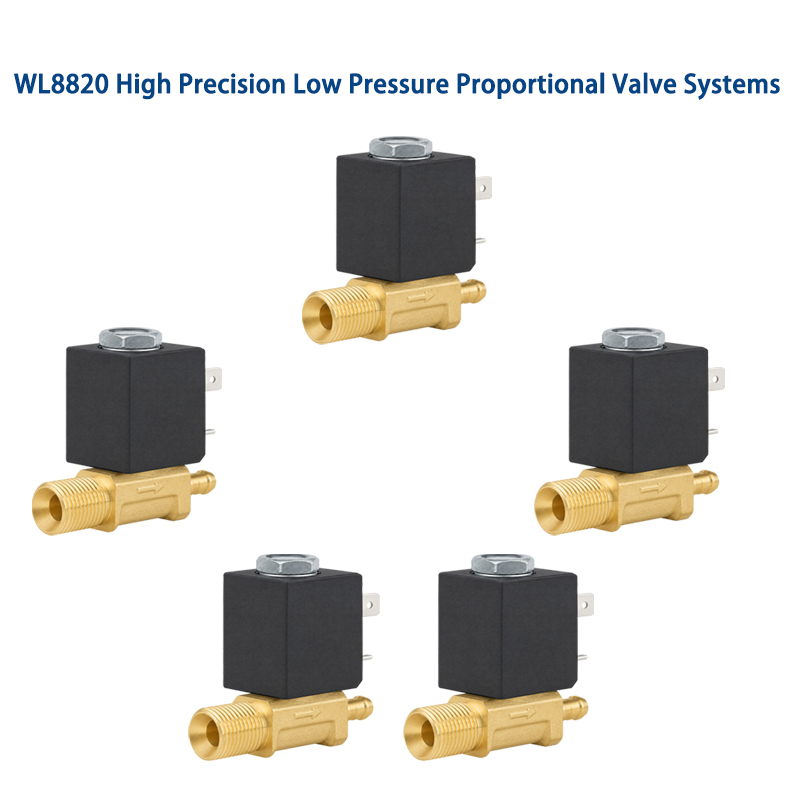
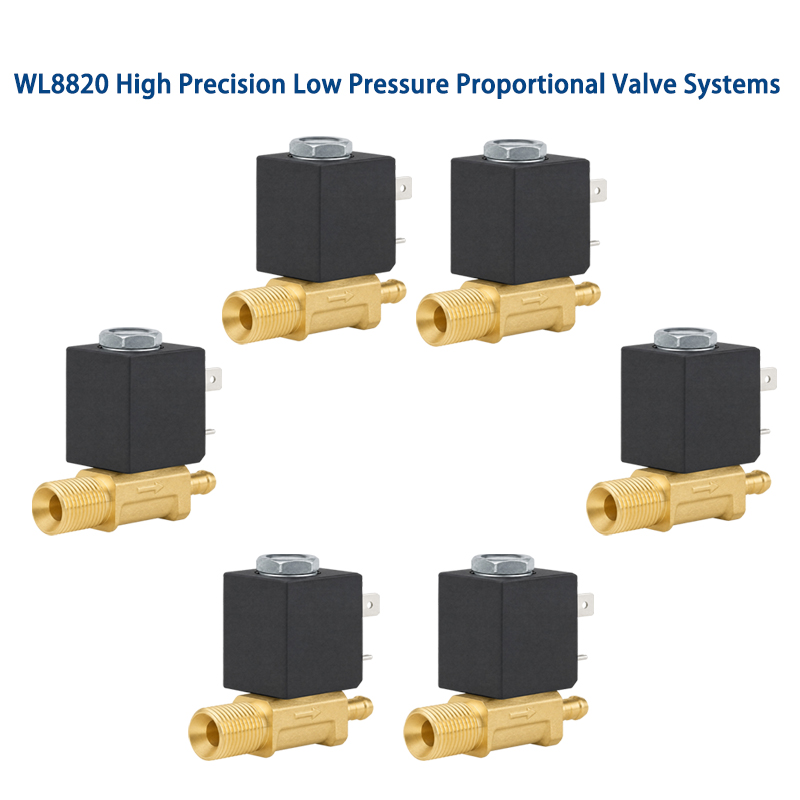
WL8820 High Precision Low Pressure Proportional Valve Systems

The low pressure proportional valve is a precise device for controlling liquid or gas flow at low operating pressure conditions. The valve allows continuous adjustment of the valve opening position according to the electrical input signal to regulate the flow rate according to the requirements of the system. In comparison with on-off valves, the device provides smoother, quicker and more flexible flow control. The compact design makes the valve suitable for equipment with small space for installation. The applications of the valves include medical devices, laboratory equipment, water treatment systems, industrial automation and analytical systems. Depending on the application, different valve constructions, sealing material, connections and control are chosen. If used with proper controller and fluid system, the proportional valve can help to improve the precision of the process, minimize fluid loss and automation processes in industrial operations.

Low Pressure Proportional Valve Description

What Is a Low Pressure Proportional Valve?

The low pressure proportional valve is an electrically controlled valve used to control the flow or pressure of a fluid in a system at low pressure. The valve allows continuous control in response to the electrical input signal, unlike the on-off valves. The valve changes the position of the internal opening according to the received electrical voltage or current. That allows the user to regulate the flow more precisely. According to the construction, the valve can regulate the liquids or gases in different industrial environments. The compact design, adjustable output and flexible installation make it suitable for use in medical equipment, laboratory equipment, water treatment systems and automatic systems for controlling the fluid.

Operation of Low Pressure Proportional Valve

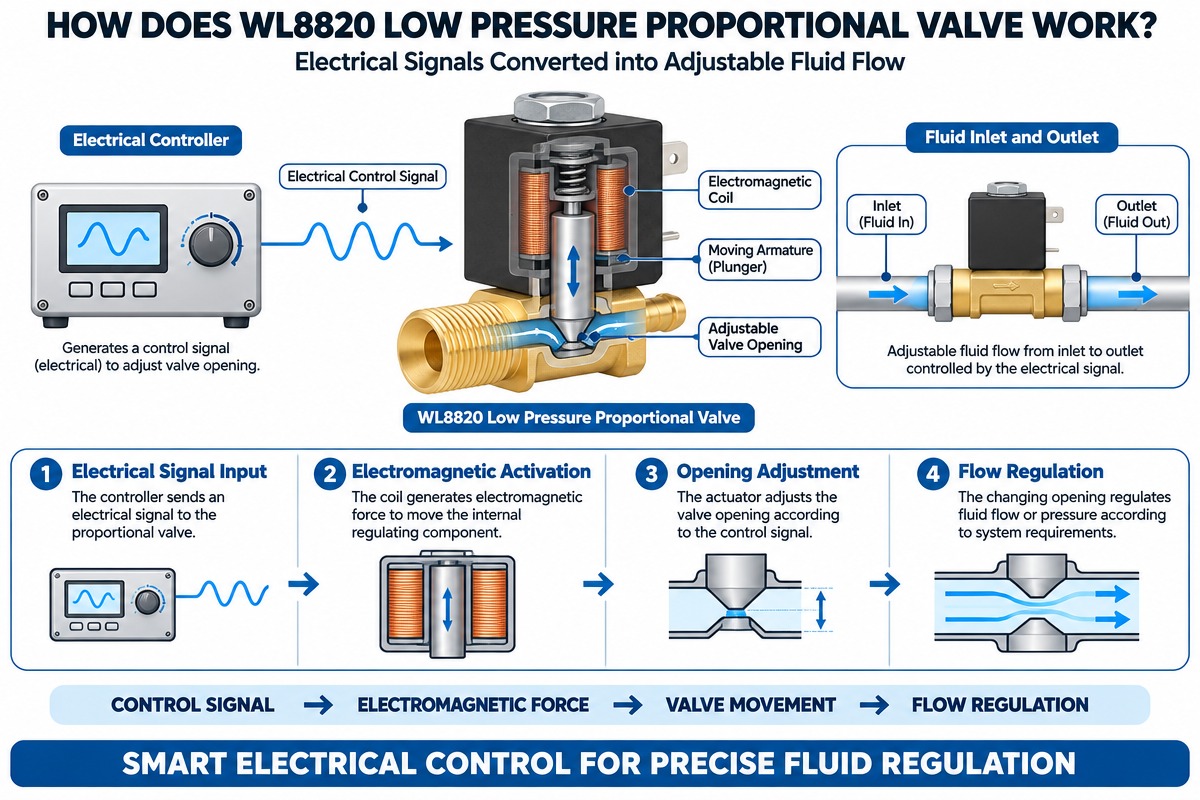
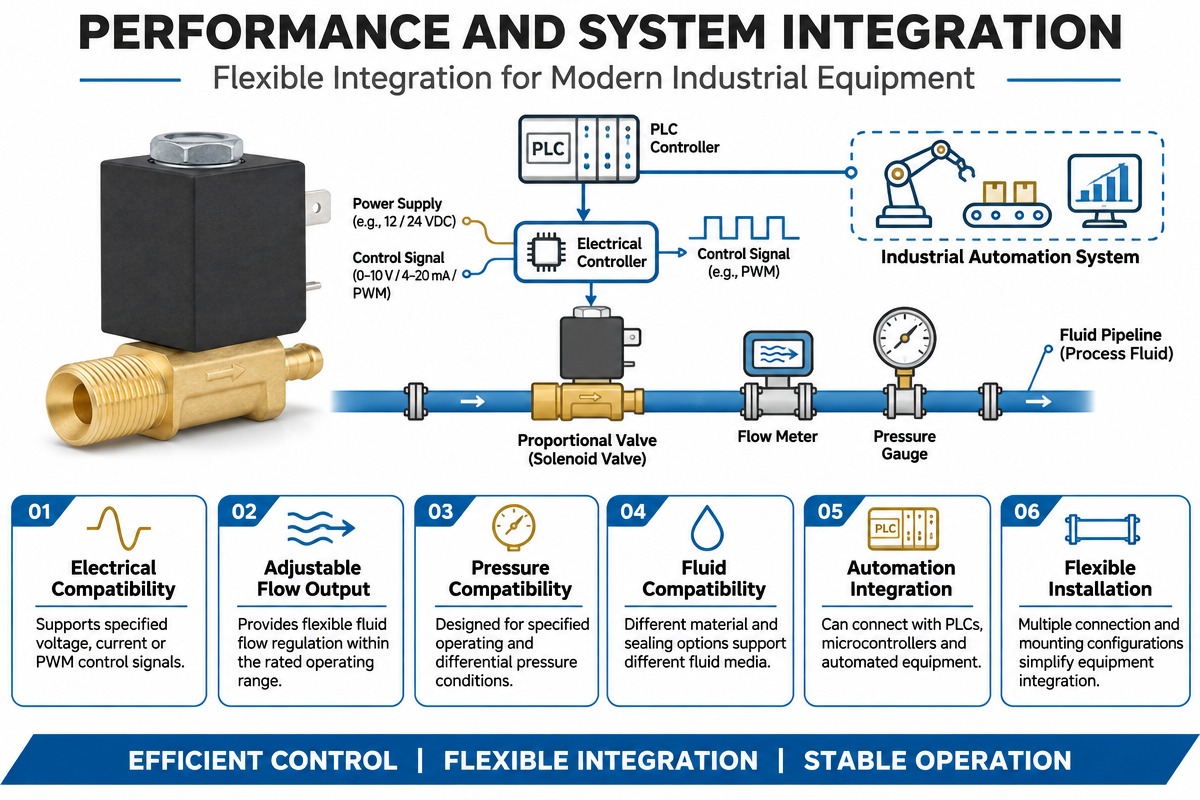
The proportional valve for low pressure converts the electrical control signal into mechanical movement that adjusts the valve opening. When the controller sends the voltage or current signal to the valve coil or actuator, the electromagnetic force is generated that changes the position of the internal armature, spool, diaphragm or another regulating element.

The movement changes the effective flow opening within the valve. Depending on the valve characteristics, the higher or lower control signal results in a correspondingly different valve opening.

As the opening changes, the flow rate of the fluid or the pressure changes accordingly. That enables the system to control the flow rate continuously instead of only opening or closing the valve.

Advanced proportional valves may use position sensors or closed-loop feedback to increase control accuracy. The actual performance depends on the valve construction, fluid properties, differential pressure, electrical input and controller settings.

Low Pressure Proportional Valve Video

Low Pressure Proportional Valve Detail Display

Low Pressure Proportional Valve Data Sheet

Brand Weilong Model Number WL 8820
Rated Voltage (V) DC12V or 24V Rated Power (W) 10W
Work Mode Air Control Valve Working Pressure (MPa) 0.8 MPa
Airflow Rate 0 L/minute Reset Time(s) 1 S On, 1S Off
Service Life 200 Thousand Times Certification CE, ROHS, ISO0
Material Superior Magnet Iron Lead Wire Length (mm) 88 MM
Install Style Screw Tolerance of Dimension ยฑ 0.1 MM
Water-proof None Insulation Class B
Hi-Pot Test AC 750V 50/60Hz 2s Non-excitation Holding Force 0
Working Temperature -20ยฐC-180ยฐC Duty Cycle 1-100%
Thread Depth (mm) / Payment Term TT, or LC at Sight
Sample Order Yes. Warranty 1 Year
MOQ 1000 pcs Supply Ability 5000 pcs per week
Delivery Time 30 Days Port of Loading Shenzhen

Why Is The Low Pressure Proportional Valve So Popular?

The low pressure proportional valves are becoming more popular due to the increased demand for more accurate, flexible and intelligent fluid control in modern industrial equipment.

The conventional on-off valves can perform basic switching functions, but they are unable to provide continuously adjustable flow that is required by advanced equipment. The proportional valves solve this problem by changing the valve opening position according to the electrical input signal.

Another important reason for the popularity of proportional valves is the increased demand for compact automation equipment. The manufacturers want the smaller fluid control components that can be installed in constrained space without reducing the control performance.

The development of the medical devices, laboratory automation, analytical equipment and water treatment systems created a demand for precise low pressure fluid control.

The other reason is energy efficiency. Proportional valves can help to reduce the unnecessary fluid consumption and increase system efficiency by regulating the flow to match the actual operating requirements.

In addition, the possibility of communication with the electronic controllers and automation systems is an advantage of proportional valves in modern intelligent equipment.

With the development of industries towards precision, automation, compact design and flexibility, the low pressure proportional valves are expected to remain important fluid control equipment.

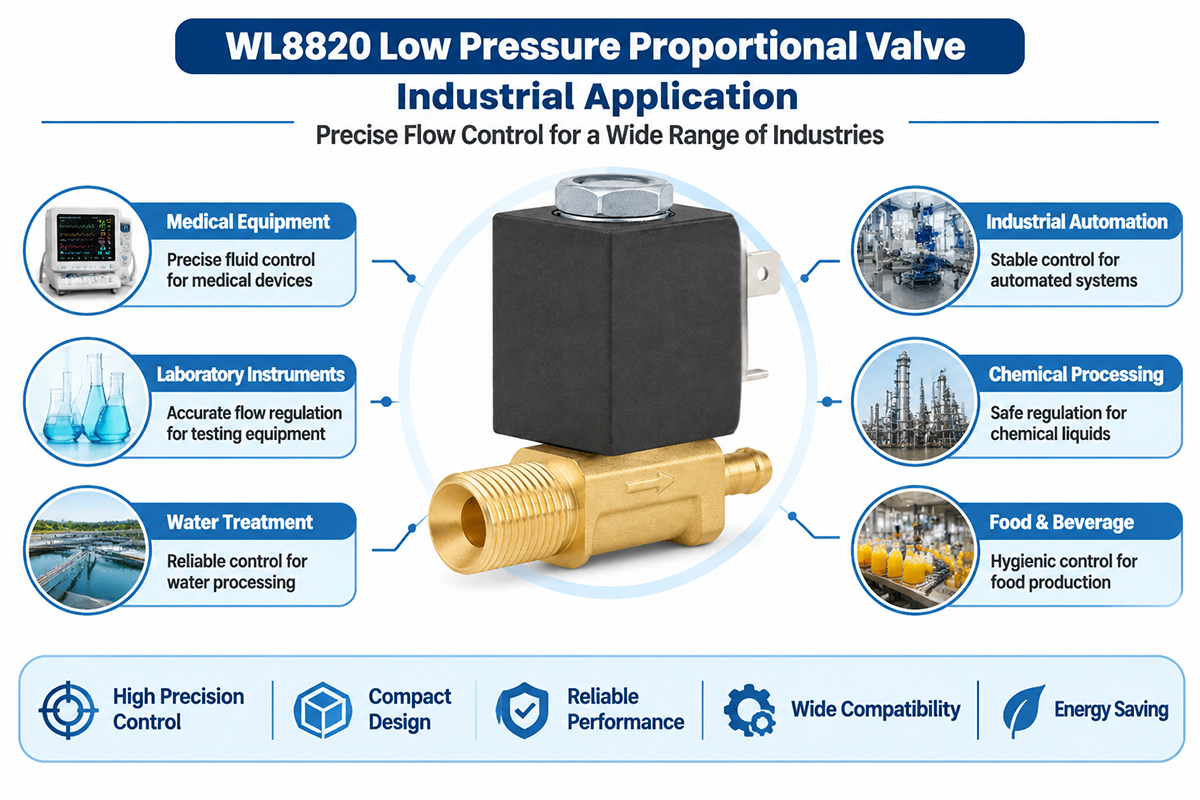
Low Pressure Proportional Valve Applications

Low Pressure Proportional Valve for OEM Applications

The low pressure proportional valves are frequently used for precise control of the fluid flow in commercial and industrial equipment operating at relatively low pressures.

1.Medical devices

The proportional valves are used in medical devices for controlling the flow of air, oxygen and other compatible fluids. The applications include respiratory equipment, diagnostic equipment and specialized fluid delivery systems. Precise control guarantees the stable operating conditions.

2.Instruments in Laboratory

The control of the liquid and gas flow is required for analytical instruments and laboratory equipment. The proportional valves help to control the fluid flow during testing, sampling and experimental procedures.

3.Water Treatment Equipment

The proportional valves are used in the water treatment equipment for controlling the water flow, chemical dosages and fluid distribution. The adjustability allows performing more flexible treatment process.

4.Industrial Automation

The proportional valves are used for controlling the cooling water, lubricants, compressed air and other process fluids in automated production equipment. They can be electrically controlled for automated adjustment.

5.Chemical Processing

The compatible proportional valves can control low pressure chemical liquids in dosing and distribution systems. The material compatibility is a must when handling the corrosive media.

6.Farm Equipment

Some irrigation and liquid dispensing systems use proportional valves to control the flow of water or fertilizer as required by the operating requirements.

7.Food & Beverage Equipment

These valves are suitable for use in the sanitary environment. They can control the liquid ingredients and cleaning fluids in processing equipment.

Low Pressure Proportional Valve Adv. & Disadv

Low Pressure Proportional Valve Performance Benefits

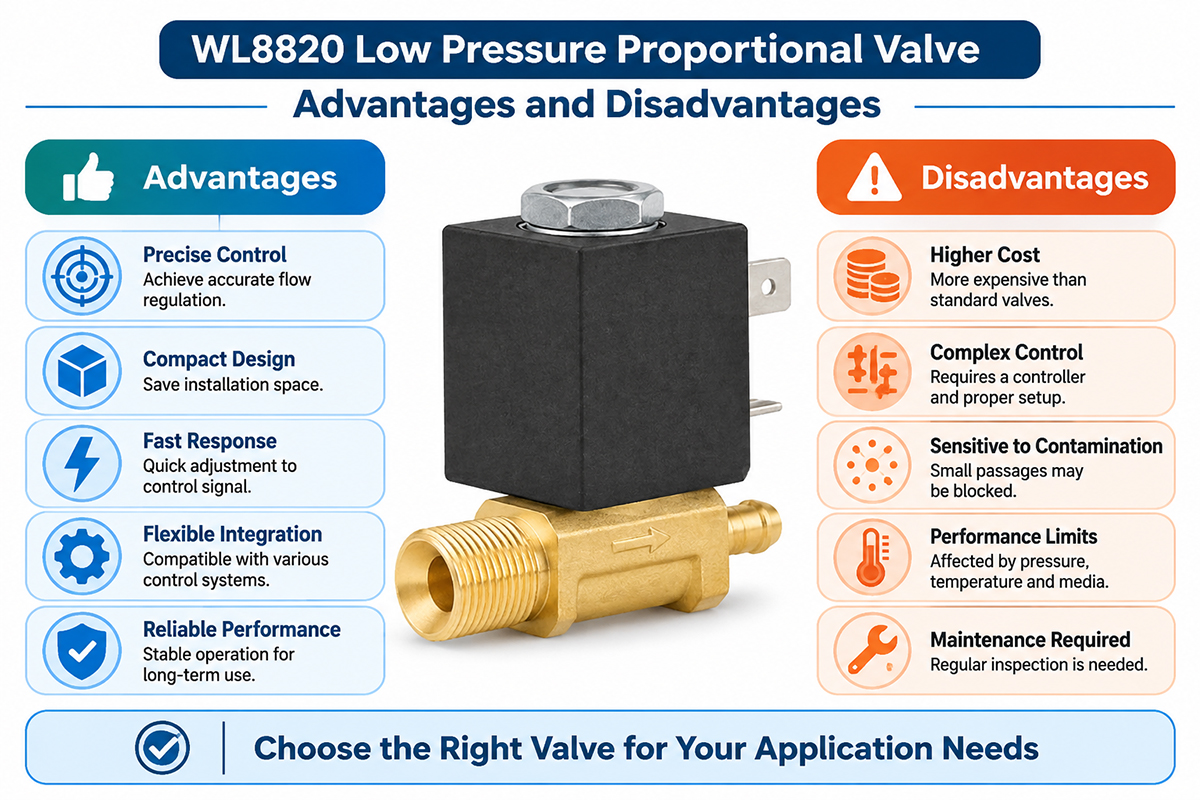
Advantages and Disadvantages of Low Pressure Proportional Valve

There are many advantages of low pressure proportional valves for precise fluid control but there are also some disadvantages that the buyers and engineers have to take into consideration.

Advantages

1.Continuous flow control

Unlike the conventional on-off valves, the proportional valves allow continuous adjustment of the valve opening and provide more flexible flow control.

2.Better accuracy of control

The correctly selected and calibrated valves enable precise fluid regulation and, thus, are suitable for use in sensitive equipment.

3.Easy Automation Integration

The valve can communicate with PLCs, electronic controllers and automated equipment with electrical control signals.

4.Compact Construction

The majority of the valves have the compact construction and can be installed on the equipment with limited space.

5.Flexible Application

Different body materials, sealing and control configurations allow using the valves in various industrial applications.

6.Less Fluid Waste

The adjustable flow control helps to reduce the unnecessary fluid usage when used in a properly engineered system.

Disadvantages

1.Higher initial cost

The proportional valves are more expensive than simple on-off valves due to the sophisticated control construction.

2.Complex control

The valve requires compatible electrical controllers and the proper calibration.

3.Sensitivity to contamination

The particles or deposits can block small internal passages.

4.Performance Limits

The hysteresis, deadband and response variations can influence the accuracy of the control.

5.Maintenance Requirements

The stable operation can be provided by the regular inspection and proper filtration.

Overall, the proportional valves are a good investment regarding additional cost and complexity when the application requires adjustable fluid control.

Low Pressure Proportional Valve Troubleshooting Tips

Low Pressure Proportional Valve Troubleshooting

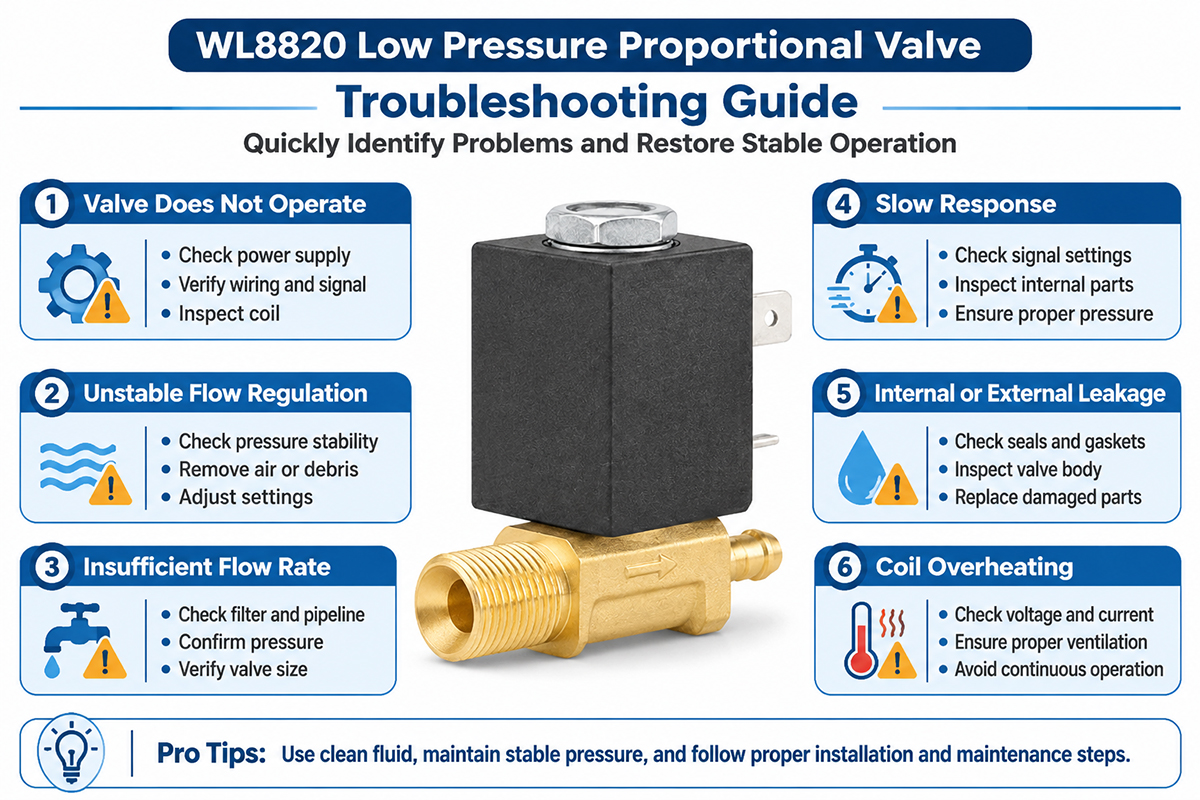
Operational problems of low pressure proportional valves can be caused by the electrical faults, contamination, improper installation or unsuitable operating conditions. Determination of the problem will allow you to resume normal operation of the valve.

1.Valve is Non-Functional

The possible causes include: insufficient power supply, improper wiring, damaged coils or incompatible control signals. Check voltage, electrical connections and controller output. Check the condition of the coil.

2.Unstable Flow Control

The fluctuations of supply pressure, air in the pipeline, contamination or improper controller settings can cause unstable flow. Check pressure stability, vent trapped air if required, clean the fluid system.

3.Too Low Flow Rate

The low flow rate can be caused by the clogged filter, the wrong valve size, restricted pipeline or insufficient differential pressure. Make sure the filter is clean and the valve has proper flow specifications.

4.Slow Valve Response

The possible causes of the sluggish response include mechanical friction, contamination, improper electrical settings or wrong actuator characteristics. Check the moving parts and control signal.

5.Valve Leakage Internal or External

The leakage can be caused by damaged seals, worn-out parts, improper assembly or incompatible materials. Check sealing surfaces and replace damaged parts.

6.Coil Overheating

The overheating can be caused by incorrect voltage, excess current or continuous operation outside the rated conditions. Check electrical ratings and operating temperature.

7.Low Control Precision

Improper calibration, excessive hysteresis or inappropriate controller can influence the control. Check control parameters and calibrate the system according to manufacturer recommendations.

Never touch the powered valve and never depressurize the valve before servicing. Follow manufacturer’s service instructions and replace the damaged parts with compatible parts.

FAQ

1. What function does low pressure proportional valve perform?

Low pressure proportional valve is utilized in the process of controlling of liquid flow or pressure in the systems where low pressure is used. The valve is widely applied in medical equipment, laboratory instrumentation, water treatment facilities, industrial automation equipment, etc.

2. How does low pressure proportional valve operate?

The valve translates the electrical signal into mechanical motion, which leads to the movement of valve opening inside of the valve, and allows controlling continuously flow or pressure of the liquid.

3. What is the difference between proportional valve and normal solenoid valve?

Normal solenoid valve performs the functions in an on/off mode โ€“ provides fully opened or fully closed control of the flow or pressure. Proportional valve offers several levels of opening and allows to have more accurate control of the flow or pressure.

4. What kind of fluids can be regulated with low pressure proportional valve?

Depending on its design and material compatibility, the valve can regulate such liquids as water, air, oil, gases and some chemical liquids.

5. What are the criteria for choosing a correct low pressure proportional valve?

One has to consider parameters such as pressure, flow rate, liquid type, temperature, input electrical signal, response time, connection size and dimensions of installation.

6. Can low pressure proportional valve be used in automatic control system?

Yes. Many of these valves can be controlled with the help of voltage, current or PWM control signals and can be integrated with PLC, microcontrollers and other electronic control systems.

7. What are the possible problems with low pressure proportional valves?

Common problems are flow instability, low capacity, slow reaction, internal leakage, overheating of the coil and inadequate control of the flow or pressure.

8. What should I do to increase the service life of my low pressure proportional valve?

Proper filtration, stable operating pressure, using compatible sealing materials, avoiding excessive electrical load and inspection of the valve will increase the service life of the valve.

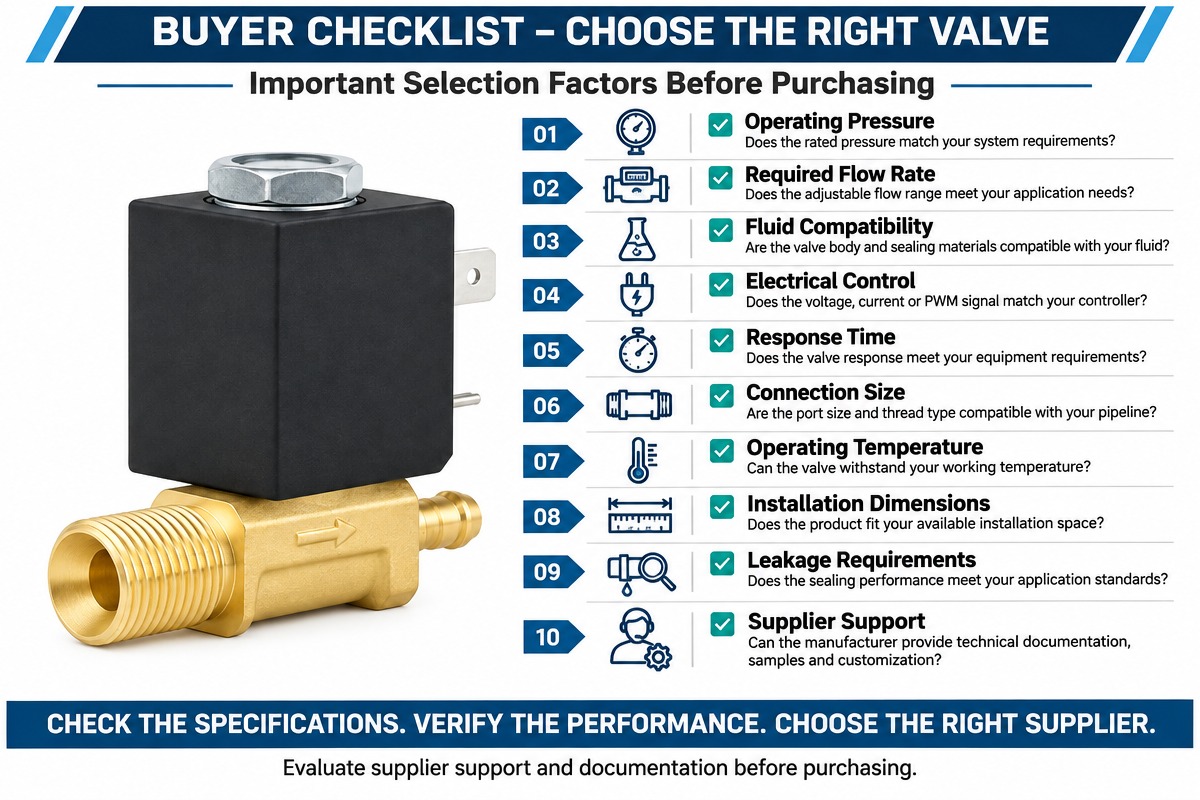
How to Choose a Low Pressure Proportional Valve

The selection of a suitable low pressure proportional valve depends on the operating conditions, the control requirements and the compatibility of the equipment. Otherwise, you can experience unstable flow, insufficient output or premature component failure.

1.Check the operating pressure

Determine the minimum, normal and maximum working pressure of the system. Find out the rated operating pressure and differential pressure of the valve. In case of low pressure applications, the proportional valve has to operate in the specified pressure range.

2.Calculate Flow Rate Required

Determine the maximum and minimum flow rates to be supplied by the equipment. Choose the valve with proper flow coefficient and adjustability range. The valve that is too large will be difficult to adjust the flow rate, and the valve that is too small can restrict the performance of the system.

3.Verify compatibility of fluids

Determine the type of fluid: water, air, oil, chemicals or other fluids. Determine the composition material and sealing of the valve body. There are different chemical resistance and mechanical properties of stainless steel, brass, engineering plastics and various elastomers.

4.Control Signal Evaluation

Check the electrical input requirements. The typical examples include 0 to 10 V, 4 to 20 mA, PWM and other proprietary signals. Make sure the valve is compatible with the controller and power supply.

5.Consider Response and Accuracy

In case of applications with frequent adjustment requirements, consider response time, hysteresis, repeatability and accuracy of flow regulation. For applications requiring higher precision, closed-loop control will be required.

6.Verify the installation dimensions

Find out the size of the port, thread type, installation direction and electrical connector specifications. Determine the available installation space. For integrated equipment, the compact design is preferred.

7.Assessing Environmental Conditions

Consider ambient temperature, fluid temperature, humidity, vibration and possible contamination. Select appropriate construction materials and protection ratings.

8.Review of the Manufacturer Support

Finally, compare the quality of the product, documentation, customization ability, testing standards and after-sales service. Ask for the performance curves and samples, if required.

The proper selection of the low pressure proportional valve can provide you with improved stability of the flow, simplified automation and enhanced reliability of the fluid control equipment.

Tips to Avoid Common Mistakes in the Design of a Low Pressure Proportional Valve

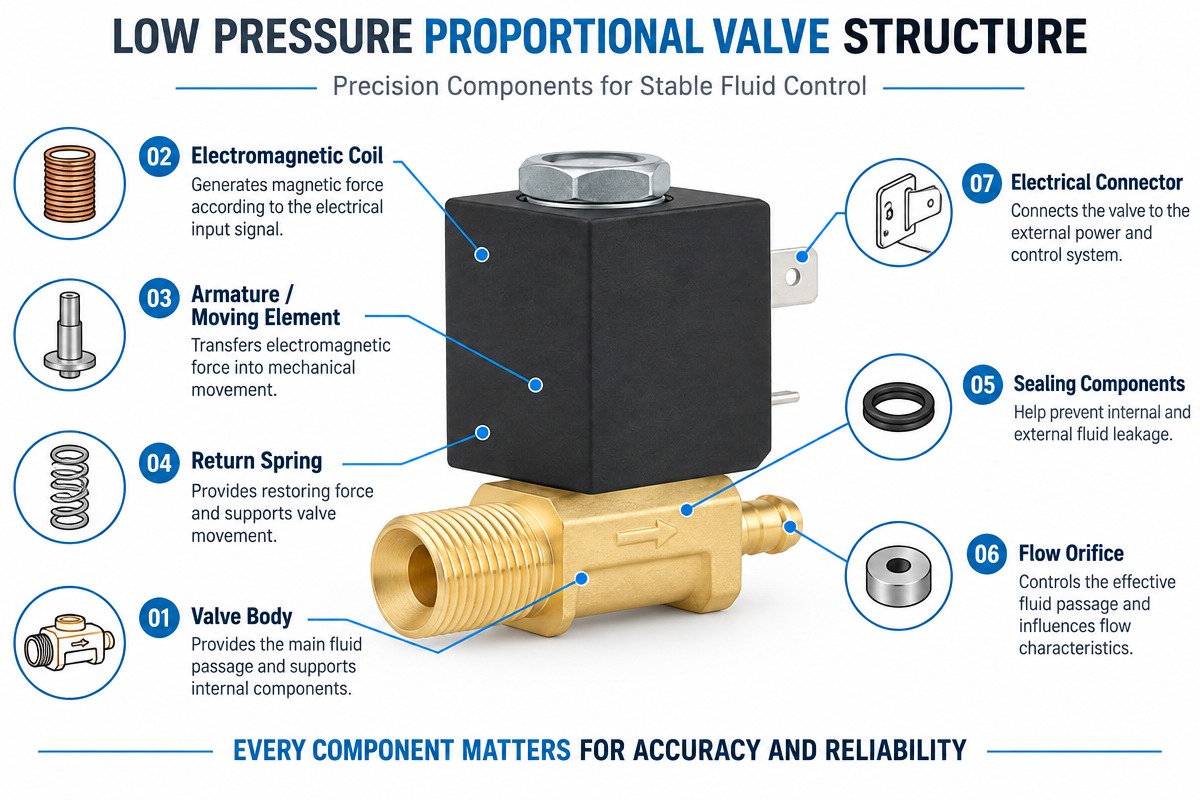
The design of the low pressure proportional valve requires consideration of fluid dynamics, mechanical construction, electrical control and material compatibility. There are several common design mistakes that can negatively affect performance and reliability.

1.Minimum Operating Pressure: Ignored

Some proportional valves require a minimum differential pressure to operate properly. If it is not taken into account in the design, the valve will not be able to provide proper regulation or flow.

2.Choosing the Wrong Flow Range

If the valve is too large, it will be difficult to tune small flows. If the valve is too small, it will restrict the required output. It is necessary to calculate the actual flow requirements before selecting the internal orifice.

3.Incompatible Materials Used

The valve body, seals and internal components have to be compatible with the working fluid. Otherwise, it can corrode, swell, leak or wear out prematurely.

4.Electrical Compatibility Ignored

The valve coil and controller have to be compatible with the voltage, current and signal. Otherwise, it may lead to overheating or erratic valve movements.

5.Spring and Actuator Design Ignored

The spring force and the electromagnetic force have to be properly balanced. Otherwise, it can result in hysteresis, insufficient movement or unstable positioning.

6.Contamination Controls Ignored

The particles can damage tiny internal flow passages. The proper filtration requirements have to be determined and considered the fluid system cleanliness.

7.No Testing Under Real Conditions

The lab tests have to include a variety of pressures, temperatures, flow rates and electrical inputs. Testing at a single operating point may fail to discover the important performance issues.
Get A Free Quote Now

Contact Form

Related Products

Related News

Scroll to Top

Get A Free Quote Now !

Contact Form
If you have any questions, please do not hesitate to contact us.
Weilong Solenoid Company Culture