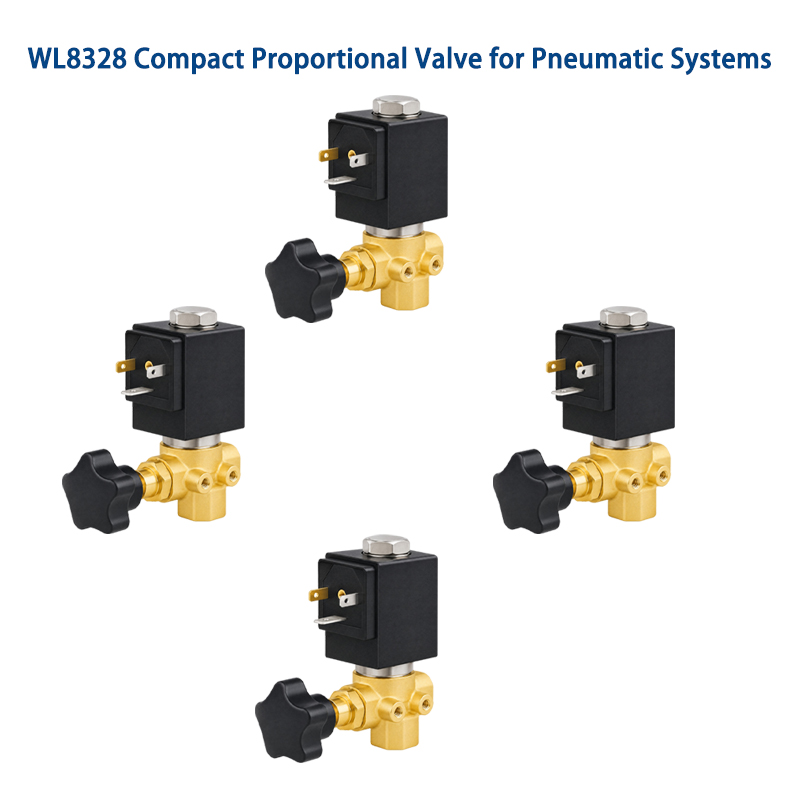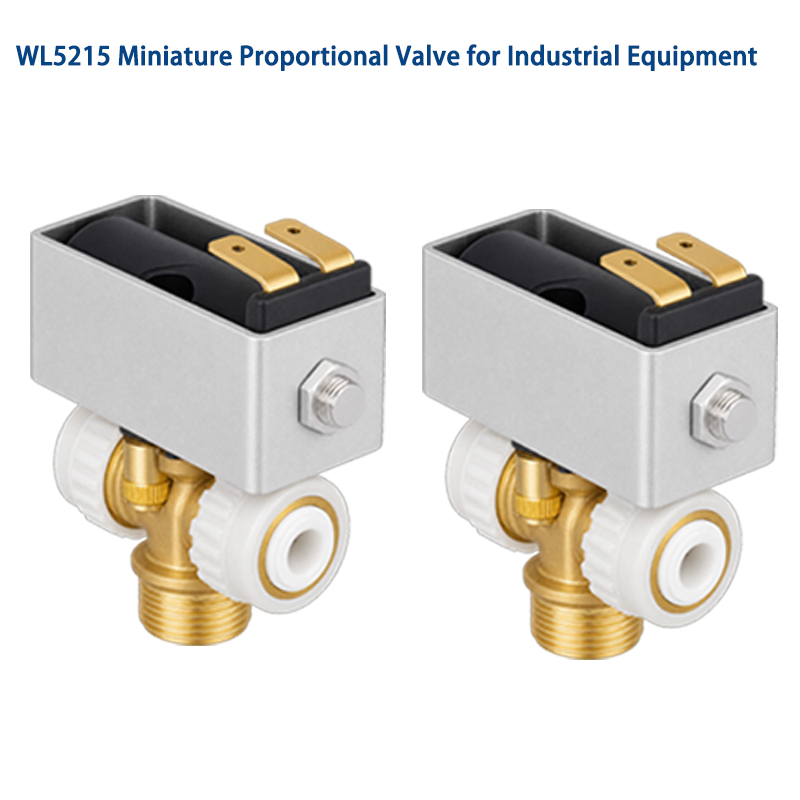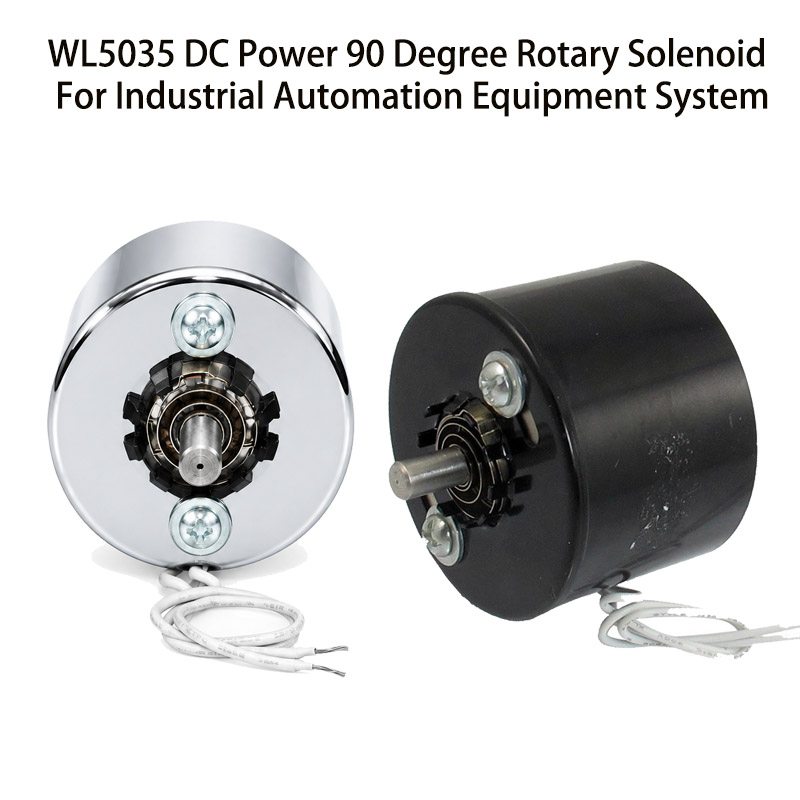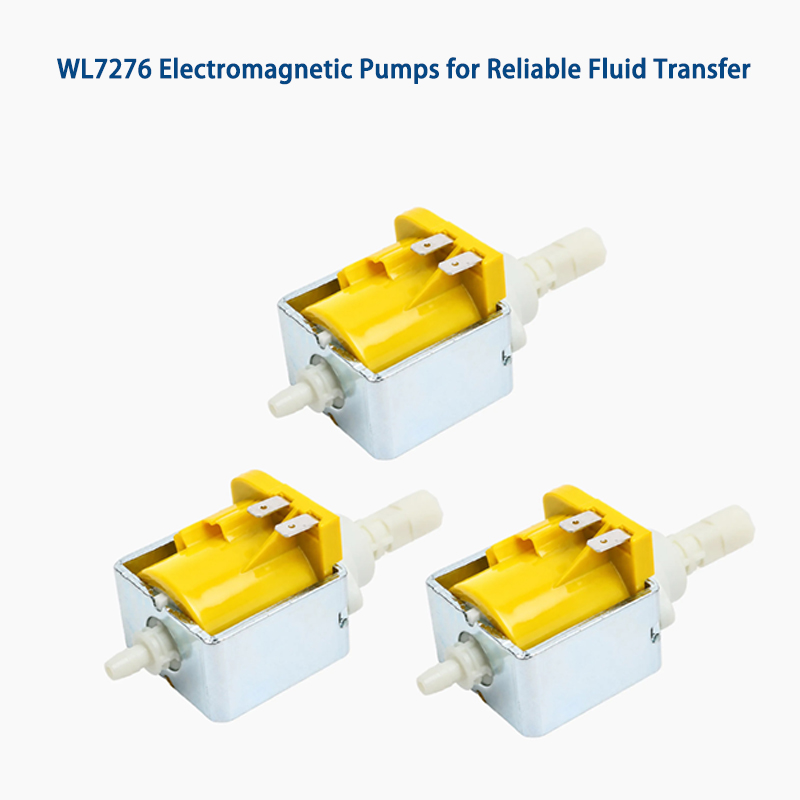
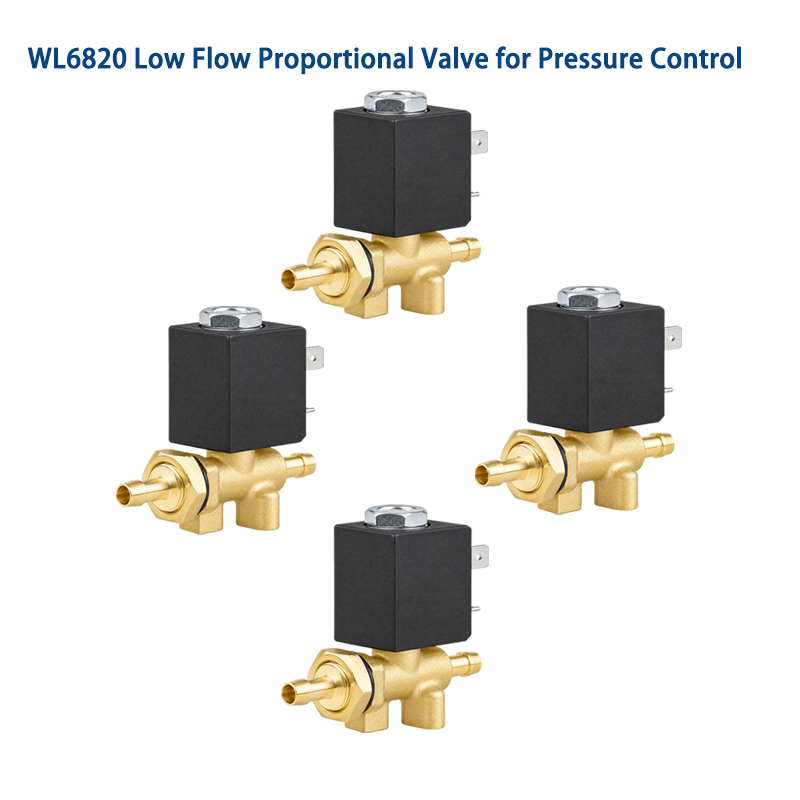
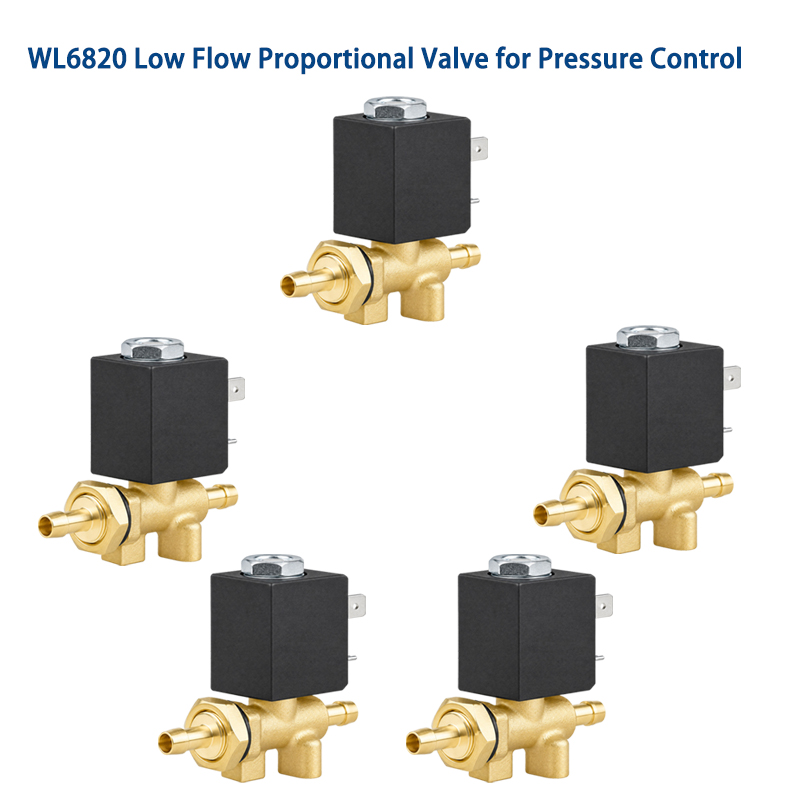
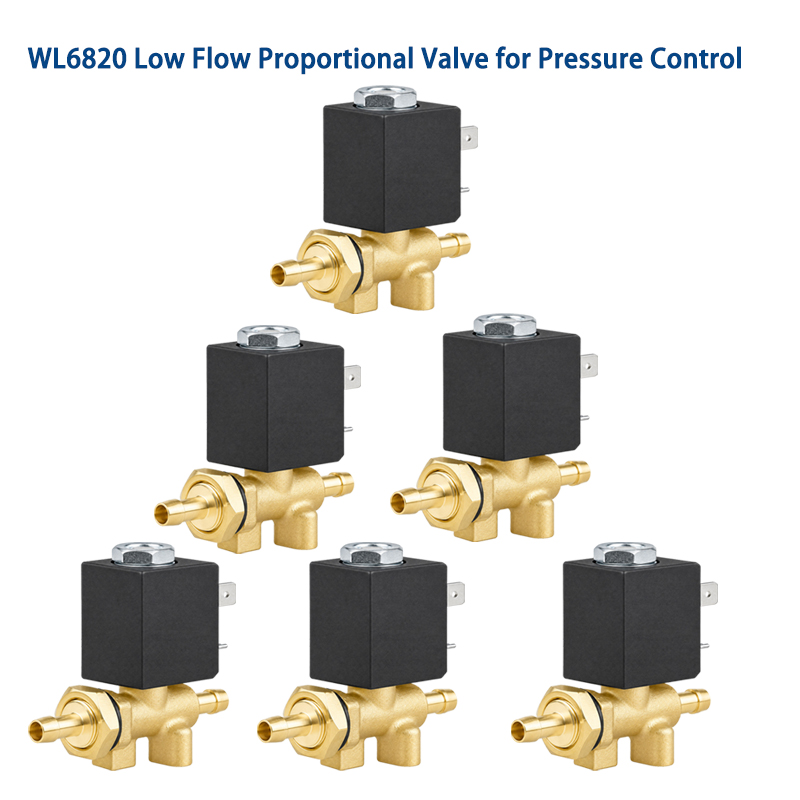
How to Select a Low Flow Proportional Valve
Choosing the right low flow proportional valve is critical to precise fluid control, stable operation and reliable equipment performance.Before buying, industrial buyers should consider the following factors.
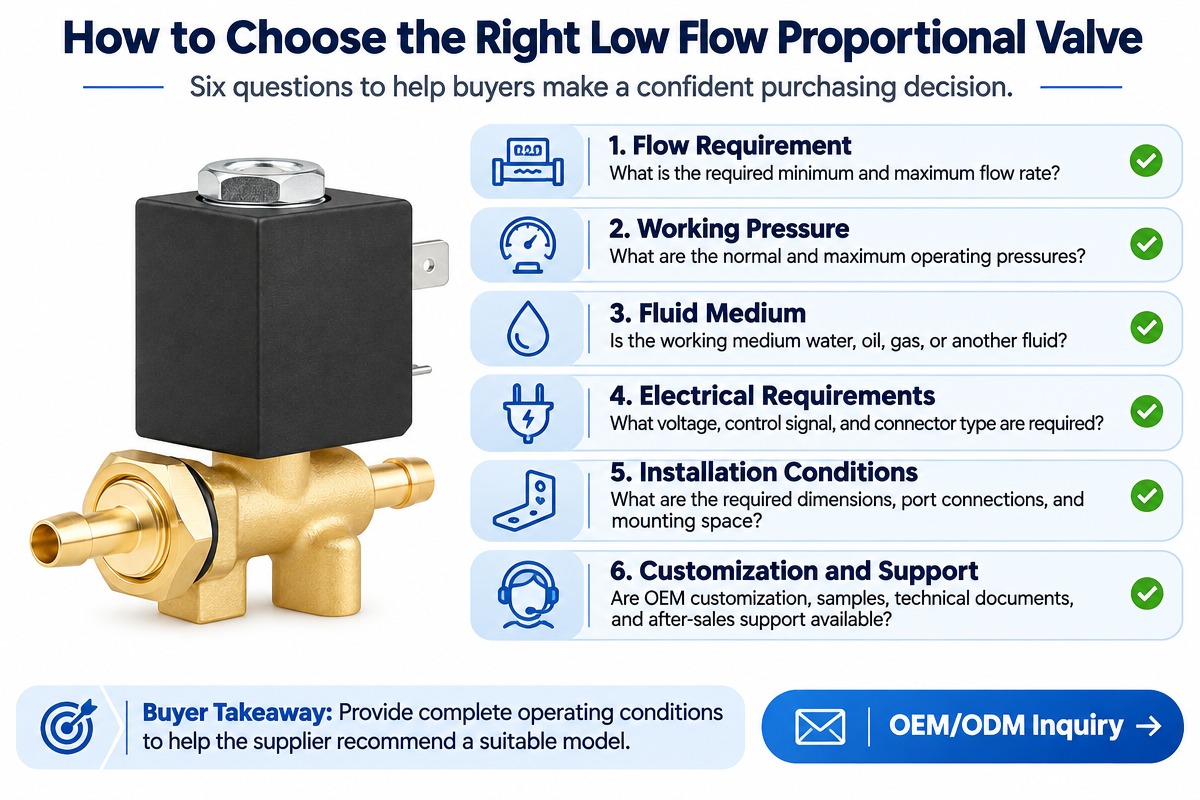
1.Specify the application
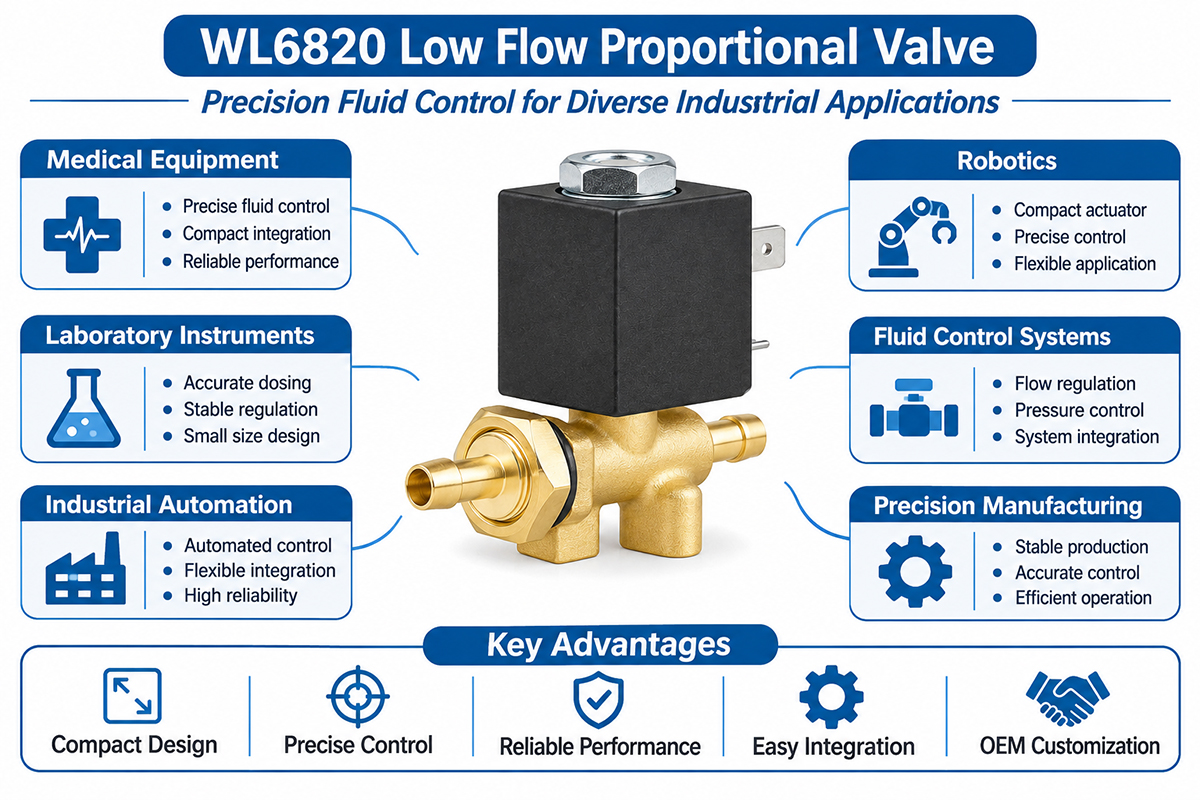
Find out if the valve is going to be used in laboratory equipment, medical instruments, analytical devices, dispensing systems or industrial automation.Know the control function and the operating conditions required.
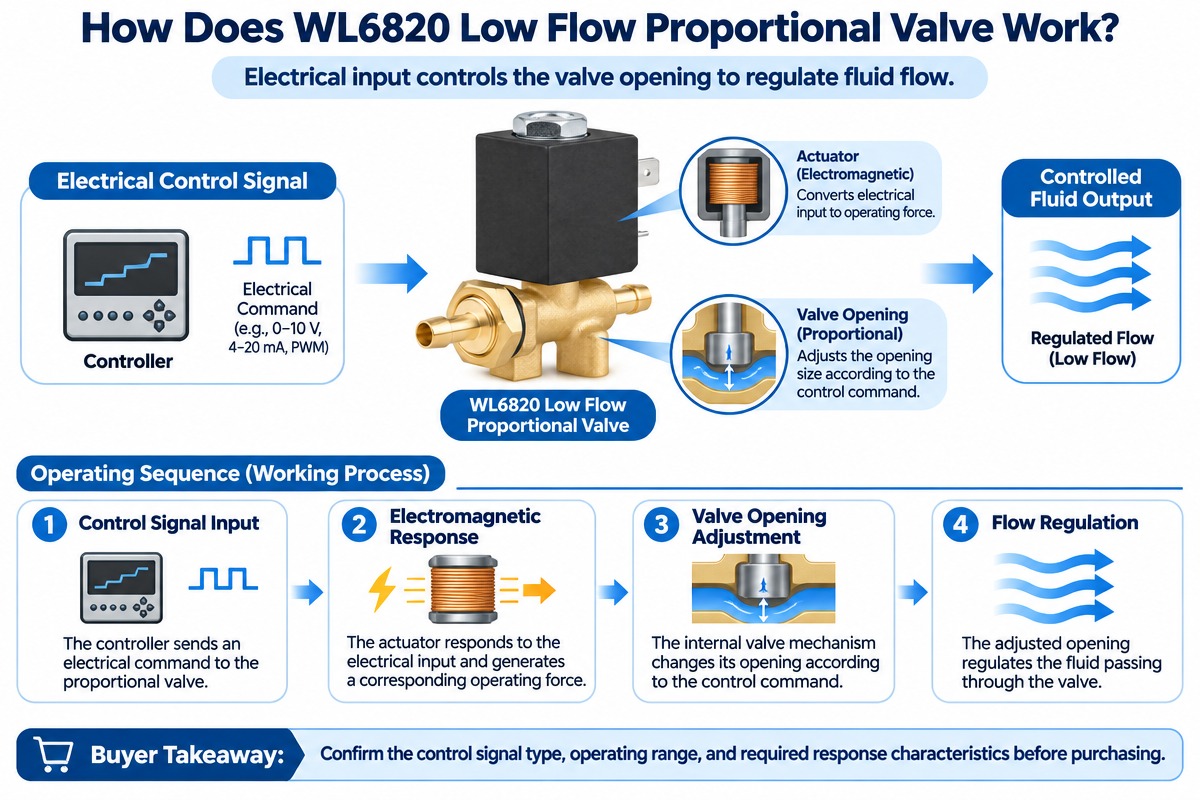
2.Flow Range Calculation
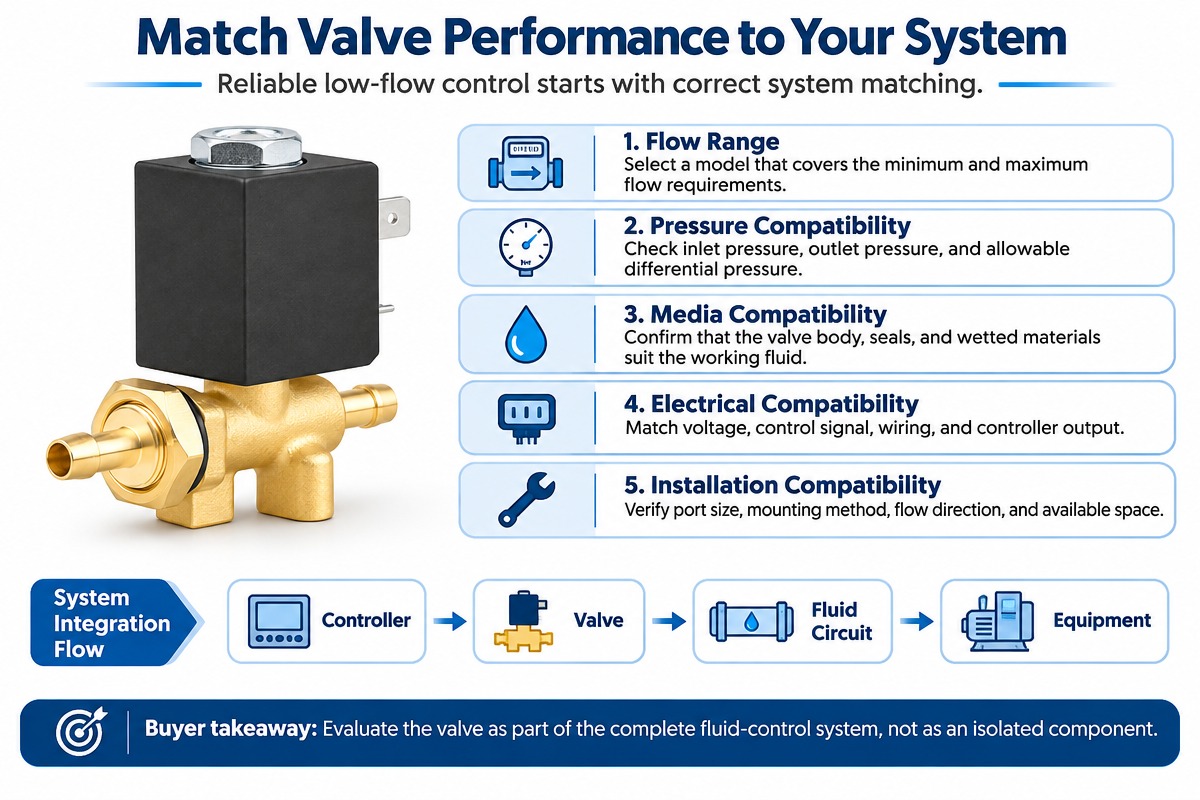
Determine the minimum, normal and maximum required flow rates.Careful sizing of the valve is important in low flow applications.If it is too large, the adjustment resolution will not be sufficient.
3.Check Operating Pressure
Check inlet pressure, outlet pressure, differential pressure and maximum working pressure.Make sure that the valve is operating within the limits set by the manufacturer.
4.Verify Fluid Compatibility
Identify the working medium, e.g.water, air, oil, chemical liquids.Confirm compatibility of valve body, internal parts and sealing materials.
5.Control Accuracy Evaluation
Consider flow repeatability, hysteresis, linearity, response time and resolution of adjustment.These parameters are especially important for dispensing and analytical applications.
6.Check Electrical Specifications
Check rated voltage, current, power consumption, control signal type, connector and driver compatibility.If the electrical matching is incorrect, this can cause unstable operation or damage to the coil.
7.Review dimensions of installation
Measure the available space for installation.Check mounting structure, connection size, overall dimensions and service clearance.
8.Consider operational conditions
Determine temperature, humidity, vibration, fluid cleanliness, and duty cycle.Choose suitable protection and sealing arrangements.
9.Assess Manufacturer Capabilities
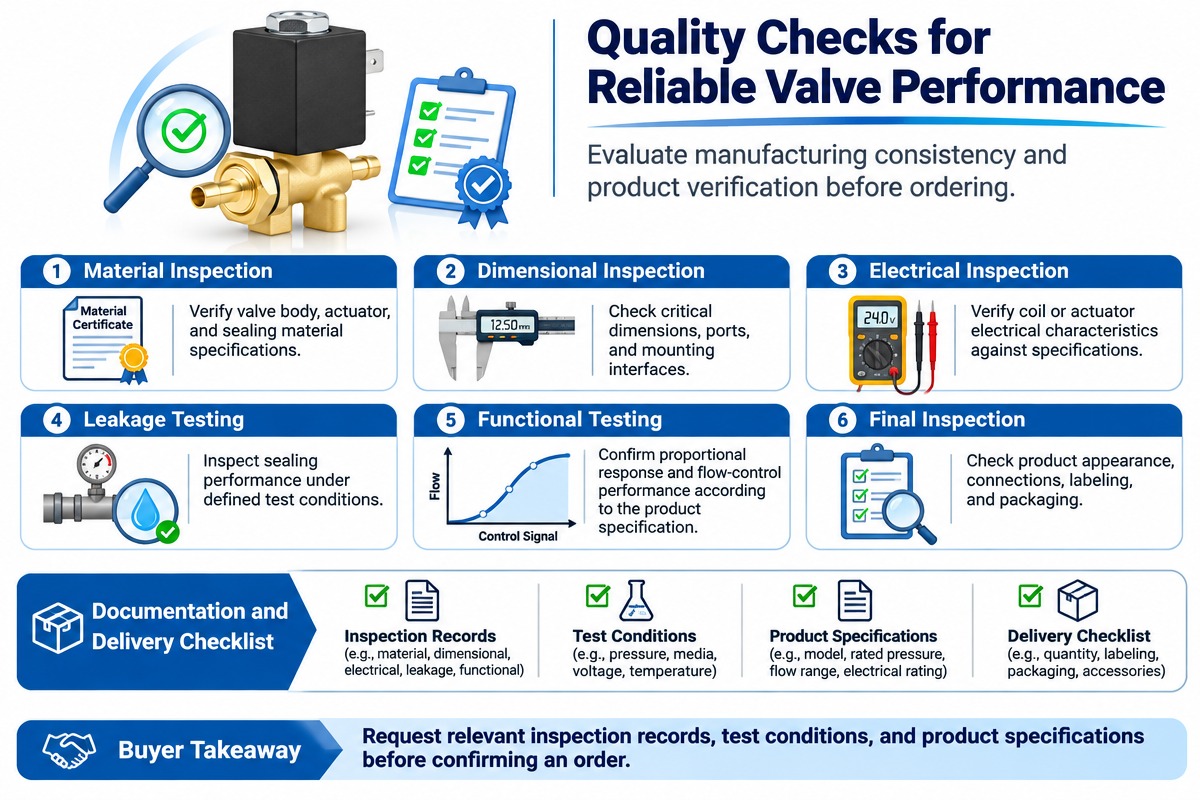
Choose a supplier that provides technical documentation, sample testing, customization, quality inspection, and technical support.
Compare Total Cost of Ownership
Consider the purchase price, maintenance needs, energy consumption, expected lifespan and replacement availability.
A properly specified low flow proportional valve will improve fluid control accuracy, minimize wasted fluid, and contribute to reliable equipment operation.
Tips for avoiding common mistakes in low flow proportional valve design
A low flow proportional valve design is a delicate balance of fluid dynamics, electromagnetic performance, mechanical precision and electronic control.The following errors should be avoided.
1.Incorrect Range Selection of Flow
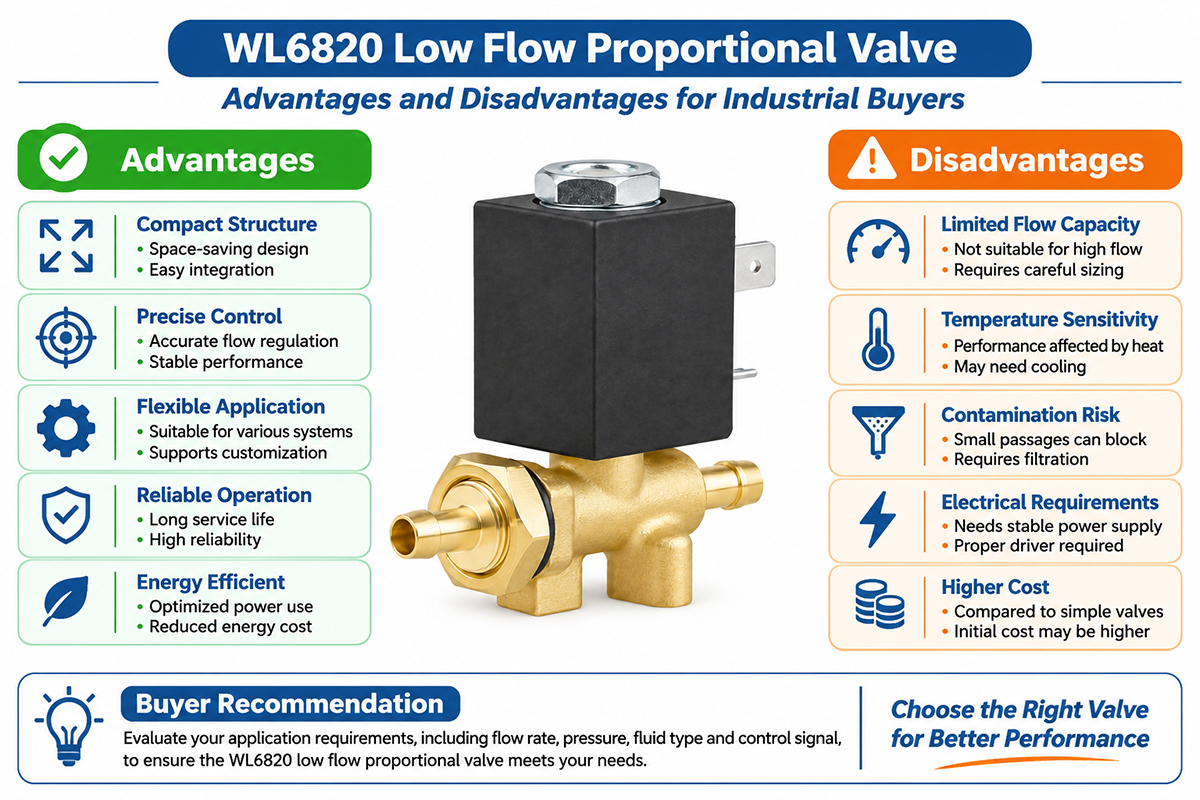
If the flow capacity of the valve is too high, it may affect the control resolution.Determine the real minimum and maximum flow needs.
2.Design of Internal Passages
Poorly designed flow paths can lead to unstable output, high pressure loss or poor fluid regulation.Adjust the size and shape of the passageways.
3.Choosing Incompatible Materials
The wrong choice of valve body and sealing materials can lead to corrosion, swelling, leakage or contamination.Check chemical and temperature compatibility.
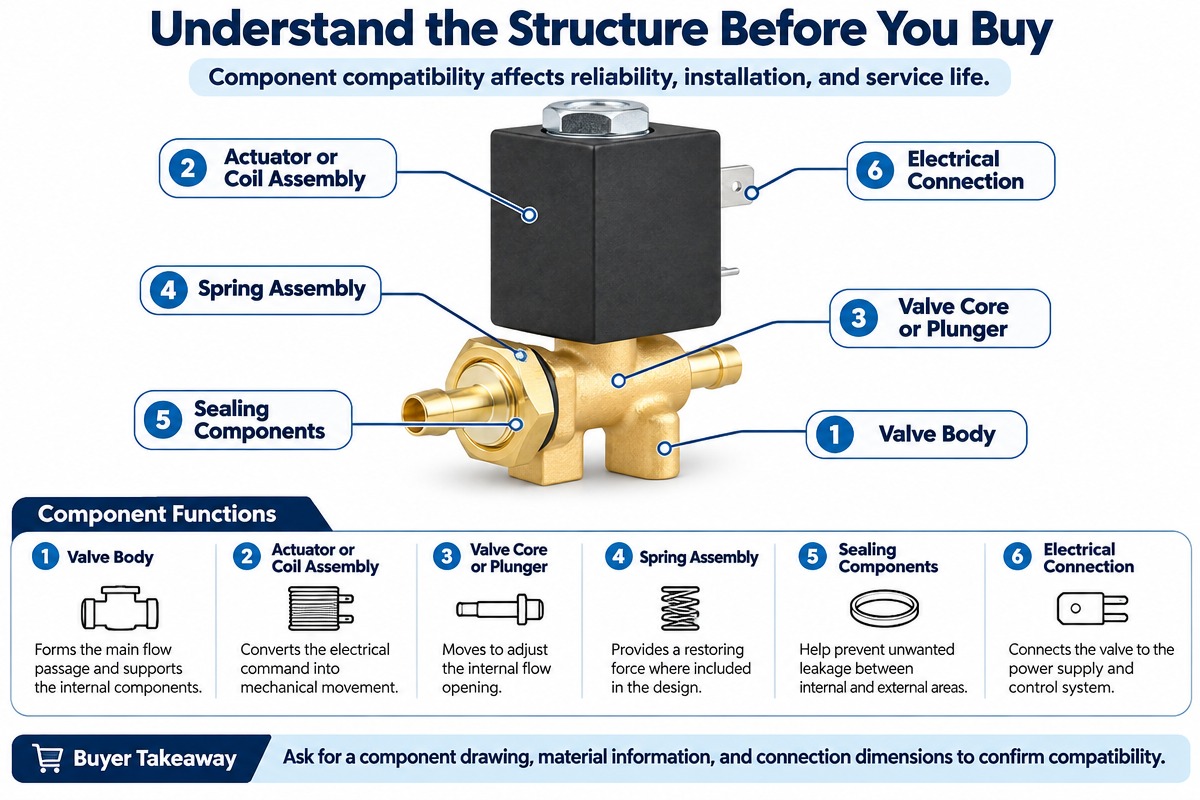
4.Absence of Electromagnetic Force
Under the given operating conditions the actuator must deliver sufficient force.Think coil performance .Spring force .Fluid pressure pushing back .
5.Too Much Mechanical Friction
Poor machining tolerances and surface finishes can lead to sticking, hysteresis and inaccurate regulation.Improve component accuracy and registration.
6.Fluid Contamination Ignored
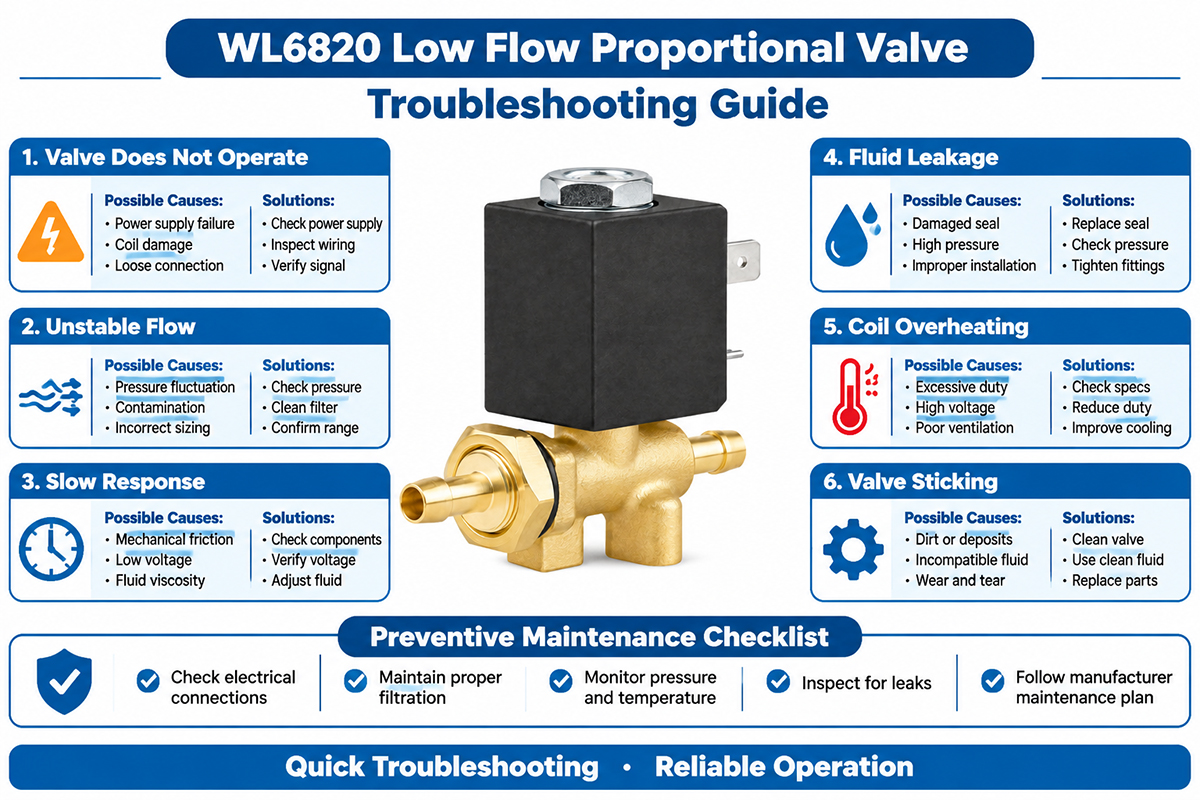
Small inner channels are susceptible to particles and deposits.Establish appropriate filtration standards.
7.Electrical Mismatch
If the voltage, current or control signals are not suitable, inaccurate operation may occur.Find the right electronic driver for the valve.
8.Poor Thermal Control
Continuous energizing of the coil may lead to higher operating temperature.Take insulation, duty cycle and heat dissipation into account.
9.No Testing
Perform performance, pressure, leakage, response, repeatability and endurance testing under representative conditions.
10.Overlooking Maintenance Needs
Design for accessible serviceable components connections, inspection and replacement where possible.