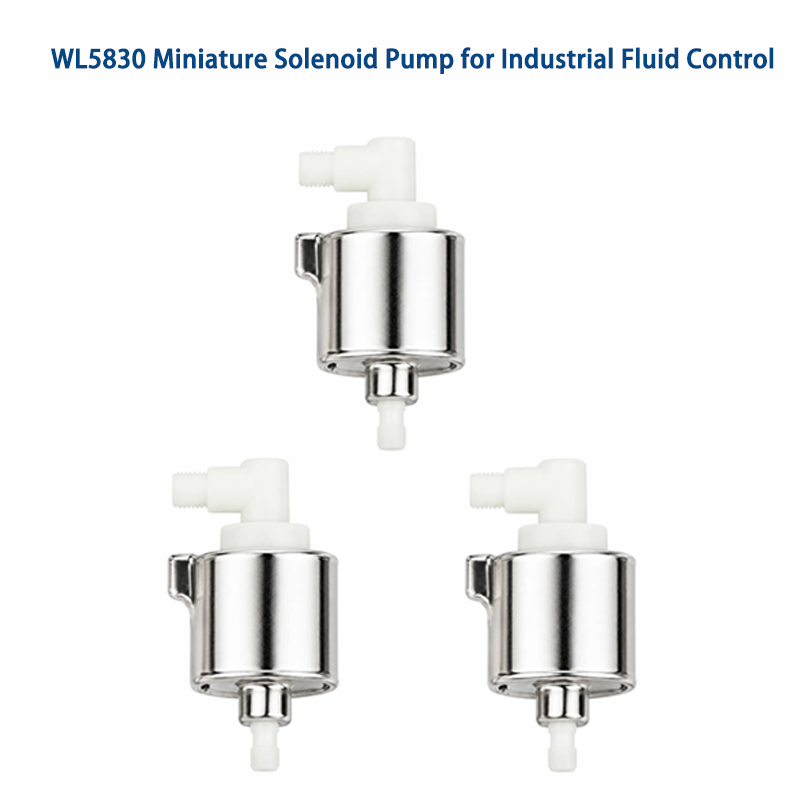
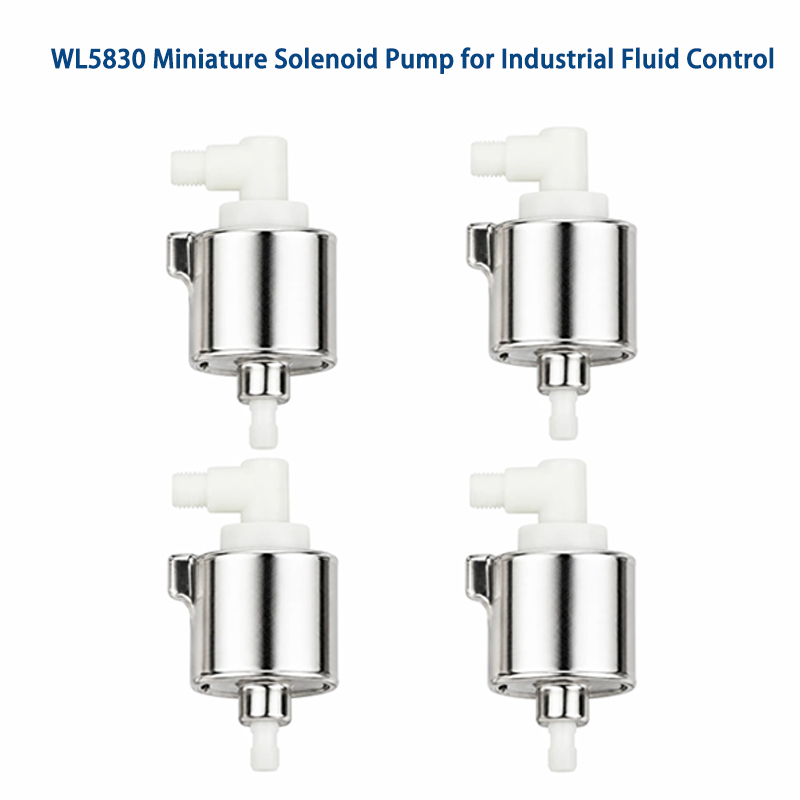
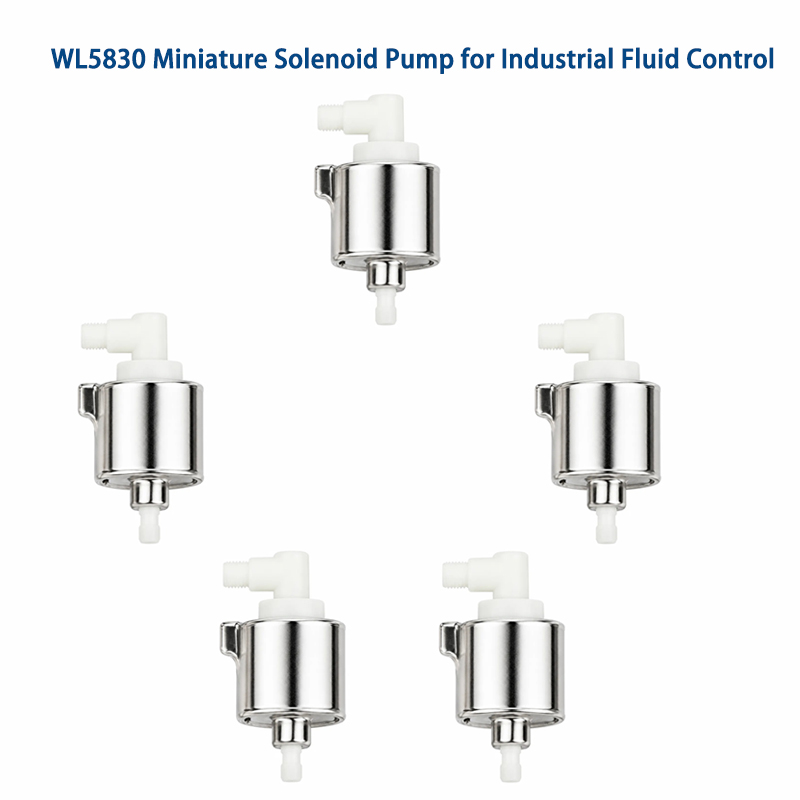
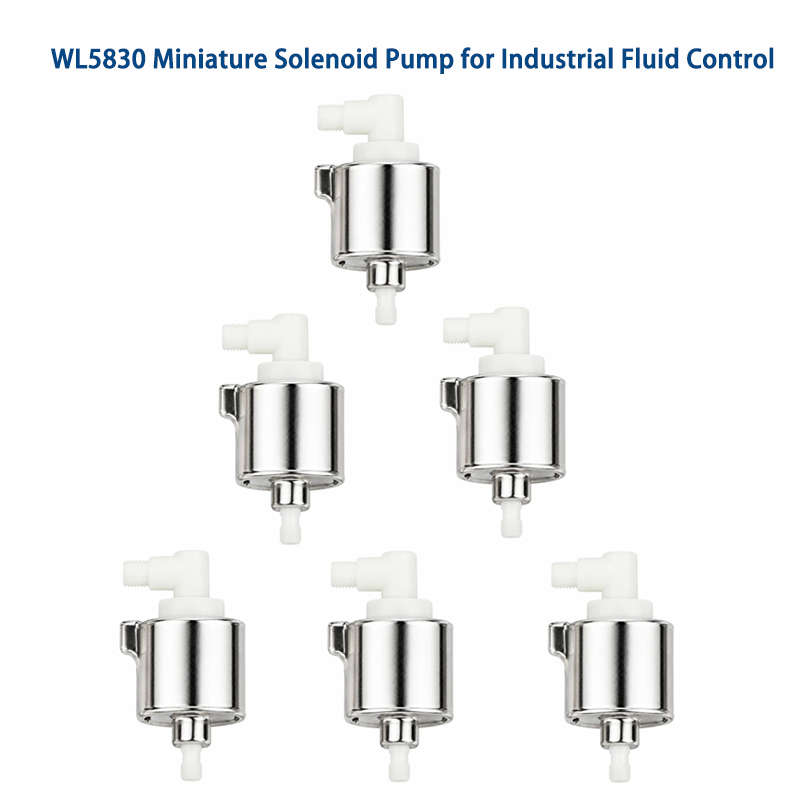
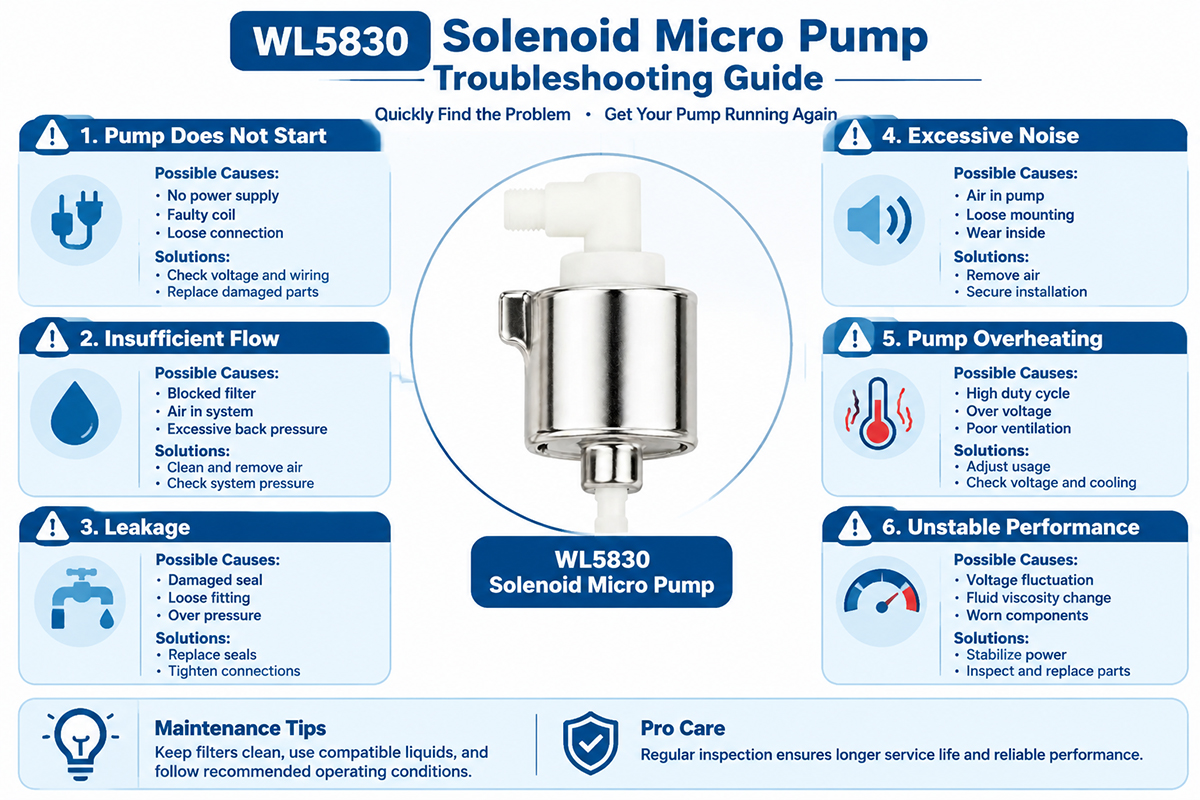
Choosing a Electric micro pump
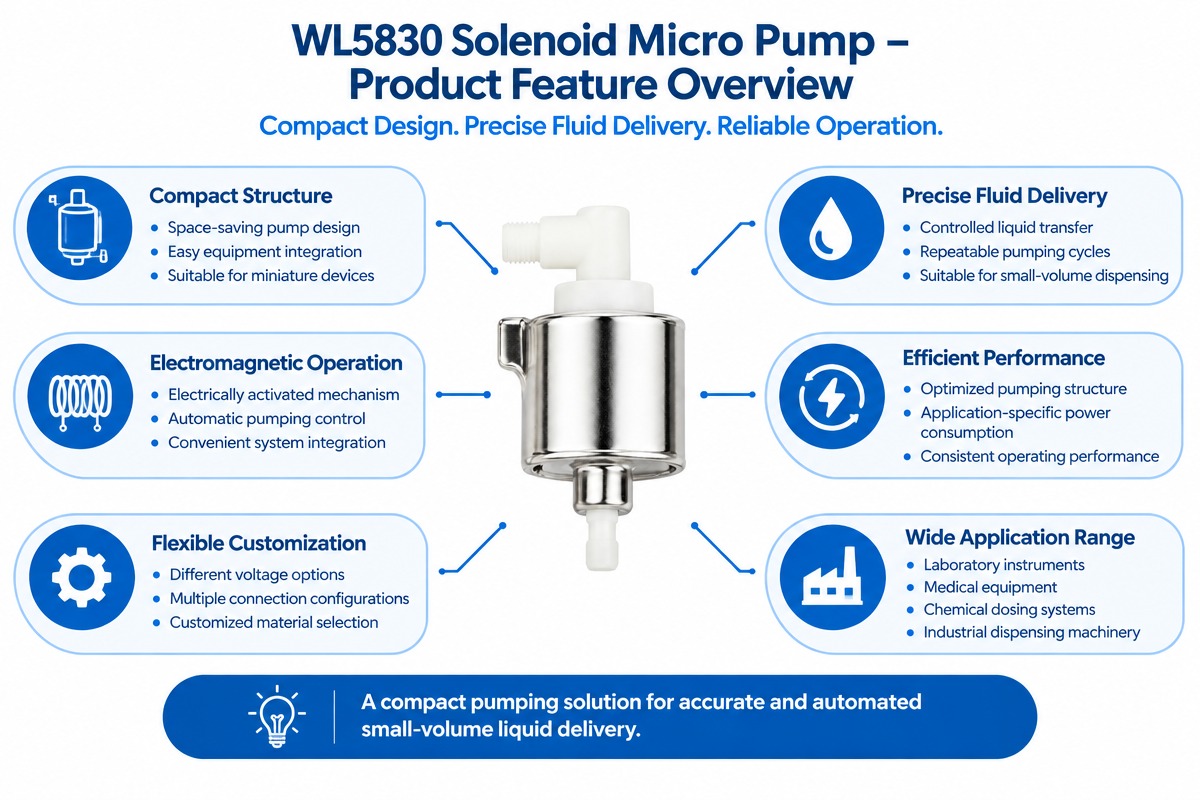
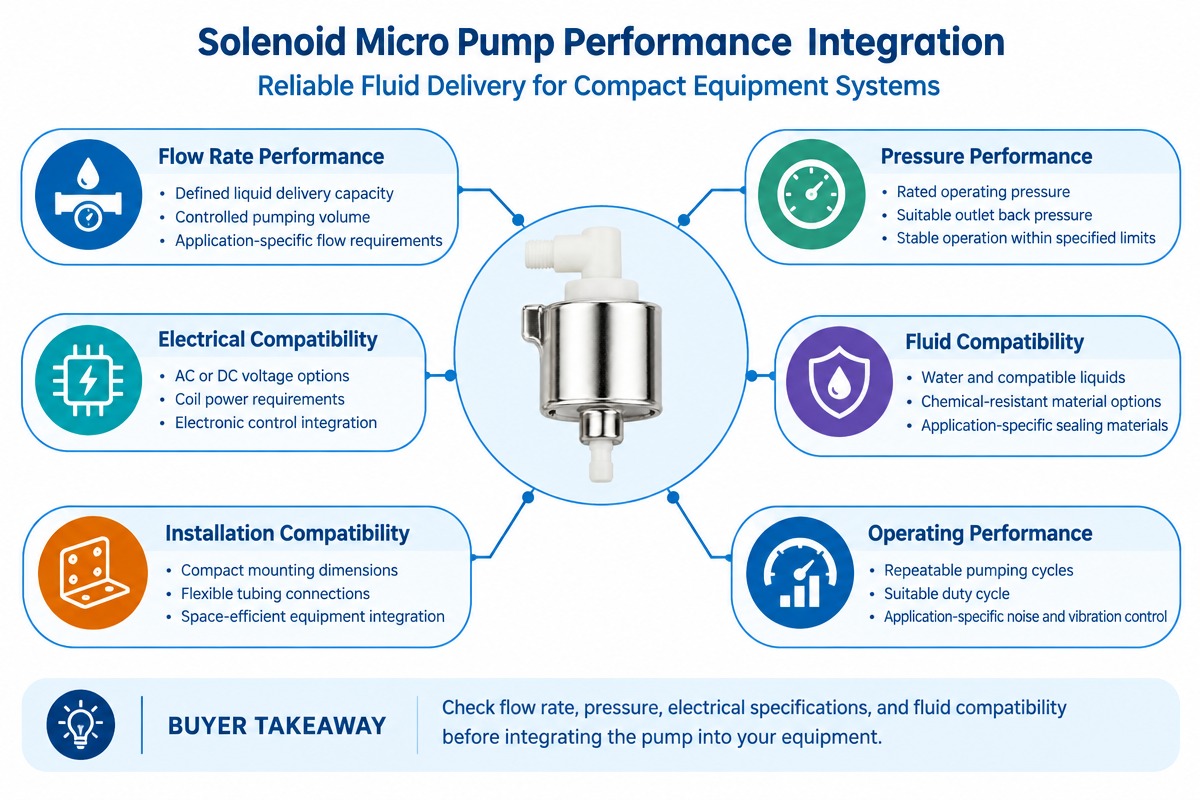
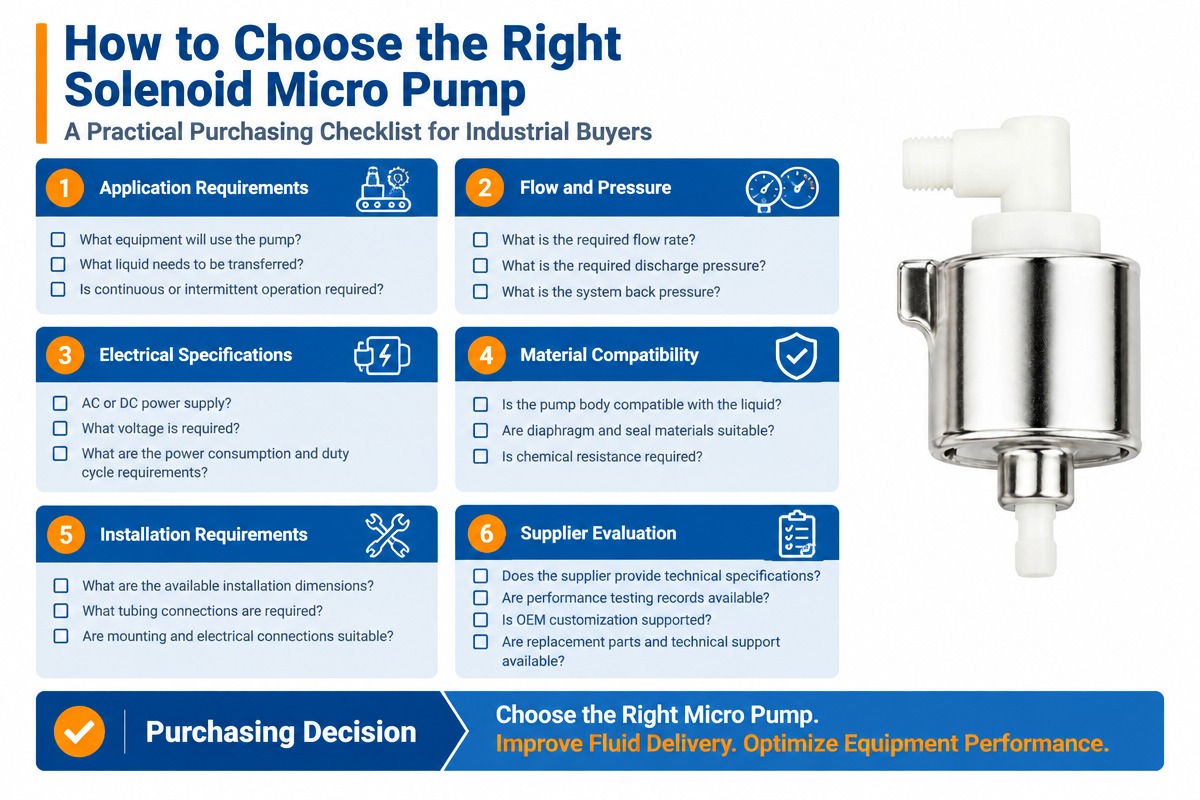
It is important to choose the right solenoid micro pump to ensure the accurate liquid delivery, stable performance and reliable operation of the equipment. Some technical factors that buyers need to consider when choosing a pump are as follows—
1.Calculation of Required Flow Rate
Calculate the amount of liquid to be pumped per minute or per operation cycle. Is the application a continuous pumping, intermittent liquid delivery or precise small-volume dispensing? Choose the pump having the required capacity for the real working conditions.
2.Checking Working Pressure
Calculate the back pressure of the system and the required discharge pressure. The pump should be able to create the sufficient pressure to overcome the resistance of tubes, filters, valves and other downstream equipment. Always verify the rated pressure and maximum allowable operating conditions.
3.Checking Fluid Compatibility
Determine the working fluid, its viscosity, composition, temperature and possible presence of particles. Choose appropriate materials for the pump body, diaphragm, seals and internal elements to avoid corrosion, swelling or early wear.
4.Evaluating Electrical Requirements
Check the required voltage, AC or DC power supply, current consumption and control signal. Make sure the electrical specifications match the equipment power system. Also pay attention to operating frequency and duty cycle.
5.Pump Accuracy Evaluation
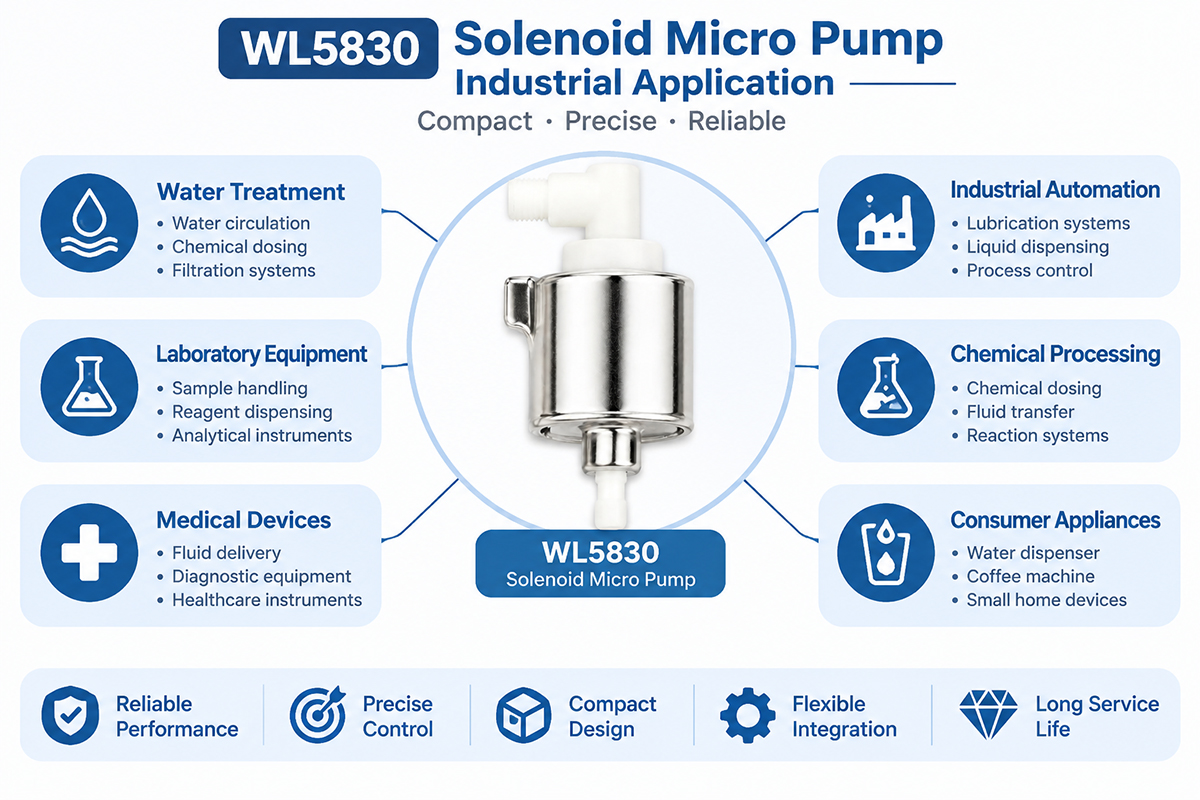
Repeatability and flow consistency are crucial for the laboratory equipment and chemical dosing and precision dispensing equipment. Make sure that the pump has the required accuracy of the delivery at actual operating pressure and fluid conditions.
6.Size and Installation Evaluation
Measure the available installation space and check the mounting dimensions, inlet and outlet locations, tube connections and electrical terminal arrangement.Compact design should fit well into the equipment.
7.Noise and Vibration Evaluation
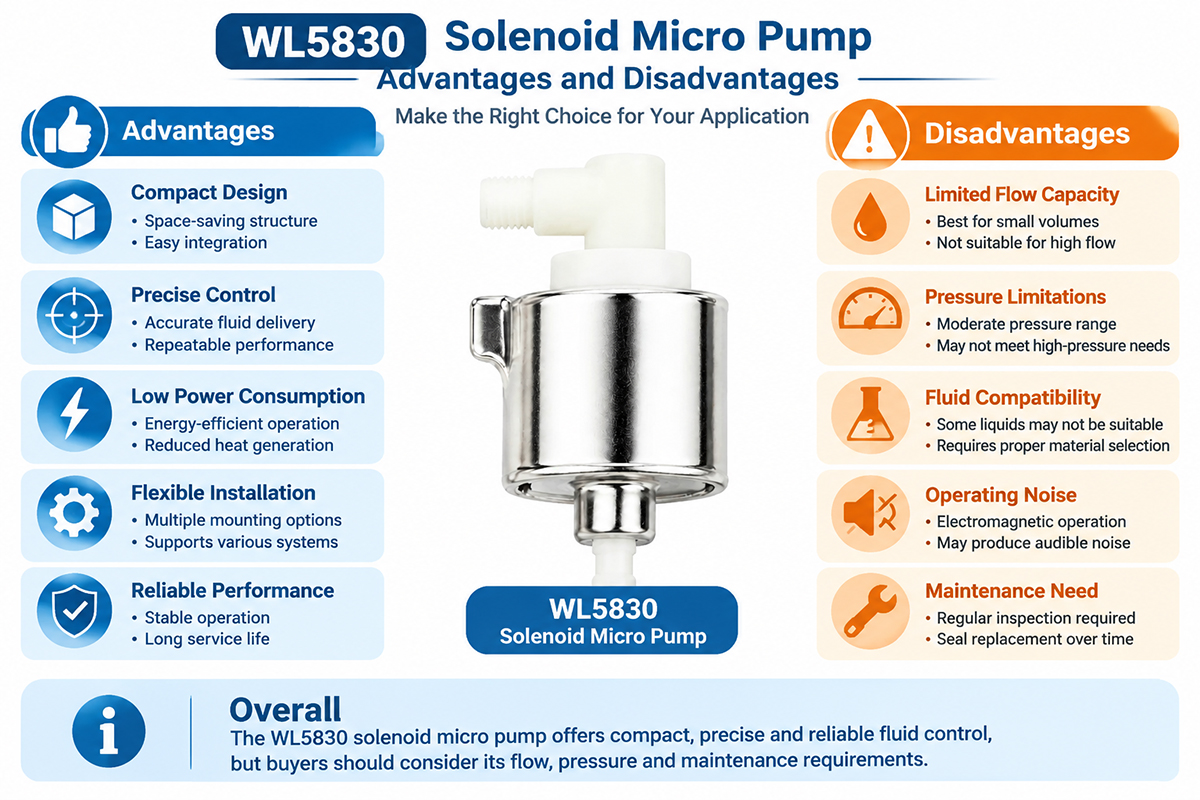
The quiet operation is required for some applications, especially laboratory, medical and consumer equipment. Test noise and vibration characteristics during the operation.
8.Service Life and Maintenance Evaluation
Ask about expected operating cycles, component life, cleaning and replacement parts. A good supplier should give you technical documentation and recommendations on maintenance.
9.OEM Customization Evaluation
For specific equipment, contact the manufacturer regarding customizing the pump voltage, connections, materials, dimensions and performance parameters.
Considering these factors, buyers will be able to choose the solenoid micro pump that will best fit the application, improve fluid delivery performance and reduce the maintenance cost.
Tips to Avoid Common Mistakes in Solenoid Micro Pump Design
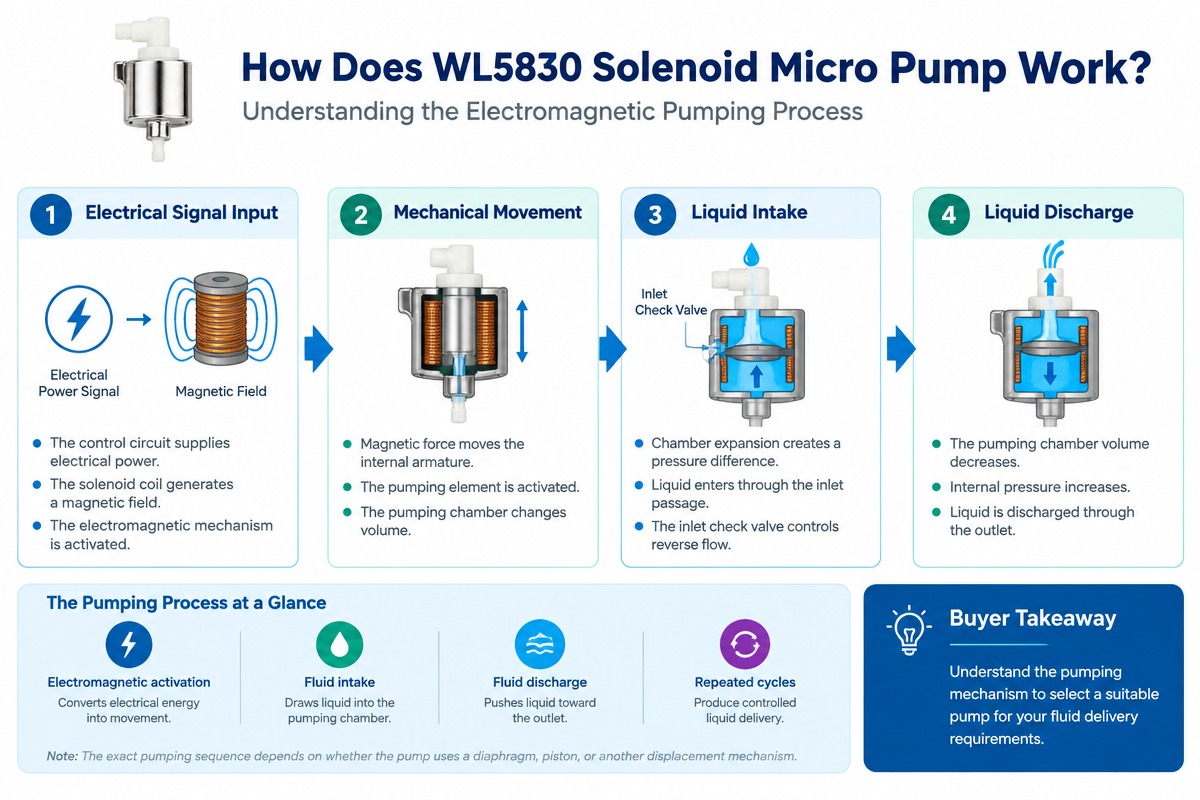
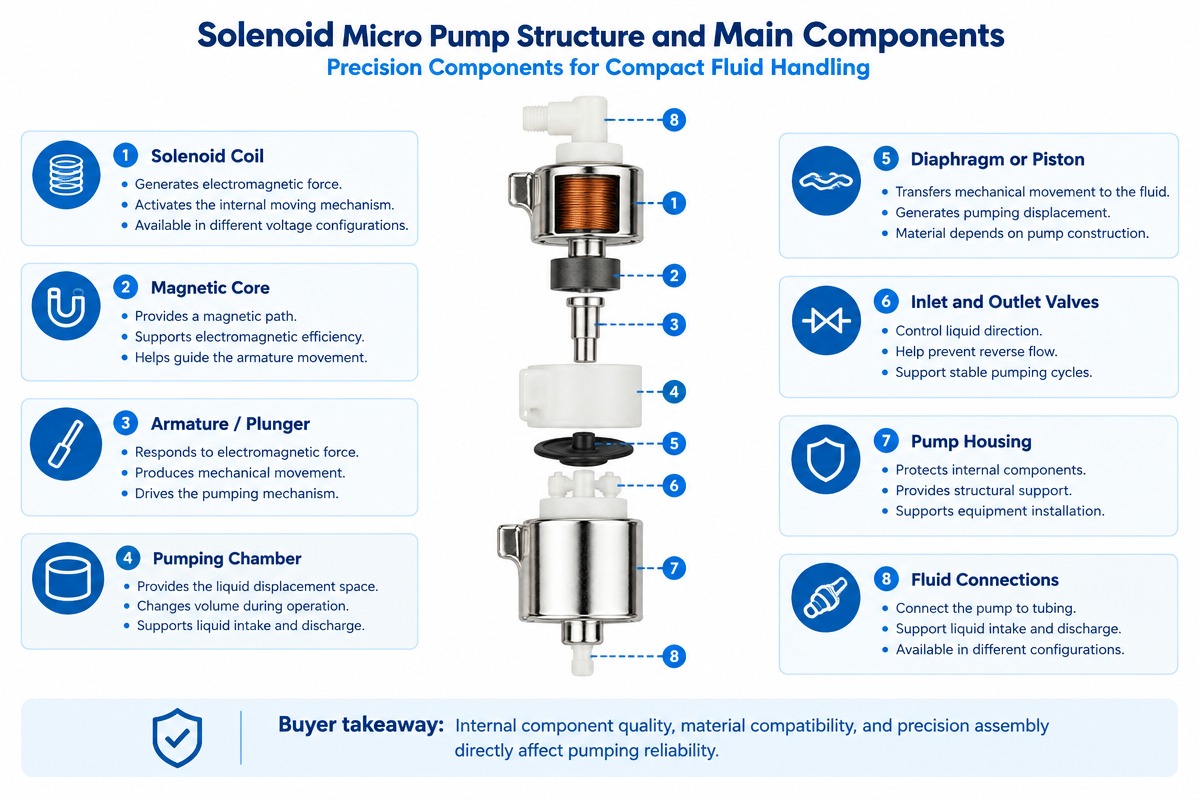
When designing the solenoid micro pumps, it is important to take into account electromagnetic performance, fluid characteristics, mechanical structure and electrical control. Avoid these common mistakes.
1.Inappropriate pump capacity selection
Inappropriate pump capacity selection may result in under-delivery of liquid or excessive energy use. First of all, determine the volume per cycle and the total operation flow to choose the pump.
2.No Attention to Fluid Compatibility
Fluids affect pump body materials, diaphragms and seals differently. Always check the fluid compatibility to avoid corrosion, swelling and leakage.
3.Poor Electromagnetic Design
Bad design of the coil can result in creation of insufficient magnetic force or excess heat. Optimize coil winding, electrical resistance, magnetic materials and voltage.
4.Incorrect Pressure Requirements
Poor pumping performance can be the result of neglect of inlet pressure and outlet back pressure. – Make sure that the pump is rated for the actual pressure range of the system.
5.Neglect of Sealing Performance
Bad sealing leads to leakage, reduced pumping efficiency and contamination . Choose proper sealing materials and evaluate critically the connection points.
6.No Attention to Power Consumption
Excess electricity consumption raises operating costs and creates unnecessary heat. Calculate coil efficiency and operating frequency.
7.Poor Inlet and Outlet Designs
Bad design of ports or incorrect tubing configuration results in increased flow resistance. Streamline the fluid passages to make the fluid flow smoothly.
8.No Proper Testing
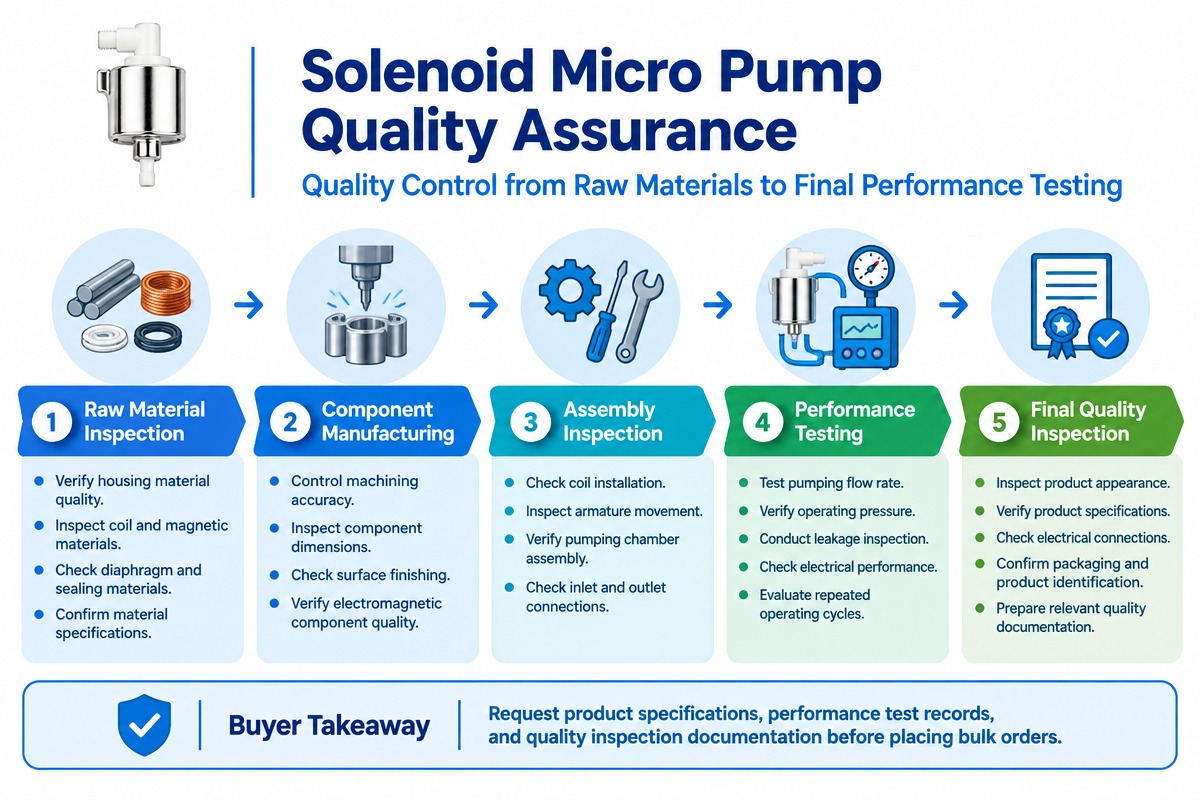
Always test flow, pressure, leakage, electrical and endurance under representative operating conditions before mass production.
A well-designed solenoid micro pump must combine compact size, electromagnetic efficiency, fluid compatibility, pumping accuracy and durability.