Skip image slider
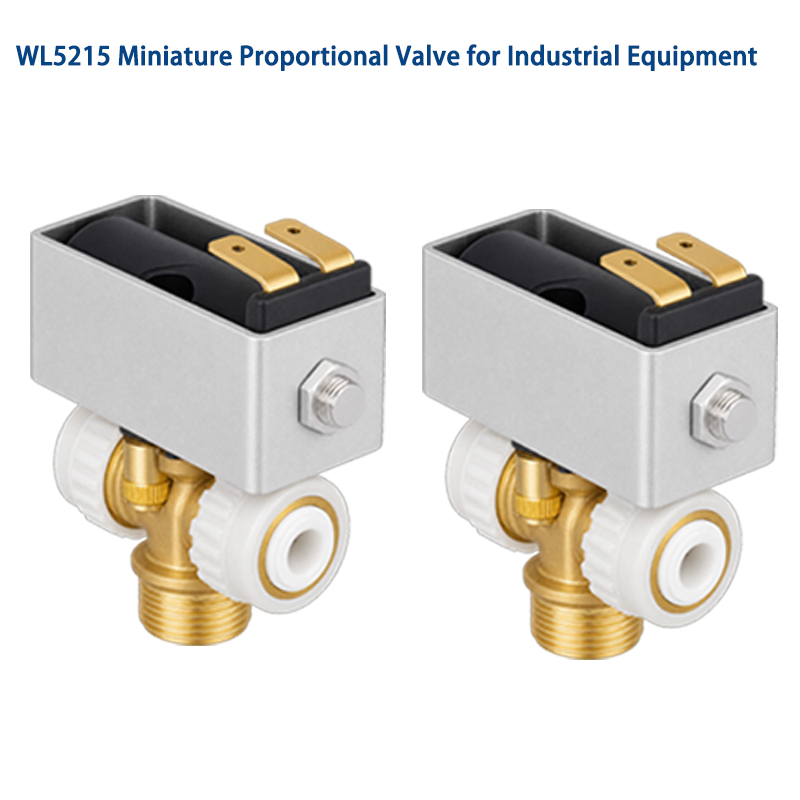
Solenoid Pump Valve for Industrial Fluid Automation
Solenoid Pump Valve for Industrial System Reliability
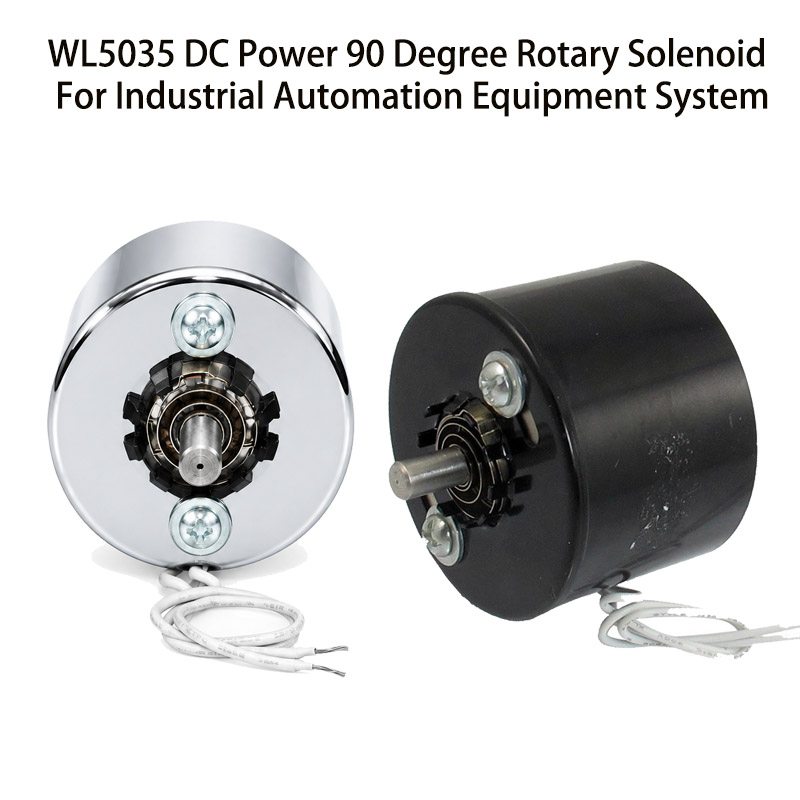
Solenoid Pump Valve for Efficient Fluid Management
Solenoid Pump Valve for Efficient Pump Operations
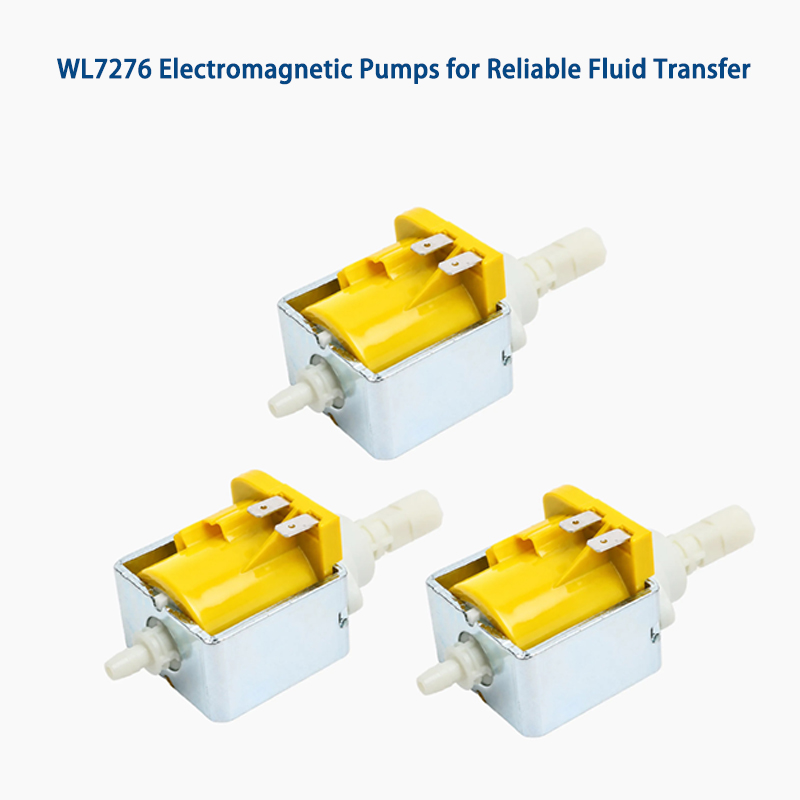
Solenoid Pump Valve for Advanced Pumping Equipment
Precision Solenoid Pump Valve for Pump Flow Control

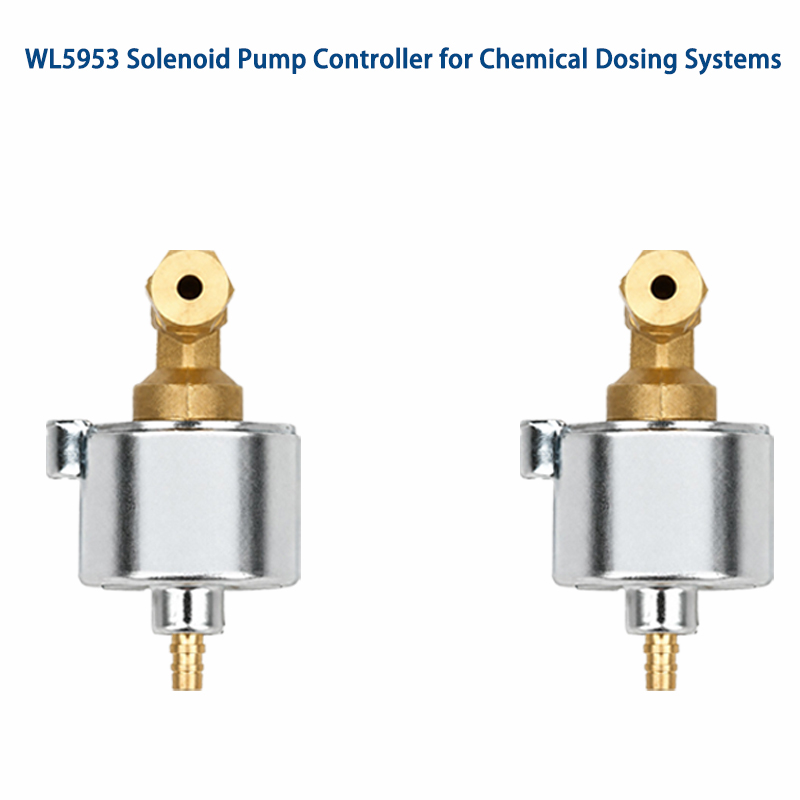
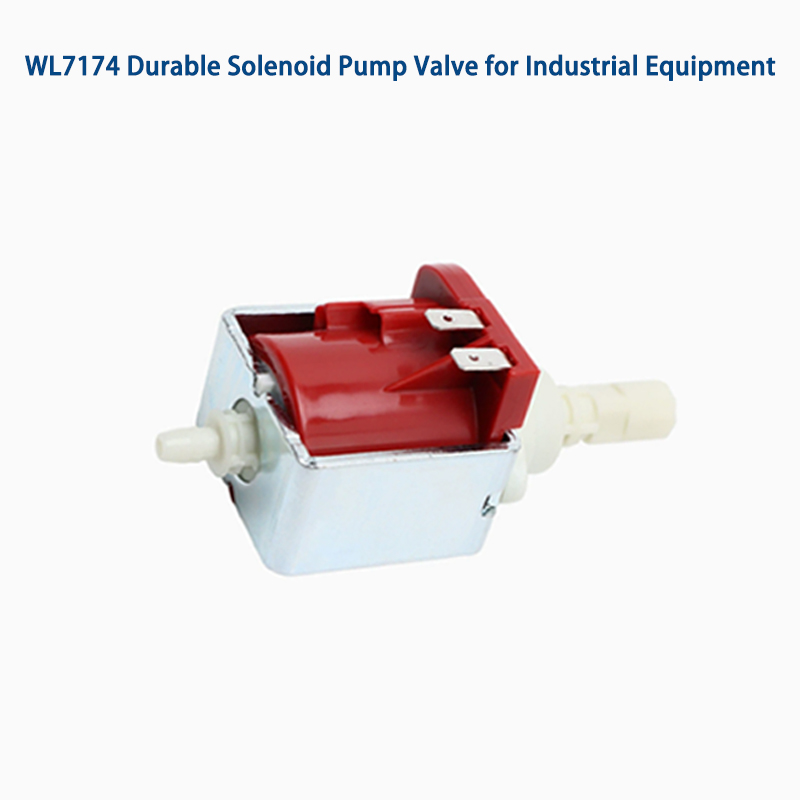
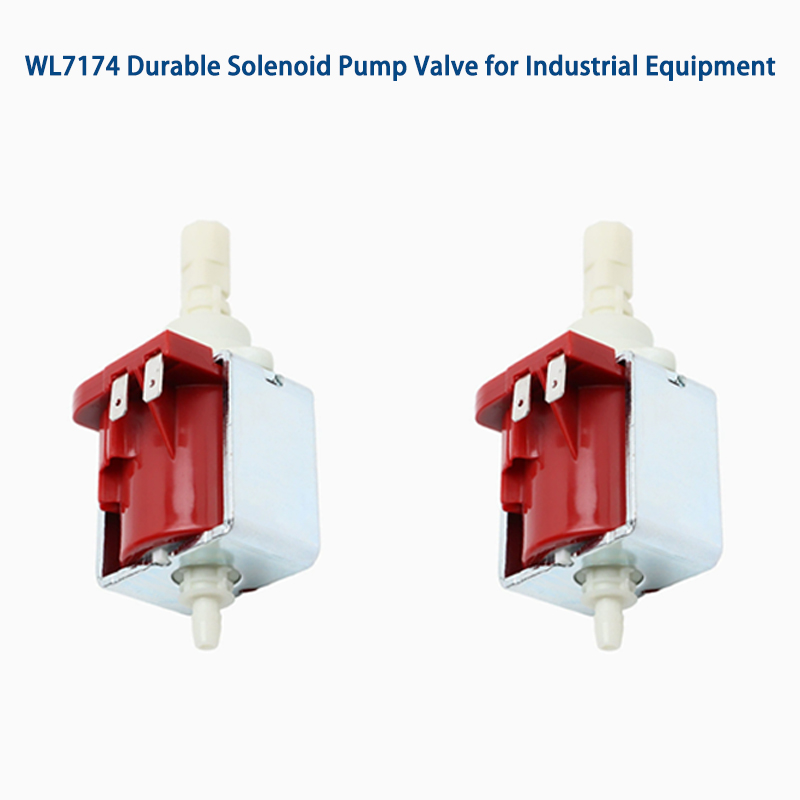
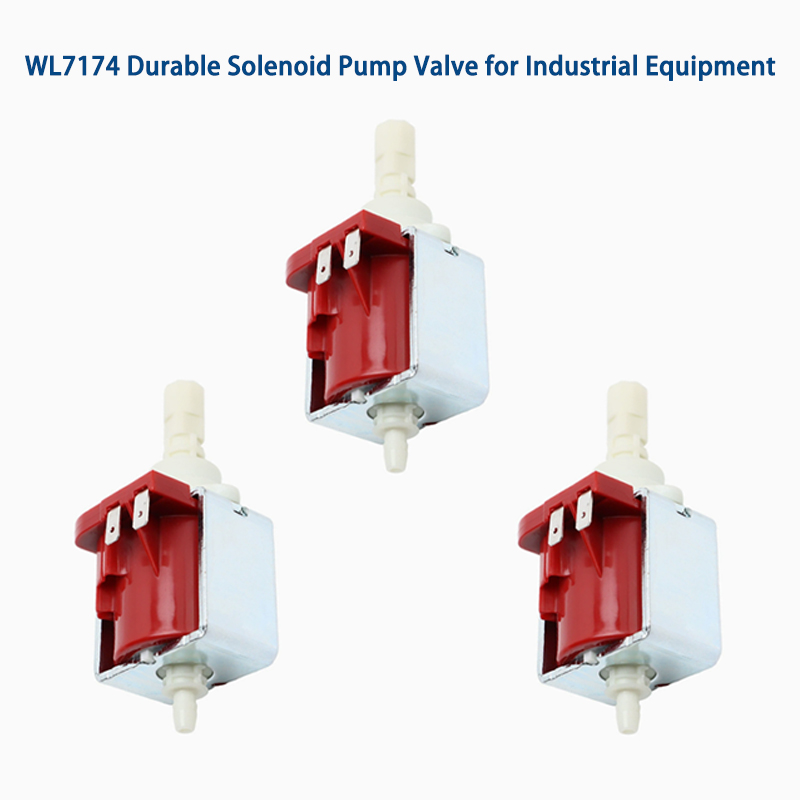
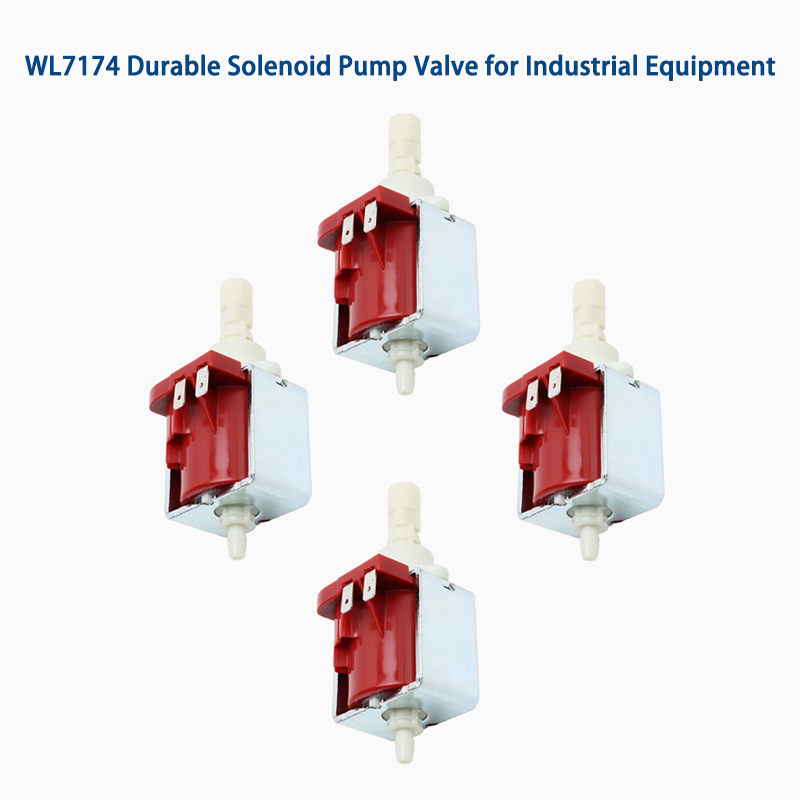
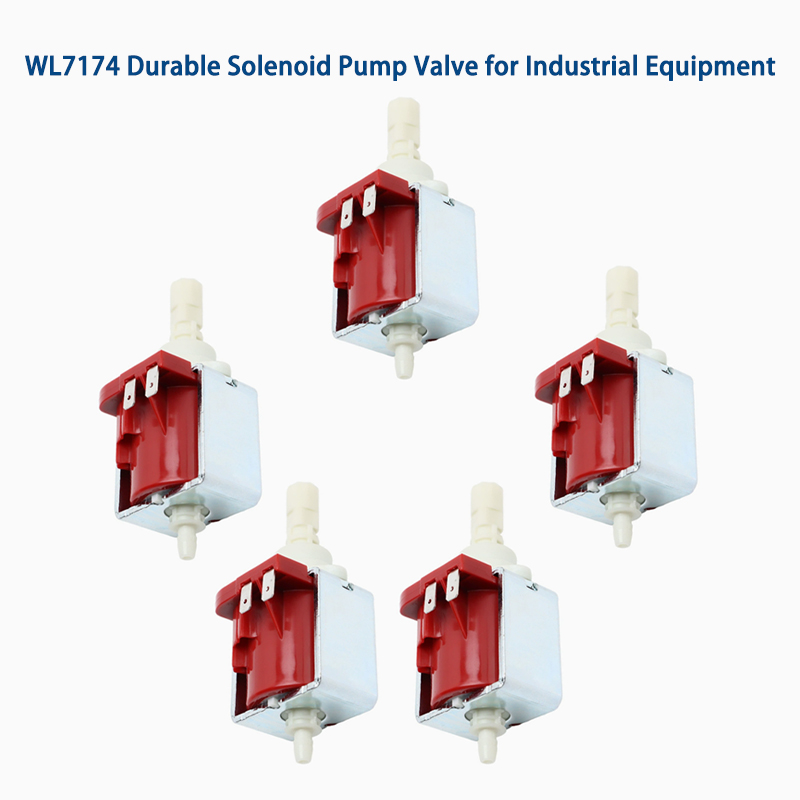
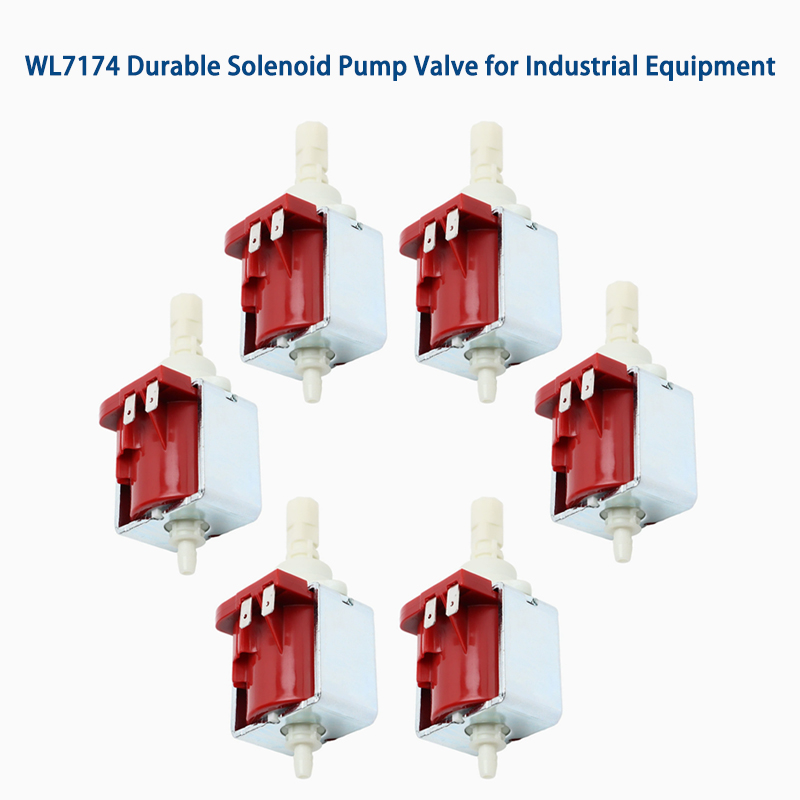
WL7174 Durable Solenoid Pump Valve for Industrial Equipment

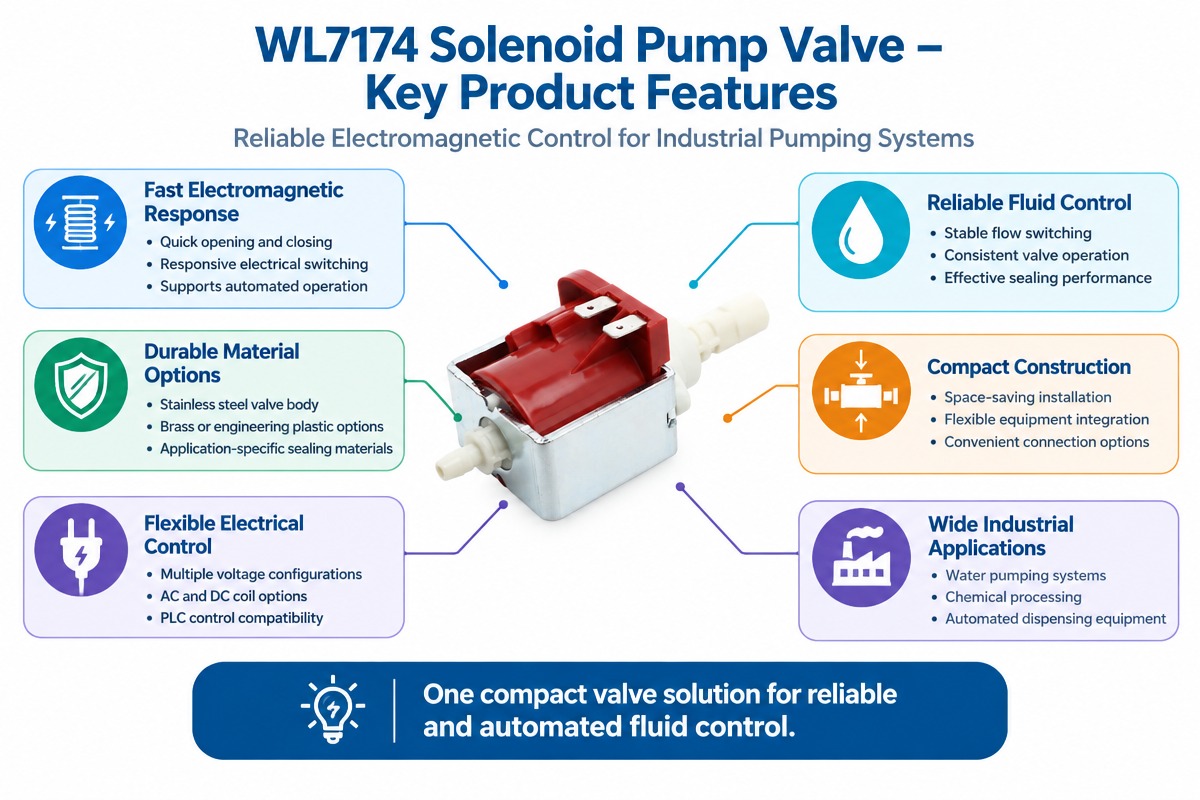
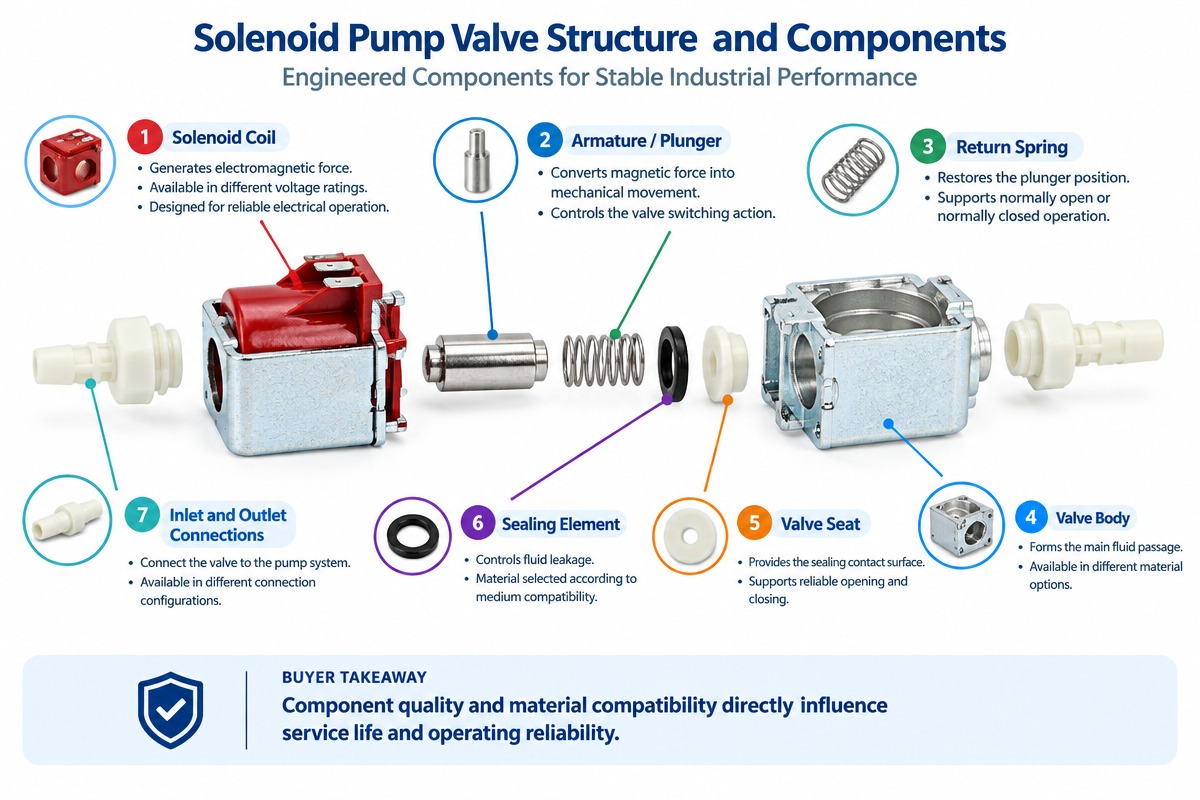
A solenoid pump valve is an electric fluid control valve that is used for controlling the flow of gas or liquid in the pumping system. It operates by opening, closing or altering a fluid passage by electromagnetic force based on an electrical signal. Solenoid pump valves are used for providing reliable flow control solutions for industrial machinery, water treatment facilities, chemical processing systems, dispensing machines and assembly lines. These solenoid valves are normally open or normally closed, direct acting or pilot operated with various connection sizes based on the application. High quality valves are built of robust materials such as stainless steel, brass, aluminum or engineering plastics to make them compatible with different operating conditions. The choice of the valve can help increase the efficiency of pumping, reduce fluid leakage and ensure the reliability of the system. Compact design, fast response, electrical control and flexibility of integration into automatic fluid control systems make industrial solenoid pump valves popular in OEM equipment.

Durable Solenoid Pump Valve Description

What Is a Solenoid Valve Pump?

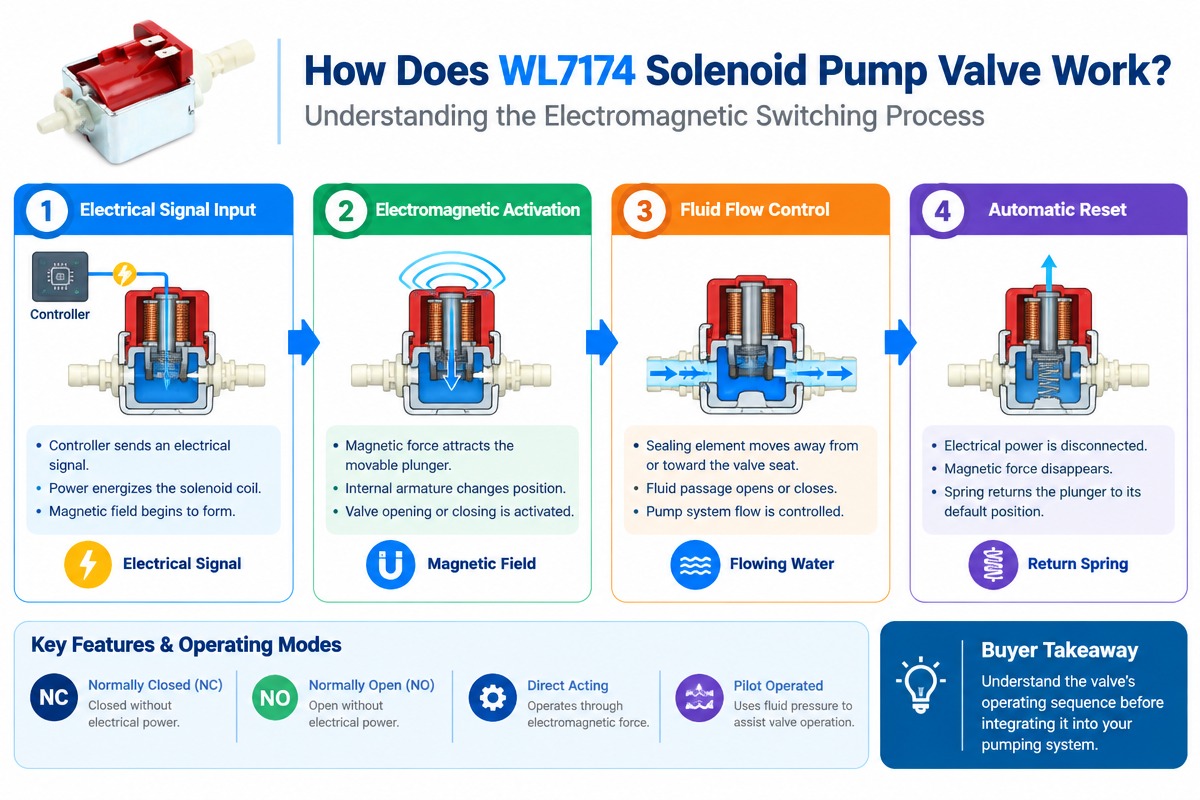
A solenoid pump valve is an electrically operated valve that is used for controlling the flow of fluid in the pumping system. It consists of an electromagnetic coil and a mechanical valve mechanism that is able to open or close a fluid passage. When energized by electrical current, the magnetic force moves the internal plunger or armature to change the position of the valve. If the power is turned off, then the spring or other device forces the valve to return to its original position. The solenoid pump valves are used in industrial pumps, water system, chemical processing equipment and fluid dispensing machines. These valves provide fast switching, precise control and reliable operation.

How does a solenoid pump valve function?

The main operating principle of the solenoid pump valve is electromagnetic force. The major parts include electromagnetic coil, movable plunger, valve body, sealing element, spring and fluid passage.

Electrical signal received by the coil from the control system creates electromagnetic field. This magnetic field attracts or repels the inner plunger, thus changing the position of the valve.

For normally closed solenoid pump valve, the valve remains closed in case of the absence of electrical power. In case of the coil being energized, the plunger lifts the seal element allowing the fluid to pass through the valve.

Normally open solenoid pump valve is characterized with the flow passage that is opened without electrical power. With the coil being energized, the plunger moves to close the passage.

If the electrical signal is switched off, then the magnetic field disappears, and the spring will push the valve to return to its original position.

The valve can be operated by PLC, timer, pressure switch, sensor or other automation device. Thus, it allows for automatic fluid management and coordination of the pump operation.

It is necessary to remember that the solenoid pump valve is different from a solenoid driven pump. A solenoid valve is a valve for controlling the flow of fluid. A solenoid driven pump is a pump that is operated due to electromagnetic movement.

Durable Solenoid Pump Valve Video

Durable Solenoid Pump Valve Detail Display

Durable Solenoid Pump Valve Technical

Brand

Weilong Technology

Model Number

WL7174

Rated Voltage (V)

DC 12V or 24 V

Rated Power(W)

ย 3-5W

Work Model

2 Ways Valve

Water Flow Rateย  (N)

1.2-2 L/ Per Minute

Resistance

25 ฮฉ

Reset Time(s)

0.3 Sec. On, ย 0.3 ย Sec. Off

Service Life

I Millioin Times

Certification

CE,ROHS,ISO9001,

Material

Carbon Steel Housing with Telfon Plated Coating

Lead Wire Length(mm)

71

Install Style

Adjustable Screw

Tolerance of Dimension

ย +/- ย 0.1 MM

Water-proof

ย None

Insulation Class

F ย ย 155 Degree

Hi-Pot Test

AC 750V 50/60Hz 2s

Non-excitation Holding Force

0

Working Temperature

-15ยฐC-180ยฐC

Duty Cycle

1-100%

Thread Depth(mm)

/

Payment Term

TT, or LC At Sight

Sample Order

Yes

Warranty

1 Year

MOQ

1000 pcs

Supply Ability

5000 pcs per Week

Delivery Time

30 Days

Port of Loading

shenzhen

Why is the Solenoid Pump Valve so Popular?

Solenoid pump valves are becoming popular because of increasing demands of the industry for faster, more reliable and more automated fluid control.

First of all, it can operate via electrical signal. This allows to integrate valves into programmable logic controller, sensors, timers and industrial automation system. Operator can control the flow of fluids automatically without manually opening and closing mechanical valves.

Secondly, it is because of its small size. Many solenoid pump valves occupy little space during installation and, therefore, are suitable for modern equipment with limited internal dimensions.

Solenoid pump valves are useful in applications where frequent switching or precise fluid dispensing is required because they are fast to respond. Depending on the valve design, it can provide reliable opening and closing performance in repeated operating cycles.

Thirdly, they are valued by industrial manufacturers because of their versatility. Solenoid pump valves are available in various materials, port sizes, pressure ranges, voltage ratings and sealing configurations.

Electrical components for fluid management are becoming increasingly popular due to the growing popularity of automated manufacturing, water treatment, chemical processing and smart equipment.

The right choice and maintenance of solenoid pump valves can help improve system efficiency, reduce manual operations and reliability of industrial production.


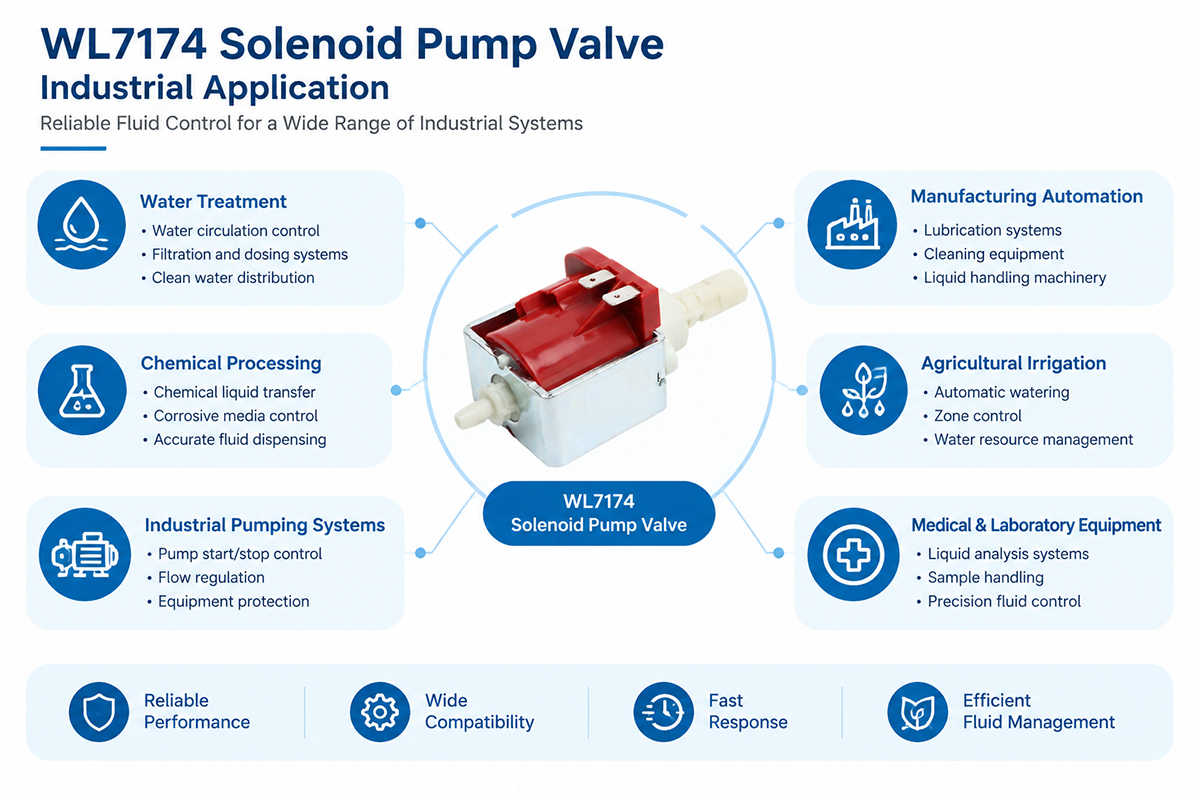
Durable Solenoid Pump Valve Applications

Solenoid Pump Valve for Industrial Fluid Applications

Solenoid pump valves are widely used in various industrial applications where automatic fluid control, reliable switching and precise operation are required.

Water Purification System

In water treatment systems, solenoid pump valves control water flow for filtration, cleaning, dosing and distribution. They can be integrated with sensors and controllers for automatic fluid management.

Chemical Processing

Solenoid pump valves are used to control the flow of compatible liquids in chemical processing systems. Material selection is important for aggressive media to prevent corrosion and achieve tightness.

Industrial Pump Equipment

Solenoid pump valves allow for control of fluid passages in pumping systems and assist coordination of pump operation with associated equipment. They can also assist in automatic filling, draining and fluid transfer operations.

Irrigation for Agriculture

In the automated irrigation system, water is controlled by solenoid valves. Electrical control is also used to provide efficient fluid management in irrigation schedule.

Fluid Dispensing Equipment

Solenoid pump valves are commonly used in dispensing machines that require to dispense liquids precisely. They react fast to provide repeatable dispensing cycles.

Automation in Production

In industrial production lines, such valves are used in lubrication systems, cleaning equipment, pneumatic systems and liquid handling machinery.

Laboratory and Medical Equipment

Specialized solenoid valves are used in laboratory analyzers, liquid handling instruments and some medical devices. Such applications require correct materials, precise specifications and quality control.

Solenoid pump valves assist in increasing automation, simplifying fluid management and ensuring reliable equipment operation in these industries.

Durable Solenoid Pump Valve Adv. & Disadv

Solenoid Pump Valve for Automated Pumping Solutions

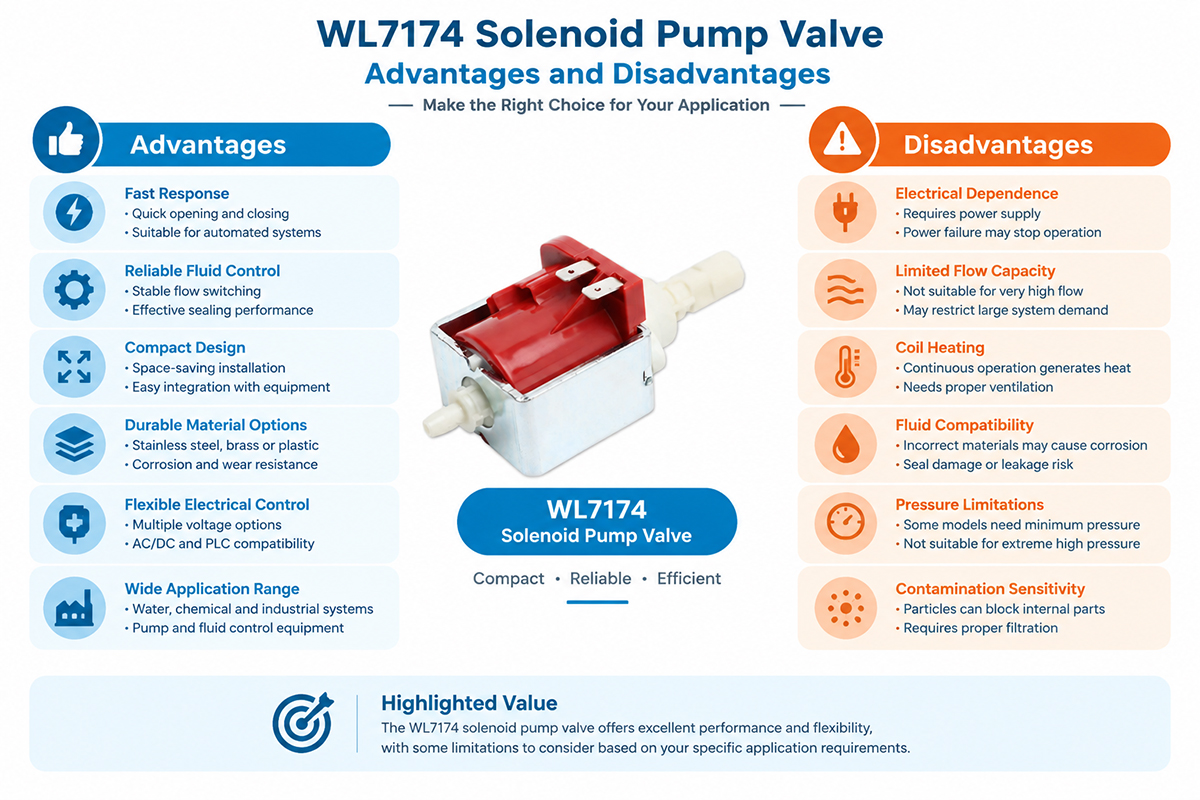
Advantages and Disadvantages of Solenoid Pump Valve

There are many advantages of using solenoid pump valves in the industrial fluid control applications, but the limitations should be also considered when designing the system.

Advantages

Fast Response

Due to their electromagnetic operation, solenoid pump valves provide fast switching, making them a good choice for use in automated systems.

Automatic Control: Valves can be operated by electrical signals from PLCs, sensors, timers and other control devices.

Compact Structure

Most of the valves have compact structure that makes them easy to install in the industrial machinery.

Reliable Operation

Valves, if properly selected, will provide reliable operation during a large number of operating cycles.

Versatile Applications

Various materials, voltage ratings, pressure ranges and valve configurations to meet different industrial requirements.

Less Manual Operations

Electrical control helps to reduce manual intervention and improve the automation of the process.

Disadvantages

Electrical Dependence

Solenoid valves usually require electrical power source to change position. The normal operation may be disrupted by power loss.

Limited Flow Capacity

In case of high capacity pumping systems, the small ports of the valve may limit the flow.

Coil Heating

Heat may be generated in case of continuous energization, especially when the coil is operated outside of its rated conditions.

Fluid Compatibility

Corrosion, damage to seals or leakage may occur with the wrong materials.

Pressure Limitations

Some pilot-operated valves require minimum pressure differential.

Contamination Sensitivity

Particles may interfere the internal moving parts and seal surfaces.

Considering these advantages and limitations helps engineers to choose appropriate valves and develop more reliable industrial pumping systems.

High Performance Solenoid Pump Valve for Fluid Systems

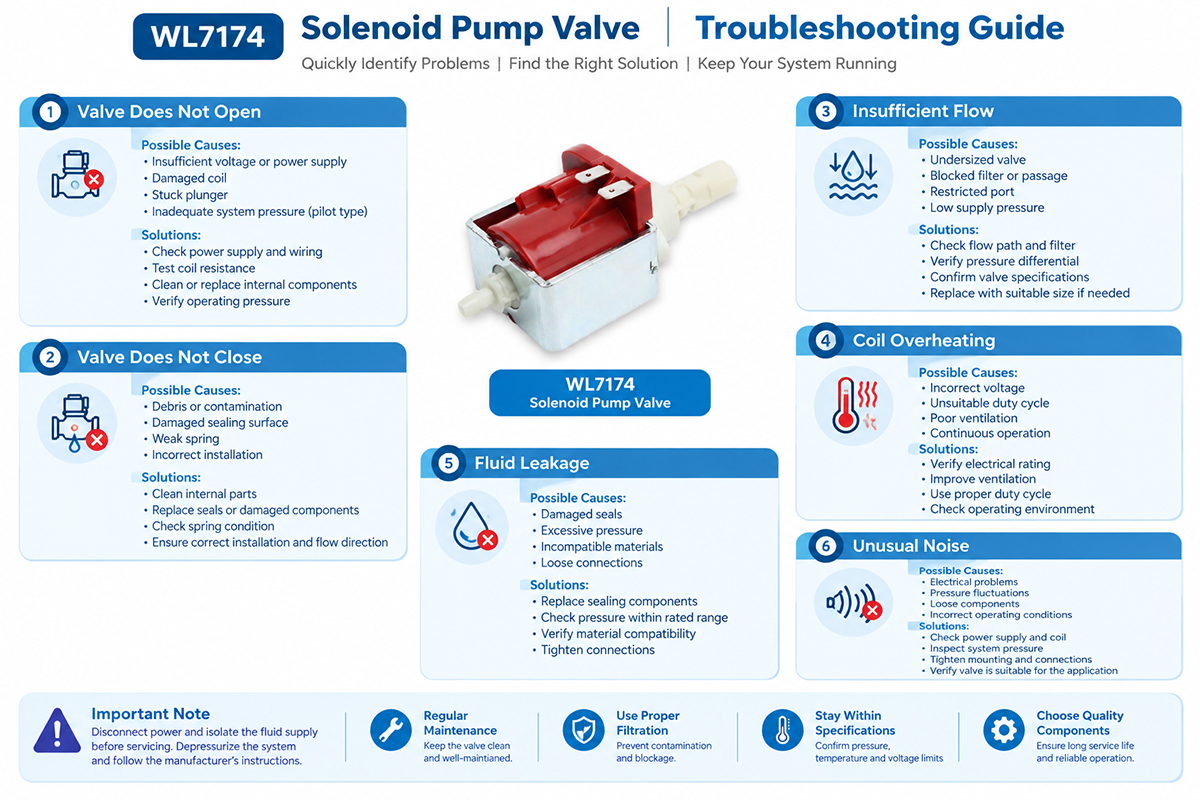
Troubleshooting of Solenoid Pump Valve

Solenoid pump valves can be affected by electrical problems, contamination, incorrect pressure, damaged seals or unsuitable operating conditions. Proper troubleshooting helps to restore performance and avoid equipment downtime.

1.Valve Won’t Open

The valve won’t open because of low voltage, damaged coil, stuck plunger, pilot operated valve without sufficient pressure.

Check power supply, coil resistance, wiring and operating pressure. Ensure that the valve is suitable for the system conditions.

2.Valve Doesnโ€™t Shut Off

Debris can make valve to stay opened as well as damaged sealing surface, weak spring or incorrect installation.

Refer to the manufacturer’s instructions for inspection of the internal parts and cleaning of the valve. Replace the damaged seals and mechanical components.

3.Low Flow

Low flow may be caused by the undersized valve, blocked filter, restricted port or insufficient supply pressure.

Verify flow path, filter condition, pressure differential and valve specifications.

4.Overheating of Coil

Incorrect voltage, unsuitable duty cycle, poor ventilation or continuous running of the coil under its rated conditions may cause overheating.

Check electrical specifications and operating environment.

5.Leakage

Damaged seals, overpressure, unsuitable materials or loose connections can be the reasons of leakage.

Verify the sealing components and ensure that operating pressure is within the pressure range of the valve.

6.Strange Noise

Electrical problem, pressure fluctuations, loose parts or inappropriate operating conditions may cause buzzing or vibration.

Verify power supply, mounting and system pressure.

Important Note: Before servicing the valve, turn off electrical power and isolate fluid supply. Depressurize and service the system as per the manufacturerโ€™s directions.

FAQ

1. What is solenoid pump valve?

Solenoid valves are valves which are operated electrically to control the fluid flow. The magnetic field created by electromagnetic force opens, closes and switches fluid passage. They are extensively used in industrial machinery, water treatment equipment, chemical processing systems and automated fluid control.

2. How does the solenoid pump valve work?

It uses the energy from electricity to produce mechanical energy. In the electromagnetic coil which produces an energy field when activated causing the internal plunger/ armature to move. It opens or closes the valve passage allowing the fluid to pass through. Spring mechanism brings the valve back to its original state once the current is off.

3. What are the common types of solenoid pump valves?

There are normally closed, normally open, direct acting and pilot operated solenoid valves. The normally closed valve stays closed until power activates it while normally open remains open until energized. While direct acting utilizes the electromagnetic force to actuate the valve sealing mechanism while pilot-operated requires fluid pressure.

4. How do I choose the right solenoid pump valve?

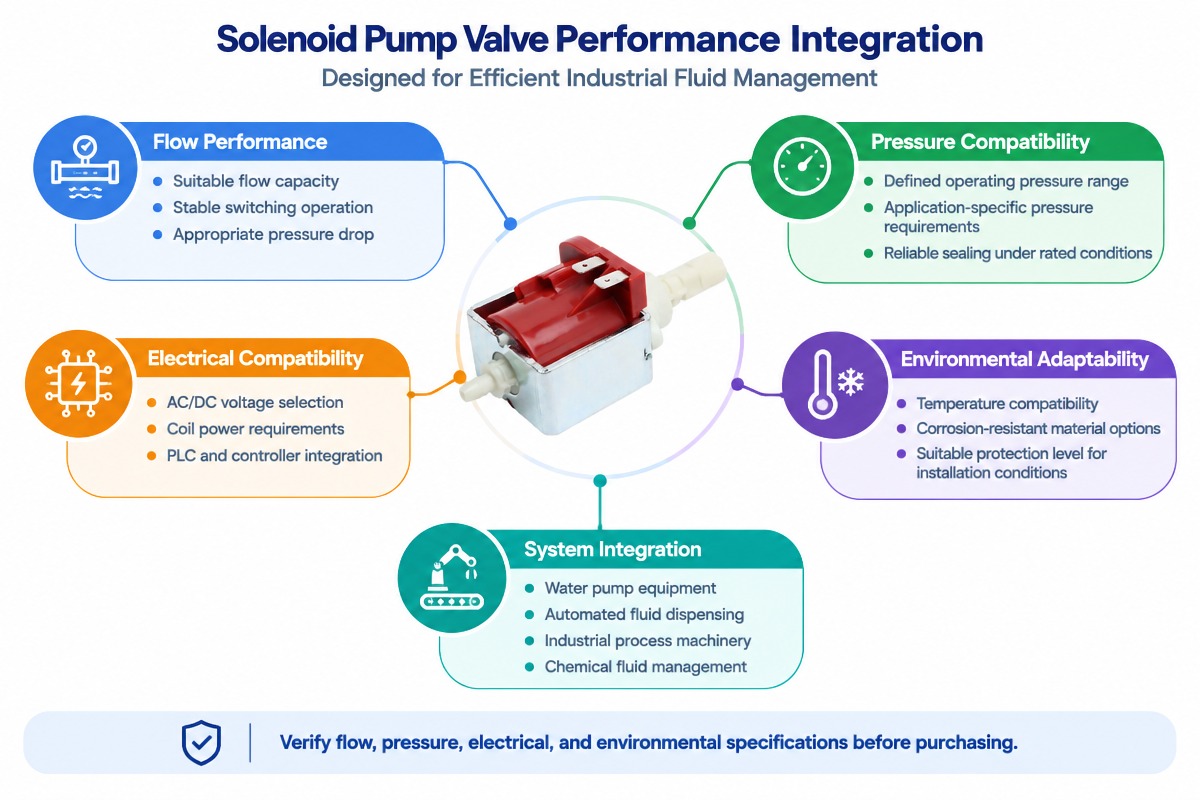
When choosing a solenoid valve, consider the fluid type, pressure, flow rate, porting, voltage, temperature and the environmental conditions of installation. Material compatibility is vital too when dealing with corrosive chemicals or high temperature fluids. Make sure your valve satisfies all the requirements of your pump system.

5. What materials are used to make the solenoid pump valves?

Valves are made using stainless steel, brass, aluminum and engineering plastics. The seals are made up of NBR, EPDM, FKM and PTFE material depending on the valve type. The appropriate valve materials are determined by the fluid compatibility, temperatures and chemical resistance.

6. Can a solenoid pump valve work under high pressure?

Yes some solenoid valves are designed for high pressure applications. But the maximum pressure a valve can withstand depends on many factors including the valve construction, materials, sealing mechanism and operating conditions. Make sure to consult the manufactures pressure specifications before installing a valve.

7. Why does the solenoid pump valve fail to function?

Common problems include lack of power, damage to the electromagnetic coil, blocked passages, contaminated fluid, wrong pressure and wear of the sealing mechanism. Check for electrical connections, coil condition, fluid supply and operating pressure. Proper inspection and fluid filtration prevents failure.

8. How can a solenoid pump valve be maintained for longevity?

Maintain regular checks for electrical connections, coil temperature, filter cleanliness, seals and fluid leaks. Make sure the valve is clean and within the operating pressure and temperatures range as per the standard. Always follow the manufacture’s recommendation for maintenance.

Choosing a Solenoid Pump Valve

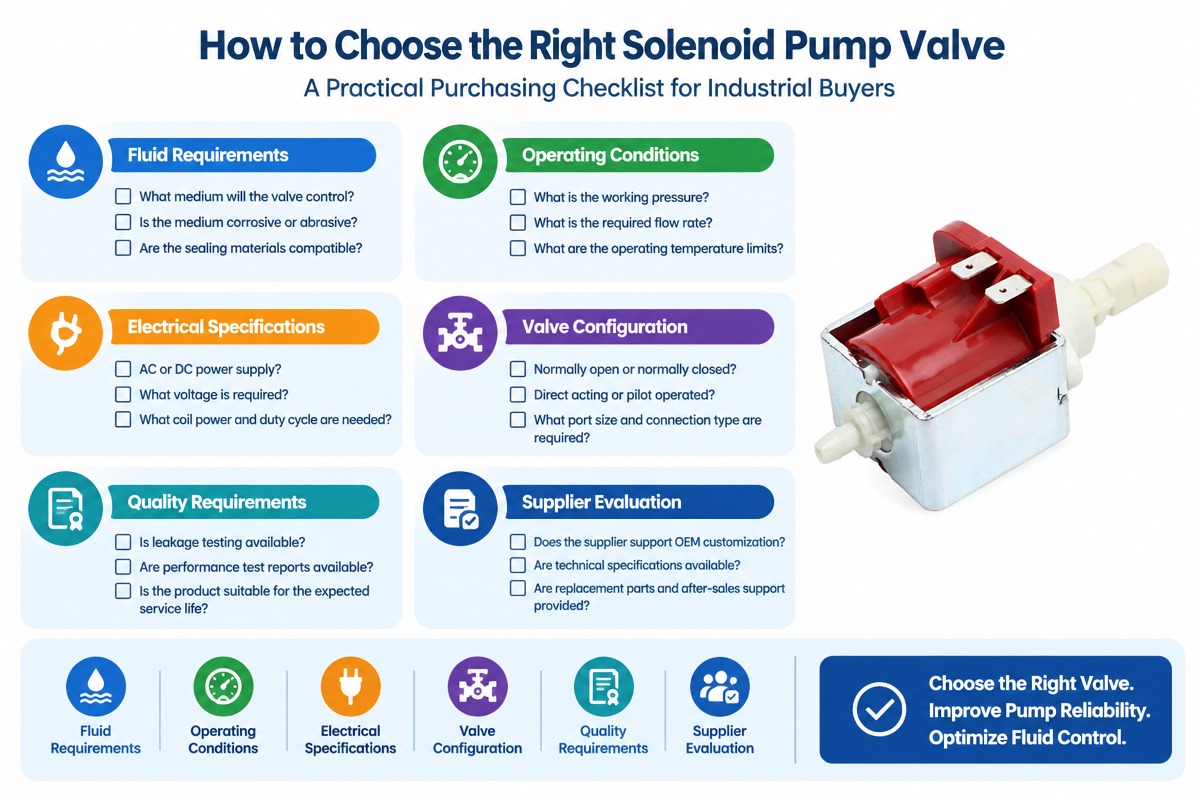
Choosing proper solenoid pump valve is important to ensure the reliability of fluid control, efficient pumping performance and long-term operational stability. There are several technical aspects that should be considered when choosing or installing a valve in an industrial system.

1.Defining Working Fluid

First of all, one should define whether the valve is going to control water, oil, air, chemicals or other fluid. The chemical composition of the fluid is an additional aspect to consider. It affects the selection of materials of the valve body and the sealing elements. Stainless steel, brass and engineering plastics may be used for various applications. It is necessary to check the material compatibility with the real medium always.

2.Determining Operating Pressure

Check the minimum, normal and maximum operating pressure of the system. While most of direct-acting solenoid valves can be used without minimum pressure differential, many pilot-operated valves require sufficient pressure for them to function properly. If the wrong valve is selected, it may fail to open or close.

3.Calculating Flow Rate Required

The valve should have flow capacity suitable for the pump and associated equipment to which it is connected. Consider required flow rate, pressure drop, port size and flow coefficient. In some applications, an undersized valve can restrict the flow, and oversized valve can reduce the control precision.

4.Choosing the Right Voltage

Check the availability of power supply, voltage (AC or DC). Usually 12 VDC, 24 VDC, 110 VAC and 220 VAC are the common choices in the industry. Check the power consumption, duty cycle and electrical connection of the coil.

5.Picking the Right Valve Configuration

Define if normally closed or normally open valve is required. One should consider what will happen in case of power loss. The valve should default to the position suitable for system safety and operating requirements.

6.Installation and Temperature Aspects

Fluid temperature, ambient temperature, surrounding conditions and available space for mounting should be considered. Special seals and coil insulation may be required for high temperature applications.

7.Quality and Maintenance Aspects

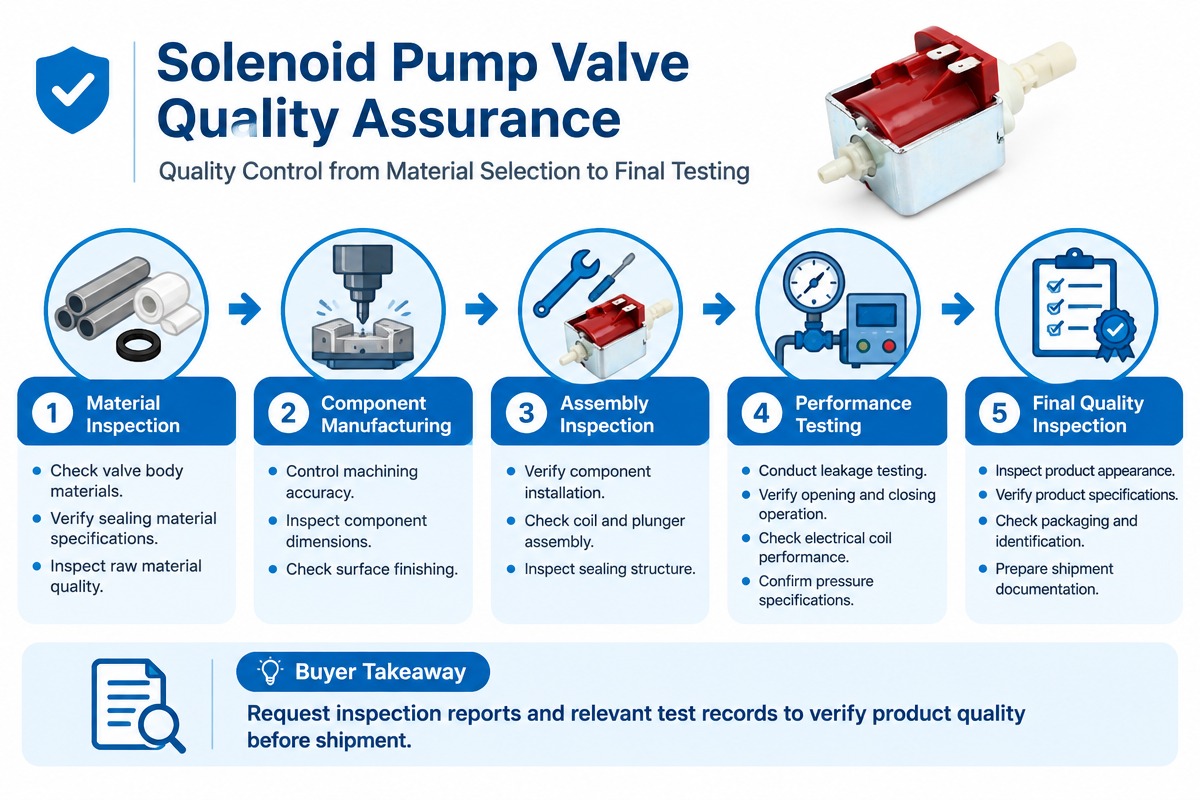
Select a valve with reliable sealing, suitable materials, stable performance and available replacement parts. Consider technical specifications and testing procedures of the manufacturer.

Choosing the right pump minimizes leaks and shutdowns and increases reliability of the industrial pumping system.

Tips for Avoiding Common Solenoid Pump Valve Design Errors

Design of solenoid pump valve system is not a simple task; fluid properties, electrical aspects, operating conditions and installation issues should be considered carefully. There are several common mistakes that can deteriorate the performance or cause early failures.

1.Incorrect Valve Size

Valve that is too small can cause an excessive pressure loss and limitation of the flow desired. Oversized valve can increase the cost and lower the control precision. First of all, one should calculate flow rate required and pressure drop and then select the valve.

2.Ignoring Compatibility of Fluids

Corrosion, swelling, cracking or leakage can occur in case of unsuitable body materials or seals. 2) Verify that it is compatible with the real fluid (concentration, temperature, etc.)

3.Choosing the Wrong Pressure Range

Pilot-operated valves require minimum pressure differential. In case of installation in low pressure or zero pressure systems, it may operate unreliably. Select direct acting valve for applications where there is not enough differential pressure to operate the valve.

4.Selecting the Wrong Electrical Ratings

Solenoid coil can be damaged in case of incorrect voltage, too high coil temperature or incorrect duty cycle. Before installation, check the power supply and operating conditions.

5.Ignoring Pressure Surges

Switching on and off the pump or switching valves rapidly can lead to pressure spikes. Check the valve allowable pressure limit and make sure that pressure protection is provided.

6.Forgetting Filtration

Particles and debris can affect plunger, seal surface or pilot passage. Installation of appropriate filtration is required by the valve design.

7.Bad Installation Design

Low reliability can be the consequence of incorrect flow direction, incorrect mounting, excessive vibration and lack of maintenance access.

The good design of a system should consider all these factors in the initial engineering stage rather than correcting the problems after the installation.
Get A Free Quote Now

Contact Form

Related Products

Related News

Scroll to Top

Get A Free Quote Now !

Contact Form
If you have any questions, please do not hesitate to contact us.
Weilong Solenoid Company Culture