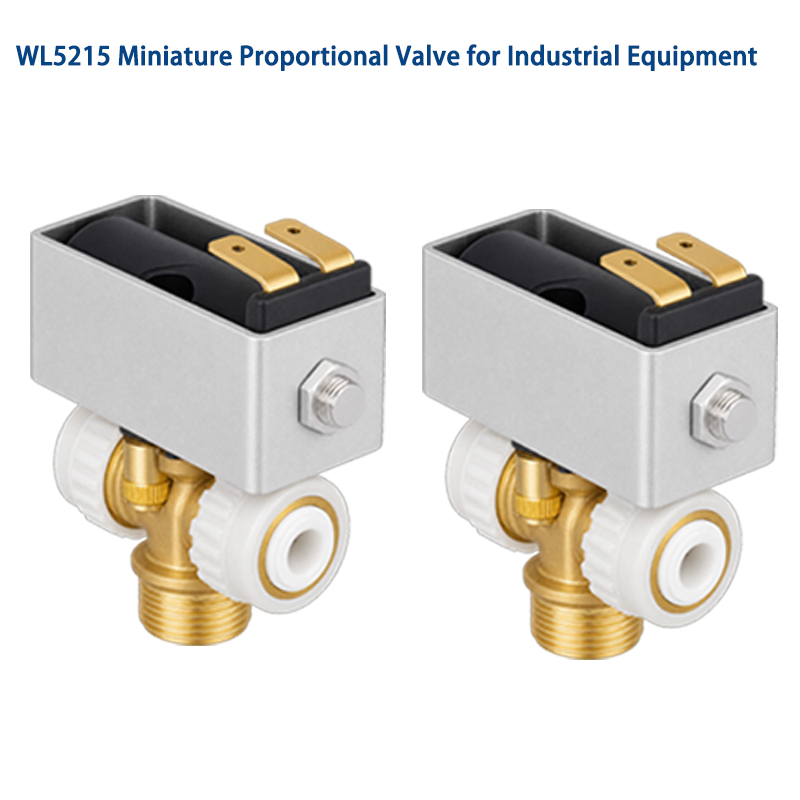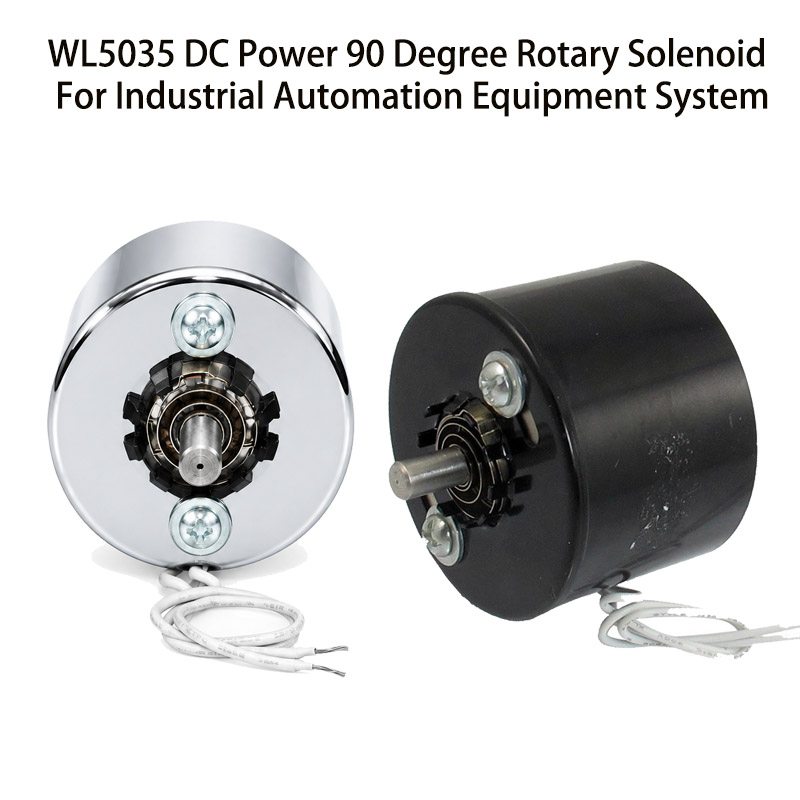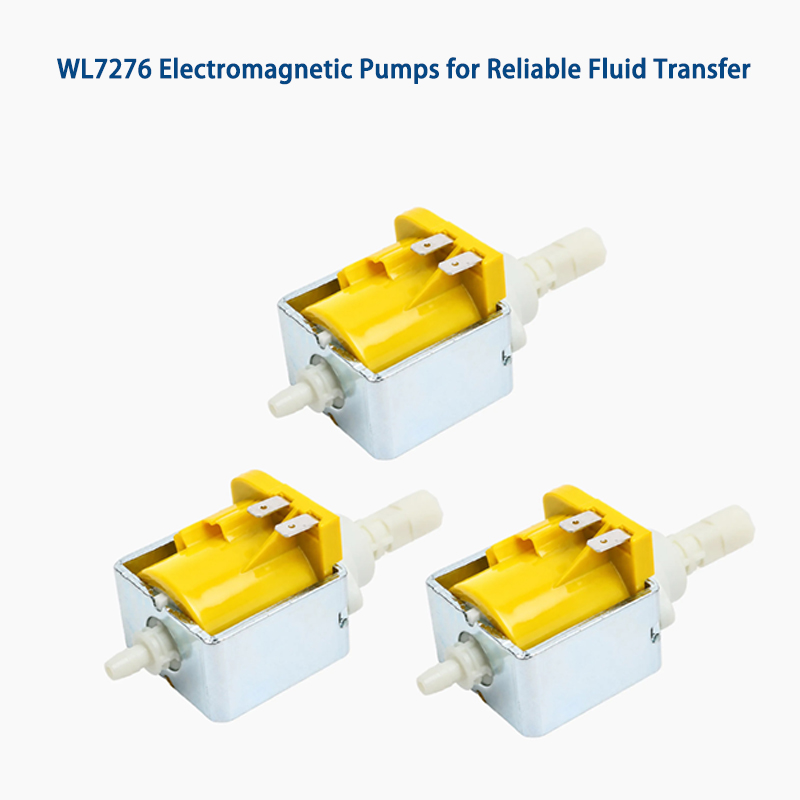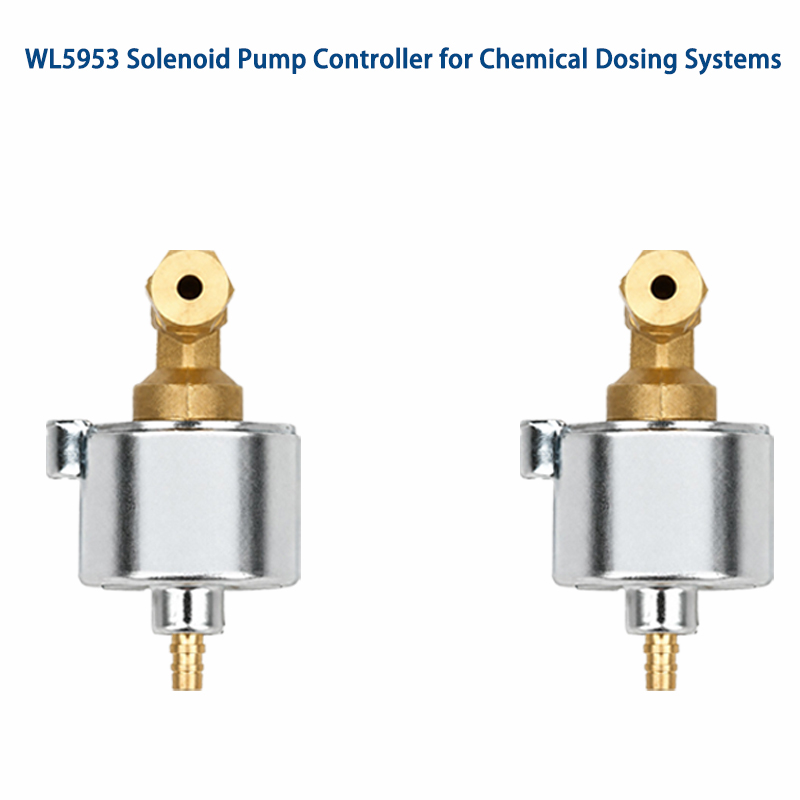
Skip image slider
Electro Proportional Valve for Industrial Processes
Electro Proportional Valve for Equipment Upgrades
Electro Proportional Valve for Reliable Performance
Electro Proportional Valve for Precise Actuation
Electro Proportional Valve for Industrial Equipment
Electro Proportional Valve for Dynamic Flow Control

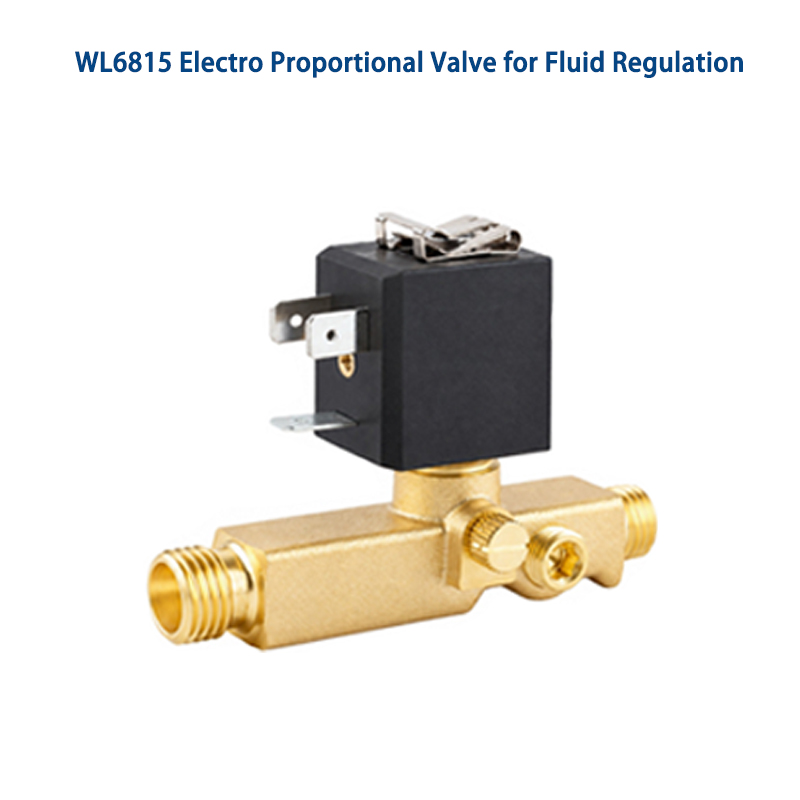
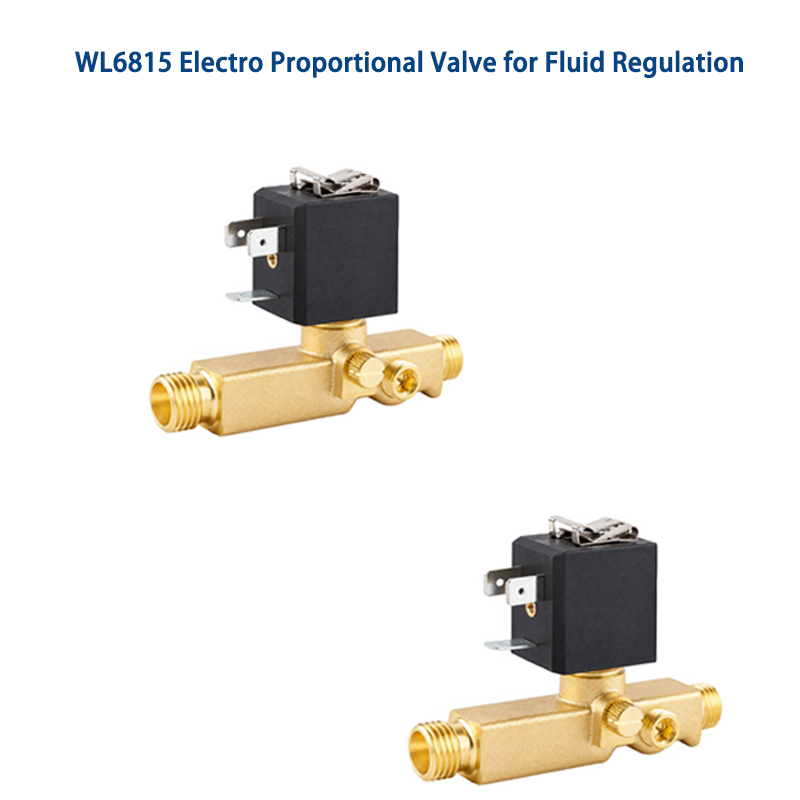
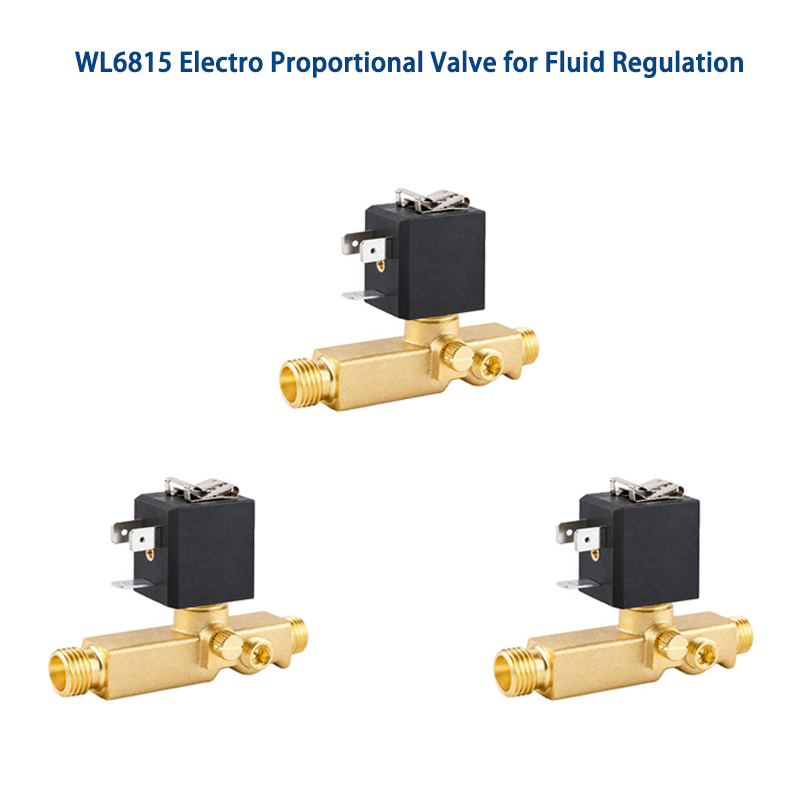
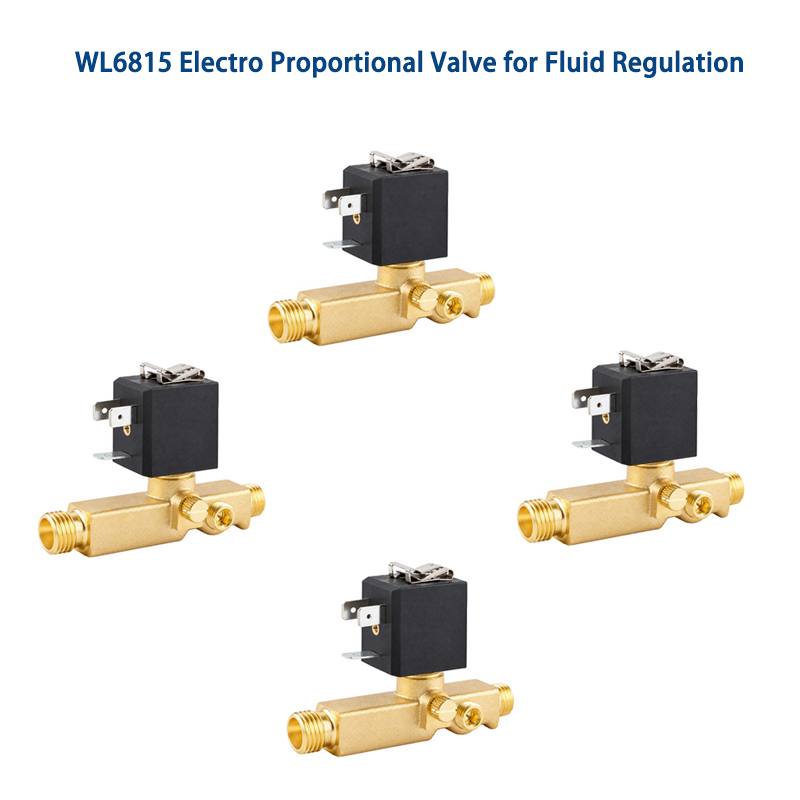
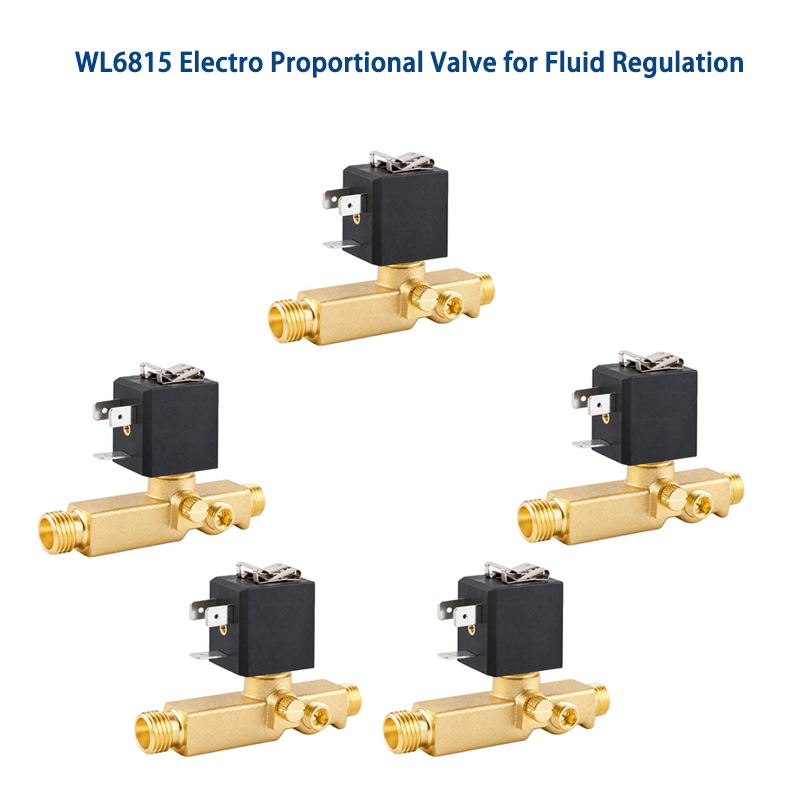
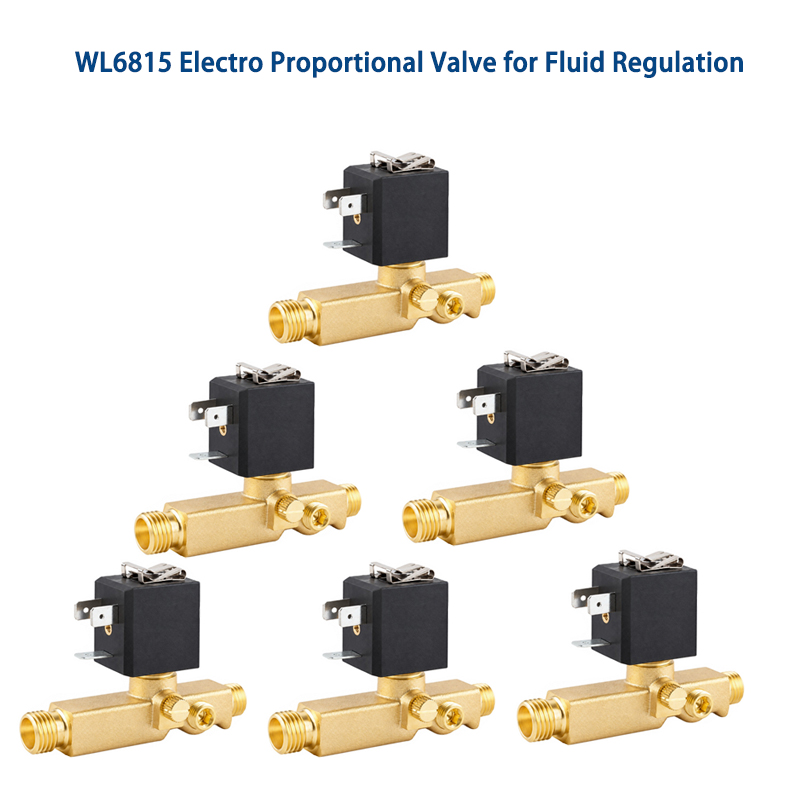
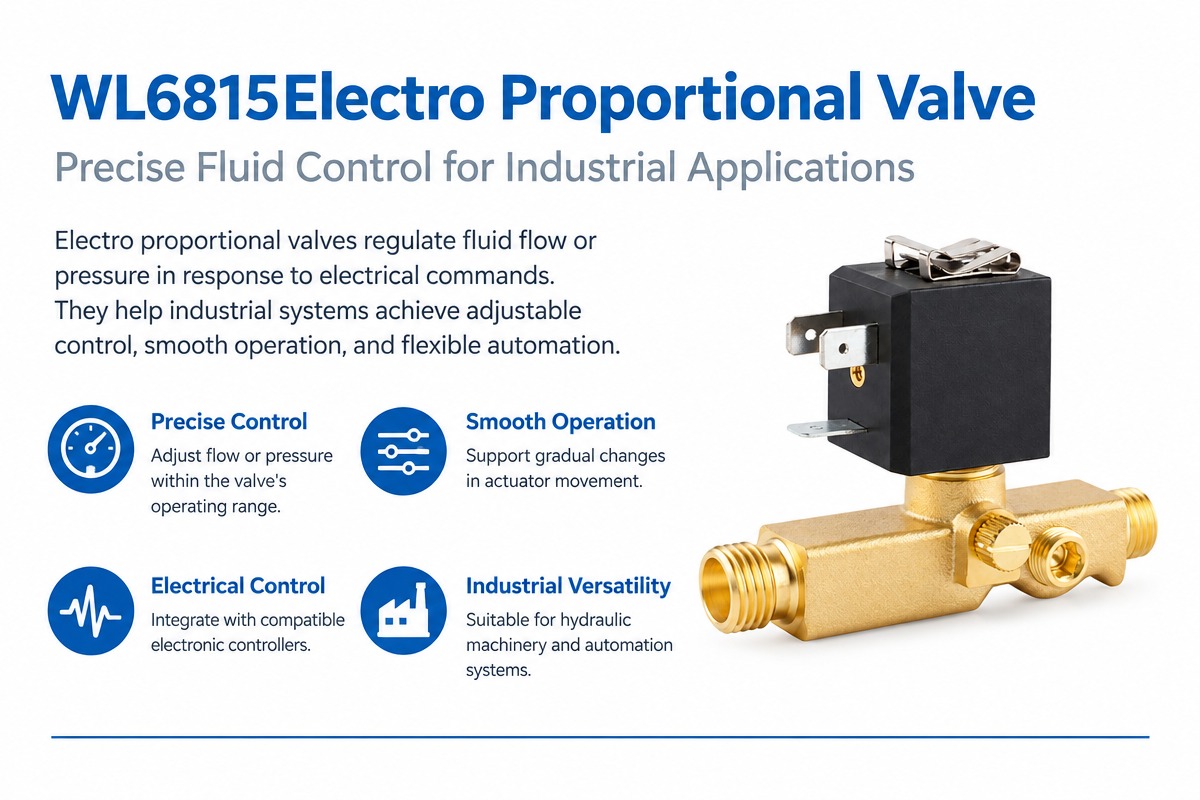
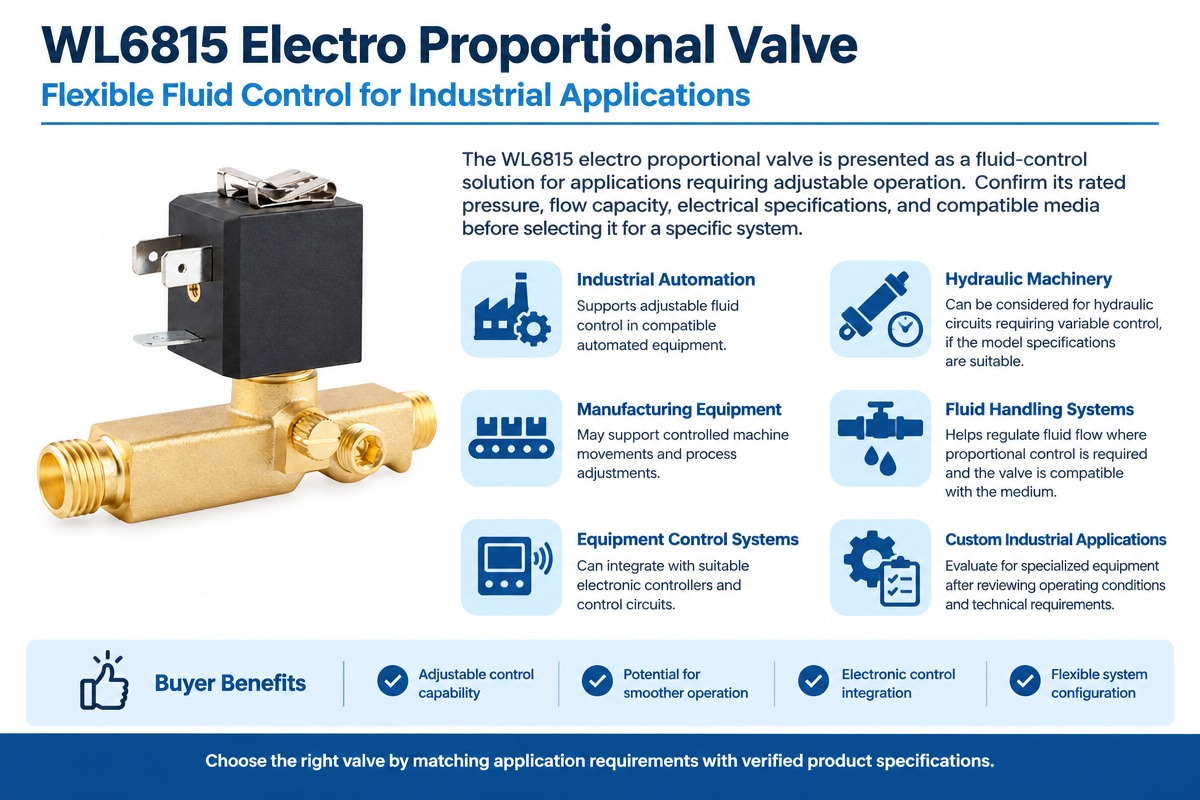
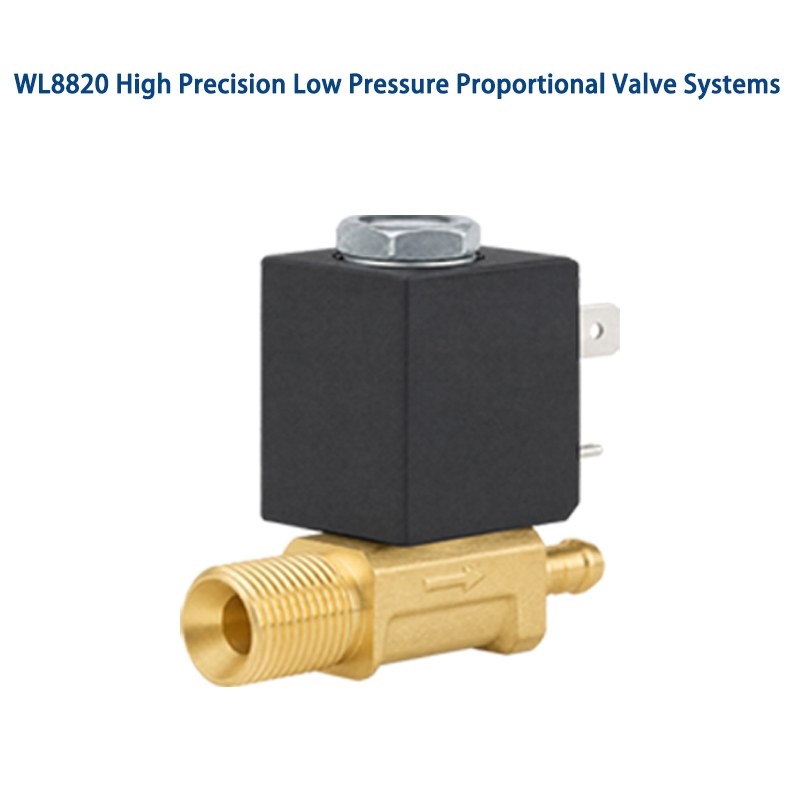
WL6815 Electro Proportional Valve for Variable Flow Rates

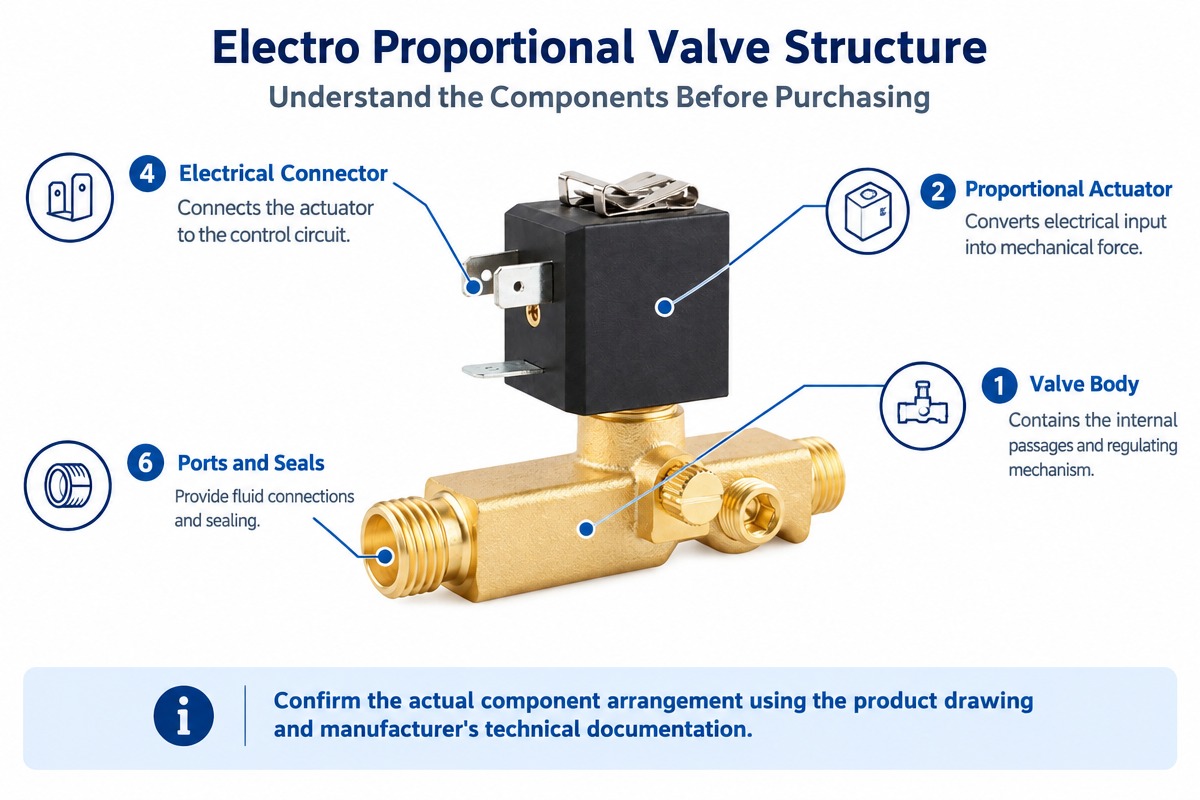
An Electric proportional valve is an electrically controlled fluid control component designed to modulate fluid flow, pressure or direction by means of an electrical input signal. It consists of an actuator which responds to the input signal (usually a proportional solenoid) and valve mechanism that is capable of variable flow or pressure output compared to simply on/off control. The valve may change the position of the spool, opening area or pressure setting depending on the input signal. This property makes them suitable for applications where smooth motion, accelerated performance, precise pressure regulation and repeatable process are required. Electro proportional valves are widely used in industrial machinery, power packs, material handling equipment, mobile machinery and automated manufacturing lines. During choosing the valve an engineer has to consider operating pressure, flow capacity, response time, fluid compatibility, control input, electrical characteristics and installation requirements. Right sizing, proper fluid purity and correct electronic control would improve reliability, efficiency and performance of the system in operation.

Proportional hydraulic valve Description

What is an electro proportional valve?

An electro proportional valve is a fluid control valve that provides proportional flow, pressure or direction control within a certain range of electrical input. In contrast to a typical on-off solenoid valve that simply opens or closes the passage, a proportional valve allows obtaining intermediate control positions or settings. An electronic controller provides a control signal to the actuator of the valve which in turn adjusts the valve operation. It may control hydraulic oil, another liquid or a gas depending on valve construction. Electro proportional valves are used in industrial automation, hydraulic machines, mobile equipment and precision motion control systems.

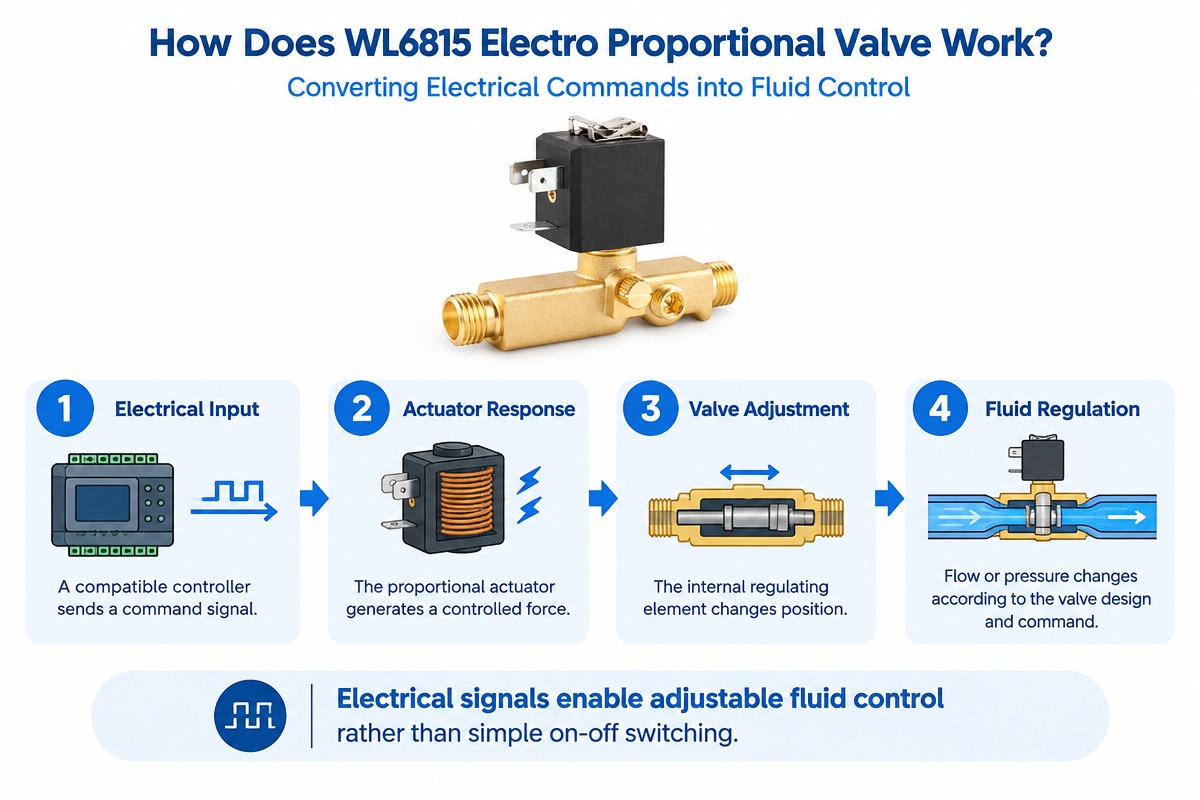
How does an electro proportional valve work?

An Proportional hydraulic valve is an electric signal converted to a controlled mechanical motion which in turn controls the fluid flow or pressure. The electronic controller sends voltage, current or pulse command to the proportional actuator of the valve. An actuator generates a force that acts on the spool, poppet or other valve elements opposing a spring or hydraulic force.

As the command changes, the valve opening or the pressure setting changes within the designed operating range allowing to obtain a more gradual control of the actuator speed, cylinder movement, motor performance or hydraulic pressure.

In some cases, position feedback or pressure and flow sensors are used for higher control accuracy. The performance of the valve depends on the valve design, fluid condition, electronic control, load and operating pressure. Proper calibration and compatible control signal ensure stable operation of the valve.

Electro Proportional Valve Video

Electro Proportional Valve Detail Display

Electro Proportional Valve Data Sheet

Brand Weilong Model Number WL 6815
Rated Voltage (V) DC12Vย  or 24V Rated Power (W) 7.2W
Work Mode Air or Liquid Control Valve Working Pressure (MPa) 400 kPa
Air-Flow Rate 0 L/minute Reset Time(s) 0.25 S On, 0.25 S Off
Service Life 200 Thousand Times Certification CE, ROHS, ISO9001,
Pipe Gate ย inside: 1.5 mm Lead Wire Length (mm) 68 MM
Install Style Screw Tolerance of Dimension ยฑ 0.1 MM
Water-proof None Insulation Class B
Hi-Pot Test AC 600V 50/60 Hz 2s Non-excitation Holding Force 0
Working Temperature -30ยฐC-1200ยฐC Duty Cycle 1-100%
Thread Depth (mm) / Payment Term TT, or LC At Sight
Sample Order Yes. Warranty 1 Year
MOQ 1000 pcs Supply Ability 5000 pcs per week
Delivery Time 30 Days Port of Loading Shenzhen

What is the reason for the popularity of the electro proportion valve?

More and more industrial systems are using electro proportional valves because they need flexible and precise control that is generally not available with the usual on-off valves. They can be controlled using electrical signals to change flow or pressure. They are used where automation is needed, in machinery with varying loads or where smooth motion is needed.

Combination with electronic controllers allows engineers to synchronize the valve operation with sensors, programmable logic controllers and machine control systems. With proper selection and setup, this valve can increase repeatability, reduce abrupt movements and simplify production processes.

Also, they can help your equipment to adapt to varying conditions. For instance, your hydraulic system may need different actuator speeds for positioning and working strokes. Proportional control allows achieving this without having to set different fixed settings.

Popularity does not mean that every application needs proportional control. In many cases, simple switching may be cheaper with conventional on-off valves. The most effective one depends on the precision, complexity, cost and maintenance of the system.

Electro Proportional Valve Applications

Electro Proportional Valve for Control Applications

where precise control of fluid flow, pressure or direction is needed. The valve combines the advantages of on-off valves and proportional valves, allowing changing the degree of opening that can be controlled electronically. In the automotive industry, electro proportional valves are used in hydraulic braking systems in order to provide precise control of brake pressure and thus increasing braking performance and safety. They are also used in power steering systems to change the amount of assist provided to the driver depending on the speed of the car and the steering angle. In industrial applications, electronic fluid control valve are used in manufacturing processes for the control of fluid flow such as oil, water or chemical solutions. They are widely used in machining centers, injection molding machines and robotics to control the movement of the components with high precision. Electronic fluid control valve can be used in aerospace and defense applications to control the flow of hydraulic fluid in aircraft and military vehicles. They can be used in flight control systems, landing gear systems and weapon systems to provide precise control of hydraulic pressure and flow. Thus, electro proportional valves are a versatile technology that can be used in many different applications where the control of fluid flow and pressure is needed.

Electro Proportional Valve Adv. & Disadv

Electro Proportional Valve for Smart Manufacturing

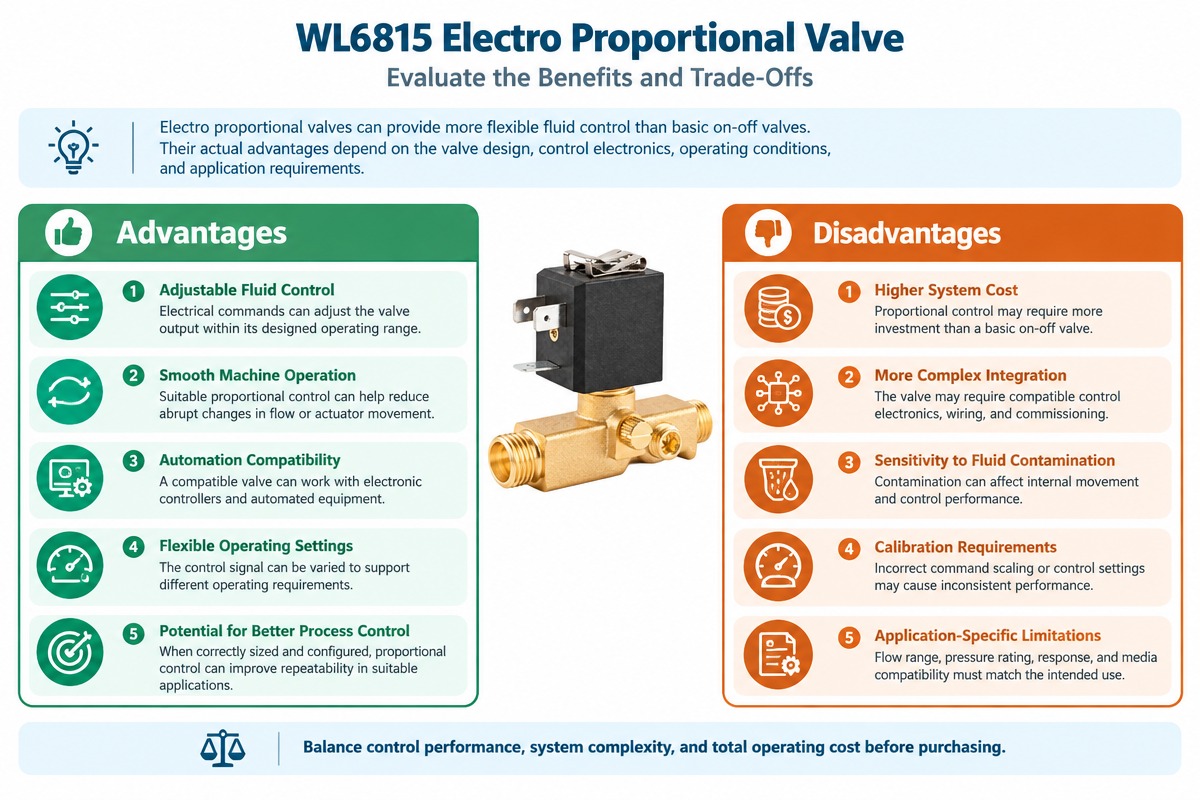
Advantages and disadvantages of electro proportional valves

Electro proportional valves have a lot of advantages in variable fluid control in systems. One of the main advantages of the valve is that it allows changing flow or pressure depending on the electrical input. This allows smoother actuator movement, variable operating speeds and flexible machine sequences. Combined with automation controllers, these valves can synchronize multiple functions and improve process repeatability.

Also, proportional control allows elimination of the separate fixed control stages in some designs. Some selected models allow implementing feedback-based regulation that increases accuracy when used with proper sensors and control algorithms. These capabilities are useful in machinery with changing loads or performing multiple operating tasks.

However, there are also some drawbacks. Electro proportional valves are more expensive than simple on-off valves, they require additional electronics, wiring, calibration and programming. They can be affected by fluid contamination, temperature, pressure variations, electrical noise and improper control settings. In some applications, accuracy can be limited by hysteresis and deadband.

Maintenance may require hydraulic and electronic troubleshooting skills. Improper sizing or control settings can lead to unstable operation and decreased efficiency. In some applications, constant adjustment is not required and a simpler valve is more cost-efficient.

Summarizing, the main advantages of electro proportional valves are applications where the variable control is justified by the additional cost and complexity. Proper performance is the result of right selection, fluid cleanliness and compatible electronics.

Electro Proportional Valve for Custom Hydraulic Needs

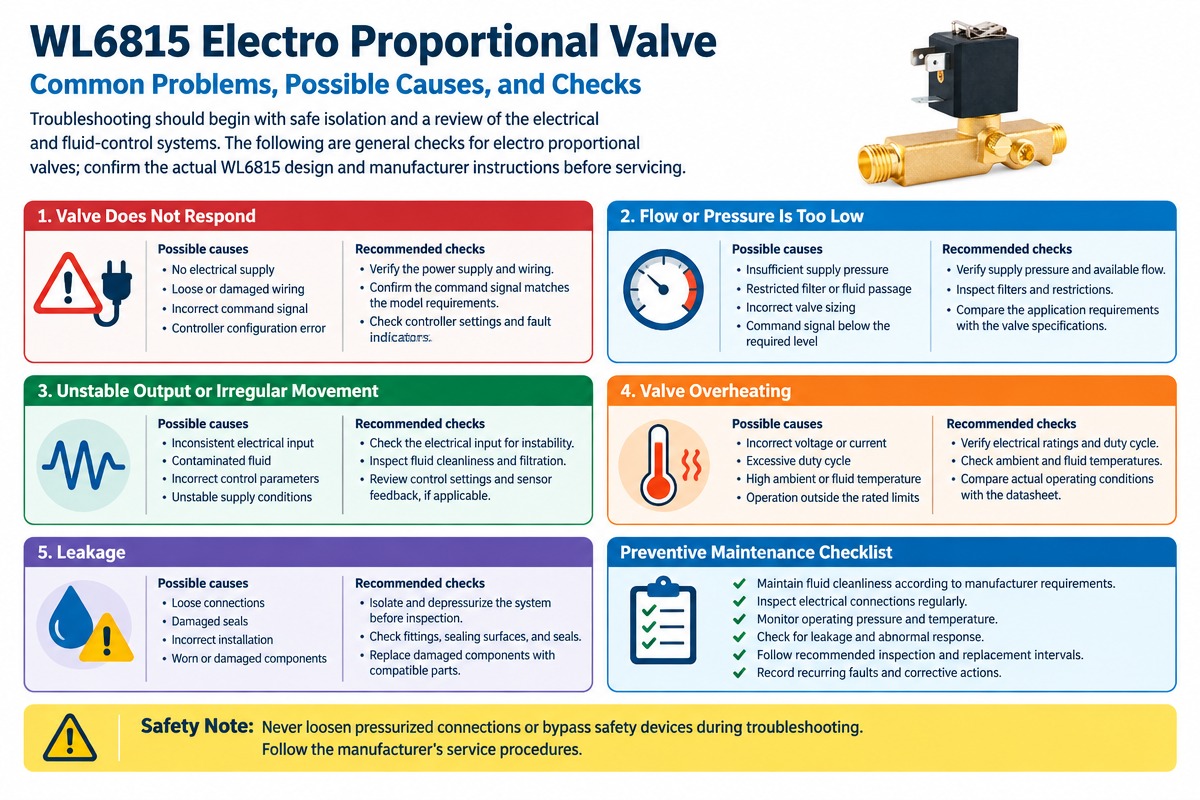
Troubleshooting an Electro proportional valve for variable pressure control

Electro proportional valve troubles can be caused by electrical, contamination, improper settings, hydraulic restrictions or mechanical failures. The first step in troubleshooting should be the safe isolation of the valve and manufacturer’s instructions. Before removing any hydraulic components, the system should be depressurized.

Valve does not respond: Check the power supply, wiring, connectors, fuse, controller output and command signal. Ensure that the signal type and range are compatible with the valve.

Low flow or pressure: Check the supply pressure, pump performance, filter, flow restrictions and valve sizing. Check if the command signal is reached the required value. Check if the valve is capable of operating in these conditions.

Motion is erratic: Check dirty fluid, air entrainment, irregular power supply voltage, improper controller settings or improper feedback signals. Check controller tuning and sensor calibration if appropriate.

Valve overheating: Check the rated voltage, current, duty cycle, ambient and heat dissipation of the coil. Ensure that the valve is not cycling excessively.

If the valve sticks or responds slowly, check the fluid cleanliness, filter condition, spool movement, viscosity and temperature. There may be internal wear or damage that requires professional inspection or replacement.

If there is an external leakage, check the fittings, seals, mounting surfaces and connection torque according to manufacturer’s specifications. Replace the damaged seals with compatible parts.

After the corrective work, test the system gradually under controlled conditions and verify the pressure, flow, response and leakage. Document the recurring troubles to find out the root causes of the problem. Do not test the system above the rated pressure and do not bypass safety devices.

8 FAQ for Electro proportional valve for variable pressure control

1. What is proportional hydraulic valve?

An electro proportional valve is an electromechanical fluid control valve that uses an electric command to control flow, pressure or direction . It is useful for industrial automation and hydraulic systems. As opposed to an ordinary on-off valve, this type of valve is adjustable in its operation.

2. How does an electro proportional valve operate?

The electro proportional valve is electronically controlled by a controller. A spool, poppet or other regulating element in the internal circuit of the valve is moved by the actuator in proportion to the command signal and changes flow or pressure settings.

3. What are the common applications of electro proportional valves?

This type of valve is applied in hydraulic presses, injection molding machines, construction equipment, agricultural machinery, material handling systems, industrial automation and hydraulic power packs. Electro proportional valves are perfect for applications requiring flow or pressure control.

4. What is the advantage of electro-proportional valve?

The advantages include adjustable flow/pressure, smooth control of actuator motion, flexibility of operation settings and compatibility with electronic automation systems. With some models and system design, proportional control may improve the consistency of the process and the reduction of fixed control stages.

5. How to choose an electro proportional valve properly?

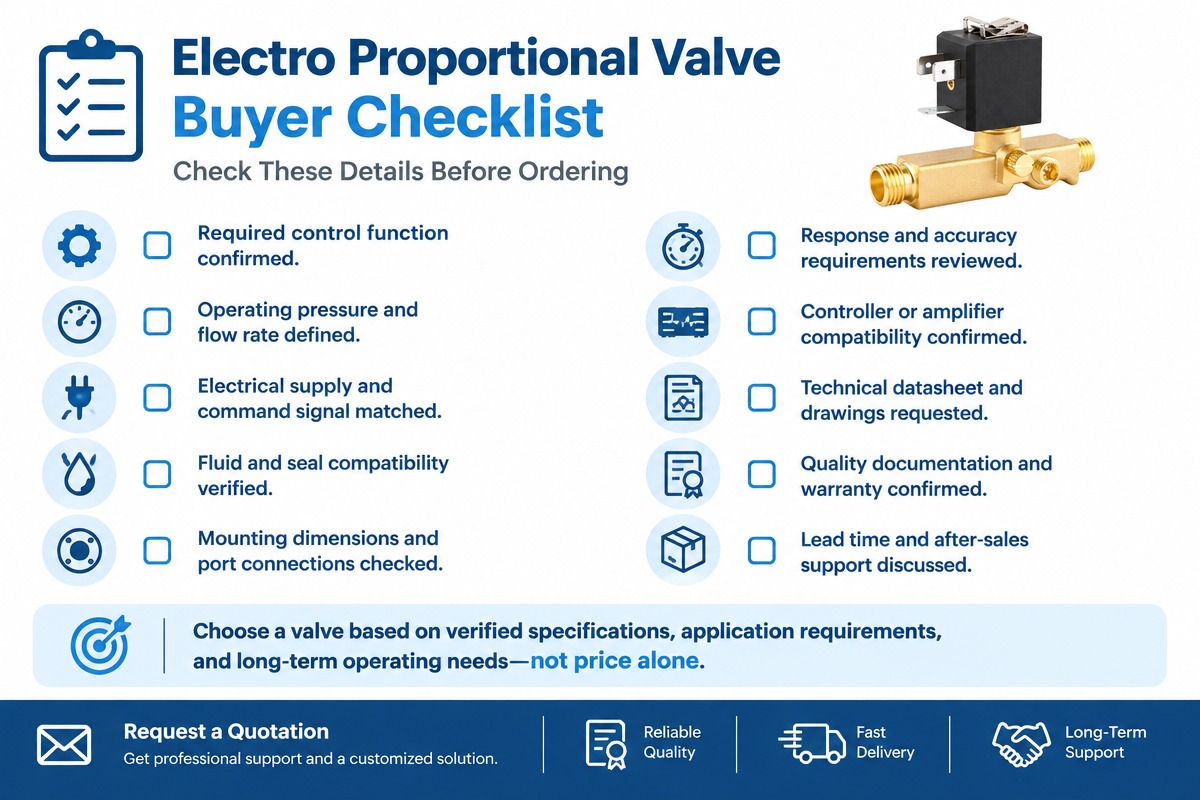
Among factors that should be considered in choosing the right electro proportional valve are the desired flow rate, working pressure, control function, response time, electrical signal, supply voltage, fluid compatibility, temperature range and mounting dimensions.

6. What is the difference between an on/off solenoid valve and an electro proportional valve?

The principle of on-off solenoid valve operation is based on switching the valve between two positions -open and closed. Electro proportional valve regulates the flow or pressure in relation to electrical command and allows intermediate control settings. Variable control is usually better achieved by proportional valves.

7. Why doesn't an electro proportional valve work properly?

The possible reasons may include incorrect wiring, insufficient power supply, incompatibility of command signal, improper configuration of the controller, contamination of fluid, internal sticking and insufficient supply pressure. First of all, it is necessary to check the electrical input and hydraulic conditions according to the manufacturer guidelines.

8. How to maintain an electro proportional valve?

It is recommended to perform maintenance procedures in accordance with the manufacturer recommendations. Filters should be replaced periodically. Hydraulic fluids should be kept clean. Electrical connectors and seals should be checked. Operating temperature and pressure should be monitored. Leaks, unusual sounds, jerky movements and sluggish response should be considered as abnormal.

How to select an electric proportional valve

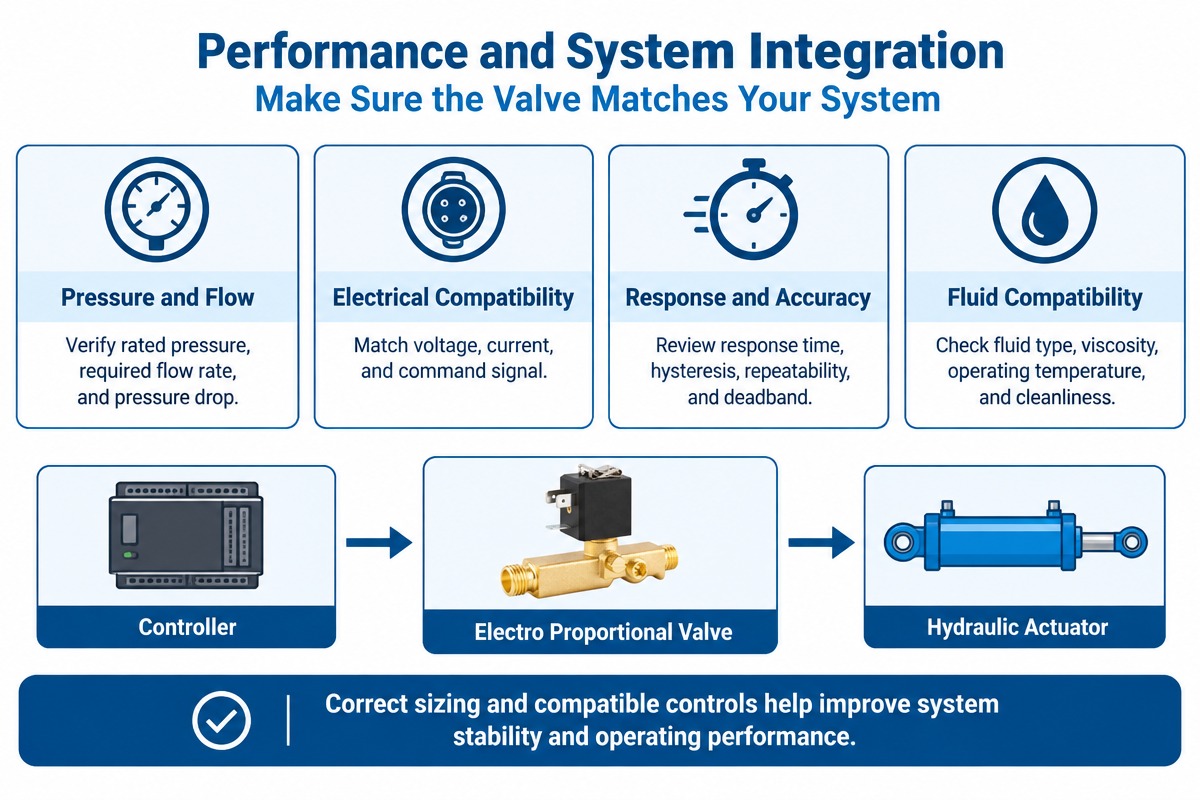
In order to choose the right electro proportional valve, you have to understand your application and fluid circuit well. An undersized valve could limit flow and decrease performance of the system. An oversized valve may provide poor control of the valve at low flow rates.

1.Define the valve function. Decide if your application requires proportional flow control, pressure regulation, directional control or any combination of the functions. Determine the type of the valve to your hydraulic circuit and operating sequence.

2.Calculate the flow requirements. Provide the normal and maximum flow rates as well as their fluctuations during start-up and peak operation periods. Compare these values with the manufacturerโ€™s flow curves instead of relying on nominal port size.

3.Check the operating pressure. Provide normal pressure, maximum pressure, pressure spikes and pressure difference across the valve. The rated pressure has to match the system requirements with a safety margin.

4.Inspect the electric interface. Check the supply voltage, current requirements, control signal, connectors and controller for the compatibility. Determine if the valve requires a separate amplifier or integrated electronic driver. Check signal scaling and control logic before startup.

5.Consider the response and accuracy. Consider response time, hysteresis, repeatability, deadband and the adjustment range that is required. The feedback control and sensors are required in some high precision applications.

6.Inspect the fluid and environment compatibility. Check fluid type, fluid viscosity, fluid cleanliness requirements, temperature range, seal materials, corrosion resistance and environmental conditions. Contaminated fluid may lead to sticking, wear and unstable control.

7.Inspect the installation requirements. Check mounting dimensions, port connections, manifold compatibility, wiring clearance, service access and installation orientation. Make sure that the valve is safe to service.

8.Add up the totals. Compare purchase price, controller requirements, installation costs, maintenance costs, energy consumption and service life. The lowest initial price may not be the best value in the long run.

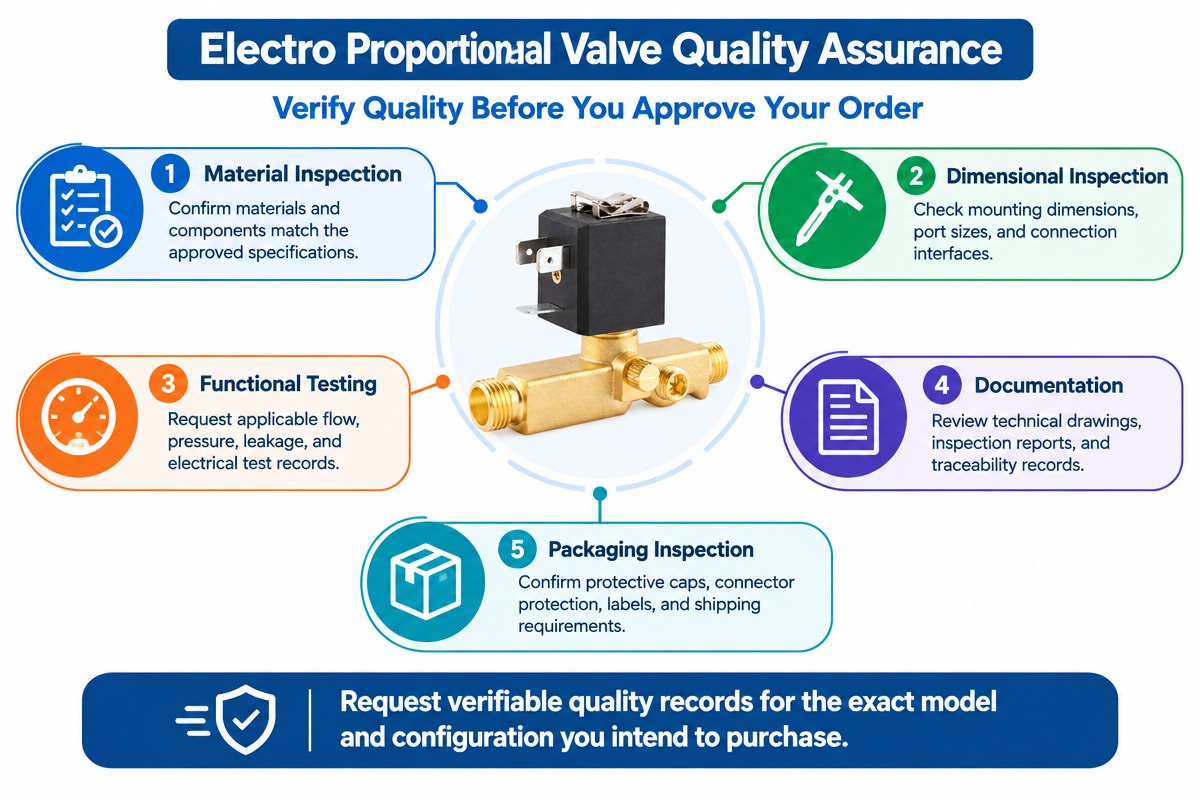
9.Request tests and documentation. Obtain dimensional drawings, technical data, wiring instructions, flow curves and quality documents. Test the selected valve under representative operating conditions before full installation. The choice should be made based on verified manufacturer data and application requirements.

Tips on Proportional hydraulic valve design common mistakes to avoid

-Don’t size valves incorrectly: Calculate required flow and pressure before choosing the valve. Don’t base the selection on port size only.

-Electrical compatibility: Voltage, current and control signal of the valve have to match those of the controller or amplifier.

-Fluid cleanliness: Follow manufacturers’ filtration recommendations to avoid sticking, wear and unstable response.

-Pressure losses: Evaluate the pressure drop across the valve and other circuit components under real operating conditions.

-Don’t design poor feedback: Choose the right sensors and make sure the controller is compatible if you want high accuracy closed-loop control.

-Fluid and seal compatibility: Make sure that the wetted materials and seals are compatible with the fluid to be pumped and the temperature range.

-Heat management: Valve coil temperature, fluid heating, duty cycle and ambient conditions.

-Avoid electrical interference: Use proper wiring, grounding, shielding and connector protection if required.

-Maintain accessibility for servicing: Provide access for inspection, cleaning, testing and replacement.

-Test under representative operating conditions: Check the performance under the expected load, flow rates, temperatures and supply changes before production.
Get A Free Quote Now

Contact Form

Related Products

Related News

Scroll to Top

Get A Free Quote Now !

Contact Form
If you have any questions, please do not hesitate to contact us.
Weilong Solenoid Company Culture