Proportional Control Valve Installation and Maintenance
Mini Proportional Control Valve for Compact Equipment
Reliable Proportional Control Valve Performance Review
Custom Proportional Control Valve OEM Manufacturer
Electric Proportional Control Valve for Automation Systems
High Precision Proportional Control Valve Solutions
Proportional Control Valve Installation and Maintenance
Mini Proportional Control Valve for Compact Equipment
Reliable Proportional Control Valve Performance Review
Custom Proportional Control Valve OEM Manufacturer
Electric Proportional Control Valve for Automation Systems
High Precision Proportional Control Valve Solutions

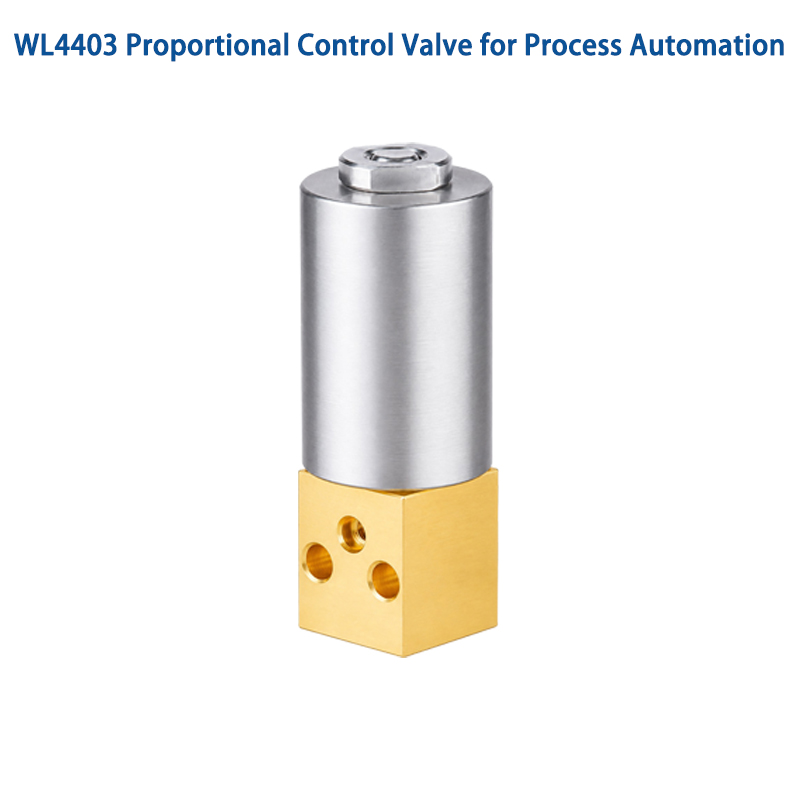
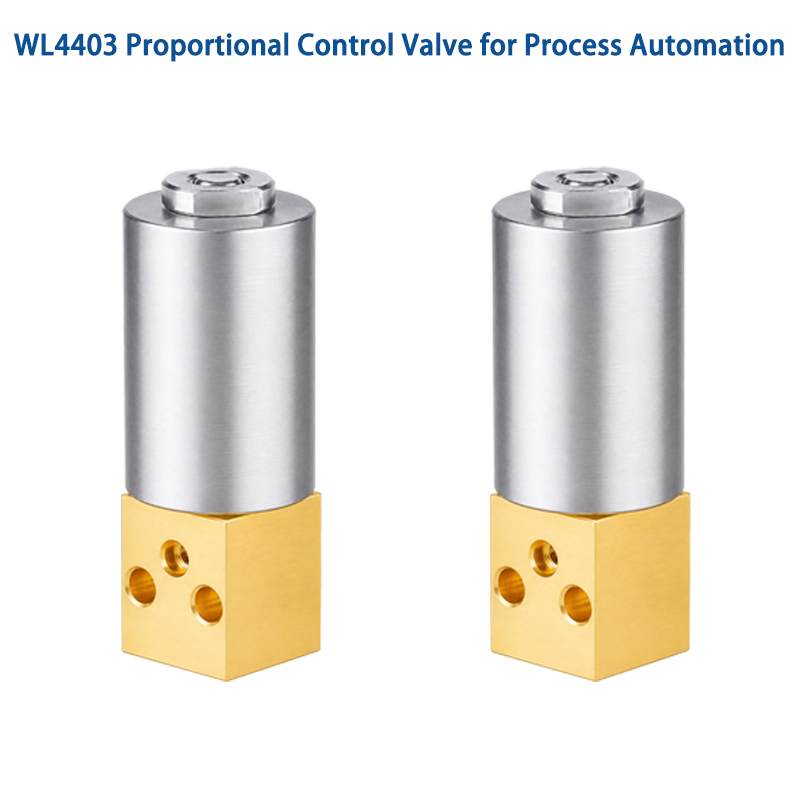
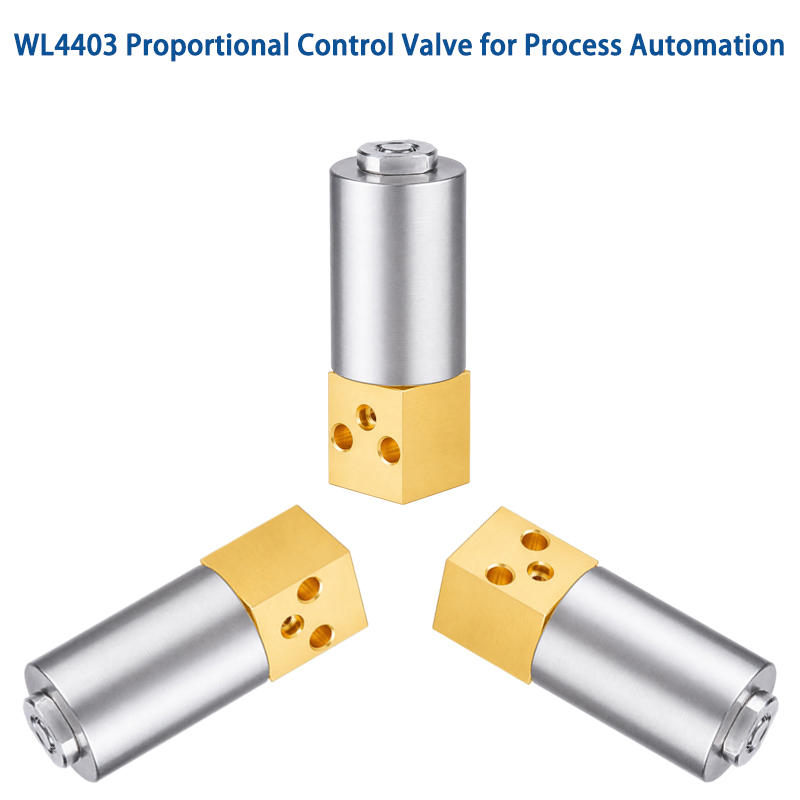
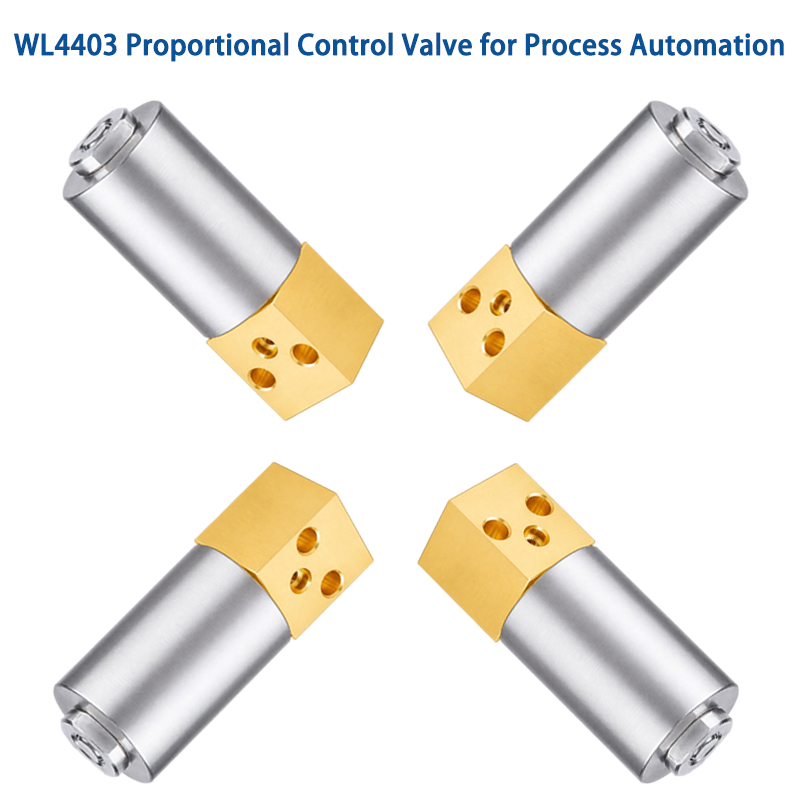
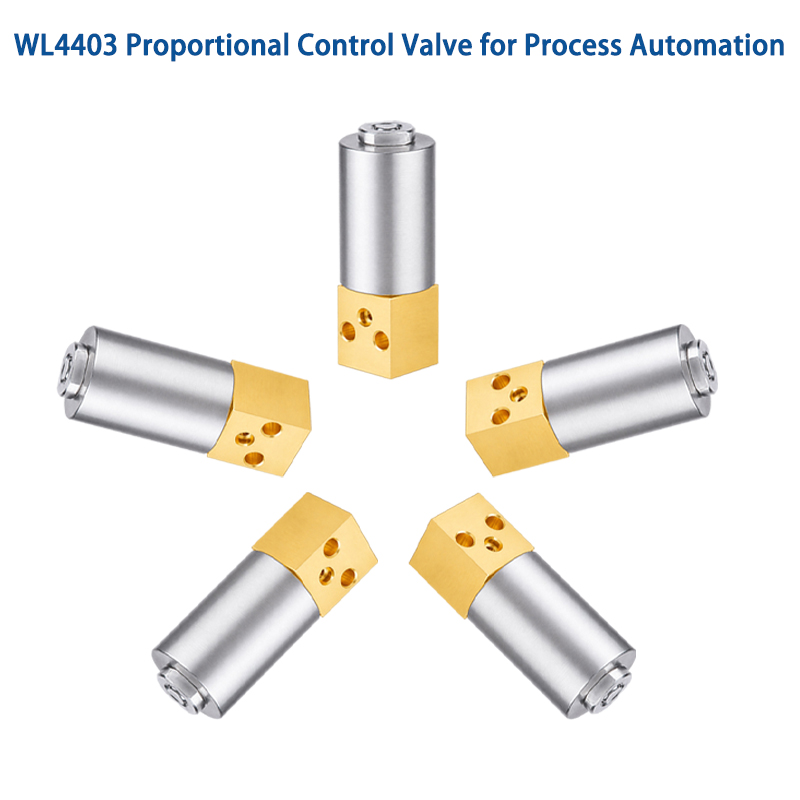
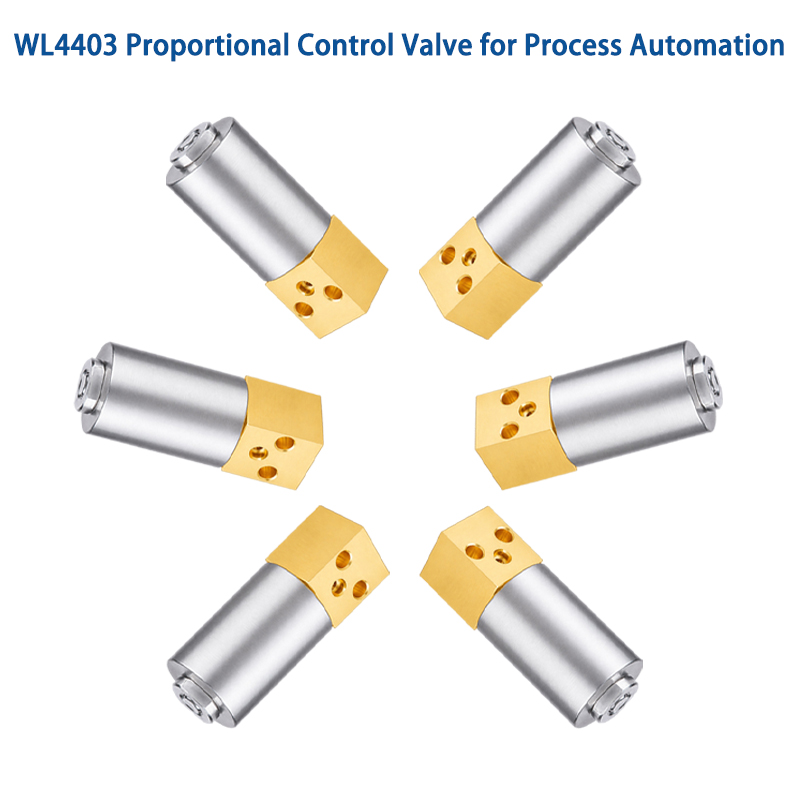
WL4403 Proportional Control Valve for Industrial Flow Control

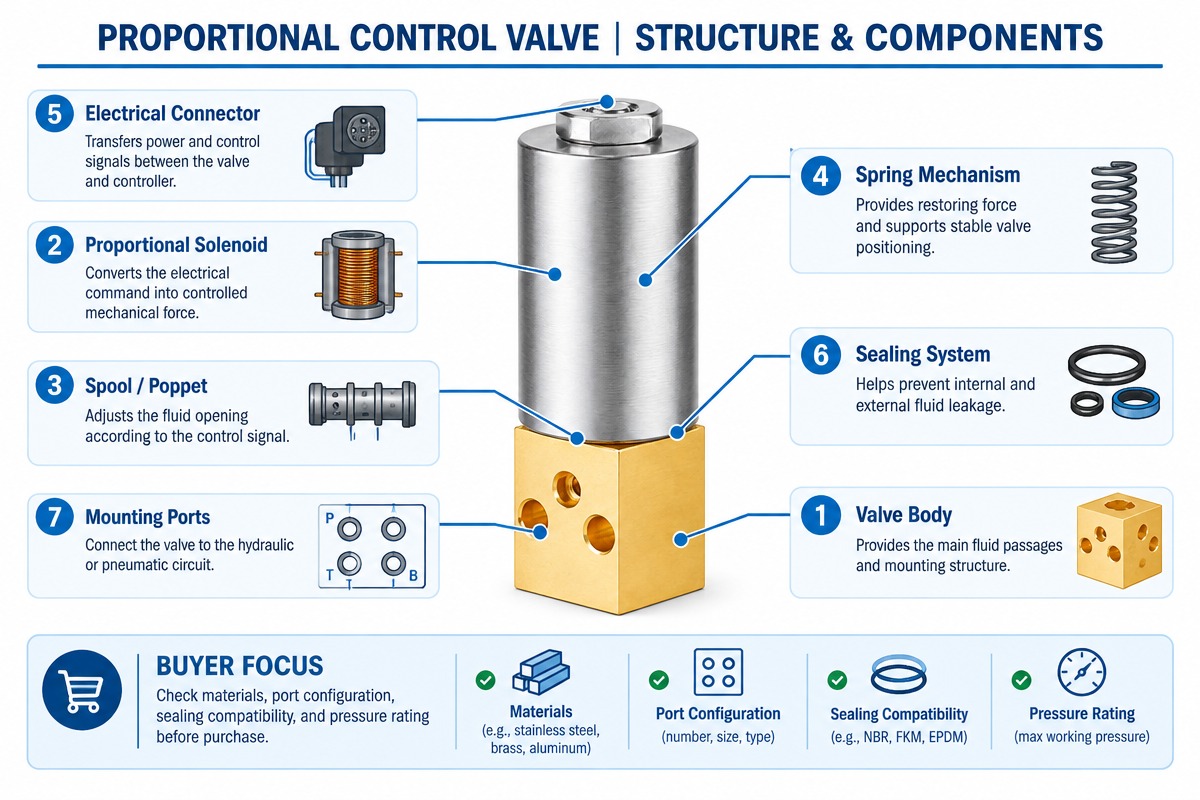
Proportional control valve is a very sophisticated fluid control device that regulates the flow, pressure, direction or speed of an actuator according to the electrical input signal. A continuously adjustable control valve, which, unlike traditional ON/OFF valves, could make an industrial equipment more precise and operate smoothly. Proportional control valves are commonly used in hydraulic, pneumatic, process automation, manufacturing, material handling and machine control systems. Their output could be regulated according to the signals received from the controllers, sensors, PLCs and other automation devices. The main advantages are precise regulation, fast response, process stability, energy saving and system control. Depending on the application, the proportions could be used for flow control, pressure control, directional control or for combined functionality. For selecting the reliable proportional control valve, the appropriate valve sizing, pressure rating, flow capacity, electrical compatibility, response characteristics and environmental conditions should be considered.

Proportional Control ValveDescription

What is a Proportional Control Valve?

A proportional control valve is a fluid control device that provides a continuous variation of flow, pressure or direction in accordance with the electrical input signal. The valve can have several intermediate positions, but not just open or close positions. Provides the precise control of the hydraulic or pneumatic actuators and industrial processes. The input signal comes from a PLC, controller, sensor or automation system. Depending on the valve design, it can control flow rate, pressure or direction of the actuator. Generally, it consists of an electrically driven actuator and precision valve assembly. Proportional control valves are used when accurate, smooth and repeatable fluid control is needed.


What is the Working Principle of the Proportional Control Valve?

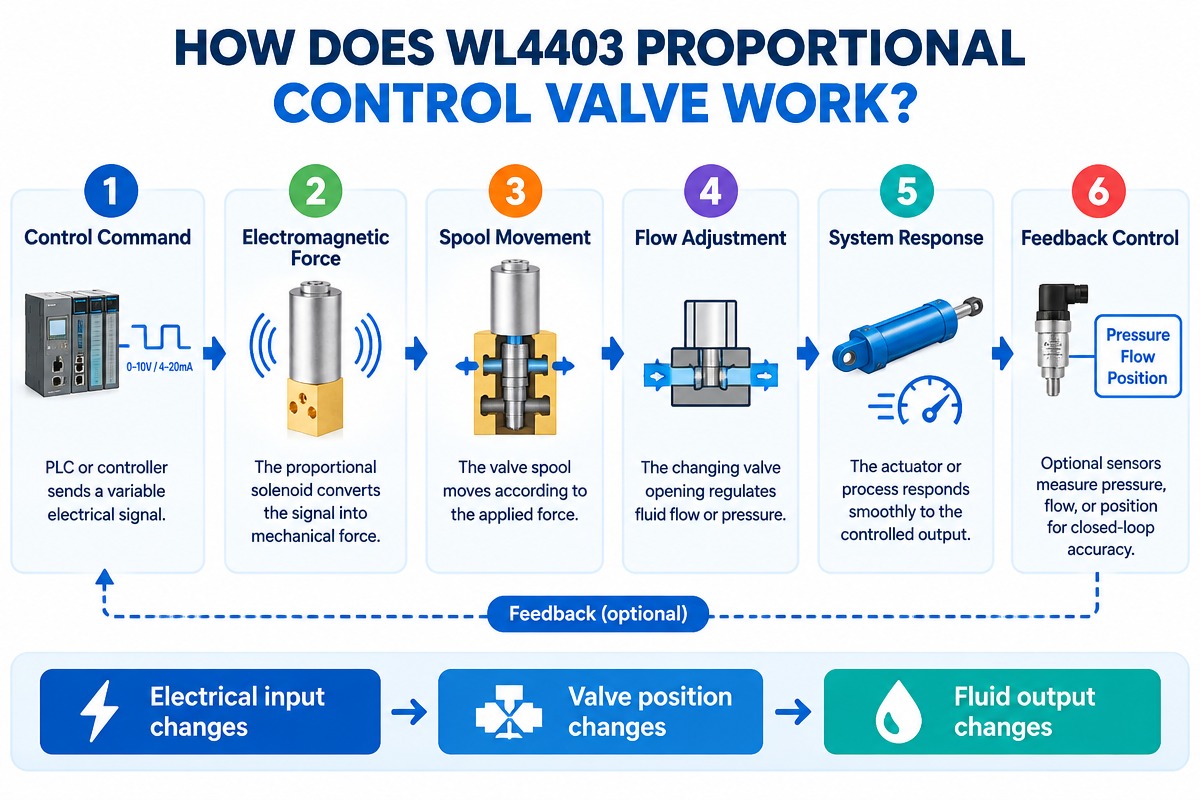
A proportional control valve converts an electrical command to the mechanical valve position. The controller supplies the electrical input signal such as voltage or current to the valve’s solenoid or actuator.

The actuator creates the mechanical force that moves the valve spool, poppet or other control element. The valve opening is varying proportionally to the input signal. The bigger is the command, the larger is the valve opening or the different pressure setting point, depending on the valve design.

Then, fluid goes through the controlled opening. The flow produced as a result of the pressure or actuator motion varies with the valve position.

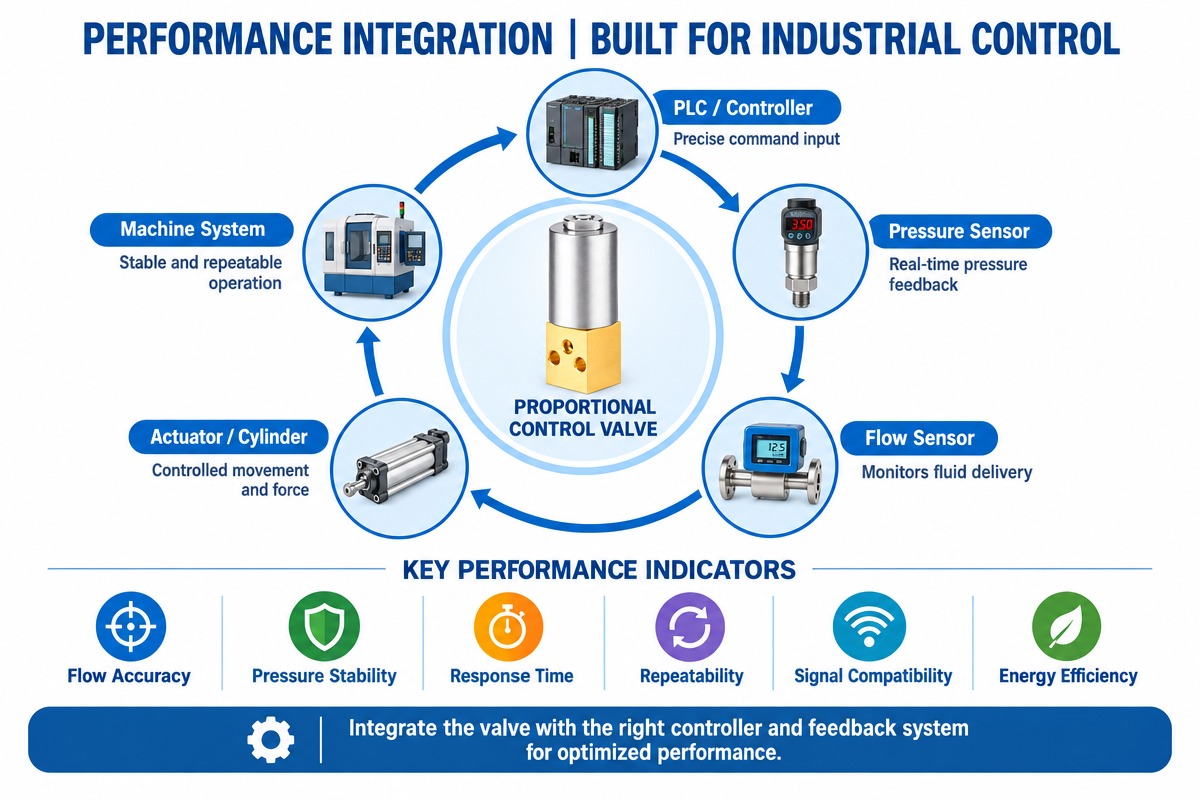
Many industrial systems use the feedback from pressure, position, flow or other sensors. The controller compares the desired value with the actual value and adjusts the valve command accordingly. This closed-loop approach improves accuracy, stability, response and repeatability.

Proportional Control ValveVideo

Proportional Control Valve Detail Display

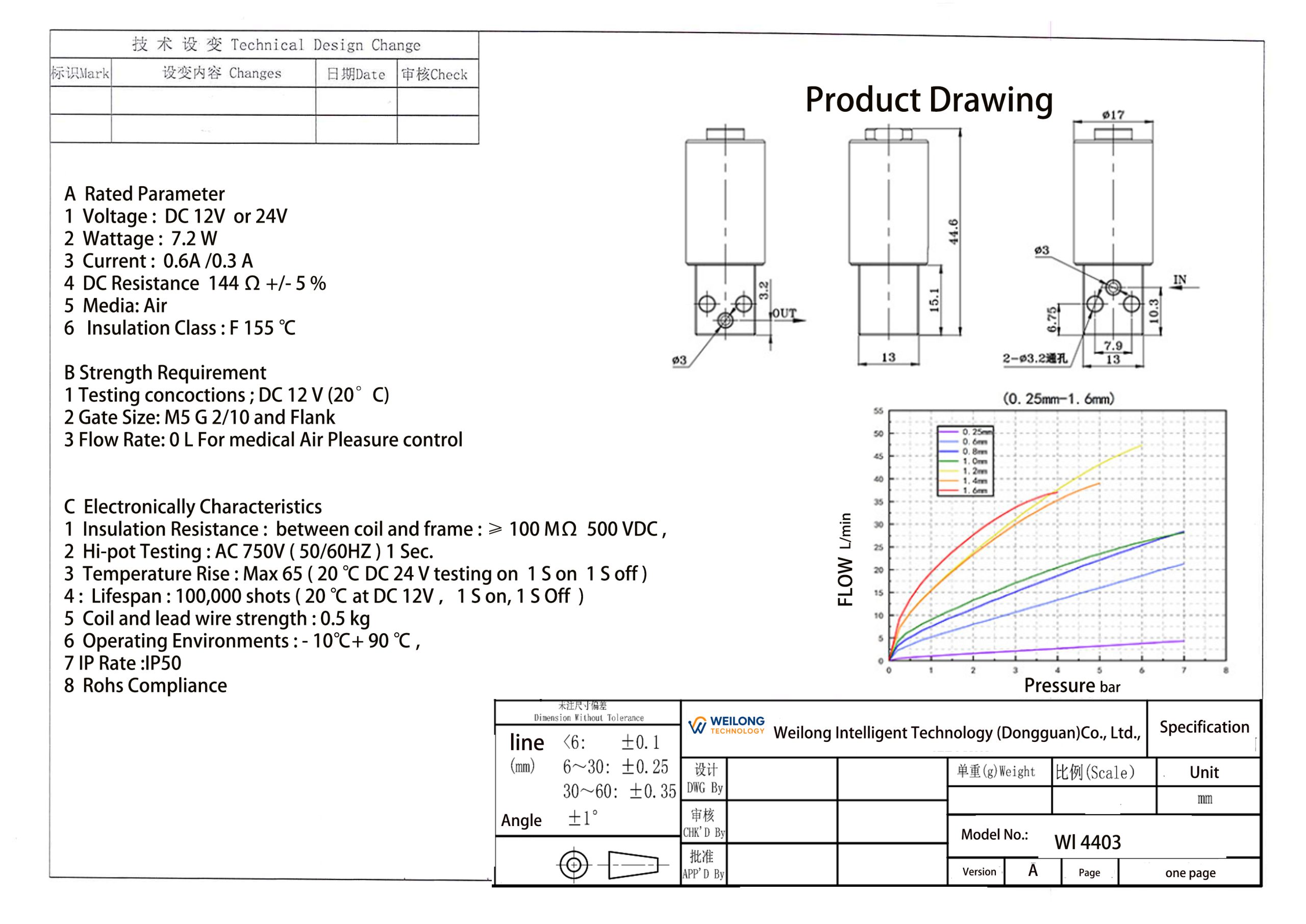
Proportional Control Valve Technical

Brand Weilong Model Number WL 4403
Rated Voltage (V) DC12V or 24V Rated Power (W) 7.2W
Work Mode Air Control Valve Working Pressure (MPa) 0.2 MPa
Airflow Rate 0 L/minute Reset Time(s) 1 S On, 1S Off
Service Life 200 Thousand Times Certification CE, ROHS, ISO9001,
Material Superior Magnet Iron Lead Wire Length (mm) 200 MM
Install Style Screw Tolerance of Dimension ± 0.1 MM
Water-proof None Insulation Class B
Hi-Pot Test AC 750V 50/60Hz 2s Non-excitation Holding Force 0
Working Temperature -10°C-90°C Duty Cycle 1-100%
Thread Depth (mm) / Payment Term TT, or LC at Sight
Sample Order Yes. Warranty 1 Year
MOQ 1000 pcs Supply Ability 5000 pcs per week
Delivery Time 30 Days Port of Loading Shenzhen

Why is the Proportional Control Valve So Popular?

Due to the higher demands for precision, flexibility, automation and energy efficiency in the modern industrial equipment, proportional control valves become increasingly popular.

Conventional ON/OFF valves have limited range of control capability due to their binary ON/OFF states. A proportional valve however could continuously change its output in response to the electrical command. That allows a more flexible control of the actuator speed, force, pressure and flow.

Another important aspect is automation of industrial equipment. Proportional valves could be interfaced with PLCs, motion controllers, sensors and electronic control systems. That makes the valves excellent for the smart manufacturing and automated production lines.

Energy efficiency is also a great feature. The precise fluid control could save the flow, pressure drops and actuator movement. In case the operating conditions change frequently, proportional control allows the system to adapt to the changes dynamically.

The modern machines are becoming easier to integrate with proportional valve systems due to the robust design, better electronics, improved sensors and feedback algorithms.

Proportional Control Valve Applications

Pneumatic Proportional Control Valve Application Guide

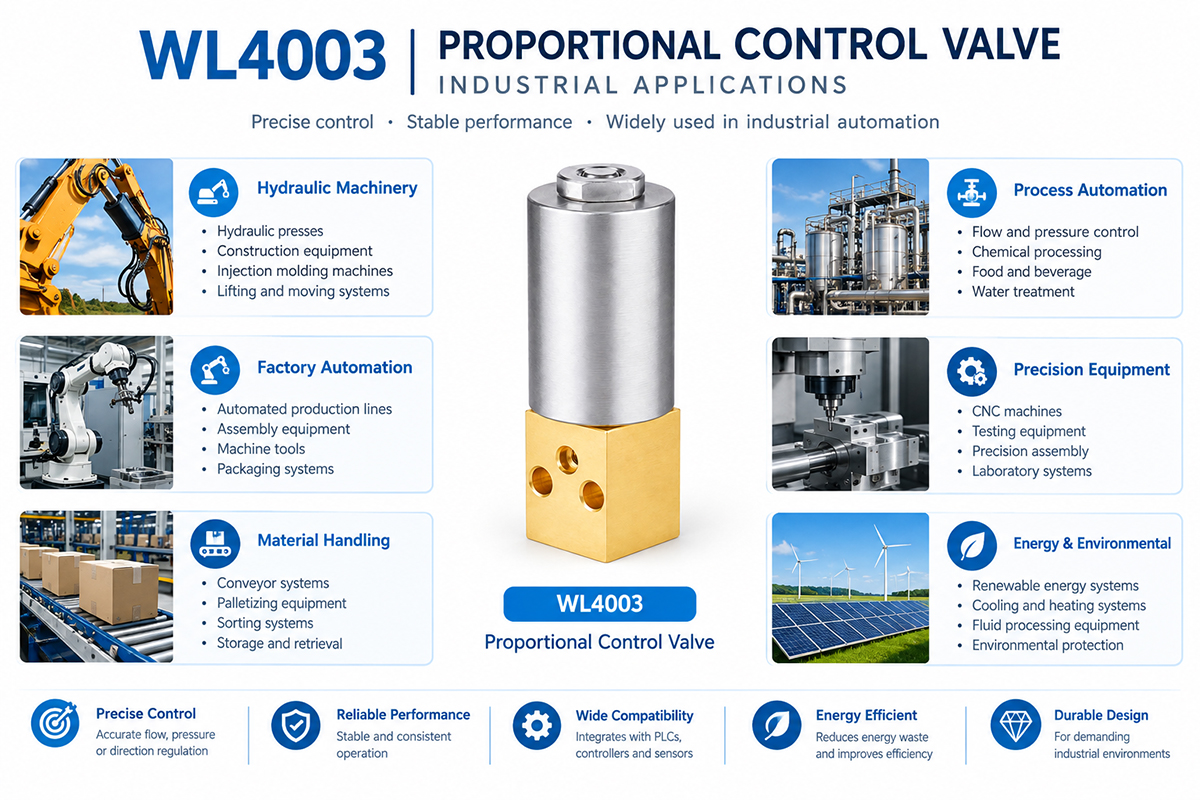
The proportional control valves are used in industrial applications where precise and variable fluid control is needed.

In hydraulic equipment, they control the speed, pressure, force and motion of the actuator. They are widely used on hydraulic presses, injection molding machines, lifting systems, construction equipment and industrial production machines.

In the factory automation, a controlled pneumatic or hydraulic motion of the automated machinery could be performed with the help of proportional valves. They can control the cylinder speed and force depending on changing production requirements.

In material handling systems, proportional valves are used for lifting, lowering, clamping and positioning. Precise control reduces mechanical shock and improves equipment reliability.

Process automation with controlling the fluid flow or pressure in the manufacturing processes could be performed with the proportional valves. They could be connected to PLCs, sensors and control systems for automatic adjustment.

In robotics, proportional valves could be used to control pneumatic or hydraulic actuation when variable force and variable speed are required.

They are also used in energy and environmental equipment such as cooling systems, fluid processing equipment and specialized energy management machinery.

The proportional control technology is particularly valuable in applications, where the desired degree of accuracy, repeatability or flexibility cannot be achieved with the conventional ON/OFF control, as the valve output could be continuously adjusted.

Proportional Control Valve Adv. & Disadv

Proportional Control Valve Benefits and ApplicationsBenefits and Drawbacks of Proportional Control Valve
Advantages

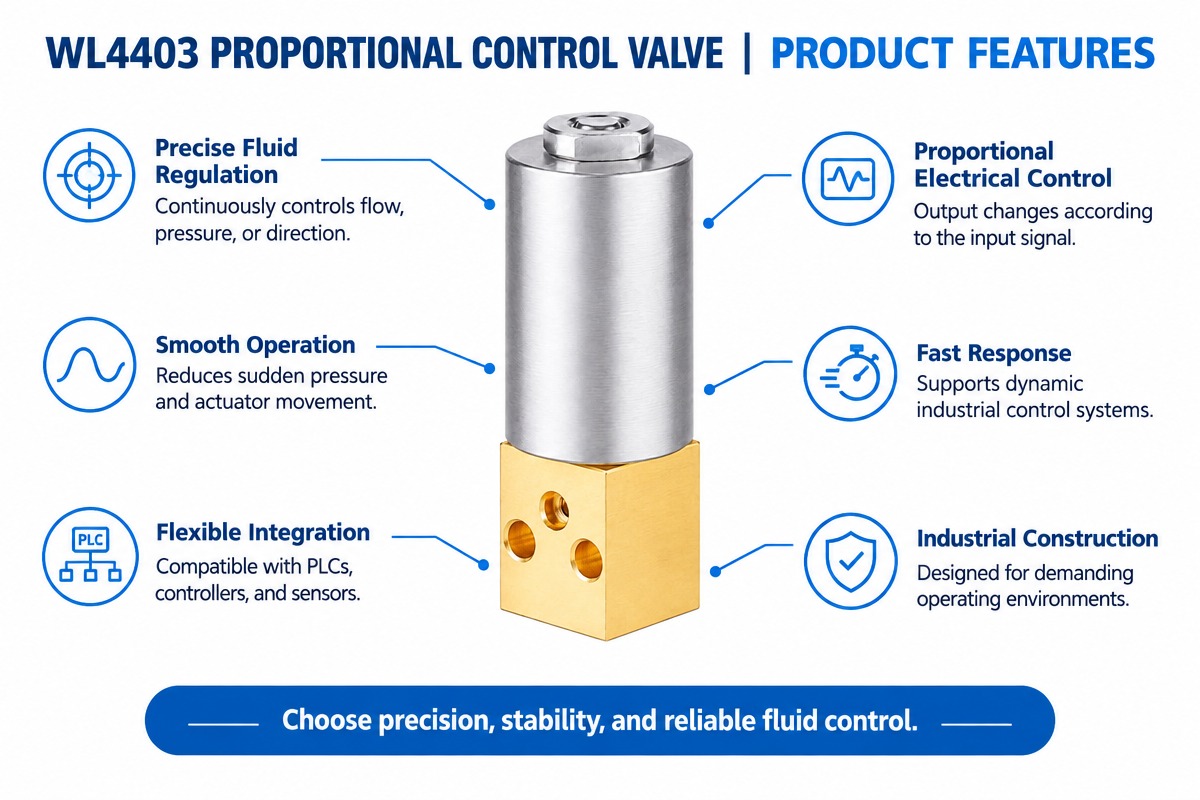
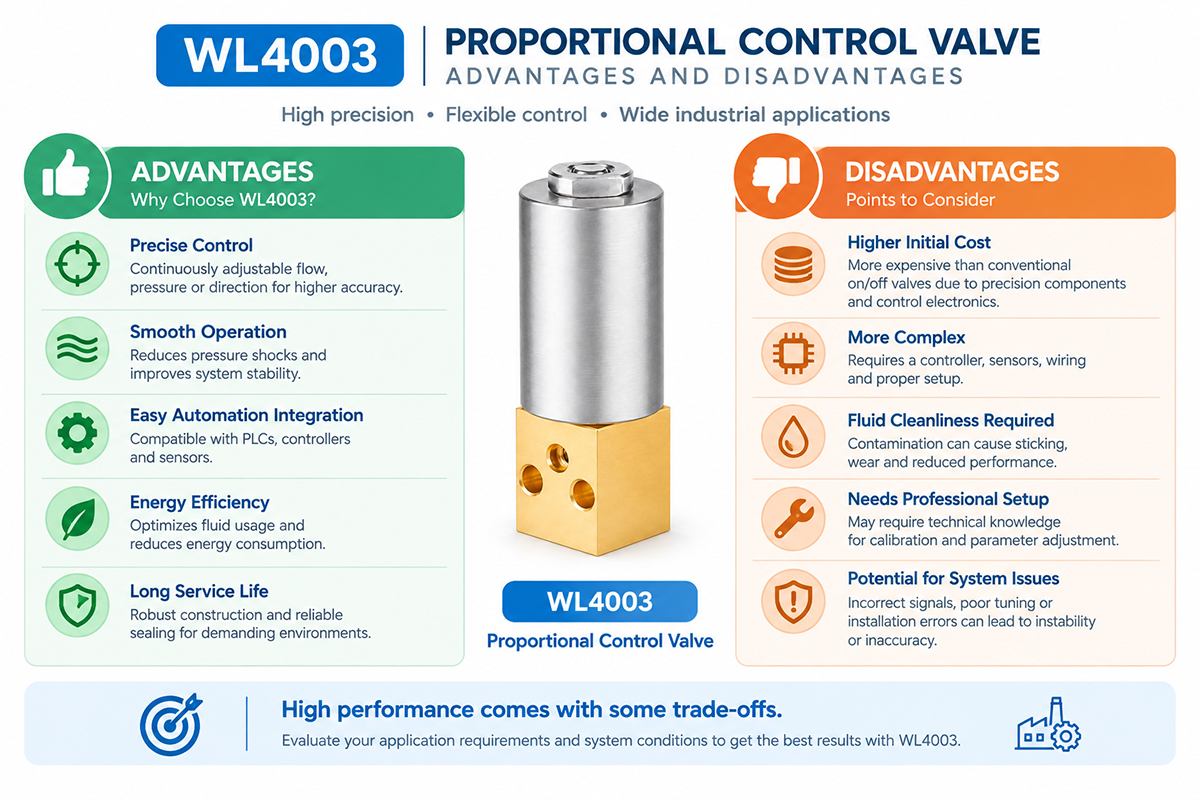
The main advantage of a proportional control valve is the precise and infinitely variable control. It could regulate the flow, pressure or direction according to the electrical command, rather than switch between the two states.

The other advantage is the ease of operation. The slow valve motion could prevent pressure shocks, vibrations and sudden actuator movement. It could improve the machine performance and increase the life of the components.

The proportional valves also provide the simplicity of integration into automation. They could be connected to PLCs, sensors, controllers and feedback systems and therefore are suitable for use in automated production equipment.

Fluid output could also be adapted to the actual demand and thus could be efficient in terms of energy usage.

Cons

A proportional control valve is usually more complex than a regular ON/OFF valve. Could require electronic controllers, sensors, wiring and calibration.

Also, it has control electronics and precision components and therefore could be initially more expensive.

Fluid cleanliness is especially important for the valve. The internal components could stick or operate inaccurately due to contamination.

Some specialized knowledge could be also required for the control-system configuration. The instability or poor accuracy could arise from improper signal scaling, tuning and feedback configuration.

Industrial Automation Proportional Control Valve Guide

Proportional Control Valve Troubleshooting

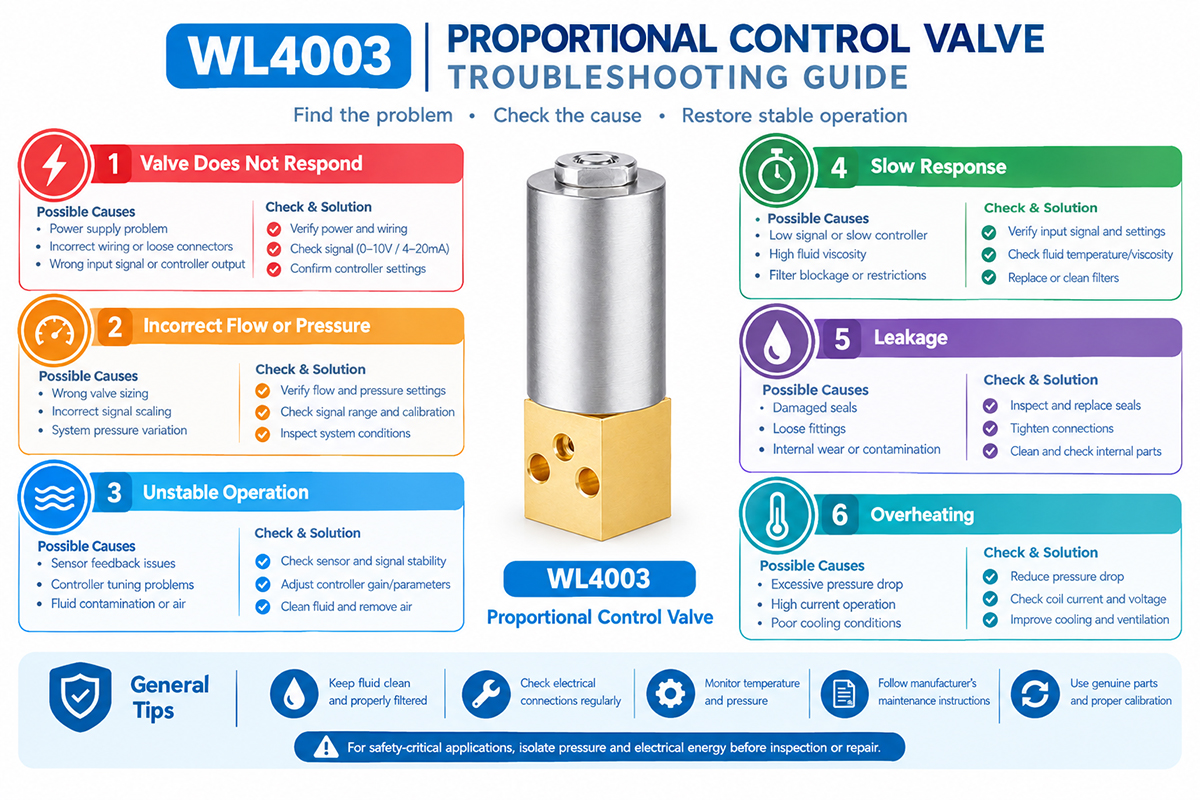
When troubleshooting the malfunctioning proportional control valve, the first thing to check is the electrical system, hydraulic or pneumatic circuit and control parameters.

Valve does not respond.

Check the power supply, wiring, connectors, input signal, controller output, and grounding. Make sure that the electrical signal reaches the valve properly.

Flow or pressure is wrong.

Check the valve size, system pressure, fluid conditions, scaling of controller signal. The wrong output could be caused by an improper command range configuration.

Unstable operation.

Check the sensor feedback, controller tuning, signal noise, fluid contamination, air in the hydraulic circuit. The high gain could cause the oscillation in the closed loop systems.

Slow response.

Check the electrical signal, valve response settings, fluid viscosity, filter condition and system restrictions. Too much dirt or mechanical friction could limit the spool movement.

Valve sticks.

Check fluid cleanliness, filtration, internal contamination and mechanical damage. Replace the contaminated fluid or filter media as required.

Excessive leaking.

Check the seals, fittings, mounting surfaces and internal valve parts. The damaged seals could need replacement.

Overheating.

Check the excessive pressure drop, continuous high current operation, fluid temperature and cooling conditions.

Consult manufacturer’s specifications before making any adjustments or disassembling the valve. For safety-critical machinery, isolate the pressure and electrical energy before inspection and repair.

FAQ

1. What is proportional control valve?

It is a valve which changes flow, pressure or direction in accordance with an electrical input signal. It allows for continuous adjustment unlike an on-off valve; therefore, it is well suited to applications requiring smooth and accurate control.

2. How does proportional control valve work?

It receives an electrical input signal from a PLC, controller or another control system. The signal activates a solenoid or actuator causing change in the position of the valve. Change in the input signal causes change in the fluid flow or pressure. Feedback devices may be used to achieve higher accuracy and closed loop control.

3. What are proportional control valves used for?

They are mostly used in hydraulics and pneumatics, industrial automation, injection molding machine, presses, robotics, material handling machines, process control and automated manufacturing lines.

4. How does a proportional control valve differ from an on/off valve?

While on/off valve normally operates in two main positions: open or close, proportional control valve can be activated in intermediary positions to vary the output continuously. Smooth movement, high precision and better adaptation to varying operating conditions are achieved.

5. What are the control signals in a proportional control valve?

Some common control signals include: 0 – 10 V, ± 10 V and 4 – 20 mA. The control signal will depend on the valve and the controller. During the installation of a proportional control valve, ensure that the electrical input requirements of the valve are matched to the PLC or proportional valve controller.

6. How do I select a correct proportional control valve?

Consider the required flow rate, pressure of operation, type of fluid, operating temperature, port size, control signal, response time, mounting configurations and environmental considerations. Valve sizing must take into consideration pressure drop through the valve and control range.

7. Why does my proportional control valve fail to work properly?

Some causes are: wrong electrical signals, poor calibration, fluid contamination, improper filtration, incorrect valve sizing, faulty sensors, wiring problems, excessive friction and wrong controller settings. Systematic testing of the electrical system and the fluid system may help identify the problem.

8. How should I maintain a proportional control valve?

Fluid cleanliness and filtration should be maintained. Electrical connections should be inspected. Operating temperature and pressure should be monitored. Leakage should be checked. Calibration and performance should be periodically checked and follow manufacturers’ maintenance procedures to prevent failure.

How to Select a Proportional Control Valve

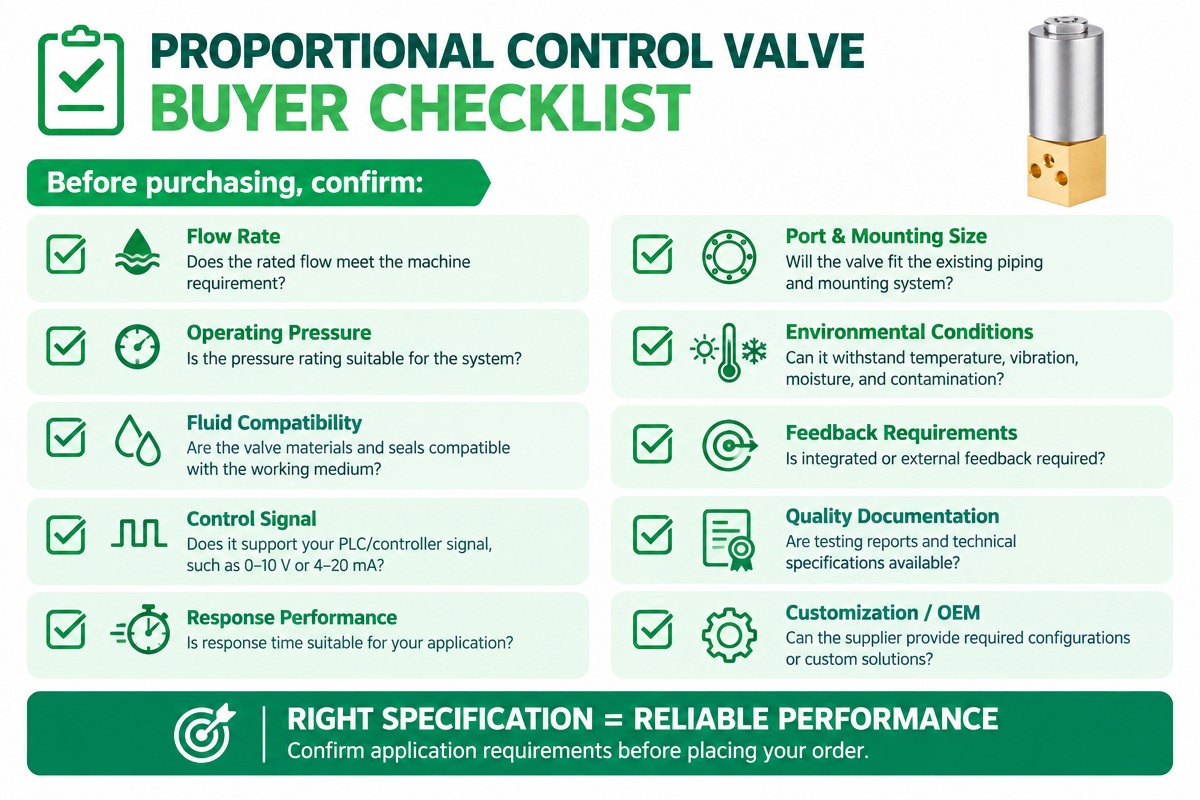
Selection of the right proportional control valve depends on matching the valve to the fluid system, operating conditions, control requirements and automation architecture.

1.The control function is identified.

Identify whether the valve has to control flow, pressure, direction, or the combination of these functions. The control characteristics would be different for different valve configurations.

2.Flow requirements definition.

Calculate the minimum, normal and maximum flow rate required. Select the valve with enough flow capacity, but don’t over size the valve. Over sizing will lead to poor controllability at low flow rates.

3.Operating pressure verification.

Verify the system normal and maximum pressure. The rated pressure of the valve should have a reasonable safety margin for the actual operating conditions.

4.Fluid consideration.

Check the fluid type, viscosity, temperature, cleanliness and chemical compatibility. Different fluids – hydraulic oil, water based fluids, compressed air and others – may require different valve materials and sealing system.

5.Selection of the control signal.

Check the valve and controller compatibility. The common industrial signals are 0-10 V and 4-20 mA. Check signal range, electrical power, current requirements and wiring plan.

6.Response properties characterization.

Consider the response time, hysteresis, repeatability, linearity and resolution. High-speed machines may need faster dynamic response than simple process-control applications.

7.Installation requirements verification.

Check the port size, mounting arrangement, overall dimensions, connection type and installation space availability.

8.Environmental conditions consideration.

Temperature, humidity, vibration, dust, water exposure and corrosive environment affect the enclosure and material selection.

9.Feedback needs determination.

High-precision applications can provide much higher control accuracy with closed-loop feedback using pressure, flow or position sensors.

10.Lifecycle requirements consideration.

Check not only the purchase price, but also maintenance, spare parts, service life, energy consumption, commissioning requirements and total cost of ownership.

Tips to Avoid Common Design Mistakes

Do not over size the valve. Excess capacity complicates low-flow control.

Don’t forget pressure drop. Poor pressure drop calculation could cause the valve instability.

Select valve for actual fluid. Fluid and seal compatibility is crucial.

Check for electrical compatibility. Check voltage, current, signal type, polarity and controller requirements.

Consider the response time. Machine performance is limited by the valve dynamics.

Don’t put the sensor in the wrong place. Feedback sensors must be accurate reflection of the controlled process.

Consider fluid cleanliness. Contaminated fluid causes the valve spool sticking and early wear.

Provide filtration. Filtration prevents the valve from premature wear.

Think temperature changes. Temperature affects fluid viscosity and electronic performance.

Allow adequate space for installation. Provide the wiring, maintenance and replacement space as required.

Change the control system. If Gain or Signal Scaling is not appropriate, the valve operation is either unstable or incorrect.

See fail-safe operation. Describe the valve function during the power or controller failure.

Test in actual operating conditions. Not all system level problems can be detected by factory and bench tests.
Get A Free Quote Now

Contact Form

Related Products

Related News

Scroll to Top

Get A Free Quote Now !

Contact Form
If you have any questions, please do not hesitate to contact us.
Weilong Solenoid Company Culture