


How to Choose a Solenoid Door Lock
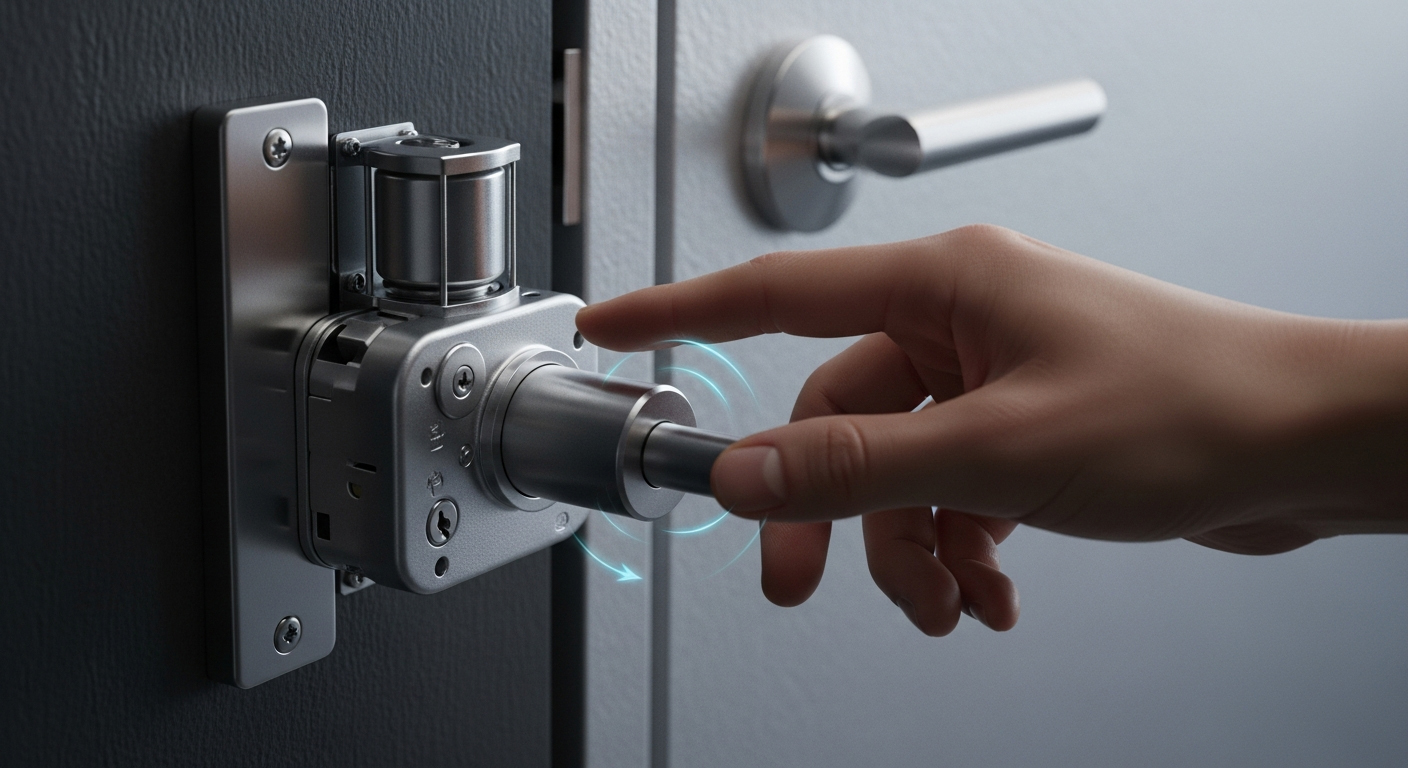
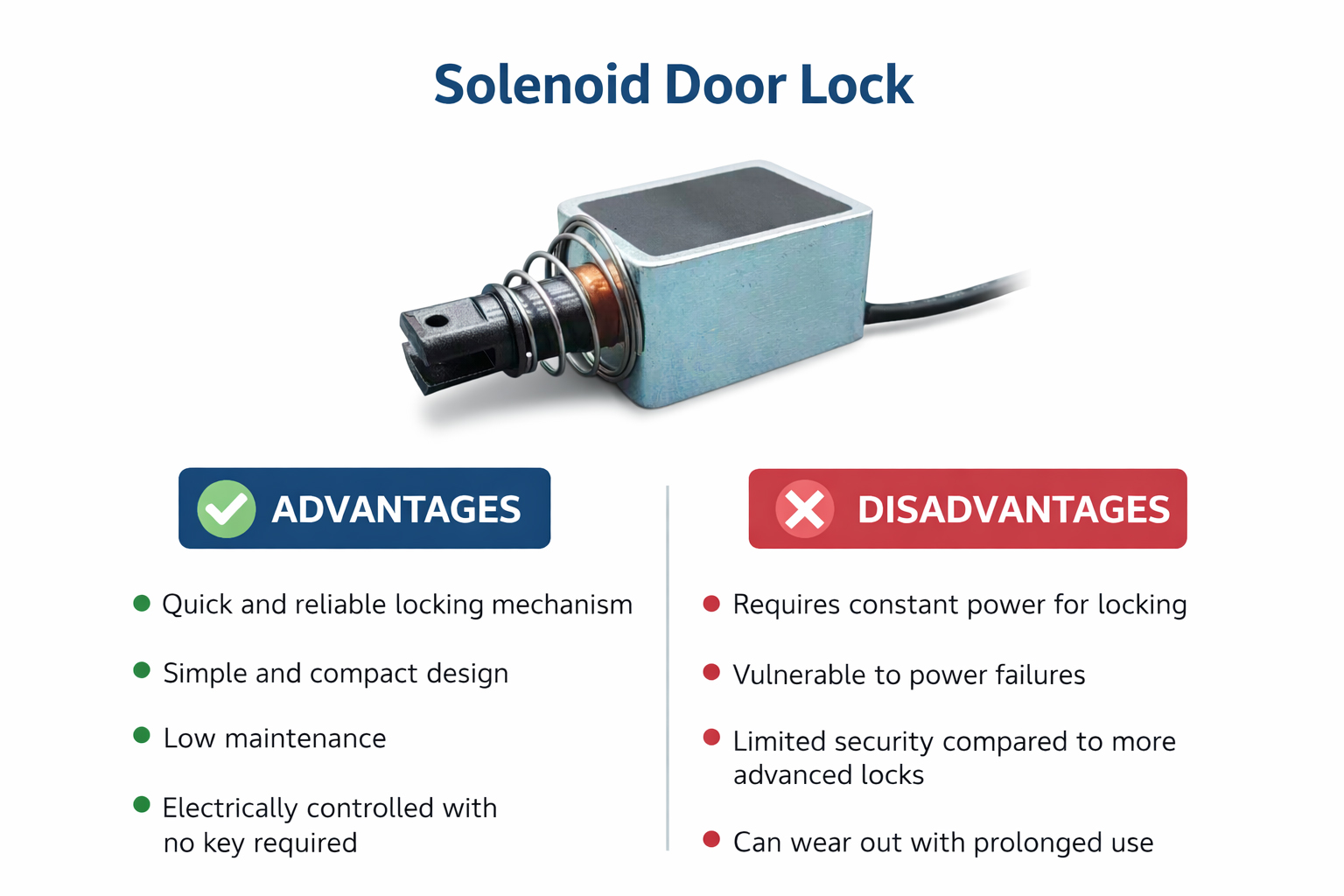
To select the best solenoid door lock, you must consider how secure it is, how well it works with electricity, how it is constructed, and what the weather is like. First off, you must consider whether you want it to be fail-safe or fail-secure. The fail-safe type will open when the power goes off so you can get out quickly in case of an emergency.
Second, check the voltage and current requirements. See that the lock will work with your system’s voltage and current requirements (DC 12V or DC 24V). Consider how much current it will use and how long it will be required to work to prevent overheating. Select locks that are designed for long duty cycles if you intend to use them constantly.
Third, check the length of stroke and the holding force. The lock should have enough holding force to hold the weight of the doors. The dimensions should also be checked carefully, as they will depend on the place where the lock will be installed. The dimensions should be correct.
Fourth, consider temperature ranges, humidity levels, exposure to dust, and exposure to vibration. The lock should not rust. The lock casing should also withstand harsh conditions.
Fifth, consider integration requirements. The lock should integrate well with access control boards, RFID readers, keypads, and biometric systems. The lock should respond quickly and should have well-synchronized signals.
Finally, consider the reliability of the lock and the manufacturer’s capability to make the lock. It is very important to have quality control and testing standards before purchasing locks in large quantities. Samples should always be obtained before purchasing to ensure they are of good quality.
You may select a solenoid door lock that will work safely and efficiently and will last long by carefully evaluating its needs.


