



How to Choose the Flapper Solenoids for Your Project Needs?
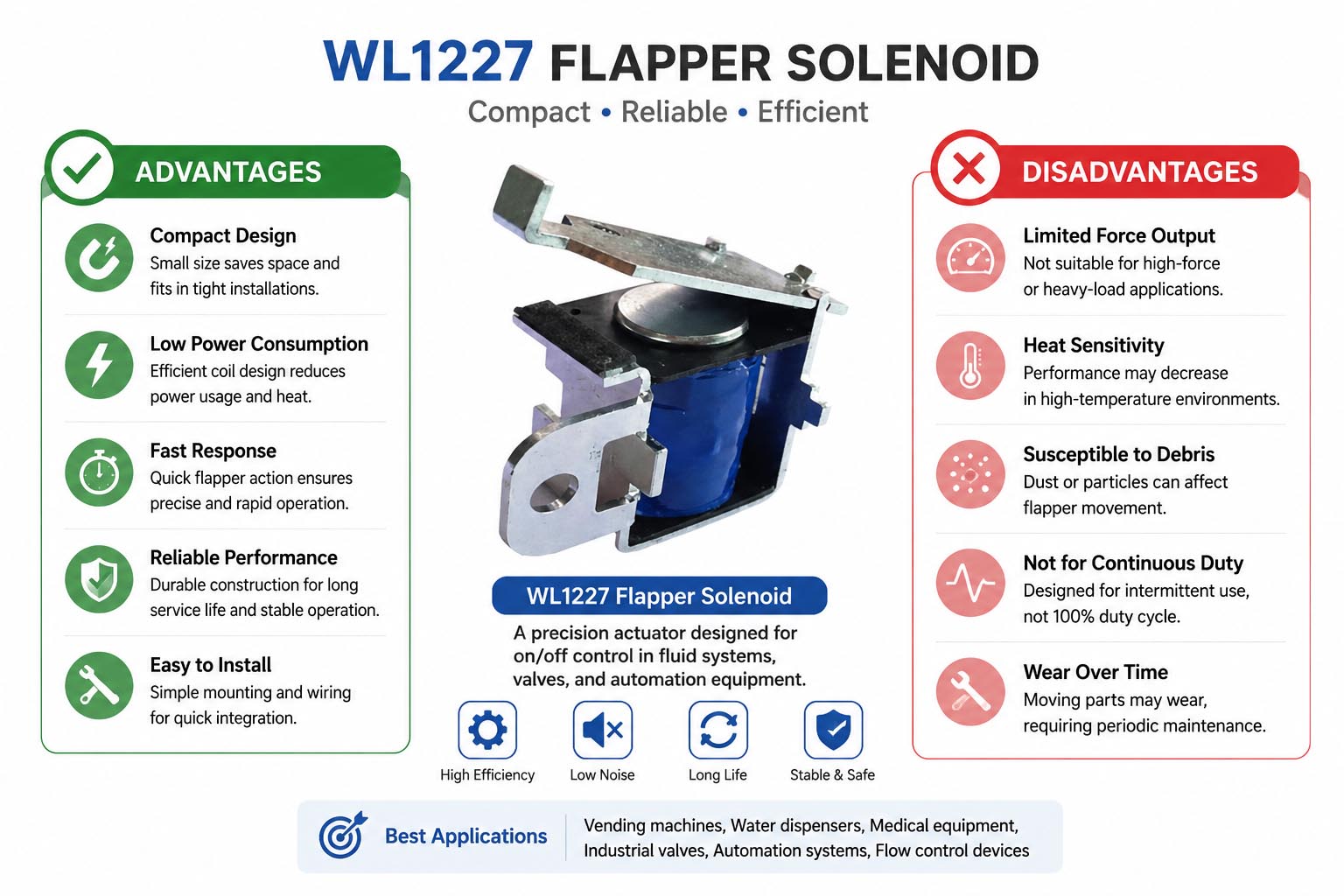
When choosing the flapper solenoids, you should take into account some technical specifications that will guarantee its reliable operation.
1. Specify Application Requirements
At first, define the working environment and the purpose of the application. Is the solenoid going to control the air, liquid, mechanical movement, or the switching?
2. Work Out the Force Requirement
The electromagnetic force is one of the more significant specifications. Engineers should estimate the load force, friction, and safety margin before choosing the solenoid model.
3. Verify Operating Voltage
Voltage options usually include 5VDC, 12VDC, 24VDC, and custom voltages. Proper choice of voltage guarantees the smooth operation of the coil without overheating.
4. Think About Duty Cycle
Duty cycle is the duration of continuous solenoid operation. For continuous duty, proper thermal design is required; for intermittent operations, it is possible to achieve a greater force output.
5. Check Stroke and Distance Moved
The stroke length affects the mechanical design. Choose a flapper solenoid that has sufficient stroke to perform the required control function.
6. Installation Space and Size
The installation of industrial equipment is often limited in space. Compact size and custom mounting structure make it easy to integrate the solenoid.
7. Environmental Conditions Should Be Considered
Such factors as temperature, humidity, vibrations, dust, and chemicals may affect the performance of the solenoid. Choose appropriate material and protection grade according to the working environment.
8. Confirm the Lifetime Needs
For industrial applications the long life is required. Define cycle life requirements and choose products that have been properly tested for durability.
9. Cooperate With Professional Solenoid Supplier
Professional manufacturers of solenoids can provide engineering support, prototypes, testing, and customization to increase the performance.
Tips to Avoid the Common Mistakes in the Design Stage
Incorrect calculation of force
Underestimation of the required force leads to failure of many designs. Always consider safety margins and friction.
Failure to consider the heat output
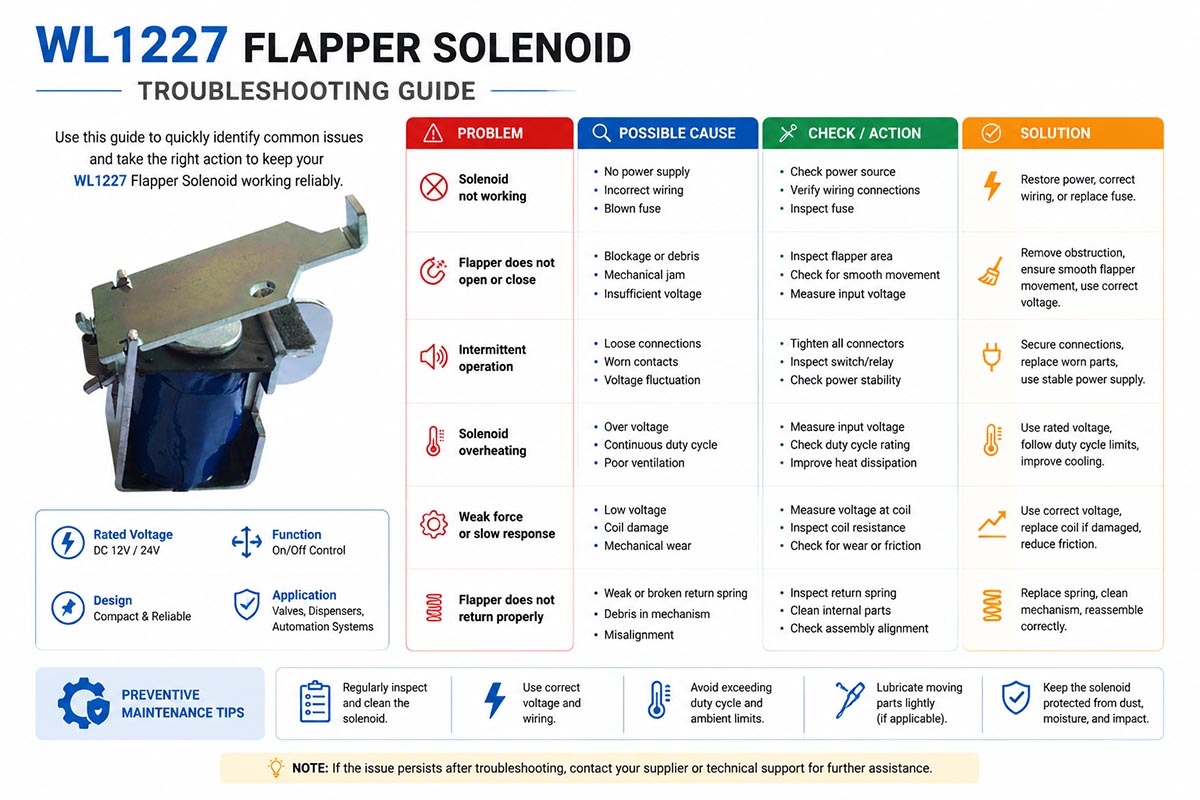
Incorrect choice of coil may cause overheating and reduce the life of the product.
Stroke Selection Mistake
When the stroke length is insufficient, it cannot perform the required mechanical movement.
Poor Material Selection
Improper materials can cause corrosion and wear and reduce reliability.
Duty cycle not taken into consideration
Thermal management is important for continuous operation.
Installation Tolerance Ignored
The mechanical misalignment increases friction and reduces the performance.
Selection of Cost Instead of Performance
The cheaper solution may lead to higher maintenance and shorter life.


