
Chapter 1: Introduction
A practical analysis of rotary solenoid in fruit sorting machines requires a thorough review of their advantages, limitations, and solutions to typical difficulties.
Rotary solenoid is frequently employed in important parts of slot machines, such as for locking, releasing, shifting, and braking. This is because they have several advantages, including a small design, the ability to produce a lot of torque quickly, and the ability to manage their operation.
This study gives a thorough investigation of how rotary solenoid valves are used in slot machines.
This approach, which combines engineering practices, offers a comprehensive overview of the entire process, from analyzing requirements to verifying implementation.
The article also explores the pros and cons of its use, suggesting solutions to typical problems. This provides practical guidance for designing and maintaining entertainment equipment.
Chapter 2: The main requirements for slot machine rotary solenoids are as follows.
Slot machines operate using several fast, repeated, and closely timed mechanical motions. Their main requirements are as follows:
2.1 Instantaneous rotational performance requirements are crucial.
During drum locking, releasing, or braking, the actuator needs to perform a specific angular rotation within a time frame of 10 to 50 milliseconds.
To guarantee the game’s outcomes are both random and fair, the response time and rotation angle for each action need to be consistent.
2.2 Positioning accuracy and repeatability are crucial factors.
Angle control precision is key. The rotation angle’s deviation needs to be kept under ±0.5°. This is to prevent any scroll positioning errors from negatively impacting the display.
Long-term stability is key. The equipment must maintain consistent positioning precision throughout its entire operational life. This is essential to uphold the integrity of the competition.
2.3 Designed for high-frequency use, these components also boast an extended lifespan.
The operational frequency need is significant. A single rotating mechanism can do tens of thousands of actions every day, and the total number of actions in a year can reach millions.
Service life expectations: For commercial equipment, the design should usually anticipate more than 5 million cycles. This ensures it can handle the demands of long-term use.
2.4 The capacity to integrate structures and keep them in good condition is important.
The limited space inside the cabinet requires that the actuators be both small and versatile in how they are installed.
Maintenance is a breeze. The modular setup means parts can be swapped out swiftly, which cuts down on the time the equipment is out of action.
2.5 Ensuring safety and reliability are paramount.
In the event of a power outage, the system automatically returns to a secure state.
Fault tolerance is built into the system, which helps prevent a single component’s failure from causing the entire machine to stop working.
Traditional methods, which use small motors, reduction gears, and position feedback, have several drawbacks. These methods are expensive and difficult to regulate, and they also have limited response times.
Rotary solenoid valves, with their direct driving, quick reaction, and simple design, have become the preferred choice for actuators in slot machines.
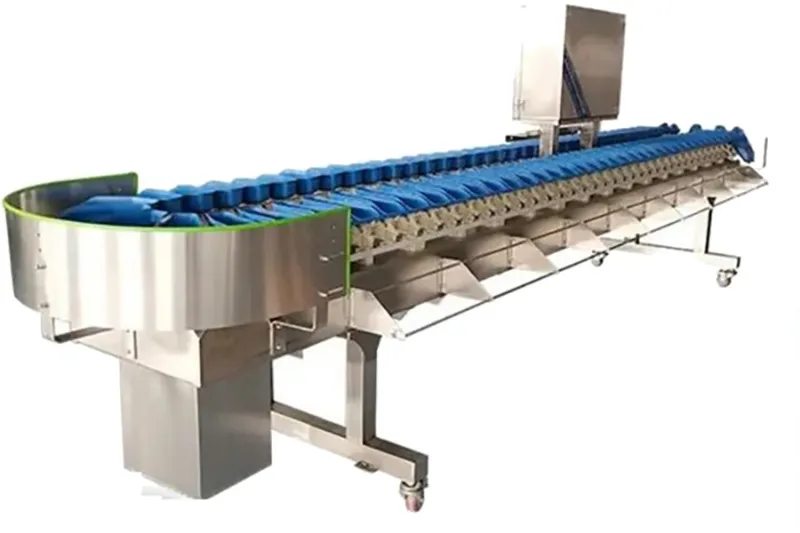
Chapter 3: The design of the solution requires careful thought about how the rotating solenoid will work and how it will fit into the overall system.
3.1 Common job positions and their functions.
The reel locking and release mechanism is what dictates where each reel comes to a halt, guaranteeing the reported results are spot-on.
The braking pawl drive mechanism allows for quick stops and secures the position.
The reward triggering system governs how and when specific reward functions are activated and switched.
The safety protection system includes an anti-cheating lock and an emergency brake feature.
Mode switching: This feature allows for rapid transitions between various game modes.
3.2 Choosing the Right Rotary Solenoid
Type properties are useful in different situations.
The unidirectional rotational spring return mechanism, known for its simple design and inexpensive cost, allows for frequent, one-way movement, such as locking a spool.
The bidirectional rotating dual-coil design provides for control in two stable locations. This makes it suited for complex control systems, such as those used in multi-gear switching.
Proportional control, which allows for fine control of the intermediate position, is suited for specialized applications that require accurate angle management.
3.3 Key Design Considerations for Important Parameters
Operating voltage usually falls within the range of 12V or 24V DC, adhering to safety regulations governing entertainment equipment.
Choose conventional rotation angles like 15°, 25°, or 30°, depending on the mechanical structure’s specifications.
When calculating output torque, consider factors like load inertia and frictional resistance. Also, provide a safety margin of 20-30%.
Response time, the whole time from when the power is turned on to when the rotation is finished, directly affects how quickly the game runs.
The holding force design has a mechanical locking mechanism. This ensures the position is maintained, even when there’s a loss of power.
3.4 Improving structural design and reliability.
For bearing selection, consider micro ball bearings or self-lubricating types; they can help minimize rotational friction.
Shafts are hardened to boost their resistance to wear. They’re also finely machined to guarantee they are perfectly coaxial.
To improve thermal stability, coil optimization uses high-temperature resistant enameled wire with multi-layer insulation.
Built to last: This design is both dustproof and anti-static, making it ideal for use in entertainment venues.

Chapter 4: Putting it all together: Integrating the system and making it run smoothly.
4.1. The installation and calibration process is straightforward.
Mechanical alignment calibration: Achieve flawless alignment between the solenoid valve shaft and the load mechanism.
Angle limit adjustment: Fine-tune the mechanical limiter to guarantee a uniform rotation angle.
Installation torque management is key. Employ a torque wrench to manage the installation force, preventing any deformation or the buildup of stress in the material.
4.2.Optimizing electrical parameters is a crucial step.
Drive circuit design: Employ constant current drivers or clever drive chips to enhance operational consistency.
The best power-on time was found through experiments, balancing operational reliability and the increase in temperature.
Voltage stability is key. Keep power supply voltage swings within a ±5% range to prevent any performance issues.
4.3.Collaborative debugging in systems.
Debugging timing synchronization involves confirming that the solenoid valve’s operation aligns perfectly with the sensor’s detection and the overarching control logic.
To quiet things down, we can add cushioning pads and refine the mechanical framework.
Temperature monitoring: Implement temperature sensors to track the coil’s temperature increase as it happens.
4.4.Extreme Condition Testing
A high-frequency stress test simulates continuous operation during peak hours to ensure system stability.
The voltage fluctuation test assesses operational reliability across a range of voltage settings.
Environmental adaptability: A long-term operational assessment conducted in a setting characterized by elevated temperatures and high humidity.
Chapter 5: Evaluating how well an application works involves checking its performance and assessing its reliability.
5.1 Performance testing standards are essential for evaluating how well a system works.
These standards give a consistent way to measure performance, which helps with comparing different systems and finding areas that need improvement. They also help ensure that performance testing is done correctly and consistently. These standards include specific rules and guidelines for things like how to set up tests, what to measure, and how to analyze the results. By following these standards, organizations can be more confident in their performance testing, which helps them make better decisions about their systems.
To assess motion consistency, we conducted 10,000 consecutive motion tests and then statistically assessed the resulting angle deviations.
To gauge response time, measure the duration from the moment power is supplied to when the mechanical operation finishes. The temperature rise of the coil was assessed by examining the temperature rise curves at different operating frequencies.
5.2.Verifying longevity and dependability.
Accelerated life testing involves subjecting a product to long-term operation at a frequency two to three times greater than its typical use.
Failure Mode Analysis: This process involves documenting and examining the likelihood of different failure scenarios.
Maintenance cycle verification: Establish the ideal preventive maintenance cycle via testing.
5.3 Evaluating the overall influence on equipment performance.
To ensure fairness in games, statistical approaches should be used to validate the unpredictability of the rotation results.
Player experience assessment: Investigate how the pace of action-reaction affects the rhythm of gameplay.
Analyzing operating costs necessitates an assessment of how maintenance frequency and the expenses associated with replacement parts influence operational efficiency.
Data from real-world use reveals that a well-designed rotary solenoid valve system can reduce the failure rate to around 0.01%. This greatly improves the equipment’s reliability and increases user confidence.
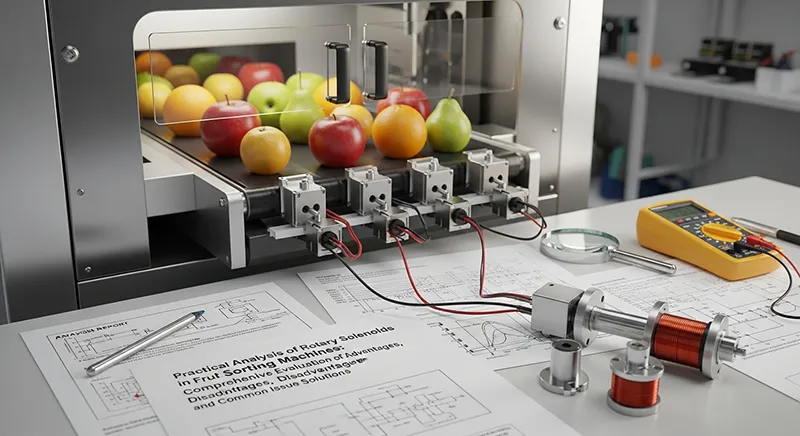
Chapter 6: Examination of Fundamental Strengths and Weaknesses
Rotary solenoid valves offer several key advantages in the context of slot machines.
Lightning-fast response: Millisecond-level latency is essential for the demands of high-speed gaming.
A compact and efficient design is achieved by using a direct rotational output, which removes the need for conversion processes, thereby reducing space.
The control is straightforward and dependable: it only needs to turn the power on and off. The drive circuit is uncomplicated, which contributes to its low failure rate.
Precise alignment is guaranteed; the mechanical stop device maintains a steady angle with every adjustment.
Low upkeep expenses are a definite plus. The modular architecture means swift replacements when something goes wrong.
Safety is paramount: The automatic reset feature, triggered by a power outage, complies with safety regulations for entertainment devices.
The short pulse operation mode keeps energy use in check, resulting in relatively low overall consumption.
The main limitations in applying this method are:
- Fixed rotation angle: This typically restricts you to pre-defined rotation angles, which can be a bit of a limitation.
- Maintaining the state demands a constant power source; it’s essential for keeping the non-reset status intact.
- The problem of temperature rise is important. Coils can overheat when used at high frequencies, which can affect how well they work and how long they last.
- The force of impact, created by quick spinning, puts a lot of stress on a structure’s strength.
- Mechanical shocks that occur during operation can create noise, which is a challenge for noise control.
- Environmental factors, such as dust and humidity, can potentially influence long-term reliability.
- The expense is rather steep. When stacked against straightforward mechanical designs, the price tag is elevated.
Chapter 7: Common problems and their solutions are often discussed.
Question 1: Rotation angles that don’t quite add up.
Several factors could be responsible: wear on the mechanical stop components, excessive play in the bearings, or an unstable driving voltage.
Replace the worn stop block. Adjust or replace the bearing as needed. Consider adding a voltage regulator circuit.
To keep things running smoothly, make sure to routinely verify the machine’s halting condition. Also, invest in top-notch bearings. Finally, a power supply stability circuit is a must.
Question 2: A slower response time.
Several factors could be responsible: coil aging, insufficient power supply capacity, or increased mechanical resistance.
Test the coil’s resistance, and if it’s failing, swap it out. Next, take a good look at the electrical system and make any necessary upgrades. Finally, give the mechanical components a thorough cleaning and lubrication.
To keep things running smoothly, make sure to routinely inspect the coil. Also, confirm that there’s enough power available. Finally, establish a consistent lubrication and maintenance schedule.
Question 3: The problem of overheating during frequent use
Several factors could be causing the problem: the operating frequency is too high, heat isn’t being dissipated well, or the surrounding temperature is too high.
To address the issue, we should refine the control program to minimize its operational frequency. Additionally, the heat dissipation design needs improvement, and forced air conditioning should be incorporated.
To prevent issues, the working frequency needs to be carefully chosen. Adequate space must be allocated for heat dissipation, and coil materials that can withstand high temperatures should be selected.
Excessive noise while operation is a problem.
Several factors could create this issue: insufficient protection from physical impact, improper installation, or structural resonance.
Add rubber buffer pads. Tighten the mounting nuts. Adjust the structural rigidity to prevent resonance.
Preventive measures: Incorporate buffer structures into the design; employ locking washers; and do structural modal analysis.
Question 4: Coil burnout fault
Several factors could be responsible: a long period of power, overly high voltage, or inadequate coil quality.
To improve the system, we should refine the control logic and carefully manage the energization duration. Overvoltage protection is also essential. Finally, we need to use coils that are both reliable and of excellent quality.
To mitigate risks, implement safeguards: limit the duration of power-on cycles; engineer circuits to guard against overvoltage; and create a robust supplier quality control system.
Question 5: Problems with resetting or an incomplete reset following a power outage.
Possible causes include the return spring wearing out, the shaft being stuck, or some kind of mechanical obstruction.
Replace the return spring. Then, clean and lubricate the shaft. Finally, inspect and modify the mechanical structure as needed.
To prevent issues, use top-notch spring materials. Regular cleaning and maintenance are also key. Finally, resist making changes during the design phase.
Electromagnetic interference (EMI) is a significant problem.
The potential causes include issues with the drive circuit design, poor grounding, and insufficient shielding.
To address the issues, we need refine the drive circuit’s arrangement. Next, we need to bolster the grounding system. Finally, let’s amp up the electromagnetic shielding.
To ensure electromagnetic compatibility, adhere to the relevant design criteria. A robust grounding system is essential, and shielded wires should be employed.
Chapter 7: Summary of Experiences and Best Practices
7.1 Crucial choices made throughout the design phase.
The design standard for torque margin is set between 1.3 and 1.5 times the actual torque needed.
Thermal design is critical; a good thermal solution is essential for applications that operate at high frequencies.
The redundancy design principle suggests implementing backup systems or redundant designs for essential functions.
7.2. Choosing and Buying Suggestions
Brand selection should focus on those with a proven track record in the entertainment equipment sector.
Certification is key: Make sure the product meets all necessary safety standards, such as UL and CE.
Before committing to a large order, thorough sample testing is a must.
7.3.Installation and commissioning criteria are essential.
Installation accuracy is paramount. Employ specialized fittings to guarantee the precise placement of components.
Log the debugging settings for every solenoid valve and store them.
Collaborative debugging involves mechanical, electrical, and software engineers working together during the debugging process.
7.4.The upkeep and servicing framework.
Establish a routine maintenance schedule, tailored to the frequency of operations.
Condition monitoring: Set up sensors to keep tabs on crucial metrics like temperature and current.
Spare parts management: Maintain a reasonable inventory of spare parts to reduce maintenance time.
7.5 Continuous improvement mechanism
Fault data analysis: Establish a fault database to analyze the root causes.
User feedback collection: Collect feedback from operators and players.
Technology update tracking: Stay informed about the latest developments in new technologies and upgrade as needed.
Chapter 8: Conclusion – Key Guarantees for the Reliability of Entertainment Equipment
In fruit sorting machines where reliability and response speed are extremely critical, rotary solenoid valves, with their unique performance advantages, have become a crucial drive component in mechatronic systems. Through scientific requirements analysis, reasonable selection and design, rigorous verification testing, and a comprehensive maintenance system, rotary solenoid valves can provide slot machines with stable, reliable, and efficient motion solutions.
As entertainment devices evolve towards greater intelligence and interactivity, rotary solenoid valve technology is also constantly innovating. In the future, a new generation of low-power, long-life, and more environmentally adaptable rotary solenoid valves will further drive the development of entertainment device technology. Proper application and careful maintenance of rotary solenoid valve systems can not only improve device reliability and player experience but also create sustainable value for operators in a highly competitive market.
