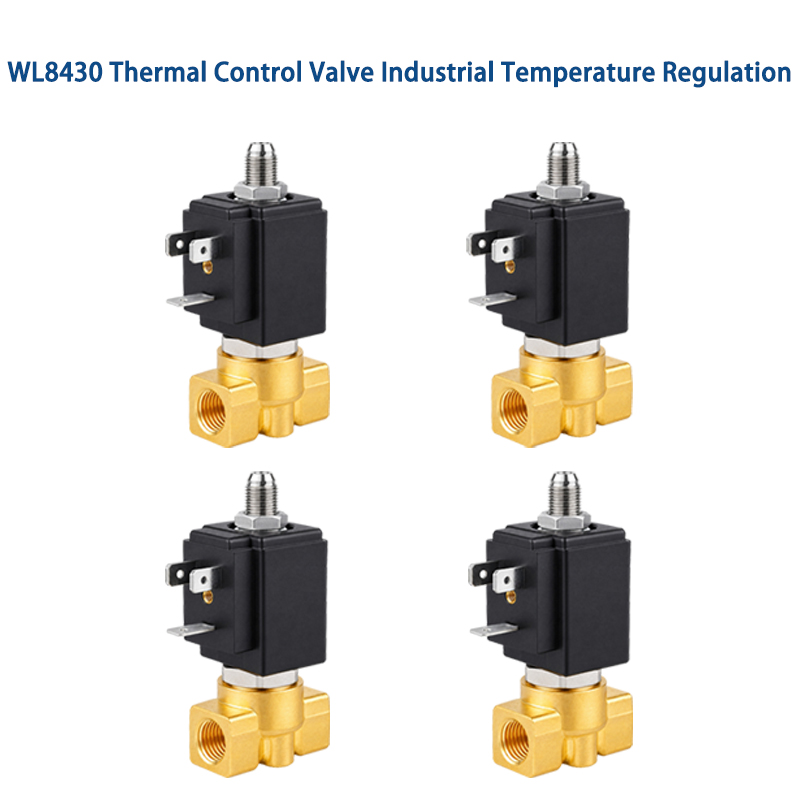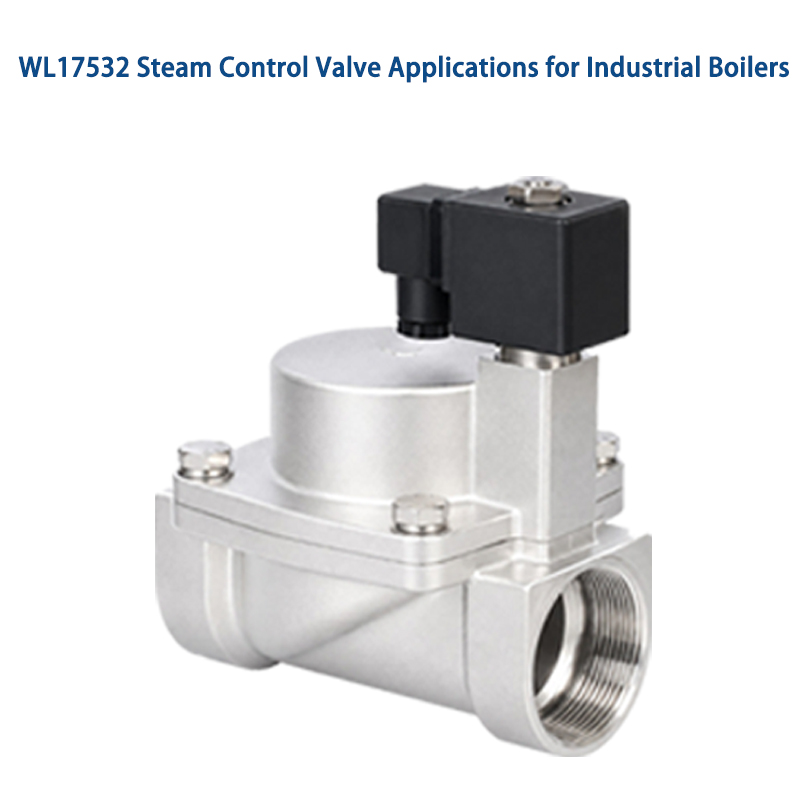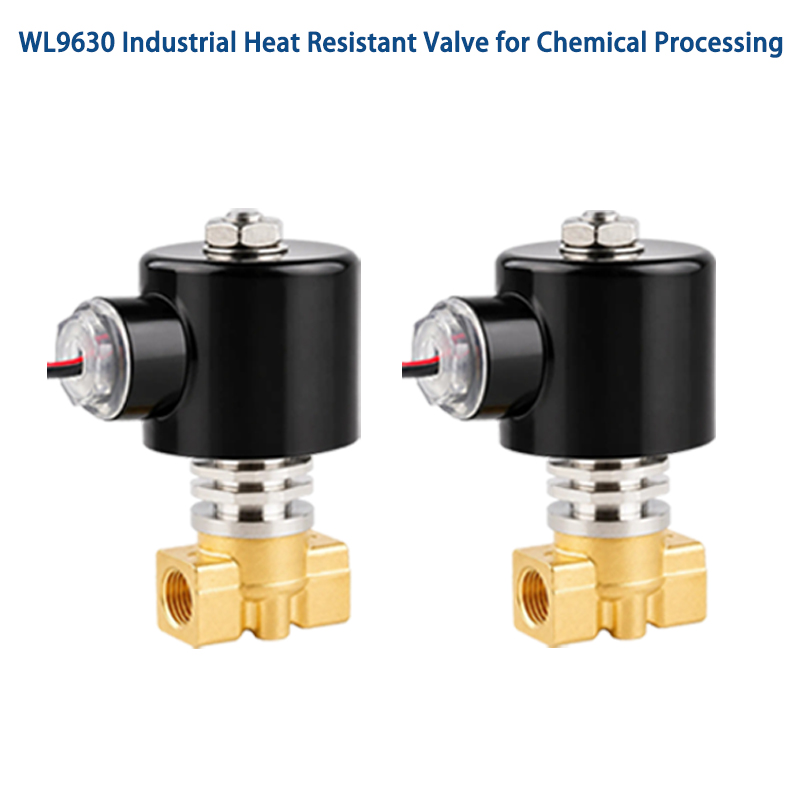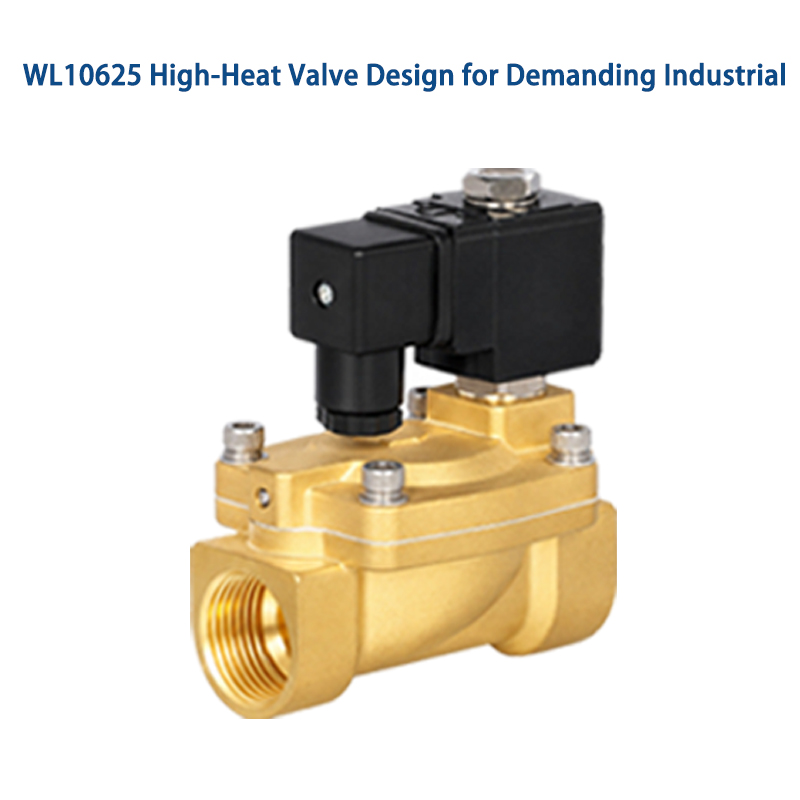
이미지 슬라이더 건너뛰기
Reliable Heat-Resistant Solenoid Valve for Industry
열 장비용 내열 솔레노이드 밸브
High Temperature Solenoid Valve for OEM Equipment
Heat-Resistant Solenoid Valve for Chemical Systems
Heat-Resistant Solenoid Valve for Fluid Automation
High Temperature Solenoid Valve for Process Control

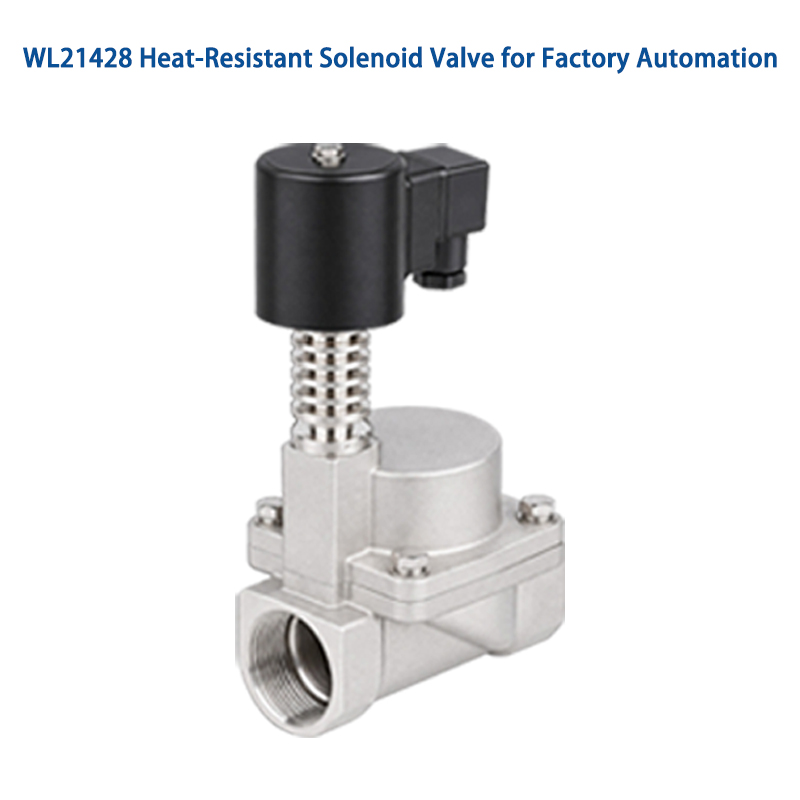
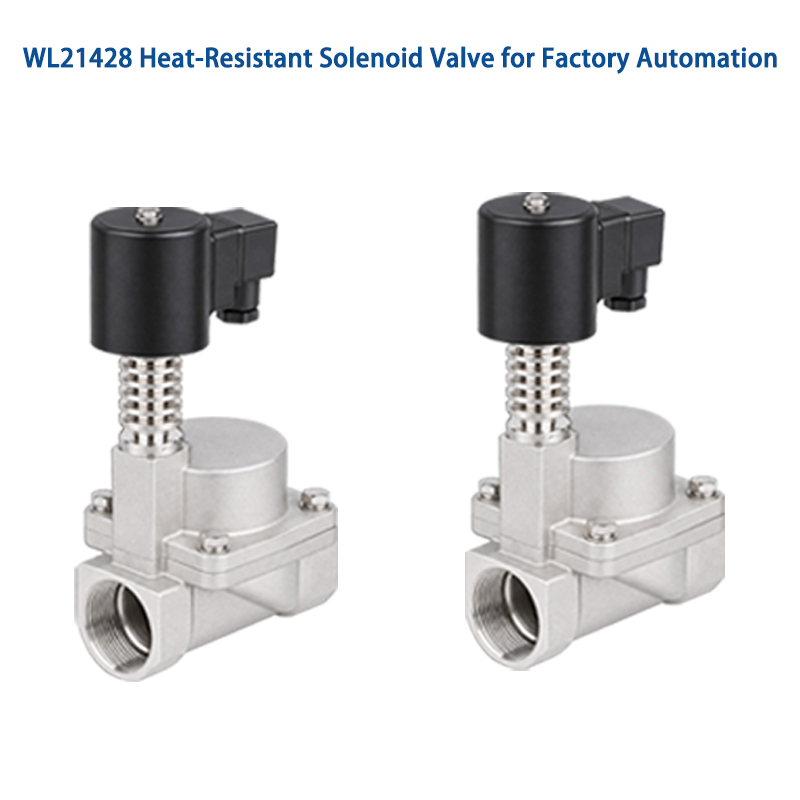
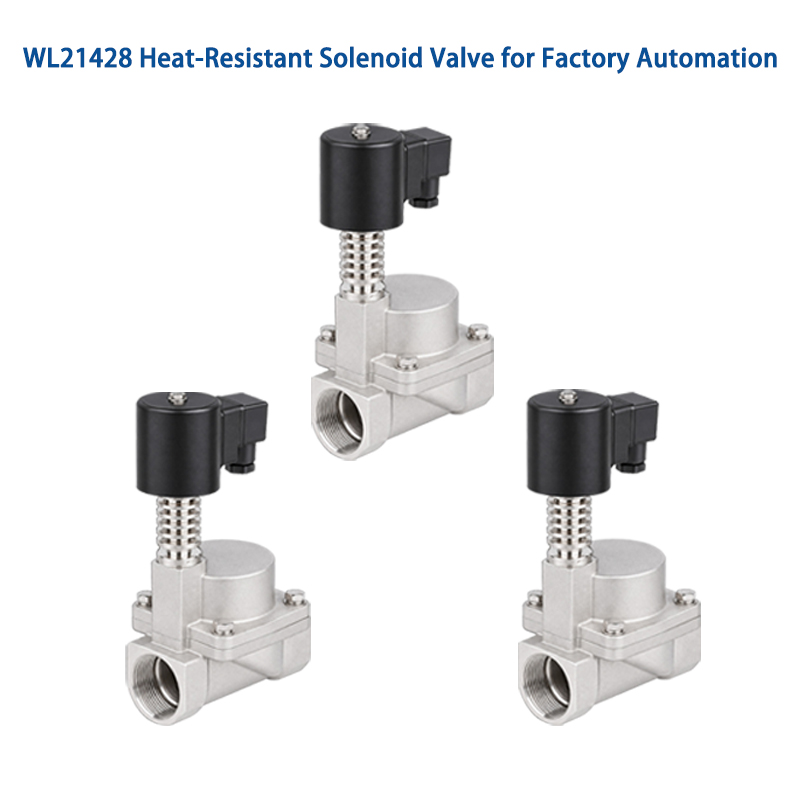
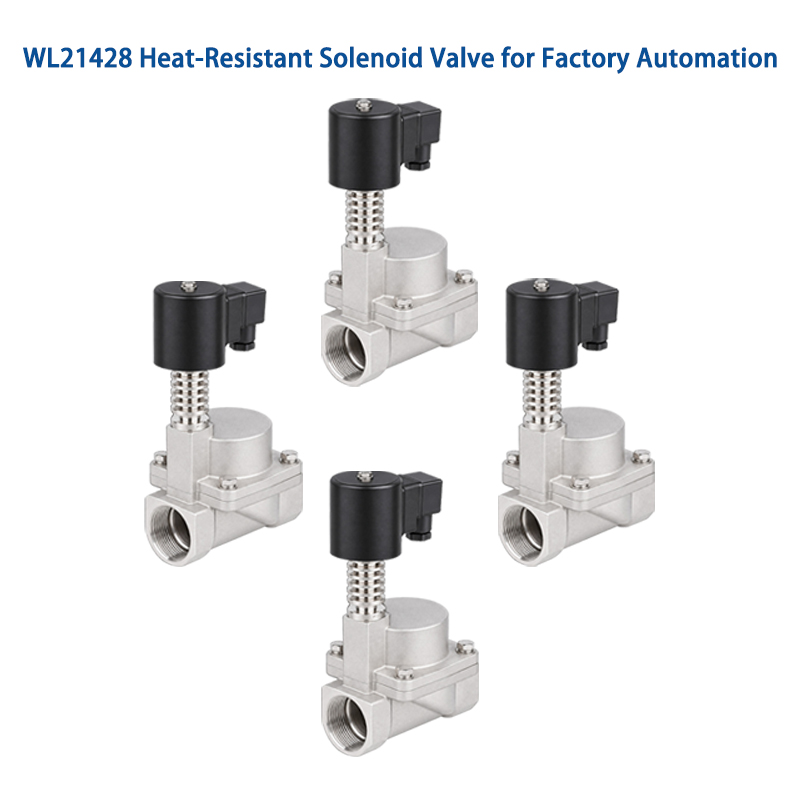
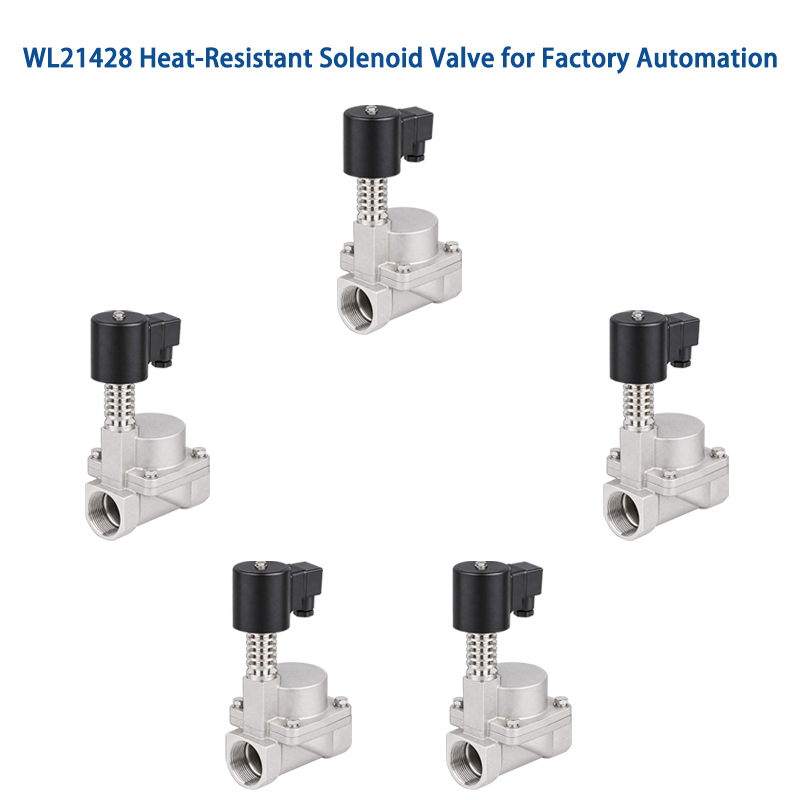
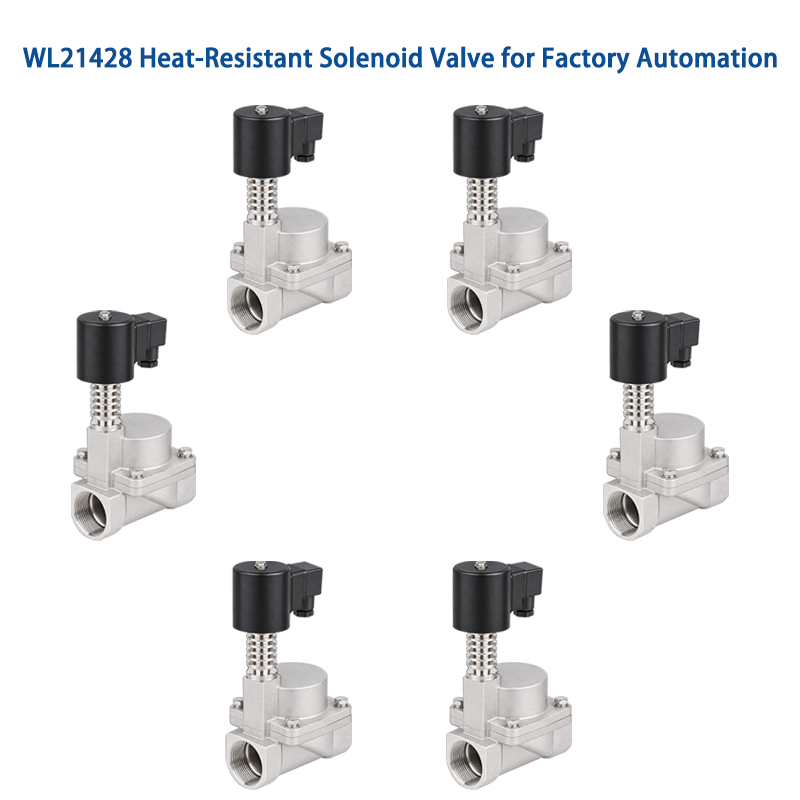
WL21428 내열 솔레노이드 밸브 (공정 장비용)

A heat-resistant solenoid valve is a valve driven by electricity that controls liquid or gas flow in the systems with elevated temperature. Such valve is used in heating equipment, in steam systems, hot water circulation, thermal processing equipment, chemical production, and manufacturing processes control. According to application, the valve is provided with heat-resistant coil, heat-resistant sealing material, corrosion-resistant body, and other heat-insulating elements. Applying electrical impulse to the coil, valve mechanism shifts the position and opens or closes the flow passage. This operation can be automated. The valve selection includes the evaluation of the maximum operating temperature, pressure, media, connection size, voltage, duty cycle, and flow rate. Properly selected heat-resistant solenoid valve will help to reach more consistency of process, save the labor, and ensure the correct functioning of the system.

Heat-Resistant Solenoid Valve Description

What is a heat-resistant solenoid valve?

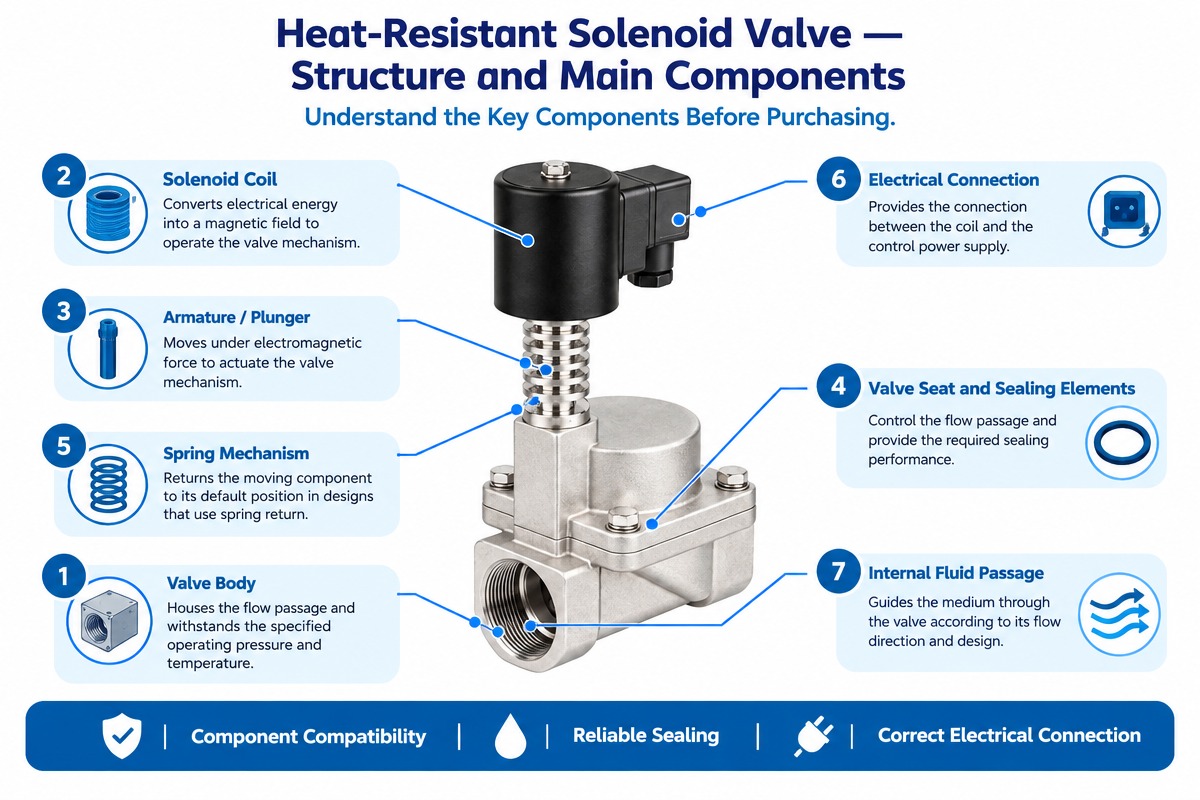
A heat-resistant solenoid valve is a special type of solenoid valve that operates in the systems with elevated temperature. Electromagnetic coil of such valve is driven by electricity and shifts the plunger or other internal valve mechanism opening or closing the flow passage. The specific construction of the valve allows to operate the valve within its temperature rating. Such valves are widely used in industrial boilers, heating equipment, in steam systems, thermal processing equipment, manufacturing automation. Performance of the valve depends on the medium, pressure, temperature, voltage, and the valve itself. The selection of the appropriate valve will ensure the proper functioning of the process.

How does a heat-resistant solenoid valve work?

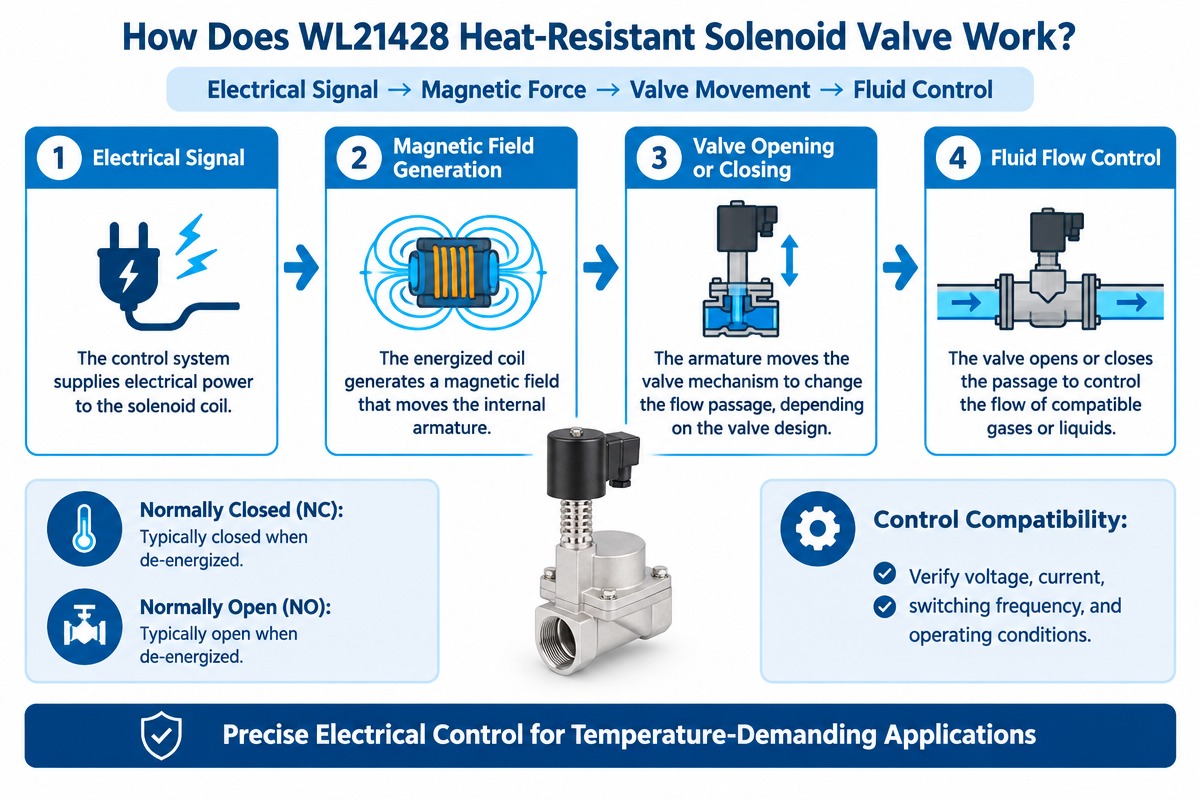
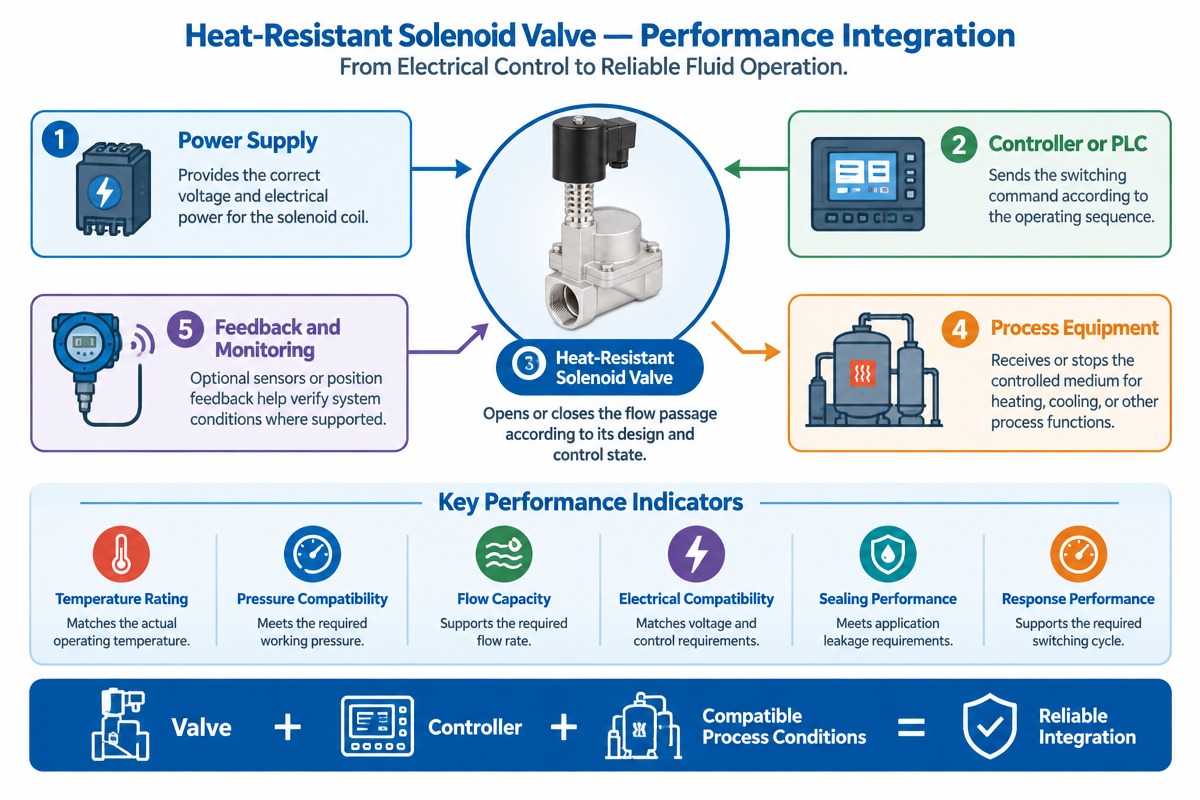
The heat-resistant solenoid valve works according to the principle of electromagnetic attraction. After applying the electrical impulse to the coil, the electromagnetic field shifts the valve plunger or other internal element. As a result, the position of the valve sealing element shifts and the flow is opened or stopped.

Depending on the design, the valve may be normally closed, normally open, or have any other switching. When the electrical impulse is removed, the valve returns to its default position with the help of the spring or other mechanism.

Specific construction of the valve allows to resist the elevated temperature that occurs during operation. However, the valve has to be selected according to its temperature limits. The temperature rating of the coil may be different from the temperature rating of the fluid, therefore, both should be checked. Other factors influencing the performance of the valve are voltage, pressure, direction of the flow, and installation.

Heat-Resistant Solenoid Valve Video

Heat-Resistant Solenoid Valve Detail Display

Heat-Resistant Solenoid Valve Data Sheet

브랜드 웨이롱 모델 번호 WL21428
정격 전압 (V) DC12V 또는 24V 정격 전력 (W) 7.2W
작업 모드 공기 또는 액체 제어 밸브 사용 압력(MPa) 1600 kPa
공기 흐름 속도 0리터/분 재설정 시간(들) 0.25초 켜짐, 0.25초 꺼짐
서비스 라이프 200만 번 인증 CE, ROHS, ISO9001,
파이프 게이트  내부: 2.8mm 리드선 길이(mm) 214 MM
스타일 설치 나사 치수 허용 오차 ± 0.1 MM
방수 없음 절연 클래스 B
하이포트 테스트 교류 600V 50/60Hz 2초 비여기 유지력 0
작동 온도 -30 C-1200 ° C ~ 듀티 사이클 1-100%
나사산 깊이(mm) / 지불 기간 TT 또는 LC At Sight
샘플 주문 예. 품질 보증 1 년도
MOQ 1000의 개 공급 능력 주당 5000개
배송시간 30일 로드 포트 Shenzhen

Why are heat-resistant solenoid valves becoming so popular?

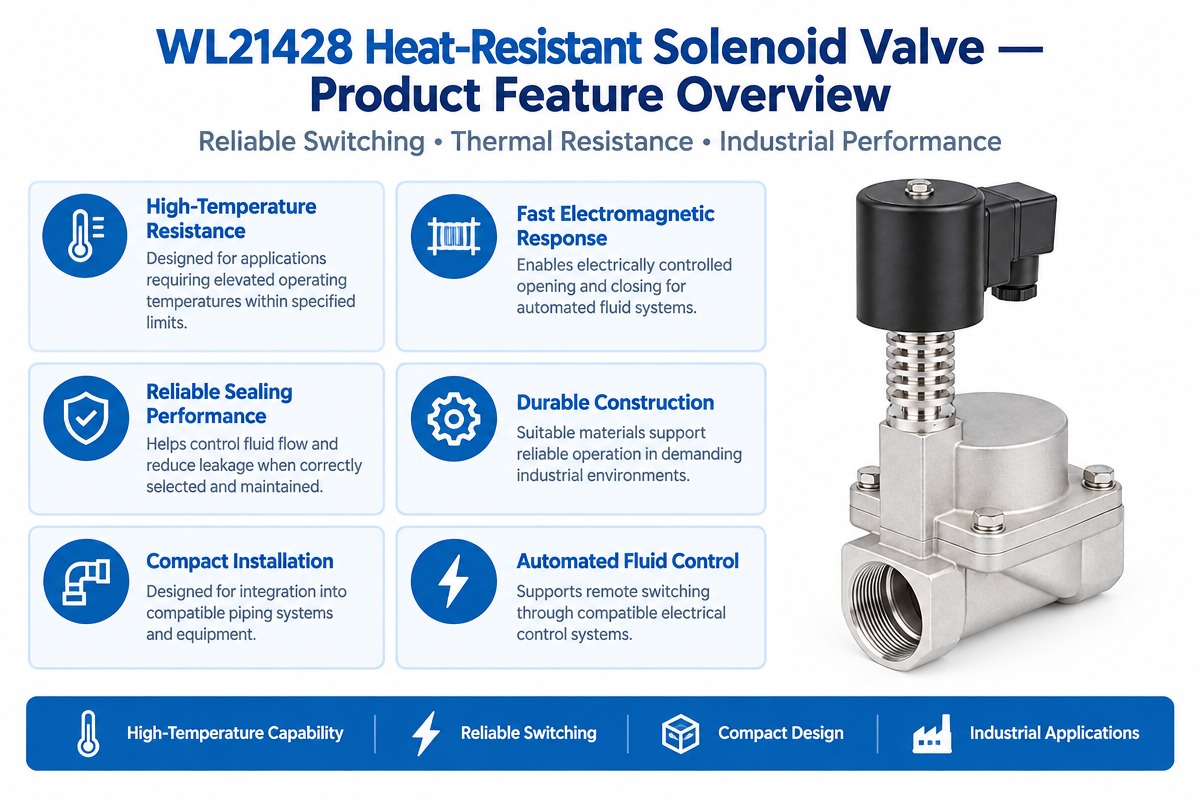
The popularity of the heat-resistant solenoid valves increases due to the growing demand for the automated control of the equipment under elevated temperature. Heating systems, manufacturing plants, food-processing equipment, chemical plants, energy applications, and others require the valves that will be able to switch the flow without exposing the ordinary parts to the temperature that exceeds their rating.

Automation is one of the reasons. Electromagnetic actuation allows to react to the controller, sensors, timer and safety system and to reduce the manual actions and to provide repeatable control sequence.

Specific materials allow to increase the durability. The temperature-insulated coil, heat-resistant seals and special metal body allow the appropriate valves to work in the application where the standard valves will degrade much faster.

Compact design allows to integrate the valve into the equipment. The solenoid valve can be integrated into the automated machinery, heating systems, and OEM products.

Consistency of the process is the next advantage. Electromagnetic switching allows to control the heating cycles, fluid delivery, and equipment sequence. If selected properly, the valves allow to provide more predictable operating conditions.

Growing demand for customization is another reason. Now the buyers evaluate the temperature range, pressure, fluid compatibility, voltage, connections and installation in addition to the valve.

However, the popularity does not mean that every heat-resistant solenoid valve is good for every application under elevated temperature. The steam, thermal oil, corrosive chemicals, and hot water have different material and performance requirements. Engineers have to carefully evaluate the rating and safety requirements of the products.

Heat-Resistant Solenoid Valve Applications

High Heat Solenoid Valve for Industrial Applications

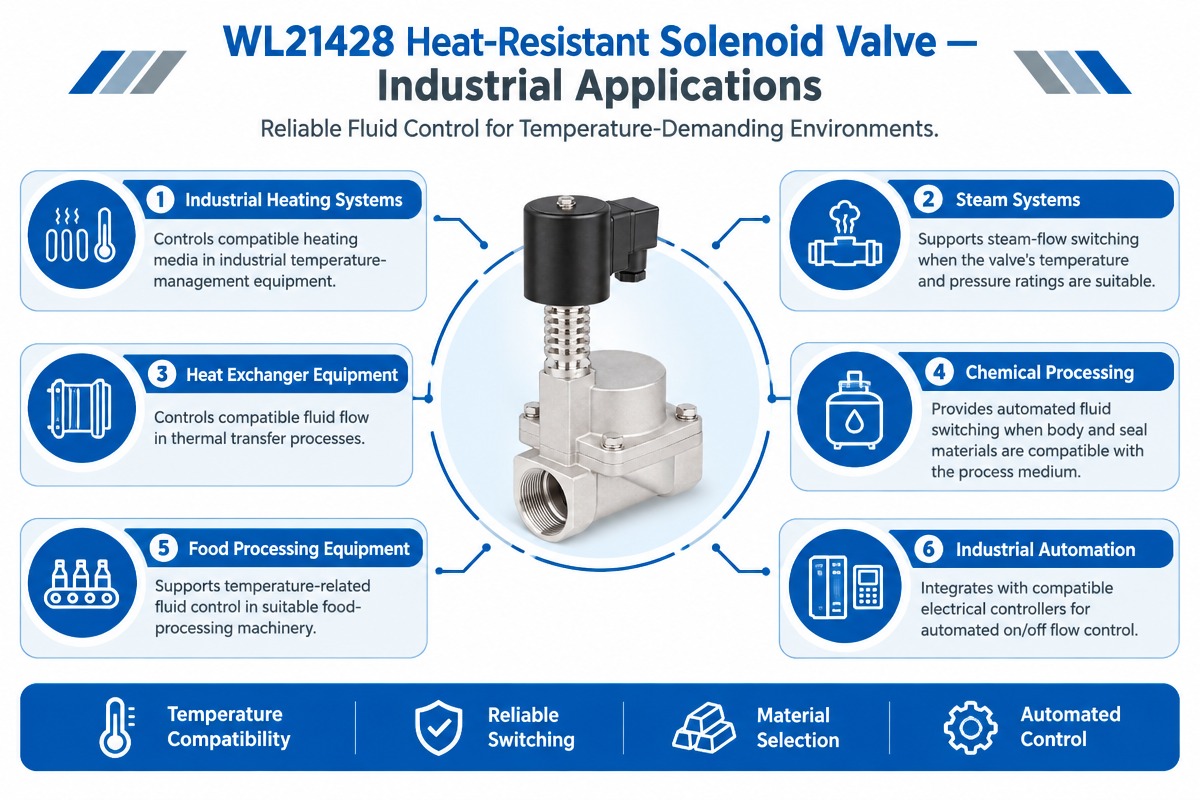
The heat-resistant solenoid valves are used in different industries where there is a need for an automated control of the fluid flow at elevated temperature. Applicability of the valve depends on the rating of the valve in terms of temperature, pressure, seals and compatibility with the media.

Industrial heating systems: the valves control the hot water and heat transfer fluid in heating equipment, temperature control systems and industrial circulation systems.

Steam equipment: the special purpose valves control the steam flow in process equipment, sterilization systems, and other industrial heating applications. The steam application requires more attention to pressure, temperature, condensate and seal compatibility.

Chemical processes: compatible valves control the heated chemicals in the manufacturing processes. The body and seals materials should be able to withstand the chemical composition and conditions of operation.

Food and beverages processing: appropriate valves control the hot water and other compatible process fluids in heating, cleaning, and production equipment. The hygienic design and other industry requirements should be considered.

Plastic and rubber manufacturing: the valves control the heating media in the molding machines, thermal equipment and manufacturing processes where the temperature control is required.

Energy and power equipment: appropriate valves control the fluid flow in the auxiliary heating and thermal processing equipment.

OEM machinery and automation: the manufacturers of the equipment use the heat-resistant solenoid valves in special machinery and automation fluid circuits.

Laboratory and testing equipment: compatible valves control the heated fluids in the test rigs and research equipment.

In every application, check the temperature and pressure limits, media compatibility, voltage, flow requirements, and installation conditions before selecting a valve.

Heat-Resistant Solenoid Valve Adv. & Disadv

Advantages and disadvantages of heat-resistant solenoid valves

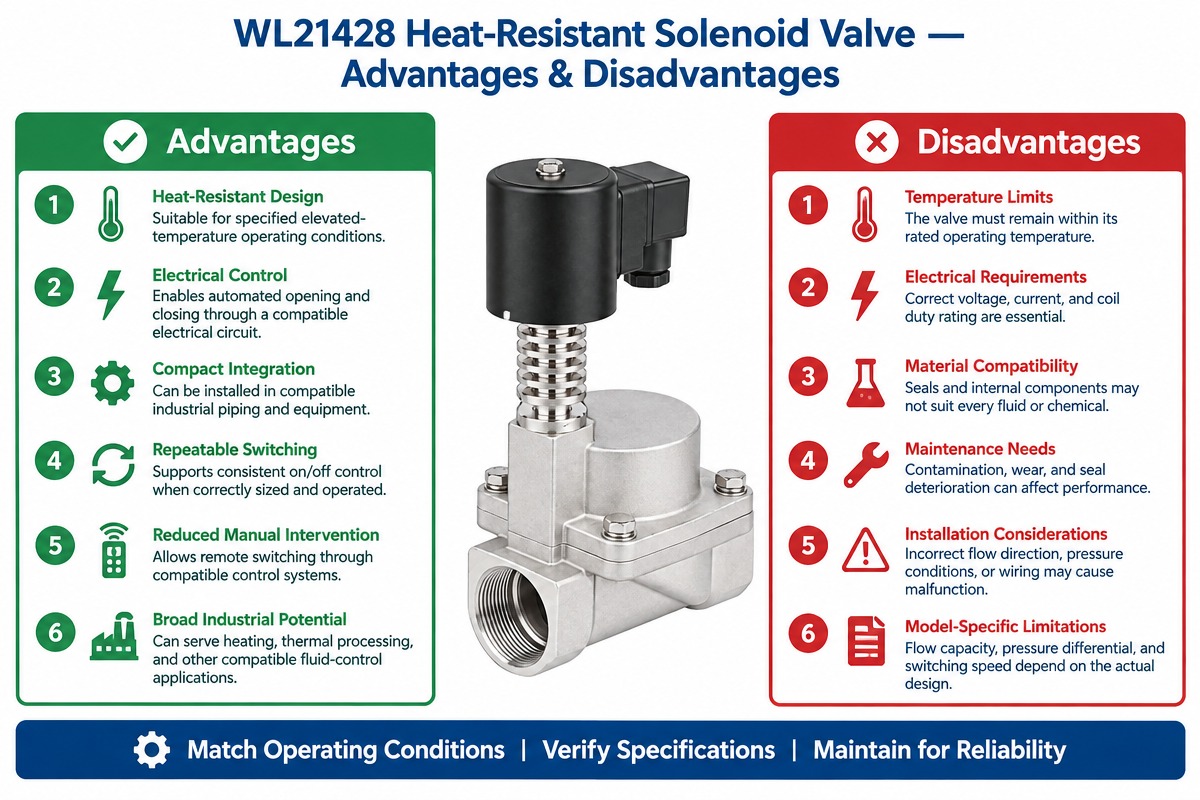
The heat-resistant solenoid valves are advantageous in the industrial systems, but their disadvantages have to be known for the product selection and equipment design.

장점

1.Elevated temperature capability: special materials allow to operate the valve within the specified temperature limits that the standard valve cannot operate.

2.Automation: the electromagnetic actuation allows to control the valve using the controllers, sensors, and programmable systems.

3.Compact design: the valves can be installed in the equipment with the limited space.

4.Repeatable operation: the appropriately selected valve provides consistent on-off control, allowing to automate the control sequence.

5.Reduction of the manual actions: electromagnetic control reduces the necessity of manual adjustment of the valve.

6.Flexibility: various body materials, seals, voltages and connections meet various industrial needs.

단점

1.Increased initial price: special insulation of the coil and seals increases the price compared to the standard valve.

2.Limitations of the applications: each valve has specific limitations in terms of temperature, pressure, and media compatibility. The high-temperature rating does not mean the suitability for the certain fluid.

3.Dependence on electricity: the electric actuation requires the power source and control method.

4.Deterioration of the seals: thermal exposure, chemical attack, and thermal cycling deteriorate the sealing properties.

5.Maintenance: contamination, scaling, wear, and overheating may influence on the operation and require maintenance.

6.Sizing mistakes: improper sizing leads to improper flow and pressure performance.

High Temperature Solenoid Valve for Fluid Equipment

Troubleshooting a heat-resistant solenoid valve

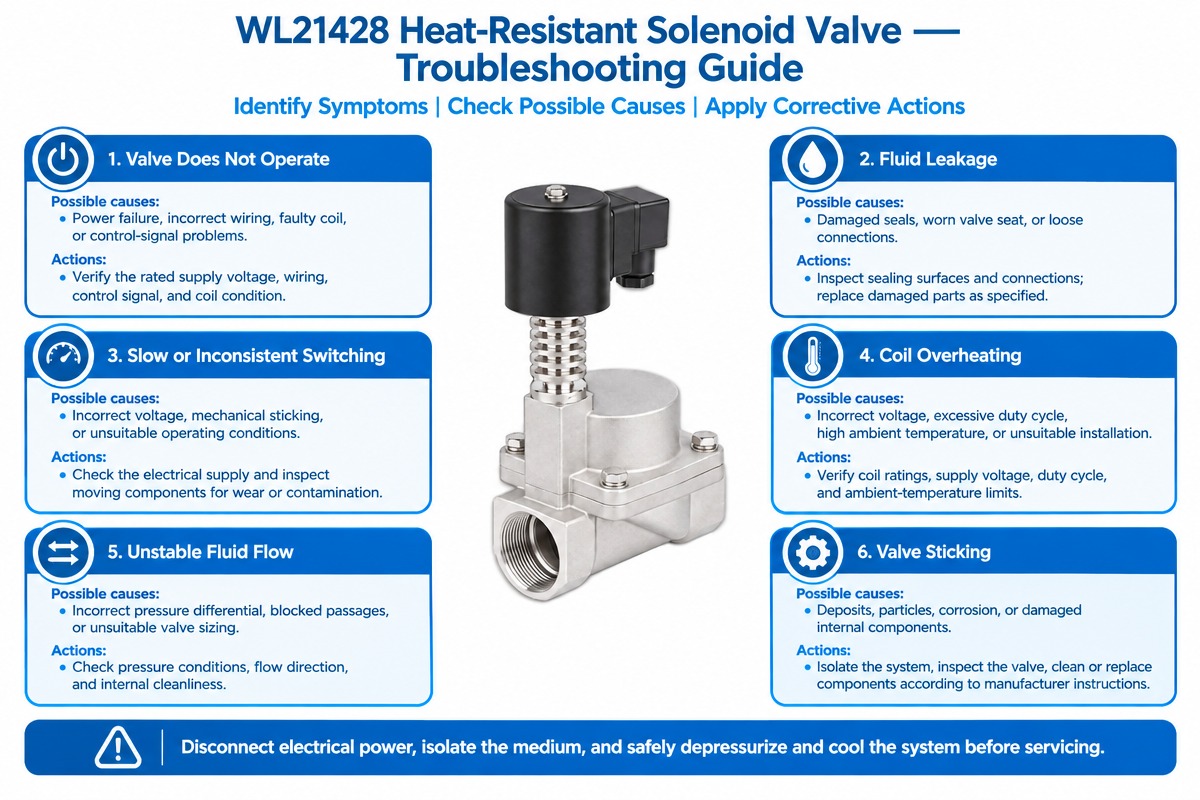
The heat-resistant solenoid valves may face problems due to the electrical faults, excessive temperatures, contamination, pressure conditions or wear. Use the following troubleshooting to identify possible issues.

1.The valve does not open: check the power source, voltage rating, wiring, connections, control signal. Check the coil for the damages and ensure that the operating pressure meets the valve rating.

2.The valve does not close: the debris can block the valve sealing surface or the internal parts are worn. Isolate the system safely before inspection for contamination and mechanical damage.

3.The coil overheats: check the voltage, duty cycle, ambient and coil temperature ratings. Check the contribution to overheating of the neighboring equipment or lack of heat dissipation.

4.Fluid leakage occurs: inspect the seals, seating surface, and connections for wear, damage, and incorrect installation. Ensure that the selected seals are compatible with the media and temperature.

5.Flow is insufficient: inspect the blocked filters, restricted ports, incorrect flow direction, low pressure differential, or undersized valve.

6.The valve works intermittently: examine the loose electrical connections, unstable voltage, overheating, control signal interruptions.

7.Excessive noise or vibration occur: check mounting stability, pressure fluctuations, water hammer and conditions outside the manufacturer’s specification.

Before the service, disconnect the electrical power supply and isolate, depressurize and cool the system. Do not remove the valve from hot or pressurized system. Replace the damaged parts with the appropriate ones, then perform the appropriate tests for leaks and functional checks.

FAQ

1. What is a heat resistant solenoid valve?

The heat resistant solenoid valve is a solenoid actuated valve electrically. It is used to control the flow of liquid or gas at high temperature. Inner mechanical assembly of the valve is actuated by an electromagnet and controls a passage of the flow through the valve. The valve is suitable for hot water, steam, thermal equipment and other industrial fluids at certain temperatures and pressures (depending on the model).

2 . What is the max temperature of the heat resistant solenoid valve ?

Maximum possible temperature of solenoid valve depends on construction, insulation of coil, sealing materials and construction of valve body. There are models which work at moderately high temperatures but there are special ones for still higher temperatures. It is important to know the maximum temperature of the fluid and ambient temperature from the manufacturer.

3. What fluids can be controlled by the heat resistant solenoid valve?

It controls hot water, steam, thermal oil, compressed air and other industrial liquids or gasses depending on the valve design and specifications. Especially in the case of corrosive substances, the fluid compatibility is a very important parameter. In any case, it is necessary to find out the valve specs.

4. What is the material of heat resistant solenoid valve?

The most commonly used materials are valve body stainless steel or brass, seals made of heat resistant elastomer or specially designed polymers, internal metal parts of the valve, and heat resistant coil insulation. The right choice of materials depends on the fluid, temperature and pressure conditions and on the corrosion requirements. If needed, material specifications are available from the manufacturer upon buyer request.

5. How to choose a heat resistant solenoid valve?

For you to select the right valve you need to know the operating conditions temperature and pressure, fluid type, required flow rate, ports size, voltage and duty cycle. The type of solenoid valve, normally closed or normally open, is to be determined. Also it is necessary to know minimum pressure difference, a standard of connection and compatibility of sealing material. The technical datasheet of the manufacturer helps to select the correct choice.

6. What is the main application of heat resistant solenoid valve?

It is widely used in industrial heating systems, in steam equipment, boilers, chemical processing, in thermal circulation systems, in plastic molding machines and in automated production lines. The heat resistant solenoid valve is helpful when there is a requirement for fluid switching and electrical control of the process in high temperature conditions.

7. What are the main problems of the heat resistant solenoid valve?

Overheating of the coil. Inability to open or to close. Leakage of the fluid. Insufficient flow. Electrical problems. Contamination of internal parts. The problems may be caused by wrong voltage, wrong seals, too high temperature, wrong pressure conditions, lack of filtration. Proper installation and periodic inspection can prevent some failures.

8. How to prolong the service life of heat resistant solenoid valve?

It is necessary to use the valve which fits the real operating conditions, to install it according to the instructions of the manufacturer and to maintain the recommended electrical and pressure conditions. Filtration may be required and seals and electrical connections should be checked at regular intervals. Operation of the valve above the rated temperature should be avoided.

How to select a heat-resistant solenoid valve

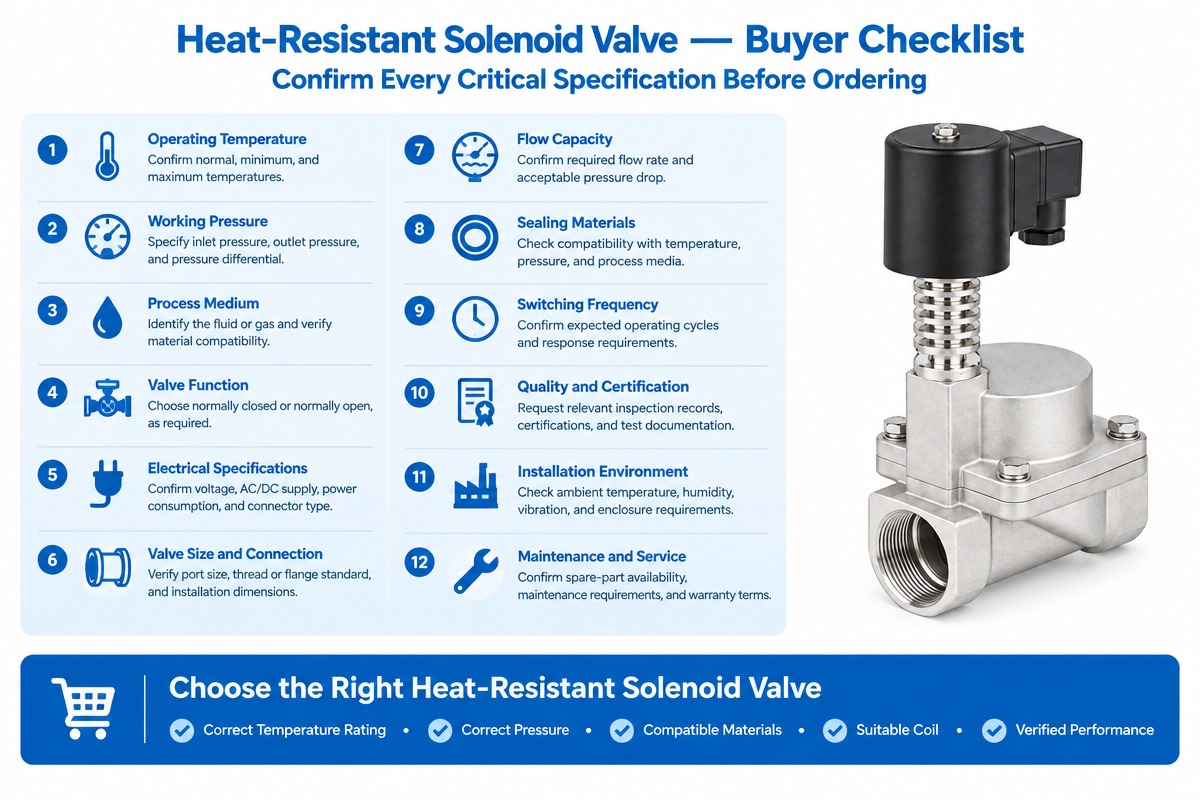
Selection of the heat-resistant solenoid valve implies a systematic evaluation of the operating conditions, media compatibility, and control. The following characteristics will help engineers to select an appropriate valve.

1.Determine the maximum operating temperature.

Check the normal, maximum, and peak temperature of the controlled medium and ambient environment. Find out the individual temperature rating of the valve body, seals, coil, and insulation. Do not assume that all the hot water valves can be used for steam.

2.Establish the operating medium.

Decide whether the valve will work with the water, steam, thermal oil, chemicals, compressed air, or some other fluid. Check the compatibility of the body, seals, spring, and internal parts with the medium in elevated temperature.

3.Confirm the operating pressure.

Check the minimum and maximum inlet pressure, outlet pressure, and pressure differential. The valve may be either direct-acting or pilot-operated, therefore select a valve that will work at the full range of the pressure.

4.Calculate the required flow rate.

Establish the expected flow rate, pipe size, and allowable pressure drop. Select the valve with the appropriate flow coefficient and port size. Otherwise, you risk to have the too small or too large valve that will not work properly.

5.Make sure that the electrical specifications match.

Verify the required AC or DC voltage, power consumption, type of the connector, insulation, duty cycle, and environmental protection rating. Be sure that the coil can withstand the actual ambient temperature and conditions of constant energization.

6.Select the right configuration of the valve.

Choose the normally closed or normally open operation depending on the control sequence and the valve behavior in case of loss of power. Also, check flow direction, mounting, and response of the valve.

7.Evaluate installation and maintenance.

Check the connection standards, installation space, accessibility, filter requirements, and part availability. Consider the installation insulation or heat shield possibility.

8.Verify safety and technical documentation.

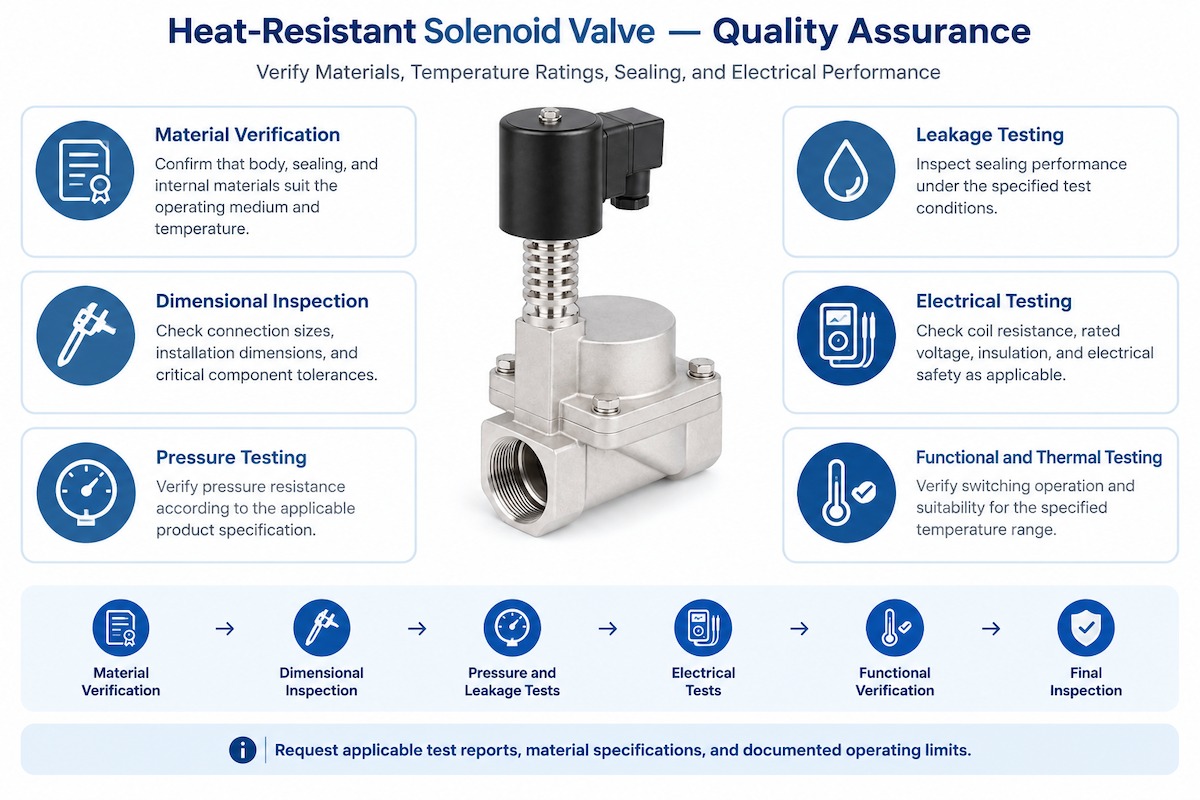
Obtain the dimensional drawing, performance curves, material specifications, temperature and pressure ratings, and compliance documentation. In critical systems, also consider the maximum leak rate and the consequences of the valve failure.

Finally, test the selected valve under operating conditions. This will help to ensure the proper operation of the valve.

Tips to avoid common mistakes during heat-resistant solenoid valve design

The design of the heat-resistant solenoid valve is much more complicated than just choosing a valve with the high-temperature coil. There are several common mistakes that can result in the valve leakage, overheating, rapid wear, or malfunction.

Ignoring temperature differences: check both media and ambient temperature limits. The heat produced by the other equipment may lead to the overheating of the coil exceeding its limits.

Choosing inappropriate seals: standard elastomers harden, swell, deform or become less elastic at elevated temperature.

Not paying attention to thermal expansion: the materials expand at different rates and clearances, alignment, sealing compression and other dimensions change during heating and cooling.

Underestimating coil insulation: select the coil insulation and winding rated for the expected electrical and thermal conditions. Consider the conditions of the constant energization of the coil rather than short-term tests.

Improper actuation design: decide whether the valve is direct-acting or pilot-operated and confirm its minimum differential pressure. Pilot-operated valve may not work properly under other operating conditions.

Making mistake with flow capacity: calculate the flow and pressure drop, do not just choose a valve by its pipe diameter.

Not checking chemical compatibility: check whether the body, seals, springs, and internal moving parts are compatible with the medium.

Overlooking the electrical protection: choose the appropriate connector, insulation, grounding, and enclosure protection.

Not considering the valve maintenance: think about the deposits, scaling, contamination, seal replacement, and coil accessibility at the design stage.

Skipping validation testing: test leakage, switching response, temperature increase, pressure and endurance.

The thorough design process includes the analysis of the thermal conditions, material selection, electrical engineering, calculation of the flow and valve validation.

지금 무료 견적 받기

문의 양식

관련 상품

관련 뉴스

위쪽으로 스크롤

지금 무료 견적을 받으세요!

문의 양식
질문이 있으시면 주저하지 마시고 저희에게 연락해 주십시오.
웨이롱 솔레노이드 회사 문화