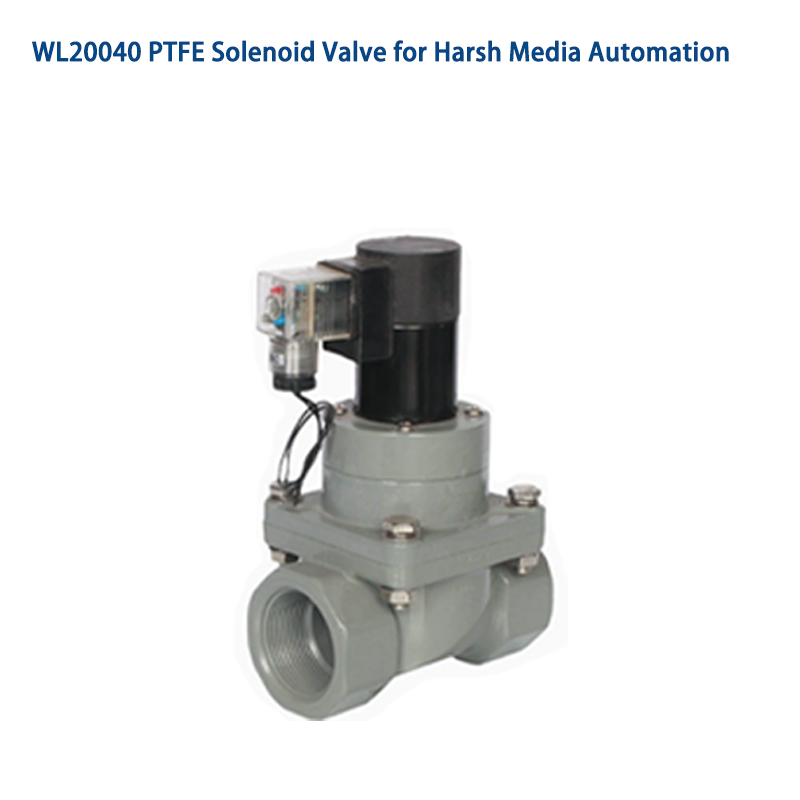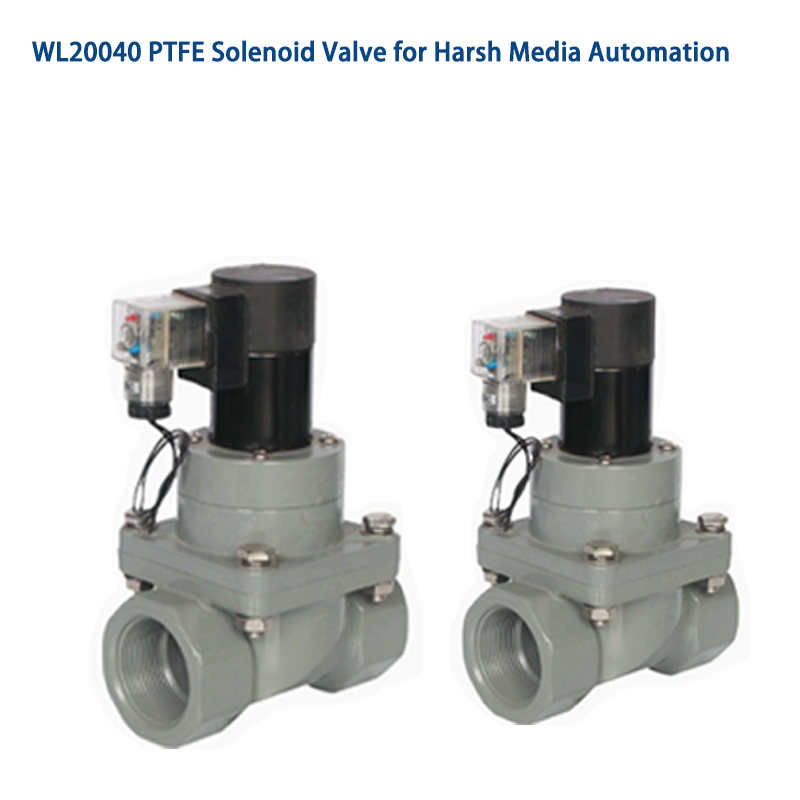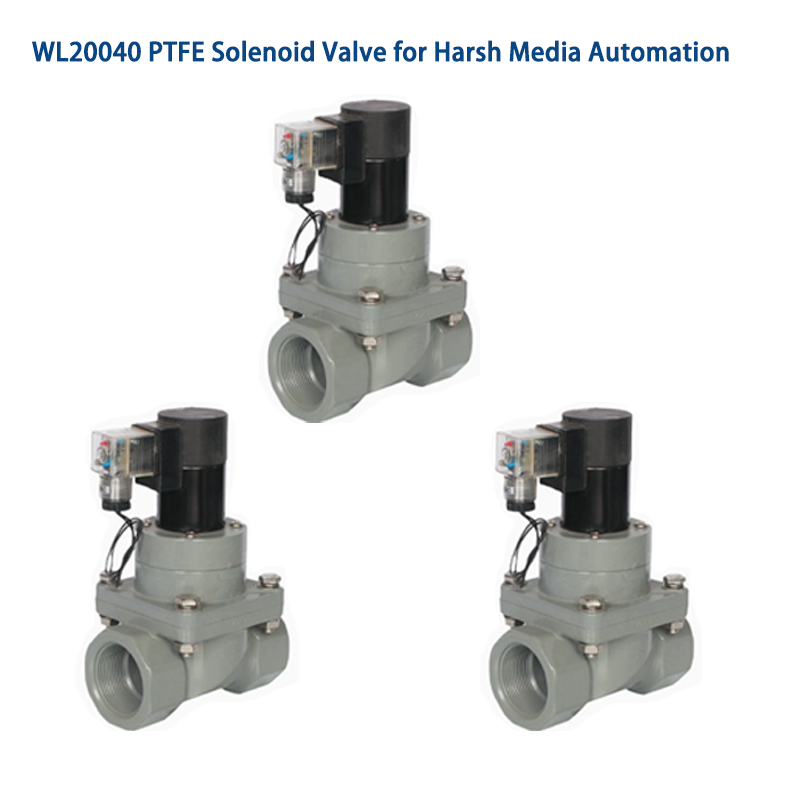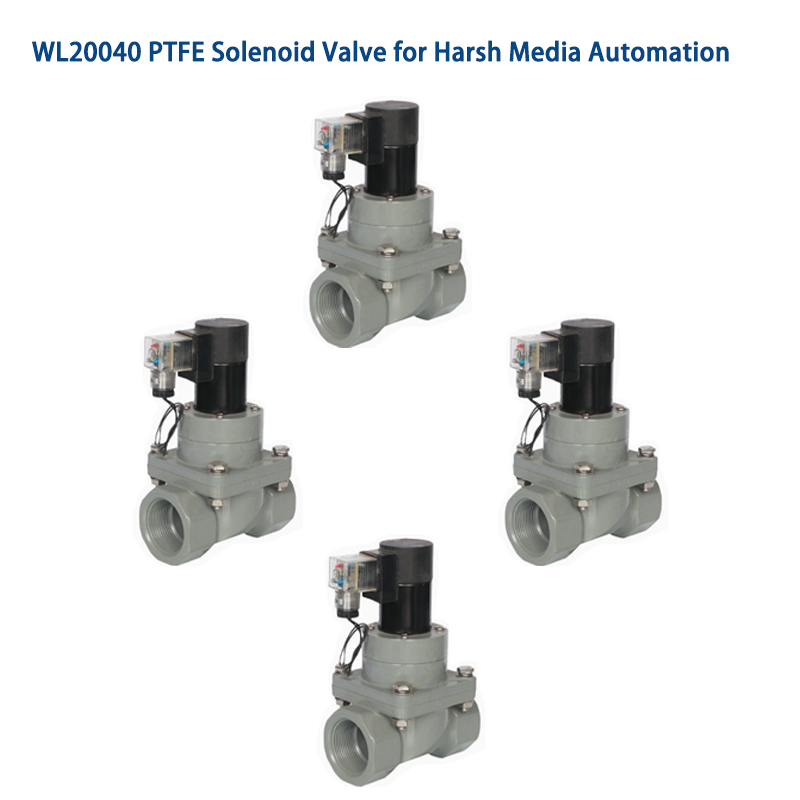
Advantages and Disadvantages of PTFE Solenoid Valve
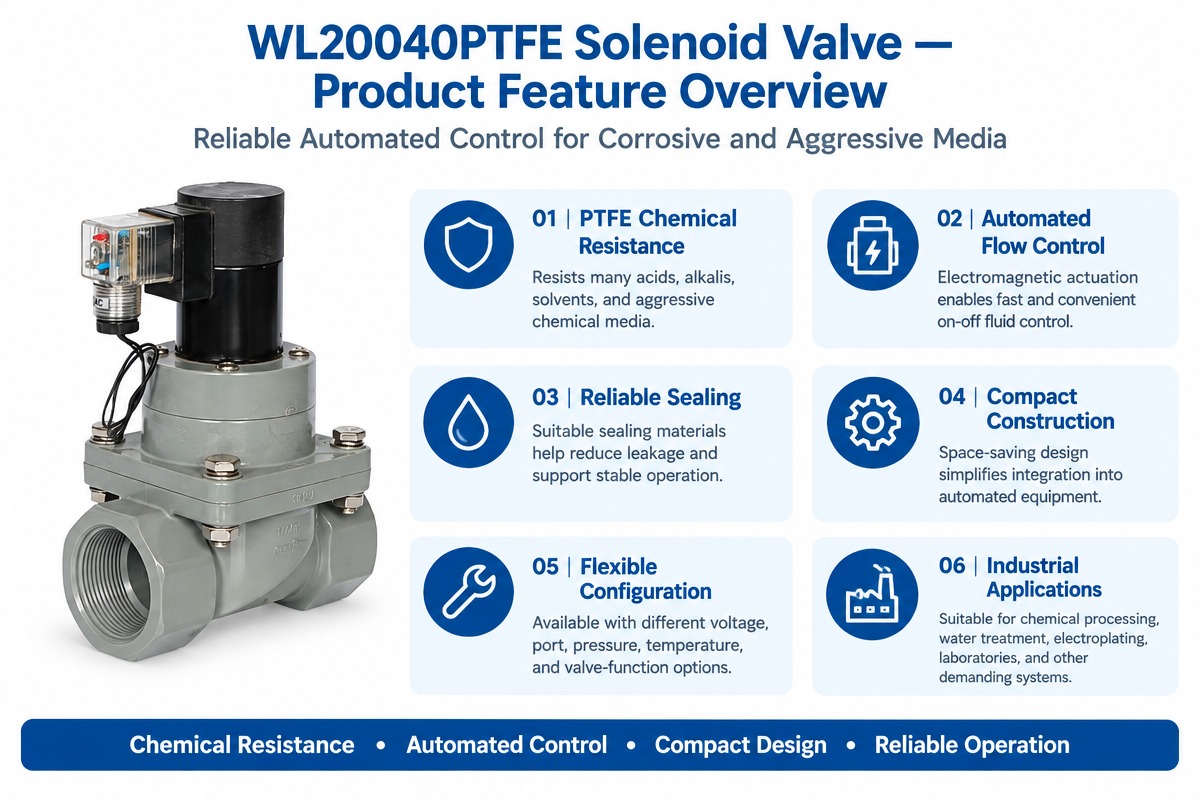
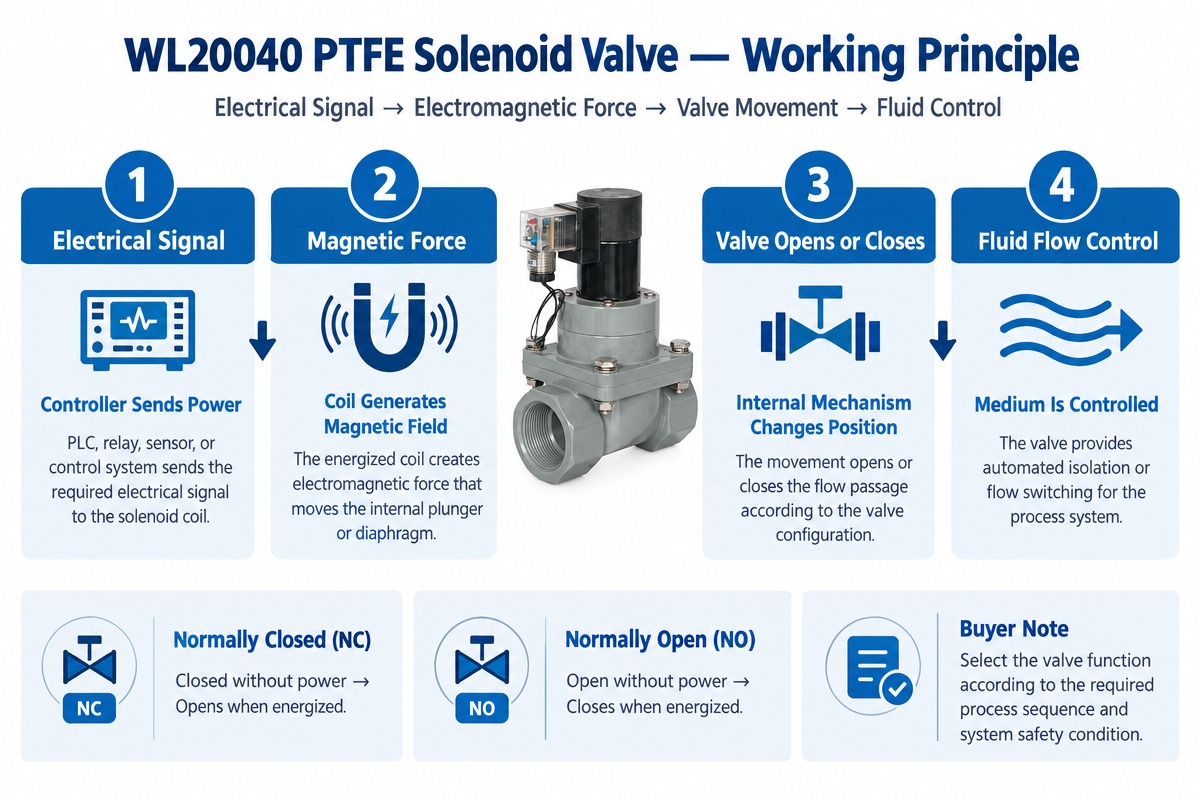
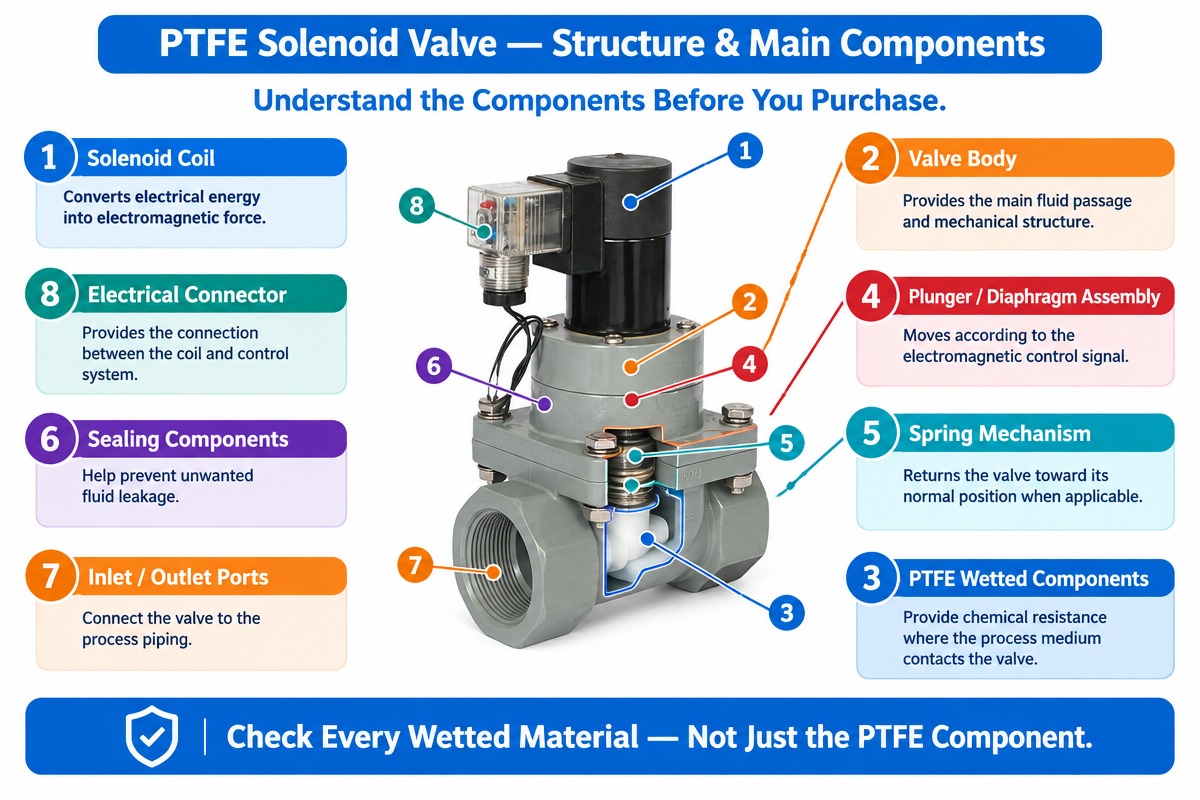
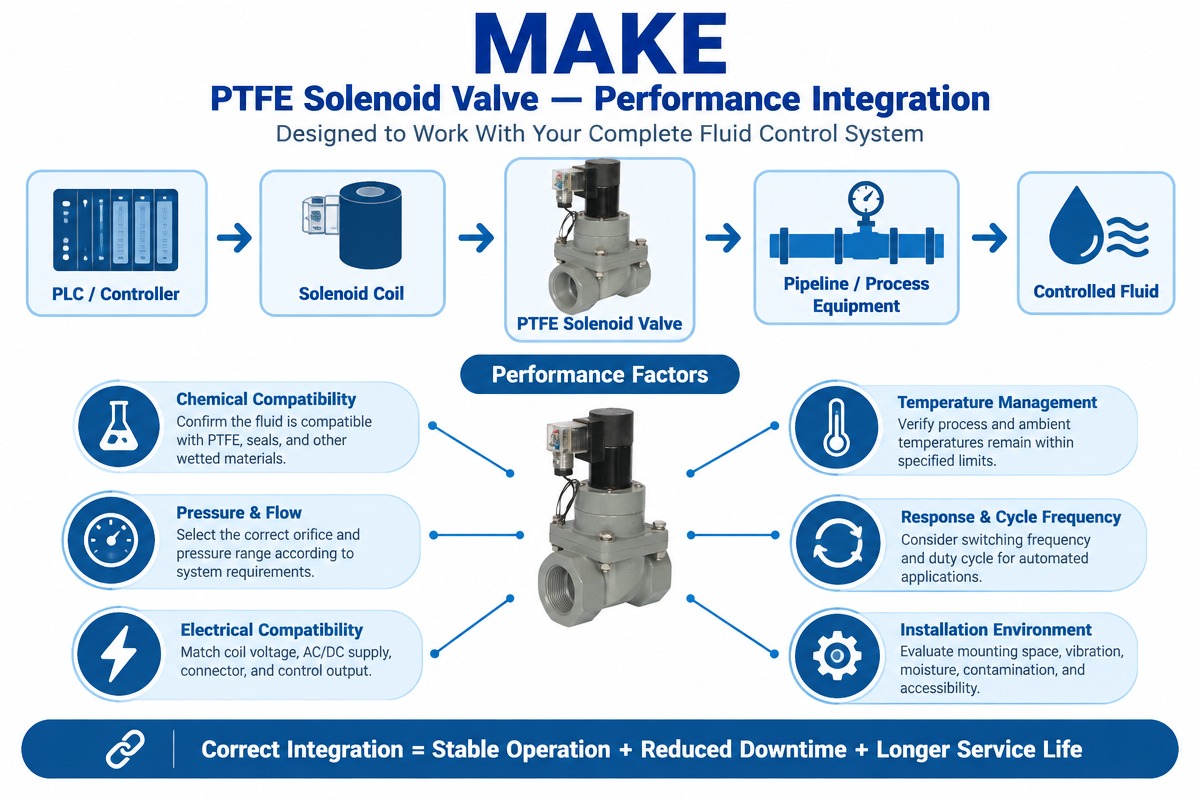
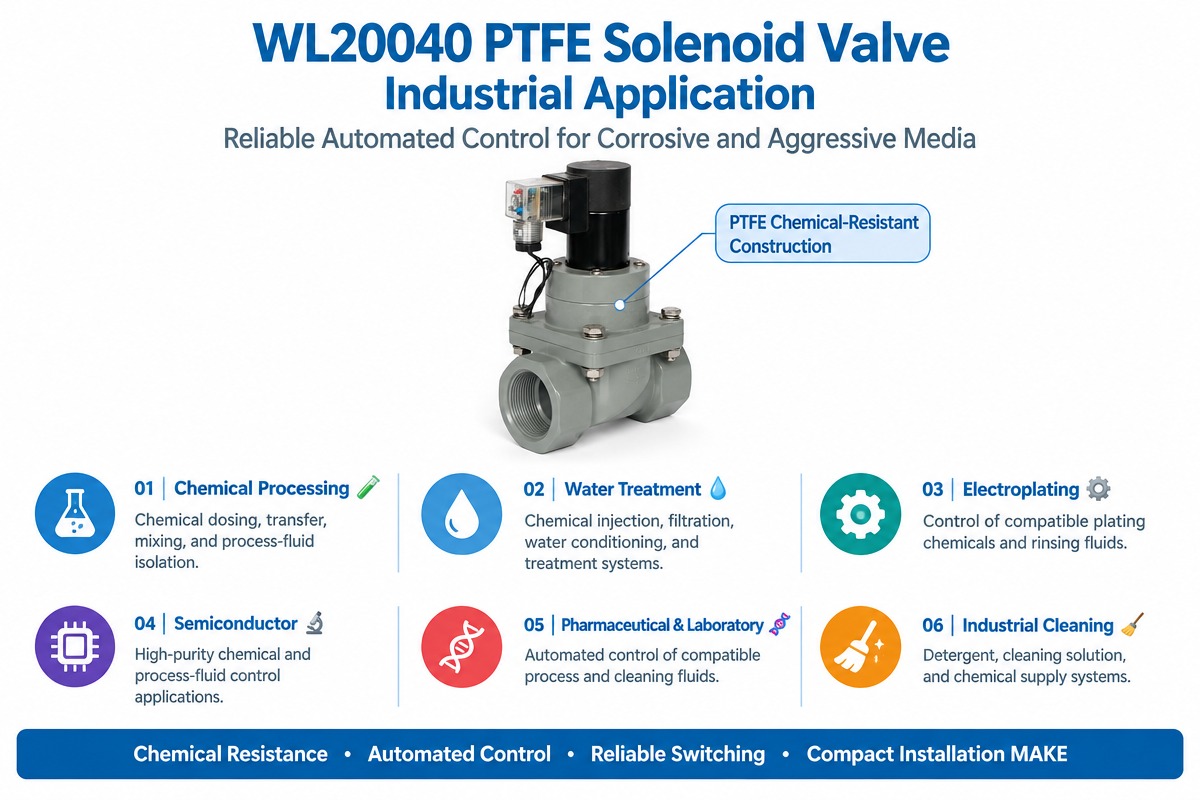
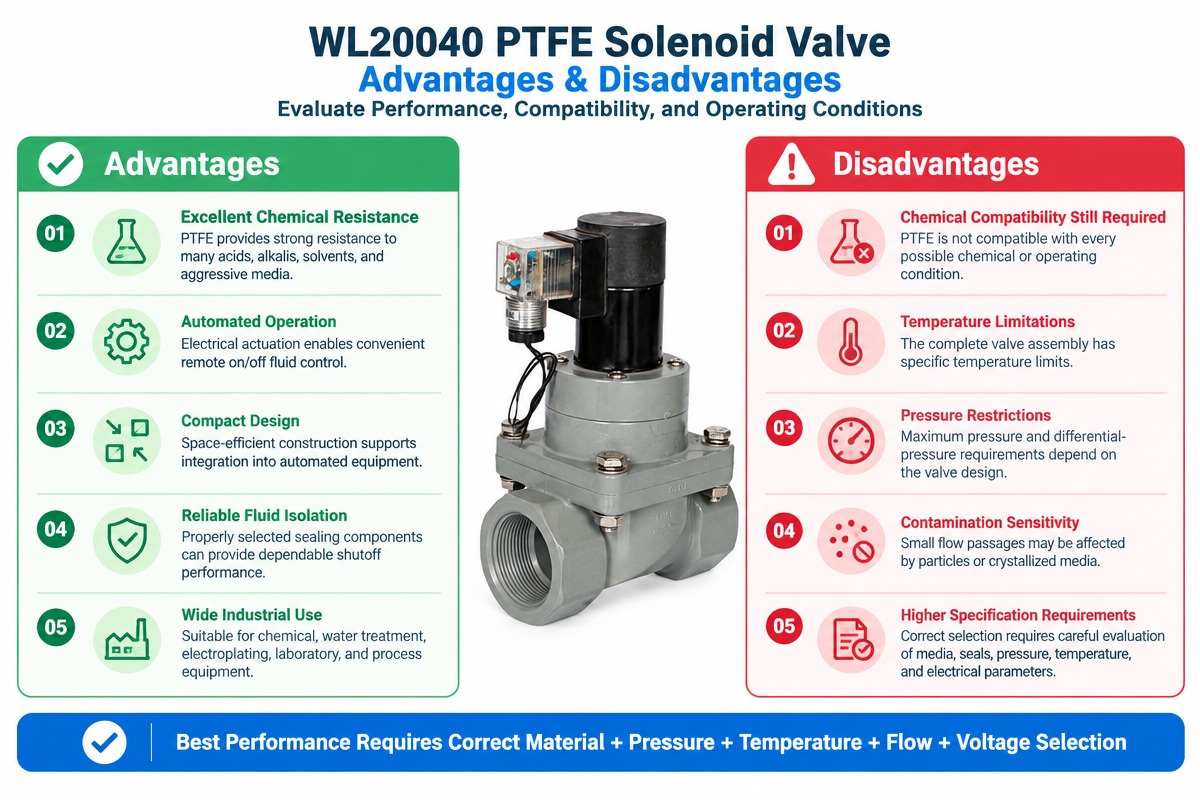
PTFE Solenoid Valves have a lot of advantages in controlling fluids. Main advantage is high resistance to the wide range of corrosive chemicals, acids, alkalis and solvents which help to provide corrosion protection of the wetted parts. Electrical actuation provides automatic on/off control and thus easy integration with PLCs, sensors and process controllers. Space-saving design saves the installation space and the fast switching allows effective process sequencing. PTFE materials also reduce corrosion-related maintenance when properly matched with the process medium.
But there are disadvantages of PTFE Solenoid Valves. PTFE is not compatible with all chemicals, temperatures, pressures and operating conditions. Application specific material verification is still required. Because of the materials and construction the cost of the valve can be higher than standard valves. The design can have temperature, pressure or flow capacity limitations. Fine orifice passages are vulnerable to particles, crystallization or contamination. Seals, diaphragms and other non-PTFE components can affect the overall compatibility. Incorrect sizing can cause pressure drop, slow response or unstable operation.
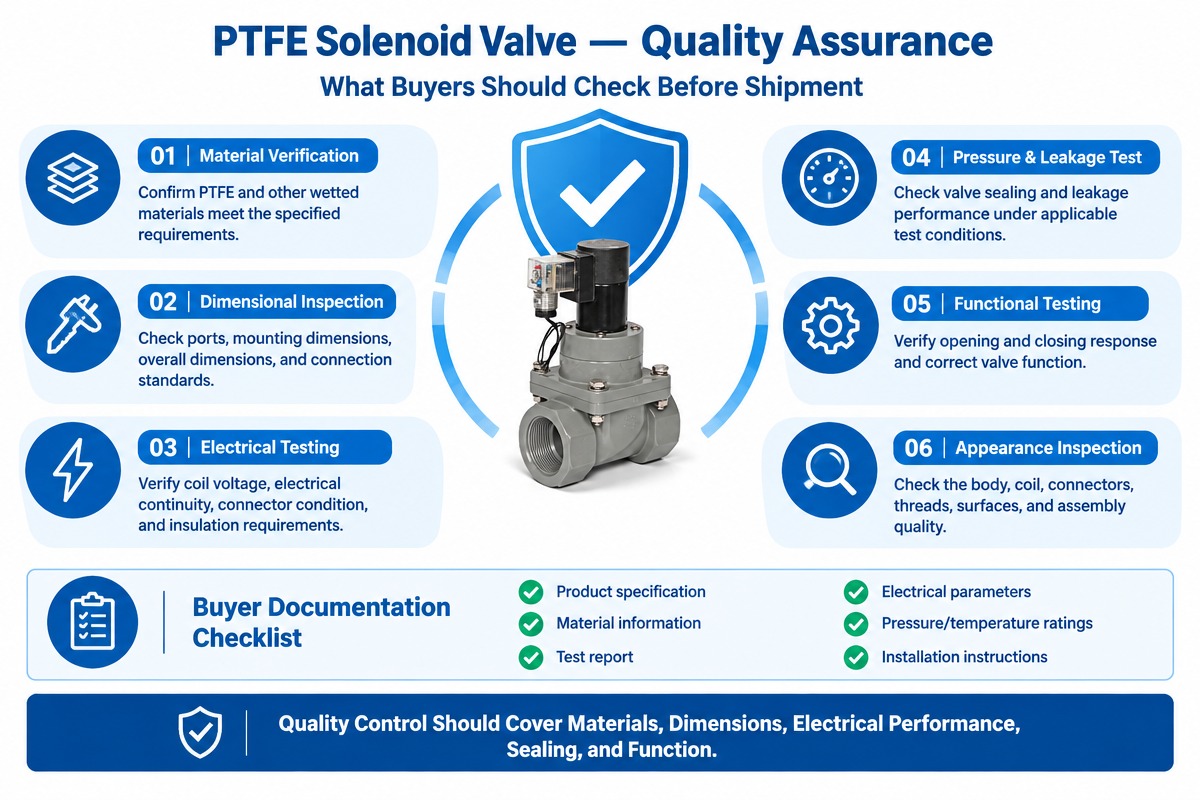
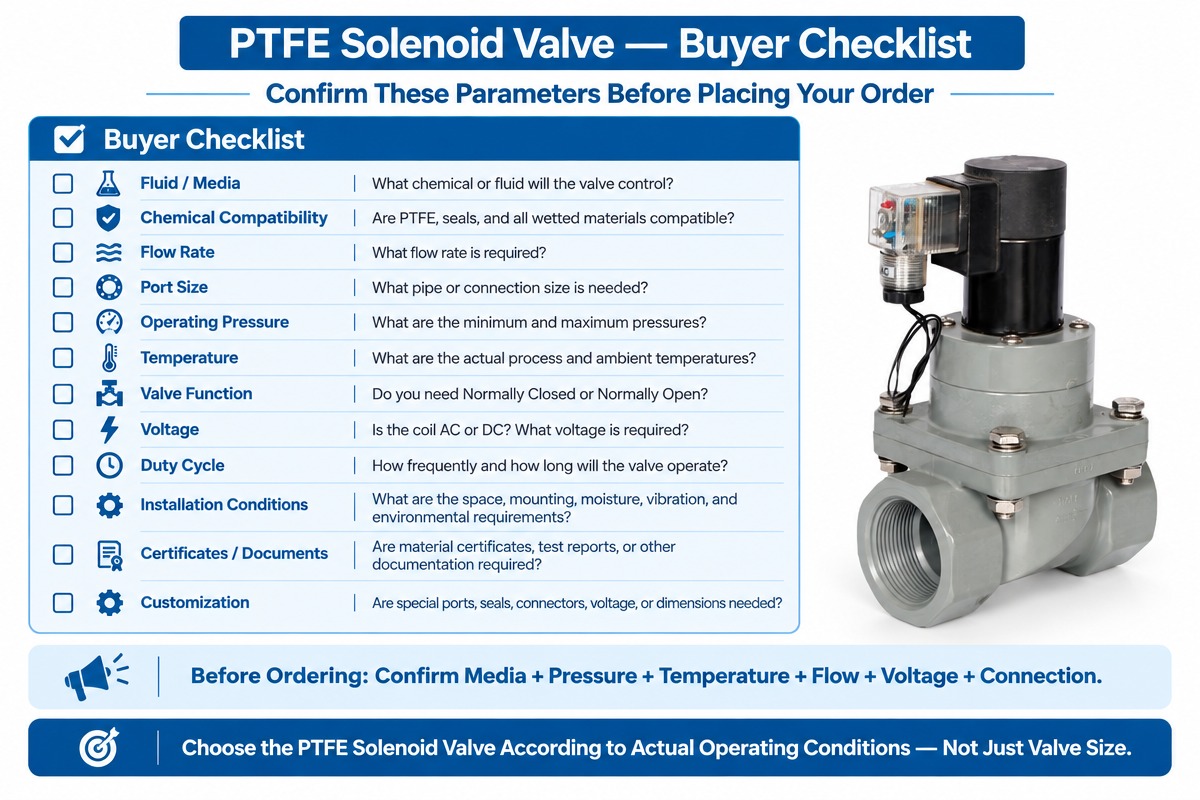
Prior to selection of a PTFE solenoid valve, the engineers have to consider media compatibility, flow requirements, pressure, temperature, electrical specifications, maintenance access and total operating cost. With the right model specified the corrosion resistance, automation, compact installation and maintenance can be achieved.
PTFE Solenoid Valve Troubleshooting
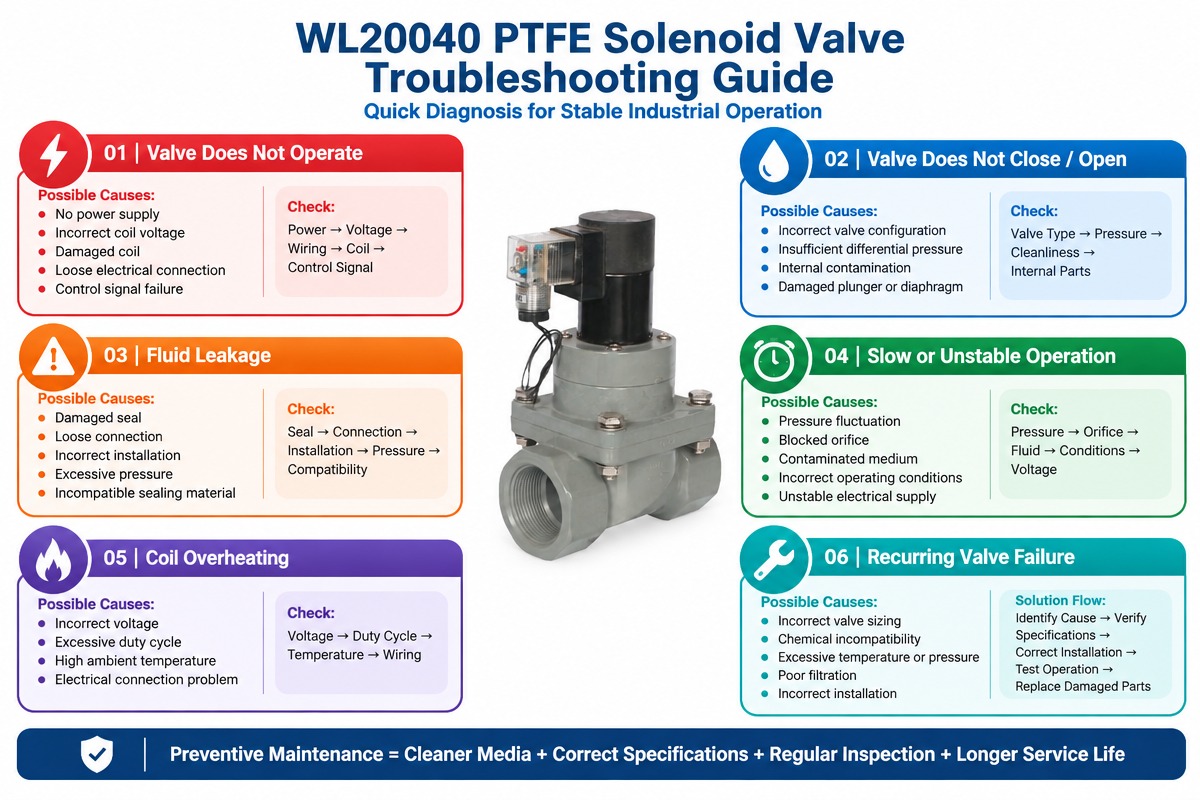
PTFE solenoid valve troubleshooting starts with isolation of the valve for safety and verifying the operating conditions. If the valve doesn’t open or close, check power supply, coil voltage, wiring, connector and control signal. Measure the coil according to the electrical specifications of the manufacturer and replace damaged components if necessary.
If the valve leaks, check the seal, connection, valve body and installation conditions. Verify that the medium is compatible with PTFE and selected sealing materials. Check the high pressure, incorrect flow direction, damaged sealing surfaces or presence of foreign particles.
If the operation is slow or erratic, check the inlet pressure, differential pressure, temperature and flow requirements. If the contamination is suspected, clean the valve using cleaning methods compatible with PTFE and other internal materials. Verify that the orifice is not partially blocked.
If the coil temperature becomes too high, check voltage, duty cycle, ambient temperature and electrical connection. If you hear or feel any unusual noise or vibration, check the mounting, pressure fluctuations, loose fittings and flow conditions.
Many failures can be caused by improper sizing, incompatible media, temperature too high, contamination or unsuitable operating conditions. Symptoms and operational data should be recorded prior to replacing parts. After maintenance check the normal operation of the valve. Inspection and filtration can reduce the recurrent failures.